13 Sequels That Completely Ruined Beloved Video Game Franchises
The video game industry thrives on successful franchises that can sustain multiple sequels, expansions, and spin-offs. When a game becomes a hit, developers naturally want to capitalize on that success with follow-up titles.
However, not every sequel lives up to its predecessor’s legacy, and some manage to damage their franchise’s reputation so severely that fans abandon what they once loved. Here is a list of 13 notorious sequels that tarnished or outright derailed once-beloved gaming franchises.
These cautionary tales demonstrate how even the most successful series can stumble when developers lose sight of what made the originals special.
Duke Nukem Forever
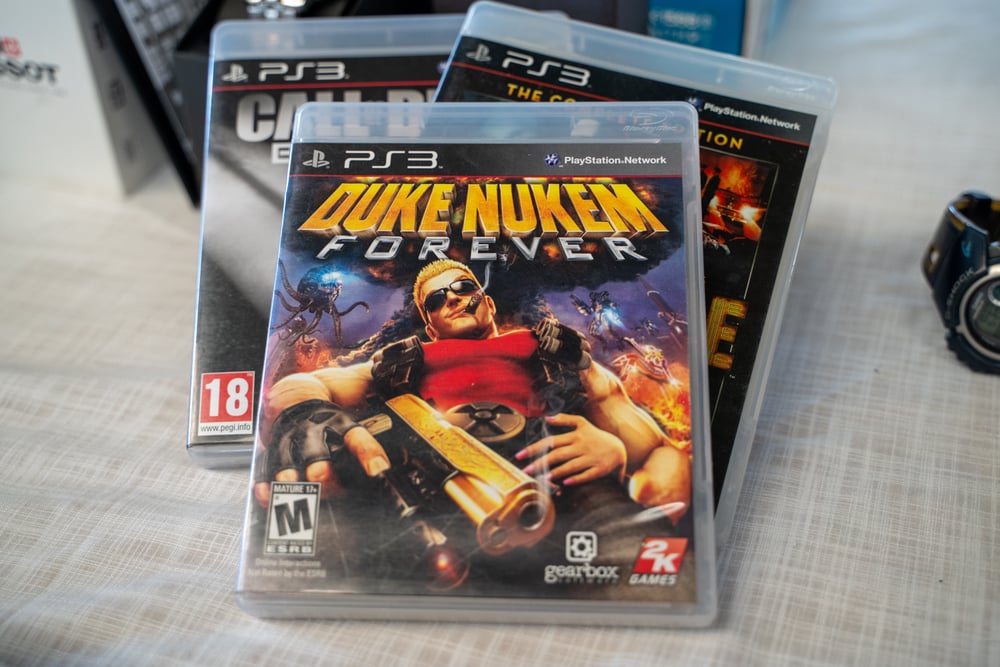
After the massive success of Duke Nukem 3D in 1996, fans eagerly awaited the next installment in this irreverent first-person shooter series. What followed was one of gaming’s most infamous development cycles, spanning 15 years of delays, engine changes, and studio transfers.
When Duke Nukem Forever was finally released in 2011, it felt like a relic—its dated humor, mediocre gameplay, and technical issues destroyed the franchise’s credibility overnight. The long-awaited sequel scored dismally with critics and effectively buried a once-iconic gaming character.
Fallout 76
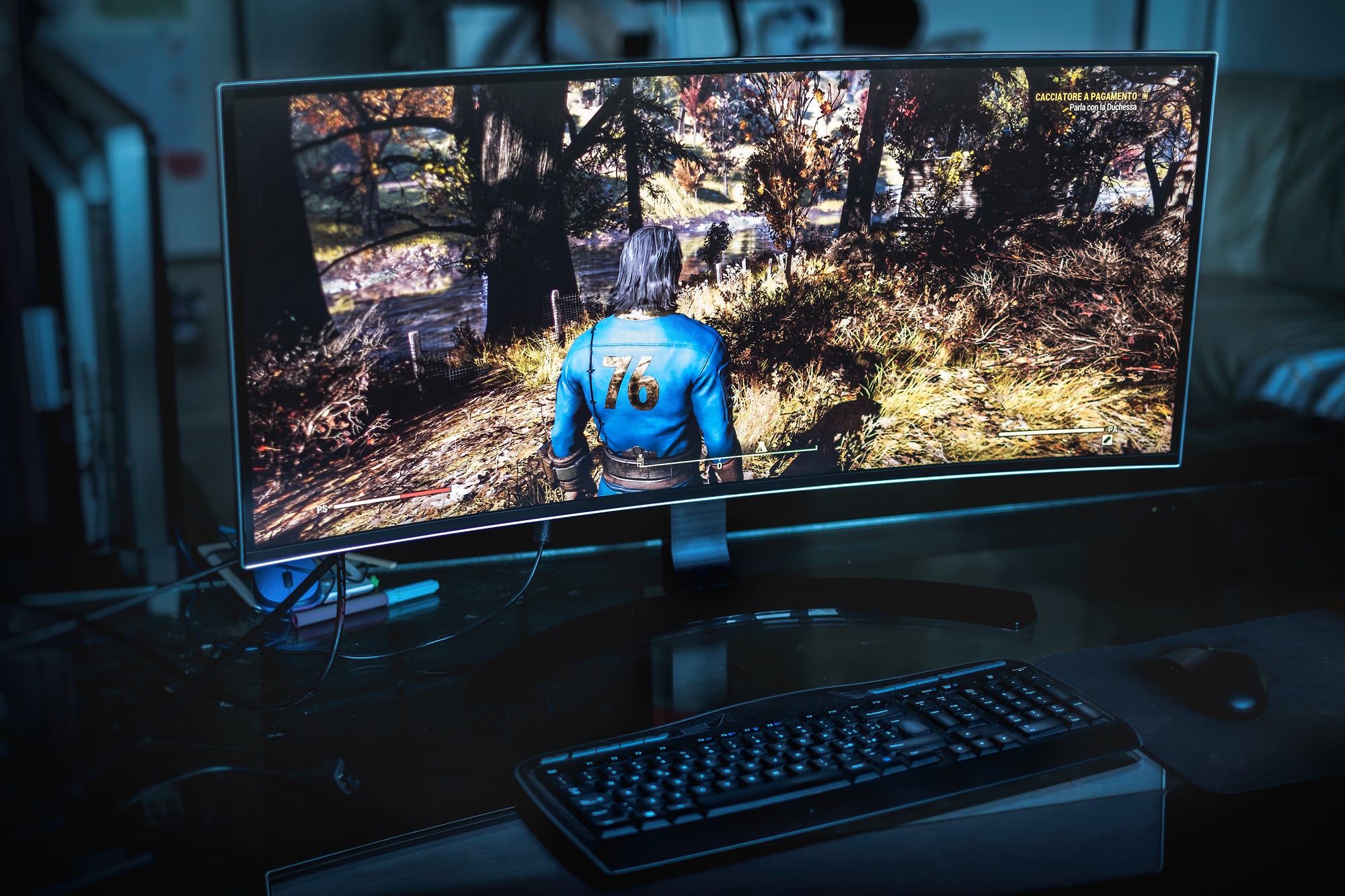
Bethesda’s decision to transform the beloved single-player post-apocalyptic RPG series into an online multiplayer experience backfired spectacularly. Fallout 76 launched in 2018 as a buggy, content-starved shell that lacked the rich storytelling and meaningful choices that defined previous Fallout games.
The absence of human NPCs at launch removed the heart and soul of what made Fallout special, while technical issues and controversial monetization practices further alienated the fanbase. Despite subsequent updates improving the experience, the initial damage to the franchise’s reputation lingered for years.
Like Go2Tutors’s content? Follow us on MSN.
Mass Effect: Andromeda
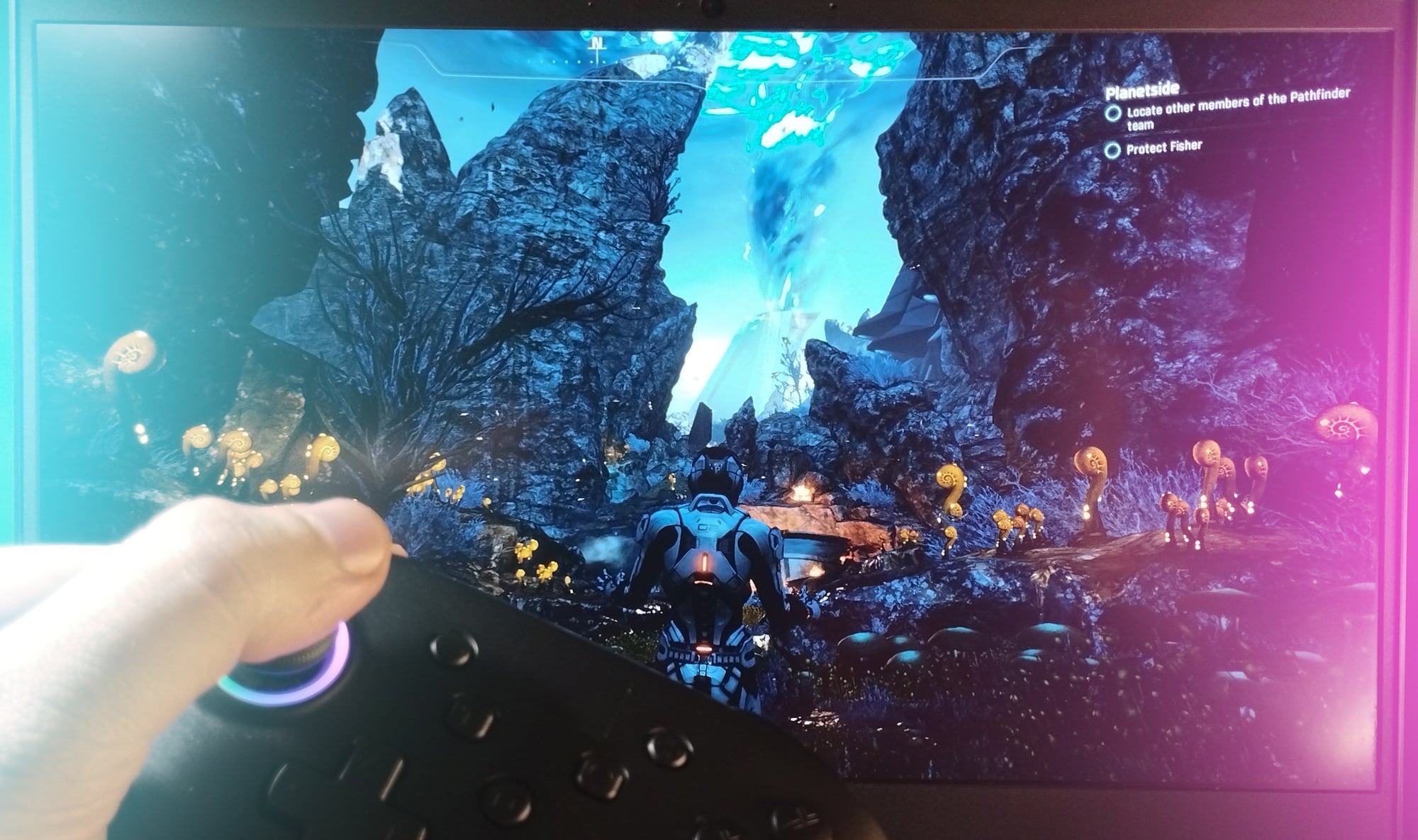
BioWare’s original Mass Effect trilogy earned universal acclaim for its compelling characters, choice-driven narrative, and rich sci-fi universe. Mass Effect: Andromeda attempted to begin a new chapter in a different galaxy, but technical problems and animation issues immediately made it an internet laughingstock upon its 2017 release.
The forgettable characters, repetitive missions, and numerous bugs represented a shocking decline in quality for a studio known for storytelling excellence. The negative reception was so severe that the planned story DLC was canceled and the franchise was put on ice for years.
Star Wars: Battlefront II
The original Battlefront games were beloved for delivering immersive Star Wars battles with accessible gameplay. When EA and DICE rebooted the series, expectations were high, but the 2017 sequel became infamous for its predatory monetization strategies rather than its gameplay.
The title launched with a progression system so heavily tied to loot boxes that players calculated it would take thousands of hours or hundreds of dollars to unlock all content. The backlash was so severe that it triggered international discussions about gambling in video games and forced a complete overhaul of the game’s economy, but the damage was done by then.
Command & Conquer: Tiberian Twilight
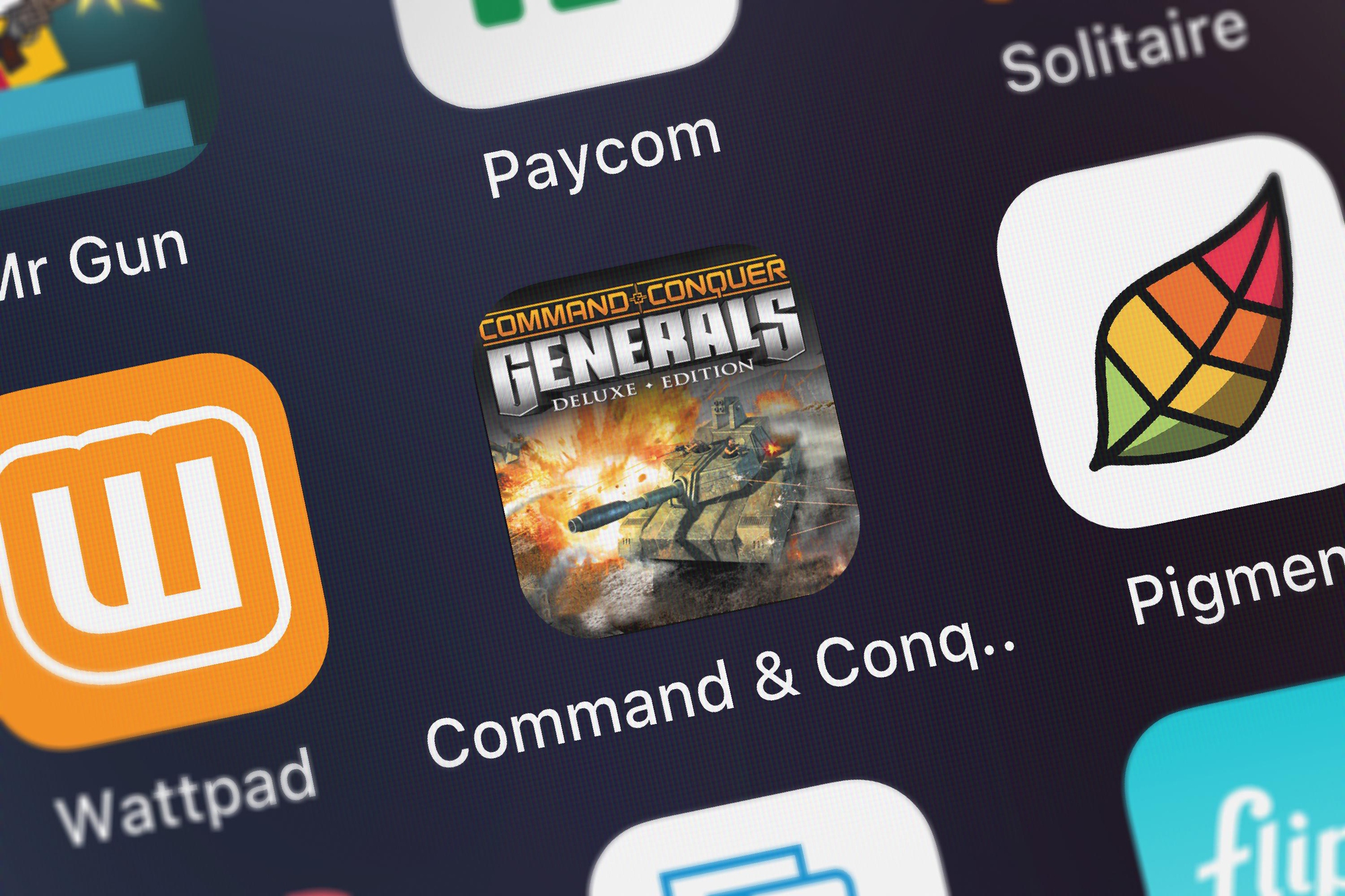
The Command & Conquer series pioneered real-time strategy gaming, but its fourth mainline installment abandoned nearly everything fans loved about the franchise. Tiberian Twilight removed base building, resource gathering, and traditional unit production—essentially stripping away the core gameplay elements that defined C&C.
The shift to a class-based, always-online experience with a punishing DRM system was a betrayal of longtime fans. The 2010 release effectively killed the main series, with the franchise relegated to mobile games until recent remasters rekindled interest.
Like Go2Tutors’s content? Follow us on MSN.
Sonic the Hedgehog
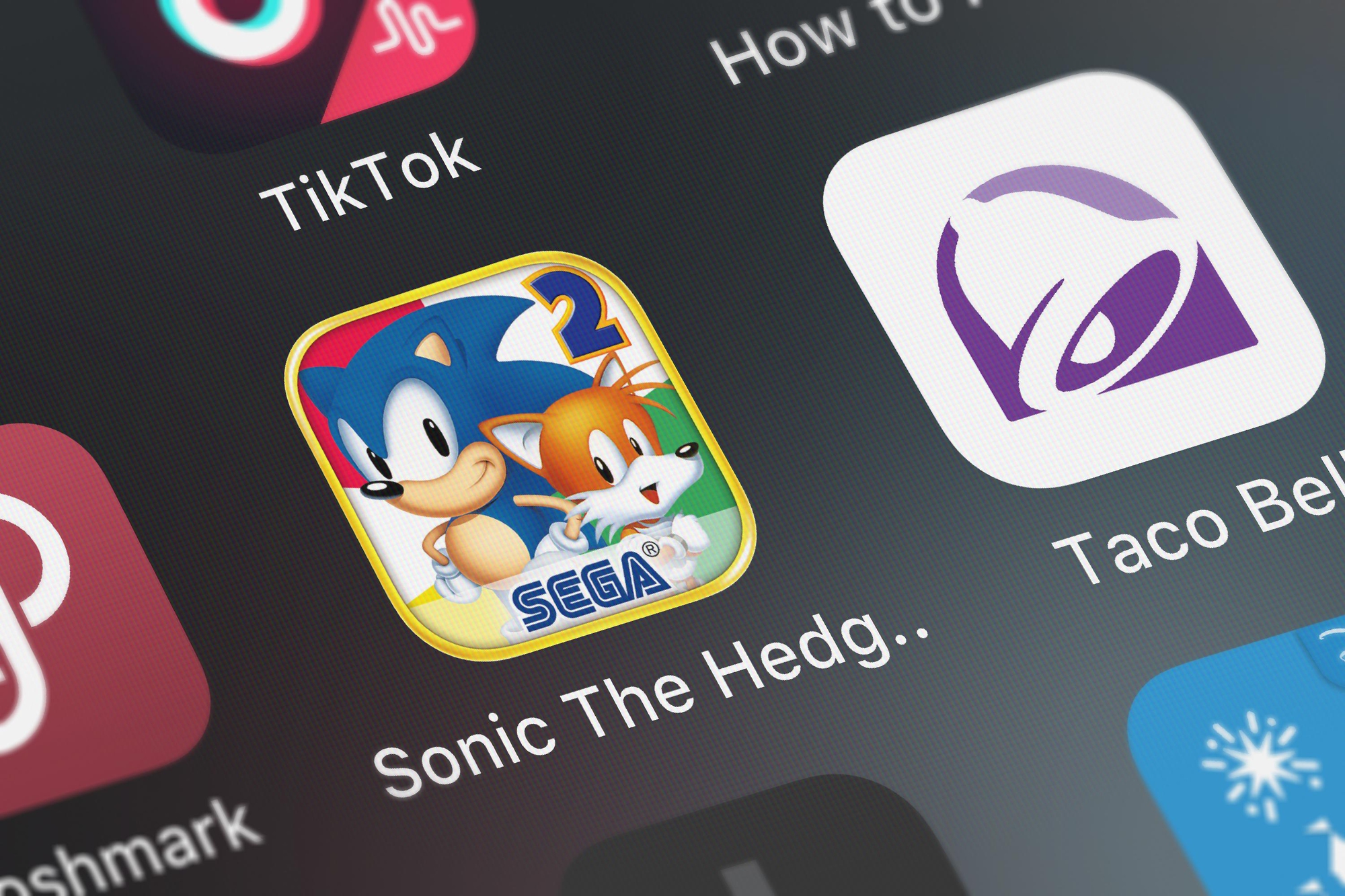
Sega’s blue blur suffered numerous missteps throughout his career, but none damaged the franchise quite like the 2006 release simply titled “Sonic the Hedgehog.” Rushed to market for the holiday season on new console hardware, this reboot featured broken physics, abysmal loading times, glitch-filled gameplay, and an uncomfortable romantic subplot between Sonic and a human princess.
The game became synonymous with rushed development and poor quality control, sending Sonic into a tailspin that took multiple console generations to recover from. Many longtime fans consider this the moment the franchise lost its way.
SimCity
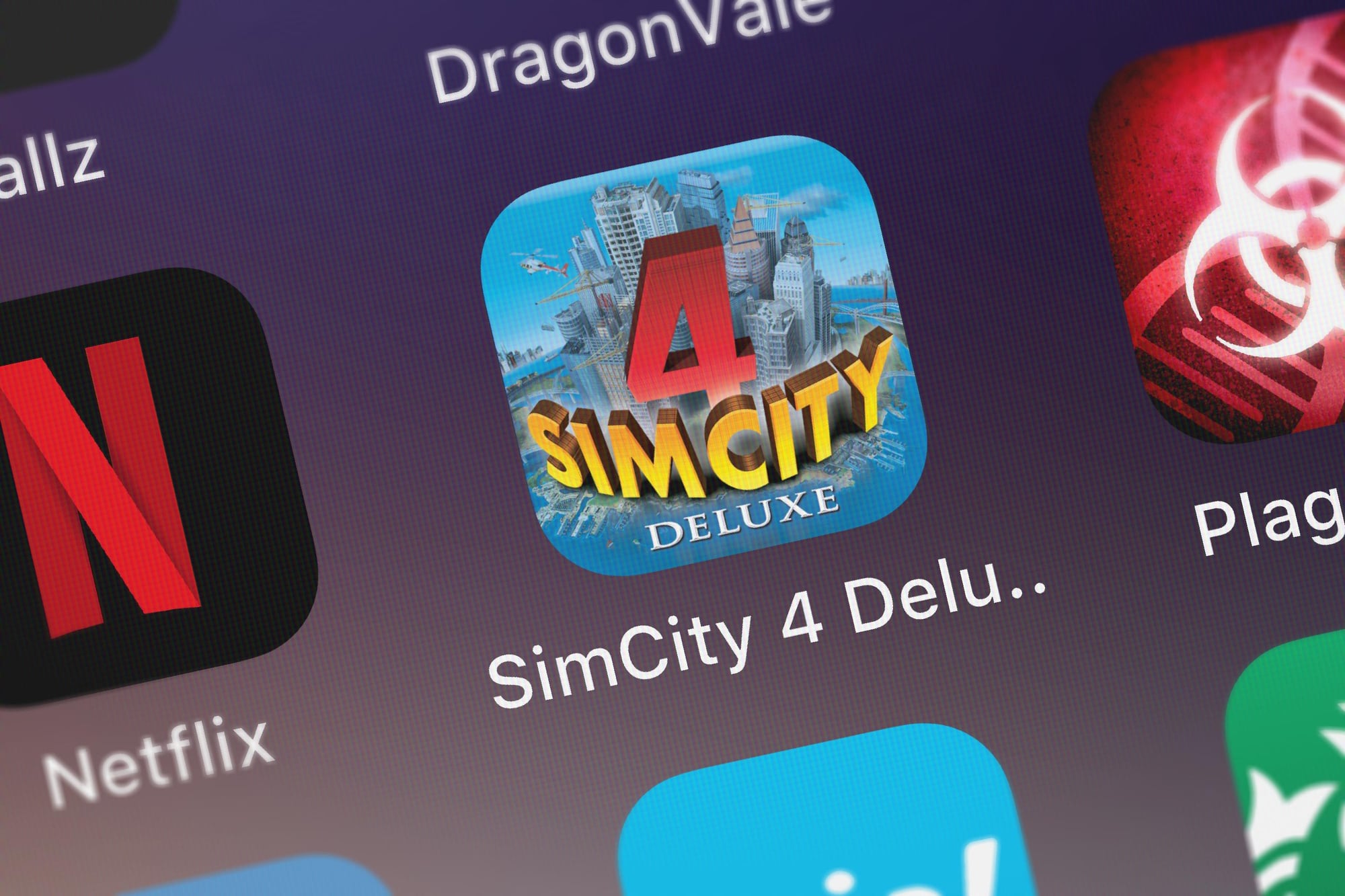
Maxis had built its reputation on creating detailed simulation games that gave players tremendous freedom, making the constraints of 2013’s SimCity reboot all the more baffling. The game required a constant internet connection even for single-player, featured extremely limited city sizes, and suffered catastrophic server issues at launch, rendering it unplayable for many customers.
The simplified mechanics and forced online component fundamentally misunderstood what SimCity fans wanted, creating an opening for competitor Cities: Skylines to capture the market. The franchise has remained dormant since this disastrous entry.
Tony Hawk’s Pro Skater

After years of declining quality, Activision rushed out one final Tony Hawk game before their license expired, resulting in perhaps the most broken major release of its generation. Pro Skater 5 launched in 2015 as a buggy, unfinished mess with physics glitches, broken missions, and stripped-down mechanics that betrayed the precise controls the series was known for.
The actual game data on the disc was minimal, requiring a massive day-one patch larger than the base game itself. This embarrassing finale tarnished what had once been one of gaming’s most consistently excellent franchises throughout the late 90s and early 2000s.
Like Go2Tutors’s content? Follow us on MSN.
Resident Evil
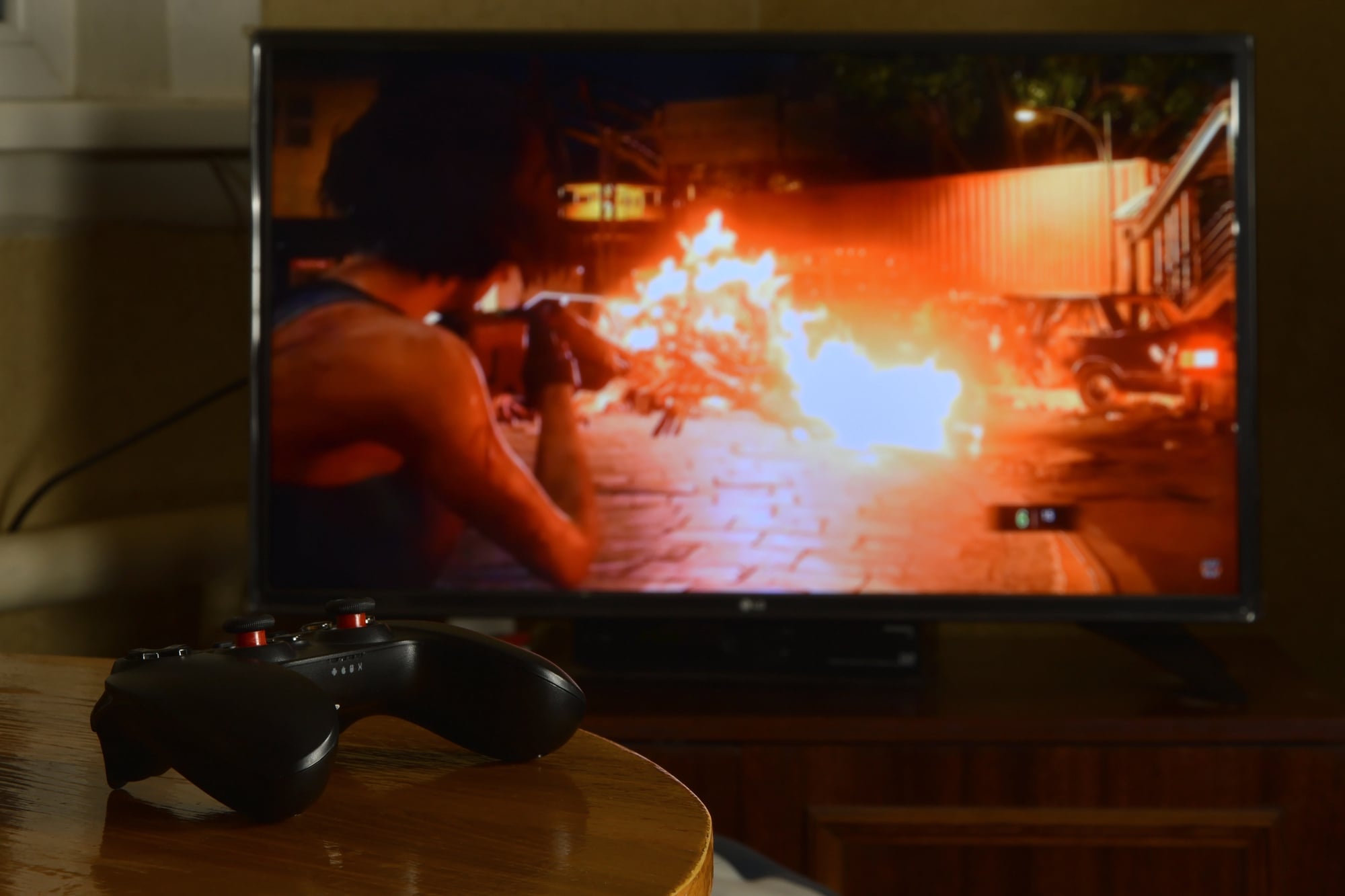
Capcom’s horror series had gradually shifted toward action over its lifetime, but Resident Evil 6 took this trend to an absurd extreme. The 2012 release featured four bloated campaigns filled with over-the-top setpieces, quick-time events, and generic third-person shooter mechanics that abandoned any pretense of survival horror.
The convoluted story, excessive length, and focus on explosions over atmosphere alienated longtime fans who had supported the series since its PlayStation origins. The negative reception forced Capcom to completely reimagine the franchise with Resident Evil 7, returning to its horror roots.
Medal of Honor
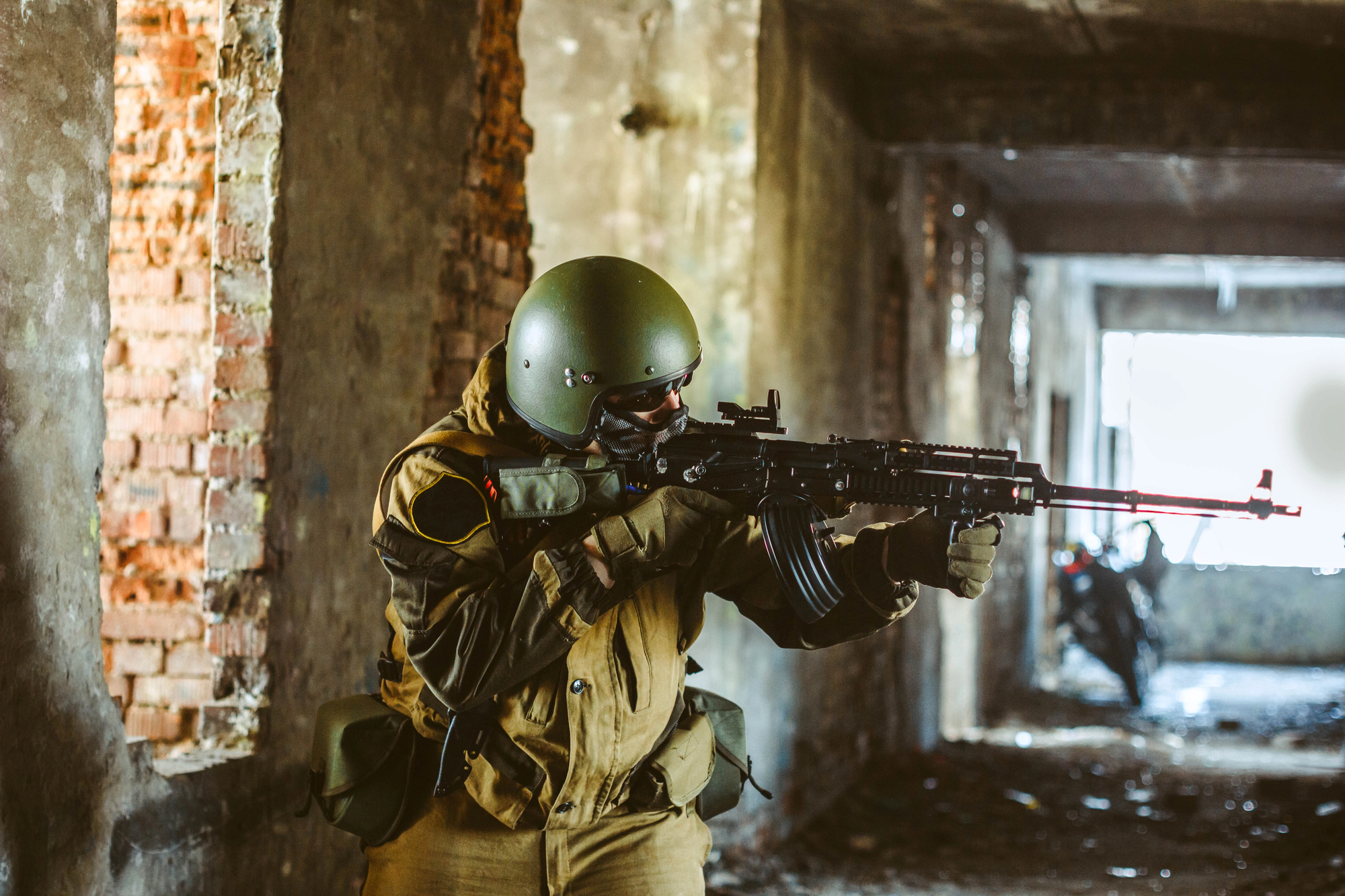
Electronic Arts’ attempt to modernize the once-dominant WWII shooter franchise resulted in this critically panned 2012 release that effectively killed the series. Following a moderately successful reboot that brought the franchise to contemporary settings, Warfighter doubled down on military authenticity while delivering a generic, buggy campaign and uninspired multiplayer.
The game’s development was troubled, with former Navy SEALs consultants facing disciplinary action for sharing classified information with the developers. Poor sales and scathing reviews led EA to shelve the once-prestigious franchise, marking a dramatic fall for a series that had pioneered the WWII FPS genre.
Thief

The original Thief games revolutionized stealth gameplay in the late 1990s, emphasizing light and sound mechanics while giving players creative freedom to approach objectives. The 2014 reboot stripped away this complexity in favor of linear level design, simplified mechanics, and an unmemorable protagonist who failed to capture the charm of the original’s Garrett.
Square Enix’s attempt to modernize the series resulted in a generic stealth experience that neither satisfied longtime fans nor attracted new ones. The critical and commercial disappointment effectively ended the pioneering stealth franchise that had once influenced countless games.
Like Go2Tutors’s content? Follow us on MSN.
Dead Space
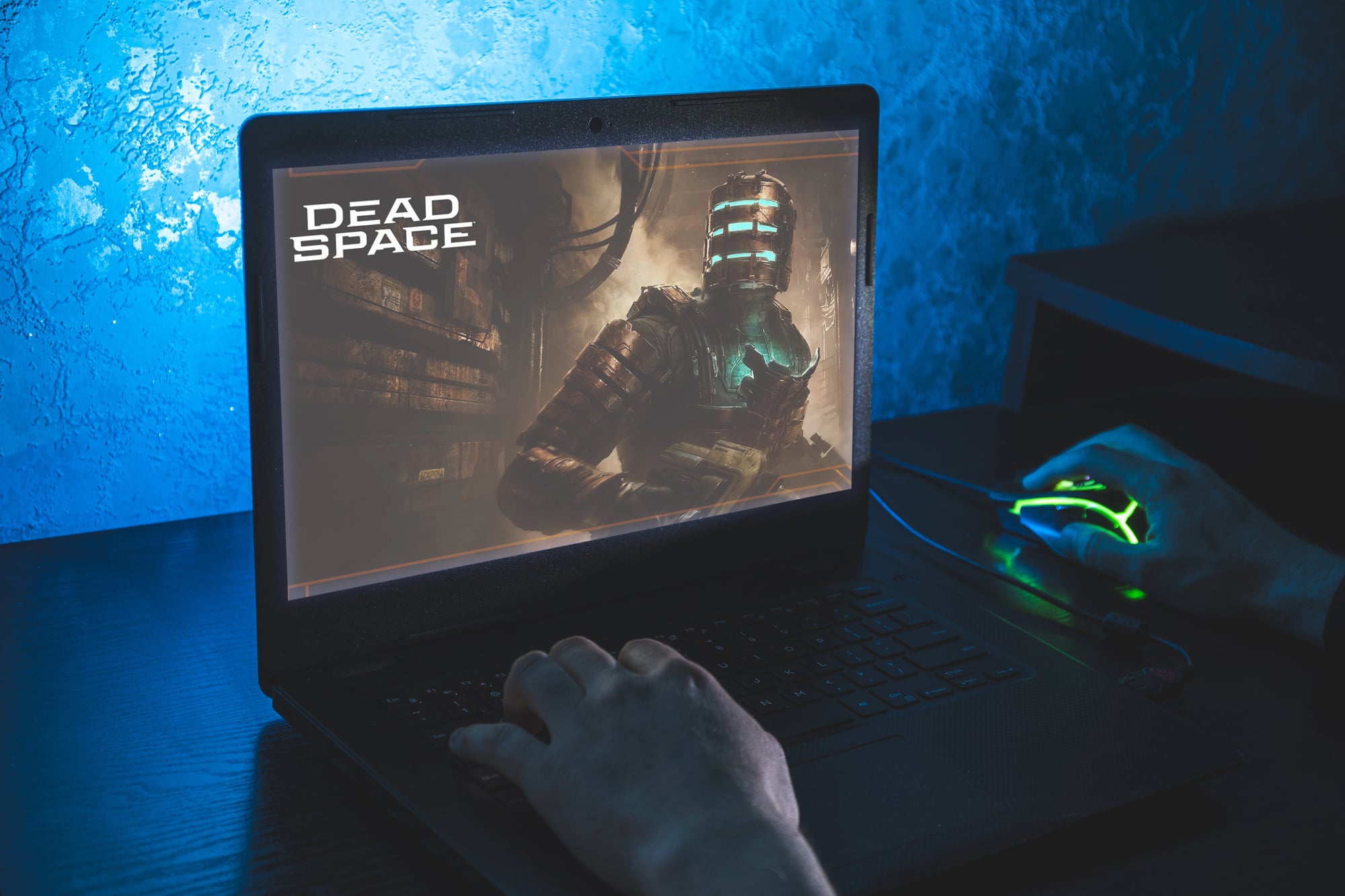
Visceral Games’ Dead Space series began as a masterclass in survival horror, with the first two installments praised for their atmospheric tension and innovative gameplay. The third entry pivoted sharply toward cooperative action gameplay, diluting the isolation and fear that defined the franchise.
EA’s push for broader appeal led to the addition of microtransactions, cover-based shooting, and human enemies—all of which contradicted the core Dead Space experience. The 2013 release sold below expectations despite its higher development costs, leading to the closure of Visceral Games and the franchise’s dormancy until the recent remake.
Alone in the Dark
The franchise that pioneered survival horror gaming in 1992 hit rock bottom with this ill-conceived 2015 multiplayer shooter. Abandoning the atmospheric exploration and puzzle-solving that defined the series, Illumination focused on cooperative combat against waves of enemies—effectively turning a horror franchise into a generic Left 4 Dead clone.
Technical issues, repetitive gameplay, and the complete absence of the psychological horror elements that defined the series resulted in one of the worst-reviewed games of its year. This misguided sequel effectively killed a historically important franchise that had influenced gaming classics like Resident Evil and Silent Hill.
The Legacy of Failed Sequels

These catastrophic follow-ups remind us that successful game development requires more than simply leveraging a familiar name. Each of these sequels failed by misunderstanding what made their franchises special in the first place—whether by chasing trends, rushing development, or focusing on monetization over player experience.
While some franchises eventually recovered through reboots or returns to form, others remain permanently damaged by these missteps. The gaming landscape is littered with once-beloved series that never recovered from a single disastrous entry. It serves as a cautionary tale for developers tempted to prioritize short-term profits over the long-term health of their intellectual properties.
More from Go2Tutors!

- 18 Unexpectedly Valuable Collectibles You Might Have Lying Around
- 20 Little-Known Historical Battles That Had Huge Consequences
- 20 Historical Artifacts That Scientists Can’t Explain
- 15 Inventions That Were Immediately Banned After Being Created
- 20 Actors Who Were Almost Cast in Iconic Roles
Like Go2Tutors’s content? Follow us on MSN.