15 Famous Places That Weren’t Finished — But Were Opened Anyway
Most of us know that panicky feeling when guests arrive while the house isn’t quite ready. Maybe the appetizers need a few more minutes or you’re still hiding clutter in closets.
Well, even the world’s grandest landmarks sometimes open their doors prematurely. Financial troubles, political deadlines, or plain old impatience have forced many iconic destinations to welcome their first visitors amid active construction zones.
Let’s explore 15 famous places around the world that threw open their doors despite being noticeably incomplete – proving that “grand opening” sometimes means “opening before grandeur is achieved.”
The Empire State Building
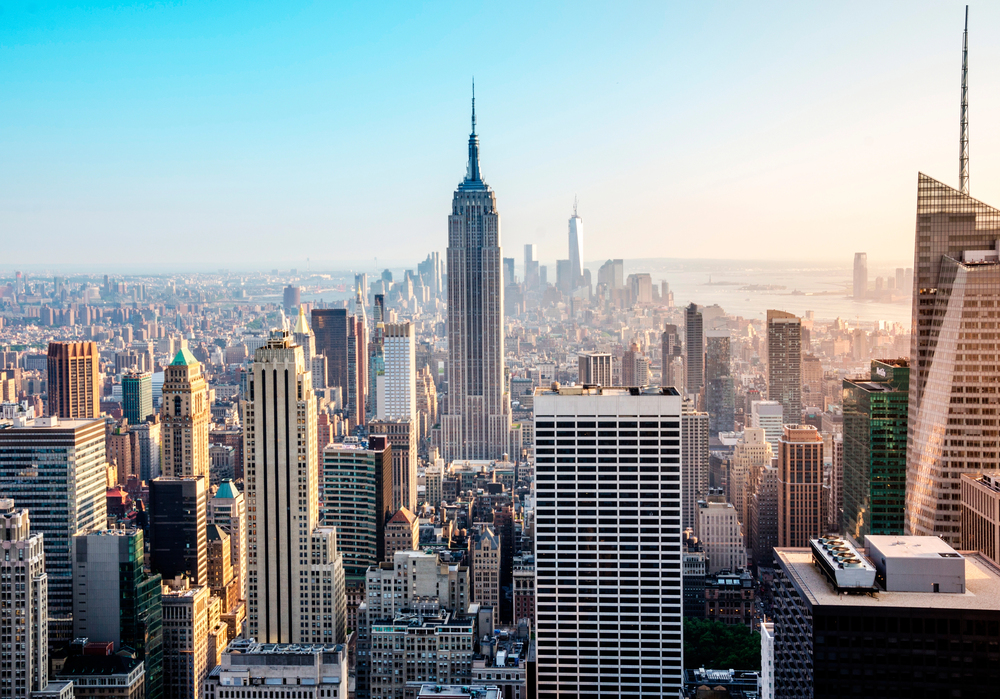
The Great Depression-era New York skyscraper welcomed visitors on May 1, 1931, though most of its 102 floors remained starkly unfinished. Governor Franklin D. Roosevelt attended the ribbon-cutting ceremony with great fanfare – yet behind the scenes, roughly 75% of the office space consisted of bare concrete shells lacking interior walls or basic amenities.
The observation deck functioned perfectly well, allowing early visitors to enjoy magnificent views while standing in what amounted to an expensive concrete framework adorned with little more than potential.
Barcelona’s Sagrada Familia
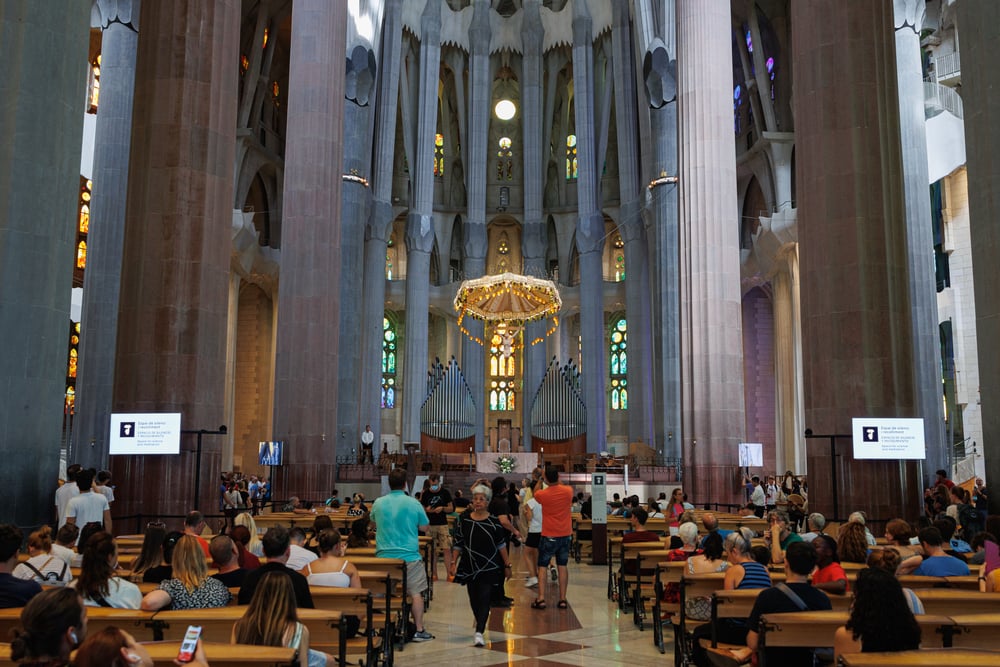
Antoni Gaudí’s masterpiece began taking shape in 1882 and stands as perhaps history’s longest-running construction project – still incomplete nearly 140 years later. Religious services commenced in 2010 despite massive cranes looming overhead and façades existing only in architectural drawings.
Tourists don hard hats in certain sections while witnessing stonemasons and artisans practicing nearly forgotten crafts as they inch toward the anticipated 2026 completion date. The basilica represents that rare category of UNESCO World Heritage site where visitors can watch history actively under construction.
Like Go2Tutors’s content? Follow us on MSN.
The Pentagon
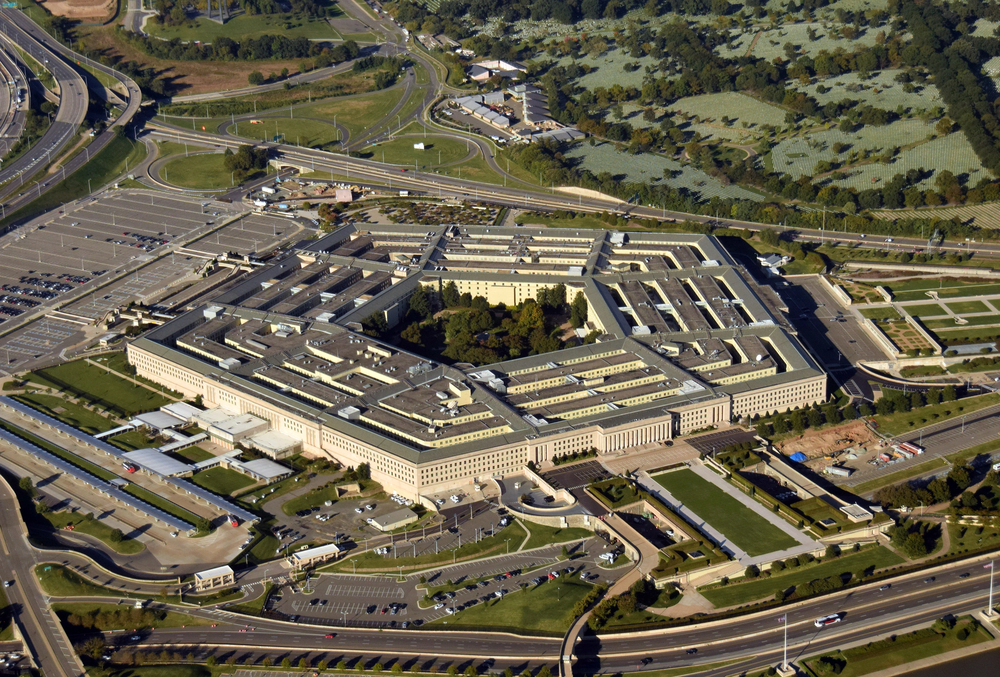
America’s military headquarters became partially operational in 1943 – smack in the middle of World War II’s urgency. Military personnel reported for duty while construction crews hammered away just down unfinished corridors.
The massive five-sided structure had such rushed deadlines that temporary wooden ramps substituted for proper staircases in several wings. Secretary of War Henry Stimson conducted official business from his completed office suite.
However, heating systems remained spotty throughout that first winter – leaving many military planners working in coats amid the sounds of ongoing construction.
Walt Disney World
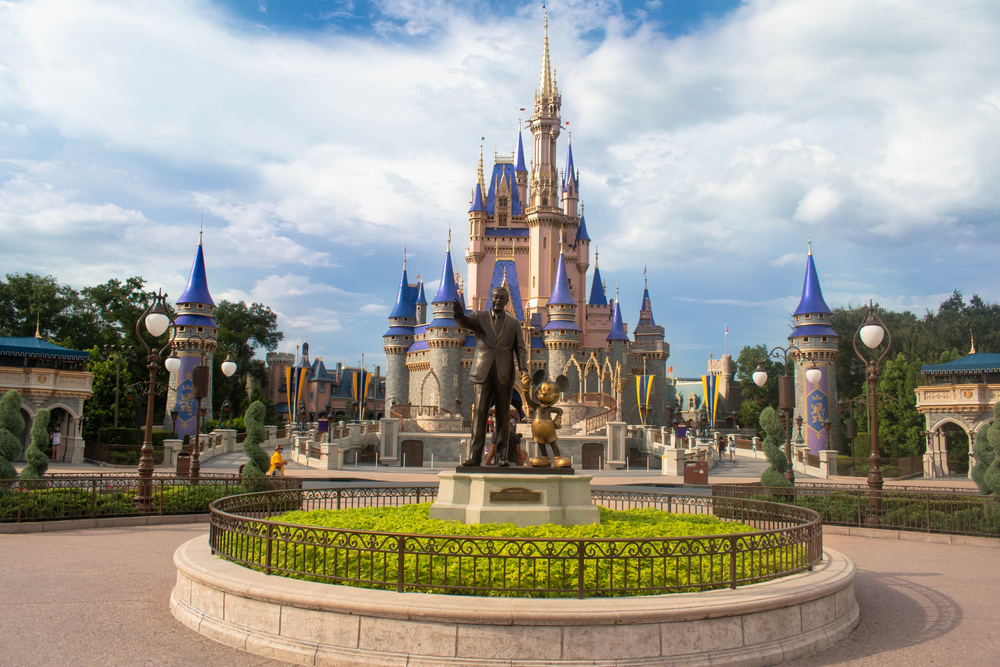
The Florida theme park trumpeted itself as “The Most Magical Place on Earth” upon opening in 1971 – despite offering fewer than half the promised attractions. Main Street sparkled with completion, but vast sections beyond stood cordoned off behind cheerfully decorated construction barriers.
Roy Disney pushed forward with the opening following his brother Walt’s death five years earlier, resulting in a Disney experience that early visitors often described as “skeletal.” Families arrived expecting full Disney magic – only to discover foundations where planned attractions should have stood.
Sydney Opera House
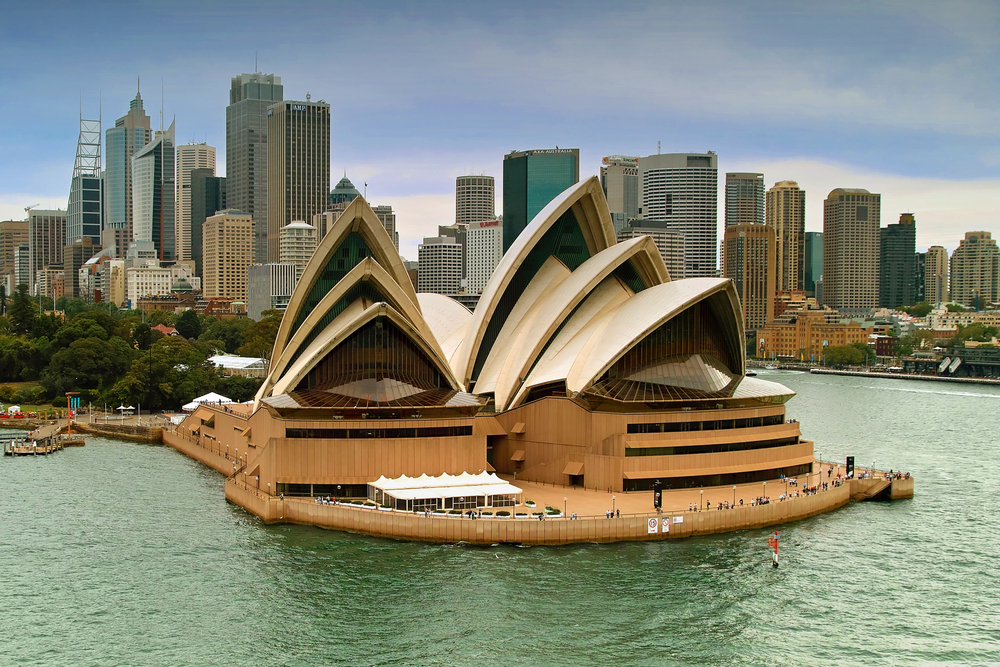
The 1976 Summer Olympics venue opened without its signature retractable roof or completed observation tower. Athletes competed while construction teams worked frantically around event schedules to maintain basic functionality.
The infamous tower wouldn’t reach completion until 1987 – eleven years after Olympic glory had faded. Local residents sarcastically transformed its nickname from “The Big O” to “The Big Owe” due to staggering cost overruns reaching nearly 1.5 billion dollars – with taxpayers funding structural repairs that continue even today.
Like Go2Tutors’s content? Follow us on MSN.
Montreal’s Olympic Stadium
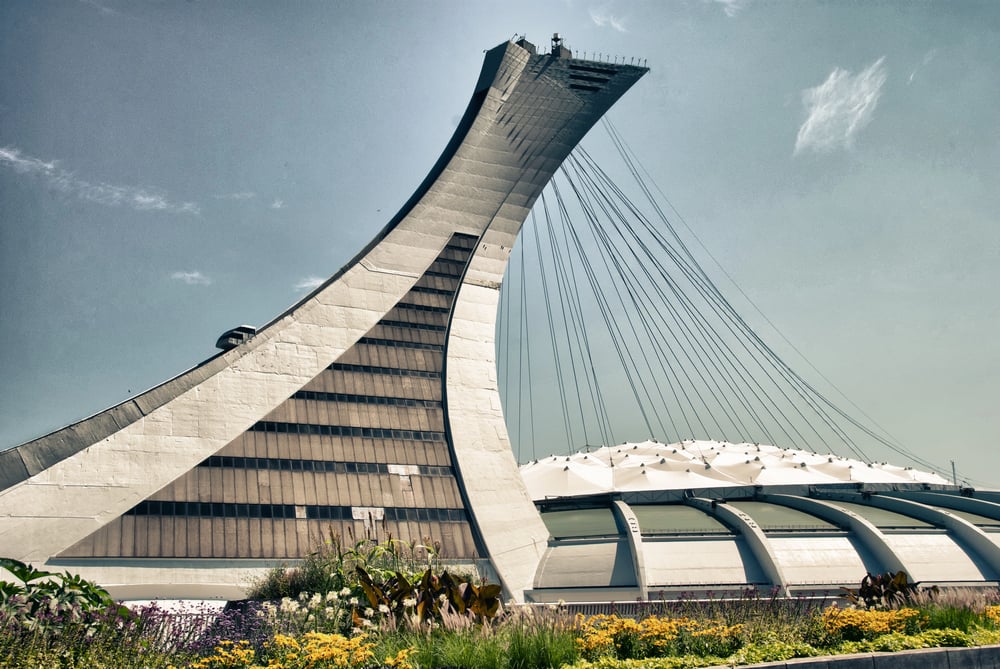
The 1976 Summer Olympics venue opened without its signature retractable roof or completed observation tower. Athletes competed while construction teams worked frantically around event schedules to maintain basic functionality.
The infamous tower wouldn’t reach completion until 1987 – eleven years after Olympic glory had faded. Local residents sarcastically transformed its nickname from “The Big O” to “The Big Owe” due to staggering cost overruns reaching nearly 1.5 billion dollars – with taxpayers funding structural repairs that continue even today.
The Scottish Parliament Building
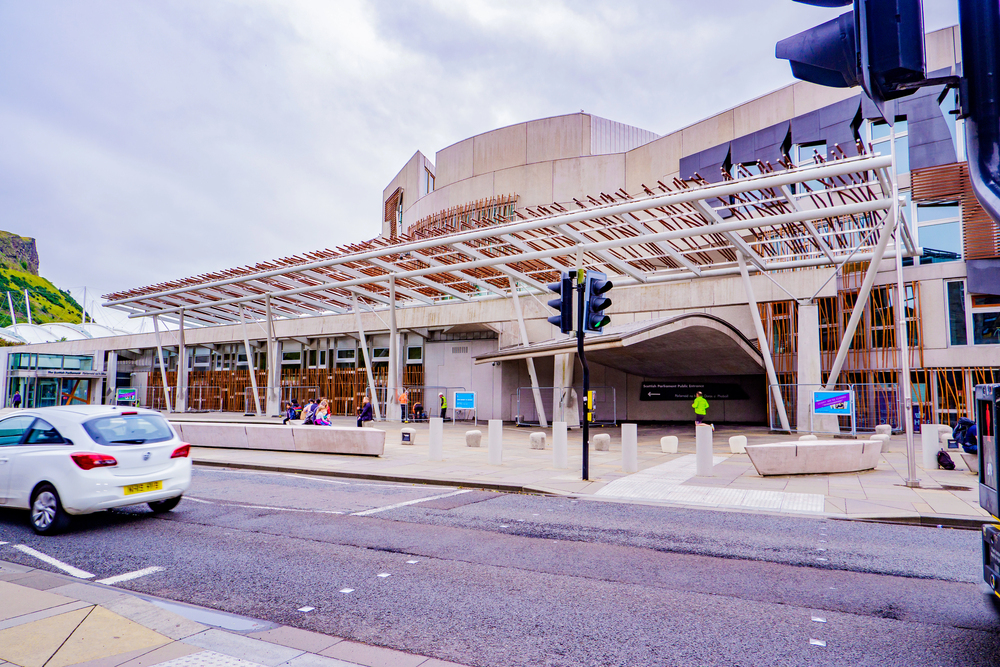
This controversial modern structure opened three years behind schedule in 2004 – and nearly ten times over budget. Queen Elizabeth II officially inaugurated the building amid ongoing interior work and unresolved structural challenges.
Dignitaries attended opening ceremonies while carefully navigating around temporary fixtures and cordoned-off sections still receiving finishing touches. The rushed completion schedule manifested in embarrassing structural problems – including a ceiling beam that dramatically collapsed in the main chamber barely a year after opening day.
Palace of Versailles
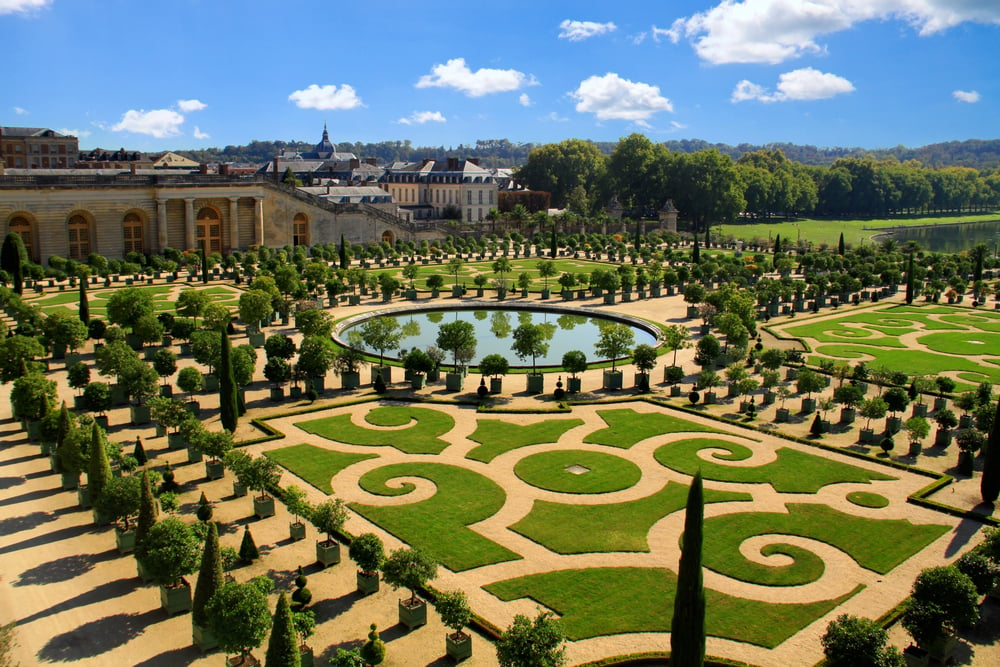
When Louis XIV relocated his entire court to Versailles in 1682, the palace complex remained decades away from completion. The Sun King occupied his royal apartments while hundreds of workers constructed the east wing and began transforming former hunting grounds into legendary gardens.
Court nobles lived amid scaffolding and endured the constant din of construction – sometimes occupying apartments with temporary walls and unfinished ceilings. The royal family essentially resided in France’s most prestigious construction site for years while the massive project expanded around them.
Like Go2Tutors’s content? Follow us on MSN.
Berlin Brandenburg Airport
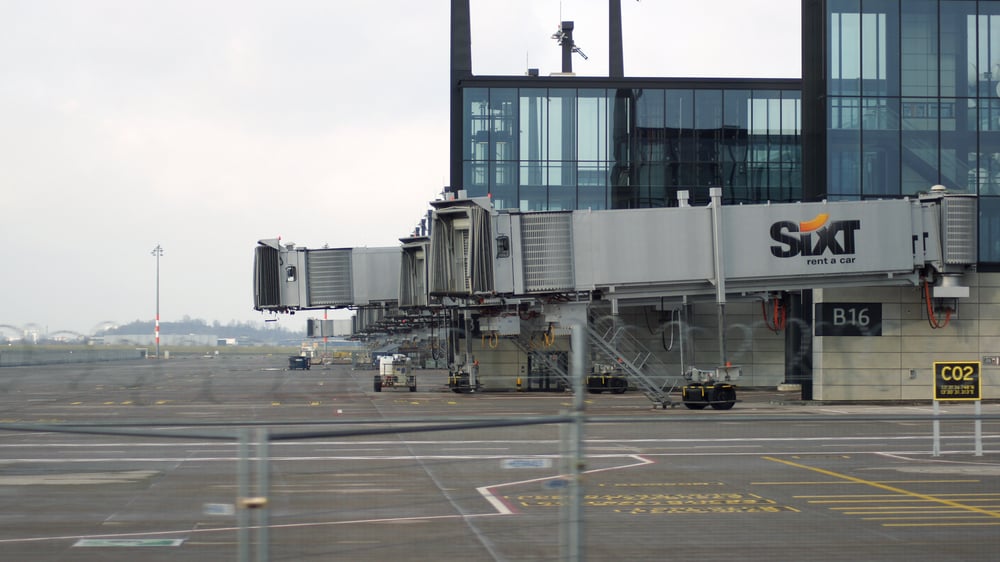
This modern transportation hub finally began operations in 2020 – nine years behind schedule and billions over budget. Passengers entered terminals where systems functioned through temporary adaptations rather than as originally designed.
Empty retail spaces awaited tenants, certain automated features remained offline, and construction crews continued visible work throughout the facility despite the official opening. After nearly a decade of embarrassing false starts and safety concerns, the airport began accepting flights despite numerous systems still awaiting proper completion.
The Eiffel Tower
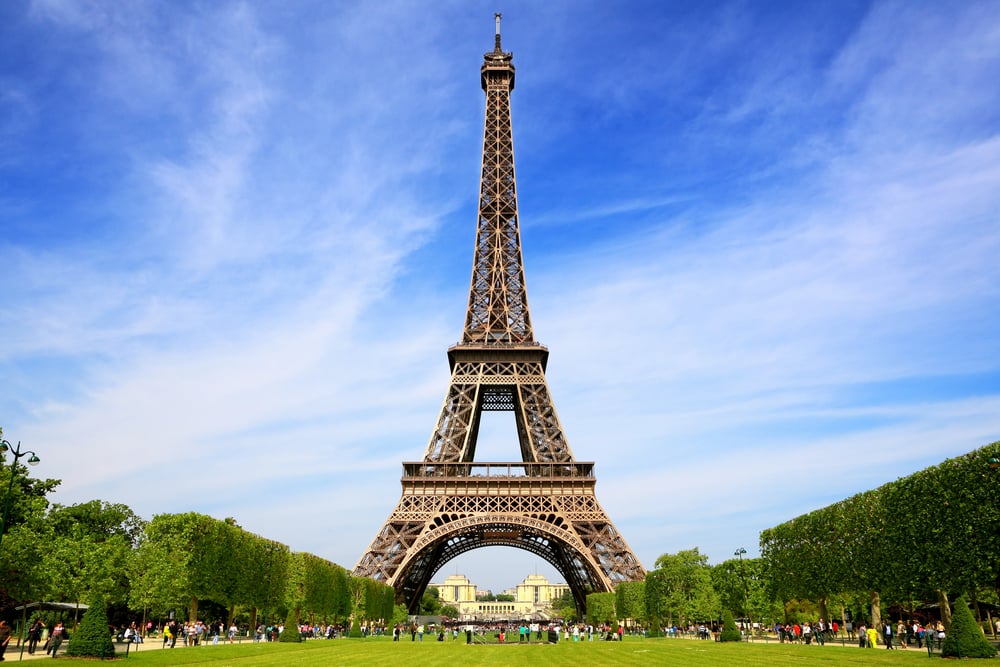
Gustave Eiffel’s revolutionary structure welcomed visitors during the 1889 World’s Fair despite a crucial element – the elevators weren’t operational. Early visitors faced the daunting task of climbing 1,710 steps to reach the uppermost viewing platform.
This journey typically required over an hour of continuous climbing. The tower’s framework stood complete, though interior amenities remained unfinished as officials rushed to meet Exhibition deadlines.
Specific sections remained closed during those first weeks while workers installed safety features and basic visitor facilities between operating hours.
Metropolitan Opera House (Lincoln Center)
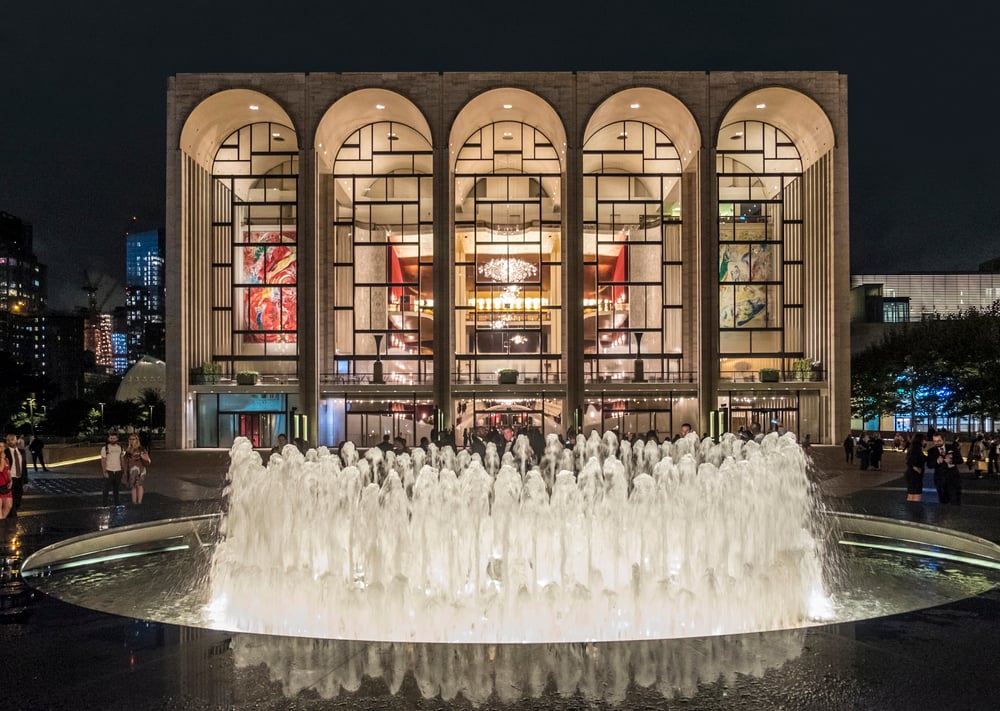
New York’s premier opera venue opened in 1966 with its signature chandeliers still undergoing installation and stage mechanisms operating at partial capacity. The performance season’s looming deadline forced technical crews to implement temporary solutions for systems that hadn’t reached completion.
Audience members at the premiere of Samuel Barber’s ‘Antony and Cleopatra’ marveled at the stunning new venue, completely unaware that construction teams worked through each night to complete unfinished sections before the next evening’s performance. Critical backstage areas continued evolving for months after opening night.
Like Go2Tutors’s content? Follow us on MSN.
The U.S. Capitol
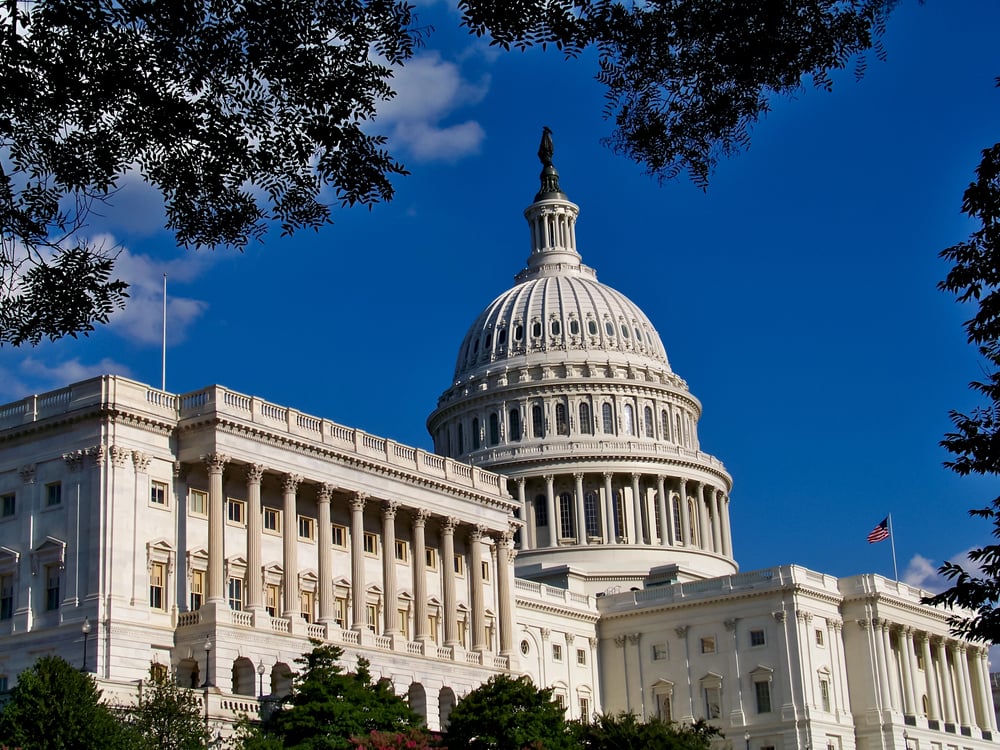
America’s legislative headquarters began operations in 1800 beneath a temporary wooden roof, as the iconic dome that defines its silhouette hadn’t yet materialized. Congressional business proceeded for decades while funding disputes and construction challenges repeatedly delayed the permanent dome structure.
Abraham Lincoln insisted that dome construction continue during the Civil War, viewing the project as a powerful symbol of Union perseverance. Representatives and senators conducted the nation’s business amid occasional debris falling from ongoing construction overhead.
The Millennium Dome (The O2)
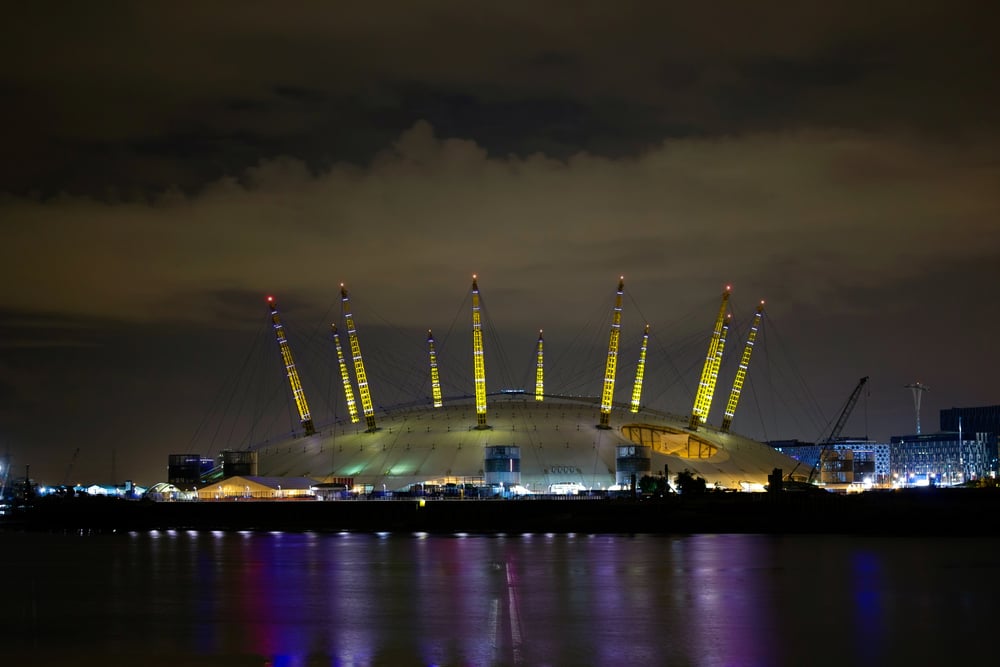
London’s massive circular structure was rushed to completion for the millennium celebrations on December 31, 1999. As guests arrived for the globally televised event, workers still installed exhibits, repaired leaks, and finished essential facilities.
The frantic final push resulted in numerous technical problems throughout the evening festivities. Many planned attractions remained half-finished, with temporary facades hiding incomplete sections.
Visitors experienced a venue that had met the non-negotiable deadline of the millennium transition without achieving actual completion of the original vision.
The Chunnel (Channel Tunnel)
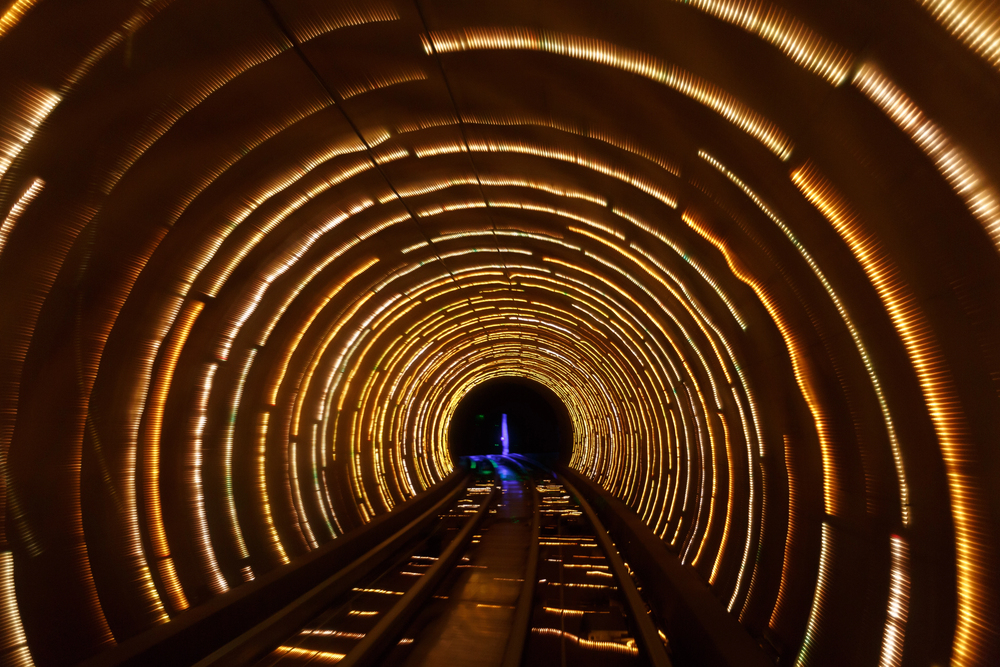
The underwater rail connection between England and France opened in 1994 despite numerous systems still under development. Initial passengers traveled through the engineering marvel while emergency protocols remained partially unimplemented and certain support facilities awaited completion.
The cooling system operated at reduced capacity, creating uncomfortably warm conditions for early travelers. Queen Elizabeth II and President François Mitterrand jointly presided over grand opening ceremonies, while engineering teams continued refining critical operational and safety systems for months afterward.
Like Go2Tutors’s content? Follow us on MSN.
Leaning Tower of Pisa
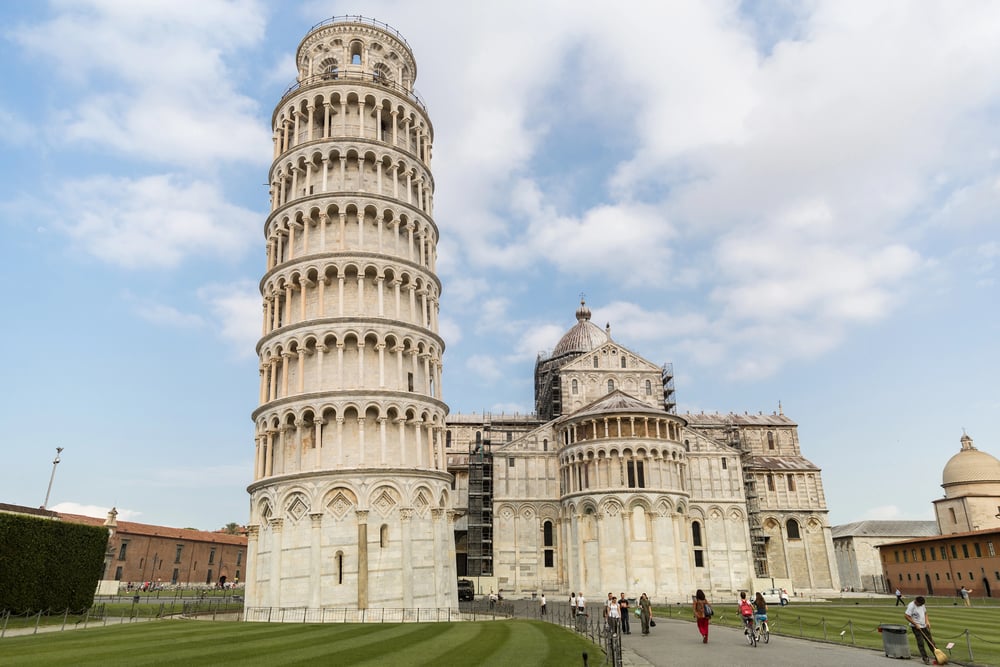
This Italian landmark began attracting visitors while still unfinished and already tilting noticeably. Construction started in 1173 but faced repeated interruptions from wars and financial constraints.
By 1178, with just three floors completed, the tower’s infamous lean had already become apparent. Curious visitors climbed the partial structure anyway. Construction paused for nearly a century before additional floors were added, creating the unique situation where tourists explored the incomplete tower throughout its centuries-long construction process.
Our Unfinished World
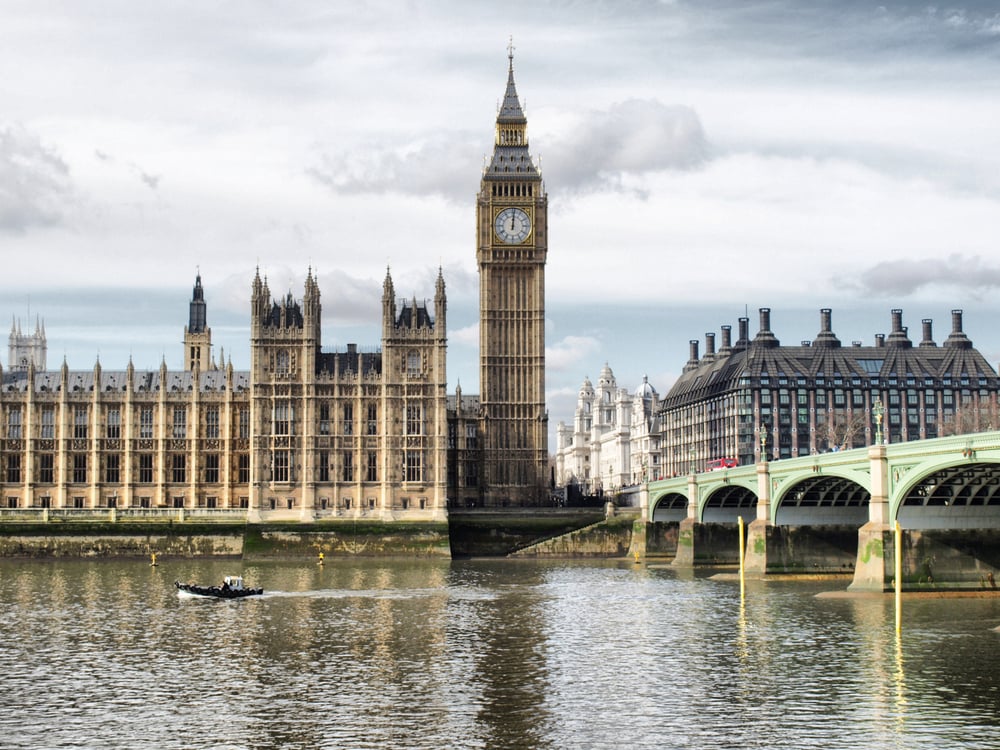
These prematurely opened landmarks tell us something meaningful about the human relationship with monumental architecture. Behind every ribbon-cutting ceremony often lies a messy reality of compromise, adaptation, and occasional corner-cutting.
These structures represent ambition overreaching practicality – sometimes brilliantly, sometimes disastrously. The distinctive quality these places share is that early visitors experienced them in transformative states, witnessing history actively under construction rather than as finished products.
Similar patterns continue today with massive projects like Spain’s Ciudad de las Artes y las Ciencias and Saudi Arabia’s futuristic NEOM development welcoming visitors to completed sections while construction carries on elsewhere. Perhaps experiencing landmarks as works-in-progress offers a uniquely authentic perspective – after all, what human achievement truly reaches a state of perfect completion?
More from Go2Tutors!

- 18 Unexpectedly Valuable Collectibles You Might Have Lying Around
- 15 Things Every Teenager in the ’70s Did That Teens Today Wouldn’t Understand
- 15 Strange Things People Have Tried to Ban (And Failed)
- 15 Inventions That Were Immediately Banned After Being Created
- 20 Actors Who Were Almost Cast in Iconic Roles
Like Go2Tutors’s content? Follow us on MSN.