16 Incredible Artifacts Kept in the National Archives
The National Archives isn’t just a dusty warehouse for old documents. It’s where American history lives and breathes, where the most pivotal moments in the nation’s story rest in climate-controlled storage.
Some artifacts are famous — everyone knows about the Constitution and the Declaration of Independence.
But dig deeper into the collection and you’ll find items that tell stories just as compelling, sometimes more so.
These are the pieces of history that survived when they could have easily been lost forever, carrying with them the weight of decisions that shaped a country.
The Enola Gay’s Mission Log
The pilot’s log from the B-29 that dropped the atomic bomb on Hiroshima sits in the Archives with clinical precision intact.
Every entry, every altitude reading, every weather notation recorded in the same steady handwriting that documented humanity’s entry into the nuclear age.
Louisiana Purchase Treaty
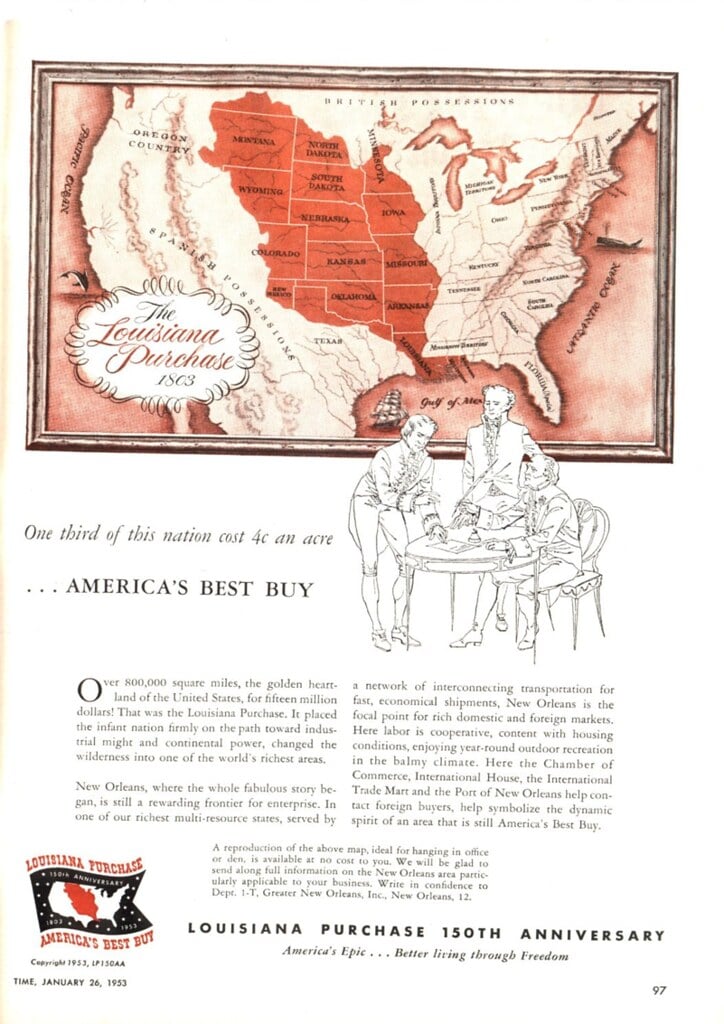
For about three cents per acre, Thomas Jefferson doubled the size of the United States.
The original treaty documents still bear the wax seals and signatures that transferred 827,000 square miles from France to America in 1803.
Napoleon needed cash for his European wars.
Jefferson needed room for a growing nation.
Abraham Lincoln’s Emancipation Proclamation Draft
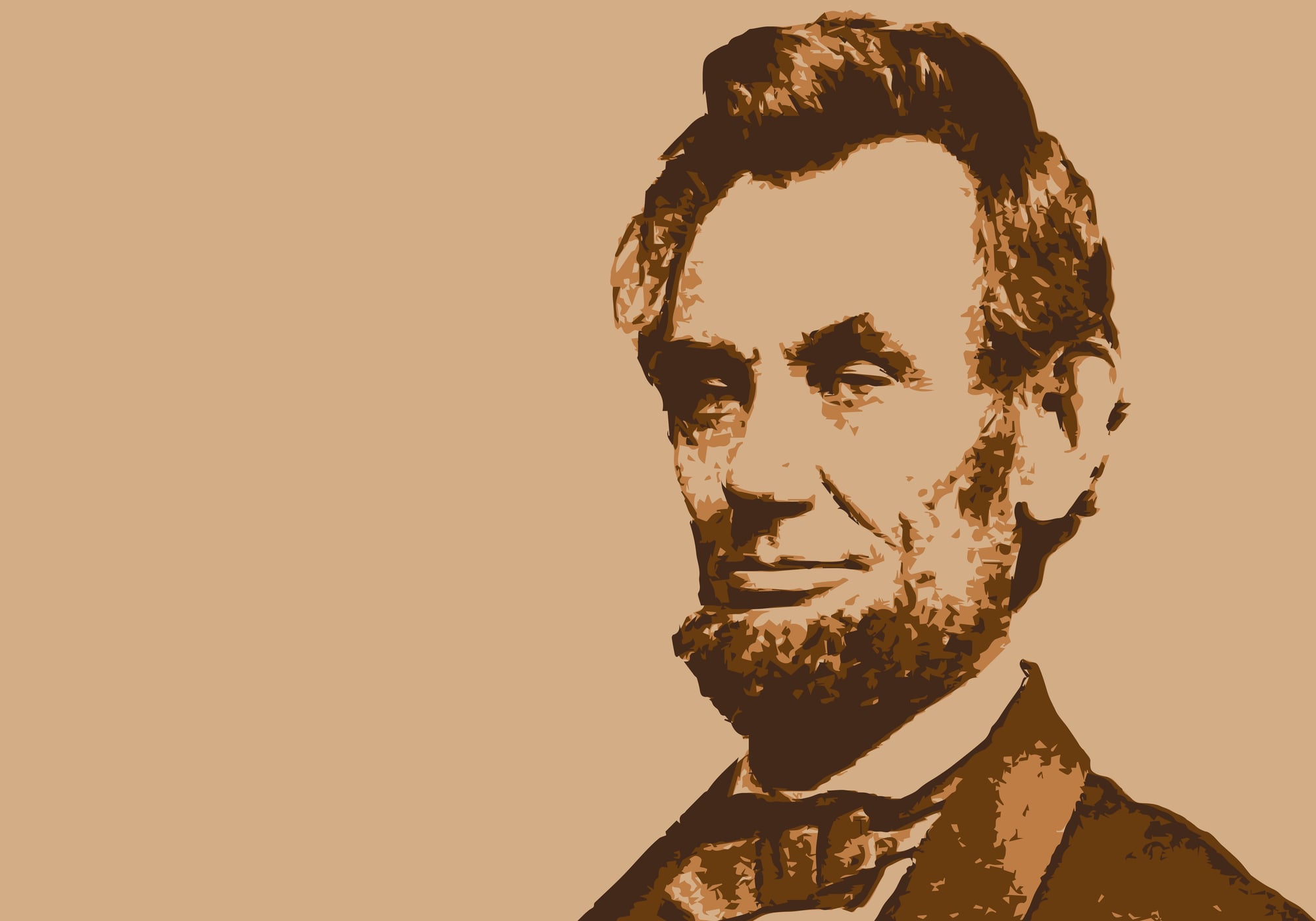
The working draft reads like someone wrestling with history in real time — and Lincoln was, because the document he was crafting would fundamentally alter what the Civil War meant, transforming it from a conflict about union into something larger (a war about human freedom itself).
So many scratched-out phrases, so many careful revisions.
And yet the final language feels inevitable now, which is how the most consequential decisions often appear in hindsight — as if they couldn’t have gone any other way, even though the evidence of struggle sits right there on the page in faded ink.
But that’s the thing about documents like this: they show you the moment before certainty crystallized.
Before the proclamation became history, it was just a man at a desk, choosing words.
The Watergate Tapes
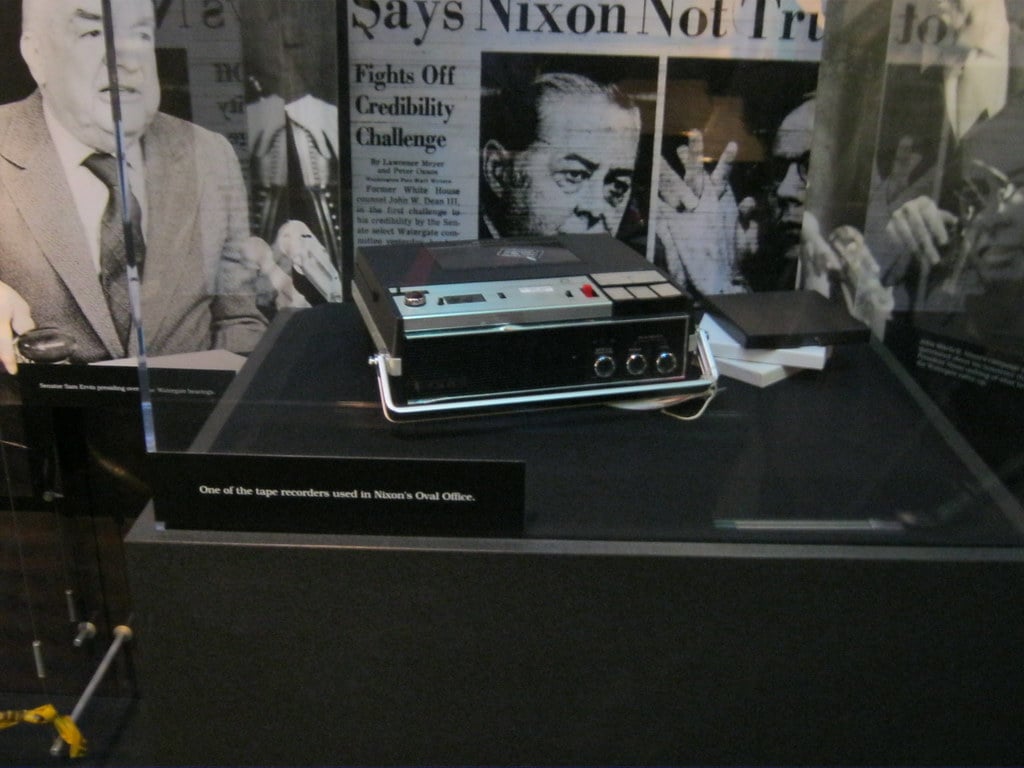
Nixon’s voice, preserved on magnetic tape, discussing the break-in and its cover-up with the same conversational tone people use to discuss dinner plans.
The quality isn’t great — lots of static, some gaps — but the content brought down a presidency.
Treaty Of Guadalupe Hidalgo
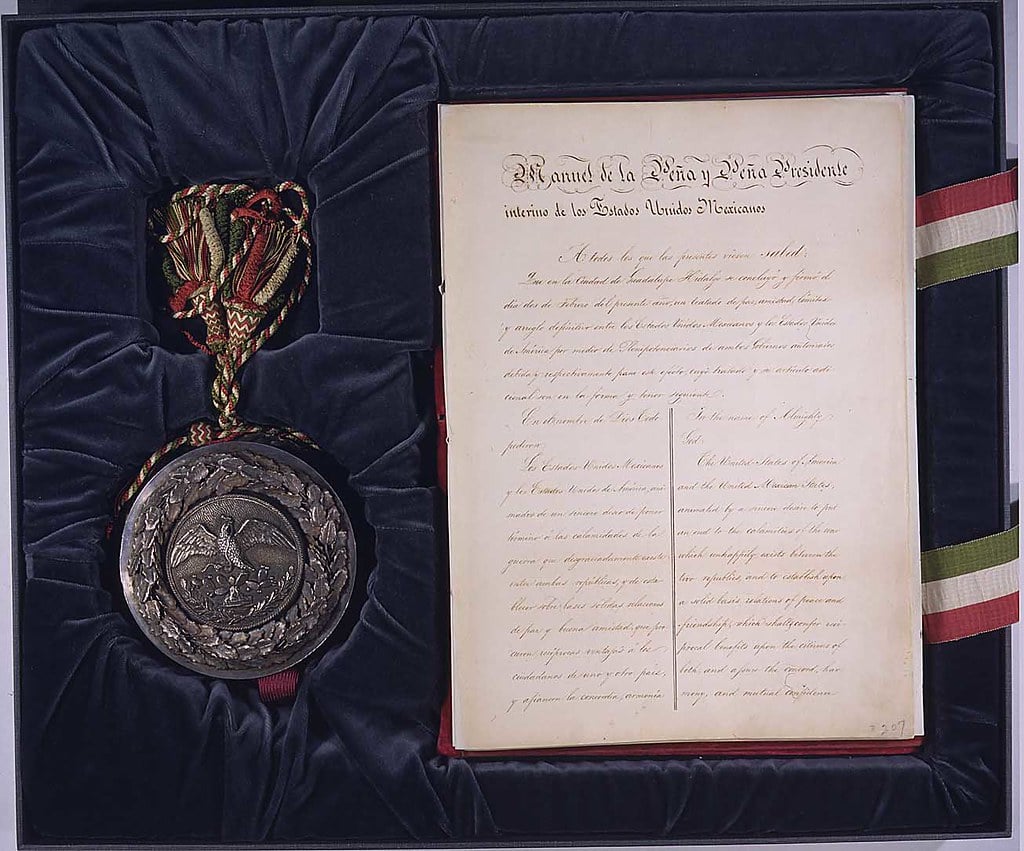
The 1848 document that ended the Mexican-American War and handed California, Nevada, Utah, and parts of six other states to the U.S. The signatures look formal and diplomatic.
The consequences were anything but simple.
FDR’s “Day Of Infamy” Speech Draft
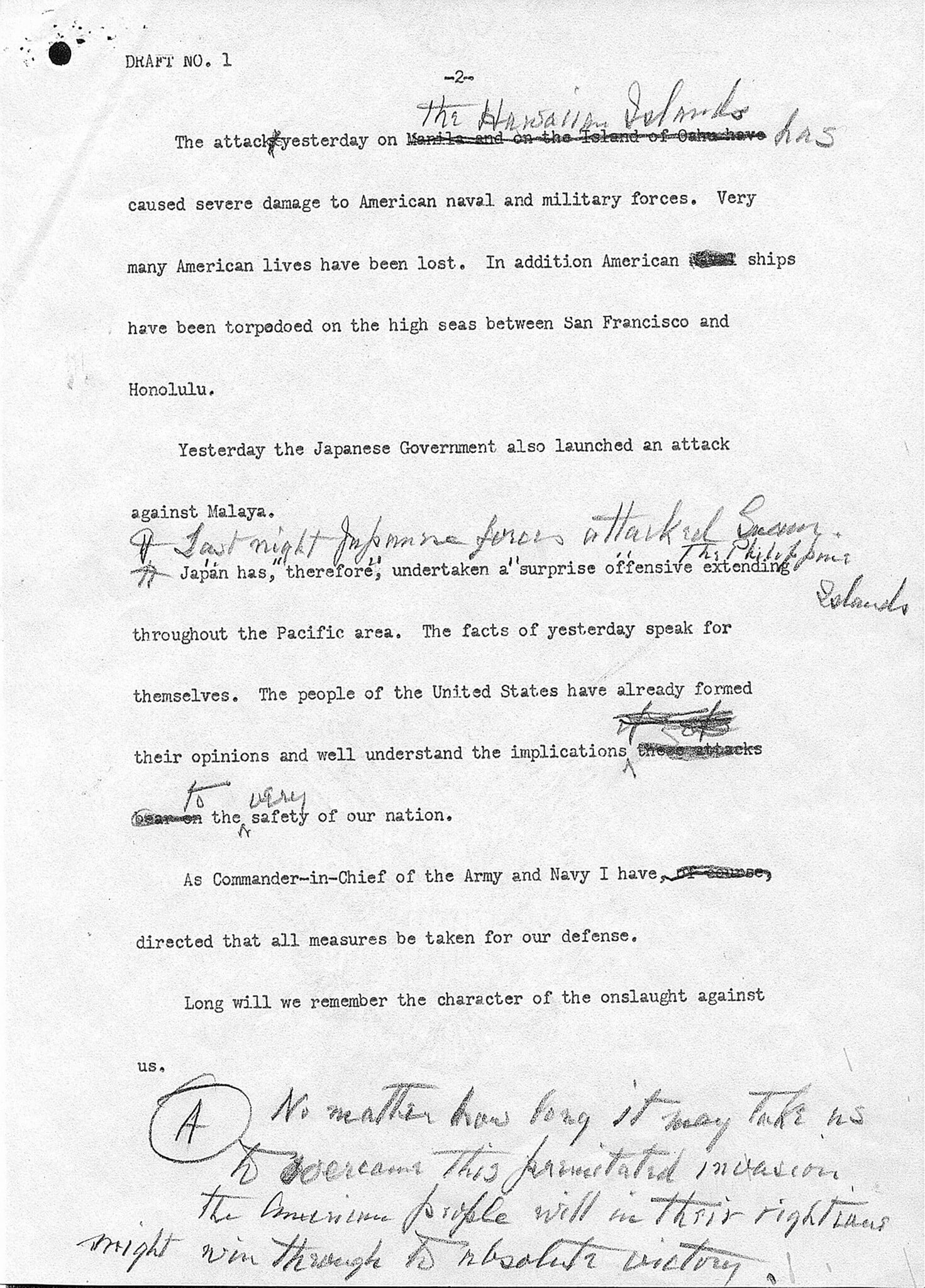
Roosevelt’s handwritten changes to the Pearl Harbor address are still visible on the typed pages.
He crossed out “world history” and wrote “infamy” instead.
One word change.
Infamy stuck better — it had teeth to it, the kind of word that makes people remember exactly where they were when they heard it.
The rest of the speech flows like water around that single, perfect choice.
Sometimes the smallest edits carry the most weight, and this is proof that Roosevelt understood the difference between informing the public and moving them to action.
Apollo 11 Quarantine Documents
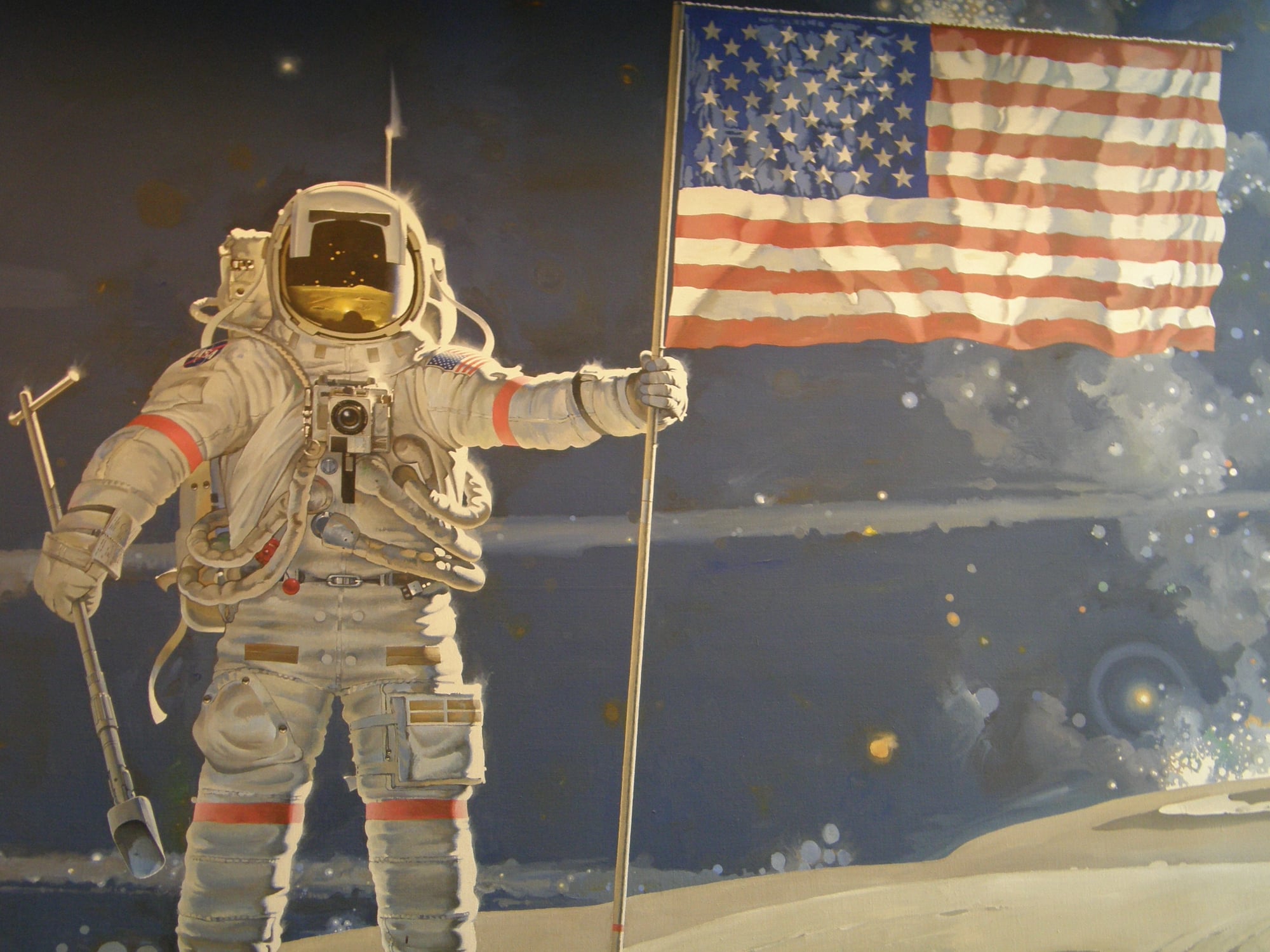
After walking on the moon, Neil Armstrong, Buzz Aldrin, and Michael Collins had to fill out customs forms declaring their cargo of moon rocks and dust.
The bureaucracy of space exploration, preserved in triplicate.
Washington’s Farewell Address
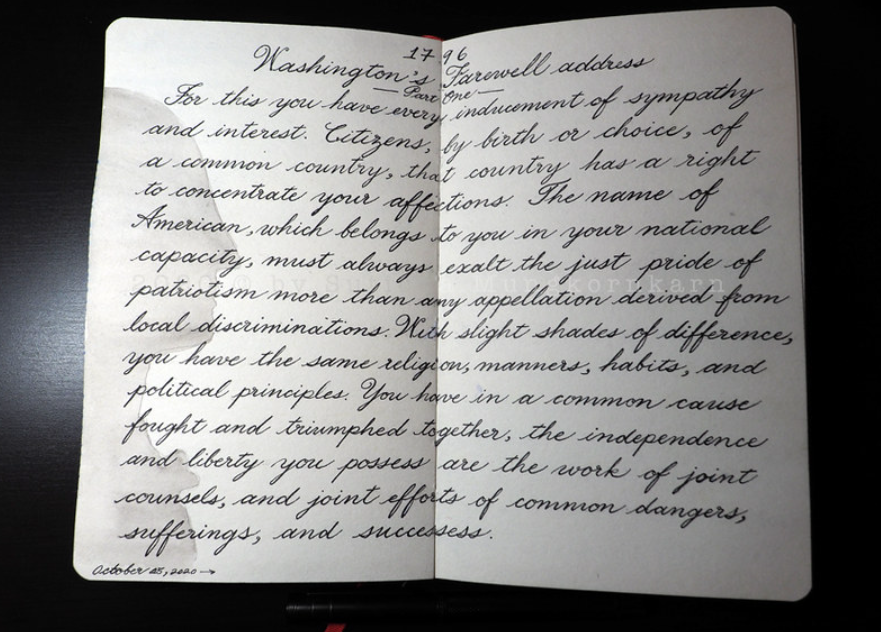
The original manuscript shows how much thought Washington put into his warnings about political parties and foreign entanglements.
His handwriting gets smaller toward the end, as if he’s running out of space to fit in everything he needs to say.
The Zimmermann Telegram
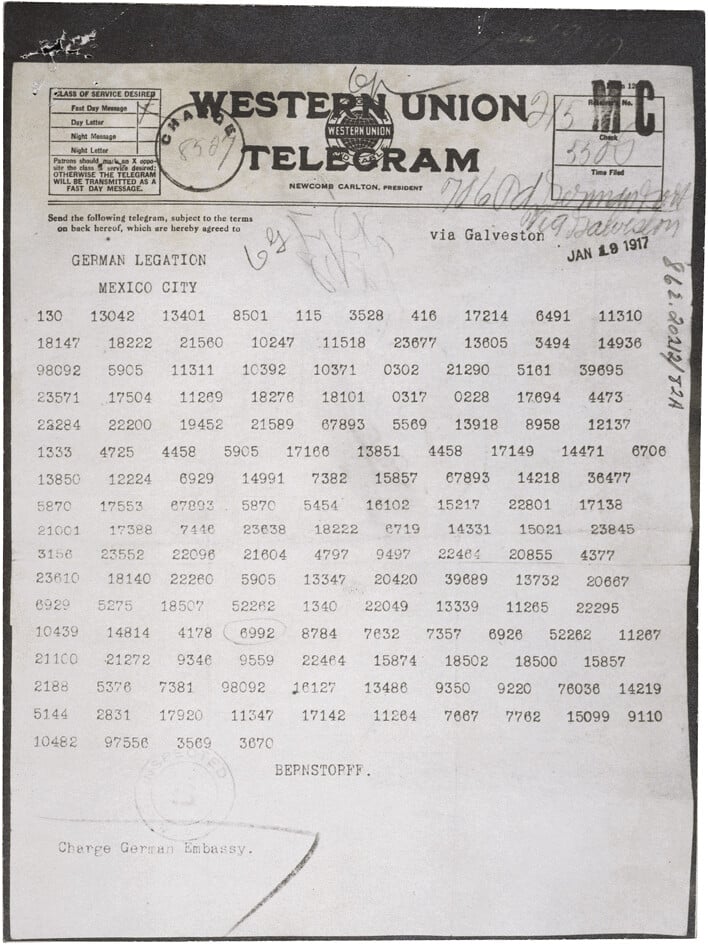
Germany’s 1917 proposal to Mexico — promising to help them reclaim Texas, New Mexico, and Arizona if they joined the war against the United States — was intercepted by British intelligence and forwarded to Washington (where it promptly pushed America into World War I). The decoded text sits there looking innocent enough, just typed letters on paper, but those letters rearranged the entire global conflict in a matter of weeks.
And Mexico, for what it’s worth, never seriously considered the offer. So Germany managed to bring the United States into the war without gaining a single ally.
Diplomatic miscalculations don’t get much more expensive than that. But then again, desperate nations rarely make their best decisions.
Japanese Surrender Document From WWII
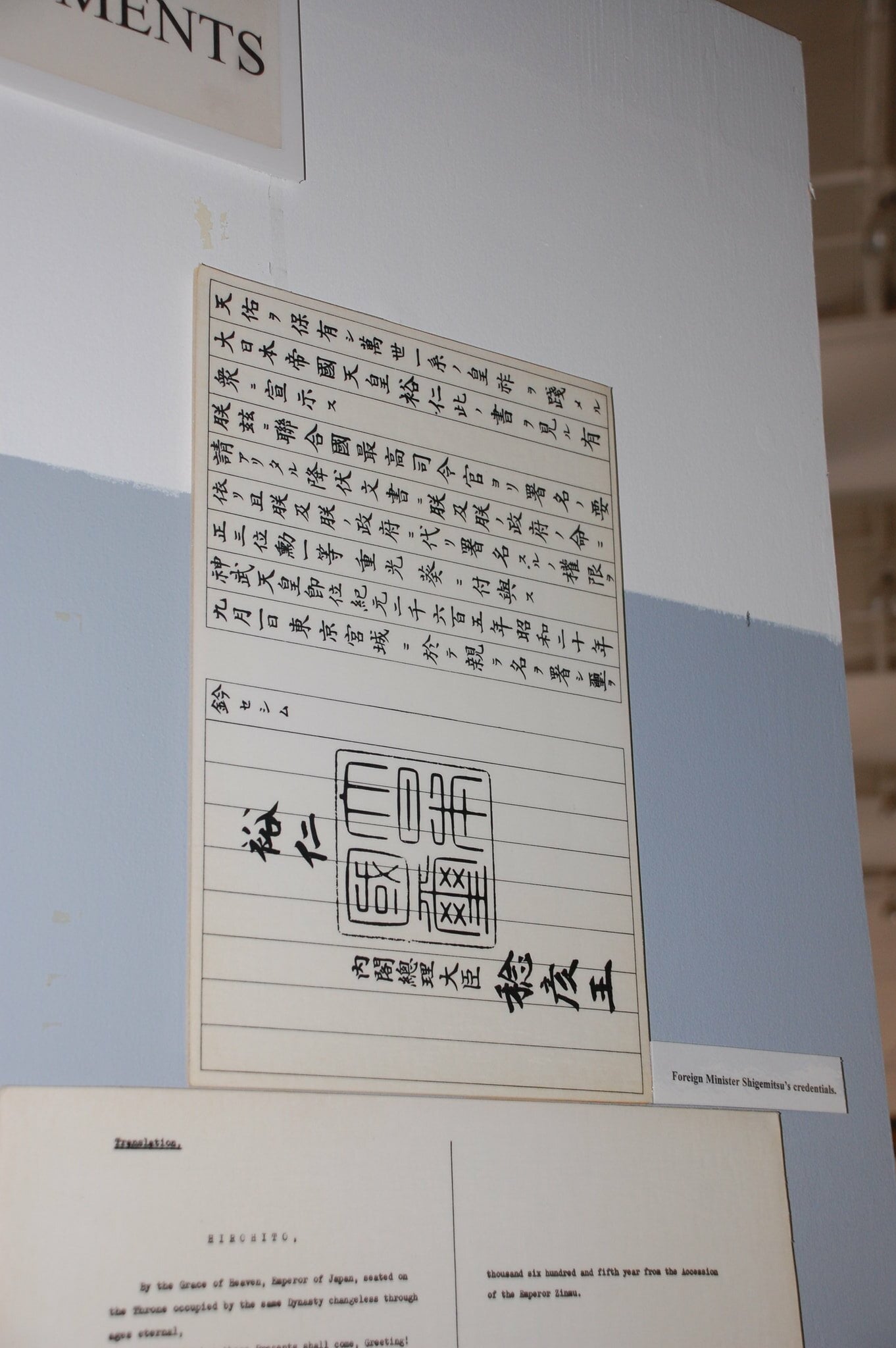
MacArthur’s acceptance of Japan’s surrender aboard the USS Missouri in 1945 officially ended World War II. Multiple copies exist, but the Archives holds the one that mattered — the document that closed the book on the deadliest conflict in human history.
The 13th Amendment Resolution
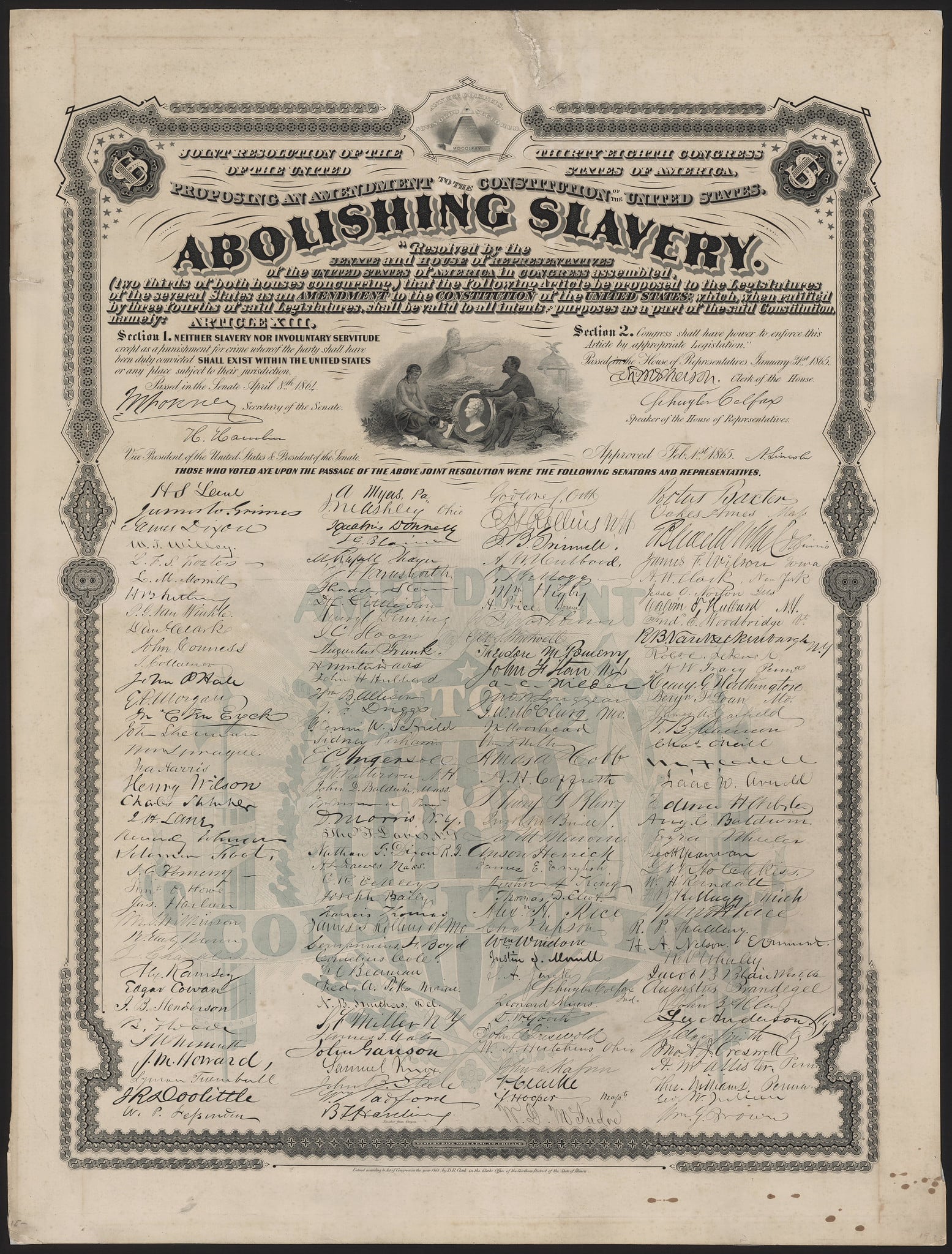
The Congressional resolution that abolished slavery throughout the United States passed by a margin thin enough to make historians nervous. The original document shows every representative’s vote, including those who changed their minds at the last minute.
Patent For The Cotton Gin
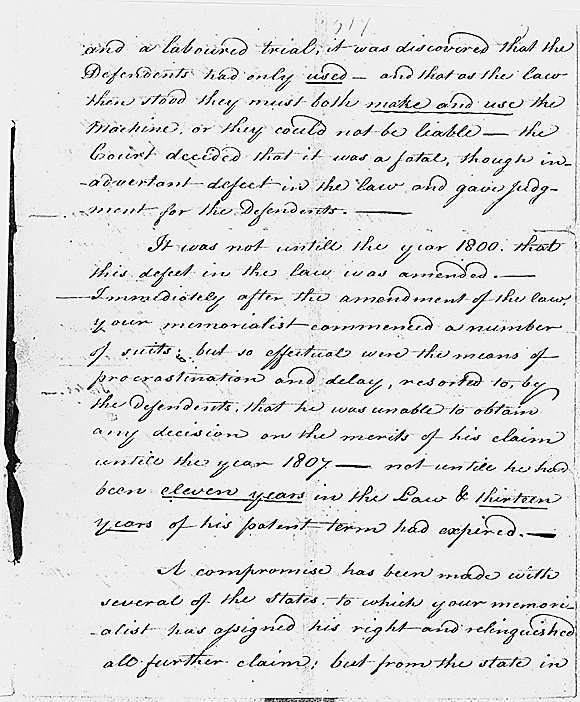
Eli Whitney’s 1794 patent application sits in the Archives like a small monument to unintended consequences — because while Whitney thought he was just improving cotton processing, he accidentally made slavery more profitable and entrenched it deeper into the Southern economy for another seventy years.
The technical drawings are precise, almost beautiful in their mechanical simplicity. Ten rollers, some wire teeth, a crank handle.
Nothing about the design suggests it would reshape an entire economic system, but that’s how innovation works sometimes: the biggest changes arrive disguised as modest improvements.
Whitney spent years in court fighting patent infringement and barely profited from his invention. Meanwhile, his cotton gin became the foundation of an agricultural empire built on human bondage.
Manhattan Project Authorization Letter
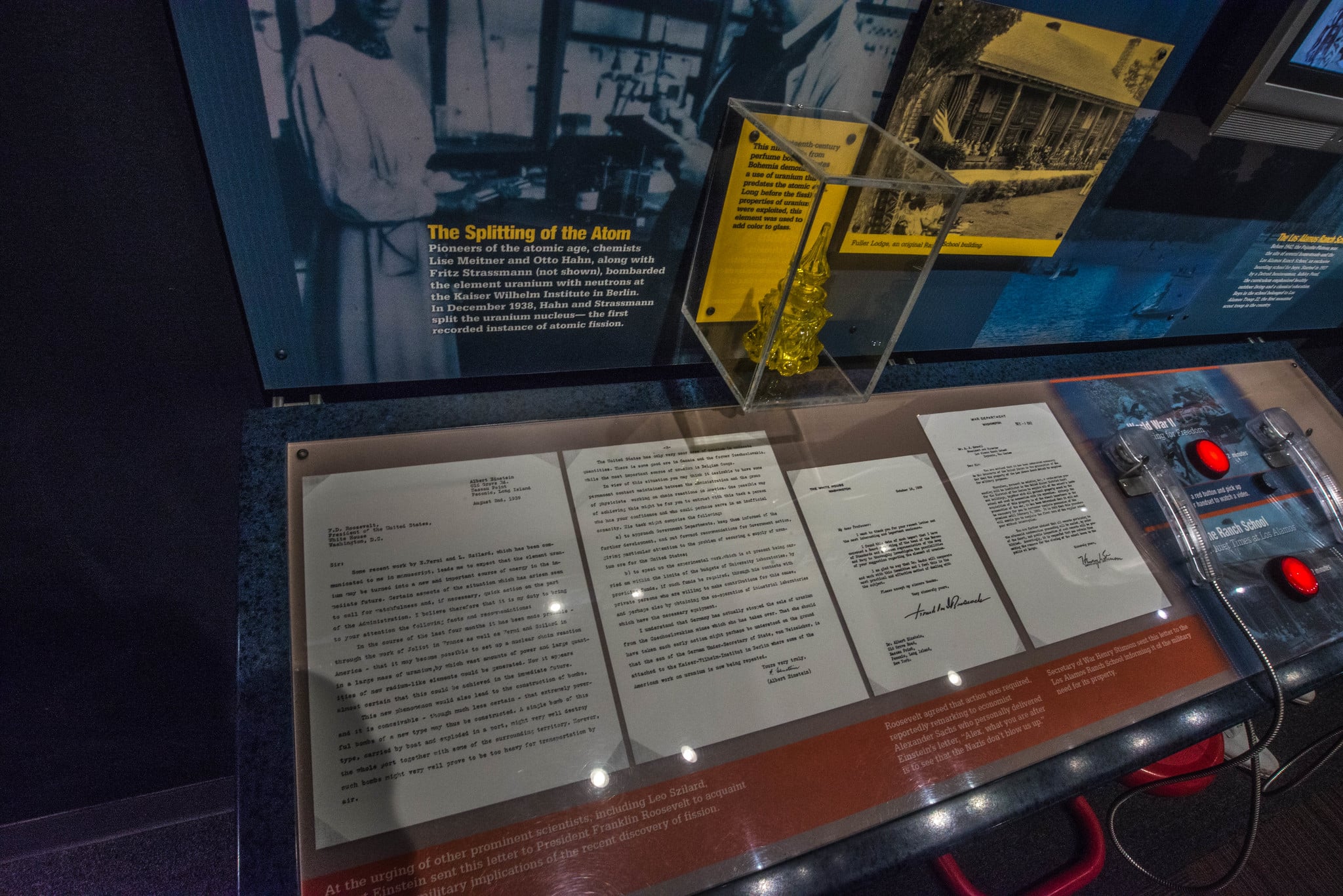
Roosevelt’s brief letter authorizing the development of atomic weapons contains fewer than 200 words. The most expensive and secretive project in human history got its start with a document shorter than most grocery lists.
Civil Rights Act Of 1964 Signing Pens
Johnson used 75 different pens to sign the landmark civil rights legislation, giving each pen to key figures in the movement. The Archives houses several of them, along with the law that changed everything.
Nixon’s Letter Of Resignation
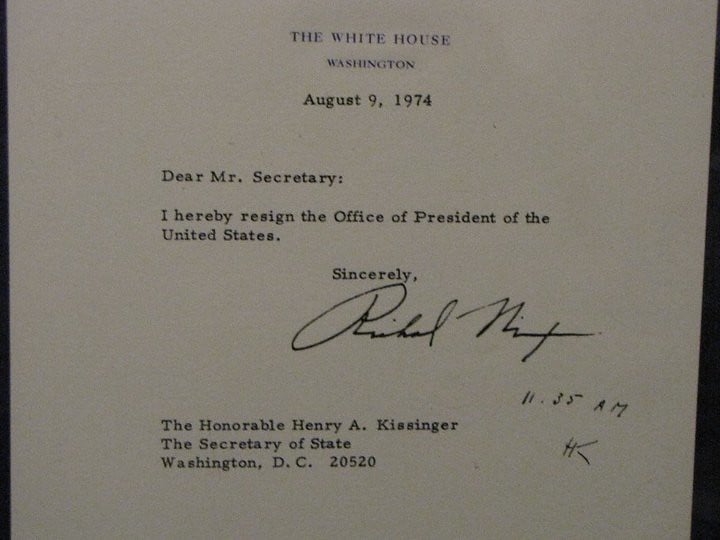
The President’s resignation letter is exactly one sentence long: “I hereby resign the Office of President of the United States.”No explanation, no apology, no reflection on the circumstances (which, to be fair, had already been dissected in every newspaper in the country for months).
Just a formal notification that he was done. The letterhead is crisp, the signature confident, and the whole thing reads like someone checking out of a hotel rather than abandoning the most powerful position in the world.
But that was probably the point — keep it simple, keep it legal, and get out. And honestly, after everything that had happened, there wasn’t much left to say that wouldn’t make things worse.
Sometimes the shortest documents carry the most weight.
Homestead Act Of 1862
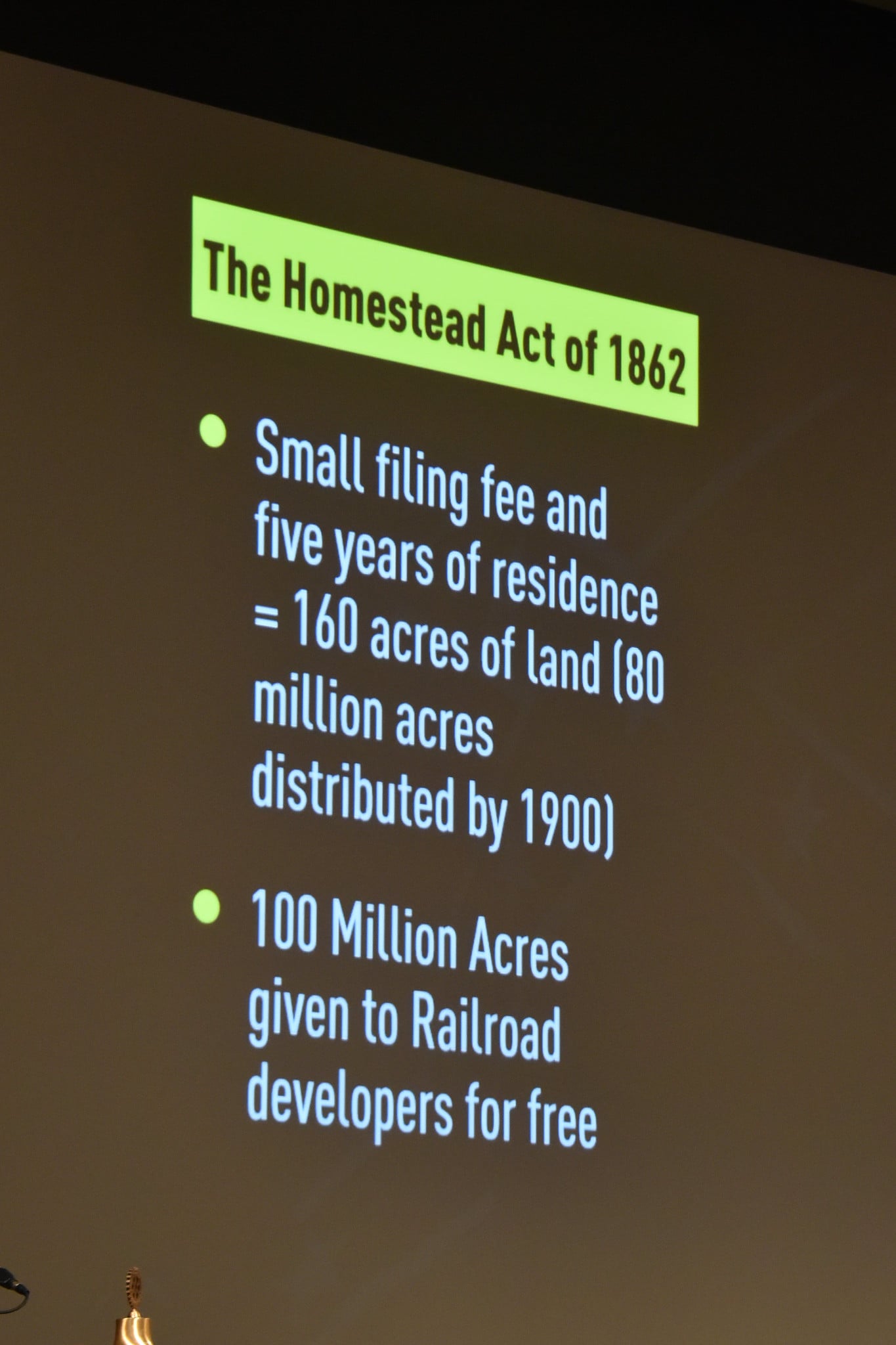
The law that gave away 160 acres of federal land to anyone willing to farm it for five years. The Archives holds the original legislation that distributed 270 million acres to American families and fundamentally shaped the settlement of the American West.
What These Papers Remember
History lives in t he details that survive by accident as much as intention. These documents weren’t necessarily meant to be preserved forever — some were just doing their job as paperwork, forms to be filled out, laws to be recorded, letters to be sent.
But they outlasted the people who created them and became something larger: proof that the most important moments often happen quietly, in offices and meeting rooms, with pens and paper and people making decisions they hope they’ll never have to explain.
The National Archives keeps these artifacts not because they’re perfect, but because they’re real.And sometimes that’s the most incredible thing of all.
More from Go2Tutors!

- The Romanov Crown Jewels and Their Tragic Fate
- 13 Historical Mysteries That Science Still Can’t Solve
- Famous Hoaxes That Fooled the World for Years
- 15 Child Stars with Tragic Adult Lives
- 16 Famous Jewelry Pieces in History
Like Go2Tutors’s content? Follow us on MSN.