15 Social Skills We’ve Lost to Technology
Remember when you could tell if someone was interested in your conversation just by watching their face? When making plans didn’t require a dozen text messages back and forth? Technology has revolutionized how we connect, but it’s also quietly eroded some of the fundamental social skills that once came naturally to most people.
We’re not talking about going back to the stone age here—technology has given us incredible ways to stay in touch and meet new people. But somewhere between swiping, texting, and video calling, we’ve lost touch with some basic human interaction skills that our grandparents took for granted.
Here is a list of 15 social skills that have become casualties of our digital age.
Reading Body Language

Most of our communication happens through screens now, which means we’re missing out on a huge chunk of what people are actually saying. Body language accounts for more than half of all human communication, yet many of us have become rusty at interpreting crossed arms, fidgeting hands, or that slight lean backward that signals discomfort.
It’s like trying to understand a movie with the sound turned way down—you’re only getting part of the story.
Making Eye Contact

Staring at phones has trained us to look down instead of up at the people around us. Eye contact builds trust, shows confidence, and creates genuine connection between people.
When someone can’t meet your gaze during a conversation, it feels like they’re not really there with you, even if they’re physically present.
Having Unstructured Conversations

We’ve gotten used to conversations with clear beginnings, middles, and ends—like text threads that wrap up neatly. Real-life conversations are messier, with tangents, interruptions, and natural pauses that don’t mean the chat is over.
Many people now feel uncomfortable with those moments of silence that used to be normal parts of talking.
Giving Full Attention

The ability to focus entirely on one person without checking notifications or glancing at screens has become surprisingly rare. Your brain gets trained to expect constant stimulation, making it harder to be fully present with someone who’s right in front of you.
It’s like trying to watch a slow-paced movie when you’re used to rapid-fire social media clips.
Reading Social Cues in Groups

Group dynamics are completely different online versus in person, and many people struggle to navigate real-world group conversations. Knowing when to jump in, when to step back, and how to include someone who’s being left out are skills that don’t translate well from group chats.
Physical groups have rhythms and energy that you can only learn through practice.
Making Small Talk

Those little conversations about weather, weekend plans, or random observations used to be social glue that helped people connect. Now small talk feels awkward or pointless to many people who are used to more direct, purpose-driven communication.
But small talk serves as a social warm-up that helps people feel comfortable before diving into deeper topics.
Dealing with Disagreement Face-to-Face

Online, you can block, mute, or simply stop responding when someone disagrees with you. In person, you need to navigate disagreement while maintaining relationships and finding common ground.
Learning to disagree respectfully without burning bridges is a skill that requires practice and emotional regulation.
Remembering Names and Details

When everyone’s contact information is stored in your phone, there’s less incentive to actually remember personal details about people. Your brain gets lazy about storing information it knows it can easily look up later.
But remembering someone’s name, their kids’ names, or what they mentioned last week shows that you value them as a person.
Initiating Plans Without Technology
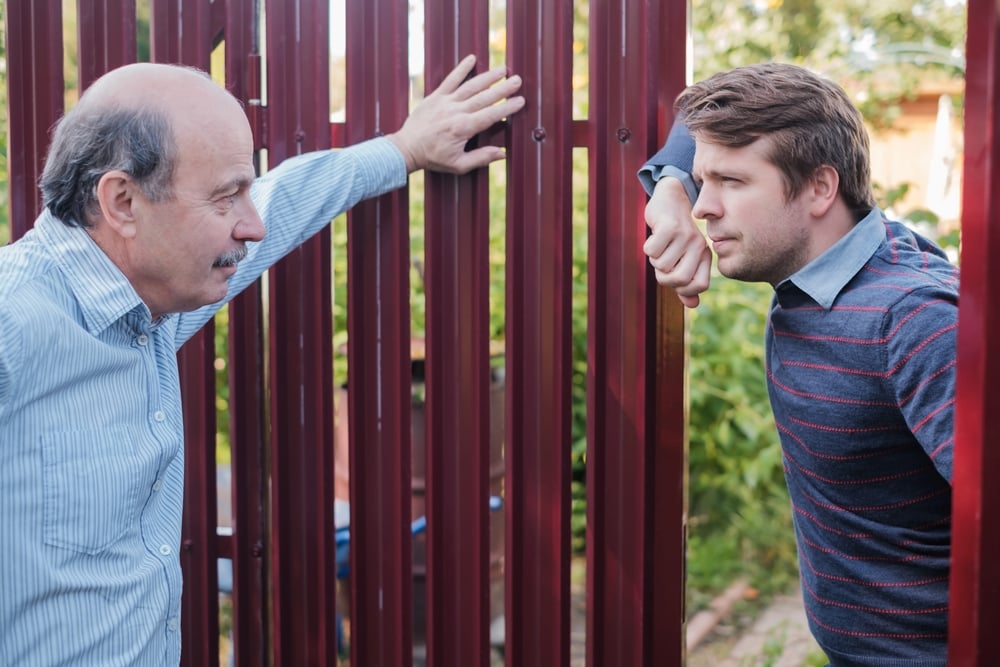
Making spontaneous plans or inviting someone to hang out without the safety net of texting first has become intimidating for many people. There’s something vulnerable about asking someone in person if they want to grab coffee, without being able to carefully craft your words or wait for the perfect moment to send the message.
Handling Awkward Silences

Comfortable silence between people is actually a sign of a strong relationship, but technology has made us afraid of any gap in stimulation. People reach for their phones the moment a conversation lulls, missing opportunities for deeper connection or simply enjoying someone’s company without constant chatter.
Showing Genuine Interest

Asking follow-up questions and showing curiosity about someone’s life takes practice and emotional intelligence. When you’re used to scrolling through curated highlights of people’s lives, actually diving deeper into someone’s thoughts, feelings, and experiences becomes a more intentional skill.
It’s the difference between looking at someone’s vacation photos and hearing the story behind them.
Picking Up on Tone and Mood

Voice inflection, pace of speech, and subtle mood changes are much easier to miss when most of your communication happens through text. People develop emotional intelligence by practicing in person, learning to sense when someone’s having a rough day or when they’re excited about something even if they’re not saying it directly.
Being Comfortable with Boredom

The ability to sit with someone without needing constant entertainment or stimulation has become rare. Relationships deepen during quiet moments—sitting on a porch, taking a walk, or just existing in the same space without agenda.
These moments feel uncomfortable when you’re used to constant digital input.
Giving and Receiving Compliments

Genuine, in-person compliments hit differently than heart emojis or fire symbols on your posts. Learning to give specific, meaningful compliments and gracefully accept them from others is a social skill that builds confidence and strengthens relationships.
It requires reading the room and understanding what kind of praise someone would actually appreciate.
Navigating Phone Etiquette

Knowing when it’s appropriate to check your phone, how to politely step away for important calls, and how to balance digital and in-person interactions has become its own social skill. The rules aren’t written down anywhere, but people definitely notice when someone handles their device inappropriately during social situations.
Finding Balance in a Connected World

These lost skills don’t mean technology is evil or that we should throw our phones in a drawer. The most socially successful people today are those who can seamlessly blend digital and in-person communication, using each tool for what it does best.
They text to coordinate but call to comfort, they share memes but also share genuine moments, and they stay connected online while remaining present offline. The goal isn’t to abandon technology but to make sure it enhances rather than replaces our fundamental human ability to connect with each other.
More from Go2Tutors!

- The Romanov Crown Jewels and Their Tragic Fate
- 13 Historical Mysteries That Science Still Can’t Solve
- Famous Hoaxes That Fooled the World for Years
- 15 Child Stars with Tragic Adult Lives
- 16 Famous Jewelry Pieces in History
Like Go2Tutors’s content? Follow us on MSN.