15 Background Characters in History Who Actually Changed Everything
History books tend to spotlight the same famous figures—the kings, presidents, and renowned inventors who seemingly shaped our world single-handedly. Yet behind these celebrated individuals stood countless unsung heroes whose contributions fundamentally altered the course of history.
Their names might not headline textbooks, but their impact reverberates through time. The most profound historical changes often came from people operating in the shadows.
Here is a list of 15 background characters in history who quietly changed everything while the spotlight shone elsewhere.
Ignaz Semmelweis

In the mid-1800s, this Hungarian physician made a discovery that has saved countless lives. Semmelweis noticed that when doctors washed their hands between patients, mortality rates plummeted.
His simple observation established the foundation for modern sanitation practices in medicine. Despite facing ridicule from the medical establishment of his time, his persistence eventually transformed healthcare forever.
Alan Turing’s Team at Bletchley Park
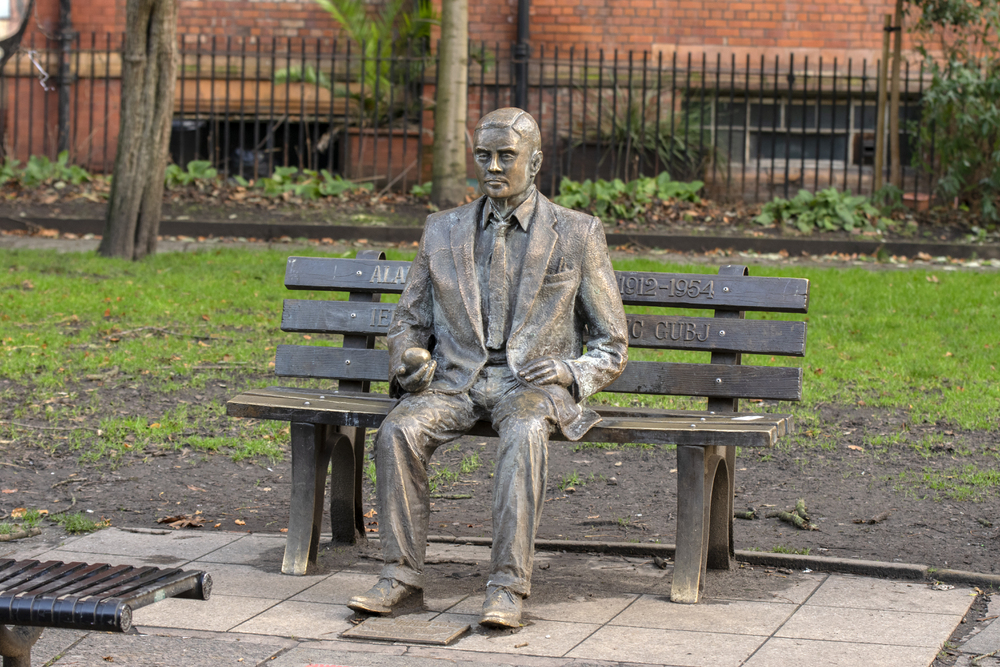
While Turing receives deserved recognition for breaking Nazi codes, the thousands of women mathematicians and cryptanalysts working alongside him rarely get mentioned. These brilliant minds processed encrypted messages around the clock, shortening World War II by an estimated two to four years.
Their collective work saved approximately 14-21 million lives, operating in complete secrecy for decades afterward.
Like Go2Tutors’s content? Follow us on MSN.
Vasili Arkhipov

During the Cuban Missile Crisis in 1962, this Soviet naval officer literally prevented nuclear war. When his submarine was targeted by depth charges and the captain wanted to launch a nuclear torpedo, Arkhipov alone refused to authorize it.
His calm thinking under extreme pressure prevented a nuclear exchange that would have devastated the planet. The world kept spinning because one man said no.
Rosalind Franklin
The structure of DNA might have remained a mystery without Franklin’s groundbreaking X-ray crystallography work. Her famous ‘Photograph 51’ provided the crucial evidence that DNA had a double-helix structure, yet Watson and Crick received the Nobel Prize.
Franklin’s meticulous research formed the foundation for modern genetics and biotechnology, though she received minimal recognition during her lifetime.
Norman Borlaug

This agricultural scientist developed high-yield, disease-resistant wheat varieties that thrived in poor conditions. His innovations sparked the Green Revolution, preventing predicted mass famines and saving an estimated billion lives.
Borlaug’s work completely transformed global food production, and he remained virtually unknown outside scientific circles until he received the Nobel Peace Prize.
Like Go2Tutors’s content? Follow us on MSN.
Stanislaw Petrov
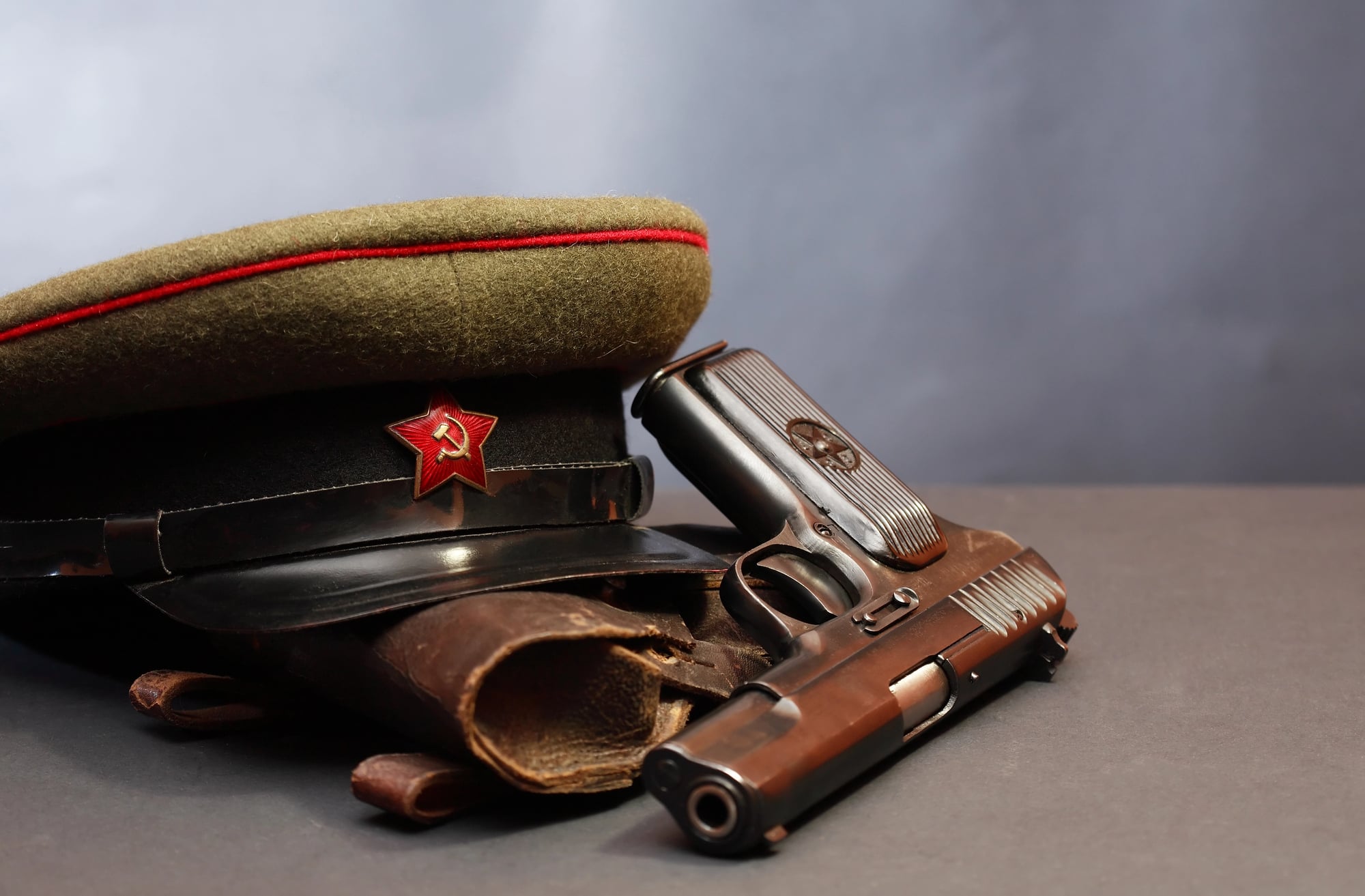
In 1983, this Soviet military officer was on duty when early warning systems indicated five incoming American nuclear missiles. Rather than follow protocol and report the attack, triggering a likely nuclear response, he trusted his gut feeling that it was a false alarm.
His hunch was correct—the system had malfunctioned. Petrov’s split-second decision averted a potential nuclear catastrophe during one of the Cold War’s tensest periods.
Henrietta Lacks
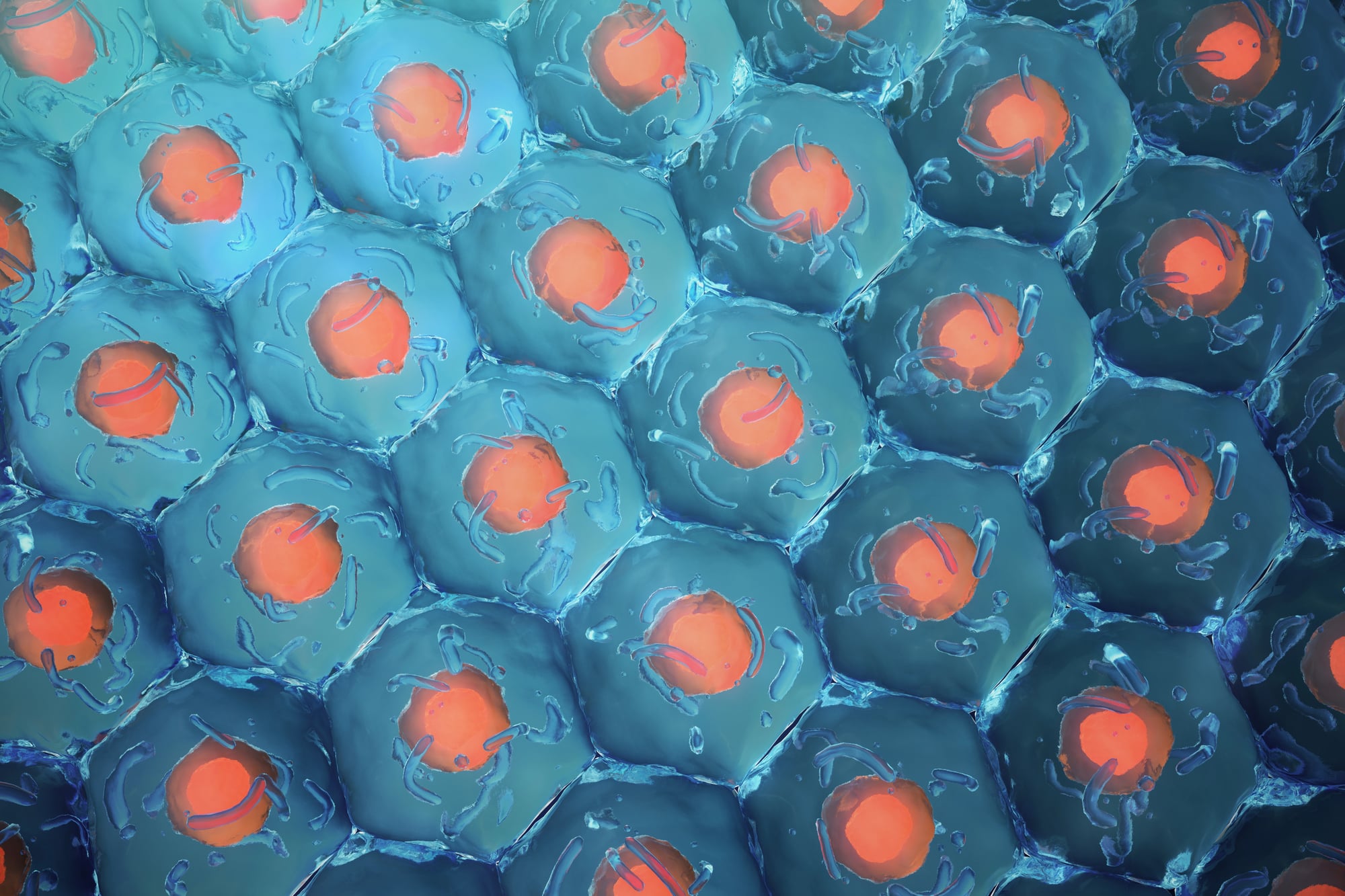
Modern medicine owes an immeasurable debt to an African American woman who never consented to her contribution. Lacks’ cancer cells, taken without her knowledge in 1951, became the first immortalized human cell line (HeLa cells).
These cells have been used to develop vaccines, study disease, and advance countless medical breakthroughs. Nearly every major medical advancement since the 1950s connects back to her cells.
Margaret Hamilton
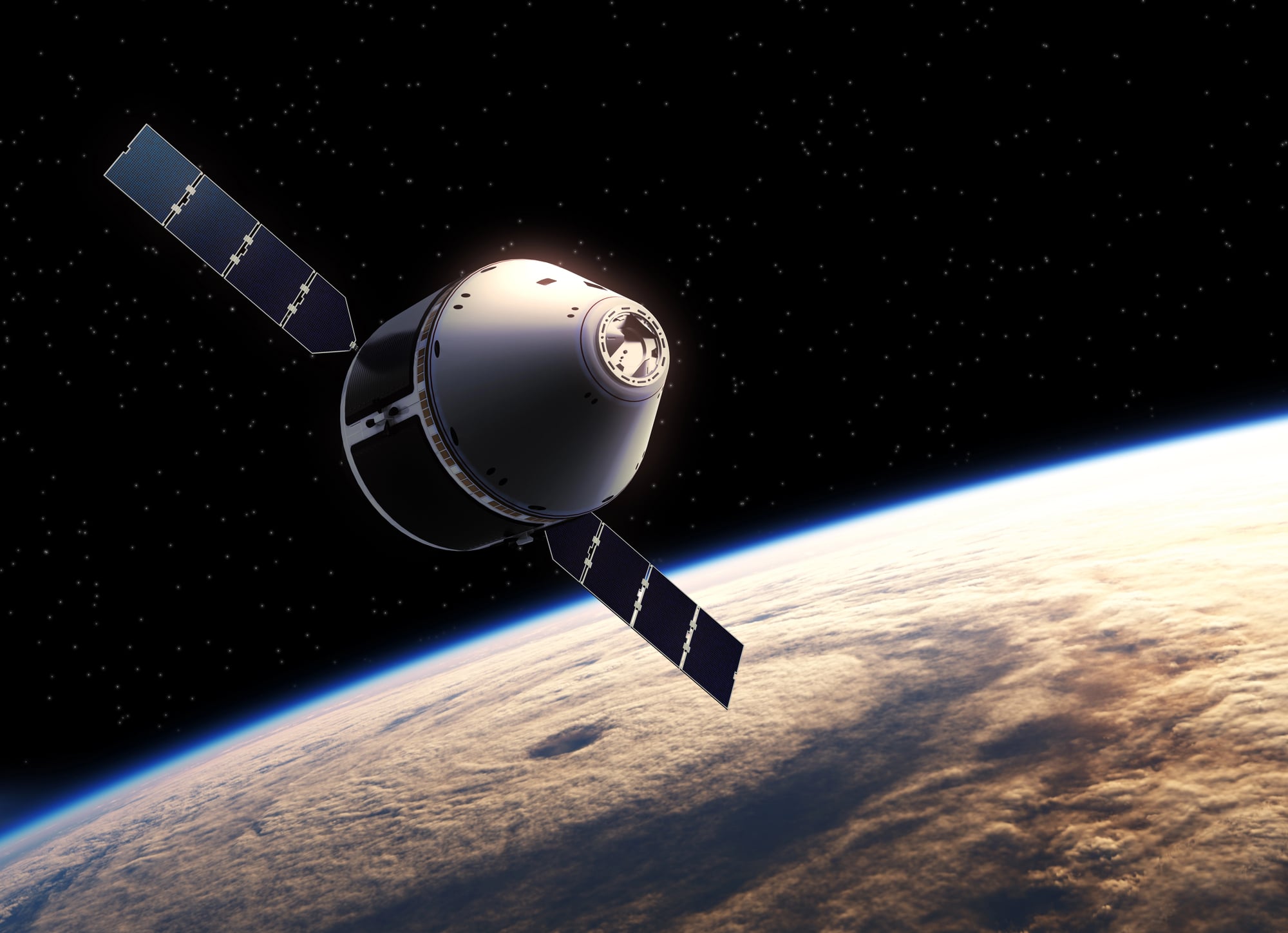
The Apollo missions might have failed without Hamilton’s pioneering software engineering work. She led the team that wrote the onboard flight software for NASA’s Apollo missions, inventing error detection and recovery techniques that prevented mission failures.
During the Apollo 11 landing, her software overcame computer overloads and allowed the lunar module to land safely, literally saving the first moon landing.
Like Go2Tutors’s content? Follow us on MSN.
Fritz Haber and Carl Bosch

These chemists developed a process to synthesize ammonia from atmospheric nitrogen, revolutionizing agriculture worldwide. The Haber-Bosch process enabled the production of synthetic fertilizers on an industrial scale, dramatically increasing crop yields.
Approximately half the protein consumed by humans today exists because of their innovation, which supports roughly 4 billion people who would otherwise starve.
Philo Farnsworth
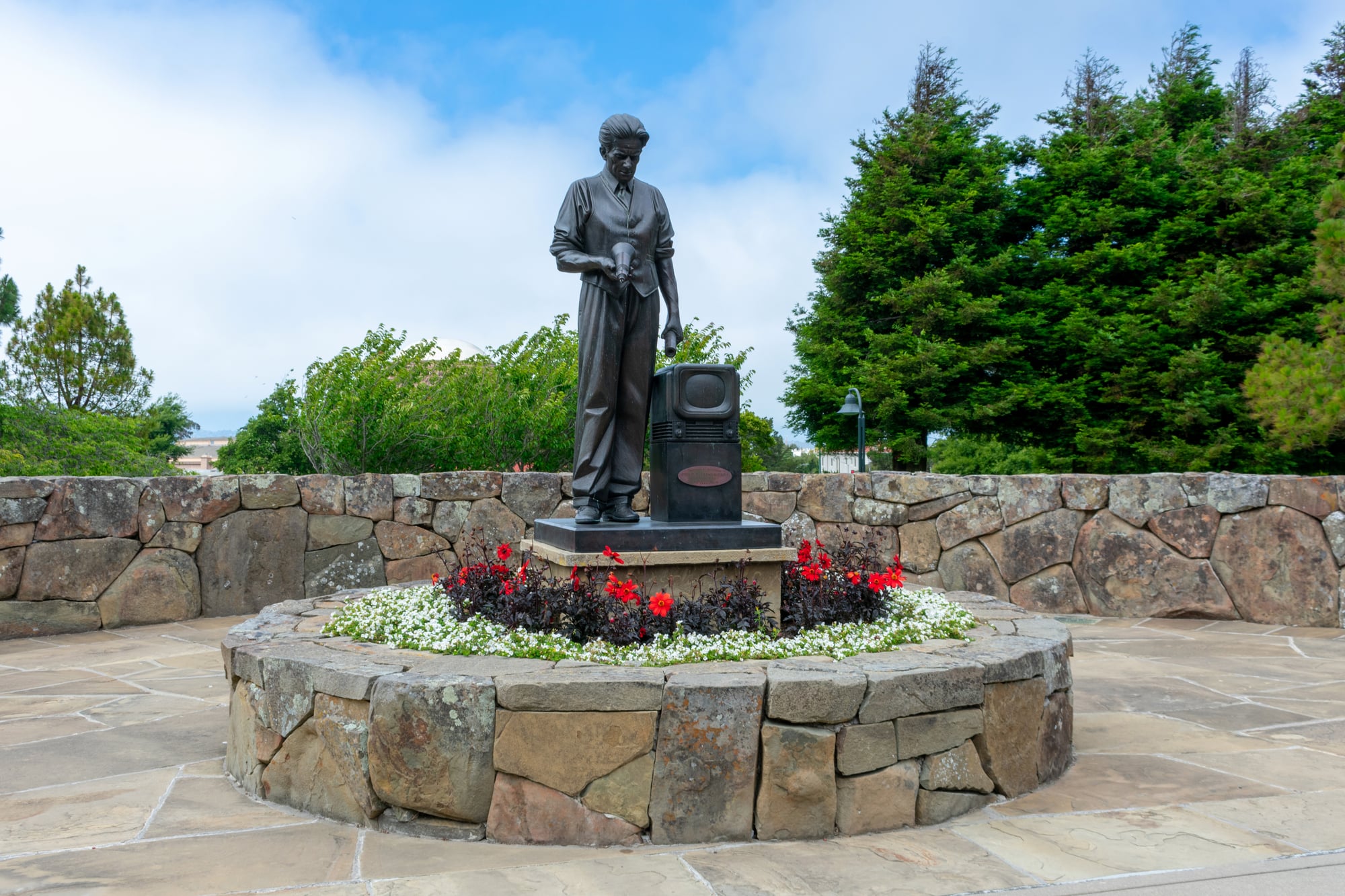
While working on his family’s farm as a teenager, Farnsworth envisioned how television might work by observing the back-and-forth motion of plowing fields. By age 21, he had created the first fully electronic television system.
Despite legal battles with RCA and corporate maneuvering that denied him proper credit, his fundamental inventions launched the age of television that transformed global communication and culture.
Ada Lovelace
In the 1840s, this mathematician wrote what is considered the first computer program—a century before computers existed. Working with Charles Babbage’s theoretical Analytical Engine, Lovelace envisioned its potential beyond mathematical calculations.
She recognized that such machines could manipulate symbols and even create music, essentially predicting modern computing capabilities while her contemporaries couldn’t grasp such concepts.
Like Go2Tutors’s content? Follow us on MSN.
Maurice Hilleman

The most prolific vaccine inventor in history developed over 40 vaccines, preventing untold millions of deaths. Hilleman created eight of the 14 vaccines routinely recommended for children, including those for measles, mumps, and rubella.
His work has likely saved more lives than any other scientist in the 20th century, yet his name remains unfamiliar to most people who benefited from his innovations.
Hedy Lamarr
Known primarily as a glamorous Hollywood actress, Lamarr co-invented frequency-hopping spread spectrum technology during World War II. This breakthrough innovation became the foundation for secure military communications, Wi-Fi, Bluetooth, and GPS technologies.
Her invention, created to prevent Nazi jamming of torpedo guidance systems, now underpins virtually all wireless communication—from military applications to your smartphone.
Ibn al-Haytham
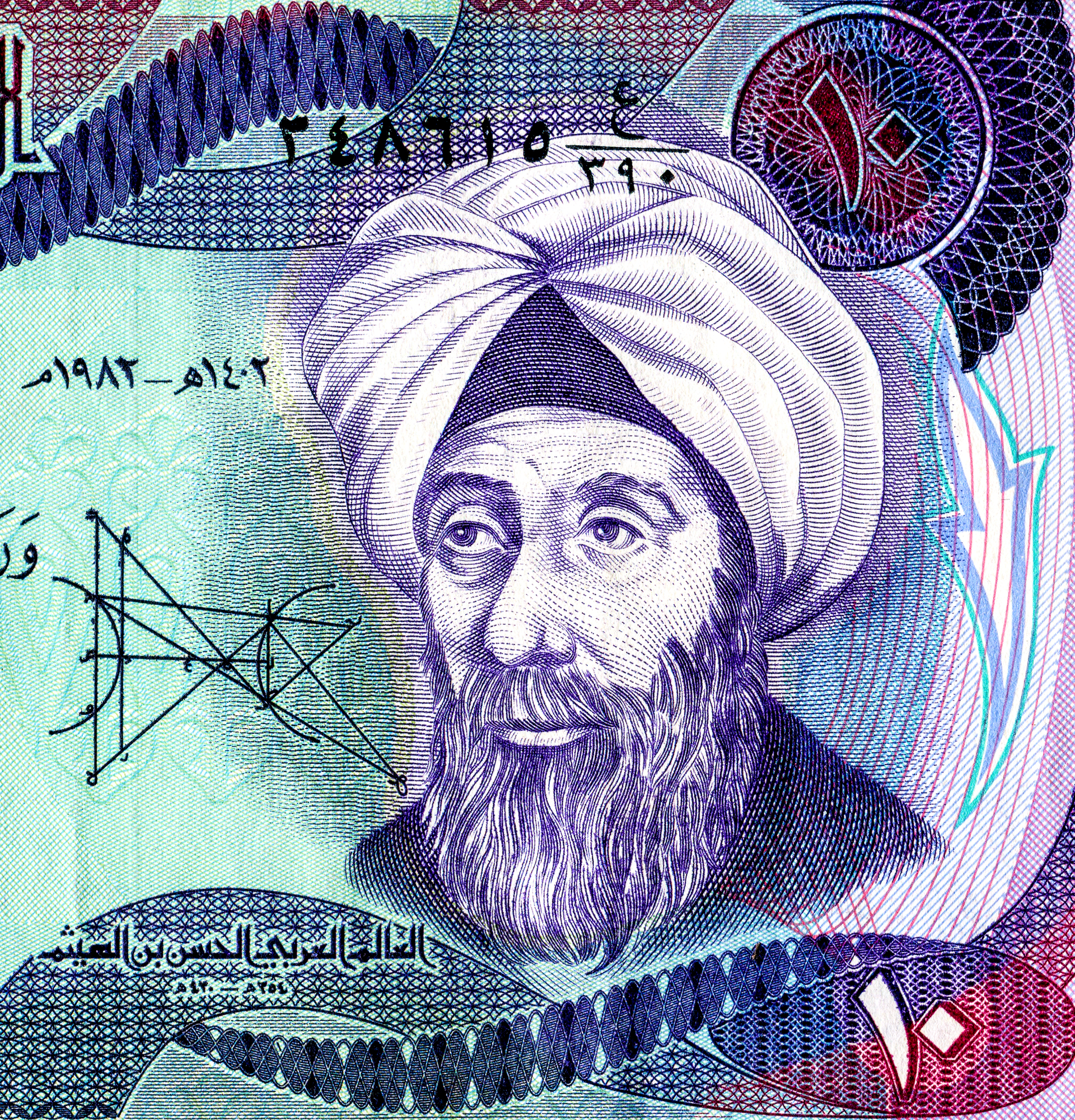
This 11th-century Arab scientist established the scientific method centuries before Europeans. His groundbreaking work on optics correctly explained how vision works, disproving ancient Greek theories that had dominated for a millennium.
Al-Haytham’s emphasis on experimental verification over pure reasoning transformed how science operates. His seven-volume Book of Optics influenced everyone from Leonardo da Vinci to Johannes Kepler.
Like Go2Tutors’s content? Follow us on MSN.
John Harrison
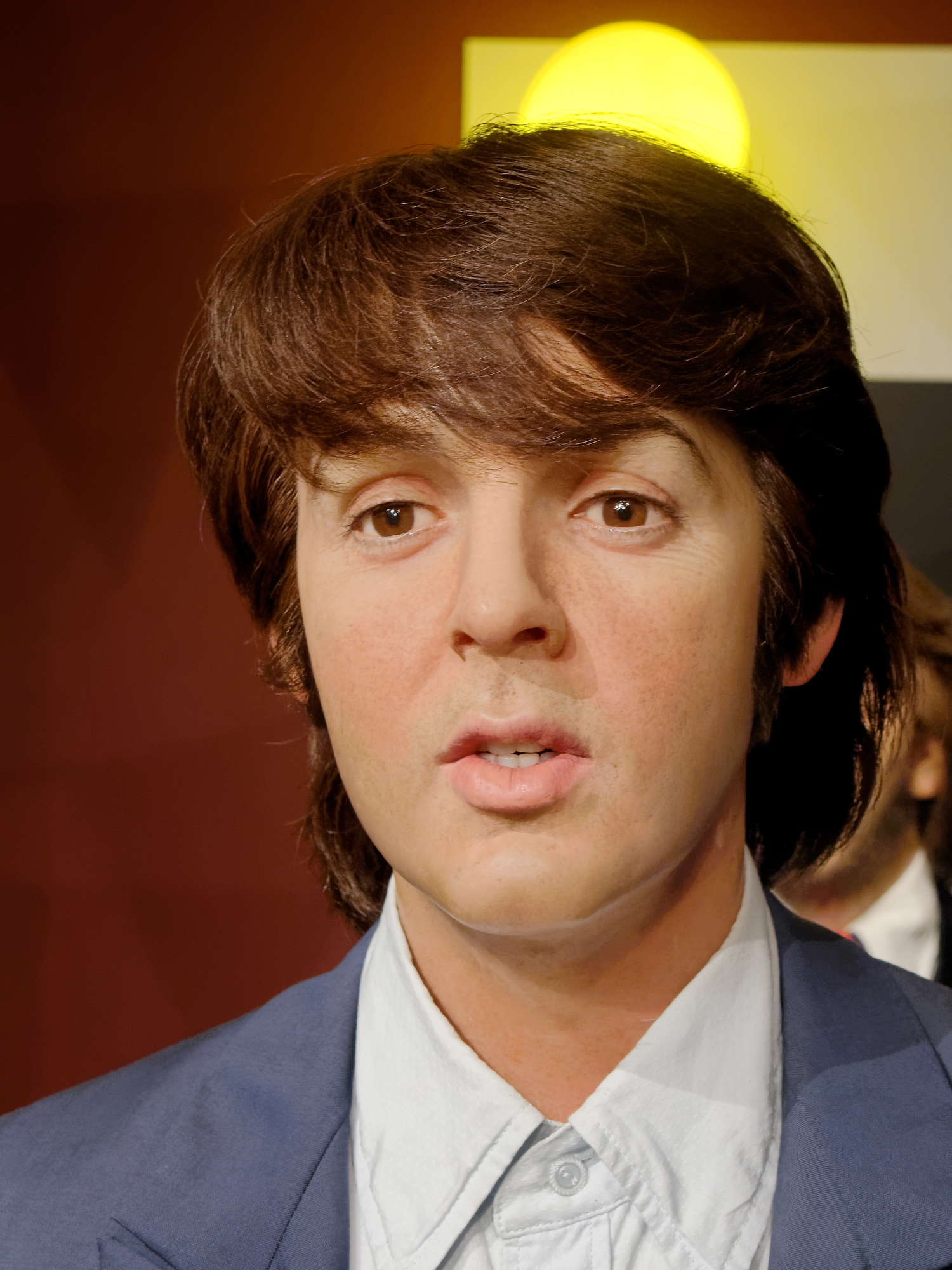
This self-taught clockmaker solved one of history’s most pressing technological problems: determining longitude at sea. His marine chronometer allowed sailors to navigate accurately, preventing countless shipwrecks and revolutionizing maritime travel and trade.
After decades of refinement and struggle against the scientific establishment, Harrison’s work transformed global navigation and enabled the expansion of international commerce.
The Ripple Effect of Invisible Influence
History doesn’t move forward solely through the actions of famous individuals. The innovations of these background figures demonstrate how foundational changes often come from unexpected sources.
Their stories remind us that revolutionary impact doesn’t always arrive with fanfare or recognition. What these fifteen individuals share isn’t just brilliance—it’s persistence in the face of skepticism and a willingness to challenge established thinking.
Their collective legacy proves that changing the world doesn’t require fame, just the determination to solve problems others couldn’t see or wouldn’t tackle. The greatest revolutions often begin with a single, overlooked individual asking different questions.
More from Go2Tutors!

- 18 Unexpectedly Valuable Collectibles You Might Have Lying Around
- 15 Things Every Teenager in the ’70s Did That Teens Today Wouldn’t Understand
- 15 Strange Things People Have Tried to Ban (And Failed)
- 15 Inventions That Were Immediately Banned After Being Created
- 20 Actors Who Were Almost Cast in Iconic Roles
Like Go2Tutors’s content? Follow us on MSN.