15 Problem-Solving Methods Different Species Share
Problem-solving isn’t just a human thing. Across the animal kingdom, creatures big and small use smart tricks to survive, adapt, and get what they need.
Whether it’s finding food, escaping danger, or dealing with unexpected changes, animals often figure things out in ways that feel surprisingly familiar. Some of their methods might even remind you of how people handle challenges.
Let’s look at how different species approach problems using clever, practical, and sometimes unexpected solutions.
Using Tools

Chimpanzees use sticks to fish for termites. Sea otters crack open shellfish using rocks. Even crows have been seen shaping twigs to reach food.
These animals understand that an object can help them get something done, just like people use tools for cooking, fixing, or building. It’s not just smart—it shows real planning.
Trial and Error

Octopuses are known for trying different ways to open jars or get out of tanks. They don’t give up after one try.
Instead, they keep testing until something works. Just like humans figuring out a new gadget, they learn by doing—and sometimes by failing first.
Like Go2Tutors’s content? Follow us on MSN.
Mimicking Others

Young elephants watch older ones to learn how to find water or use their trunks properly. In the wild, animals often copy what works for others.
Macaques even learned to wash sweet potatoes after one monkey figured it out. Copying isn’t cheating—it’s learning.
Problem-Solving with Memory
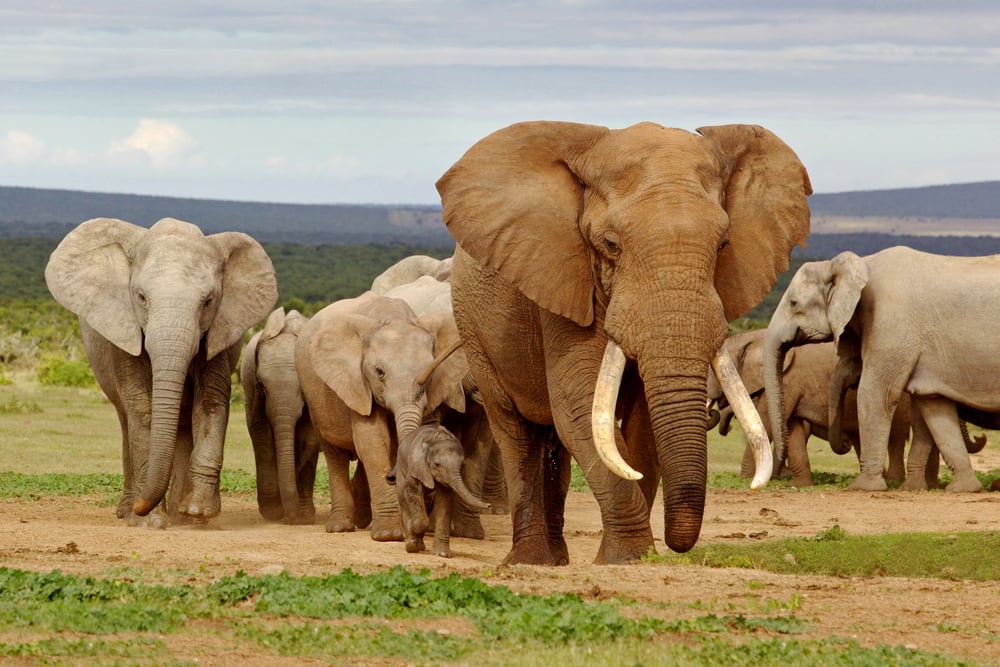
Squirrels remember where they bury their food. Elephants can recall water sources from years ago.
These aren’t just random actions—they’re based on memory, and memory helps solve problems. It’s like remembering where you left your keys or how to fix something you’ve done before.
Changing Strategy When Something Fails

If a raccoon can’t open a trash bin one way, it’ll try another. Animals like this don’t get stuck on one plan.
They shift tactics, using flexibility to find new solutions. People do the same when Plan A doesn’t work out—they go for Plan B, or C.
Like Go2Tutors’s content? Follow us on MSN.
Teamwork
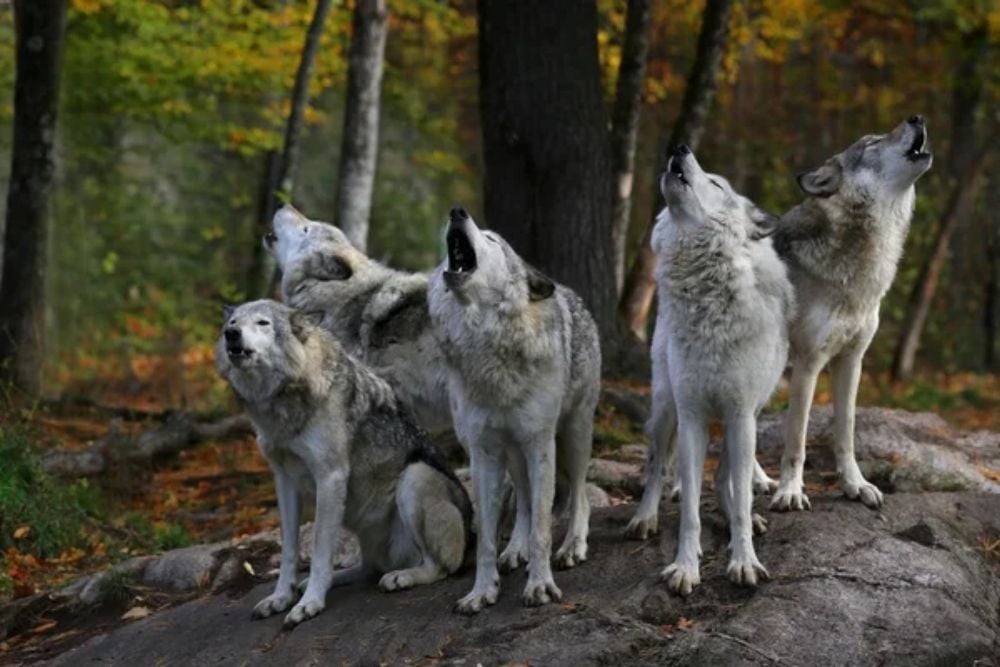
Wolves hunt in groups and dolphins herd fish together. These animals know that working as a team gives better results than going alone.
They use roles, timing, and coordination. It’s problem-solving through partnership—just like how humans tackle big projects together.
Using Distraction

Some birds pretend to have a broken wing to lure predators away from their nests. It’s a trick—but a smart one.
By creating a distraction, they protect their young. This kind of misdirection shows that animals can use strategy to solve serious threats.
Saving for Later

Beavers store branches for winter. Jays hide food in different places for future meals.
This isn’t just about eating—it’s planning ahead. Thinking about the future is a big step in solving problems before they even happen.
Like Go2Tutors’s content? Follow us on MSN.
Using the Environment Creatively

Archerfish shoot water jets to knock insects off branches. That’s using the world around them in a clever way.
They don’t just rely on chance—they take control of their surroundings to get what they need. It’s similar to how people build things like dams or irrigation systems.
Teaching

Meerkat adults show pups how to safely handle dangerous prey like scorpions. They don’t just let them figure it out alone.
Passing on skills is one of the smartest ways a species can solve problems across generations. Just like how humans teach each other, animals do too.
Adapting to New Situations

Urban foxes now check trash bins or wait for human leftovers. Pigeons navigate cities just like forests.
Animals that live around people are learning to adjust. Adapting quickly helps them survive when things change—kind of like how people switched to online tools when offices closed.
Like Go2Tutors’s content? Follow us on MSN.
Reading Social Cues

Dogs can understand pointing and facial expressions. They read humans better than most animals.
This helps them solve problems in a human world—like knowing when to beg or when to back off. It’s about understanding others to get ahead.
Using Traps

Antlions dig cone-shaped pits to trap prey that slips down the sides. They don’t chase—they let the prey come to them. It’s low-energy and effective.
In human terms, it’s like setting a smart trap rather than chasing every lead.
Communicating to Solve Issues

Honeybees use dances to tell others where food is. Elephants rumble in low tones to signal danger or direction.
Communication solves the problem of sharing knowledge. Instead of everyone guessing, animals talk—in their own way.
Like Go2Tutors’s content? Follow us on MSN.
Problem-Solving Through Play

Young dolphins and chimpanzees play with objects and each other. Play isn’t just for fun—it helps them learn skills they’ll need later.
By testing the world through play, they figure things out. It’s practice without pressure, much like how kids learn through games.
A Shared Pattern of Smart Thinking

Across jungles, oceans, forests, and backyards, animals show they’re more than instinct. They test, plan, adjust, and even teach.
These aren’t random actions—they’re solutions. Problem-solving connects species in surprising ways. Some animals may not use words or build computers, but they deal with challenges using thought, creativity, and memory.
Their methods may look different, but the purpose is the same: to survive, grow, and thrive. Watching them can teach us a lot about being clever, patient, and flexible.
Because sometimes, solving a problem starts with seeing it in a new way—just like they do.
More from Go2Tutors!

- 16 Restaurant Chains That Went Too Fast
- 12 Things Sold in the 80s That Are Now Illegal
- 15 Strange Things People Have Tried to Ban (And Failed)
- 16 Collectibles People Tossed Out Too Soon
- 17 Myths from Your Childhood That Were Actually Based on Real Things
Like Go2Tutors’s content? Follow us on MSN.