15 “Genius” Inventions That Were Quietly Stolen From Someone Else
History celebrates innovators who change the world with brilliant ideas, but sometimes those celebrating aren’t clapping for the right person. Behind many famous inventions lies a lesser-known story of intellectual theft, missed credit, or outright deception that changed the course of who received fame and fortune.
Here is a list of 15 remarkable inventions that were actually taken from their original creators, showing just how easily brilliant ideas can be claimed by those with the right connections or timing.
Telephone
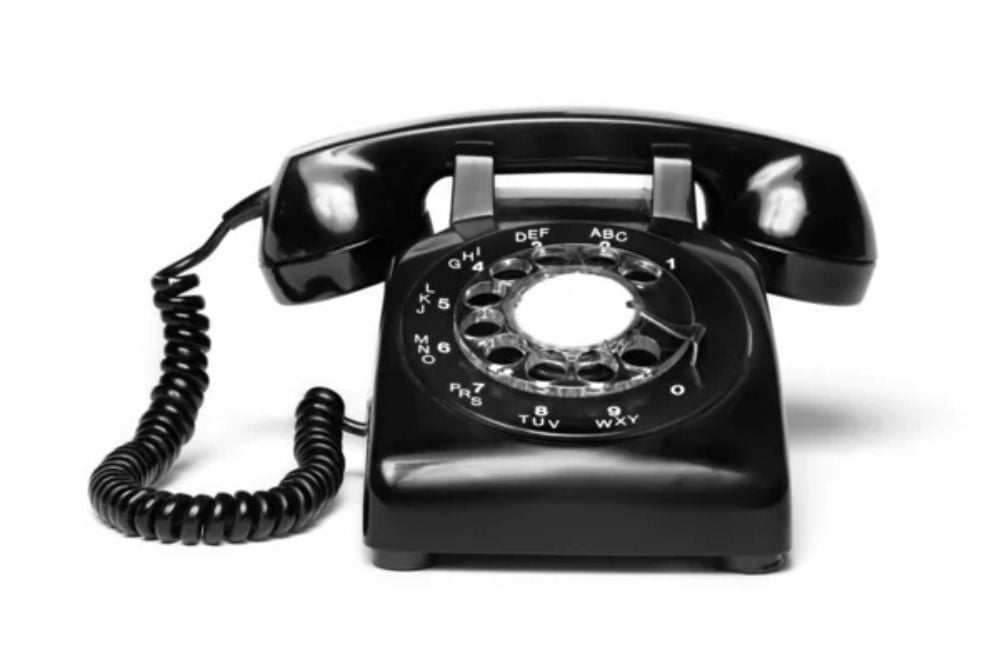
Alexander Graham Bell is widely credited with inventing the telephone, but Antonio Meucci created a working telephone-like device called the “telettrofono” years earlier. Meucci, an Italian immigrant, couldn’t afford the $250 patent fee, so he filed a less expensive caveat (a notice of intention to patent) in 1871.
When his renewal fee went unpaid, Bell, who had access to Meucci’s materials through Western Union, patented a suspiciously similar device in 1876. The U.S. Congress eventually recognized Meucci’s contribution in 2002, though Bell’s name remains synonymous with the invention.
Radio

While Guglielmo Marconi received the Nobel Prize for radio technology in 1909, Nikola Tesla had already patented radio technology in 1897. Tesla’s patents for radio transmission were initially dismissed, allowing Marconi to claim credit and build his wireless empire.
The U.S. Supreme Court eventually overturned Marconi’s patents in 1943, acknowledging Tesla’s prior work—unfortunately, this happened several months after Tesla died penniless in a New York hotel room.
Television
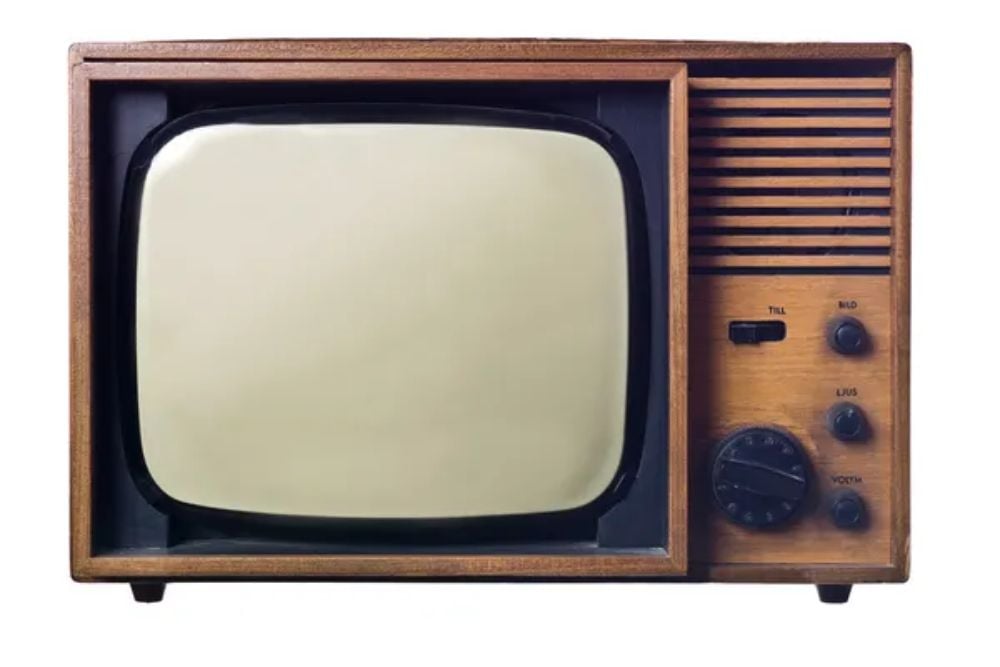
Philo Farnsworth developed the first working electronic television system in 1927, demonstrating it publicly by 1928. However, RCA’s David Sarnoff hired inventor Vladimir Zworykin, who visited Farnsworth’s lab under false pretenses and took detailed notes on his technology.
RCA then launched a massive legal battle against Farnsworth, dragging out proceedings until his patents expired. While Farnsworth eventually received some licensing fees, RCA’s massive resources allowed them to become known as a television pioneers while Farnsworth’s name faded into obscurity.

While Mark Zuckerberg is celebrated as Facebook’s founder, the Winklevoss twins and Divya Narendra originally hired him to build a social network called HarvardConnection (later ConnectU). According to their allegations, Zuckerberg deliberately stalled their project while secretly developing Facebook based on their concept.
The resulting legal battle ended with a settlement of $65 million for the Winklevoss twins—a fraction of Facebook’s eventual worth. The controversy was dramatized in the film ‘The Social Network’ but remains a contentious chapter in tech history.
Light Bulb
Thomas Edison is famously credited with inventing the practical incandescent light bulb, but he built upon decades of prior work. Joseph Swan had already patented and demonstrated a working incandescent bulb in England nearly a year before Edison’s success.
Edison improved the bulb’s commercial viability with a better filament, but Swan successfully sued Edison for patent infringement in British courts. The two eventually formed a joint company in Britain, though Edison maintained sole credit in America and became the name we associate with illuminating the world.
Like Go2Tutors’s content? Follow us on MSN.
Windshield Wipers

Mary Anderson invented the first working windshield wiper system in 1903, receiving a patent for her hand-operated device. However, car manufacturers ignored her invention until her patent expired in 1920. Once the patent lapsed, automobile companies began installing wipers based on her design without paying her a cent.
By the time windshield wipers became standard equipment, Anderson received no recognition or compensation for her pioneering contribution to automotive safety.
Monopoly

The classic board game Monopoly was originally created by Elizabeth Magie as ‘The Landlord’s Game’ in 1904 to demonstrate the negative effects of land monopolies. Charles Darrow played a version of her game at a friend’s house, then copied and slightly modified it before selling it to Parker Brothers as his own creation in 1935.
Parker Brothers bought Magie’s patent for a mere $500 to avoid legal complications, while Darrow became the first board game millionaire in history. The game’s anti-monopolist origins were ironically buried as Darrow took sole credit for decades.
MP3 Player
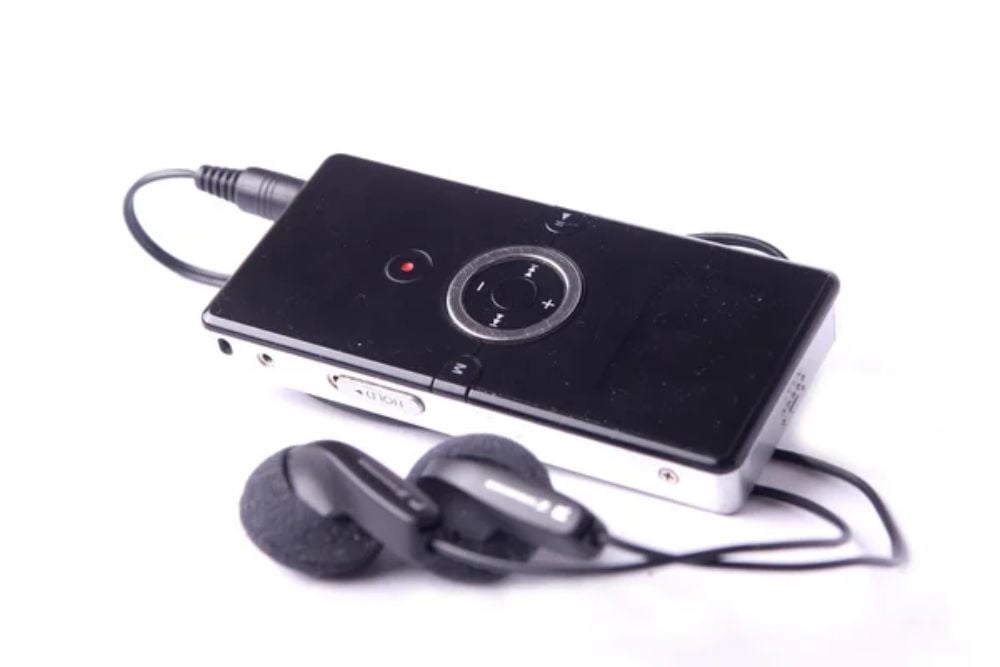
Though Apple revolutionized the music industry with the iPod in 2001, the first portable MP3 player was actually the MPMan F10, created by SaeHan Information Systems in 1997. Even before that, British inventor Kane Kramer developed the concept and a working prototype of a digital music player in 1979.
His patents expired in 1988 when he couldn’t afford to renew them, leaving the technology open for others to develop. Apple even acknowledged Kramer during a 2008 legal dispute, though his pioneering work remains largely unknown to the general public.
Like Go2Tutors’s content? Follow us on MSN.
Intermittent Windshield Wipers

Robert Kearns invented intermittent windshield wipers in 1964 after an incident involving champagne cork damage to his eye prompted him to think about how the human eye blinks occasionally rather than continuously. He demonstrated his technology to Ford, who initially expressed interest but then suddenly broke off communication.
Within a few years, Ford and other manufacturers began installing their own intermittent wipers suspiciously similar to Kearns’ design. After a decades-long legal battle, Kearns eventually won over $30 million from Ford and Chrysler, though the fight consumed his life and family relationships.
Space Rocket Equation

While rocket development is often associated with German scientists like Wernher von Braun, the fundamental mathematical principles were first formulated by Russian schoolteacher Konstantin Tsiolkovsky in 1903. His rocket equation became the foundation of modern rocketry, but his work remained largely unknown outside Russia for decades.
Meanwhile, American Robert Goddard independently developed similar principles and is often credited in the West as the ‘father of modern rocketry.’ Tsiolkovsky’s pioneering contributions were overshadowed until the Space Age brought renewed attention to his foundational work.
Polaroid Instant Photography

Edwin Land is celebrated as the inventor of instant photography with his Polaroid camera, but he appears to have appropriated key elements from what might be the longest-running patent theft in history. An invention by Samuel Shlafrock for a “camera enabling the user to develop pictures immediately after taking them” was filed in 1923, predating Land’s work by over two decades.
Land had access to patent office materials through connections and developed the ‘instant’ camera without acknowledging Shlafrock’s contribution. The Russian Jewish immigrant never received recognition or compensation during his lifetime.
Heart Pacemaker
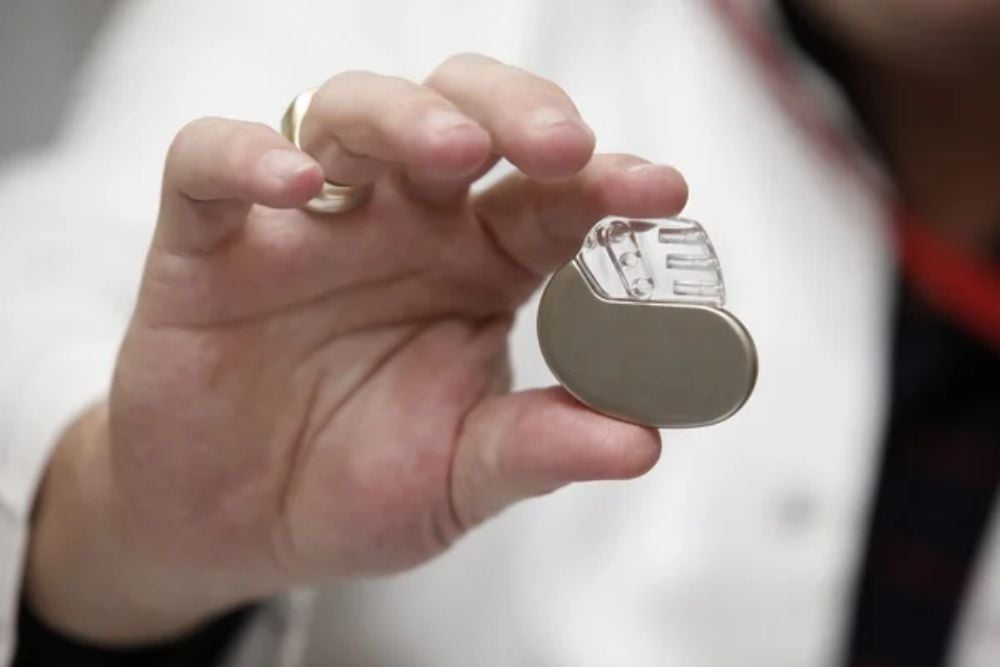
While Wilson Greatbatch is often credited with inventing the implantable pacemaker in 1958, Australian doctor Mark Lidwill and physicist Edgar Booth developed and used the first artificial pacemaker on a stillborn infant in 1928. Their device successfully revived the child. Lidwill deliberately didn’t patent his invention, believing life-saving medical technology should be freely available.
This ethical stance, while admirable, led to his contribution being overshadowed as later developers commercialized and received credit for pacemaker technology that built upon his pioneering work.
Laser
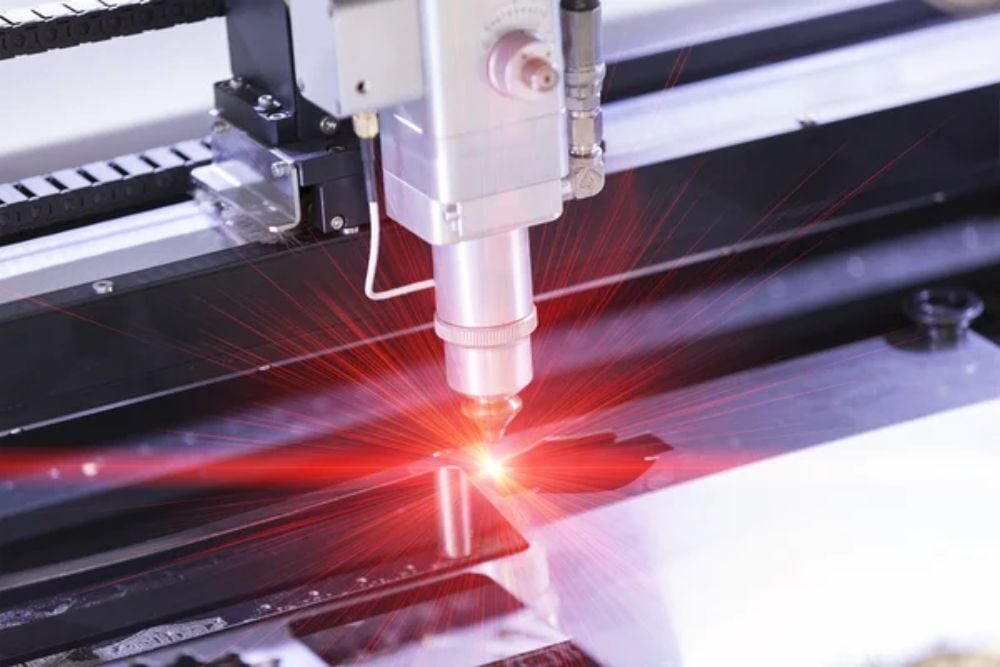
Gordon Gould, a graduate student at Columbia University, conceptualized the laser and extensively documented the theory, design, and applications in his notebook in 1957. However, his supervisors Charles Townes and Arthur Schawlow filed a patent based on similar principles in 1958 before Gould could file his own.
Gould spent decades fighting for recognition, finally winning patent rights in 1977. By then, companies had been manufacturing lasers for years without paying him royalties. He eventually received compensation for his later patents but missed out on decades of recognition and early financial benefits.
Computer
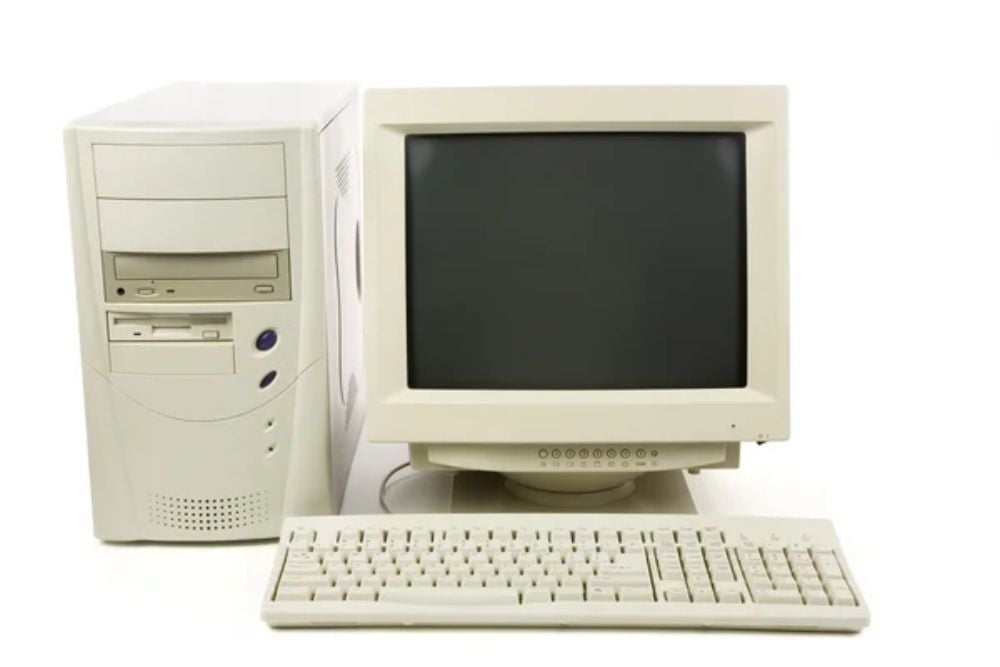
While many know ENIAC as the first general-purpose electronic computer, completed in 1945, the lesser-known ABC (Atanasoff-Berry Computer) preceded it by several years. John Vincent Atanasoff and graduate student Clifford Berry built their working prototype by 1942.
ENIAC designer John Mauchly visited Atanasoff, studied his machine, and incorporated many of its innovations without acknowledgment. A 1973 court ruling finally established that Atanasoff was the legal inventor of the electronic digital computer, though ENIAC’s team had already secured their place in popular history books.
Radio Telescope
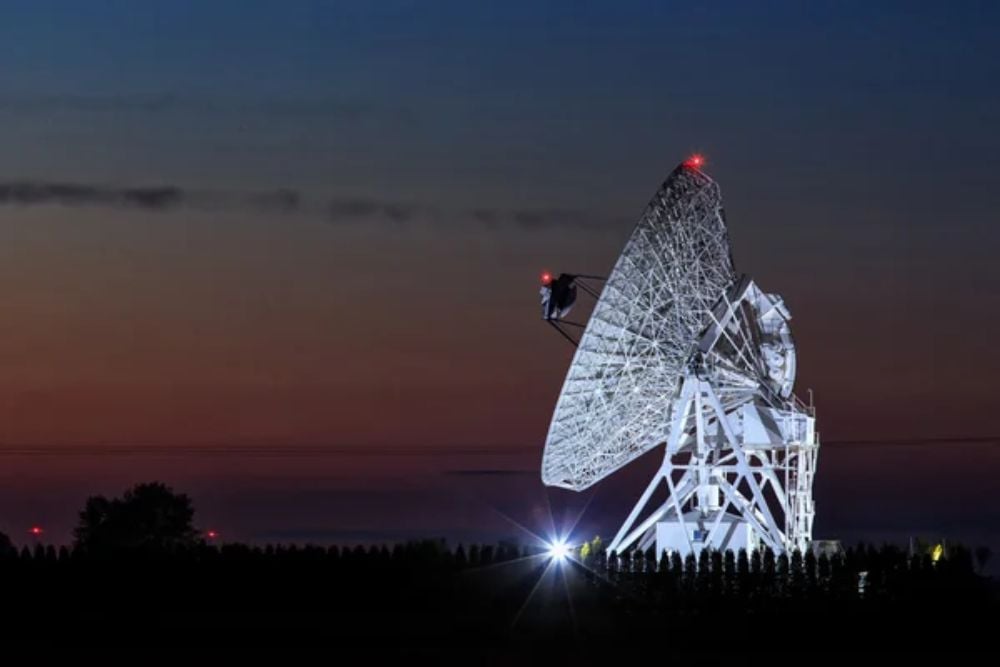
While Karl Jansky is often credited with inventing the radio telescope in 1932, Grote Reber independently built the first dedicated radio telescope in his backyard in 1937. Reber’s homemade parabolic dish detected cosmic radio waves and mapped the radio sky, creating the field of radio astronomy.
Scientific institutions initially rejected his findings until years later when they were confirmed. While Jansky’s accidental discovery came first, Reber’s intentional advancement of the technology and comprehensive sky survey truly established radio astronomy as a field, though his contributions were underappreciated for decades.
Forgotten Innovators, Remembered Inventions
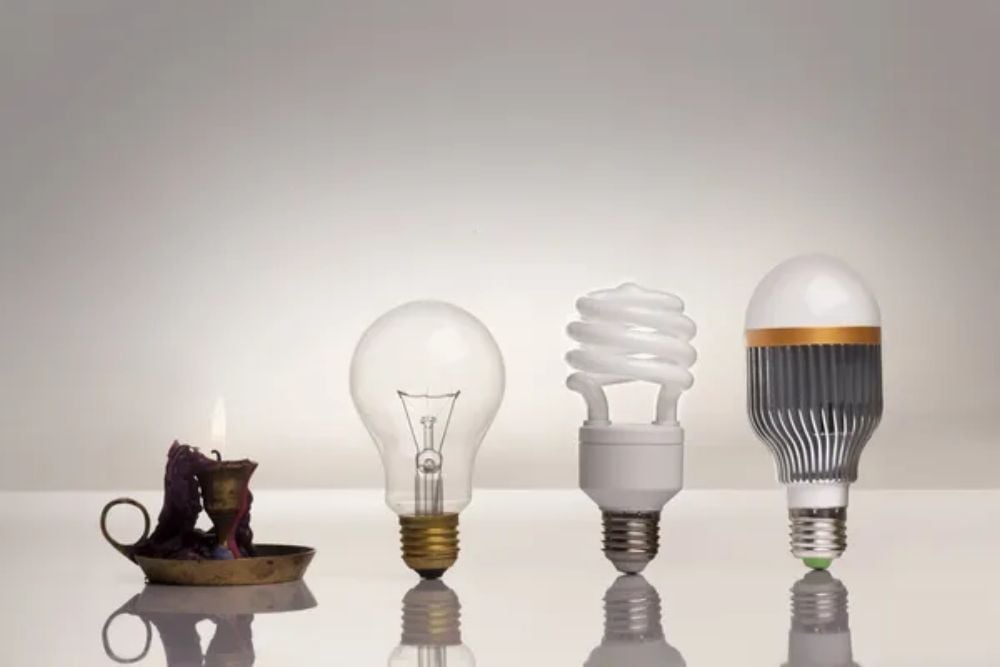
These stolen innovations reveal how easily history can be rewritten when power, resources, and timing favor the second mover rather than the original creator. Many breakthrough inventions weren’t the work of lone geniuses but rather the culmination of collaborative efforts or parallel development—often with the most connected or business-savvy participant claiming the spotlight.
While we continue to use these world-changing technologies daily, perhaps we should occasionally pause to acknowledge the forgotten minds whose work truly changed our world, even as their names faded from our collective memory.
More from Go2Tutors!

- The Romanov Crown Jewels and Their Tragic Fate
- 13 Historical Mysteries That Science Still Can’t Solve
- Famous Hoaxes That Fooled the World for Years
- 15 Child Stars with Tragic Adult Lives
- 16 Famous Jewelry Pieces in History
Like Go2Tutors’s content? Follow us on MSN.



