15 Services That Used to Be Everywhere and Are Now Gone
Remember when certain services were so common we couldn’t imagine life without them? From technology to retail to everyday conveniences, numerous services that once seemed indispensable have quietly vanished from our daily lives.
As innovation marches forward and consumer habits evolve, these once-ubiquitous offerings have been replaced or simply faded away. Here is a list of 15 services that were once fixtures in American life but have now largely disappeared from the landscape.
Video Rental Stores
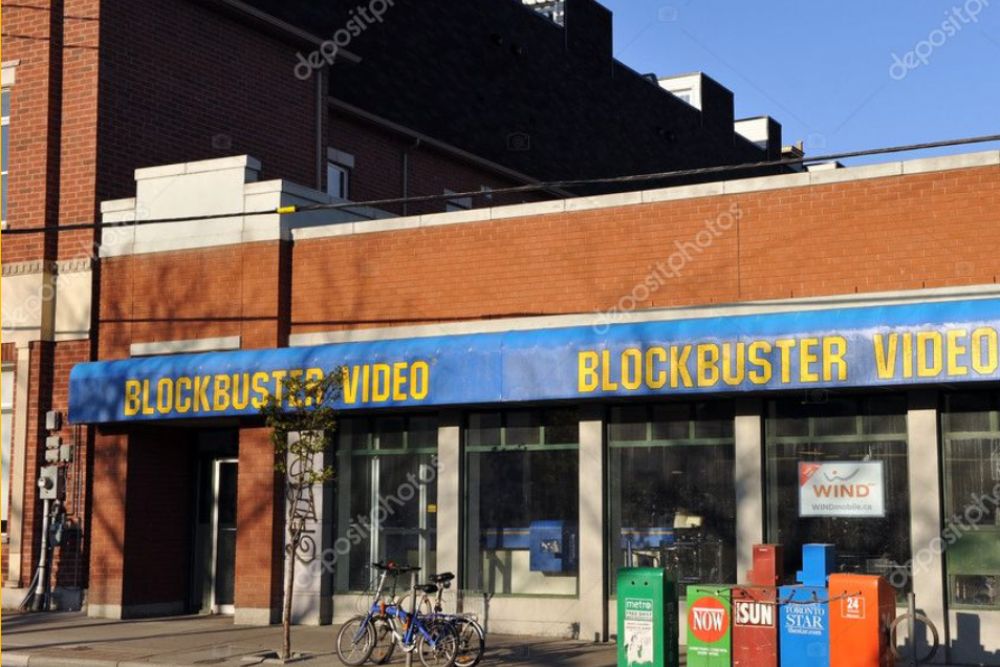
The Friday night ritual of browsing aisles of VHS tapes and later DVDs at Blockbuster or Hollywood Video has become a relic of the past. These stores were social hubs where families and film enthusiasts would gather to select weekend entertainment.
Now, with streaming services providing instant access to thousands of titles, these once-thriving businesses have virtually disappeared, with just a handful of independent stores remaining as nostalgic novelties.
Full-Service Gas Stations

There was a time when pulling into a gas station meant an attendant would rush to your window, ask what you needed, pump your gas, and even clean your windshield. These full-service stations were standard across America until self-service became the cost-effective norm.
Today, only New Jersey and parts of Oregon still require attendants to pump gas, while everywhere else, the friendly service station worker has been replaced by pay-at-the-pump technology.
Like Go2Tutors’s content? Follow us on MSN.
Telephone Operators

Before smartphones and automation, telephone operators were the human backbone of communication networks. These professionals would manually connect calls, provide directory assistance, and even serve as emergency contacts in small towns.
The introduction of direct dialing, automated systems, and eventually mobile phones rendered this personal touch obsolete, though many older Americans still recall the helpful voice that would ask, ‘Number, please?’
Film Development Services
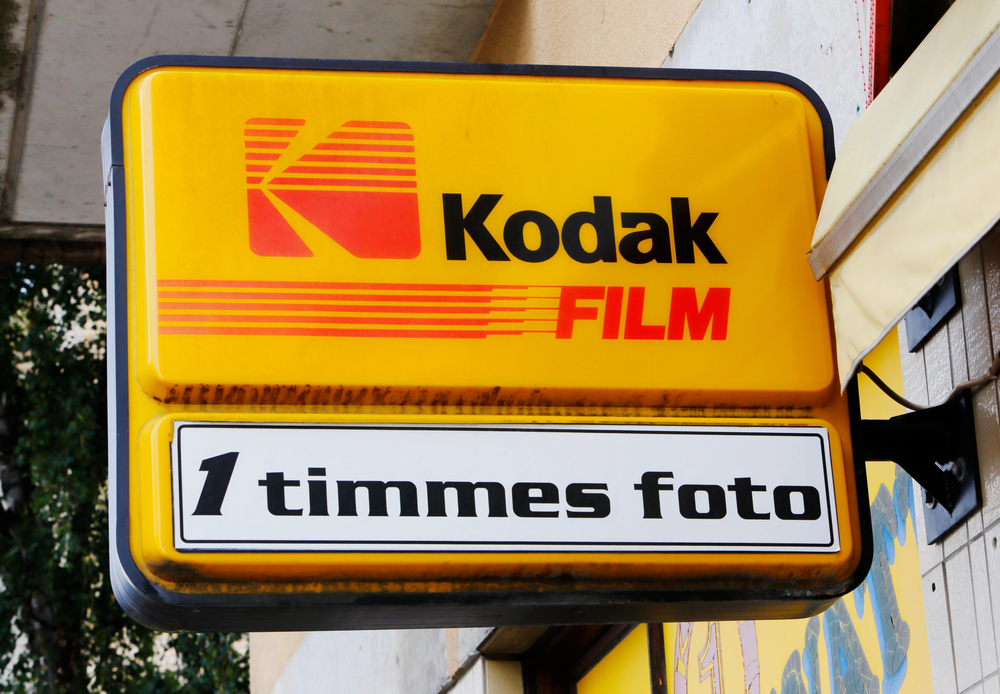
The one-hour photo shop was once a fixture in shopping malls and drugstores across America. Dropping off a roll of film and anxiously waiting to see how your pictures turned out was a universal experience.
Digital photography has completely transformed this process, with physical photo development services shrinking to specialty shops for professionals or enthusiasts, while most people now store thousands of photos on their phones without printing a single one.
Travel Agencies

Storefront travel agencies were once essential for planning vacations, with agents using their expertise to book flights, arrange accommodations, and create itineraries. These professionals had access to reservation systems and destination knowledge that average consumers couldn’t easily obtain.
Today, online booking platforms and travel websites have put these capabilities directly in consumers’ hands, leading to the closure of thousands of physical travel agency locations.
Like Go2Tutors’s content? Follow us on MSN.
Public Pay Phones
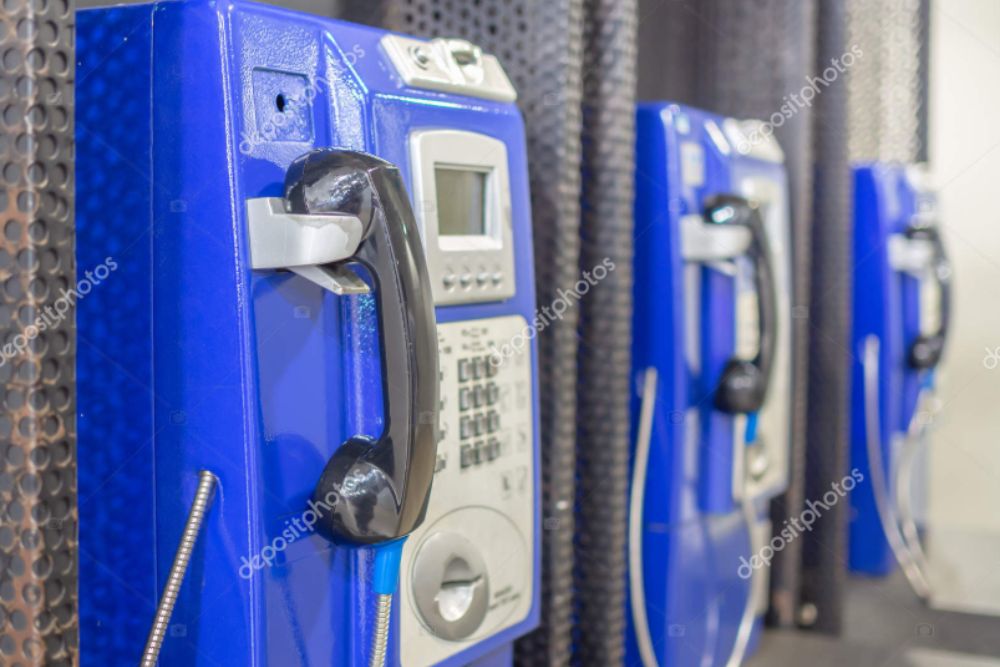
Those iconic phone booths and standalone pay phones that dotted street corners, airports, and shopping centers have nearly vanished. Once vital communication lifelines for travelers and those without home phones, pay phones began disappearing as mobile phones became ubiquitous.
AT&T officially exited the pay phone business in 2007, and today finding a working public phone is rare enough to be photo-worthy.
Milk Delivery

The milkman bringing fresh dairy products directly to your doorstep was a standard service in American neighborhoods for generations. Glass bottles would be delivered and empties collected in a seamless system that predated modern recycling.
While some specialty dairies have revived this service for niche markets, the widespread practice ended as supermarkets became the primary source for household groceries and refrigeration improved.
Newspaper Delivery
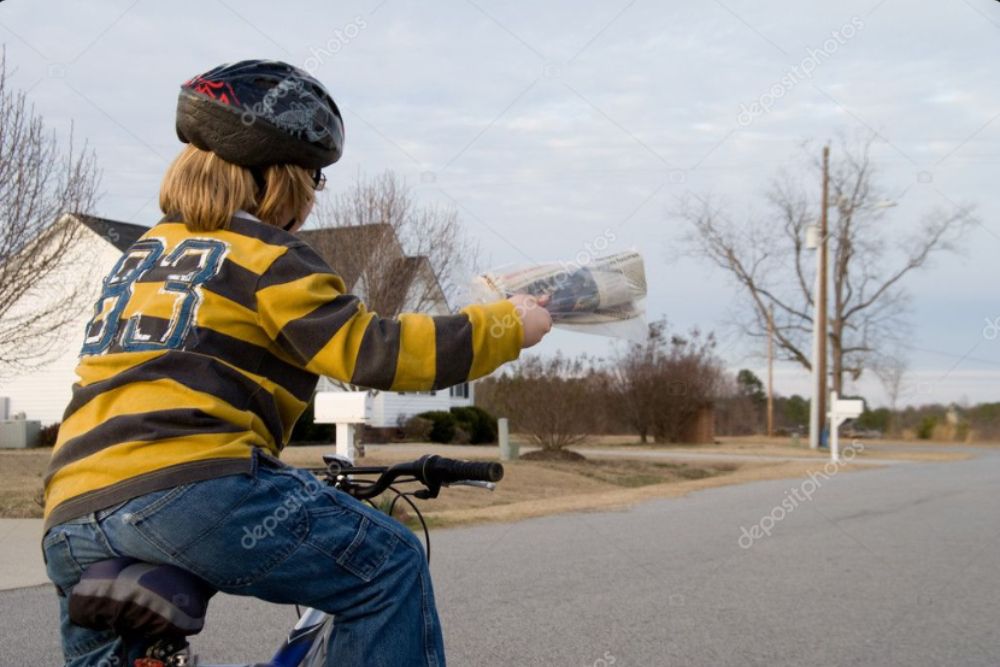
The thud of the morning paper hitting the driveway was once as reliable as sunrise. Newspaper delivery services employed generations of young entrepreneurs on paper routes and created a daily reading ritual for millions.
With digital news consumption now dominant, print newspaper circulation has plummeted, and the paper delivery person has become increasingly rare, with many remaining subscribers receiving their papers via mail carriers instead.
Like Go2Tutors’s content? Follow us on MSN.
TV and Radio Repair Shops
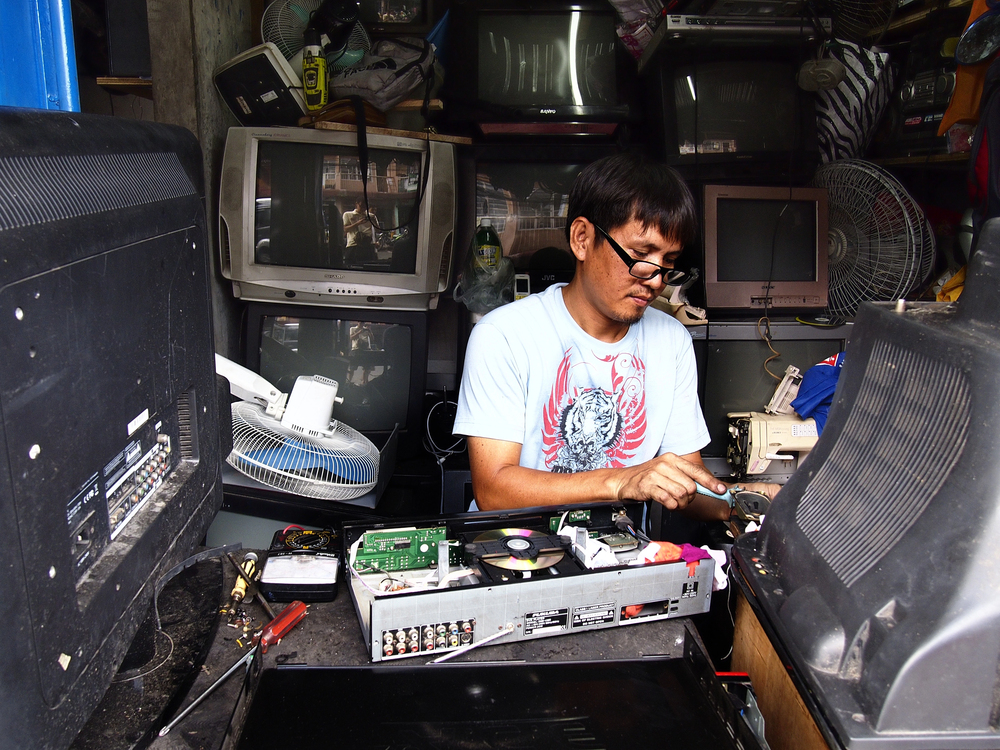
When household electronics broke down in the mid-20th century, repair shops were essential services that could fix your television or radio. These technicians would make house calls or accept drop-offs to replace tubes and components.
The transition to solid-state electronics, coupled with the decreasing cost of new devices, has made repairs less economical than replacement, leading these once-common repair shops to close their doors.
Typewriter Repair Services

Businesses dedicated to maintaining and repairing typewriters were essential in every city when these machines were the primary writing tools in offices across America. Specialists would clean, adjust, and replace parts to keep these mechanical marvels functioning.
The personal computer revolution eliminated the need for most typewriter services, though a few remain to serve collectors, writers with vintage preferences, and the occasional legal document requiring a typewritten form.
Shoe Repair Shops

Cobblers and shoe repair shops were once standard fixtures in American downtowns, extending the life of footwear when shoes represented a significant investment. These skilled craftspeople could resole, reheel, and restore footwear to like-new condition.
While some shops survive in urban areas, the advent of inexpensive, mass-produced shoes has made replacement more common than repair, leading to a sharp decline in these traditional services.
Like Go2Tutors’s content? Follow us on MSN.
Ice Delivery

Before electric refrigeration became standard in homes, ice delivery was an essential service. Ice men would make regular rounds with large blocks that would keep iceboxes cold.
This service was the foundation of home food preservation for decades. The service disappeared almost completely with the widespread adoption of electric refrigerators in the mid-20th century, though some might be reminded of it when seeing modern artisanal ice delivery for cocktail bars.
Elevator Operators

Manually operated elevators once required skilled operators to control speed, alignment with floors, and passenger safety. These uniformed professionals would announce floors and often serve as building ambassadors.
The development of automatic elevators eliminated this profession in most buildings, though a few historic hotels and department stores maintain operators as a luxury touch or for traditional ambiance.
Telegram Services

For urgent messages that needed to travel faster than mail but couldn’t be communicated by telephone, telegram services provided critical communication channels. Western Union messengers delivering telegrams became iconic symbols of important news.
The company finally ended its telegram service in 2006 after 155 years, as email, text messaging, and cheap long-distance calling made the service obsolete.
Like Go2Tutors’s content? Follow us on MSN.
Maps and Atlas Sales

In the past, travelers and geography aficionados relied heavily on bookstores with dedicated map stores and extensive atlas sections. Expert cartographers produced regularly updated road maps that were offered for sale at bookstores and gas stations across the country.
Physical maps have mostly been superseded by GPS devices and smartphone navigation apps; however, niche shops that serve hikers, collectors, and travelers outside of cellphone coverage regions still exist.
The Changing Landscape of American Services

As we reflect on these vanished services, we see not just the march of technological progress but the transformation of American social patterns. Many of these services provided personal connections and community touchpoints that their digital replacements can’t replicate.
While convenience and efficiency have increased dramatically, something intangible has been lost in these transitions. The services that fill our lives today will inevitably face similar transformations as innovation continues to reshape how we live, work, and connect.
More from Go2Tutors!

- 18 Unexpectedly Valuable Collectibles You Might Have Lying Around
- 15 Things Every Teenager in the ’70s Did That Teens Today Wouldn’t Understand
- 15 Strange Things People Have Tried to Ban (And Failed)
- 15 Inventions That Were Immediately Banned After Being Created
- 20 Actors Who Were Almost Cast in Iconic Roles
Like Go2Tutors’s content? Follow us on MSN.