Uncracked Codes in History
Throughout human history, people have always found ways to hide secrets. Some used invisible ink, others buried treasure maps, and a few created codes so complex that even modern computers can’t break them.
These puzzles have frustrated experts for decades, sometimes centuries, and they continue to spark curiosity today. What makes these codes so fascinating is that they might contain answers to mysteries we’ve been chasing for generations.
Let’s look at some of the most stubborn puzzles that refuse to give up their secrets.
The Voynich Manuscript

This strange book showed up in the early 1400s and nobody has figured out what it says. The manuscript contains weird drawings of plants that don’t exist, unclothed women in green pools, and astronomical charts that make no sense.
Written in an alphabet that doesn’t match any known language, it has stumped linguists, codebreakers, and even artificial intelligence programs. Some people think it’s a hoax, while others believe it holds ancient medical knowledge.
The book sits in Yale University’s library, still keeping its secrets after 600 years.
The Zodiac Killer’s 340-Character Cipher

A murderer in California sent coded letters to newspapers in the late 1960s, taunting police and the public. While codebreakers solved his first message pretty quickly, his second cipher stayed locked for 51 years until December 2020.
That solution revealed a disturbing message, but the killer sent other codes that remain unsolved. One of them, called the Z13, only has 13 characters and might be too short to crack.
The Zodiac Killer was never caught, and his remaining codes might contain clues about his identity.
The Beale Ciphers

A man named Thomas Beale supposedly buried millions of dollars worth of gold and silver in Virginia during the 1820s. He left behind three coded messages explaining the treasure’s location, contents, and who should inherit it.
Someone managed to crack the second cipher using the Declaration of Independence as a key, which described gold, silver, and jewels worth a fortune. The other two ciphers haven’t budged despite countless attempts.
Many treasure hunters think the whole thing is fake, but others keep digging pits in Virginia just in case.
Kryptos

Right outside CIA headquarters in Virginia stands a copper sculpture with four coded sections carved into it. Artist Jim Sanborn created it in 1990 with help from a retired CIA cryptographer.
Three of the four sections have been solved, revealing poetic phrases about information gathering and illusions. The final 97 characters have resisted every attempt at decryption, even from professional spies.
Sanborn has dropped a few hints over the years, but the last section remains locked, embarrassing the intelligence community that walks past it every day.
The Rohonc Codex

This Hungarian book contains 450 pages of unknown symbols and bizarre illustrations. Nobody knows when it was written, who wrote it, or what language it might represent.
The pictures show religious and military scenes that don’t quite match any known culture. Some scholars think it’s a hoax from the 1800s, while others argue it’s genuinely ancient.
The alphabet has about 200 different symbols, way more than most languages use. Multiple research teams have tried to crack it, but the Rohonc Codex keeps its mouth shut.
The Dorabella Cipher
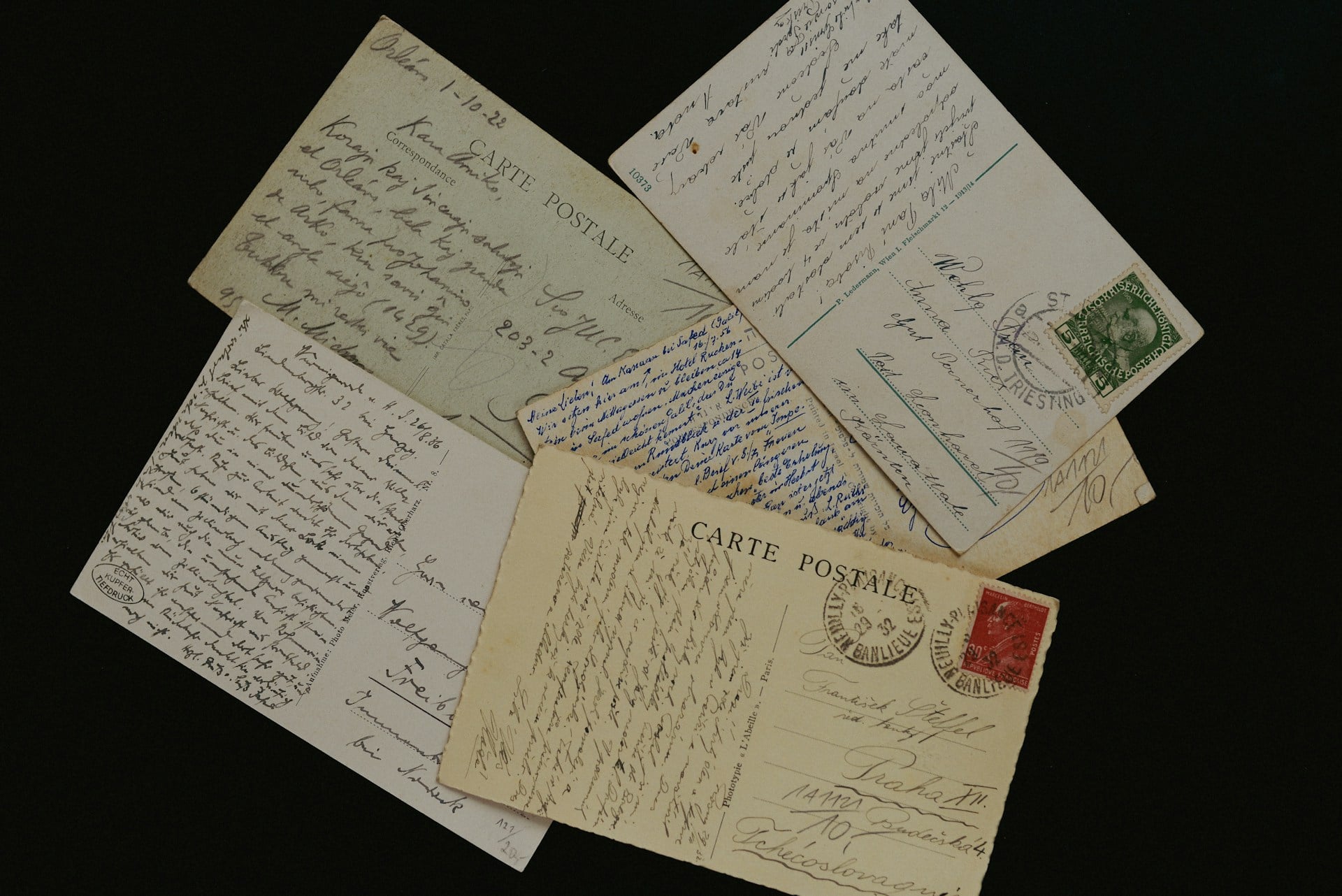
Famous composer Edward Elgar sent a coded note to a young woman named Dora Penny in 1897. The message uses 87 squiggly symbols arranged in three lines, and it’s stumped everyone who’s tried to read it.
Dora herself never figured it out, even though the message was meant for her. Some think it’s a love letter, others suspect it’s just musical notation, and a few believe Elgar made it impossible on purpose.
The original note is carefully preserved, still waiting for someone clever enough to understand what Elgar wanted to say.
The Phaistos Disc

Archaeologists found this clay disc on the Greek island of Crete in 1908, dating back to around 1700 BC. Both sides contain spiral patterns of stamped symbols that might be an ancient form of printing.
The 241 symbols represent 45 different pictures including people, animals, plants, and tools. Nobody knows what language it represents or even if it’s actually writing.
Some researchers think it’s a prayer, others say it’s a game board, and skeptics claim it’s an ancient fake. The disc sits in a museum in Crete, keeping its secrets for over 3,700 years.
The Taman Shud Case

A dead man appeared on an Australian beach in 1948 with no identification and the labels cut from his clothes. In his pocket, investigators found a scrap of paper with the words ‘Taman Shud,’ meaning ‘ended’ or ‘finished’ in Persian.
They eventually found the book it came from, which contained a phone number and five lines of handwritten code. The letters don’t match any known cipher system, and nobody has cracked them despite decades of trying.
The man’s identity remains unknown, and the code might explain who he was and why he died.
The Copiale Cipher

This 105-page manuscript from the 1700s stumped researchers for over 250 years before finally getting cracked in 2011. The solution revealed it was a German secret society’s initiation ritual, full of strange ceremonies involving eye surgery symbolism.
What makes this interesting is that most of the document used meaningless symbols as decoys, with the real message hidden in specific letters. The breakthrough came from computer scientists who treated it like a translation problem rather than a traditional code.
This success story gives hope that other old ciphers might eventually fall with the right approach.
The Chaocipher
Inventor John Byrne created this encryption method in the 1910s and offered it to the U.S. government for military use. They turned him down, probably because they didn’t understand how it worked.
Byrne took his secret to the grave in 1960, leaving behind some encrypted messages and cryptic instructions. His family finally revealed the method in 2010, showing it used two rotating alphabet discs in a clever way.
Even though we now understand the system, some of Byrne’s original encrypted messages remain unsolved because nobody knows what keys he used.
Linear A

Ancient Minoans on Crete used this script between 1800 and 1450 BC to keep records. Unlike its cousin Linear B, which was decoded in the 1950s, Linear A refuses to cooperate.
Scholars can read the symbols out loud based on Linear B, but the words don’t match any known language. The tablets mostly seem to contain accounting information about grain, livestock, and trade goods.
Without a translation key or bilingual text, linguists are stuck guessing. The Minoan language died out completely, taking Linear A’s meaning with it.
The Shugborough Inscription
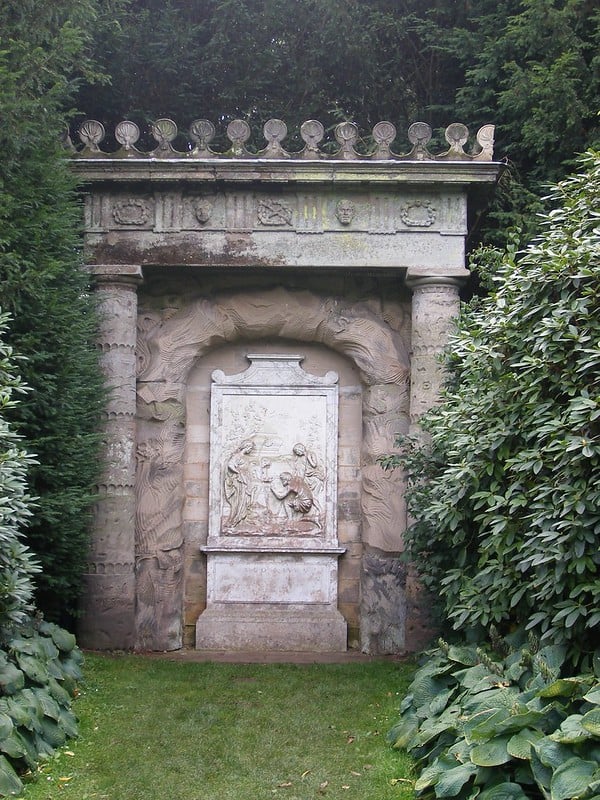
A monument in England shows a reversed painting of a famous Nicolas Poussin artwork with ten letters carved below it. The sequence ‘O.U.O.S.V.A.V.V.’ with a ‘D’ and ‘M’ on either side has puzzled people since the 1700s.
Theories range from Latin phrases to musical notation to Masonic codes. Some think it points to the Holy Grail’s location, while others believe it’s a love message.
Charles Darwin’s family owned the estate for generations, but even they couldn’t solve it. The monument stands in Staffordshire, still asking its question.
The Cipher of Mary Queen of Scots
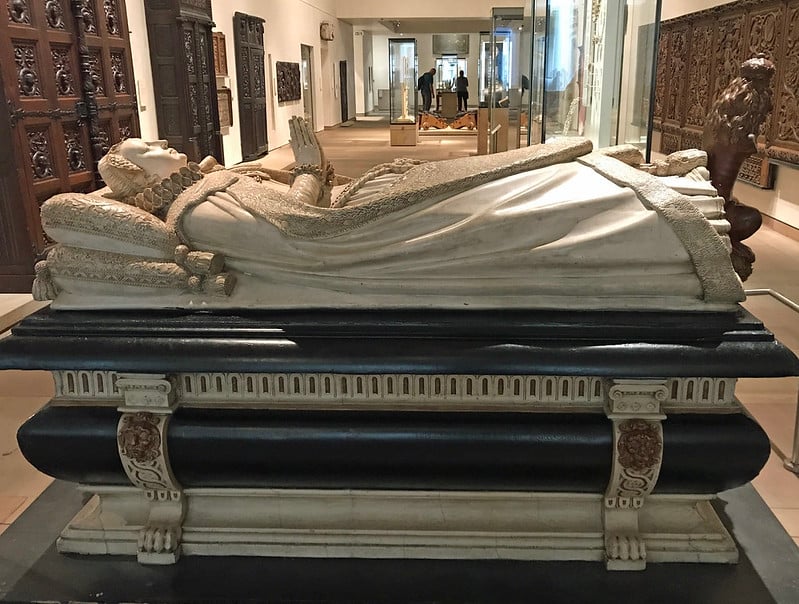
Mary used secret codes to communicate while imprisoned in England during the 1580s. Her messages to co-conspirators about assassinating Queen Elizabeth I were decoded, leading to her execution in 1587.
However, Mary wrote many other coded letters during her 19 years of captivity that were never decrypted. Some of these messages only recently surfaced in archives, and researchers are working on them now.
The letters might reveal additional plots, innocent conversations, or personal thoughts from a queen who knew her enemies were watching.
The Chinese Gold Bar Mystery

Several gold bars appeared in the 1930s, supposedly dating from the early 1900s, covered in Chinese characters and strange symbols. The bars allegedly proved that China had deposited billions of dollars worth of gold in Western banks.
Most historians think they’re elaborate fakes, but the codes on them have never been fully deciphered. The symbols mix genuine Chinese script with nonsensical characters that might be decorative or might mean something.
Various treasure hunters and conspiracy theorists chase these bars, convinced they prove a secret financial system.
The Tamam Shud Message Continued

Beyond the initial code found in the Taman Shud case, the mysterious dead man’s story gets stranger. Investigators discovered that someone had left a suitcase at the train station that matched the man’s clothes.
Inside were more items with removed labels and another coded message. A nurse came forward saying a strange man had visited her before his death, but her story created more questions than answers.
In 2022, researchers finally identified the man using DNA technology, but the code in the book remains unsolved and might explain what brought him to that beach.
D’Agapeyeff Cipher

Alexander D’Agapeyeff wrote a book about codes in 1939 and included a practice cipher in the first edition for readers to solve. Nobody ever cracked it, not even D’Agapeyeff himself, who admitted years later that he’d forgotten how he created it.
He might have made a mistake when encoding it, creating an impossible puzzle by accident. The cipher got removed from later editions of his book, but people still try to solve it.
Some think they’ve found partial solutions, but nothing convincing enough to settle the debate.
Where the Answers Hide

These puzzles remind us that secrets don’t always die with their creators. Some codes were meant to protect valuable information, others to hide embarrassing truths, and a few just to show off how clever someone was.
Modern computers can crack codes that would have taken centuries by hand, but artificial intelligence still stumbles over human creativity and mistakes. The answers might be sitting in archives waiting for fresh eyes, or they might be genuinely lost forever, leaving us to wonder what stories they could have told.
More from Go2Tutors!

- The Romanov Crown Jewels and Their Tragic Fate
- 13 Historical Mysteries That Science Still Can’t Solve
- Famous Hoaxes That Fooled the World for Years
- 15 Child Stars with Tragic Adult Lives
- 16 Famous Jewelry Pieces in History
Like Go2Tutors’s content? Follow us on MSN.



