14 Times History Took a Wild Turn Because of a Translation Error
Throughout human history, the fate of nations, scientific discoveries, and cultural understanding has often hinged on the precise interpretation of words. Yet in the complex dance between languages, even the smallest misstep can lead to monumental consequences.
A single mistranslated word or phrase has repeatedly altered the course of history in ways both profound and occasionally absurd. Here is a list of 14 historical moments where translation errors changed everything, reminding us that in global communications, precision matters more than we might think.
The Misinterpreted Japanese Surrender
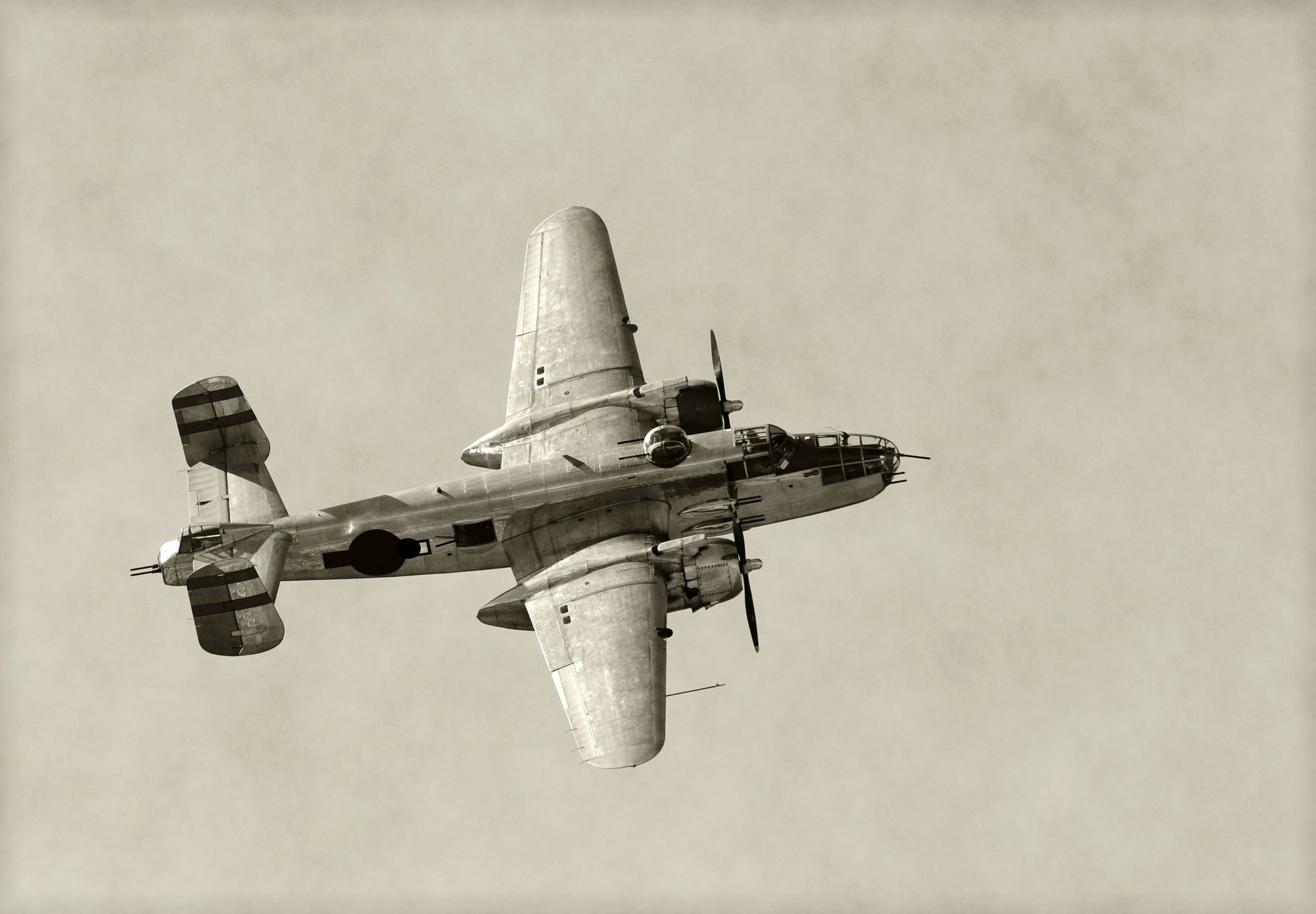
During World War II, Japanese leaders responded to Allied surrender demands with the word “mokusatsu,” which can mean either “to ignore” or “to withhold comment until a decision is made. American translators chose the first meaning, interpreting it as rejection.
This crucial mistranslation potentially influenced President Truman’s decision to drop atomic bombs on Hiroshima and Nagasaki. The ambiguity of a single Japanese word may have contributed to one of history’s most devastating military actions.
Moses’s Horns

When translating the Hebrew Bible into Latin, St. Jerome misinterpreted a word describing Moses descending from Mount Sinai. The Hebrew “karan” (radiated light) was translated as “grew horns,” leading to centuries of artwork depicting Moses with actual horns.
This mistranslation fueled antisemitic imagery throughout medieval Europe and the Renaissance. Michelangelo’s famous statue in Rome still shows Moses with small horns protruding from his head, a visual legacy of this linguistic error.
The Virgin Birth Prophecy
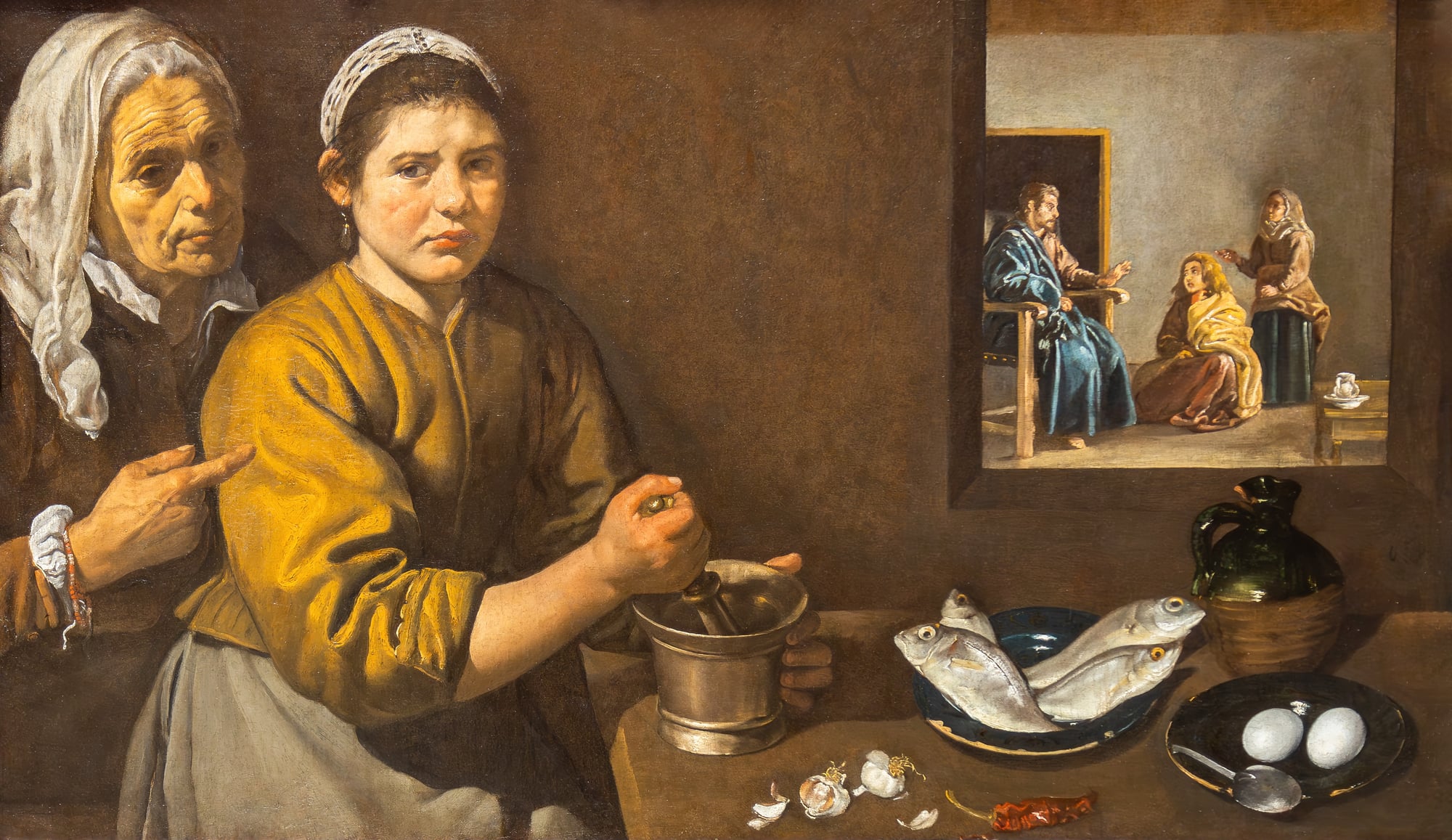
The Gospel of Matthew cites a prophecy that the Messiah would be born of a “virgin,” based on a Greek translation of Isaiah. However, the original Hebrew text used “almah,” which simply meant “young woman” without specifying virginity.
This translation difference became foundational to Christian theology about Jesus’s miraculous birth. What began as a nuance between languages became a central tenet of one of the world’s major religions.
Mars’s Nonexistent Canals
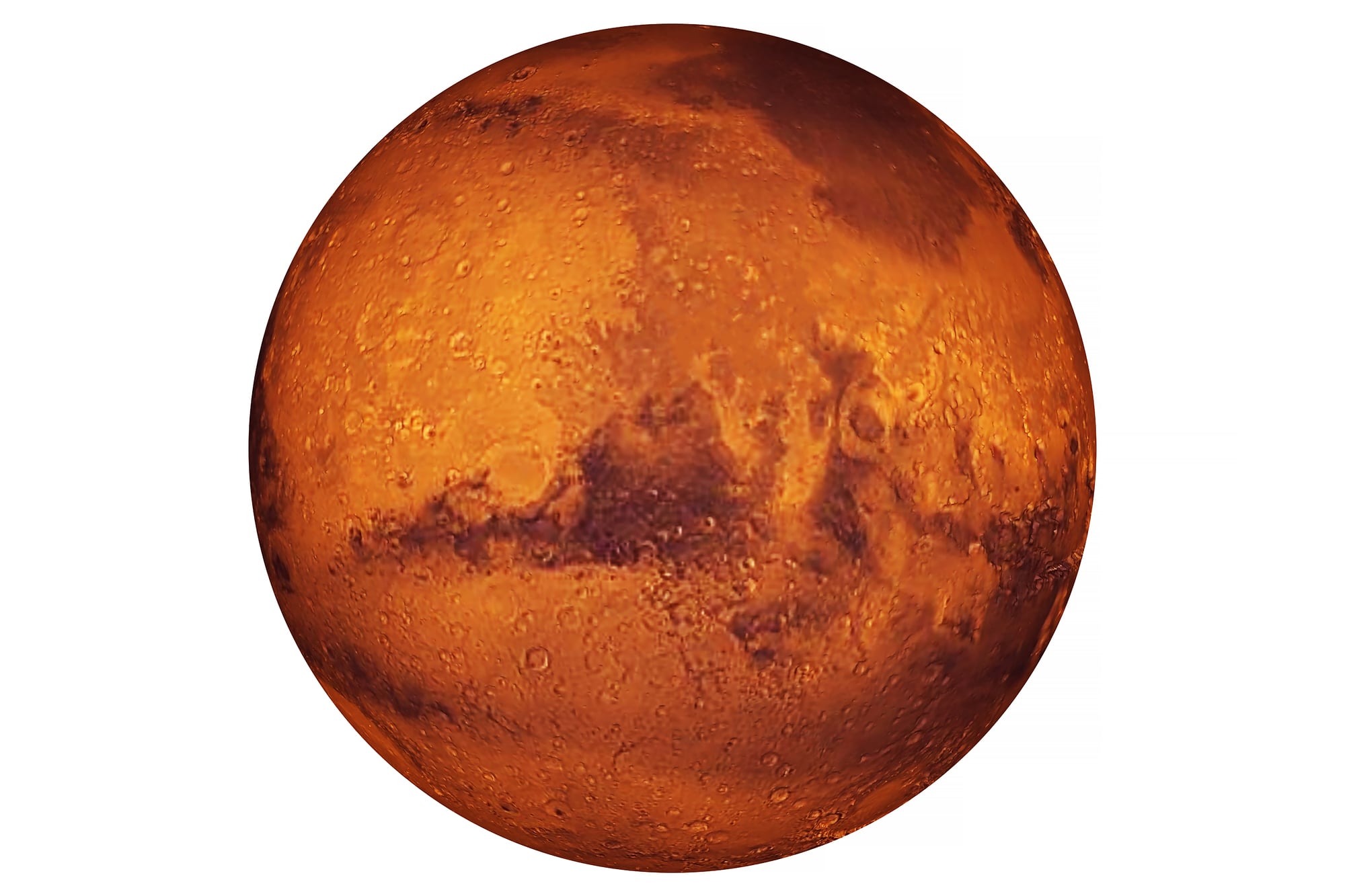
In 1877, Italian astronomer Giovanni Schiaparelli observed what he called “canali” on Mars, meaning “channels” or “grooves.” English-speaking astronomers translated this as “canals,” implying artificial waterways built by intelligent beings.
This mistranslation sparked decades of speculation about Martian civilization and influenced early science fiction like H.G. Wells’s “War of the Worlds.” The entire cultural concept of Martians stems partly from this simple translation error.
Treaty of Waitangi Disputes

The 1840 Treaty of Waitangi between British colonizers and New Zealand’s Māori people contained critical differences between the English and Māori versions. The English text transferred “sovereignty” to the British Crown, but the Māori text used “kawanatanga” (governance), suggesting a less comprehensive transfer of power.
This discrepancy has led to over 180 years of land disputes and continues to affect New Zealand’s politics and social policies today.
The Cold War Heats Up

According to reports, Soviet leader Nikita Khrushchev said, “We will bury you,” at a 1956 reception. This was taken by American officials as a nuclear threat.
In reality, the Russian expression “My vas pokhoronim” meant “We will outlast you” or “We will be present at your funeral,” implying that Soviet communism will survive capitalism. At a time when international relations were already unstable, this mistranslation increased Cold War tensions.
Jimmy Carter’s Polish Passion
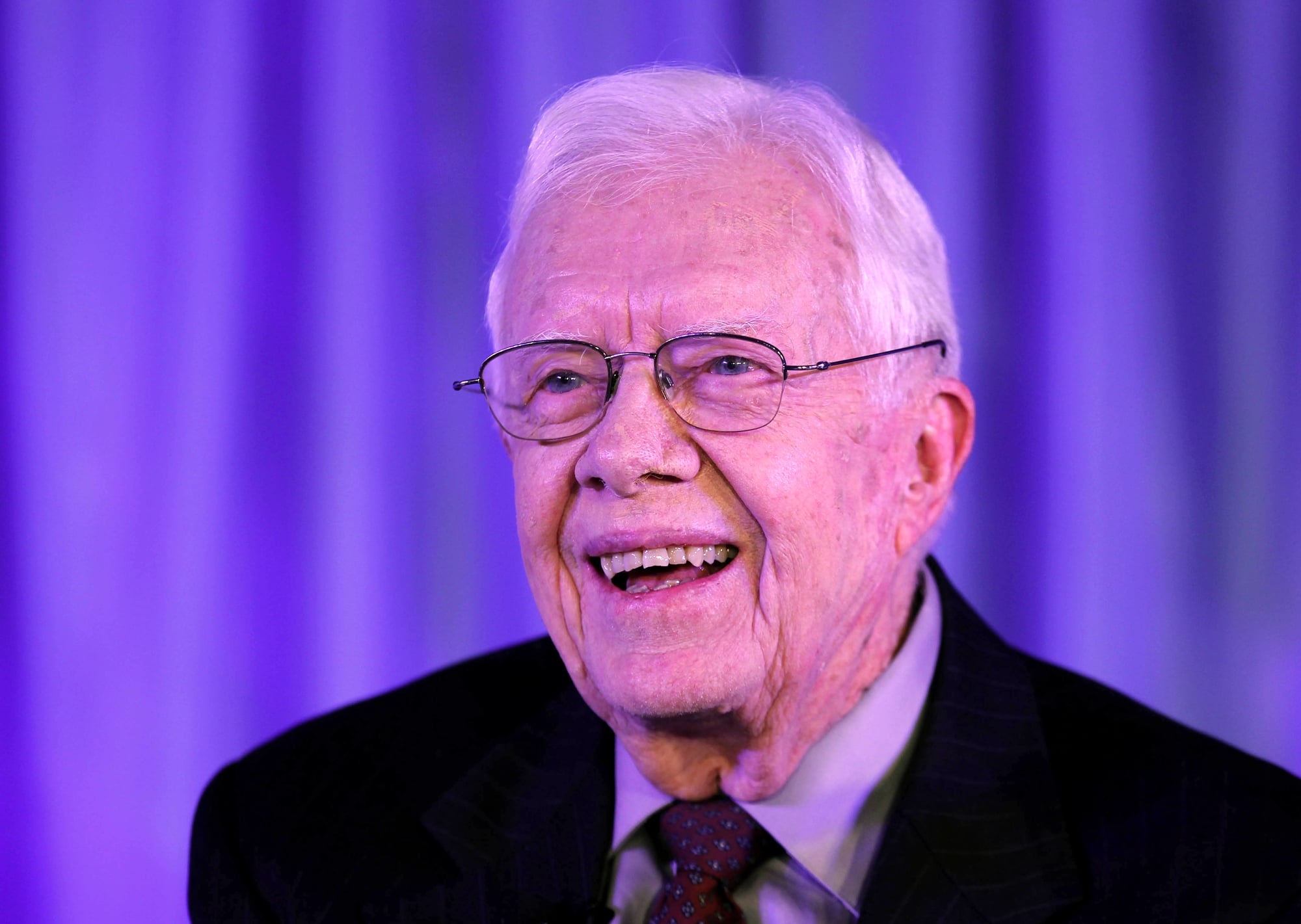
During his 1977 visit to Poland, President Jimmy Carter’s speech included the phrase “when I left the United States,” which his interpreter mistranslated as “when I abandoned the United States.” Even worse, Carter’s expression of his “desires for the Polish people” was mistranslated as him expressing “carnal desires for the Polish people.”
These gaffes caused diplomatic embarrassment and became fodder for late-night comedians for months afterward.
The Mistranslated Grapefruit

Because it grew in clusters like grapes, the pomelo was dubbed “grapefruit” by early Spanish explorers when they first discovered it in the Caribbean. Despite the clear size difference from real grapes, English traders simply adopted the term “grapefruit” when asked what these fruits were.
As an example of how translation errors can become ingrained in language, this linguistic mismatch gave us the contemporary English name for a fruit that has absolutely no similarity to grapes.
HSBC’s Costly Slogan
Banking giant HSBC learned an expensive lesson when its “Assume Nothing” marketing campaign was mistranslated as “Do Nothing” in several countries. The error forced the company to launch a $10 million rebranding campaign to fix the unintended message.
This corporate mistranslation shows how even well-resourced multinational companies can fall victim to linguistic subtleties.
The Peace Treaty That Wasn’t

Following World War I, Japanese Emperor Hirohito supposedly responded to the Allied Powers’ peace terms with “mokusatsu,” intending to convey that he needed time to consider. Allied translators interpreted this as “treating with silent contempt,” suggesting rejection.
This translation error may have influenced the decision to continue the Pacific War rather than pursue further diplomacy.
The Spanish Conquest Advantage
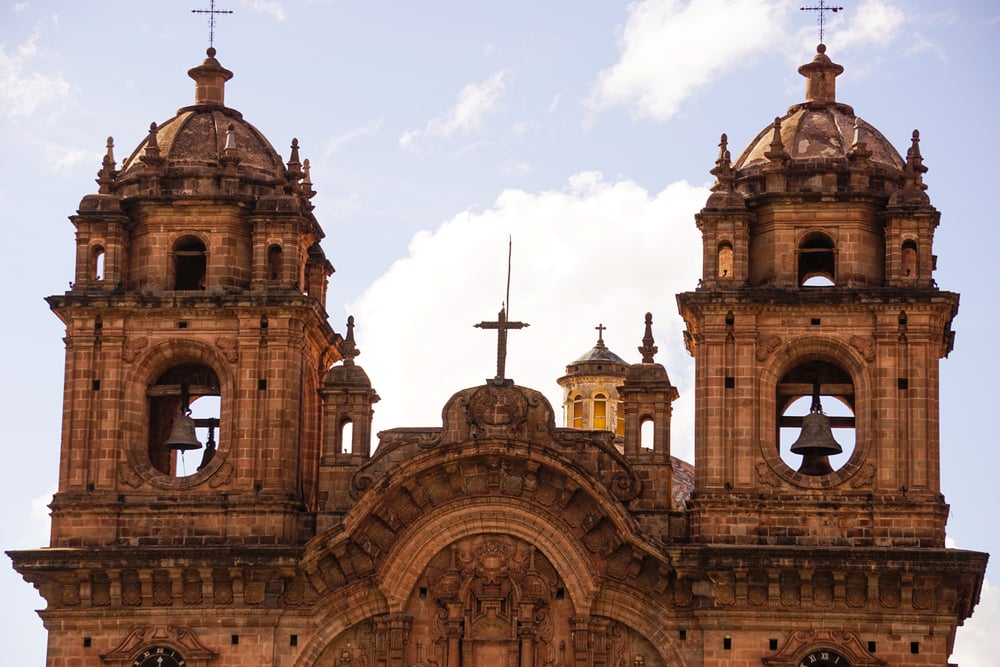
When Hernán Cortés encountered the Aztecs in 1519, a crucial mistranslation gave him an unexpected advantage. The Aztec word for “god,” “teotl,” was much broader than the Spanish concept of deity.
When Aztec emperor Moctezuma called Cortés a “teotl,” Spanish interpreters took this as divine recognition. This linguistic misunderstanding contributed to Spanish confidence during the conquest and possibly influenced Aztec hesitancy to attack the Spanish initially.
The Mars Climate Orbiter Disaster
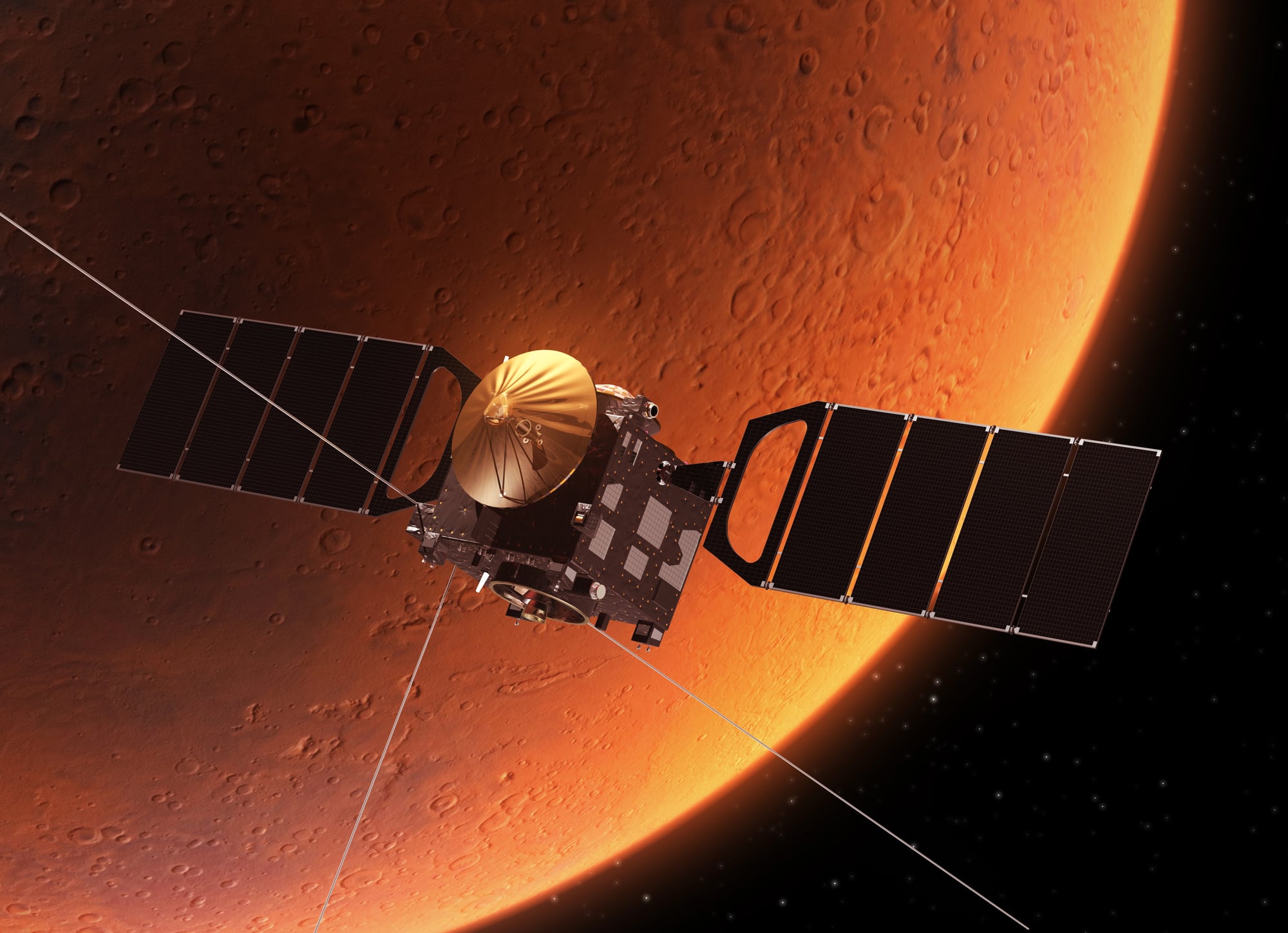
In 1999, NASA lost the $125 million Mars Climate Orbiter because one engineering team used metric units while another used imperial measurements. Though not a language translation error per se, this “unit translation” failure caused the spacecraft to approach Mars at the wrong angle and disintegrate in the atmosphere.
The expensive lesson demonstrated how even scientists speaking the same language can fall victim to translation problems.
The Paris Peace Accords Delay

During the Vietnam War peace negotiations, a translator’s error regarding the shape of the negotiating table delayed talks for weeks. The Vietnamese’s reference to a rectangular table was mistranslated, leading to prolonged disputes about seating arrangements while combat continued.
Lives were lost over what was essentially a geometric misunderstanding caused by an imprecise translation.
The East Asian Financial Crisis
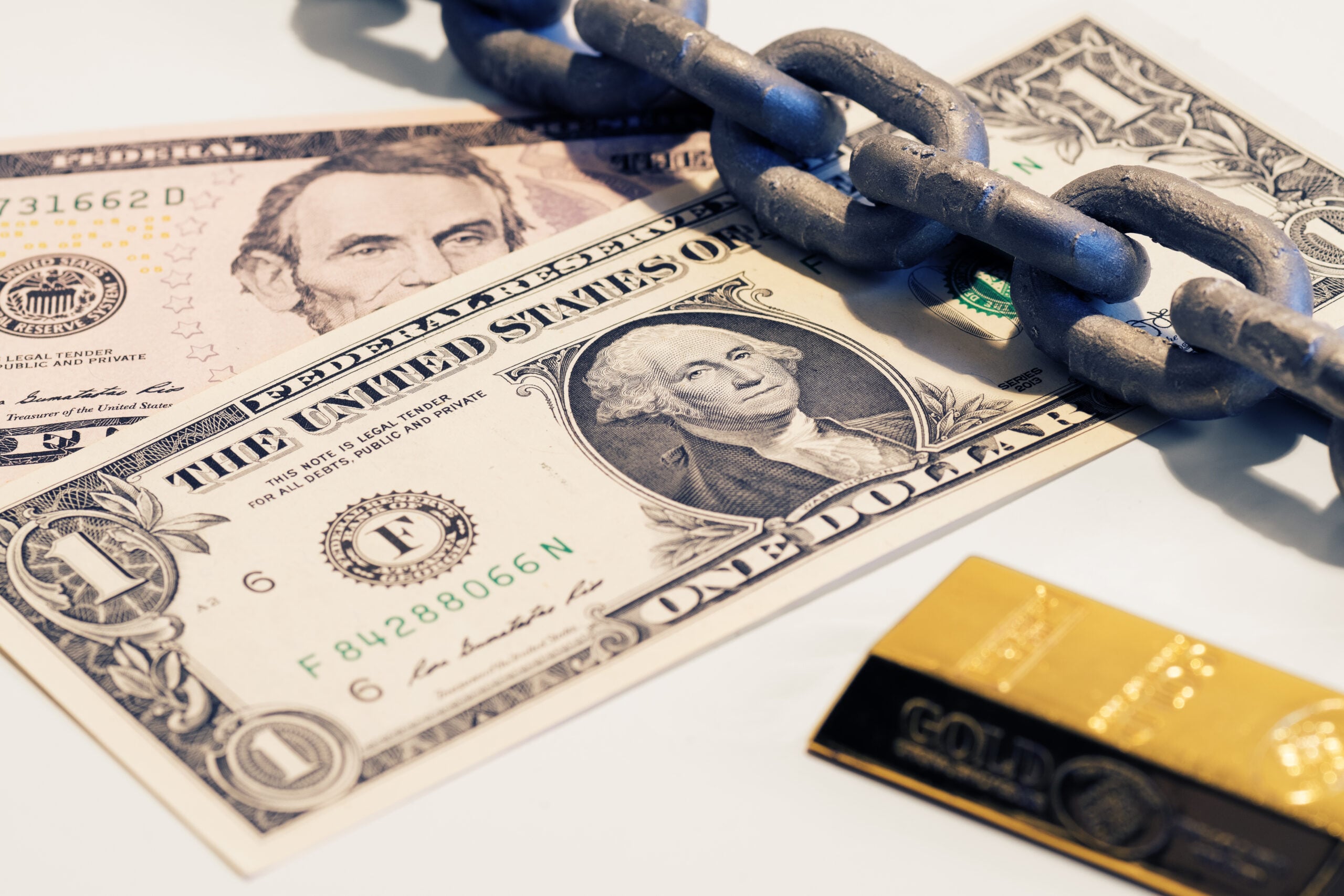
In 1997, a Japanese financial official’s comment that Japan might need to sell U.S. Treasury bonds was mistranslated in English media as Japan “might” sell U.S. bonds. This subtle difference between a hypothetical possibility and a potential plan triggered massive bond selloffs across East Asia, contributing to the regional financial crisis.
Markets crashed based on a translation that amplified financial anxiety rather than accurately conveying the measured original statement.
Words Across Worlds

Translation errors throughout history reveal our profound vulnerability to linguistic misunderstandings. These miscommunications have started wars, crashed spacecraft, lost millions of dollars, and even shaped religious beliefs that persist centuries later.
In each case, the meaning was literally lost in translation, with consequences far beyond what anyone could have anticipated.
The next time international tensions arise or diplomatic relations seem strained, perhaps we should consider whether we truly understand each other’s words. History shows that peace, prosperity, and human lives often depend on the careful work of those who bridge our language divides.
More from Go2Tutors!

- The Romanov Crown Jewels and Their Tragic Fate
- 13 Historical Mysteries That Science Still Can’t Solve
- Famous Hoaxes That Fooled the World for Years
- 15 Child Stars with Tragic Adult Lives
- 16 Famous Jewelry Pieces in History
Like Go2Tutors’s content? Follow us on MSN.



