Bizarre Animal Products Used in Drinks and Food
You probably check ingredient lists when you shop. But some of what ends up in your food comes from places you wouldn’t expect.
Animals contribute to the food supply in ways that go far beyond meat and dairy. Their bodies produce substances that food manufacturers have found remarkably useful—and surprisingly common.
These ingredients hide in plain sight. They appear on labels under technical names that reveal nothing about their origins.
Some have been used for centuries. Others represent modern innovations in food science.
What they share is their ability to make people uncomfortable once they learn the truth.
The Crushed Beetle That Colors Your Candy
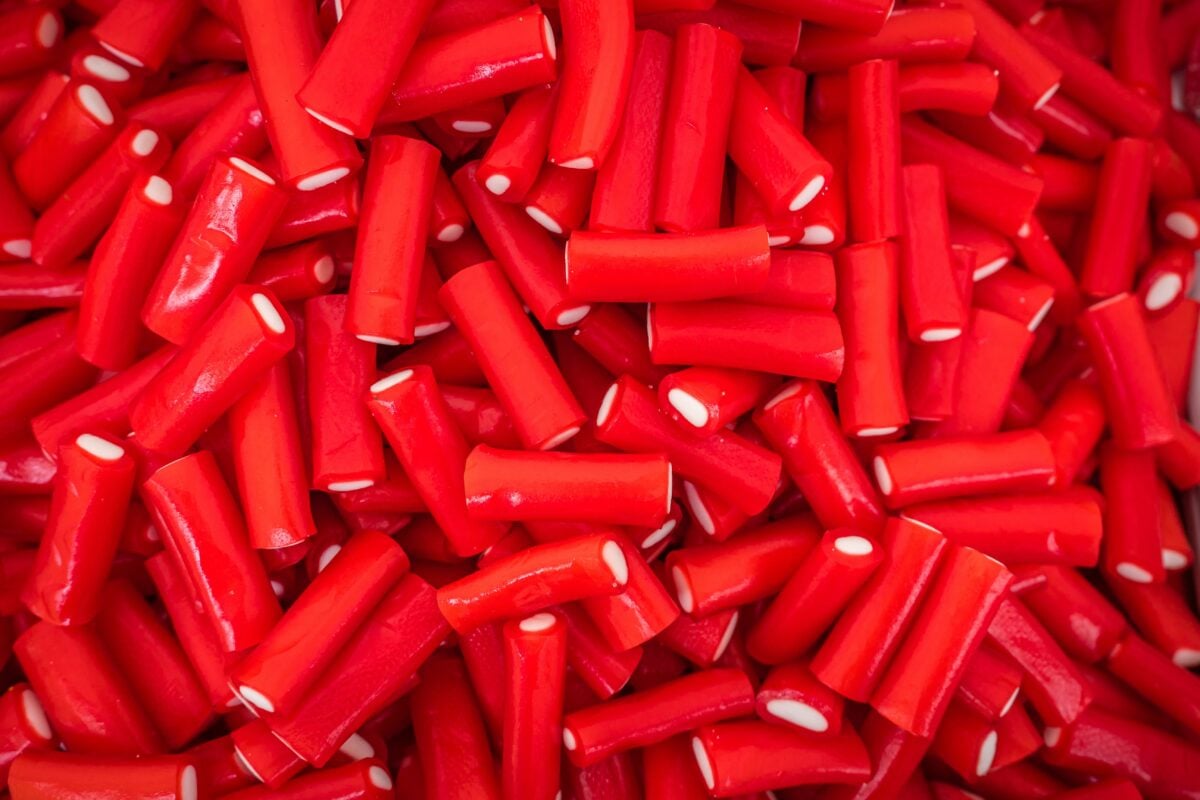
Carmine gives food its red color. This pigment comes from cochineal insects—small bugs that live on cacti in South America.
Manufacturers harvest these insects, dry them, and grind them into powder. The result creates shades ranging from pink to deep red.
You find carmine in strawberry yogurt, fruit juices, candy, and even some cosmetics. The food industry prefers it because it’s stable and natural.
Labels might list it as “carmine,” “cochineal extract,” or simply “natural red 4.” The process requires about 70,000 insects to produce one pound of dye.
That’s a lot of bugs for your morning yogurt.
Beaver Secretions in Your Vanilla

Castoreum sounds innocent enough on an ingredient list. But this substance comes from glands near a beaver’s tail.
Beavers use it to mark their territory. Food scientists found it produces a smell similar to vanilla.
The food industry doesn’t use castoreum much anymore because it’s expensive to harvest. When it does appear, you’ll find it in vanilla flavoring for ice cream, baked goods, and occasionally in alcoholic drinks.
The FDA classifies it as “generally recognized as safe.” Beavers secrete this substance along with their urine, which makes the harvesting process exactly as unpleasant as it sounds.
Whale Intestines in Fancy Cocktails

Ambergris forms in the digestive system of sperm whales. When whales can’t digest something—usually squid beaks—their intestines coat the irritant with a waxy substance.
Eventually, the whale expels it, and it floats in the ocean for years. This material becomes valuable in perfume making.
It also shows up in some high-end cocktails and historical recipes. The substance develops a sweet, earthy smell after aging in seawater.
A single piece can sell for thousands of dollars. Most countries have banned its use because sperm whales are endangered.
But it still appears in some luxury products where regulations allow it.
Calf Stomach Lining in Cheese

Rennet makes milk turn into cheese. Traditional rennet comes from the stomach lining of young calves.
The lining contains enzymes that help baby cows digest their mother’s milk. Cheese makers extract these enzymes and add them to milk.
Most cheese you buy contains rennet. Hard cheeses especially rely on it.
The label might say “enzymes” instead of “rennet,” which hides its animal origin. Vegetarian alternatives exist now.
Microbial and plant-based rennets work similarly. But traditional cheese makers insist animal rennet produces better flavor and texture.
Fish Bladders Clarifying Your Beer
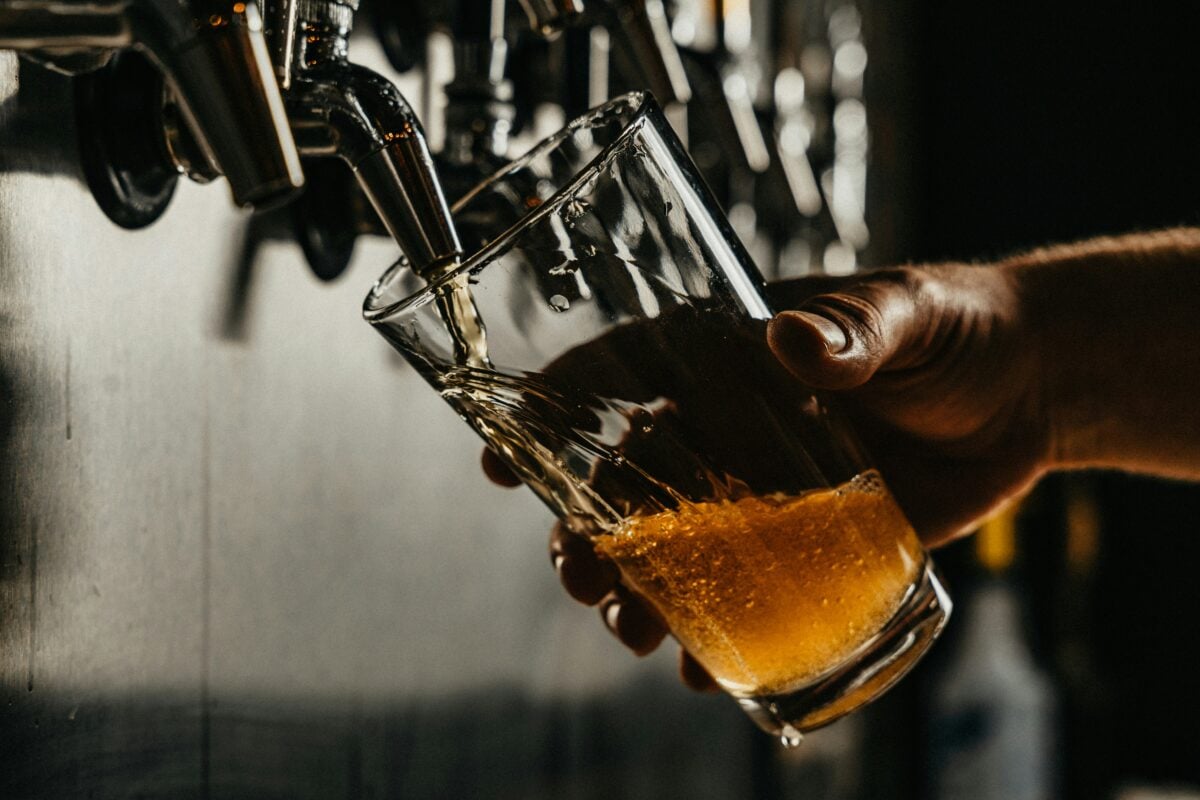
Isinglass comes from the swim bladders of fish, particularly sturgeon. Brewers and winemakers use it to remove cloudiness from their products.
The substance attracts particles suspended in liquid, making them sink to the bottom. You won’t find isinglass listed on beer labels because filtering removes it before bottling.
But it plays a role in production. Many British ales and some wines rely on this method.
The swim bladder must be dried, cleaned, and processed before use. Fish give up their ability to control depth in the water so your drink looks clearer.
Beetle Glaze on Shiny Candy
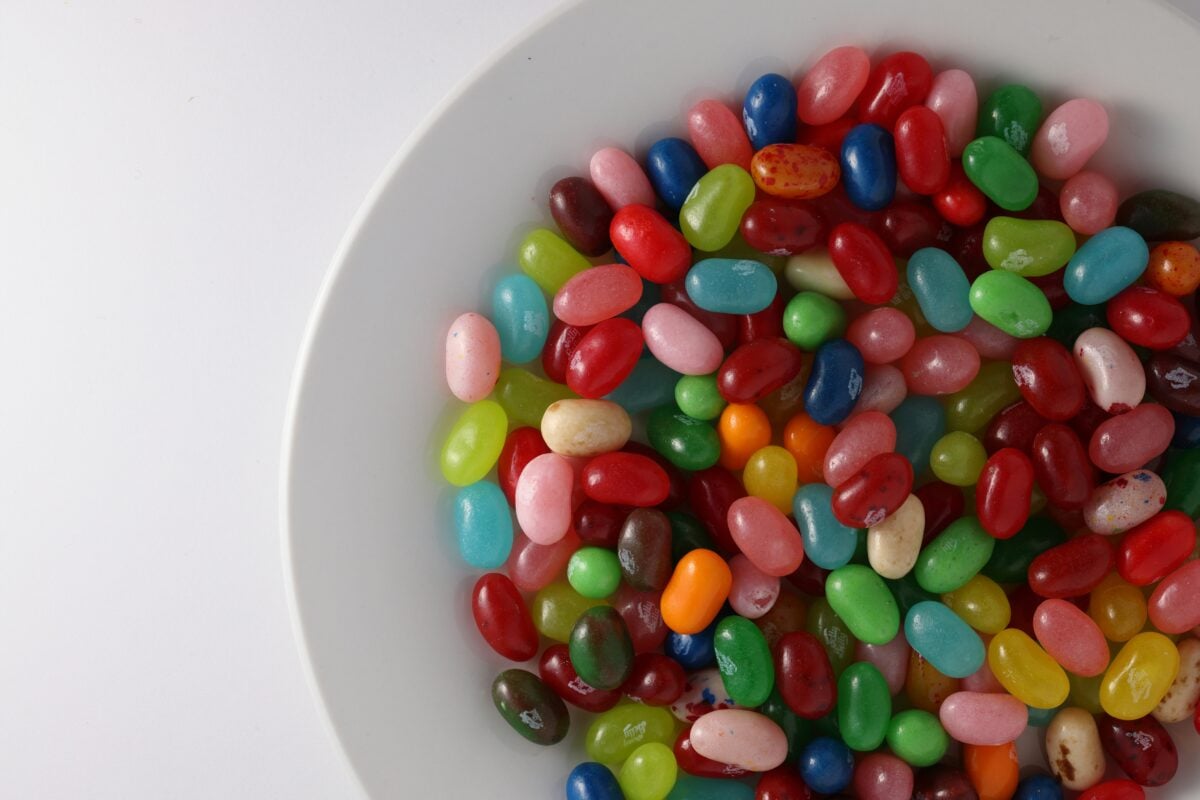
Shellac creates that glossy coating on jelly beans, candy corn, and chocolate-covered treats. This resin comes from lac beetles in Thailand and India.
Female beetles secrete it to create protective shells for their eggs. Harvesters scrape the resin from trees, then refine it into flakes.
Food manufacturers dissolve these flakes and spray the solution onto candy. The coating dries hard and shiny.
Each beetle produces only a tiny amount of shellac. Creating enough for commercial use requires massive insect populations.
The same substance also makes wood finish and record vinyl.
Hair and Feathers in Your Bread

L-cysteine improves dough texture. This amino acid makes bread softer and extends shelf life.
The weird part is where it comes from: human hair or duck feathers. Manufacturers collect hair from barbershops and salons, primarily in China.
They also use feathers from poultry processing. Chemical treatment breaks down the protein and extracts the amino acid.
Most commercial bread contains L-cysteine. Pizza dough relies on it heavily.
Labels list it as “dough conditioner” or simply “L-cysteine.” The source material doesn’t appear anywhere on the package.
Pig Stomach Extract in Protein Supplements
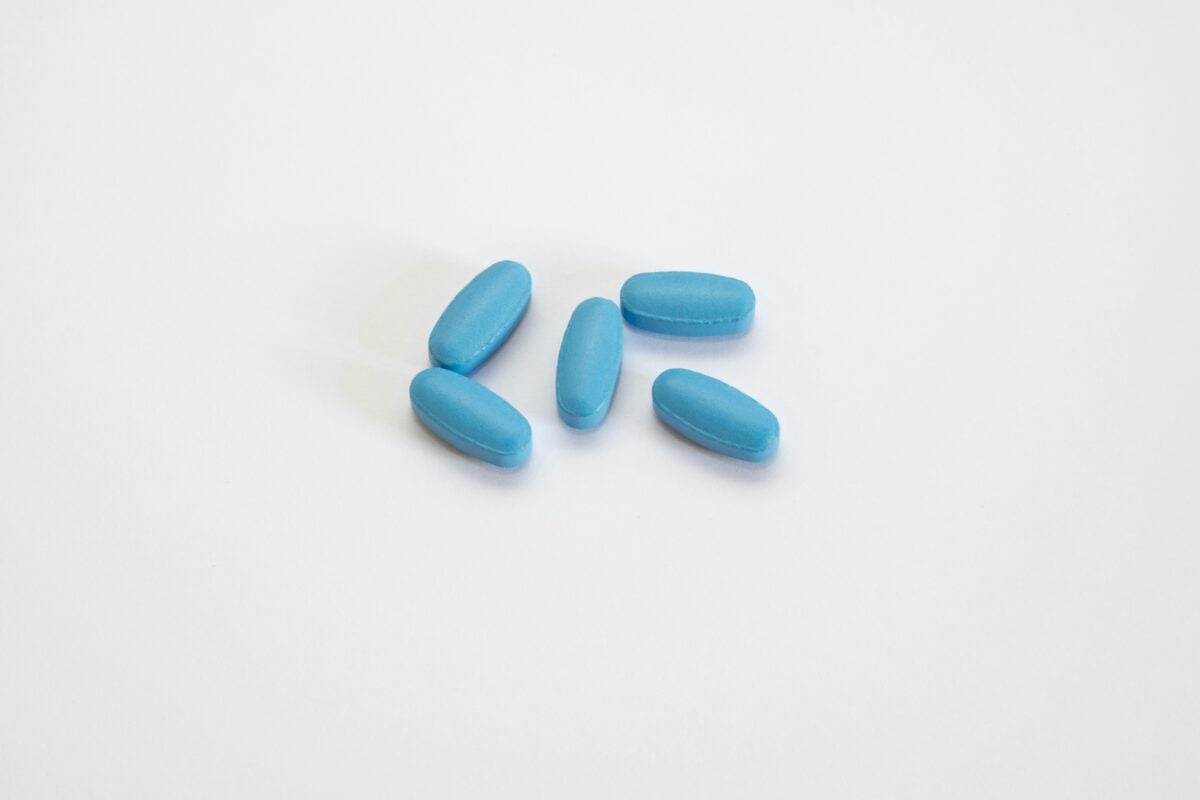
Pepsin helps cheese makers and appears in some protein supplements. This enzyme comes from pig stomachs.
It breaks down proteins, which makes it useful in food processing. Some cheese varieties need pepsin in addition to rennet.
The enzyme also shows up in vitamin tablets as a coating ingredient. Pharmaceutical companies use it in various medications.
The stomachs get cleaned and processed, but the basic truth remains: pig digestive organs end up in what you consume.
Ground Bones in Gummy Treats

Gelatin gives gummy bears their bounce and marshmallows their fluff. This protein comes from boiling animal bones, skin, and connective tissue.
Pigs and cows supply most of it. The process extracts collagen from these animal parts.
Manufacturers then dry and grind it into powder. When mixed with water, it creates that familiar jiggly texture.
Gelatin appears in countless products beyond candy. Yogurt uses it for thickness.
Some low-fat foods rely on it for texture. Capsules that hold medication are made from it.
Sheep Grease in Chewing Gum
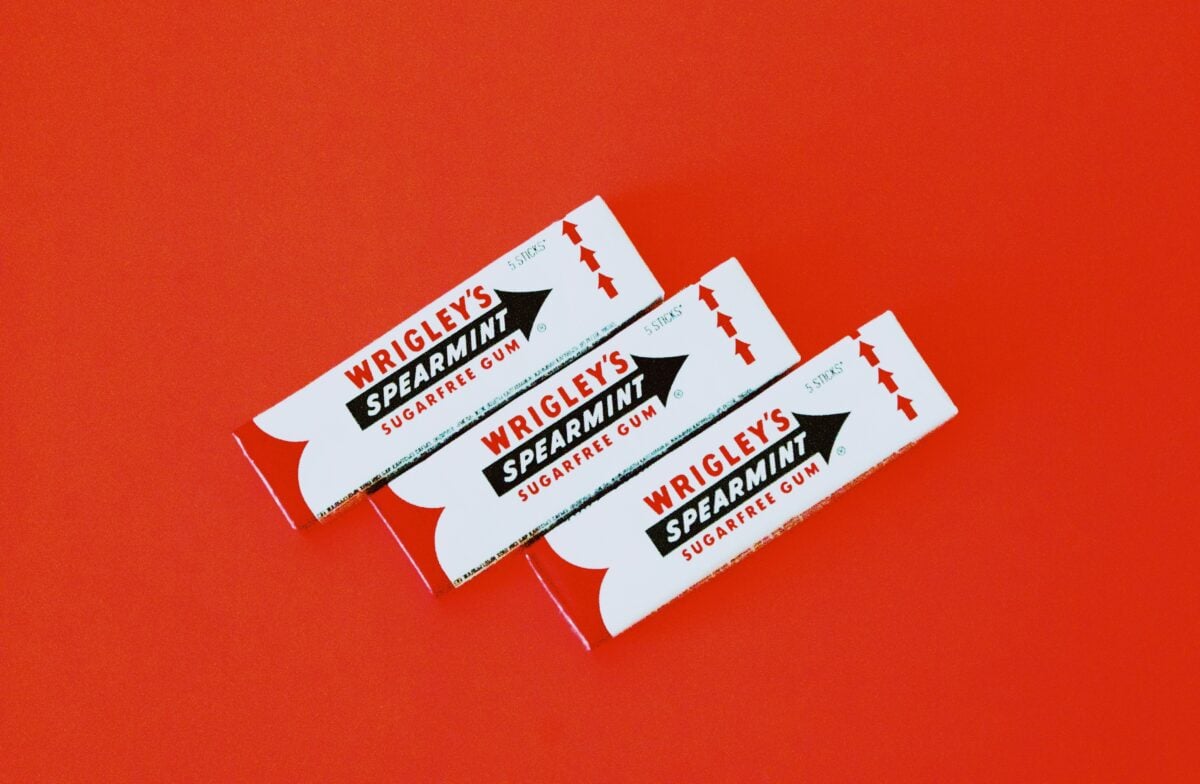
Lanolin comes from wool. When sheep grow their coats, their skin produces this waxy substance.
It waterproofs their wool and keeps their skin healthy. The shearing and cleaning process collects lanolin as a byproduct.
Food manufacturers add lanolin to chewing gum as a softener. It keeps the gum pliable and prevents it from getting too hard.
The ingredient list calls it “gum base” without mentioning its woolly origins. Lanolin also appears in lip balm, hand cream, and other cosmetics.
Your gum contains the same stuff people rub on chapped skin.
Tiny Fish in Worcestershire Sauce

Anchovies are a main ingredient in Worcestershire sauce, but most people don’t know it. These small fish get fermented with vinegar, molasses, and spices.
The process breaks them down completely. The sauce tastes nothing like fish.
The fermentation transforms the anchovies into a complex, savory flavor. But people who avoid fish for dietary or allergy reasons consume it unknowingly.
Traditional recipes require long fermentation periods. Some versions age for years.
Those anchovies sitting in barrels eventually become the brown liquid you shake onto your steak.
Cricket Protein Hiding in Snacks

Insects have entered mainstream food production. Cricket flour appears in protein bars, chips, and baked goods.
Manufacturers grind dried crickets into powder and mix it with other ingredients. The industry markets cricket protein as sustainable and nutritious.
Crickets require less water and space than traditional livestock. They’re high in protein and contain essential nutrients.
You won’t necessarily know you’re eating crickets. Labels might say “cricket flour” or “cricket protein,” but the packaging often emphasizes “high protein” without highlighting the insect source prominently.
Animal Bone Filter for White Sugar

Bone char refines white sugar. This substance comes from cattle bones heated at high temperatures.
The charcoal that results filters sugar syrup, removing color and impurities. The sugar itself doesn’t contain bone particles.
The char works as a filter, and manufacturers remove it before packaging. But the process means animal remains play a role in creating that pure white appearance.
Beet sugar doesn’t require bone char. Cane sugar often does.
Labels don’t indicate which filtering method was used, so you can’t tell from reading the package.
The Reality Behind Food Labels

Beyond the obvious, meals often carry hidden bits of animals. Not for taste alone but because they shape how food looks or feels.
When factories struggle with consistency, these parts step in quietly. What some call waste, others turn into function.
How you react to these items ties back to what matters most to you and how you eat. A few folks aren’t bothered at all.
Learning about ingredients surprises some, leaving them feeling misled. Clear details seldom show up on packaging, making it tough to decide with confidence.
Your meals tie into hidden systems, far beyond the kitchen shelf. Whether noticed or ignored, those links stay real.
Odd components inside show how making food works differently than expected once the wrapper comes off.
More from Go2Tutors!

- The Romanov Crown Jewels and Their Tragic Fate
- 13 Historical Mysteries That Science Still Can’t Solve
- Famous Hoaxes That Fooled the World for Years
- 15 Child Stars with Tragic Adult Lives
- 16 Famous Jewelry Pieces in History
Like Go2Tutors’s content? Follow us on MSN.