14 Water Purification Hacks From the 19th Century
Before modern filtration systems and municipal water treatment plants became standard, people had to be creative with their water purification methods. The 19th century was a time of scientific advancement but also practical innovation in everyday life.
Communities developed ingenious ways to make water safer for consumption using materials they had on hand. Here is a list of 14 water purification techniques from the 19th century that demonstrate the resourcefulness of our ancestors.
Charcoal Filtration
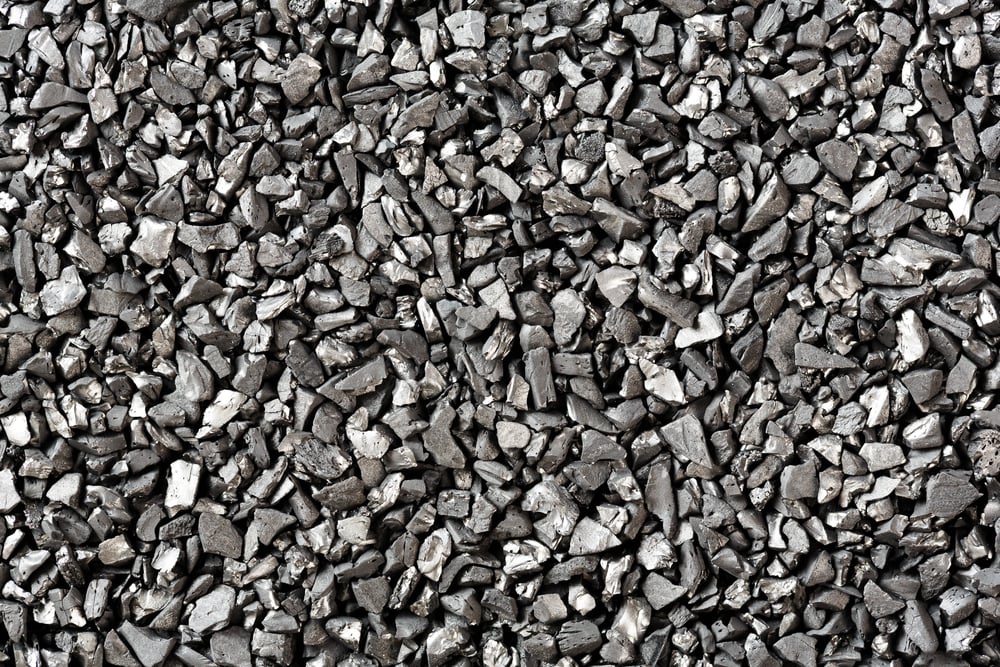
Pioneers and settlers commonly used charcoal to filter their drinking water. They would crush charcoal from their fires into small pieces and layer it in barrels or containers.
As water passed through the charcoal, it would trap impurities and even remove some unpleasant tastes and odors. This method was particularly valuable for travelers who encountered unfamiliar water sources on their journeys.
Boiling Water
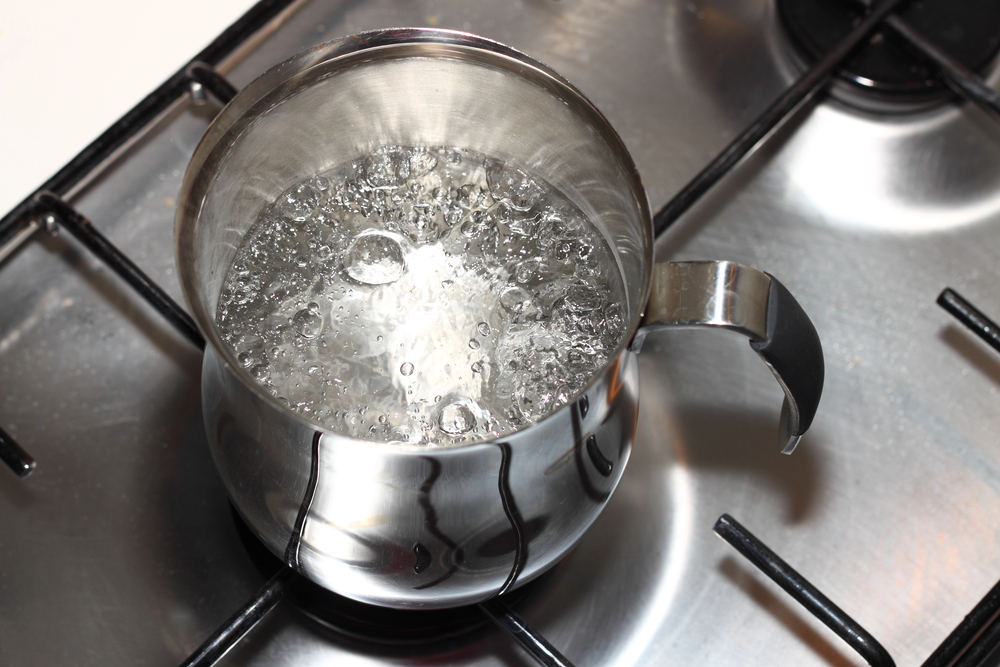
Perhaps the simplest method of all, boiling water was widely practiced throughout the 19th century. People understood that heating water until it bubbled vigorously for several minutes would make it safer to drink.
This practice became more common as germ theory gained acceptance later in the century, though many used this method based on generations of experience rather than scientific knowledge.
Sand Filtration
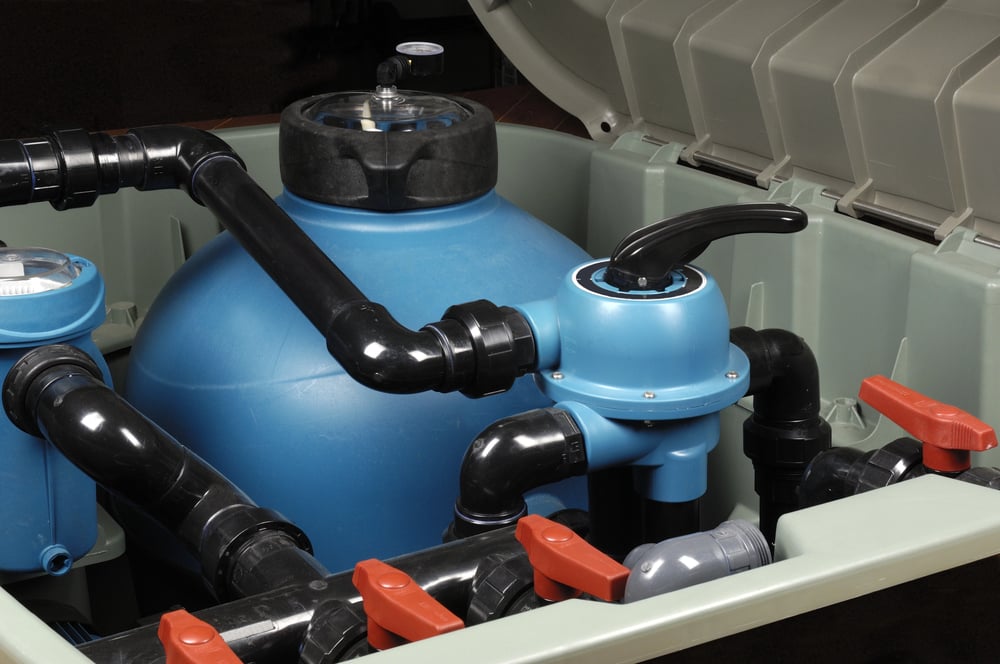
Layered sand filters were common in both household and community settings. Fine sand would be placed in a container with coarser materials like gravel beneath it.
Water poured through the top would gradually filter through the sand, leaving visible particles behind. The technique was so effective that larger-scale sand filtration systems became the basis for early municipal water treatment.
Limestone Clarification
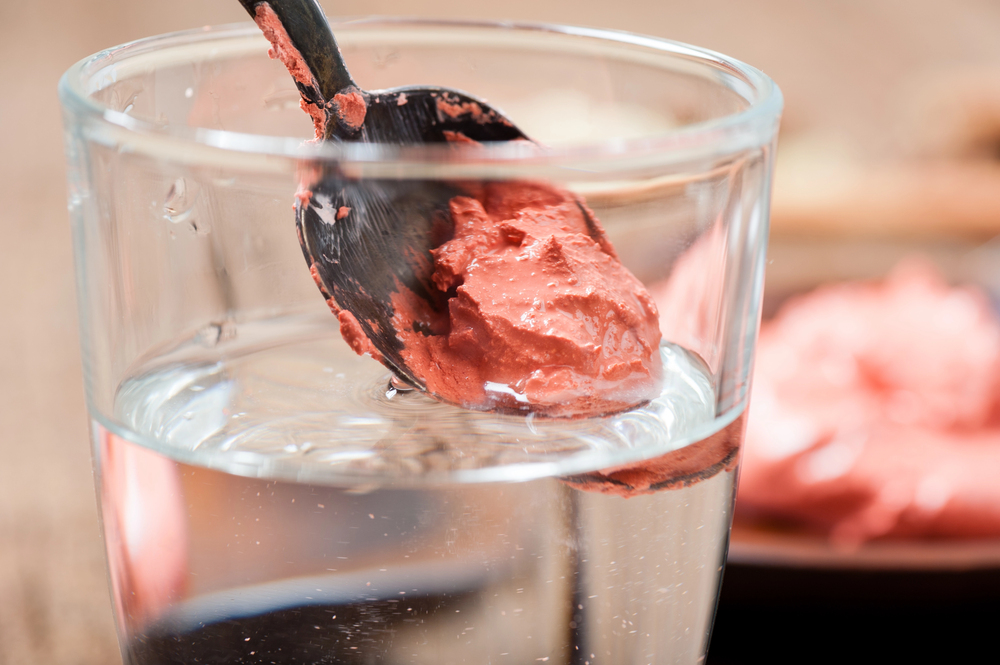
In regions with acidic water, passing it through crushed limestone helped neutralize the acidity and improve taste. The limestone would react with the acids in the water, creating a clearer, more palatable drinking water.
Many home systems included a limestone layer alongside other filtration materials like sand or charcoal.
Alum Crystals
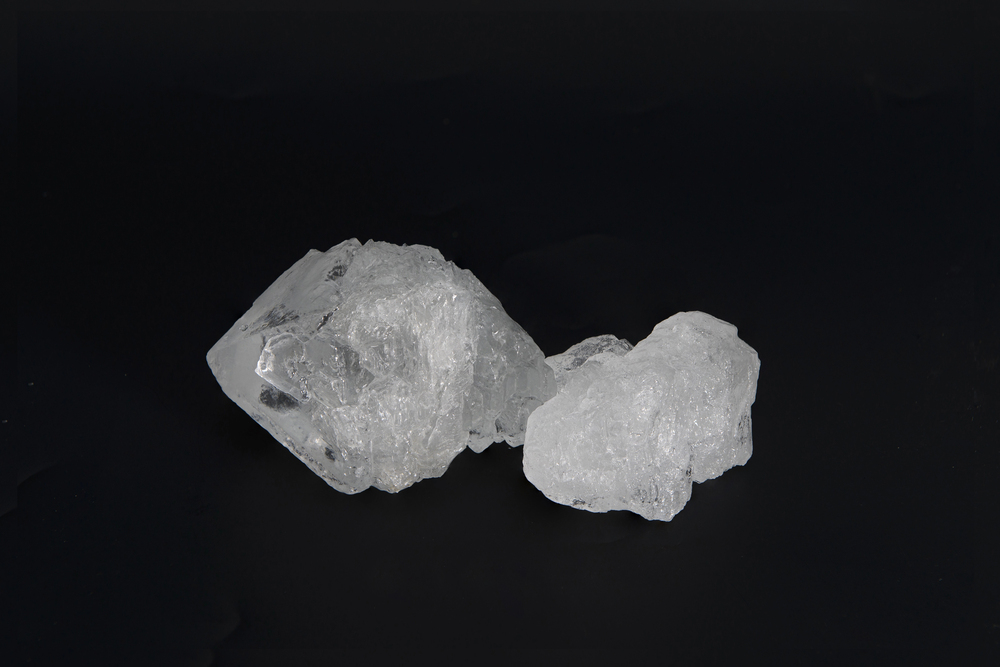
Alum was used as a flocculant long before modern water treatment plants adopted similar chemicals. When added to turbid water, alum would cause suspended particles to clump together and settle to the bottom.
Clear water could then be carefully poured off the top. This method was particularly useful after storms or floods made water sources muddy.
Fabric Straining

Simple but effective, straining water through tightly woven fabric was a common first step in water treatment. Multiple layers of cotton cloth or other available fabrics would trap visible contaminants.
Housewives and travelers alike kept clean cloths specifically for this purpose, often reusing them after thorough washing and drying in the sun.
Settling Method
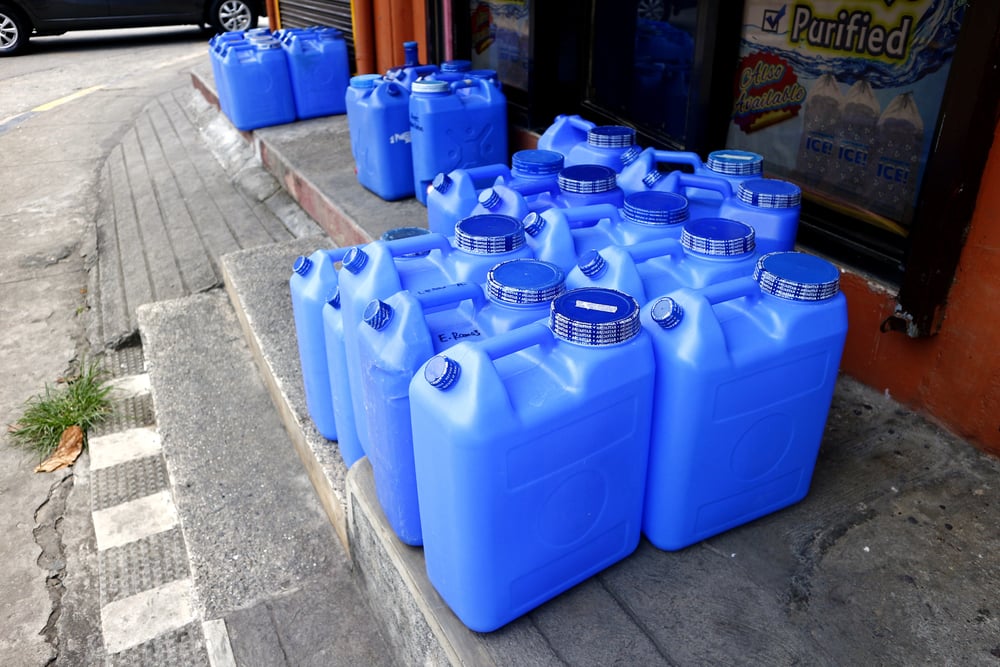
The settling method involved letting water stand undisturbed in containers for hours or days. Heavier particles would gradually sink to the bottom, allowing clearer water to be carefully drawn from the top.
This passive technique required patience but minimal effort and was often combined with other methods for better results.
Clay Pot Filtering
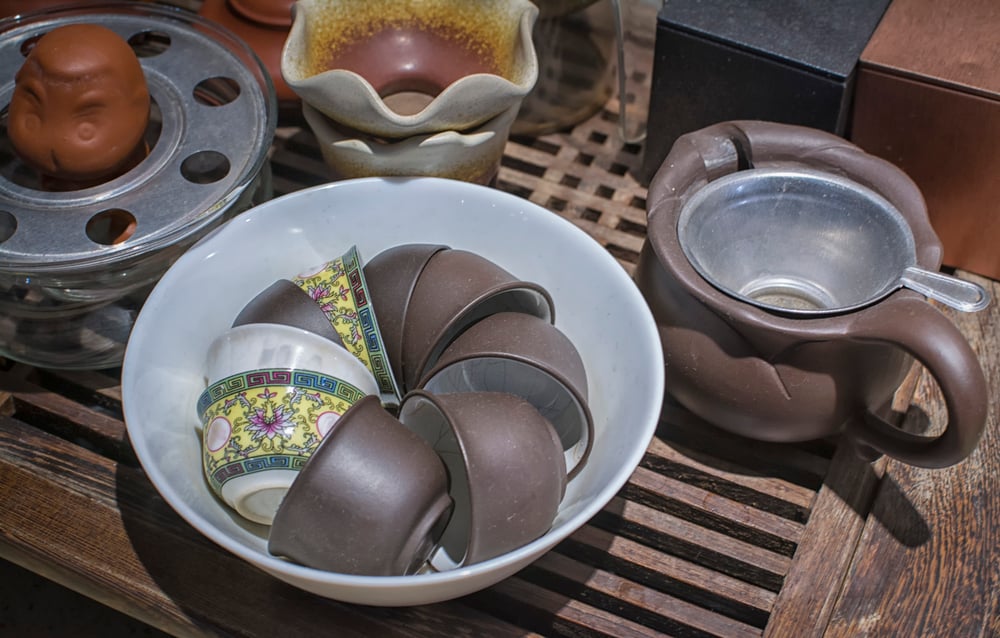
Unglazed clay pots were used as natural filters in many parts of the world. The porous nature of fired clay allowed water to slowly seep through while trapping contaminants.
The process was slow but produced remarkably clean water. Some families passed down specially made filtration pots through generations.
Copper Storage
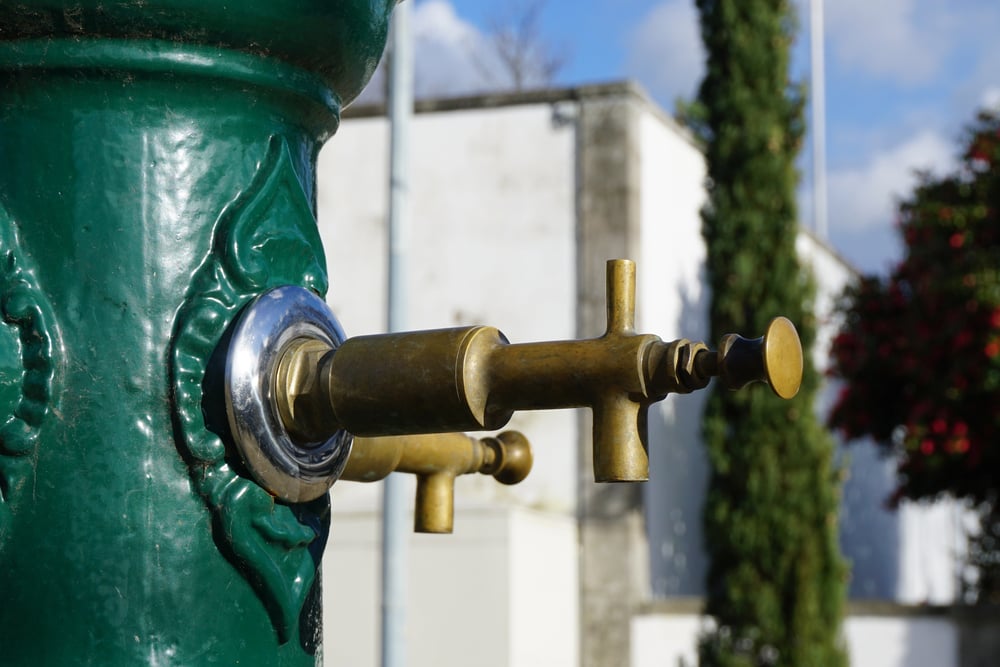
Storing water in copper vessels was a practice that had antimicrobial benefits not fully understood at the time. Water kept in copper pots or passed through copper pipes naturally became safer to drink as the metal released ions that killed many harmful microorganisms.
Wealthier households often had systems for storing water made of copper built into their homes.
Sun Exposure Method

Transparent bottles filled with water and placed in direct sunlight for several hours utilized the disinfecting power of ultraviolet rays. This method was especially popular in sunnier regions.
The heat and UV radiation worked together to kill many pathogens, making the water safer to consume.
Fruit Acid Purification

Adding certain fruit juices to water created an acidic environment hostile to many pathogens. Lemon juice was particularly common for this purpose, with travelers adding a splash to questionable water supplies.
The vitamin C content also provided nutritional benefits during times when fresh produce was scarce.
Sand and Iron Filtration

Iron filings or nails placed in water filters helped remove certain contaminants through chemical reactions. Often layered with sand and charcoal, the iron would react with dissolved substances, making them easier to filter out.
This method was especially useful for water with sulfur compounds that caused unpleasant odors.
Evaporation and Condensation
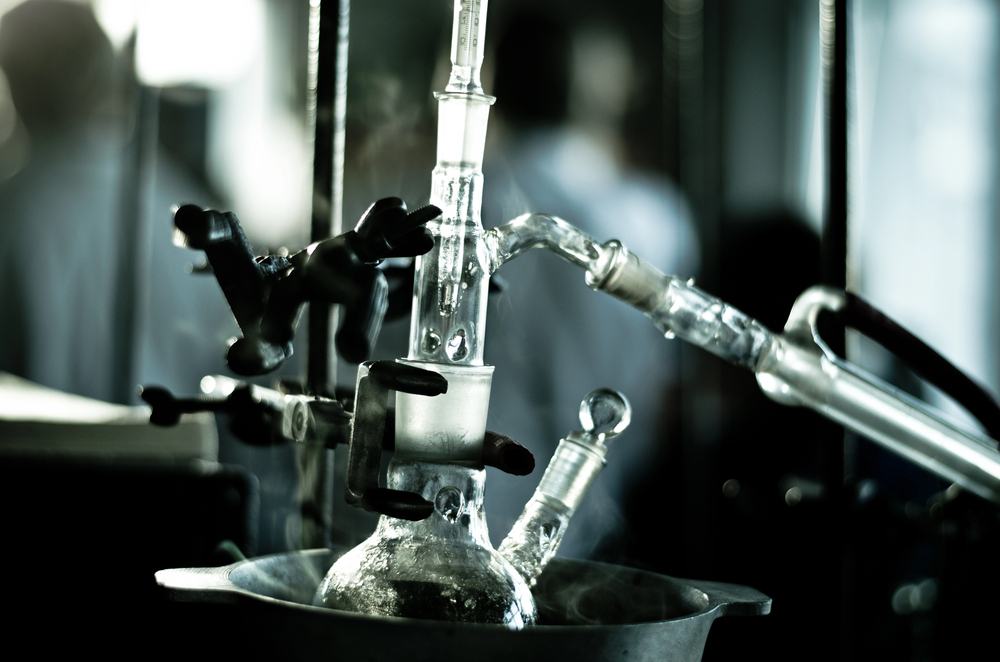
More elaborate setups used the principles of distillation to purify water. By heating water to create steam and then collecting the condensation, nearly all contaminants could be removed.
Despite its energy-intensive nature, people used this method when they needed exceptionally pure water for medical purposes or in areas with heavily contaminated water sources.
Herb Infusion Treatment

Various herbs were added to water not just for flavor but for their antimicrobial properties. Plants like thyme, sage, and certain mints contain natural compounds that can kill some waterborne pathogens.
These infusions made water safer while also providing a more pleasant taste than the chemical treatments of the era.
Practical Wisdom for Modern Times
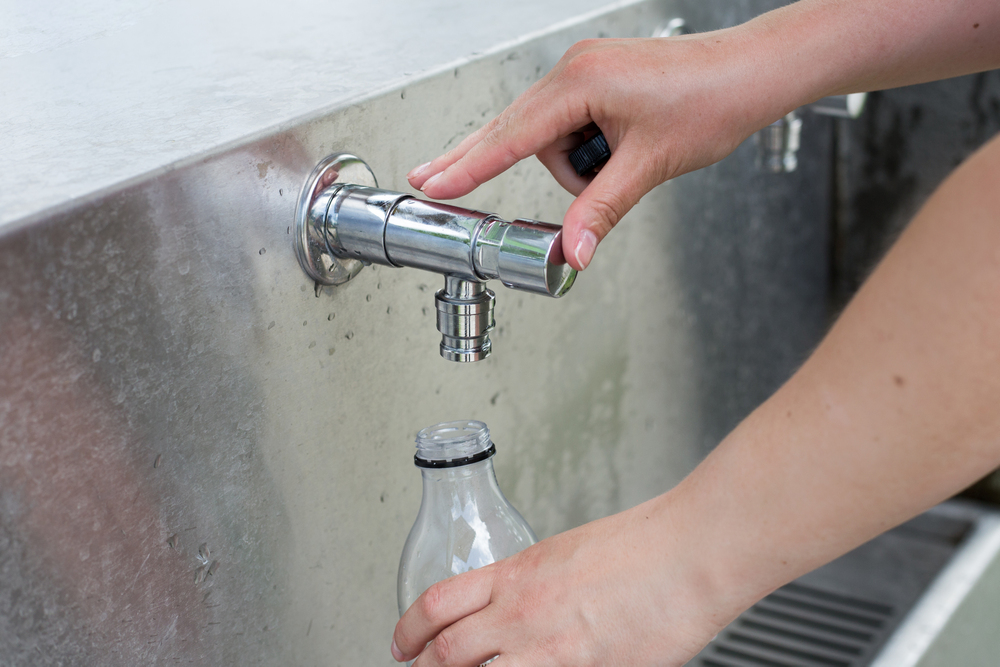
These historical water purification methods demonstrate remarkable ingenuity and practical wisdom. While modern technology has given us more convenient and reliable water treatment options, many of these old techniques still work in emergency situations.
The creative approaches of our ancestors remind us that clean water has always been essential to human survival and health. Understanding these historical methods connects us to a time when people lived more directly with the natural world, finding solutions with the materials at hand rather than relying on complex infrastructure.
These simple but effective techniques remain relevant today, especially for outdoor enthusiasts, emergency preparedness, and in regions where access to clean water remains challenging.
More from Go2Tutors!

- The Romanov Crown Jewels and Their Tragic Fate
- 13 Historical Mysteries That Science Still Can’t Solve
- Famous Hoaxes That Fooled the World for Years
- 15 Child Stars with Tragic Adult Lives
- 16 Famous Jewelry Pieces in History
Like Go2Tutors’s content? Follow us on MSN.