15 Bizarre Cargo Found Inside Lost Spanish Galleons
The ocean floor holds secrets that would make even the most seasoned archaeologist raise an eyebrow. Spanish galleons, those mighty vessels that once ruled the seas between the 16th and 18th centuries, carried far more than gold and silver across treacherous waters.
When maritime archaeologists crack open these underwater time capsules, they often discover cargo that defies every expectation about colonial trade.
These ships weren’t just floating treasure chests. They were entire worlds compressed into wooden hulls, carrying the dreams, desperation, and bizarre necessities of people trying to build new lives on distant shores.
Some discoveries make perfect sense once you think about it. Others leave researchers scratching their heads for decades.
Live Peacocks
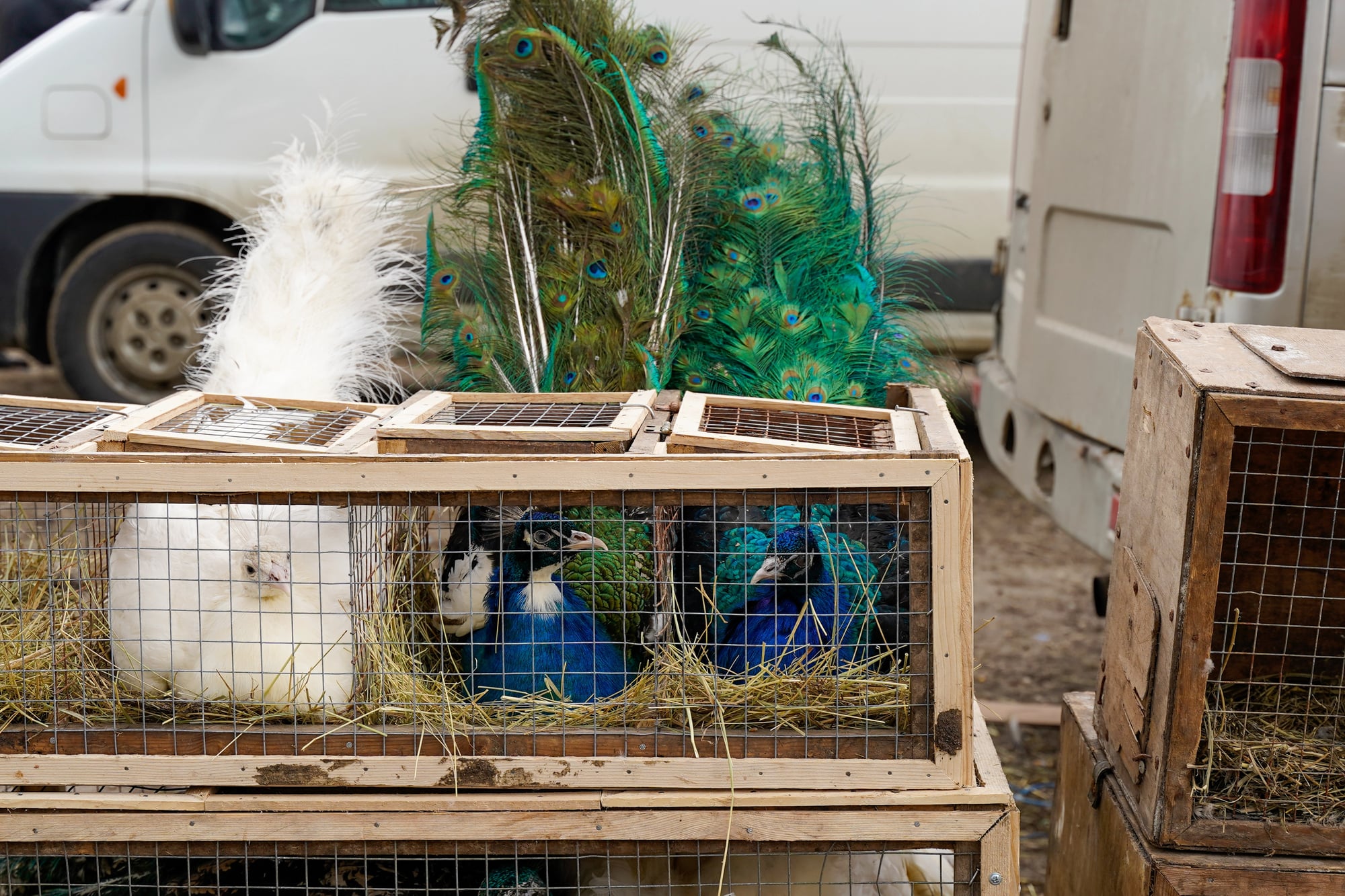
Spanish colonists had expensive taste. The ships carried live peacocks destined for wealthy estates in the New World, complete with elaborate wooden coops and feeding systems.
These weren’t just decorative birds. Peacocks represented status in colonial society, and their feathers were worth considerable money.
The logistics alone boggle the mind – keeping tropical birds alive during months-long ocean voyages required dedicated crew members and precious cargo space.
Mercury Pools
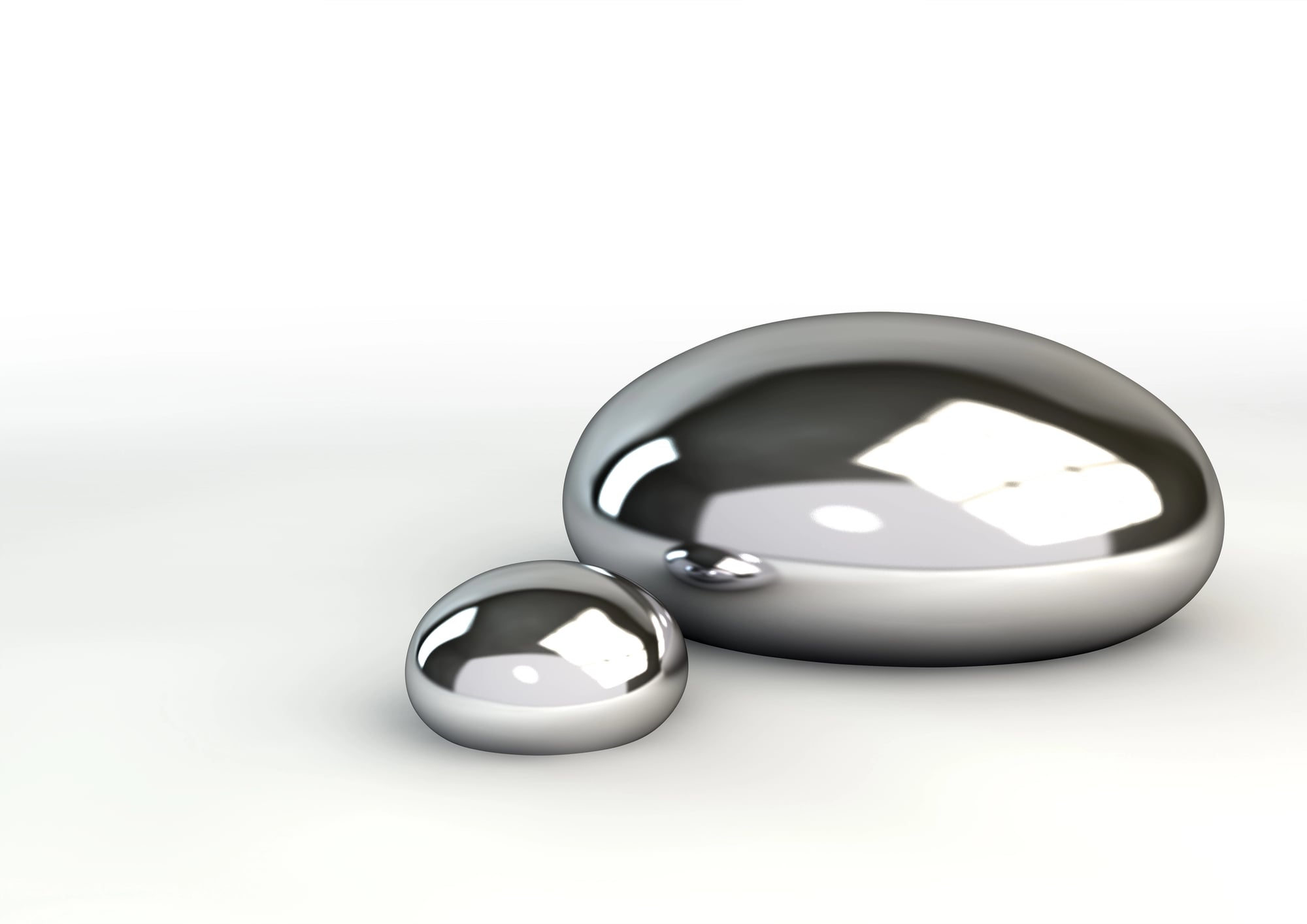
Liquid mercury traveled in sealed ceramic jars, used for silver extraction in colonial mines. When ships sank, these containers often remained intact for centuries.
Divers describe finding pools of mercury still gleaming on shipwreck floors, as bright and liquid as the day the ship went down.
The Spanish consumed staggering amounts of mercury for their mining operations – enough to poison entire regions, though they didn’t understand the health consequences at the time.
Chocolate Bricks
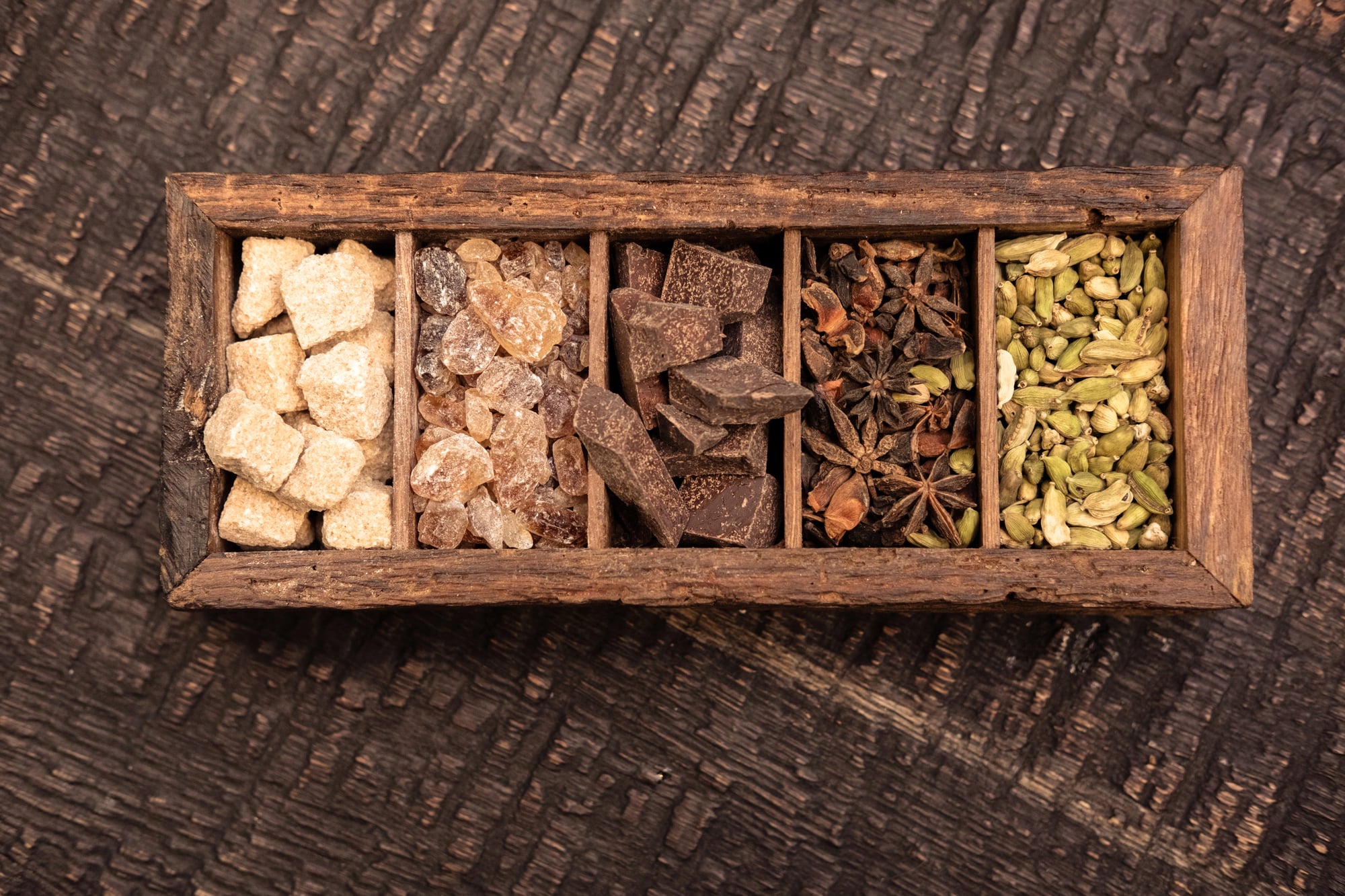
Think of chocolate as medicine rather than candy, and these shipments start making sense (though the Spanish treated cacao with a reverence that bordered on religious devotion, mixing it with spices that would horrify modern palates). The dried cacao traveled in brick form, wrapped in oiled cloth and stored in wooden boxes that marine archaeologists still find intact centuries later.
And yet the irony cuts deep: these ships carried what would become the world’s most beloved comfort food while their crews often survived on hardtack and whatever fish they could catch – luxury and deprivation sailing side by side, separated by nothing more than a locked cargo hold door.
The preparation methods would strike modern chocolate lovers as bizarre. Colonial recipes called for mixing cacao with chili peppers, vanilla, and honey.
Some variations included ground bones.
Barrels Of Pig Fat
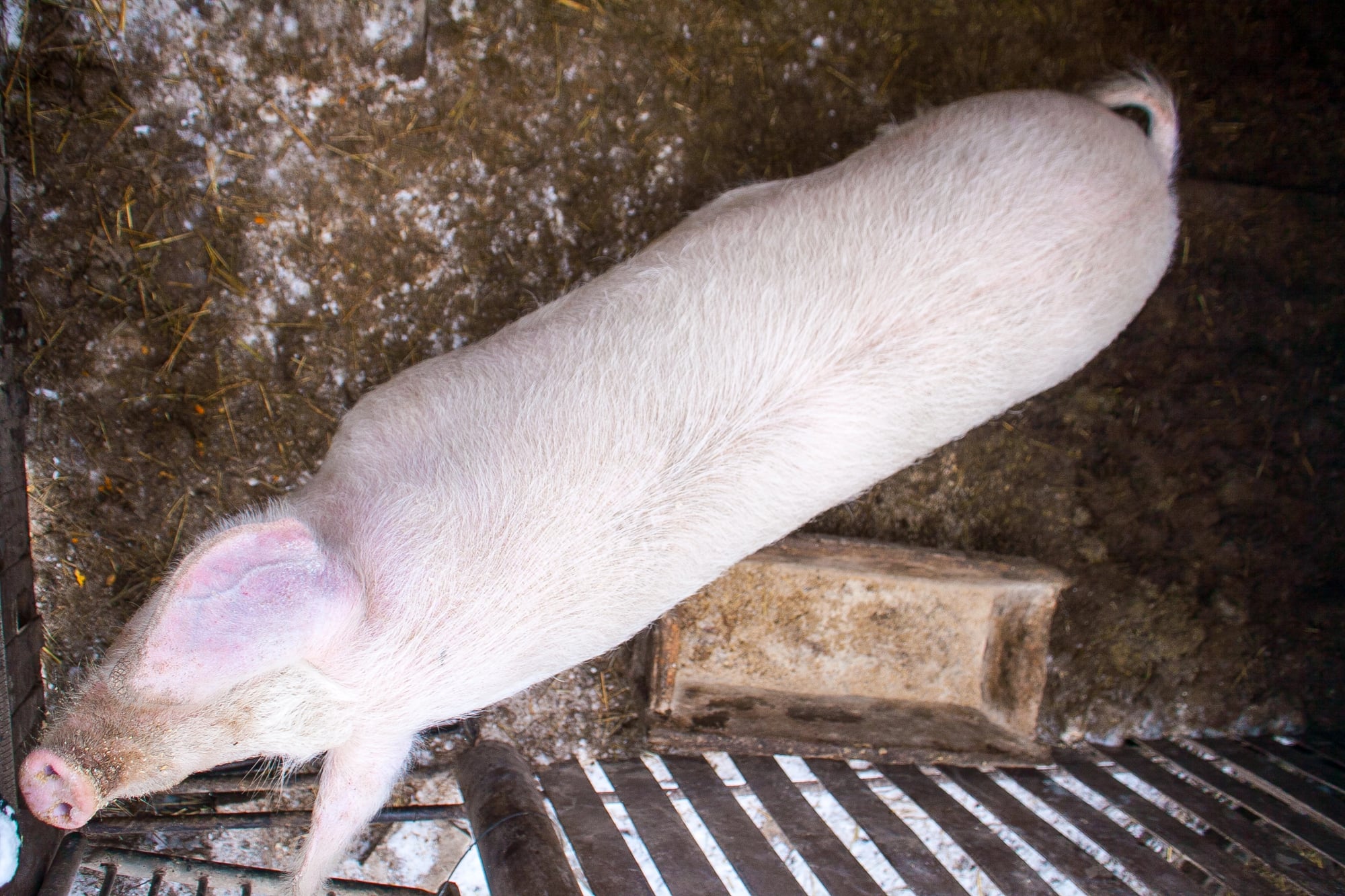
Rendered pork fat served multiple purposes in colonial life. It preserved food, waterproofed equipment, and provided essential calories during long voyages.
Archaeologists regularly find ceramic jars still containing recognizable animal fat, preserved by saltwater and lack of oxygen.
The smell, according to dive teams, remains potent after 400 years underwater.
Colonial settlers valued pig fat so highly they often traded it like currency.
Live Monkeys In Miniature Hammocks
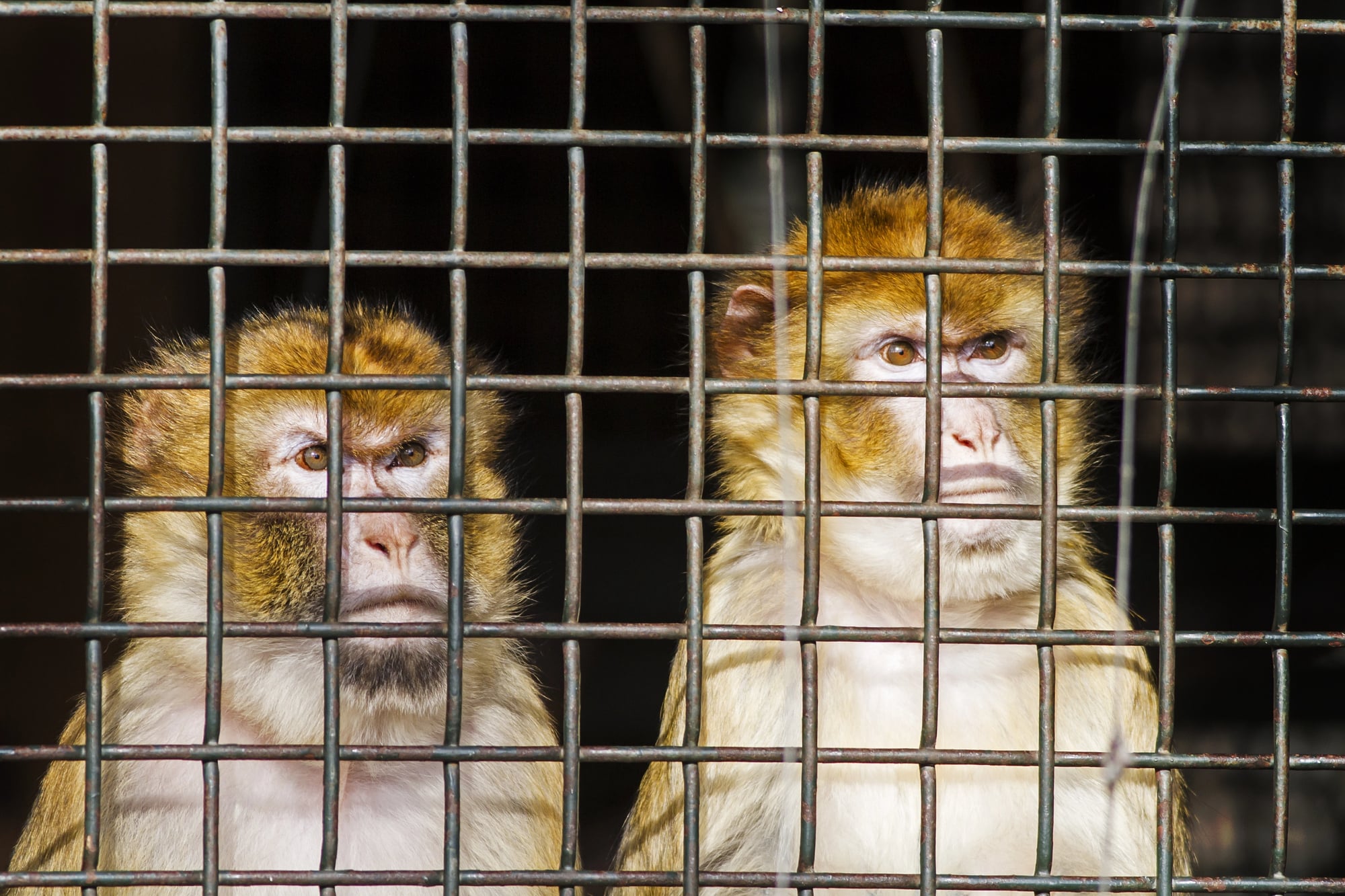
Colonial nobles collected exotic animals as living status symbols. Ships carried small monkeys in tiny hammocks, designed to keep them secure during rough weather.
The craftsmanship of these miniature hammocks rivals anything made for human passengers.
Some featured intricate rope work and canvas that survived centuries underwater.
Crew records mention monkeys dying during storms, suggesting these arrangements weren’t always effective.
Religious Relics In Lead Boxes
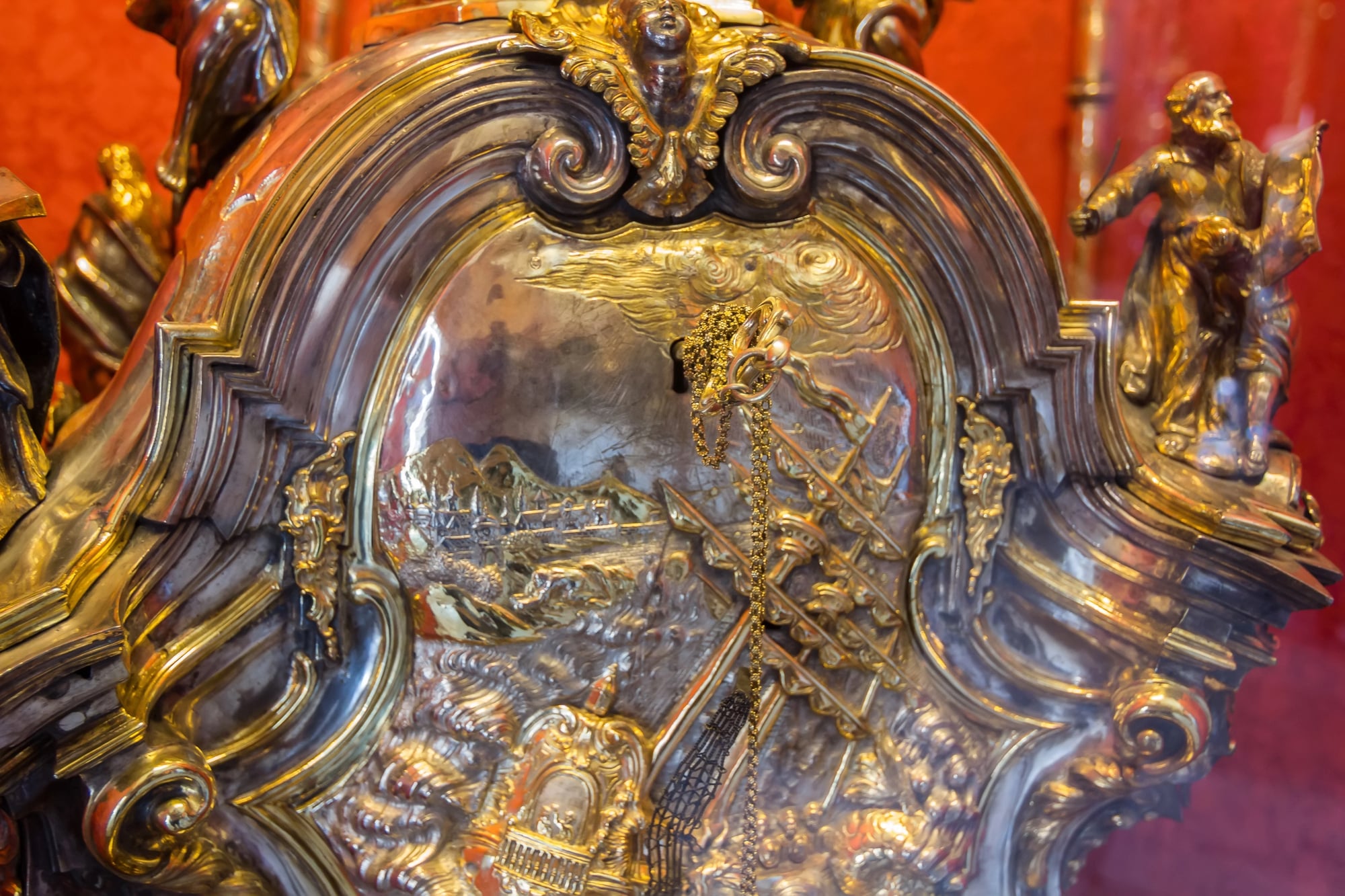
Saints’ bones, pieces of the True Cross, and other sacred artifacts traveled in lead-lined containers to prevent decay. The Church considered these items more valuable than gold.
Opening these containers remains controversial among archaeologists.
Some still contain fabric, wood fragments, and organic matter that believers claim possess miraculous properties.
The lead preservation worked almost too well – contents often emerge looking disturbingly fresh after centuries underwater.
Barrels Of Honey With Dead Bees
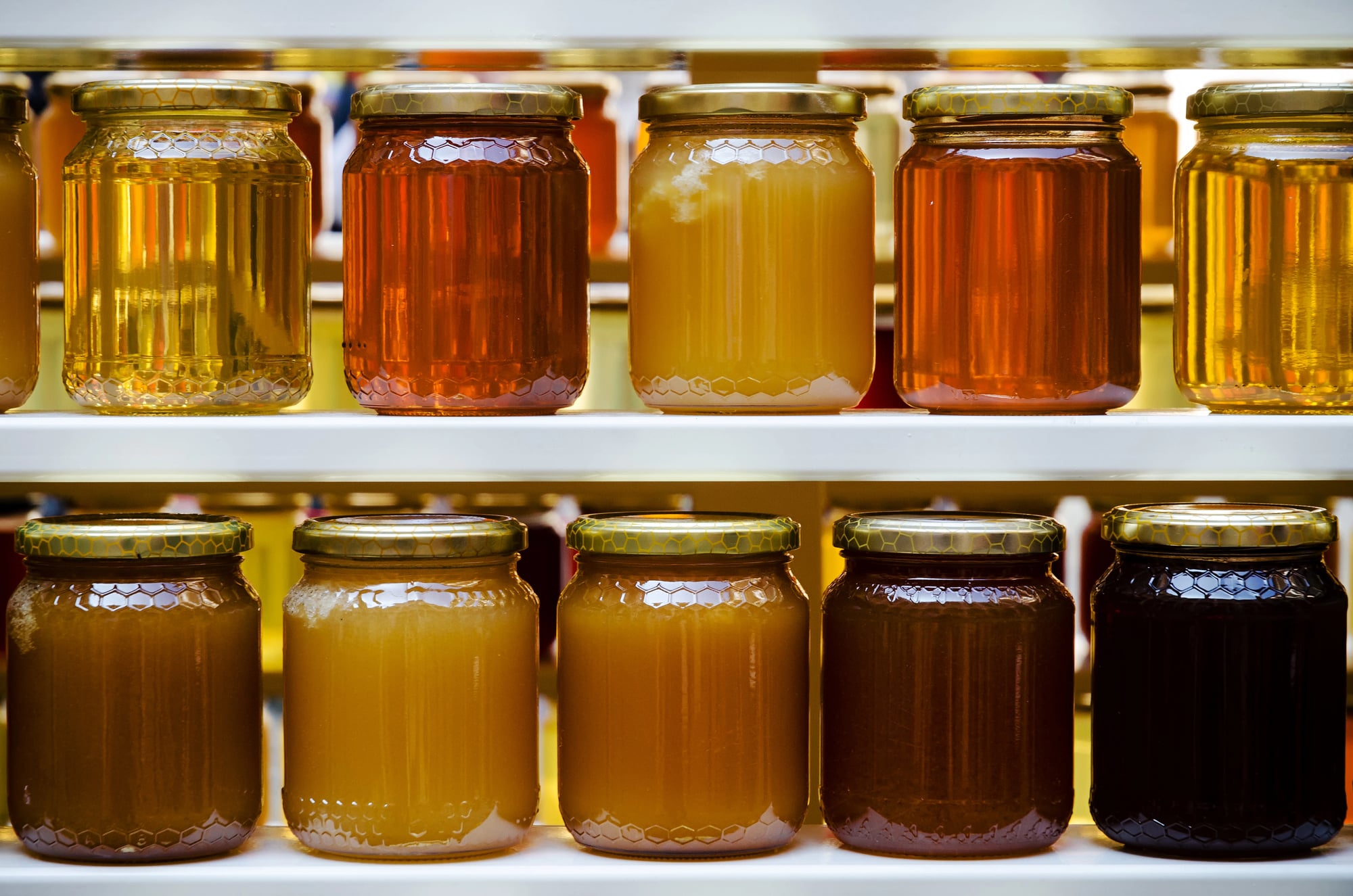
Here’s the thing about honey: it never spoils, which made it perfect cargo for long voyages, but the Spanish went further than simple preservation. They packed entire barrels with honey that still contained dead bees, wax fragments, and chunks of honeycomb – essentially shipping raw, unprocessed hive contents across the Atlantic because colonial settlers needed more than just sweetener; they needed the raw materials to start their own apiaries in lands where European bees had never existed.
The honey found in shipwrecks often remains perfectly edible.
Divers describe finding barrels with honey so pure it flows like liquid amber.
The dead bees served as proof of authenticity – colonial buyers feared diluted or artificial honey.
Boxes Of Human Teeth
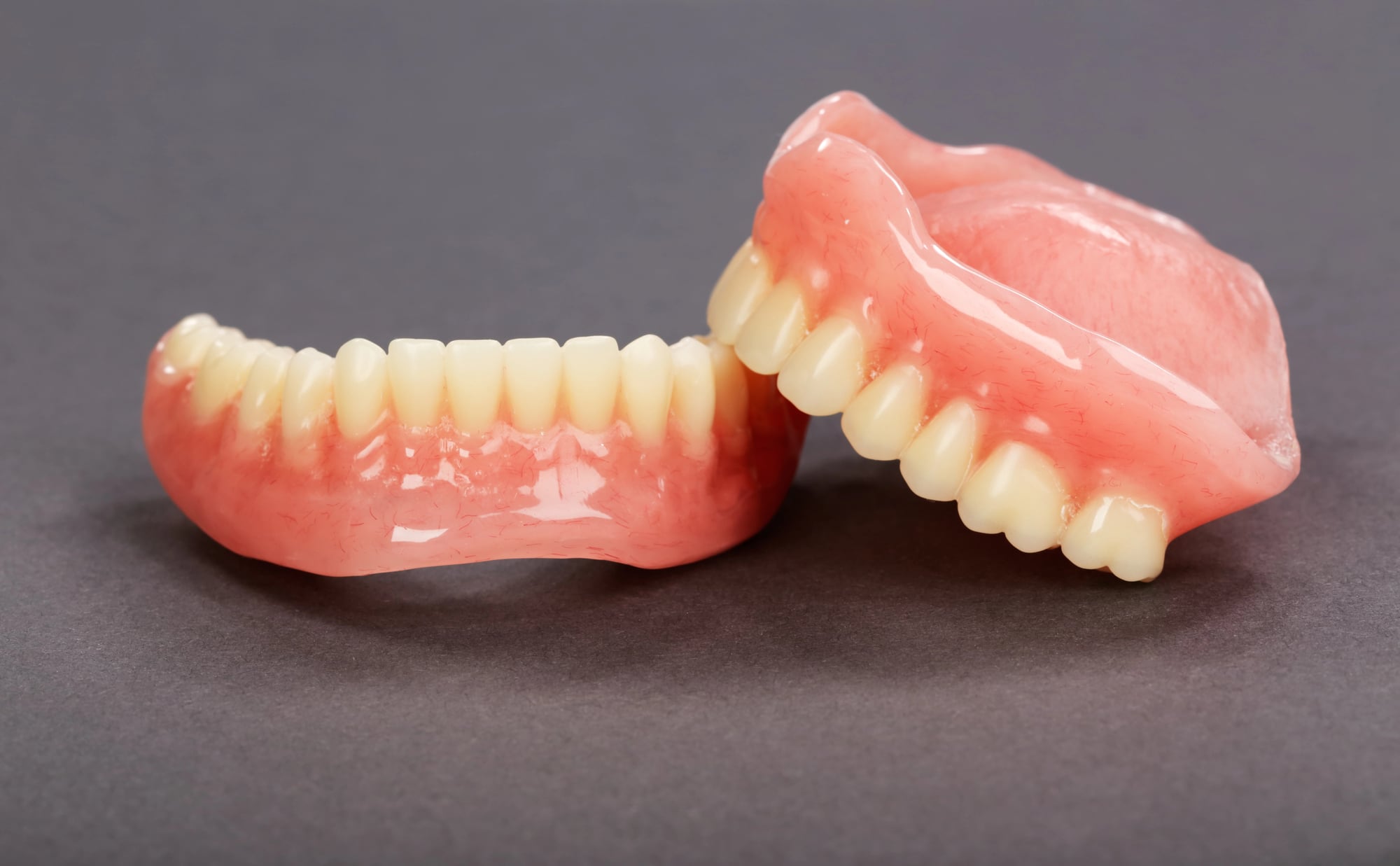
Wealthy colonists lost teeth regularly due to poor dental hygiene and limited medical care. Ships carried boxes of human teeth for denture construction.
These teeth came from European peasants who sold them for survival money.
The dental work in colonial America often involved implanting teeth from strangers into wealthy mouths.
Archaeological evidence suggests this practice spread diseases, though colonists continued it for decades.
Caged Fighting Cocks
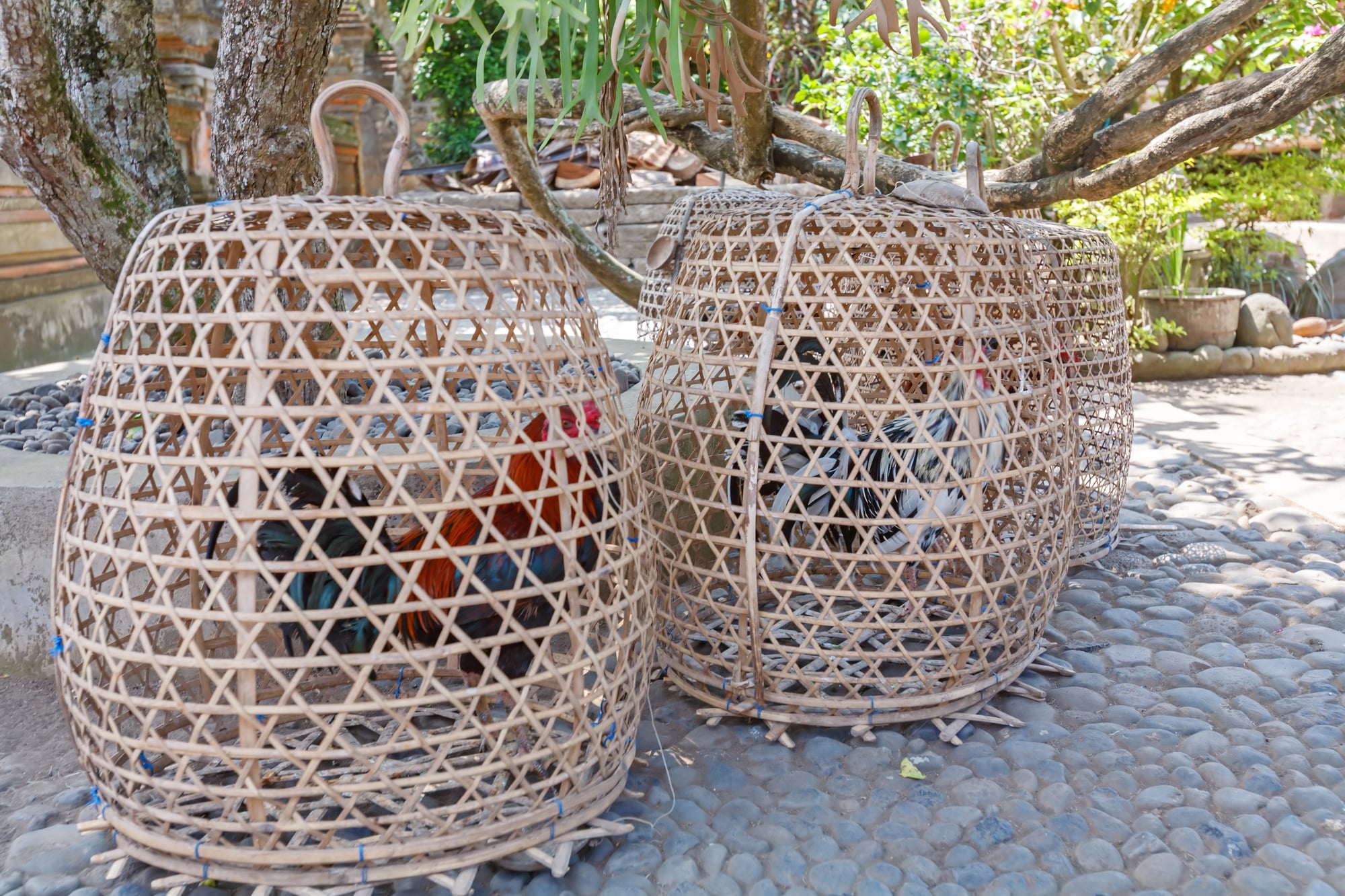
Cockfighting provided entertainment and gambling opportunities in colonial settlements. Ships transported specially bred fighting roosters in elaborate wooden cages.
The cages featured intricate ventilation systems and feeding mechanisms.
Some included separate compartments for hens, suggesting colonists planned to breed fighting birds in the New World.
Crew logs mention the constant noise these birds created during voyages.
Barrels Of Pickled Lizards

Large lizards traveled in salt brine, destined for wealthy tables in colonial cities. Iguana meat was considered a delicacy, particularly among Spanish nobility.
The preservation methods worked remarkably well.
Marine archaeologists find barrels containing entire pickled iguanas, their scales still intact and their flesh perfectly preserved.
Colonial cookbooks describe elaborate preparation methods involving exotic spices and wine reduction.
Live Rabbits In Floating Pens
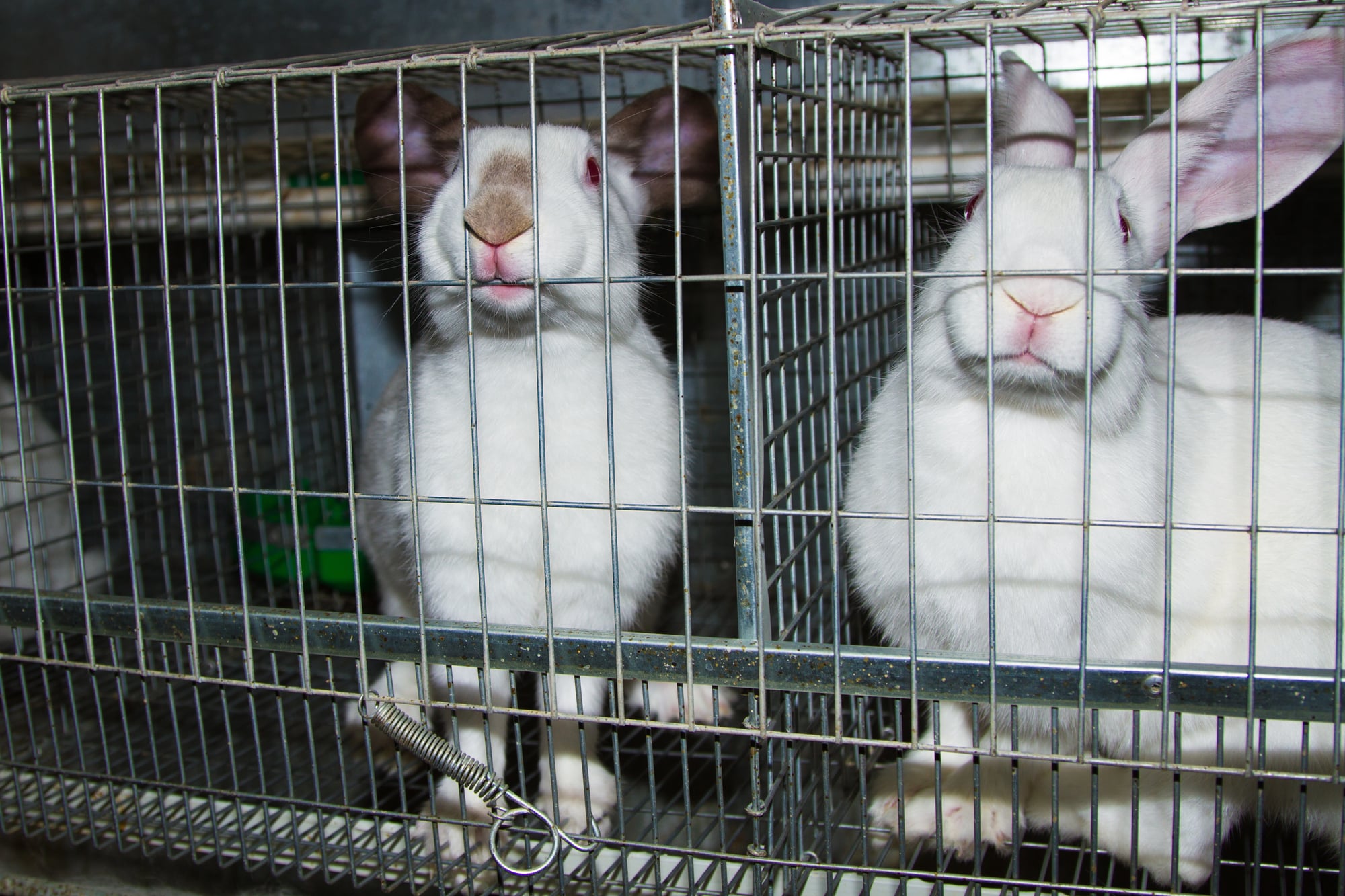
Fresh meat during long voyages came from rabbits kept in special floating pens designed to survive shipwrecks. These pens could theoretically keep rabbits alive even if the main ship sank.
The engineering behind these rabbit containers was surprisingly sophisticated.
They featured flotation devices, drainage systems, and emergency food supplies.
Historical records suggest few actually worked during real shipwrecks, but the attempt shows how desperately crews wanted fresh meat during months at sea.
Bottles Of Preserved Eyeballs

Medical specimens traveled in alcohol-filled bottles for colonial doctors studying anatomy. Human and animal eyes were particularly prized for understanding vision problems.
These bottles often contained multiple eyeballs from different species, creating grotesque collections that modern divers find deeply unsettling.
The alcohol preservation kept specimens intact for centuries, though their scientific value disappeared long ago.
Crates Of Soap Made From Ash And Urine
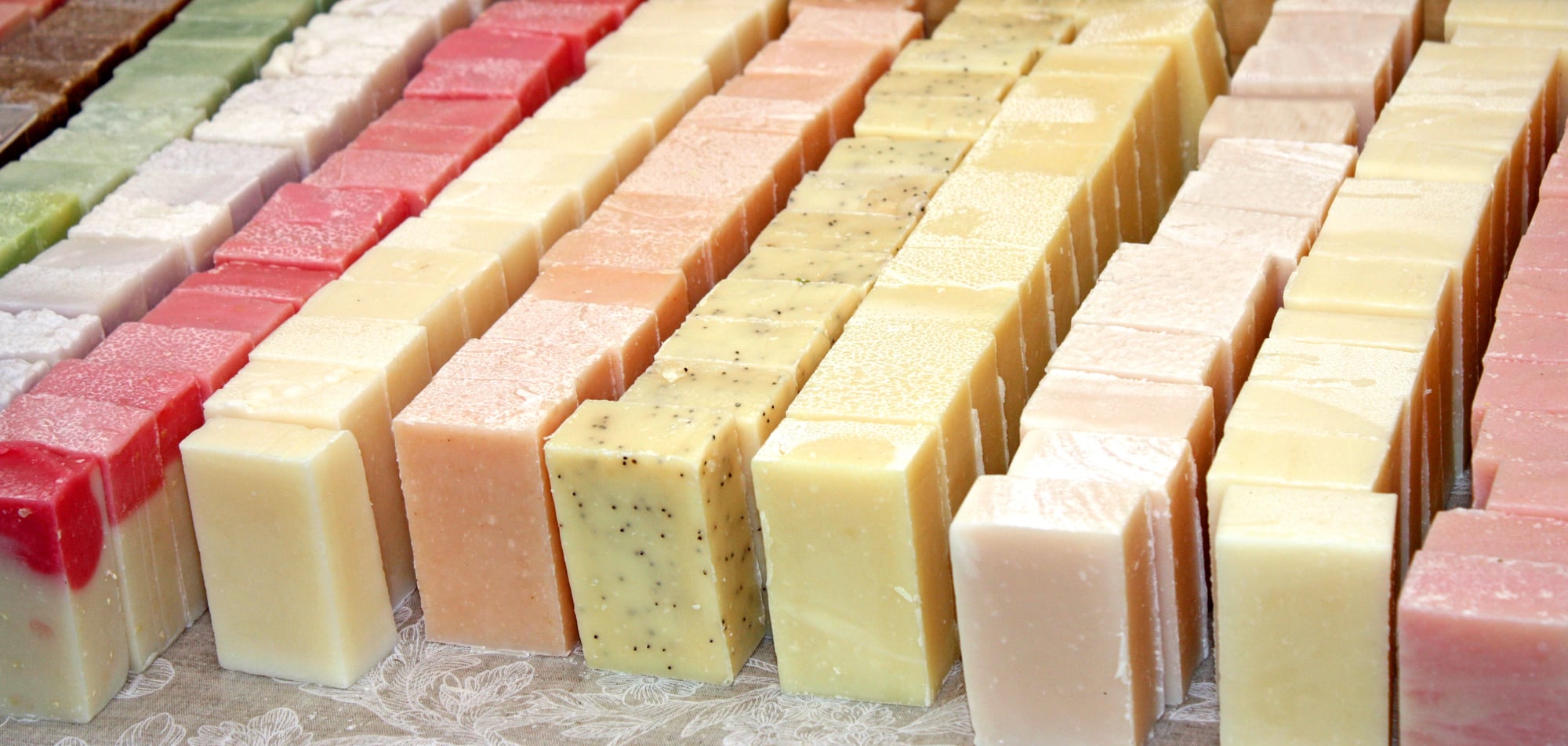
Personal hygiene mattered enough to Spanish colonists that they shipped soap manufactured from ash and fermented human waste (a process that sounds revolting but produced surprisingly effective cleaning agents, though the smell during production could clear entire neighborhoods). The manufacturing process required months of preparation back in Spain, where soap-makers collected specific types of ash from certain trees and aged human urine until it reached the proper chemical composition for saponification – basically, Spanish colonists cared so much about staying clean that they were willing to ship barrels of processed waste products across an ocean.
This soap actually worked better than many modern alternatives for removing grease and oil.
Chemical analysis reveals sophisticated understanding of alkaline chemistry, though soap-makers probably didn’t understand the science behind their methods.
Barrels Of Wine With Floating Mice
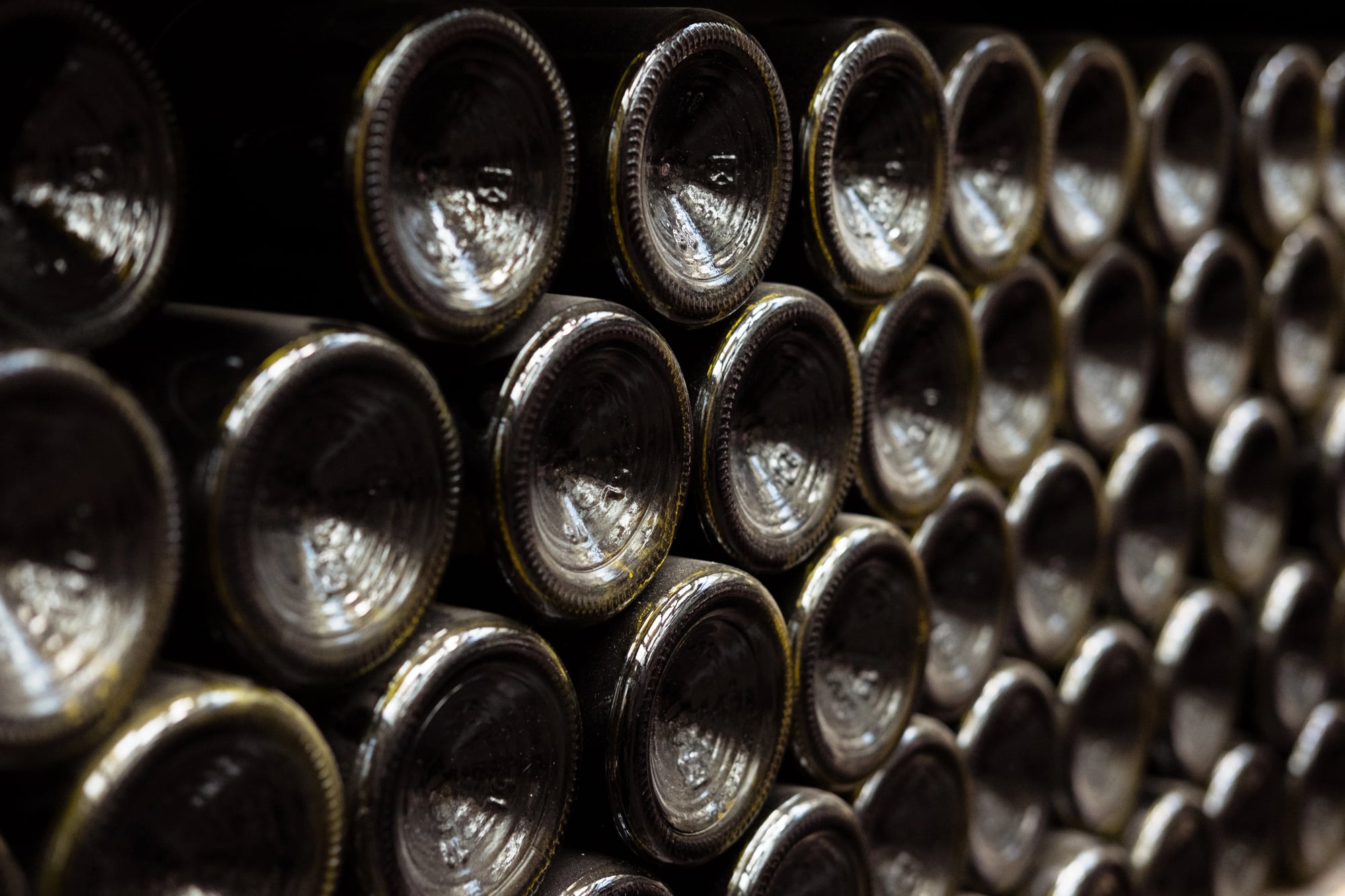
Wine preservation during long sea voyages required careful planning and multiple techniques. Spanish vintners used methods including sulfur treatment, wax sealing, and cork stoppers to prevent spoilage during the months-long journey across the Atlantic.
Barrels stored in ships’ holds sometimes accumulated unwanted contamination, including rodents that found their way into cargo spaces.
While mice occasionally ended up in wine stores through poor sealing and pest infiltration, this was a problem to be avoided rather than a deliberate preservation strategy.
Colonial records document efforts to protect wine from contamination, including improved barrel construction and storage area management.
The occasional discovery of rodent remains in recovered shipwreck wine barrels represents accidental contamination rather than intentional preservation practice.
Collections Of False Noses

Syphilis and other diseases caused facial disfigurement among colonists. Ships carried carved wooden and metal noses designed to replace missing body parts.
These prosthetics show remarkable craftsmanship, with realistic coloring and attachment mechanisms.
Some were carved to match specific individuals, suggesting custom orders placed months in advance.
The social implications were enormous – facial disfigurement could destroy someone’s colonial prospects entirely.
Treasures Beyond Imagination

Spanish galleons carried the full spectrum of human ambition across dangerous waters. Every bizarre item tells a story about people willing to risk everything for a chance at new lives in unknown lands.
These ships weren’t just cargo vessels – they were floating microcosms of an entire civilization, complete with all its beauty, cruelty, and inexplicable oddities.
The strangest part isn’t what these ships carried, but what it reveals about the people who packed them.
They brought fighting roosters and false noses, chocolate and pickled lizards, because they understood something modern people often forget: survival in a new world requires both practical necessities and the strange comforts that make life worth living.
More from Go2Tutors!

- The Romanov Crown Jewels and Their Tragic Fate
- 13 Historical Mysteries That Science Still Can’t Solve
- Famous Hoaxes That Fooled the World for Years
- 15 Child Stars with Tragic Adult Lives
- 16 Famous Jewelry Pieces in History
Like Go2Tutors’s content? Follow us on MSN.



