Countries Ranked Among The Safest In The World And Why
When news feeds overflow with conflict reports and crime statistics dominate headlines, the idea of genuine safety feels almost mythical. Yet scattered across the globe, certain nations have managed to create something remarkable: societies where personal security isn’t a daily concern, where trust operates as social currency, and where the mechanics of peace function so smoothly they become invisible.
These aren’t utopias—they’re countries that have simply gotten the fundamentals right.
Iceland
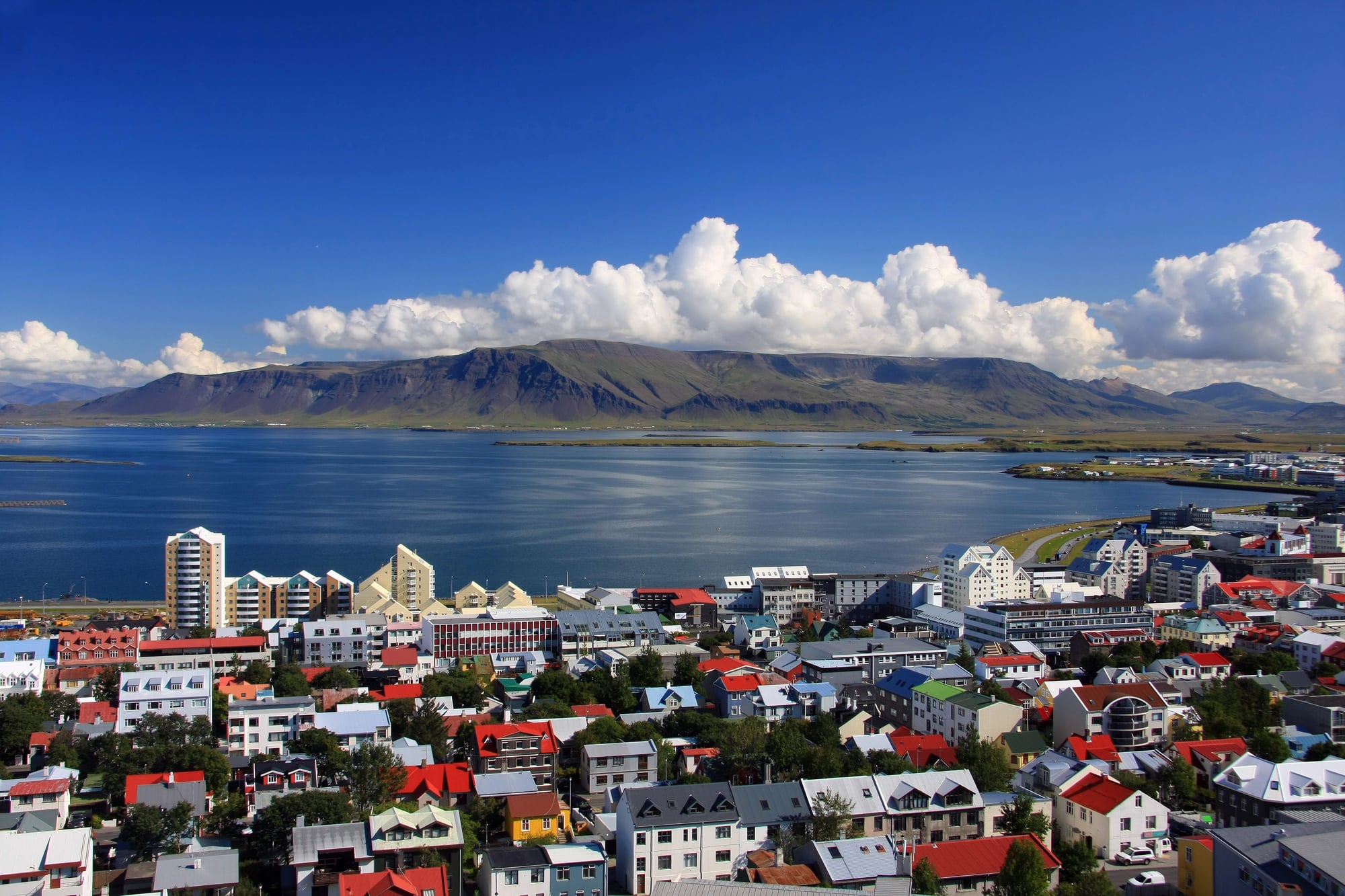
Crime here feels almost theoretical. Police don’t carry guns because they don’t need them. Violent crime rates hover near statistical zero, and the biggest security concern most locals face is remembering to lock their car doors—which many forget to do anyway.
The isolation helps. Being a Nordic island nation with a population smaller than most cities creates natural barriers to organized crime and external threats. But geography alone doesn’t explain why Icelandic society functions with such consistent trust and civic cooperation.
Singapore
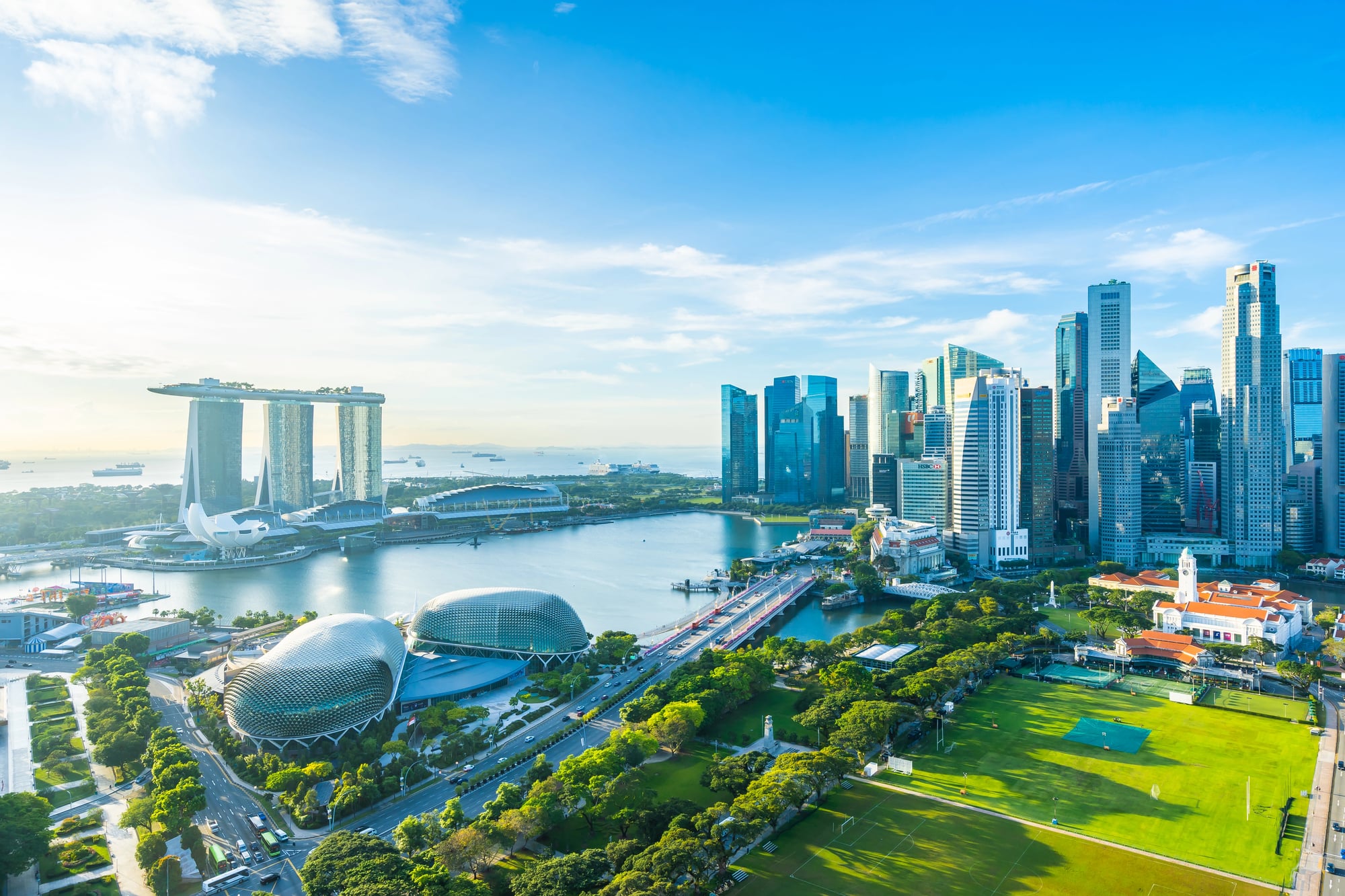
Authoritarian efficiency creates safety through certainty. Break the law here and consequences arrive swiftly, predictably, and without much room for negotiation.
This isn’t everyone’s preferred model of governance, but it produces results that are hard to argue with. The city-state combines strict enforcement with genuine prosperity, creating conditions where crime simply doesn’t pay—literally or figuratively.
Switzerland
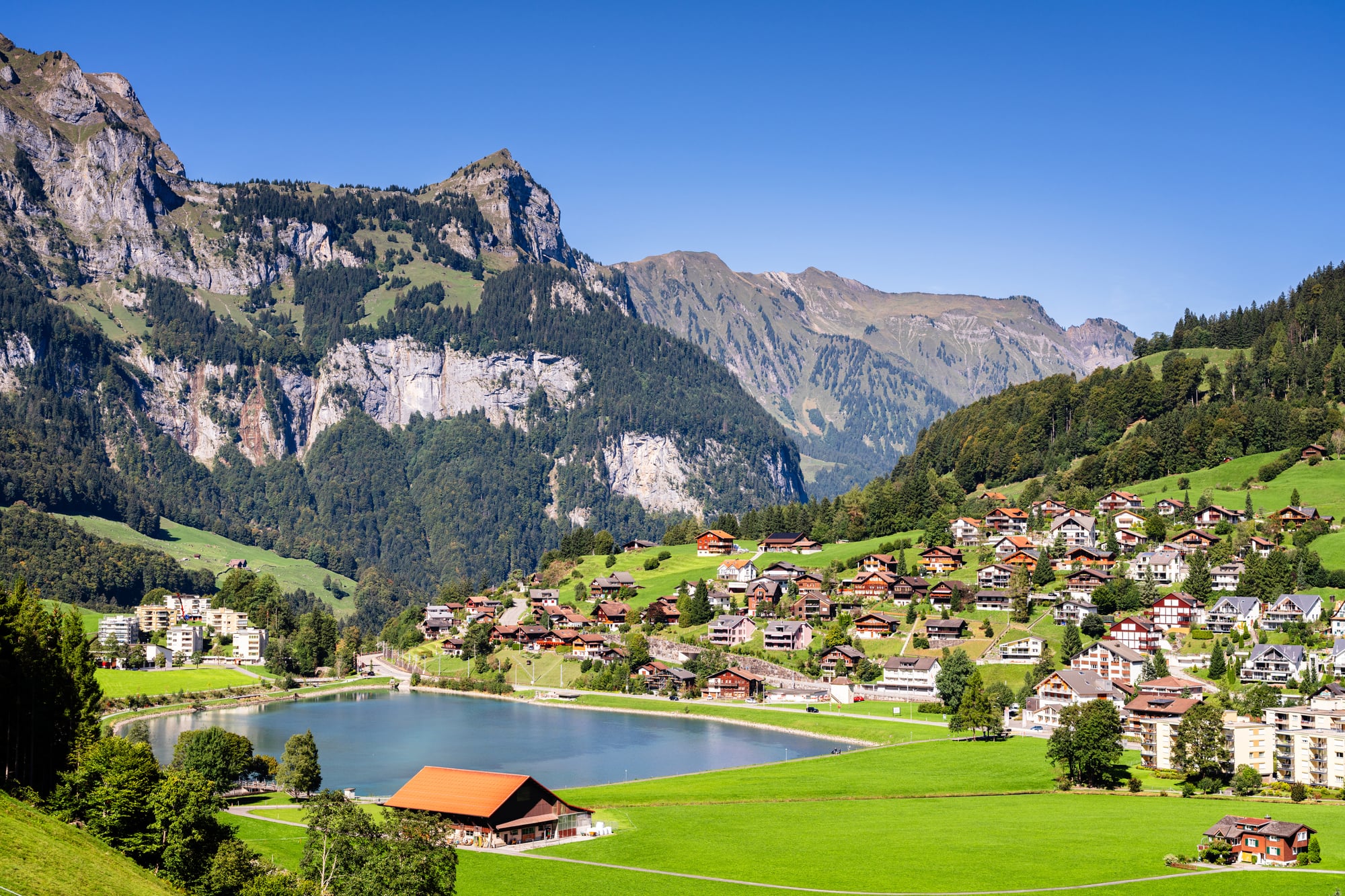
Neutrality as foreign policy turns out to be excellent domestic policy too. When a country spends centuries avoiding international conflicts while building robust institutions and shared prosperity, safety becomes a natural byproduct rather than an active pursuit.
The Swiss model operates on consensus and preparation—every adult man serves in the military (and keeps his rifle at home afterward, which somehow works here), while political decisions move through elaborate consultation processes designed to include rather than exclude different viewpoints.
It’s methodical in a way that can feel painfully slow to outsiders, but when everyone genuinely buys into the system, that system doesn’t require constant enforcement or dramatic course corrections.
Denmark
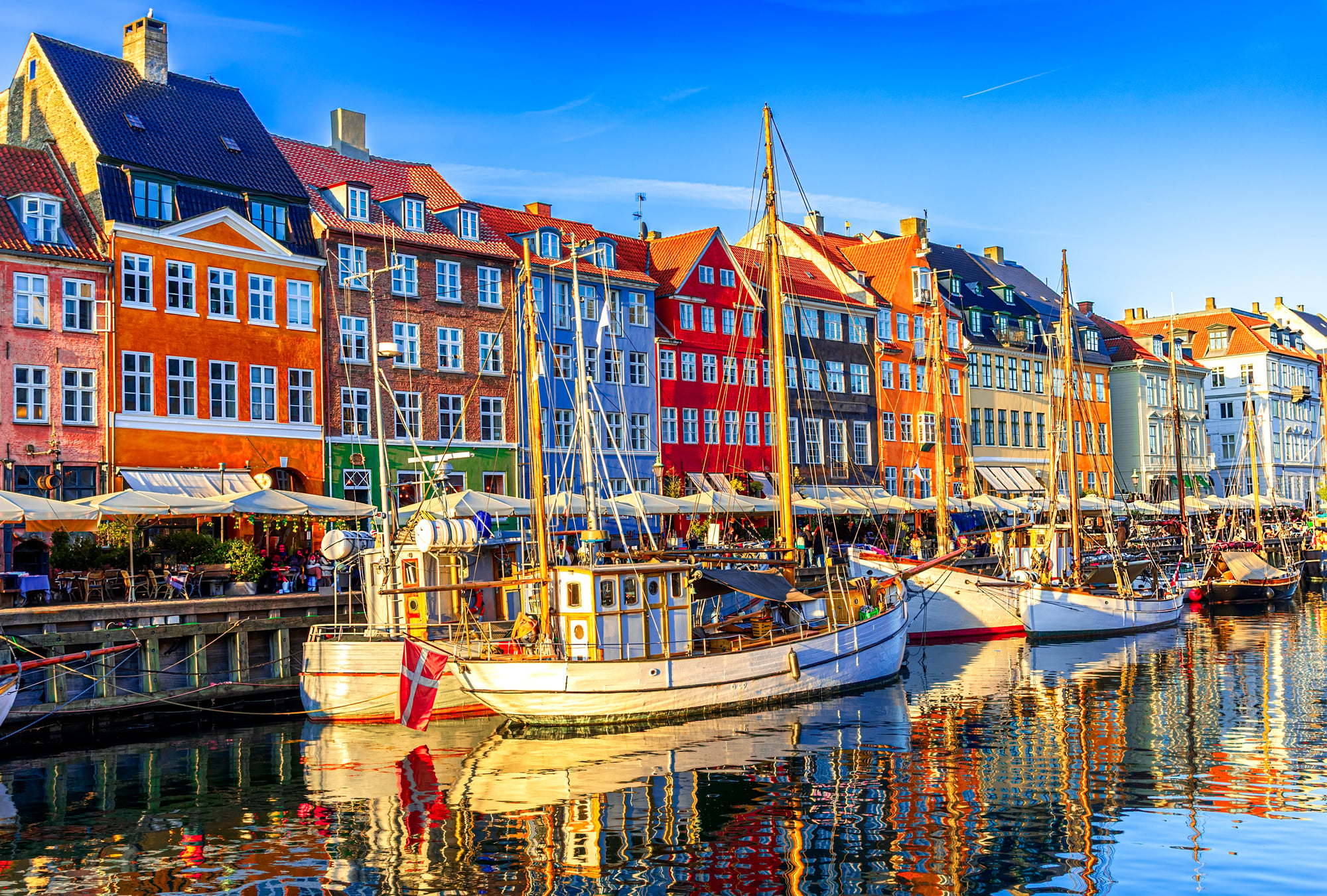
Danish society operates on a principle that sounds naive until you see it working: assume people will behave well, and most of them will. This isn’t blind optimism—it’s a cultural choice backed by institutions that make good behavior the easiest option.
The concept of “hygge” goes deeper than cozy coffee shops and candlelit dinners. It represents a social agreement that collective comfort matters more than individual advantage, which creates surprisingly durable conditions for personal safety and social trust.
Norway
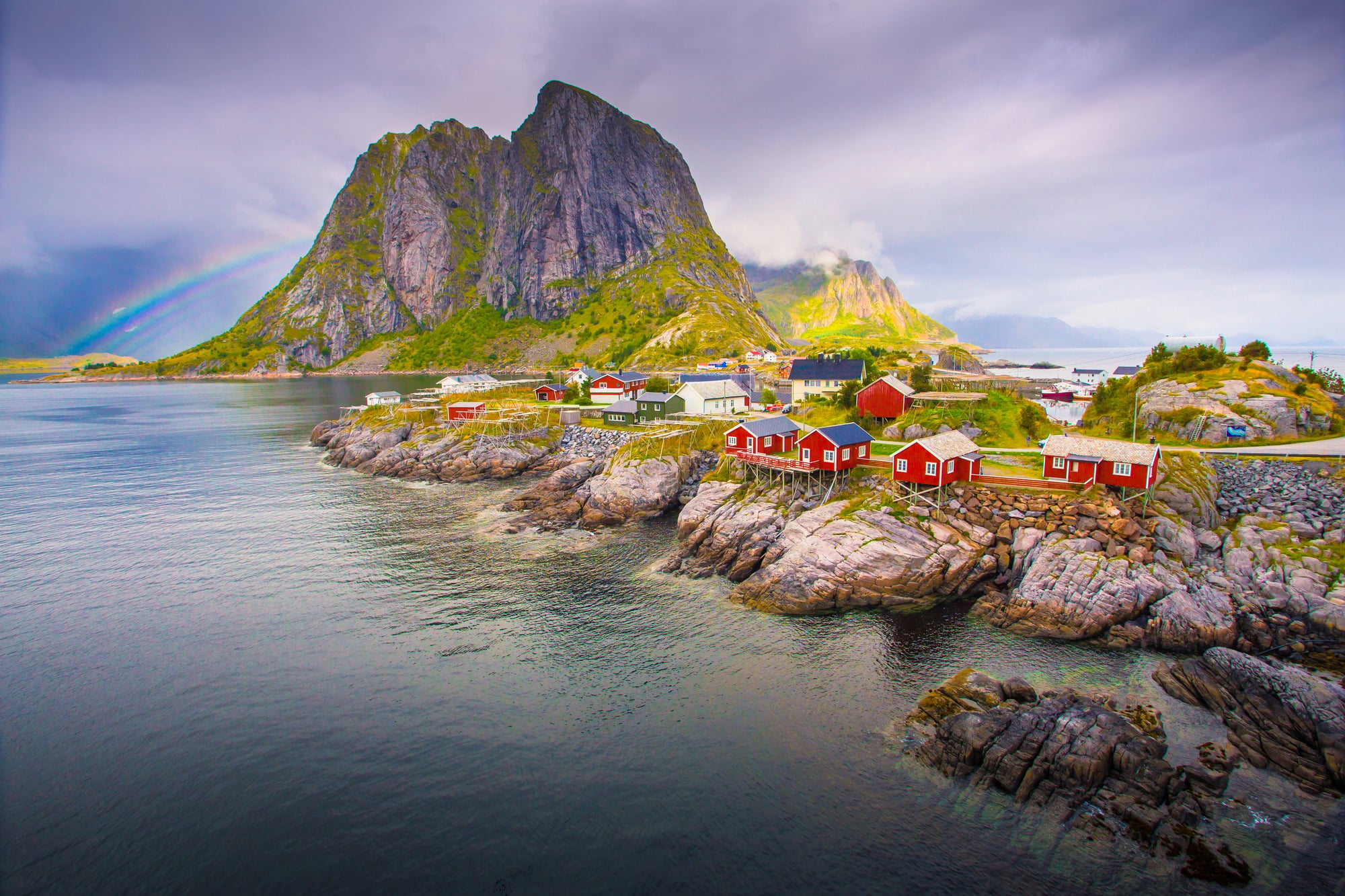
Oil wealth certainly helps, but plenty of resource-rich countries remain dangerous and unstable. Norway transformed natural advantages into social infrastructure that makes safety feel effortless rather than enforced.
The welfare state isn’t just about economic security—it’s about removing the desperation that drives most crime. When basic needs are guaranteed and social mobility remains genuinely possible, the incentive structure tips heavily toward cooperation rather than conflict.
New Zealand
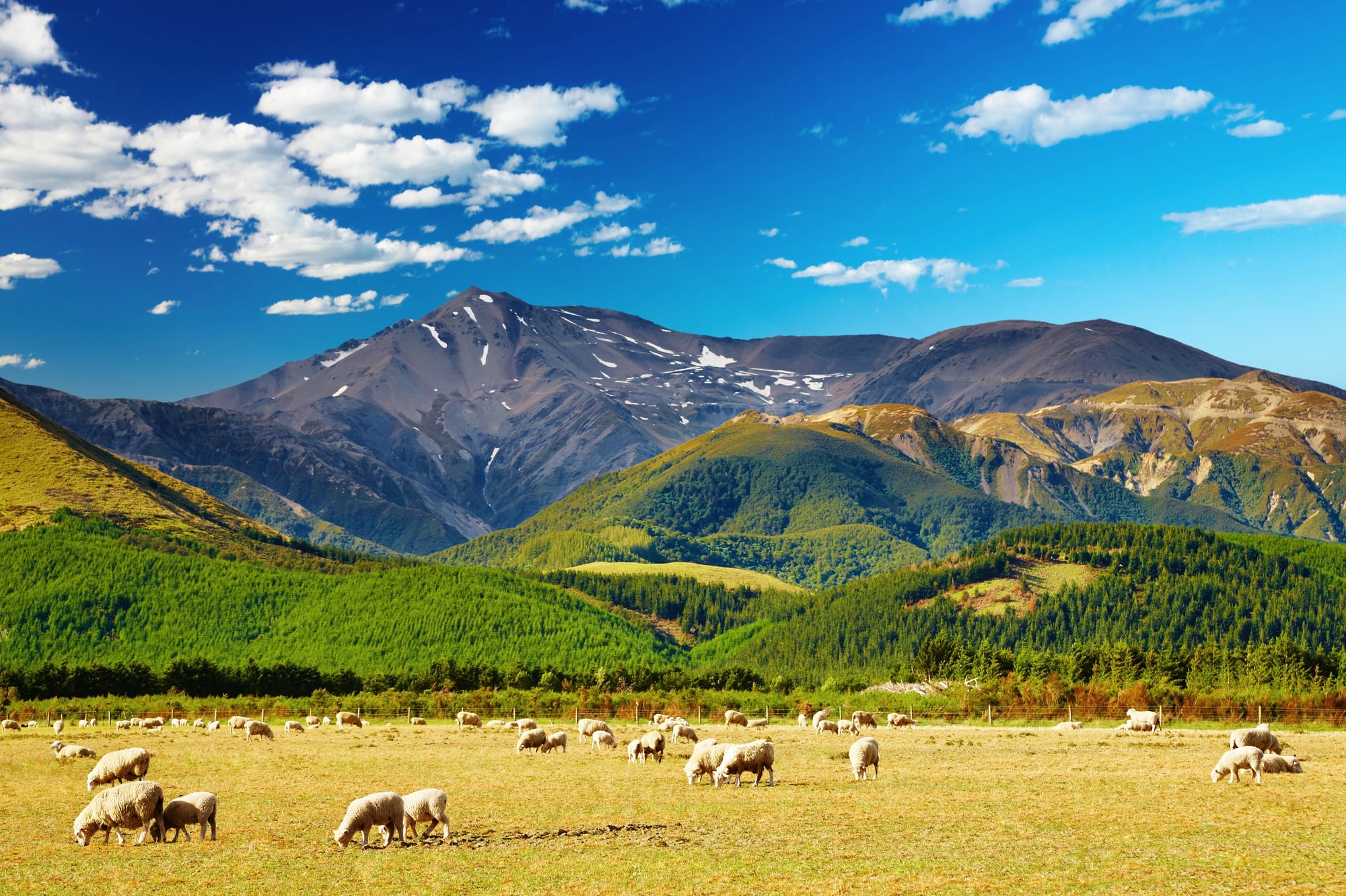
Geographic isolation creates natural security advantages that New Zealand has leveraged into comprehensive social safety. Being thousands of miles from potential threats while maintaining strong democratic institutions produces a kind of paradise that feels almost accidental.
The country manages to balance individual freedom with collective responsibility in ways that avoid both libertarian chaos and authoritarian control. It’s a delicate calibration that works partly because the population remains small enough for genuine democratic participation.
Finland

Finnish education produces citizens who understand how societies actually function, which turns out to be more important for safety than sophisticated police forces or elaborate surveillance systems.
The country treats social problems as engineering challenges rather than moral failures. This pragmatic approach creates solutions that work rather than solutions that feel emotionally satisfying, and the difference shows up clearly in crime statistics and public safety metrics.
Austria
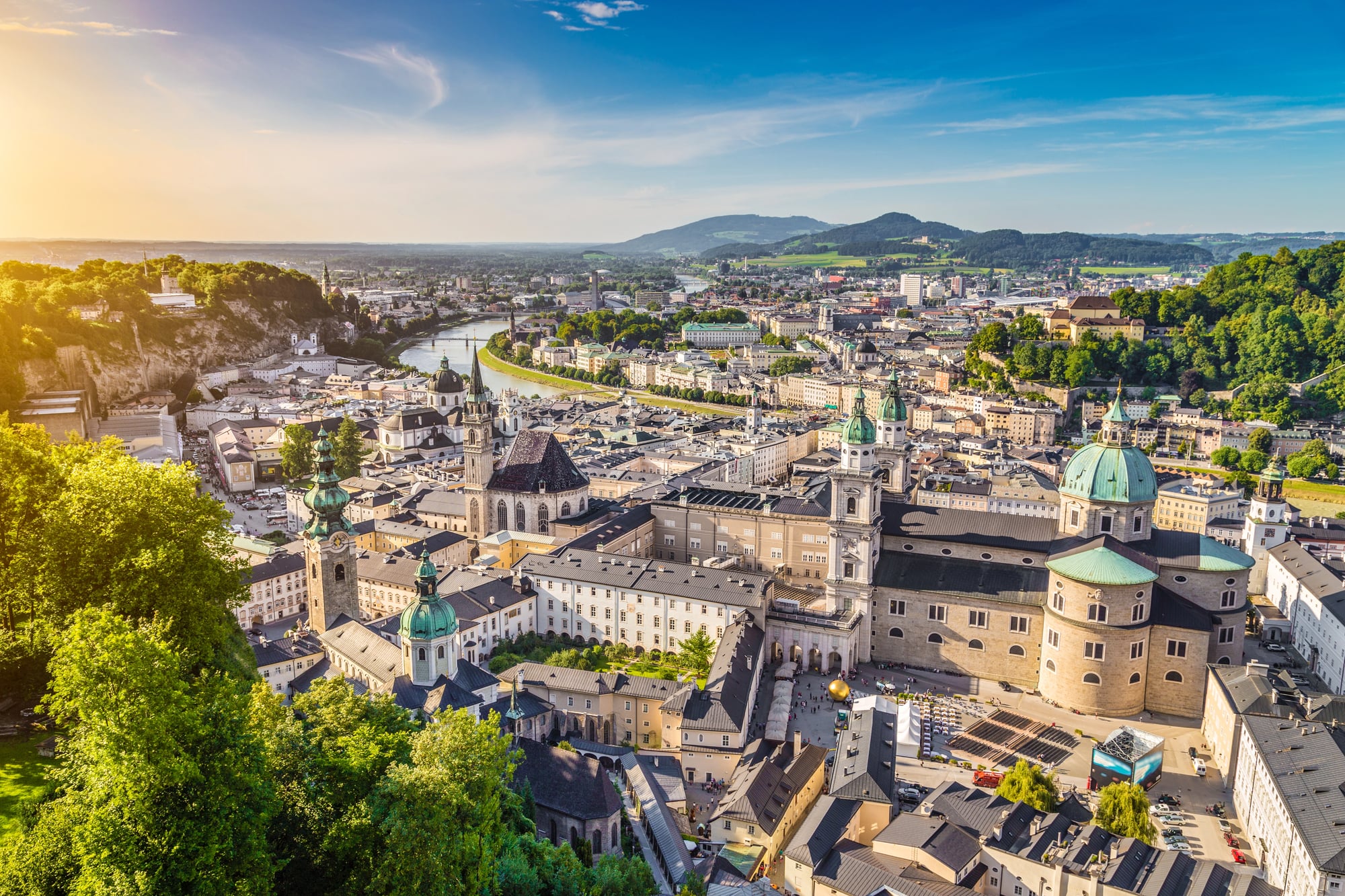
Central European stability meets Alpine prosperity in ways that create natural buffers against most sources of social disruption. Austria manages to be both cosmopolitan and traditional without letting these orientations conflict destructively.
The real achievement is maintaining institutions that remain trustworthy across political cycles. When people believe their government functions competently and fairly, they’re less likely to take matters into their own hands.
Luxembourg
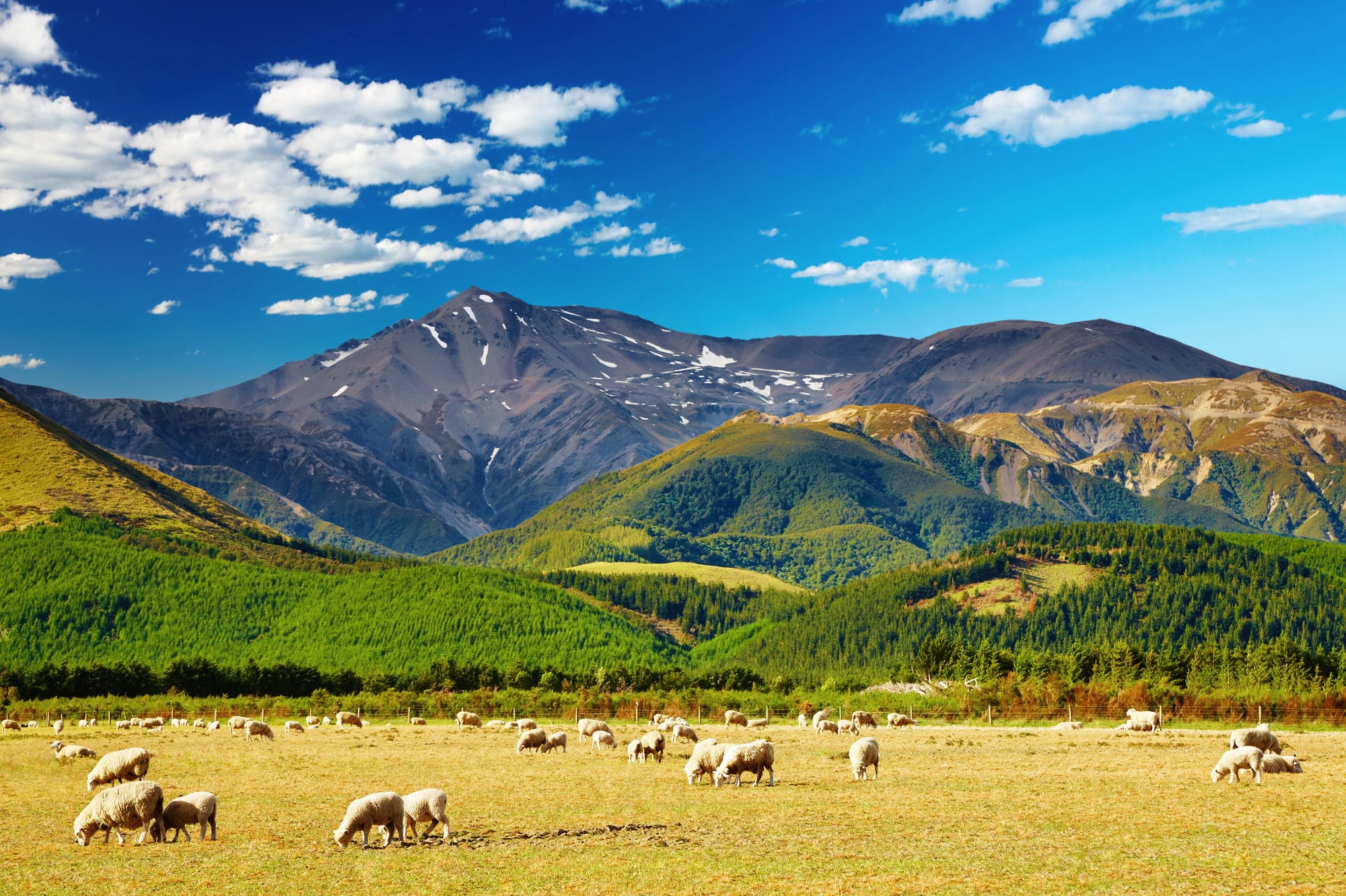
Small scale enables big trust. When everyone potentially knows everyone else, reputation becomes the primary currency, and maintaining good standing requires consistent good behavior.
Luxembourg leverages this social dynamic while adding enough economic opportunity to keep the system stable. High incomes reduce financial desperation while strong institutions prevent wealth from translating into corruption or abuse of power.
Canada
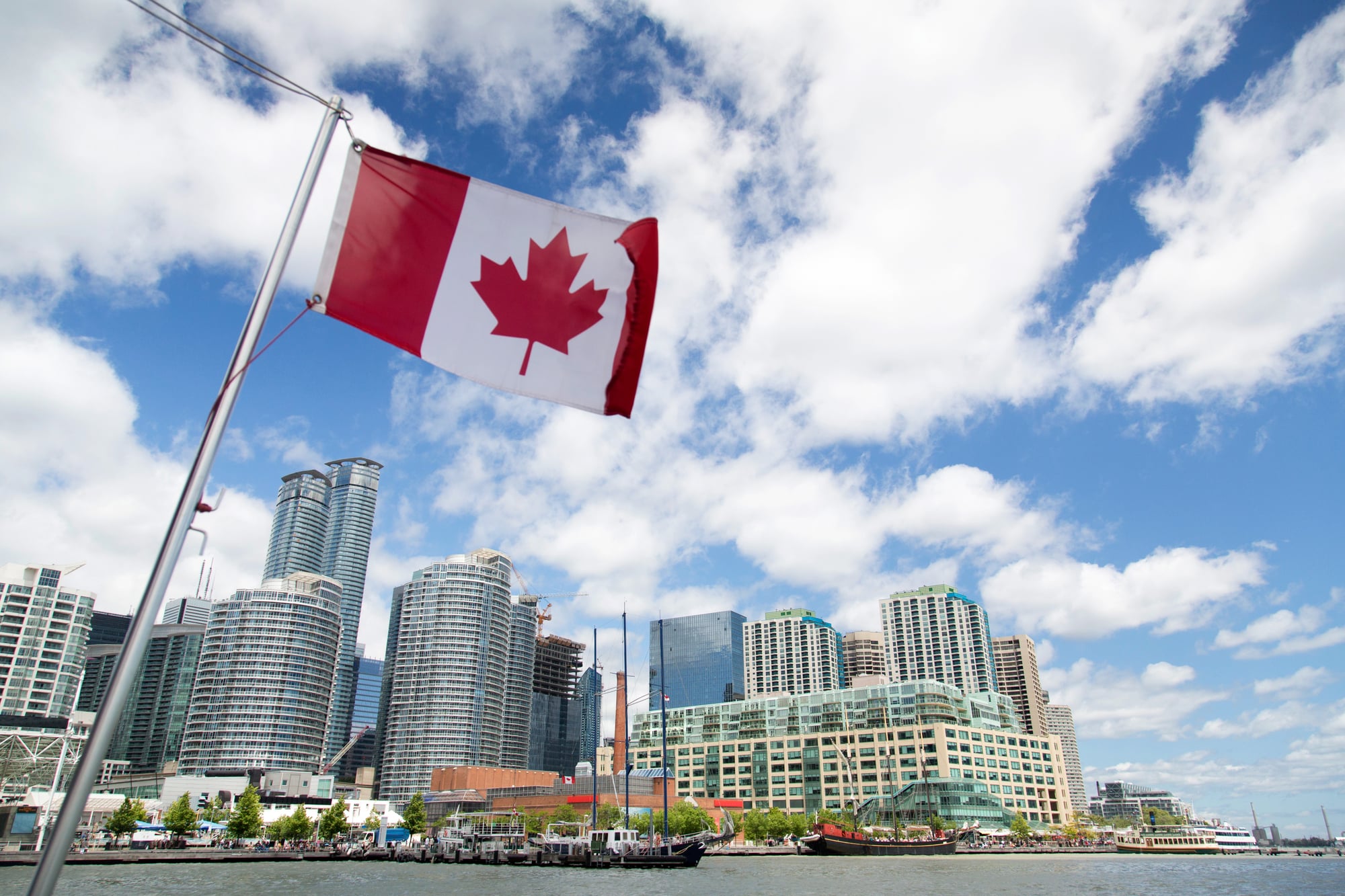
Multiculturalism as practiced policy rather than abstract ideal creates conditions where different groups have genuine stakes in maintaining social stability. Canada’s immigration system selects for people who want to integrate successfully, which makes integration more likely to succeed.
Universal healthcare removes one major source of financial desperation while educational opportunities remain broadly accessible, creating conditions where legitimate paths to success outnumber illegitimate ones by wide margins.
Japan
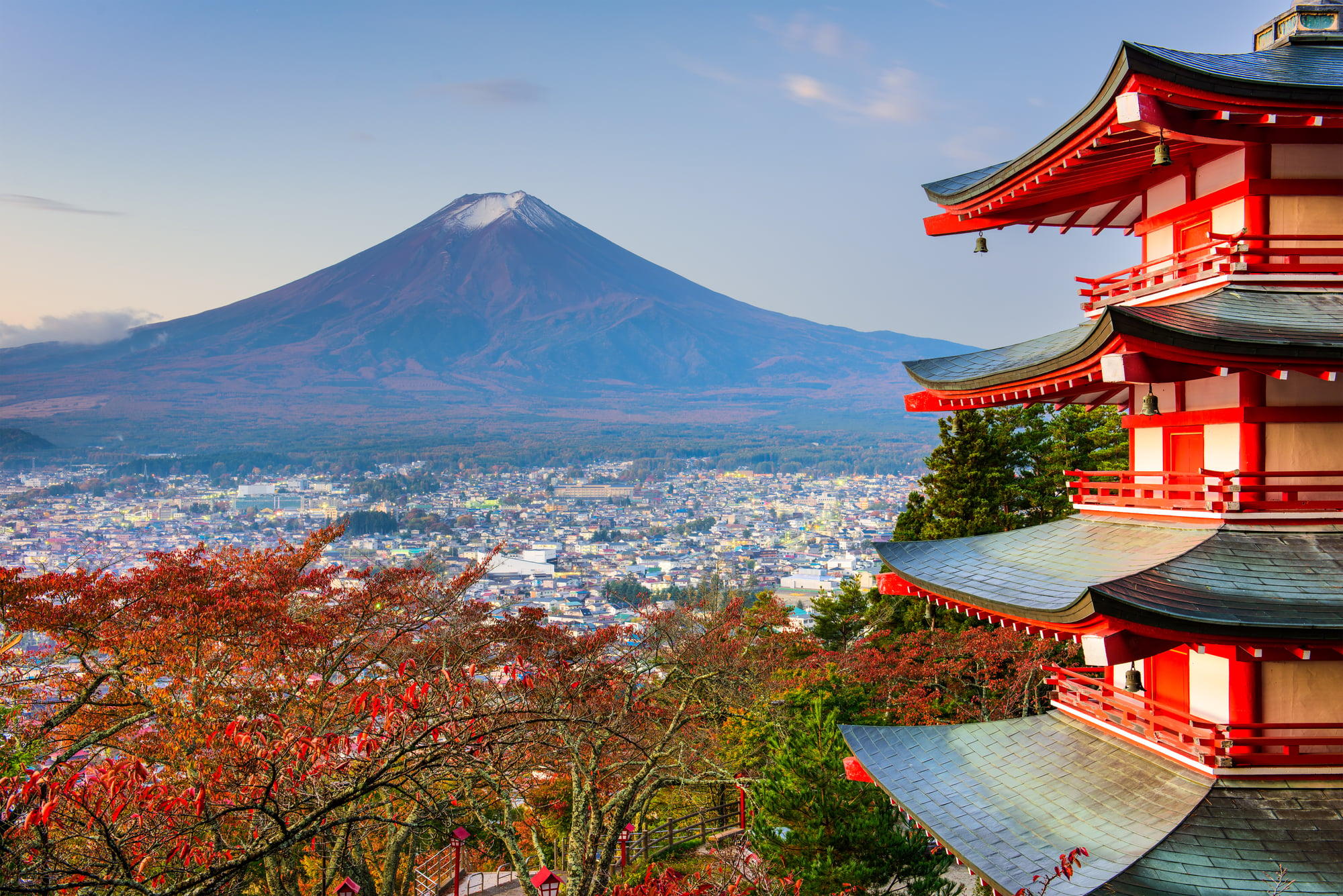
Social harmony through cultural consensus creates safety that operates below the level of conscious enforcement. Japanese society maintains order through shared understanding rather than external control, though this approach requires cultural homogeneity that may not translate everywhere.
When social shame functions more effectively than legal punishment, most potential lawbreakers simply choose different paths. Crime rates reflect that deep-rooted preference for order.
Australia
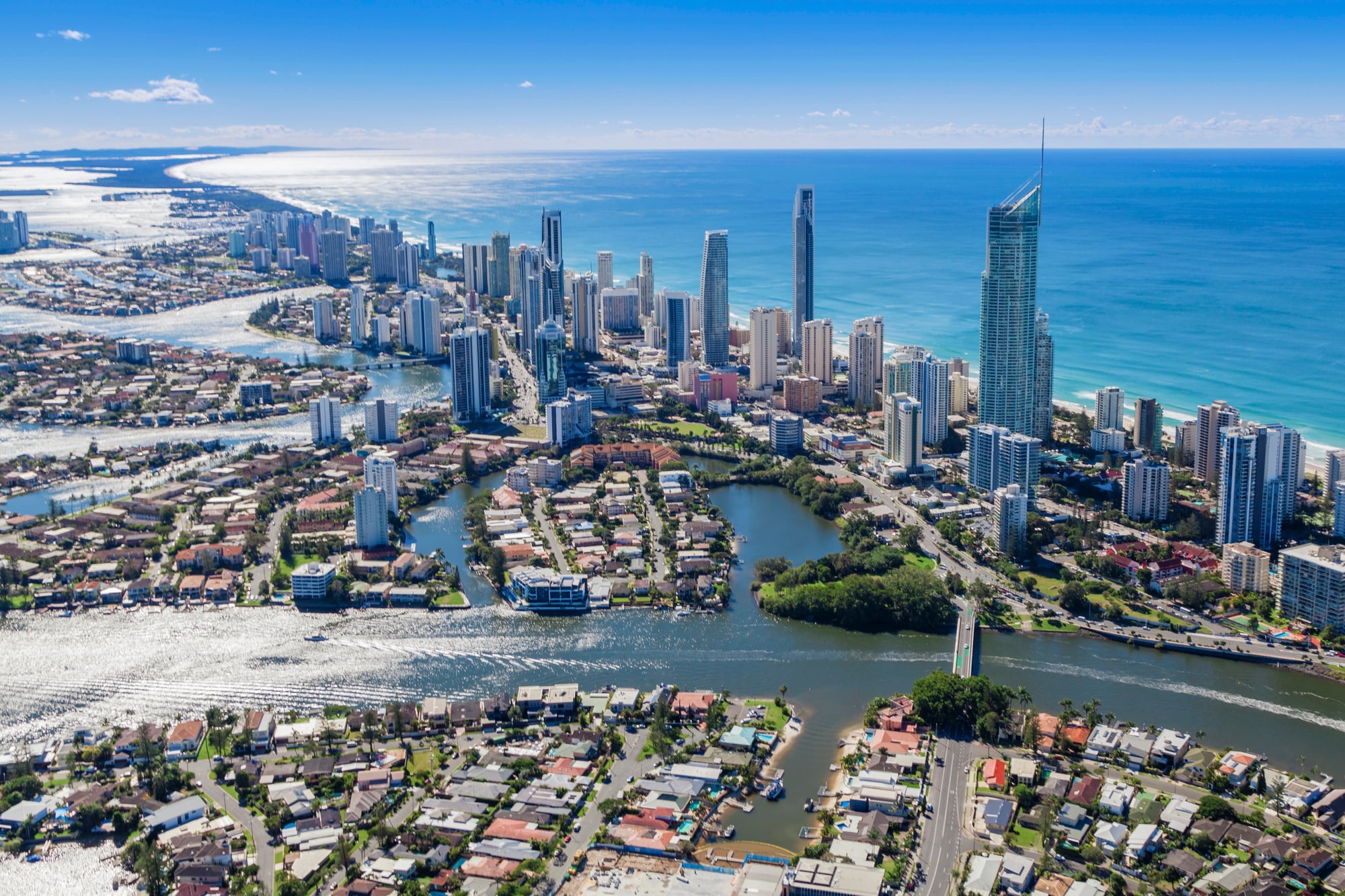
Continental isolation provides natural security while abundant resources and democratic institutions create internal stability. Australia manages immigration and cultural diversity in ways that enhance rather than threaten social cohesion.
Informal social networks supplement formal legal systems. When communities function well and economic opportunities remain accessible, most people have strong incentives to maintain rather than disrupt existing arrangements.
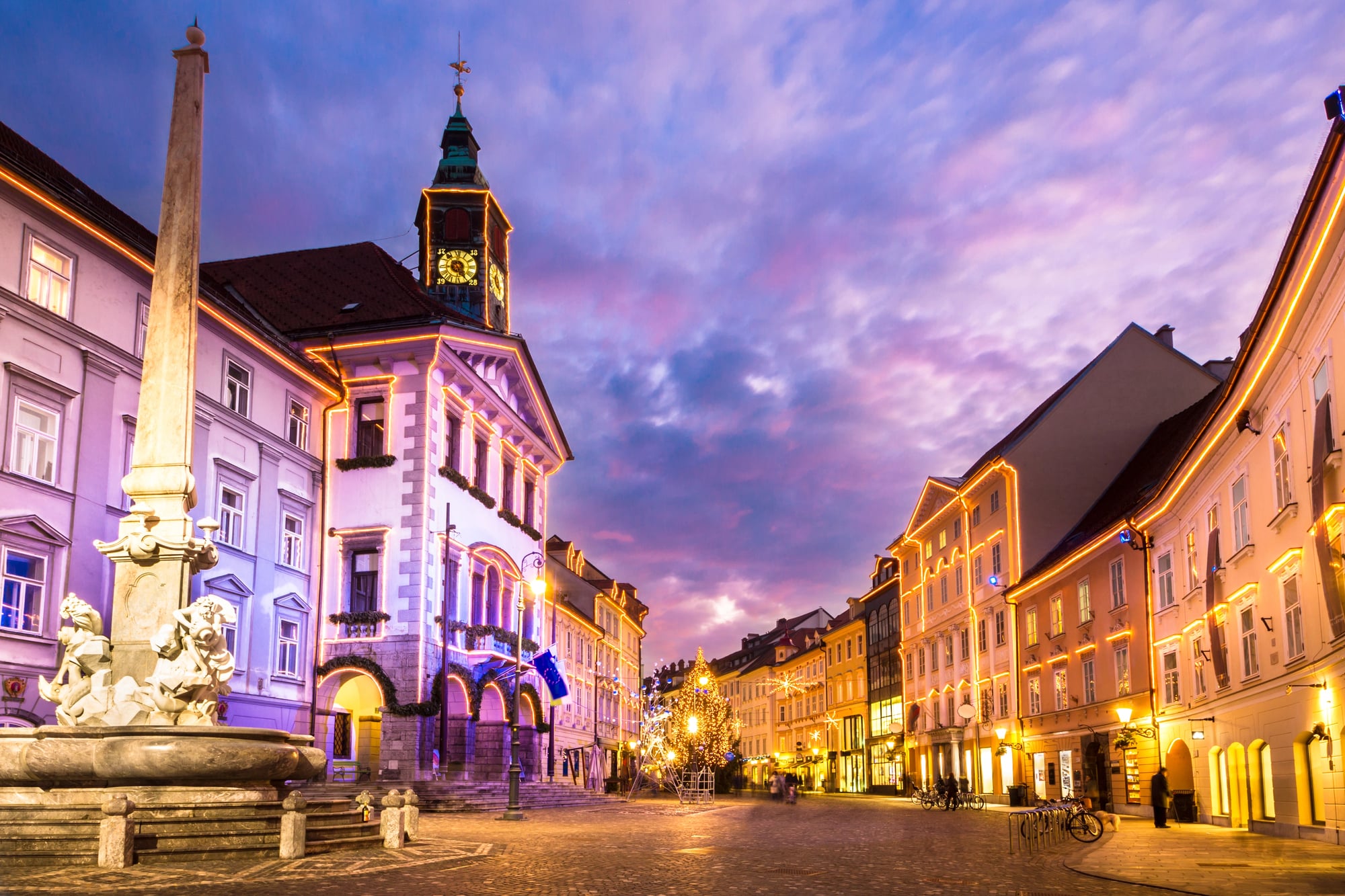
Slovenia
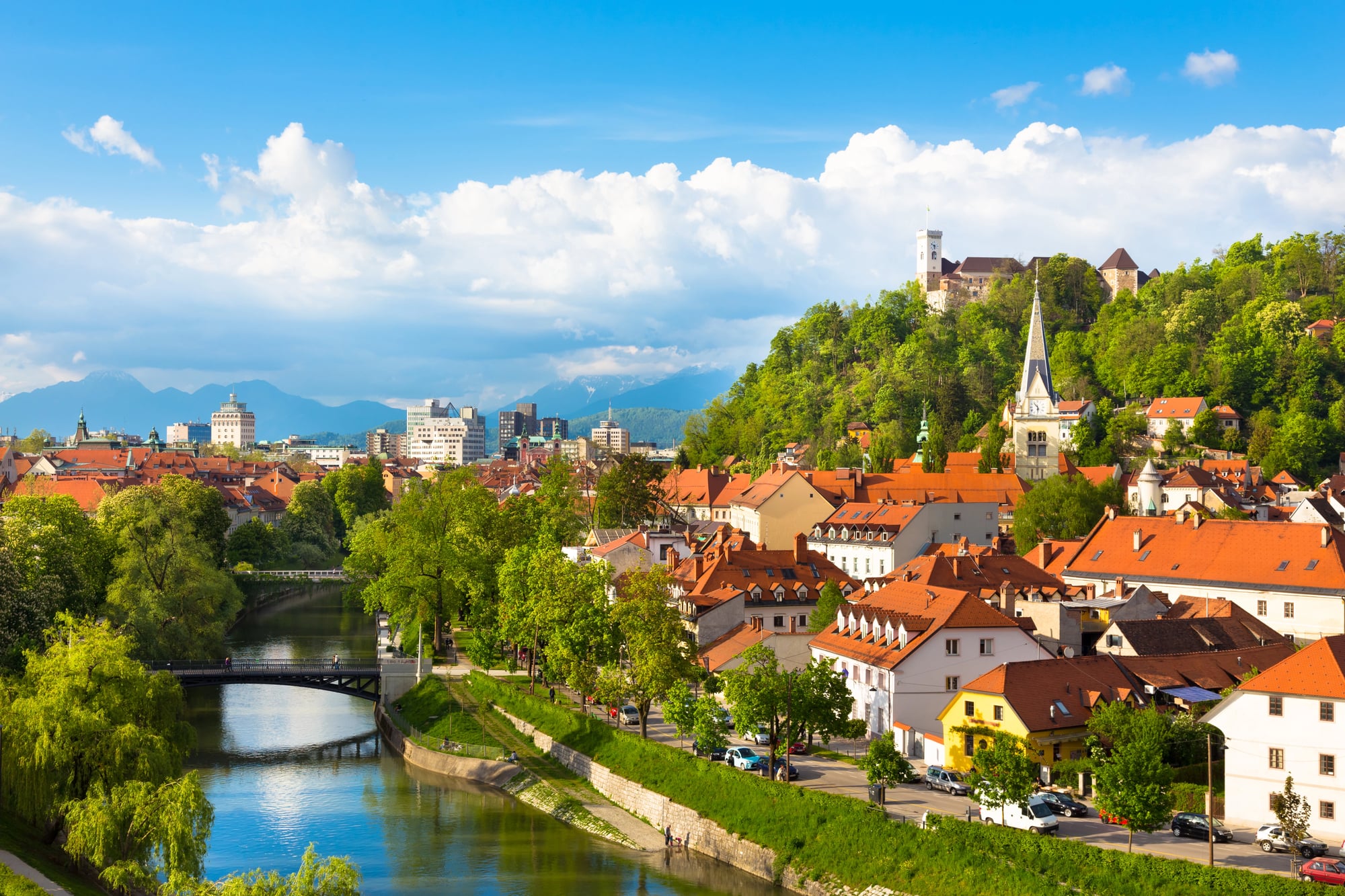
Post-socialist transition executed competently created conditions where both economic opportunity and social trust could flourish simultaneously. Slovenia avoided the chaos that affected other former communist states while building functional democratic institutions.
Successful development here came from keeping what worked and discarding what didn’t. When this process is handled thoughtfully, societies can emerge stronger and more stable than before.
Safe Harbors In An Uncertain World
These nations didn’t stumble into safety—they built it through combinations of geographic advantage, institutional competence, and cultural choice. The specific mechanisms vary dramatically, from Swiss consensus-building to Singaporean enforcement to Danish social trust.
But the outcome is consistent: when systems align properly, safety stops being something people have to think about—and becomes something they can simply live inside.
More from Go2Tutors!

- The Romanov Crown Jewels and Their Tragic Fate
- 13 Historical Mysteries That Science Still Can’t Solve
- Famous Hoaxes That Fooled the World for Years
- 15 Child Stars with Tragic Adult Lives
- 16 Famous Jewelry Pieces in History
Like Go2Tutors’s content? Follow us on MSN.



