16 Roads or Highways Rerouted Because of “Mythical Creatures”
Practical engineering and urban planning usually dictate how roads are built, yet sometimes the invisible threads of folklore tug these concrete paths in unexpected directions. Around the world, numerous highways have been diverted, delayed, or completely redesigned thanks to beliefs in beings that many might dismiss as pure fantasy.
These aren’t just quirky historical footnotes, though – they’re living proof of how cultural traditions continue to shape our physical world in surprising ways. Ready for a journey down some of the world’s strangest detours?
Here is a list of 16 roads and highways rerouted because of mythical creatures, showing the fascinating dance between ancient beliefs and modern development.
Elvish Church in Iceland
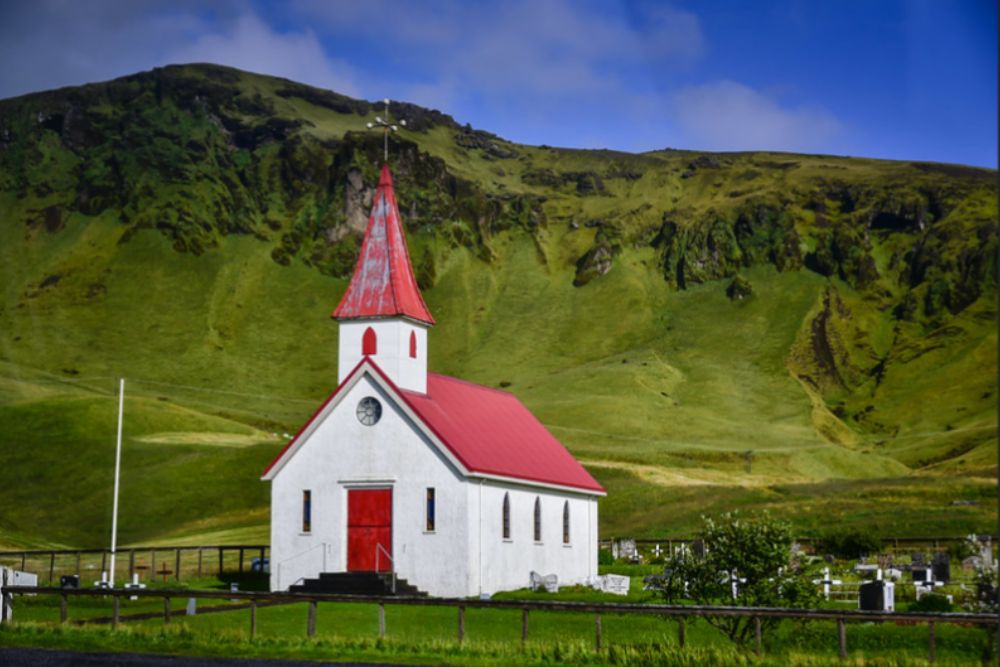
Iceland’s stunning landscapes hide more than just volcanic wonders – they’re also home to “hidden people” who’ve managed to reroute modern infrastructure. Back in 2013, a highway project connecting the Alftanes peninsula to Gardabaer suburb hit a supernatural snag.
Environmental activists teamed up with elf advocates to halt construction, concerned about disturbing the elf habitat that supposedly contained an “elf church” within the rocks. The controversy wasn’t just local gossip – it escalated all the way to Iceland’s Supreme Court, with self-described elf communicators speaking on behalf of the invisible residents.
Kopavogur’s Looping Road
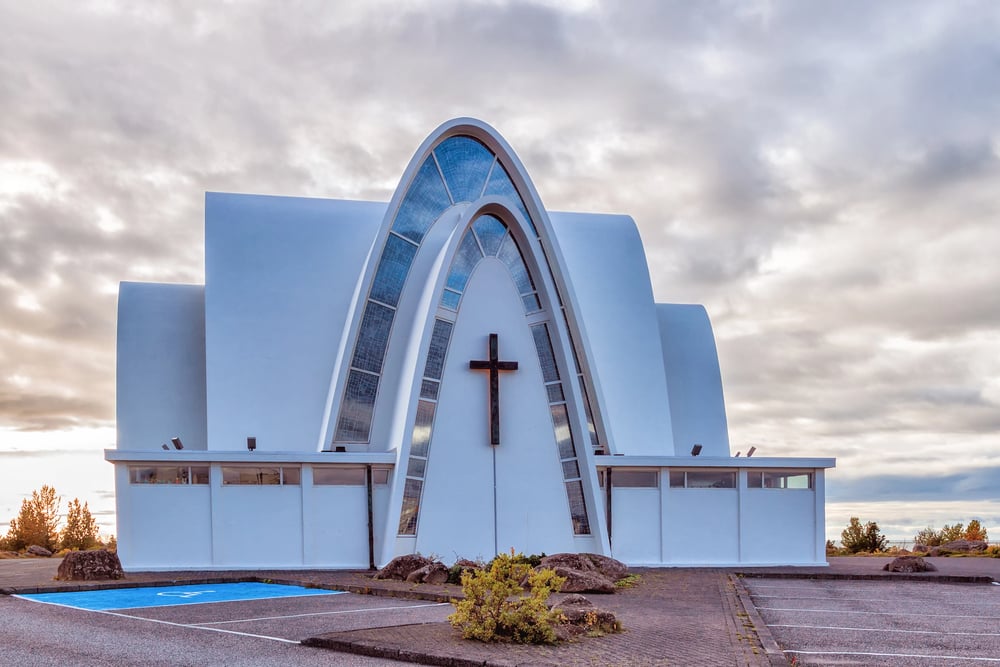
Drive through Kopavogur, just south of Reykjavik, and you’ll notice something odd – a perfectly normal street that suddenly narrows and loops around a small, rocky hill for no apparent reason. The explanation?
Elves, of course. This strange detour dates back to the seventies when construction crews faced mysterious equipment breakdowns and accidents.
After locals blamed elves and the problems persisted despite workers’ determination, engineers finally surrendered and built around the hill. Today, it’s just one of many physical compromises between human infrastructure and Iceland’s supernatural residents.
Like Go2Tutors’s content? Follow us on MSN
Route 666: The Devil’s Highway
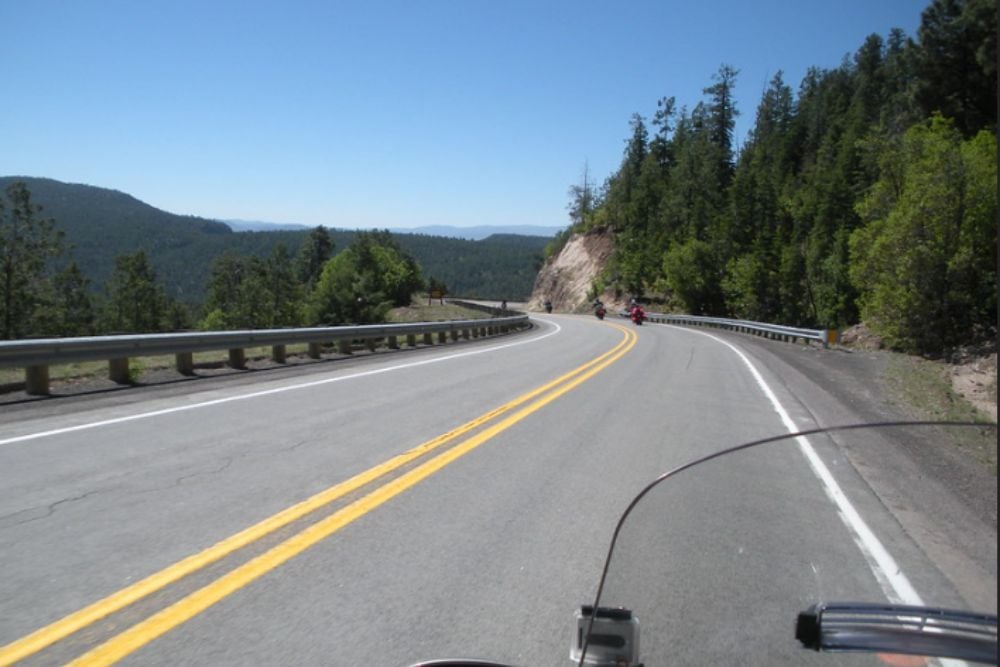
Some roads earn their eerie reputation through strange coincidences – others get it straight from their name. The notorious 200-mile Route 666, winding through New Mexico, Utah, and Colorado, suffered numerous accidents that locals connected to its ominous biblical “number of the beast” designation.
Stories spread about a phantom truck materializing at night to force vehicles off the road. The highway’s sinister fame grew so problematic that in 2003, during renovations, New Mexico renamed its section Highway 491 – other states quickly followed suit, erasing the demonic designation from maps altogether.
The B1249 Werewolf Diversion
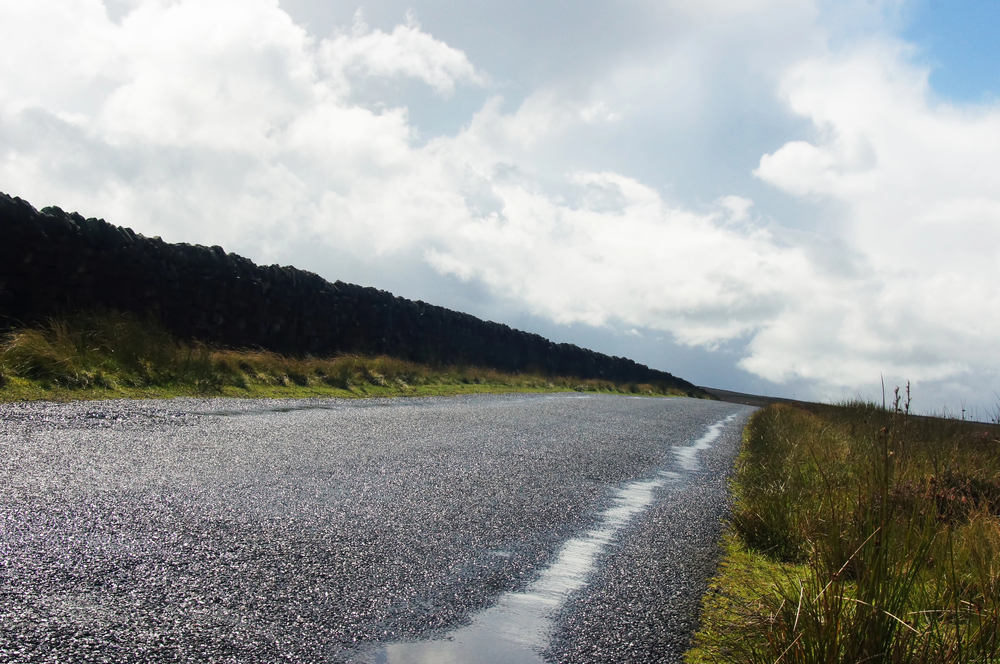
Yorkshire’s winding B1249 between Driffield and Staxton Hill holds a hairy secret – it was partially rerouted due to something with very sharp teeth. During the sixties, a terrified truck driver reported a hairy creature with glowing red eyes attempting to smash through his windscreen.
Decades later in 2016, another driver claimed to spot “a dog bigger than her car, but with a human face” on the same stretch. These werewolf encounters influenced modifications to the road’s path – sometimes safety concerns include avoiding supernatural predators.
The Bigfoot Scenic Byway
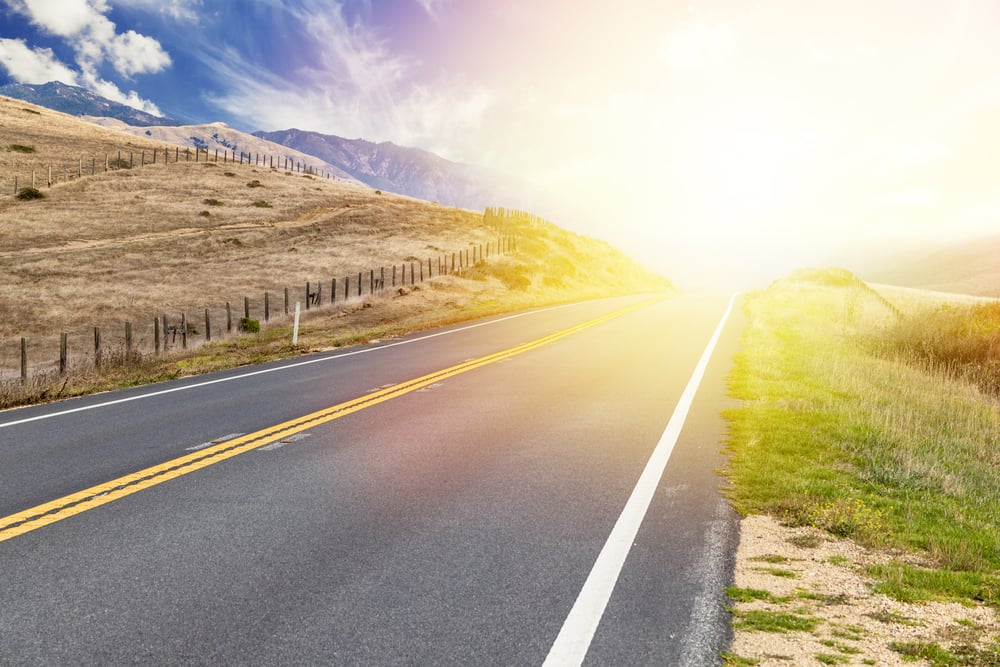
While California’s State Route 96 wasn’t exactly rerouted for Sasquatch, its official designation acknowledges the big guy’s local celebrity status. The segment between Willow Creek and Happy Camp proudly carries the title “Bigfoot Scenic Byway” – a National Forest Scenic Byway running through “the region boasting the most sightings of Bigfoot in the United States.”
Though the road didn’t physically move to accommodate the legendary creature, its branding and tourism focus deliberately celebrate the area’s most famous – albeit camera-shy – resident.
Like Go2Tutors’s content? Follow us on MSN
Balete Drive’s Careful Planning
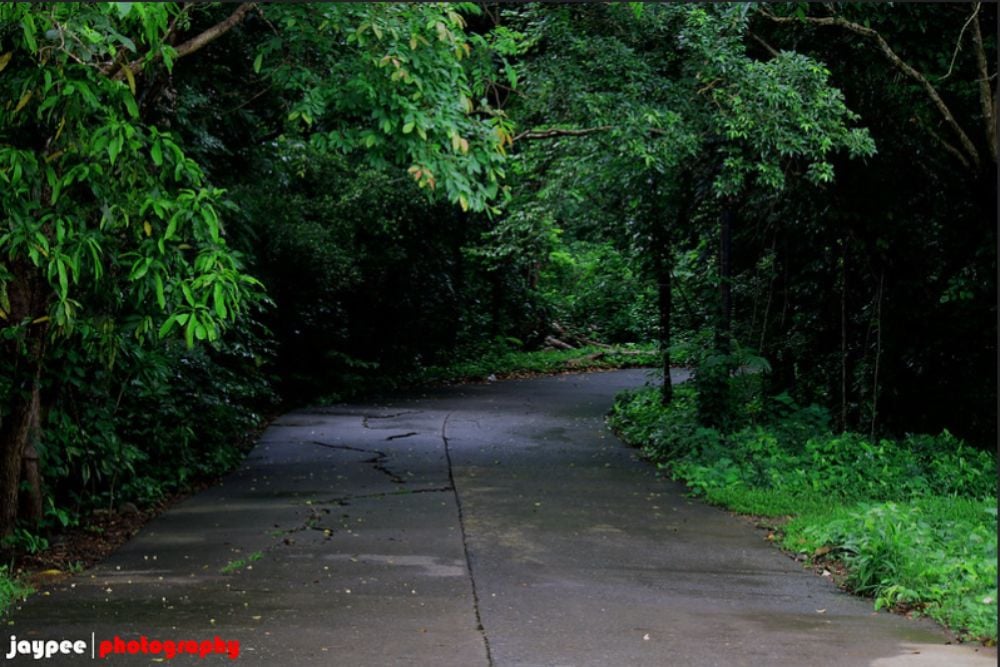
Quezon City’s Balete Drive isn’t just known for late-night ghost sightings – its very design respects supernatural tenants. The road takes its name from the Balete trees lining the street, which Philippine mythology considers homes for spirits and various mythical beings.
Urban planners deliberately preserved these trees during development and maintain the road’s distinctive character – essentially creating infrastructure that accommodates rather than displaces the spiritual residents believed to dwell there.
Malaysia’s Karak Highway
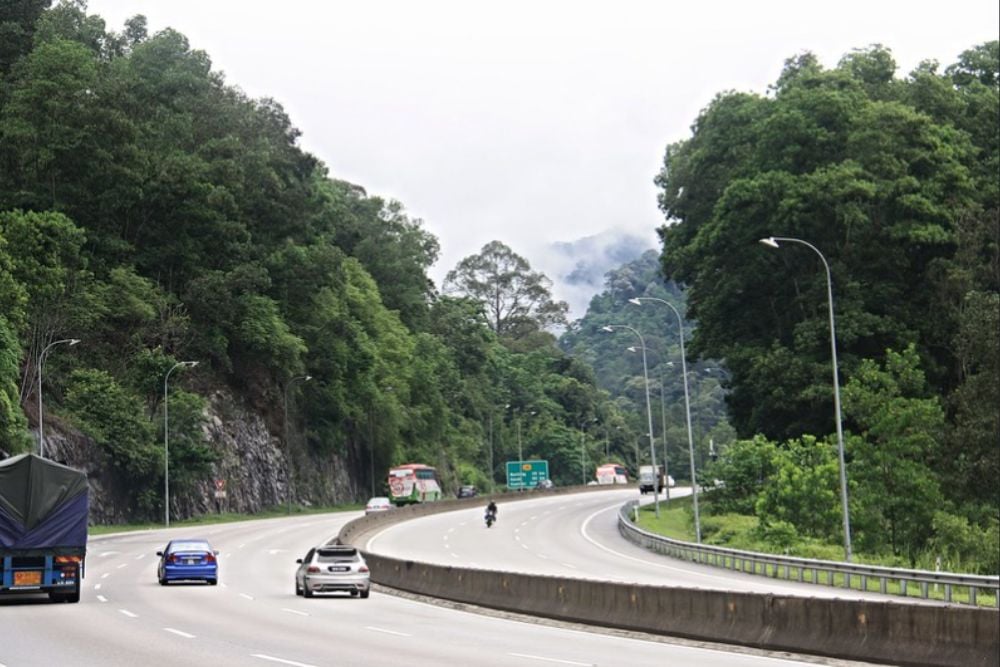
It’s not just accidents that make Malaysia’s Karak Highway dangerous – the road has earned its reputation as one of the most haunted routes in Southeast Asia. Local legends tell of a terrifying creature that stalks the highway, stemming from a story about a stranded couple.
After the husband left for help, his wife reportedly witnessed a massive monster on their car, clutching her husband’s head between its claws. Various safety modifications and design changes – while officially attributed to reducing accidents – are locally understood as attempts to avoid disturbing whatever lurks along this infamous stretch.
China’s Dragon Line Modifications
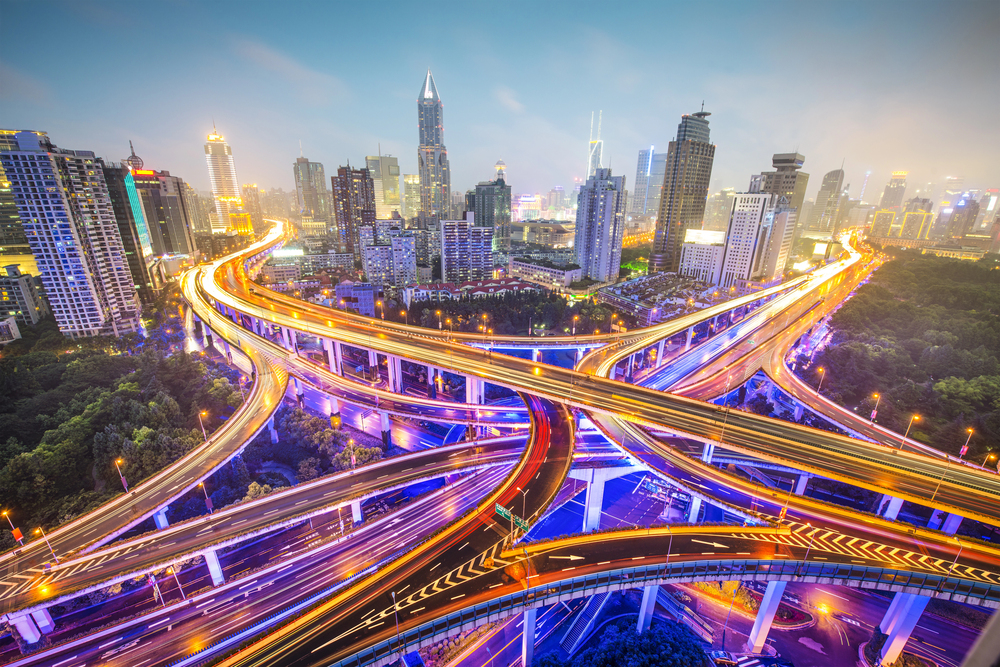
Chinese highway engineers don’t just consider topography and traffic flow – many also consult feng shui masters about invisible dragon lines. These “lung mei” are believed to be pathways of qi (vital energy) flowing across the landscape, originating from locations known as “dragon hearts” where the energy concentrates most powerfully.
Countless highways throughout China have been designed or modified to harmonize with these energy currents. Construction projects often include consultations with feng shui experts to ensure roads don’t disrupt these culturally significant flows.
Like Go2Tutors’s content? Follow us on MSN
Trollstigen Road in Norway
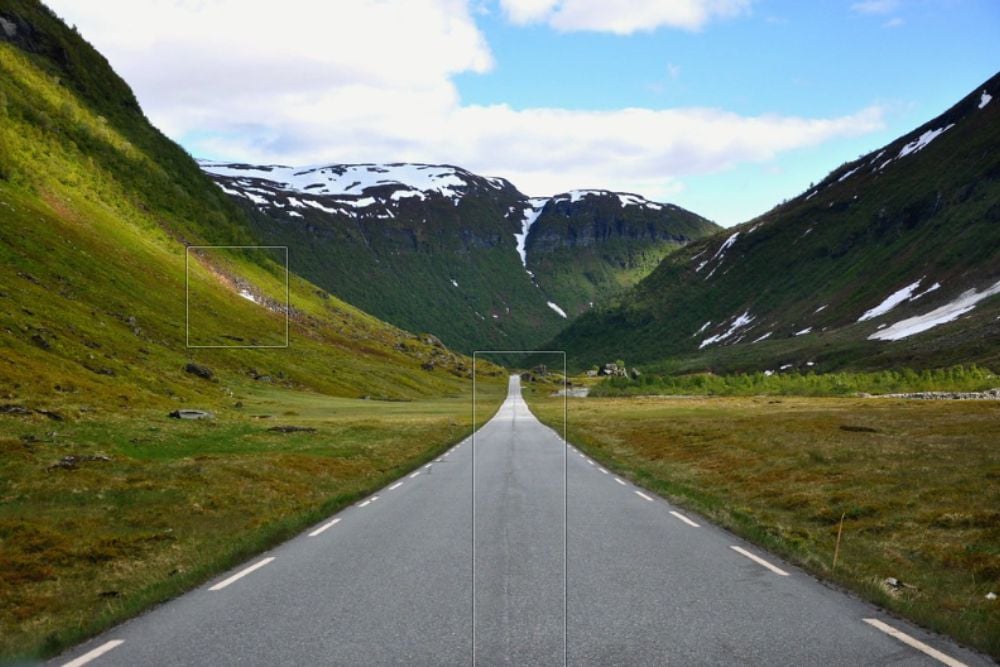
Norway’s breathtaking Trollstigen road doesn’t hide its mythological connections – it celebrates them. With eleven nerve-wracking hairpin turns climbing a steep mountainside, this famous route acknowledges its supernatural neighbors outright.
The road features actual warning signs for trolls, playfully cautioning travelers not to wake these creatures from their slumber. During construction and subsequent improvements, engineers deliberately worked around areas traditionally associated with troll territories, blending modern road safety with folklore.
H-1 Highway Delays in Hawaii
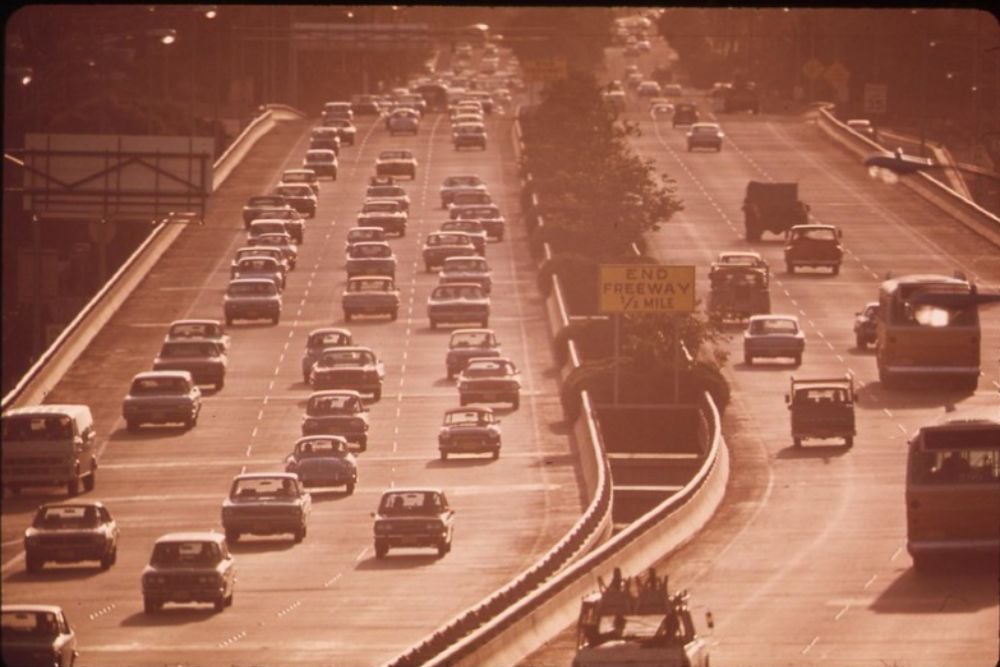
Hawaii’s H-1 Highway project faced serious supernatural setbacks before completion. Construction crews unearthed ancient Hawaiian remains after workers reported seeing ghostly warriors on site.
These discoveries, combined with spiritual concerns, stretched the project to seven years because finding replacement workers became nearly impossible. The final route required significant adjustments to respect burial grounds and address cultural concerns, demonstrating how spiritual beliefs can literally reshape modern infrastructure.
Thailand’s Chaom-Nong Chang Road
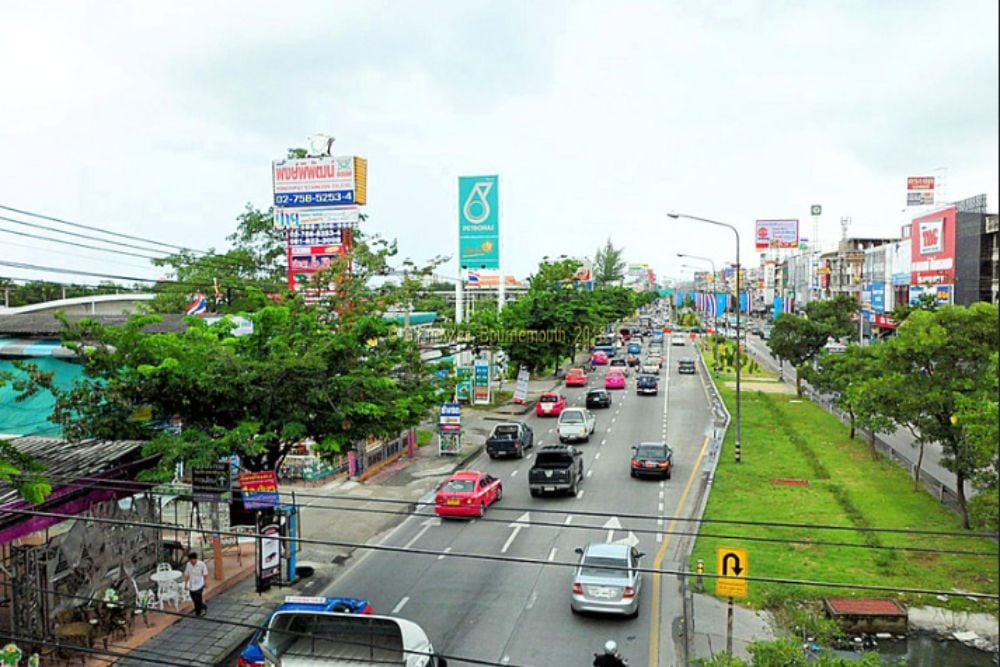
Rural Thailand has its share of haunted highways, but the Tha Chaom-Nong Chang Road stands out for its especially active spirits. Local drivers regularly report encounters with headless ghosts and a particularly mischievous female apparition known for sticking her tongue out at passing motorists.
After persistent sightings, authorities modified sections of the route to bypass areas with the highest supernatural activity, showing how even modern road planning sometimes yields to deeply held spiritual beliefs.
Like Go2Tutors’s content? Follow us on MSN
Ranchi-Jamshedpur Highway in India
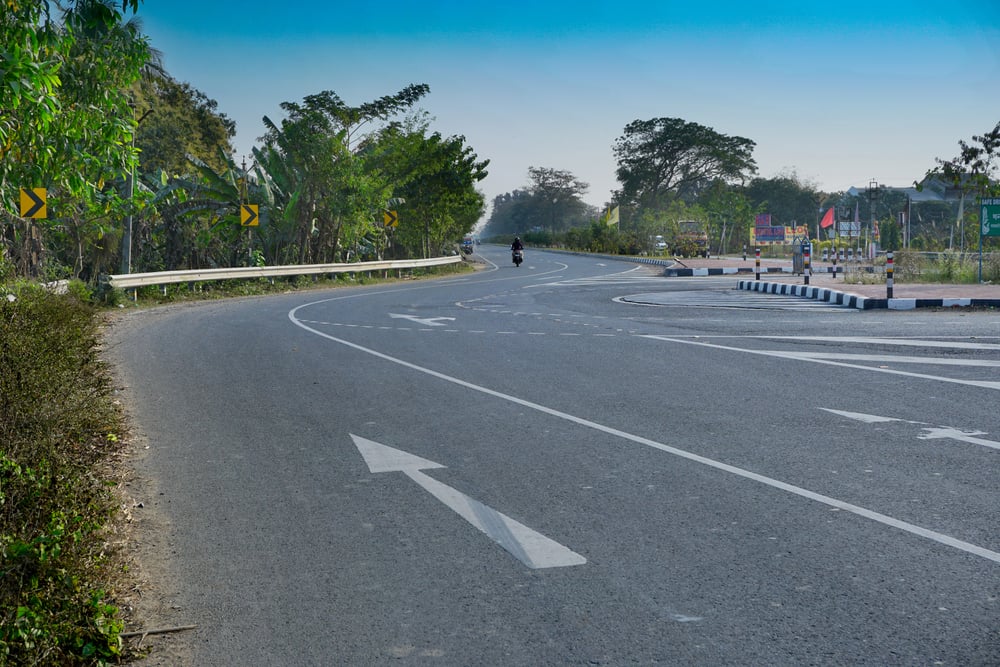
India’s National Highway 33 connects important cities but also links the physical and spiritual worlds. This busy route features temples at both ends, and travelers are strongly advised to stop and pray at each location for protection.
Between 2010-2013, the highway recorded 245 fatalities, fueling rumors of a curse and reports of a spectral woman in white patrolling its length. The road has undergone various design modifications that, while officially safety improvements, happen to align with traditional practices meant to appease supernatural guardians.
Japan’s Jinmenken Bypasses
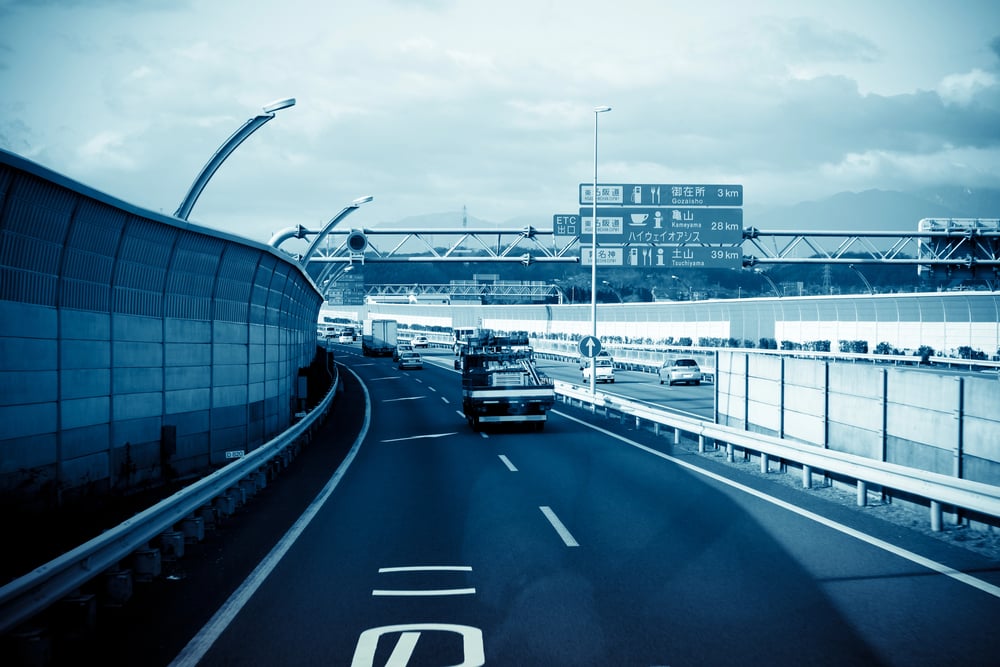
Japanese highway engineers occasionally incorporate design elements to address a particularly unsettling urban legend. Jinmenken, or “human-faced dogs,” reportedly race along highways at incredible speeds, overtaking vehicles only to turn back with disturbing human faces.
Several roadway sections in urban Japan have been modified with specialized lighting and barriers at locations with frequent sightings – officially for safety reasons, though locals understand the true purpose.
Scotland’s A75 Kinmount Straight
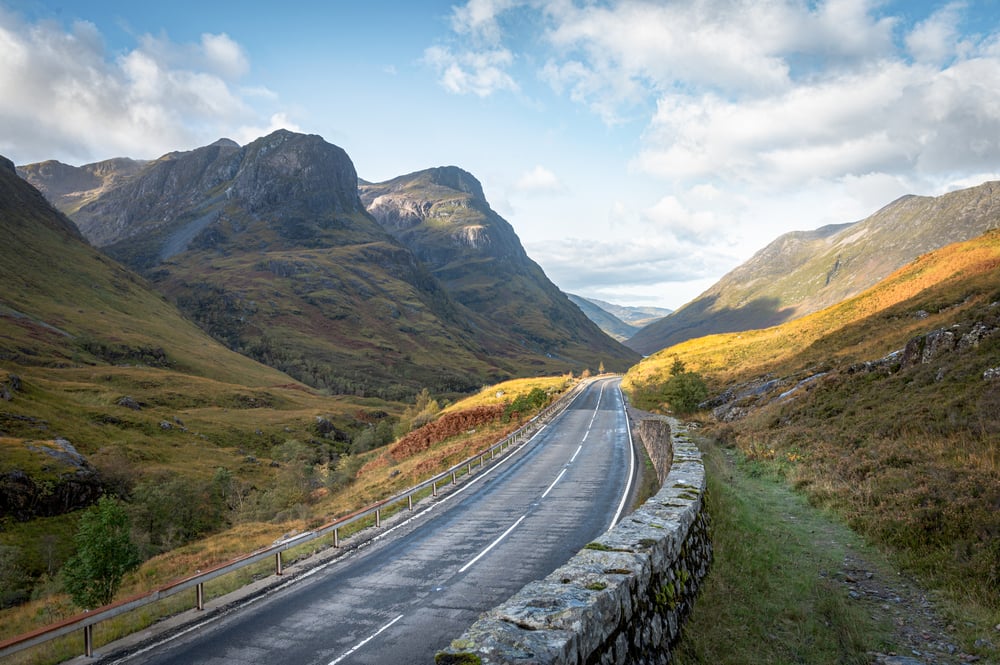
Scotland’s A75 Kinmount Straight has earned its reputation as the country’s most haunted road through decades of bizarre encounters. In one famous incident, brothers Derek and Norman Ferguson were driving when they witnessed a hen flying toward their windscreen, followed by cats, dogs, and other animals that vanished upon impact.
The road has undergone several safety renovations that, coincidentally or not, align with attempts to address its supernatural phenomena.
Like Go2Tutors’s content? Follow us on MSN
Switzerland’s Belchen Tunnel
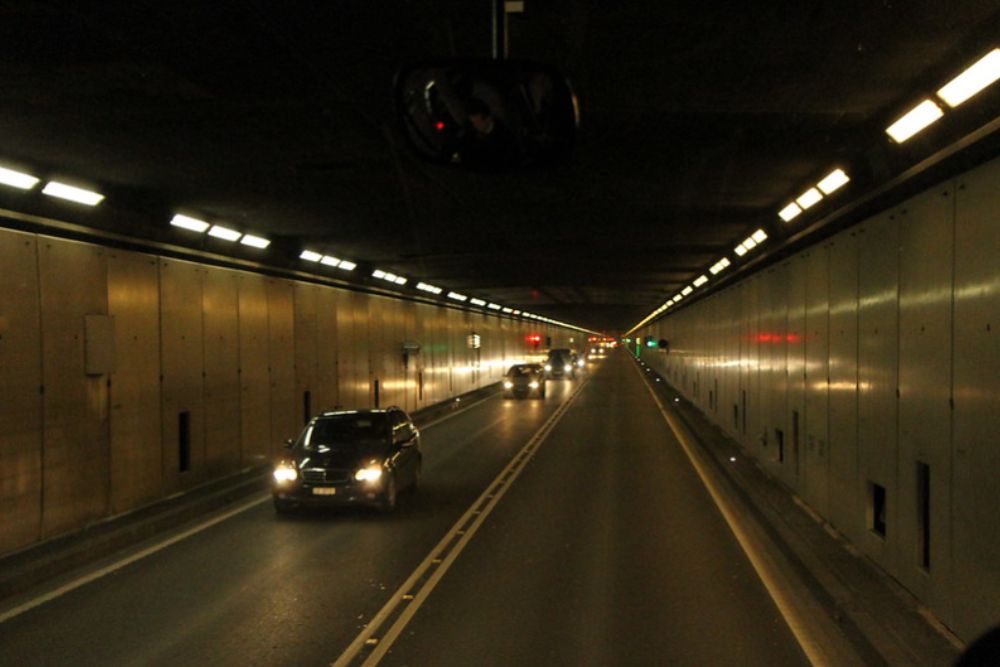
Switzerland’s precisely engineered Belchen Tunnel includes design modifications influenced by a persistent ghostly hitchhiker. Motorists frequently report encountering an old woman dressed entirely in white who mysteriously appears within the tunnel.
While engineers describe the tunnel’s specific lighting patterns and emergency features as standard safety measures, locals recognize these elements as partial concessions to the tunnel’s infamous spectral resident.
Clinton Road’s Boy Bridge Bypass
New Jersey’s Clinton Road features a bridge design influenced by one of America’s most enduring ghost stories. Legend claims that throwing a penny into the reservoir water prompts the ghost of a drowned boy to return it within minutes – in some versions, he even pushes people looking over the edge into the water to “save” them.
Road planners incorporated specific drainage features and safety elements that acknowledge this legend while maintaining modern infrastructure standards.
Modern Mythology Meets Infrastructure
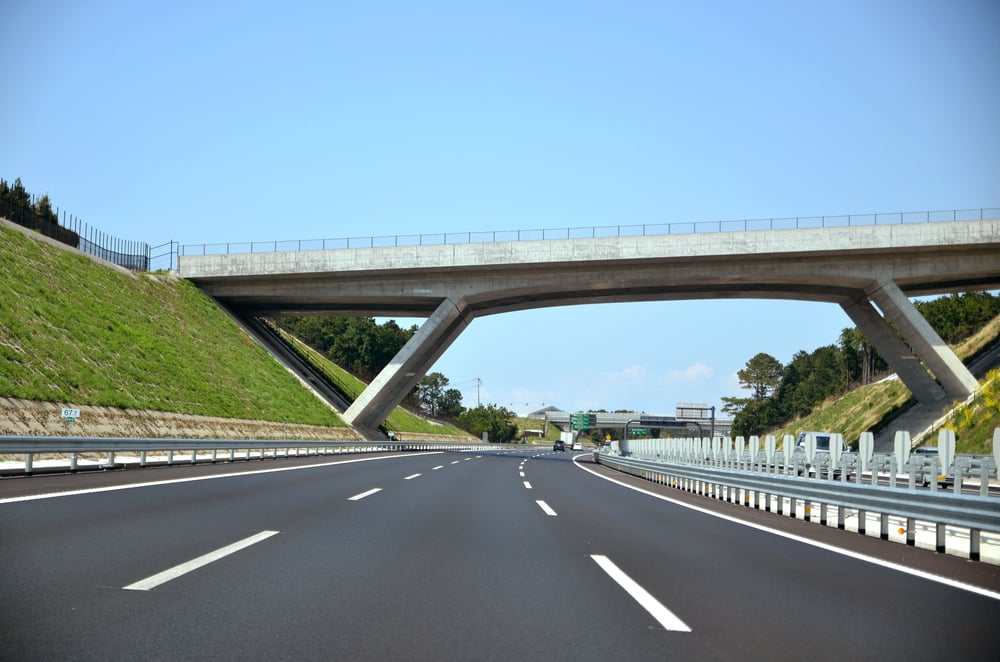
These fascinating intersections between myth and asphalt aren’t just quirky anomalies – they represent ongoing negotiations between technological progress and cultural tradition. While engineers might attribute design changes to practical concerns like safety or environmental protection, the influence of local beliefs on infrastructure planning remains surprisingly powerful across diverse societies.
Like Go2Tutors’s content? Follow us on MSN
More from Go2Tutors!

- 18 Unexpectedly Valuable Collectibles You Might Have Lying Around
- 15 Things Every Teenager in the ’70s Did That Teens Today Wouldn’t Understand
- 15 Strange Things People Have Tried to Ban (And Failed)
- 15 Inventions That Were Immediately Banned After Being Created
- 20 Actors Who Were Almost Cast in Iconic Roles
Like Go2Tutors’s content? Follow us on MSN