Sitcom Catchphrases We Still Quote Today
Funny shows on TV never just fill the silence. When they work right, they slide into regular moments – how someone teases a friend, grumbles about Monday, laughs at bad luck, or shares disappointment.
One sharp line said at the perfect moment might stick far beyond its scene, its year, maybe past the whole series, becoming a quick phrase that says exactly what’s felt. Familiar faces made these lines stick, not just clever words.
Built on scenes that rang true, delivered by people we recognized from life. The humor stood solid, needing no spotlight or cue cards to land right.
Played again and again – on TVs old and new – they slipped into everyday talk like shared reflexes. Funny lines from old TV comedies keep popping up, even now.
These words stick around because people remember them so well. A laugh heard long ago finds its way into talk between friends.
Moments from screens turn into shared jokes among strangers. Phrases once shouted on set echo in daily chat.
Some syllables just refuse to fade. They live on, passed along without thought.
‘How You Doin’’

When Joey Tribbiani delivered this line on Friends, it was less a pickup line and more a character signature. The phrase worked because it perfectly matched Joey’s confidence and lack of subtlety, landing somewhere between charming and absurd.
Audiences immediately understood what it meant without needing context. Decades later, the phrase still pops up as playful banter, often used ironically or with exaggerated confidence.
Its staying power comes from clarity. It communicates intent instantly, with a wink baked in.
Even people who never watched the show recognise the rhythm and implication behind it.
‘No Soup For You’
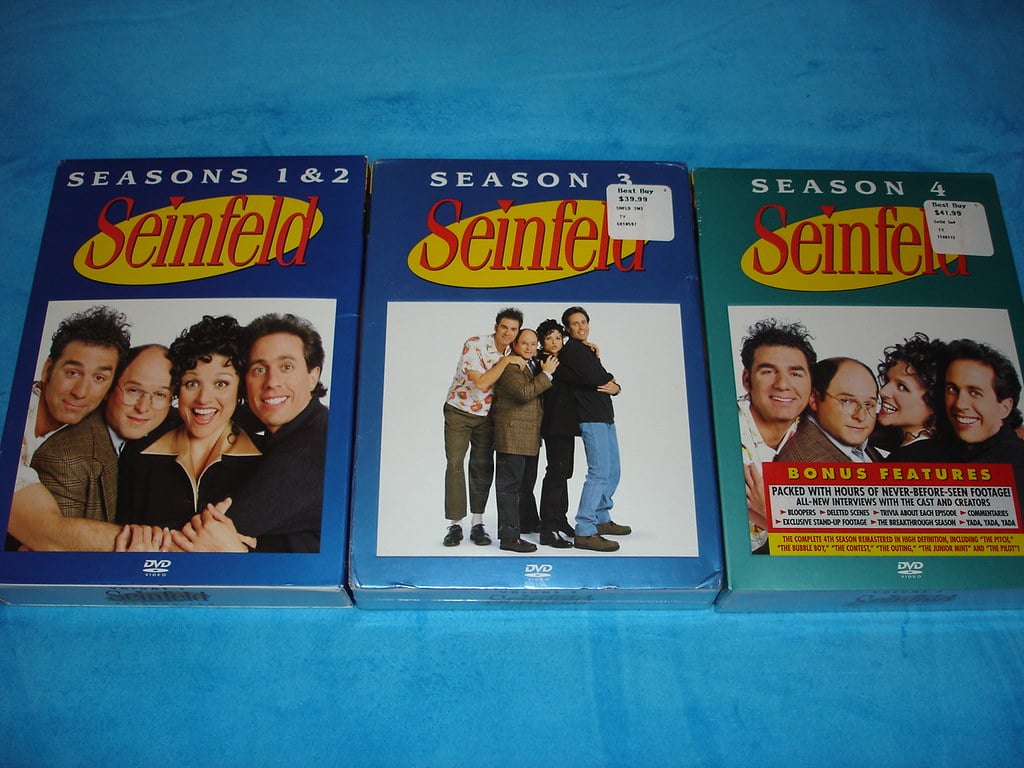
This phrase from Seinfeld became iconic precisely because of its specificity. Delivered by the infamous Soup character, it turned a mundane situation into an authoritarian decree.
The humour came from the contrast between the trivial offence and the dramatic punishment. Today, the phrase functions as mock enforcement.
It shows up whenever someone jokingly denies a privilege or draws a playful boundary. Its continued use reflects how sitcoms often exaggerate everyday power dynamics, giving people language to laugh about control and consequence.
‘I’m Not Superstitious, But I Am A Little Stitious’
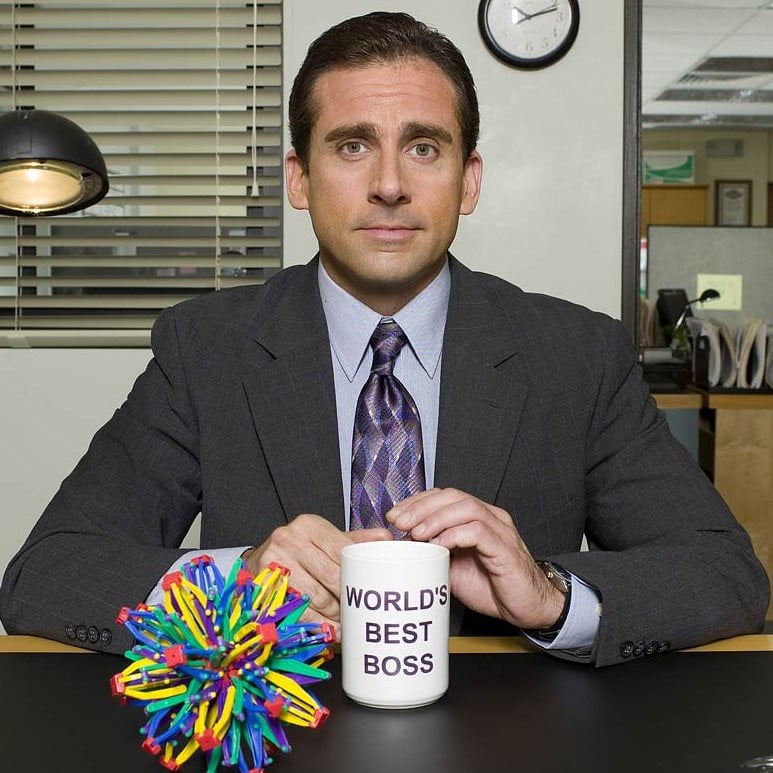
This line from The Office captured Michael Scott’s peculiar logic in a single sentence. It worked because it felt like something someone might genuinely say while trying to sound thoughtful.
The humour lay in its confident misunderstanding. The phrase now surfaces in moments of half-belief, when people want to acknowledge irrational habits without fully committing to them.
It remains useful because it names a common contradiction with warmth rather than judgment. Making it easy to quote without explanation.
‘Legendary’
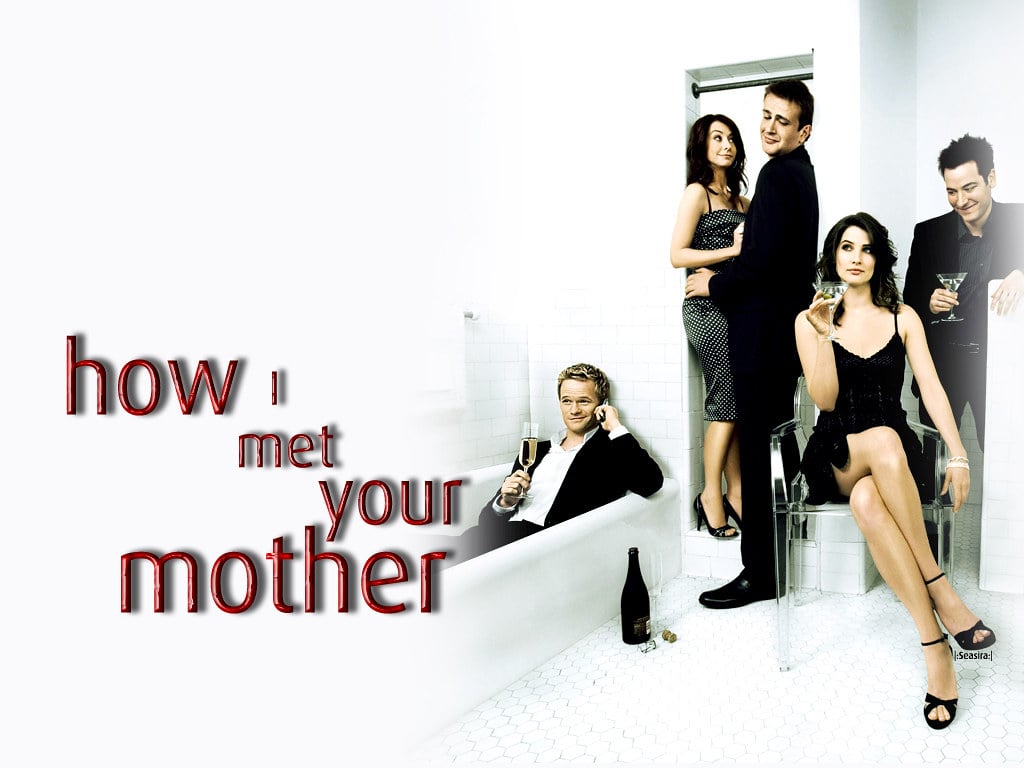
Barney Stinson’s favourite adjective on How I Met Your Mother was rarely subtle. The word became funny through overuse, applied to moments that were impressive, trivial, or somewhere in between.
Its exaggeration was the point. In everyday language, ‘legendary’ still carries that playful overstatement.
People use it to elevate ordinary achievements or celebrate minor wins. The phrase survives because it offers enthusiasm without sincerity, allowing praise to feel fun rather than earnest.
‘Did I Do That’
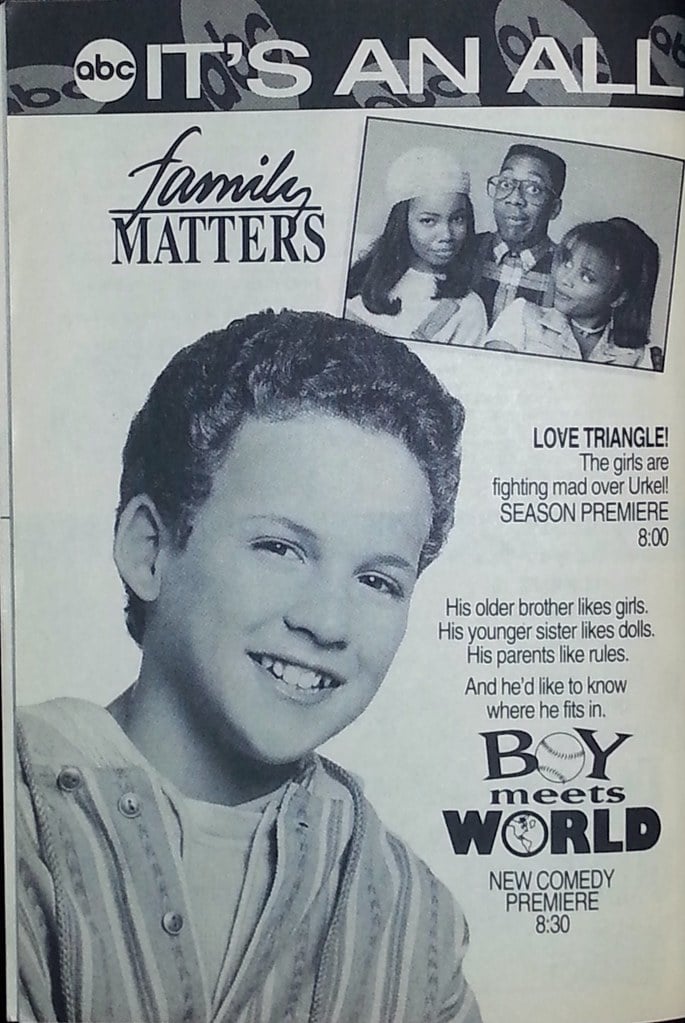
Steve Urkel’s signature line on Family Matters turned self-awareness into comedy. Each time he delivered it, the audience already knew the answer.
The humour came from his innocence and timing rather than surprise. The phrase continues to appear when someone causes chaos unintentionally.
It softens blame and reframes mistakes as endearing mishaps. Its longevity reflects how sitcoms often teach audiences to laugh at clumsiness instead of punishing it.
‘Bazinga’
Sheldon Cooper’s triumphant declaration on The Big Bang Theory was designed as a verbal mic drop. It marked the end of a joke, whether or not the joke actually landed.
That confidence made the word memorable. In real life, ‘bazinga’ is usually used with irony, often to underline how unnecessary the punchline was.
Its continued presence highlights how modern catchphrases thrive on self-awareness. Acknowledging the performance of humour as much as the humour itself.
‘That’s What She Said’
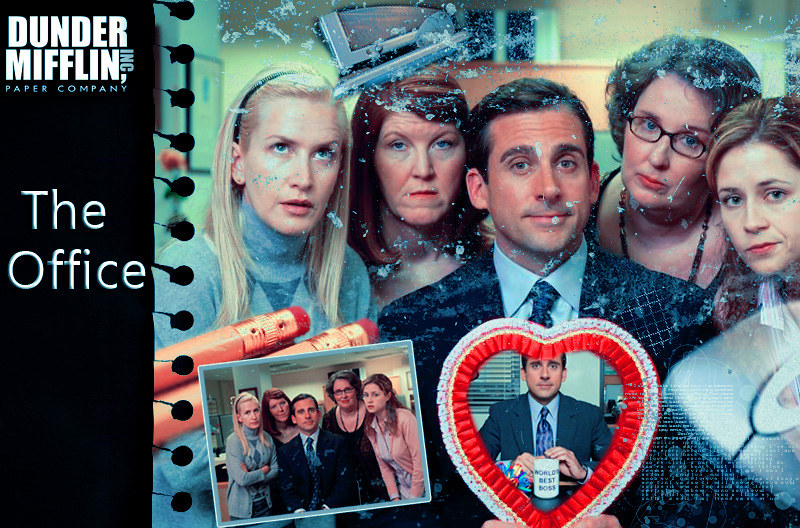
This phrase existed before The Office, but the show’s repeated use transformed it into a mainstream reflex. Its simplicity allowed it to fit into countless situations, often catching conversations off guard.
While its usage has become more selective over time, the phrase still appears because it demonstrates how sitcoms can popularise existing jokes by giving them structure and timing. It remains an example of how repetition turns familiarity into cultural shorthand.
‘You Got It, Dude’
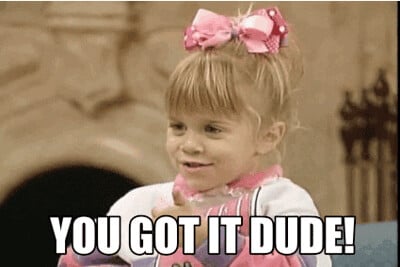
Michelle Tanner’s cheerful response on Full House worked because of sincerity rather than irony. Delivered by a child character, the phrase conveyed agreement with unfiltered optimism.
Today, it often appears playfully, sometimes exaggerated to echo its original tone. Its survival speaks to how sitcoms preserve emotional simplicity, offering phrases that feel reassuring even when used jokingly.
‘We Were On A Break’
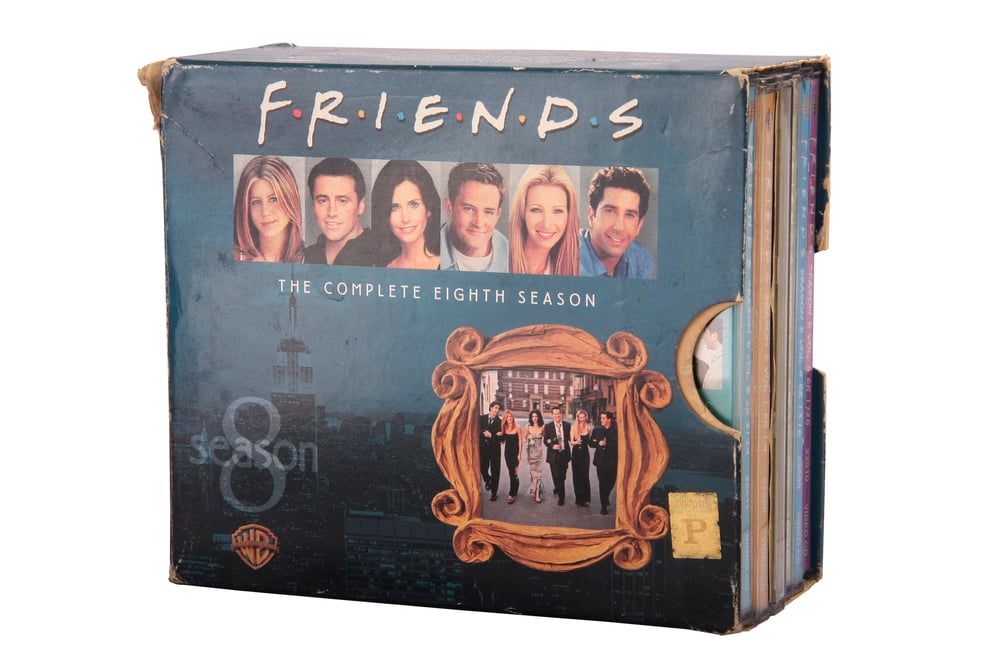
This line from Friends became iconic not because it was funny, but because it sparked endless debate. It condensed a complicated relationship argument into a single defensible statement.
People still use it to parody unresolved disagreements or justify questionable decisions. Its longevity comes from how accurately it captures human stubbornness.
The phrase works as a cultural shorthand for selective memory and self-justification.
‘I Know Nothing’
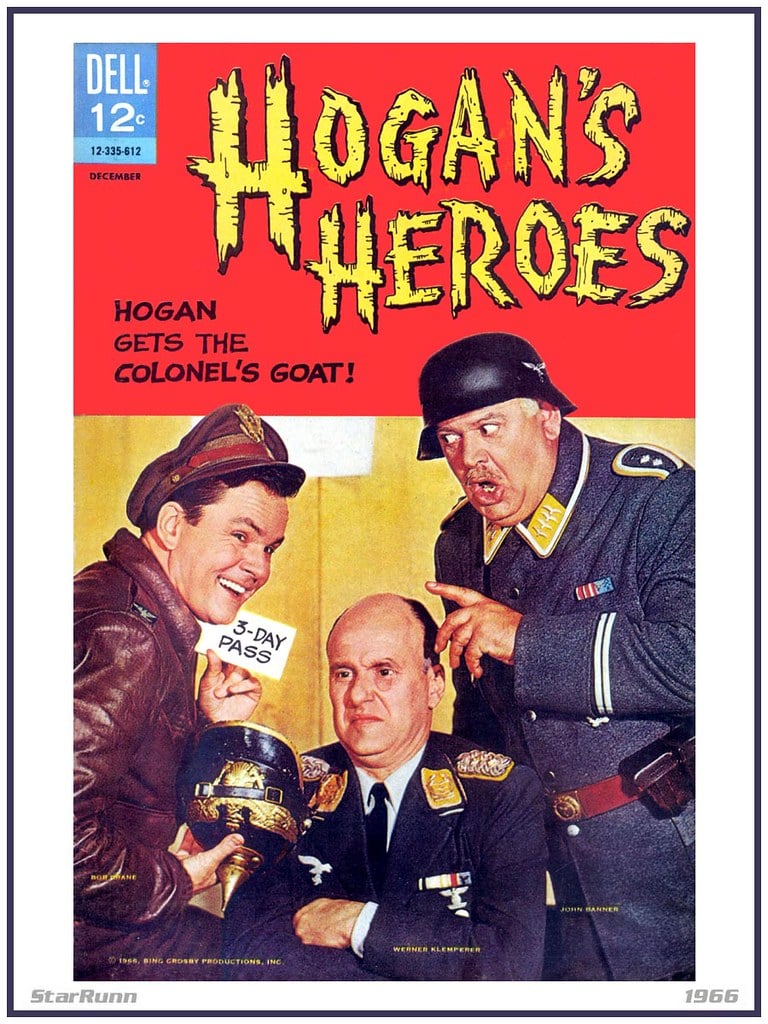
Sergeant Schultz’s repeated declaration on Hogan’s Heroes relied on exaggerated denial. The humour came from the obvious gap between what he claimed and what he clearly understood.
The phrase continues to appear when someone feigns ignorance for comedic effect. Its endurance shows how sitcom catchphrases often rely on timeless comedic structures rather than topical jokes.
Why These Lines Refuse To Fade

Sitcom catchphrases last because they offer efficiency. They compress complex emotions, situations, or jokes into a few familiar words.
Saying the line does the work of explanation, relying on shared cultural memory to fill in the rest. Streaming and social media have only strengthened this effect.
Old shows circulate alongside new ones, introducing catchphrases to audiences who never saw the original broadcasts. What once belonged to a specific era now floats freely across generations.
Why We Still Say Them

Familiar words stick around when they bring people together. Saying something from a TV comedy marks you as part of the group, shows you get the joke, lets others know you notice them – yet doesn’t push for a reply.
Quiet links form like this, built on lines everyone half-remembers from old shows we watched while living life. Words stick around when they feel real.
Even as screens change, old lines find their way back. What matters is how someone said it, not just what was said.
Moments pass, yet certain phrases wait quietly until needed again.
More from Go2Tutors!

- The Romanov Crown Jewels and Their Tragic Fate
- 13 Historical Mysteries That Science Still Can’t Solve
- Famous Hoaxes That Fooled the World for Years
- 15 Child Stars with Tragic Adult Lives
- 16 Famous Jewelry Pieces in History
Like Go2Tutors’s content? Follow us on MSN.