19 Places So Remote, Most Maps Don’t Even Bother Labeling Them
In our hyper-connected world where satellite imagery captures nearly every square inch of the planet, true remoteness has become increasingly rare. Yet scattered across our globe are locations so isolated, so far from civilization, that they remain practically invisible to the outside world.
These forgotten corners exist beyond the reach of tourist brochures and standard cartography. Here is a list of 19 places across the world that are so remote, they often don’t even merit a label on most conventional maps.
Tristan da Cunha
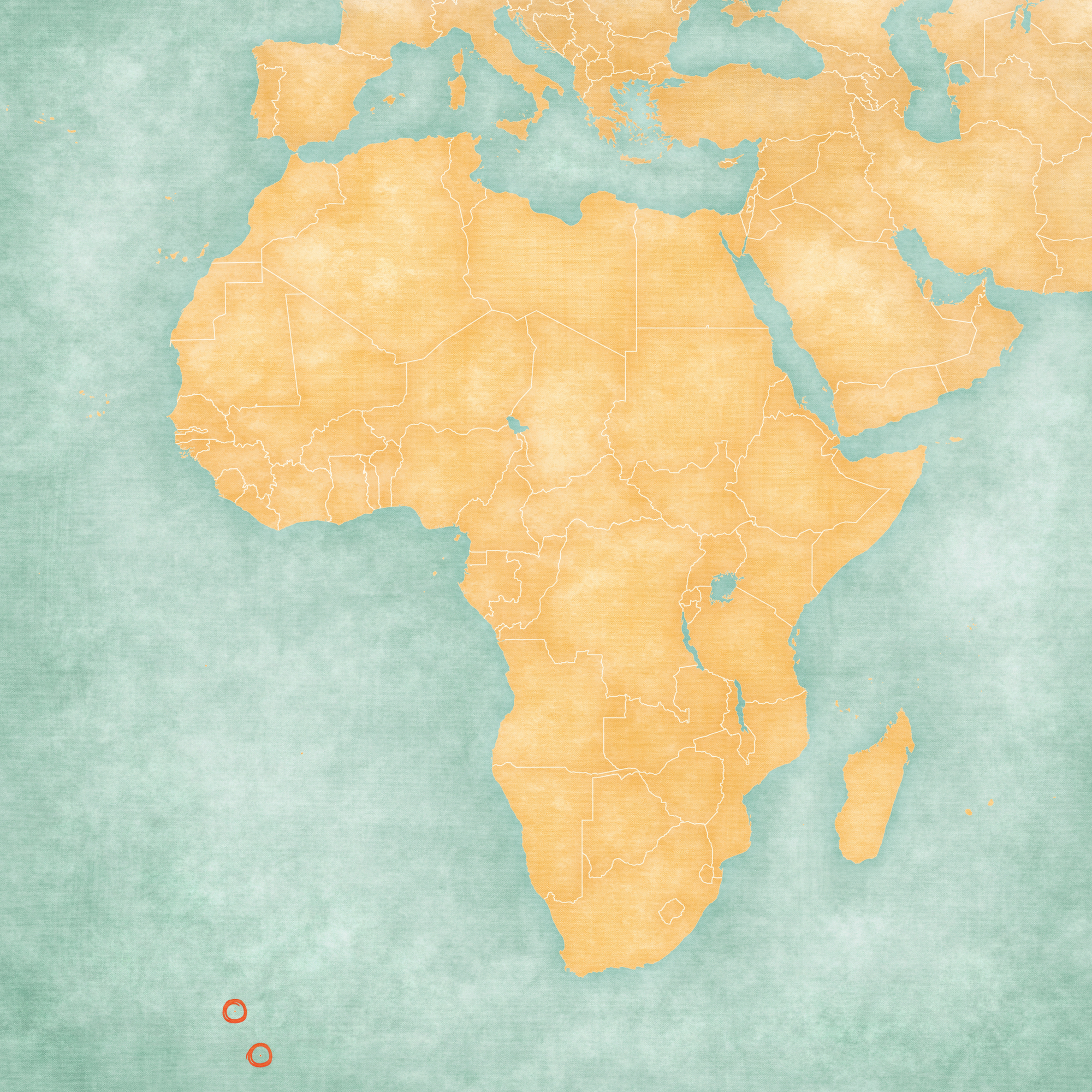
Situated in the South Atlantic Ocean, this volcanic island sits miles from the nearest continent and miles from South America. The only way to reach this British Overseas Territory is by catching one of the fishing boats that make the seven-day journey from Cape Town each year.
Its residents share just seven surnames among them, revealing generations of isolation.
Ittoqqortoormiit
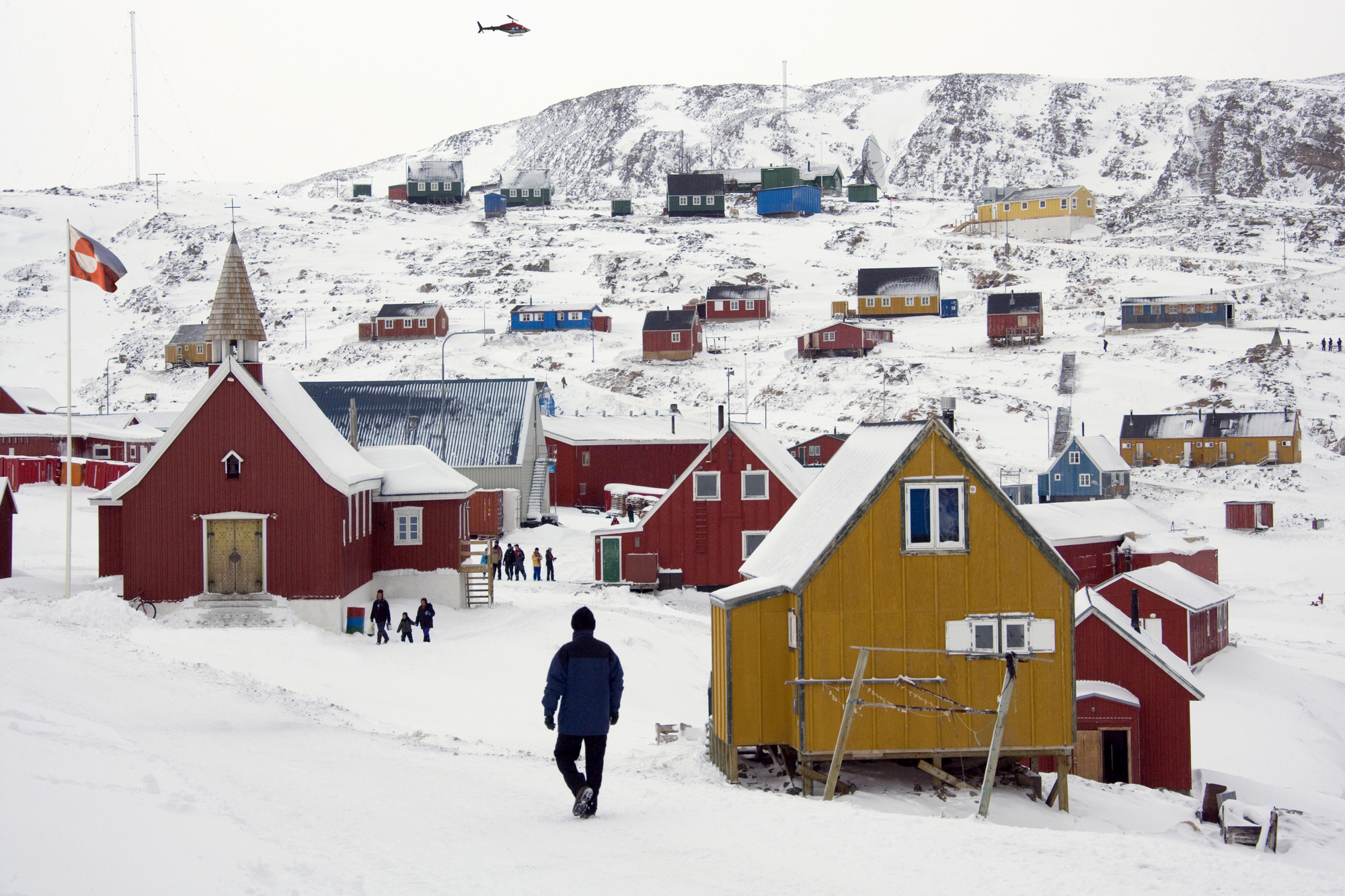
This colorful settlement in eastern Greenland is surrounded by the world’s largest national park, with the nearest town over miles away. Residents hunt polar bears and whales for subsistence as they have for generations, living through winters where temperatures regularly plunge below °F.
The settlement is only accessible by helicopter for most of the year when sea ice blocks the fjords.
Palmerston Atoll
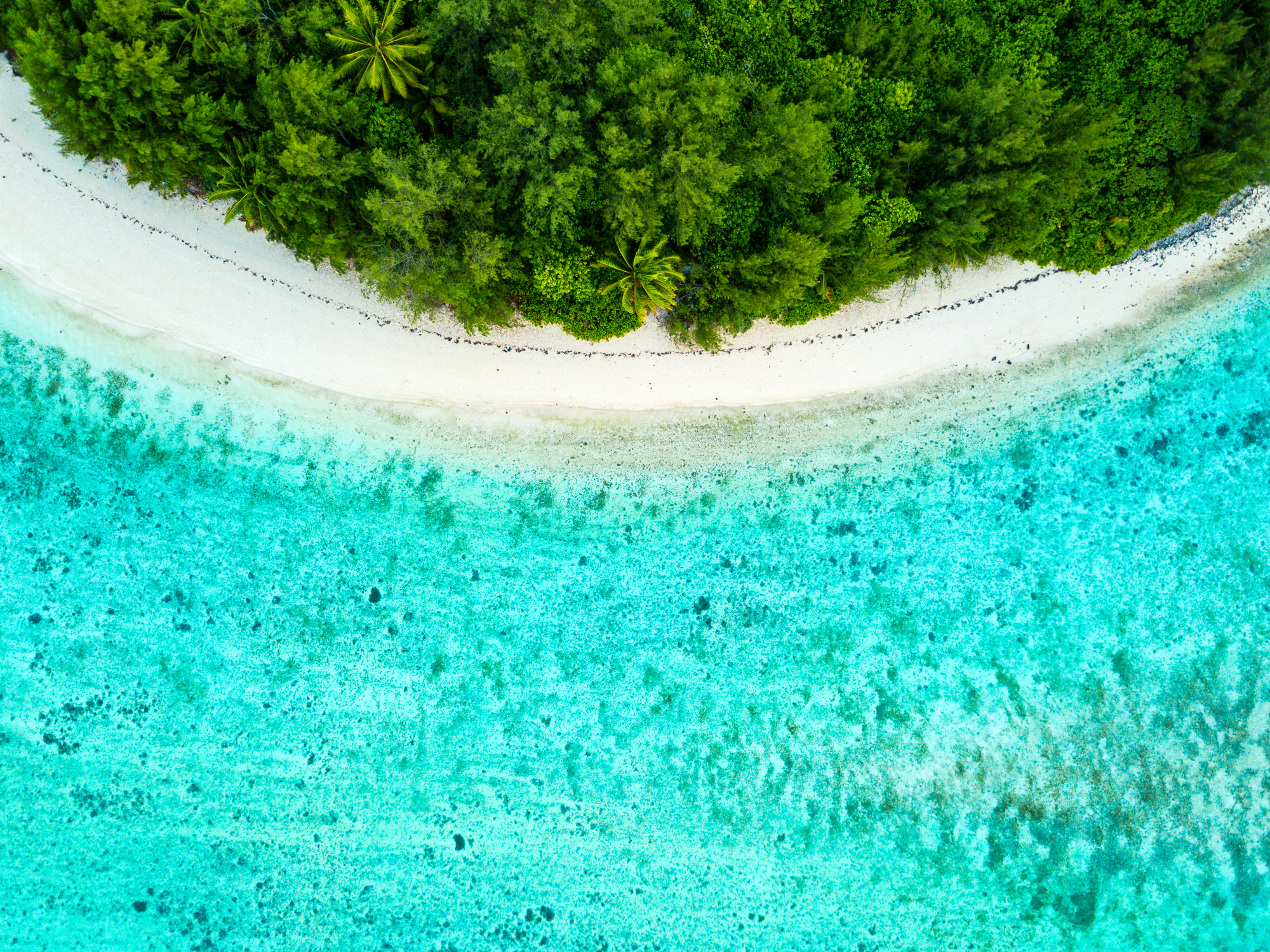
This tiny coral atoll in the Cook Islands is home to about people, all descended from one Englishman who settled there in the s. Supply ships visit just a few times a year, making the journey from Rarotonga that takes nearly a week on rough seas.
Every resident speaks English with a distinct 19th-century Gloucestershire accent preserved through generations of isolation.
La Rinconada
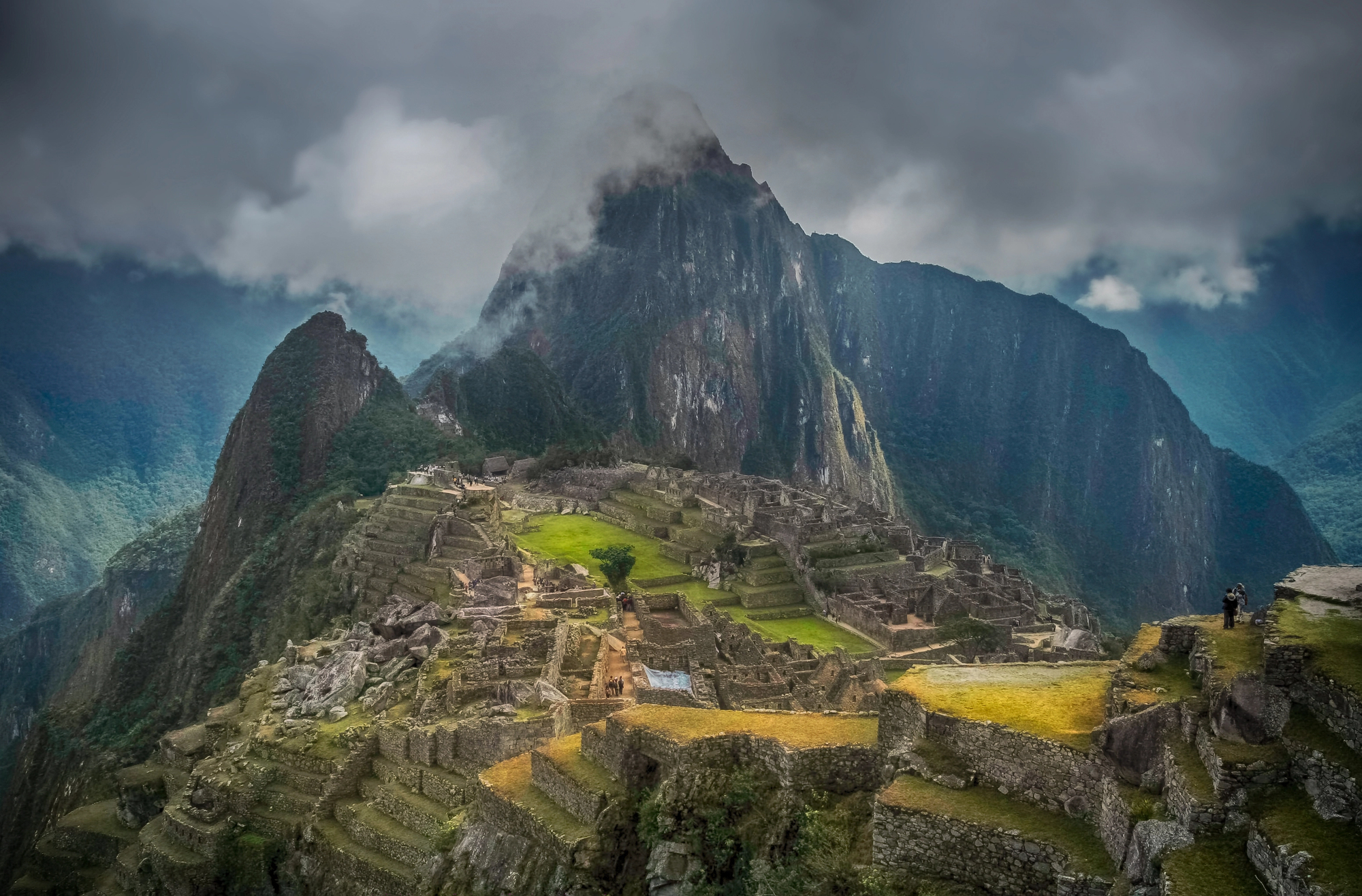
Perched at feet in the Peruvian Andes, this gold-mining settlement is the highest permanent human habitation on Earth. Miners work under an informal system called ‘cachorreo,’ where they work for days without pay, then get one day to take as much ore as they can carry.
The town lacks plumbing, sanitation systems, or formal governance despite housing over people in its ramshackle structures.
Kerguelen Islands
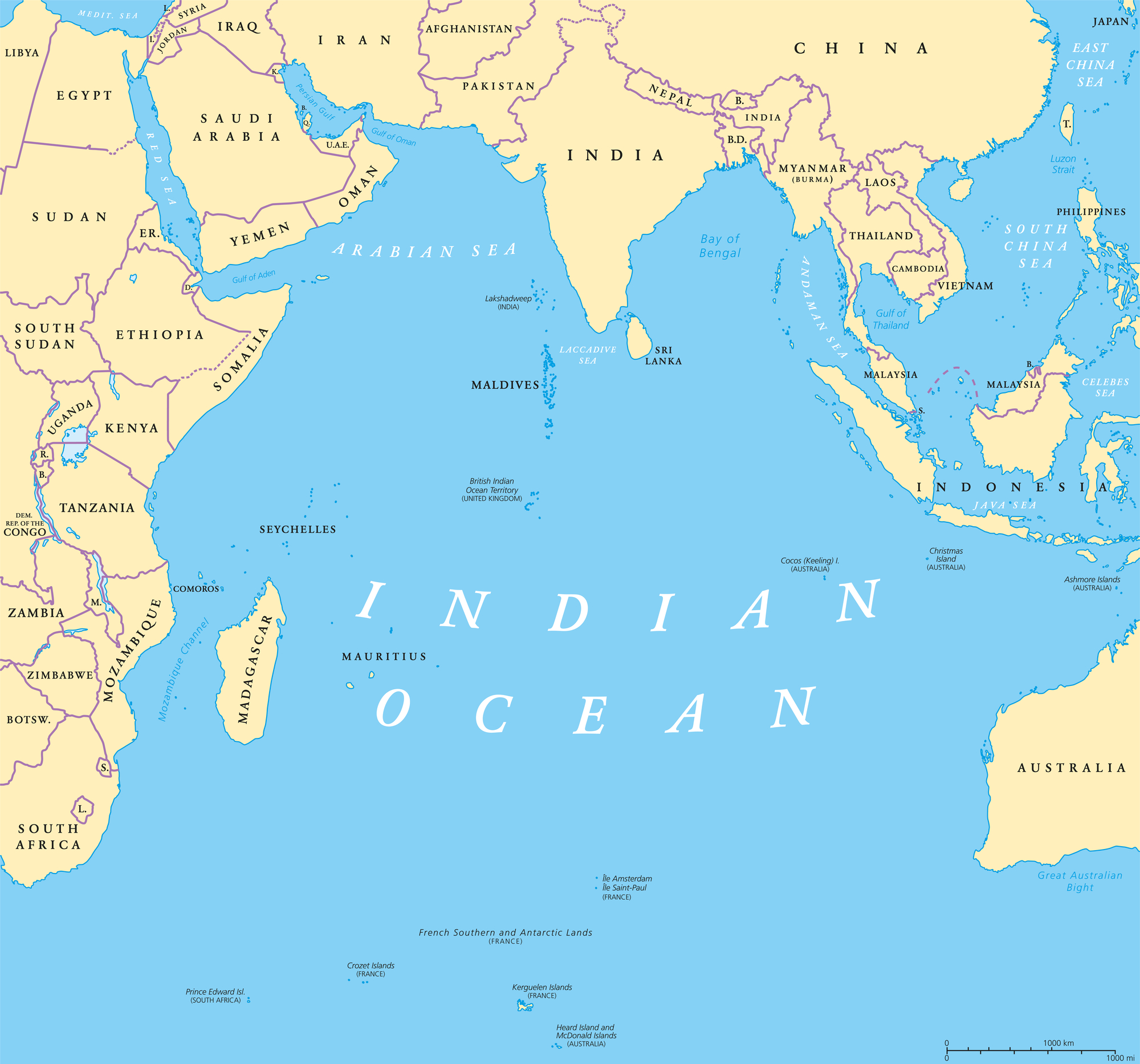
Known as the ‘Desolation Islands,’ this French territory in the southern Indian Ocean experiences such fierce winds that trees grow horizontally rather than vertically. No indigenous population ever settled here, and today only researchers populate the islands at any given time.
The landmass is so remote that it was only discovered in , relatively late in the age of exploration.
Oymyakon
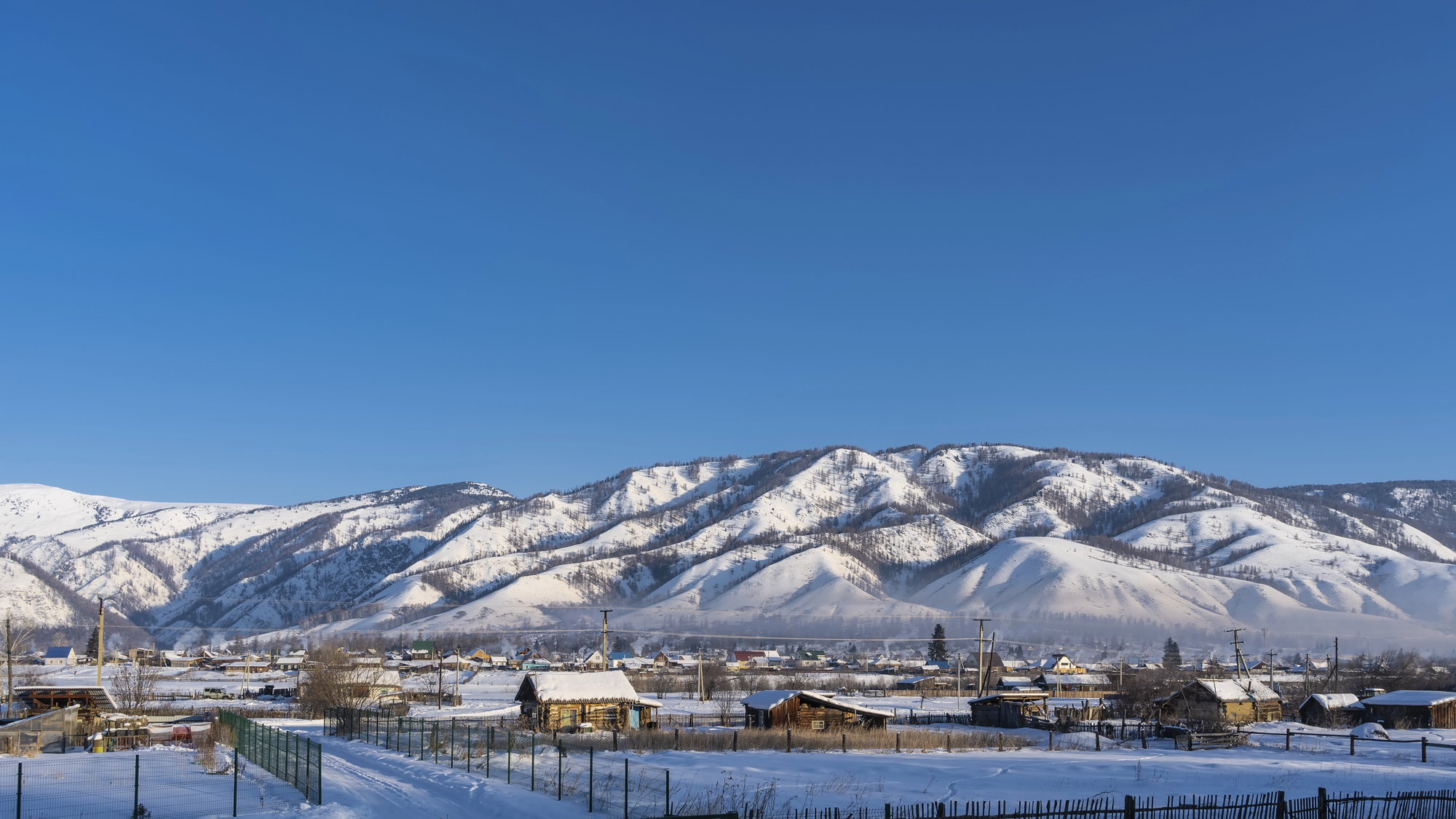
This Siberian village holds the title of coldest permanently inhabited place on Earth, with winter temperatures reaching °F. The ground remains permanently frozen, requiring locals to use outhouses year-round as plumbing is impossible.
School cancellations only occur when temperatures fall below °F, and car engines are kept running continuously during winter months to prevent freezing.
Pitcairn Islands
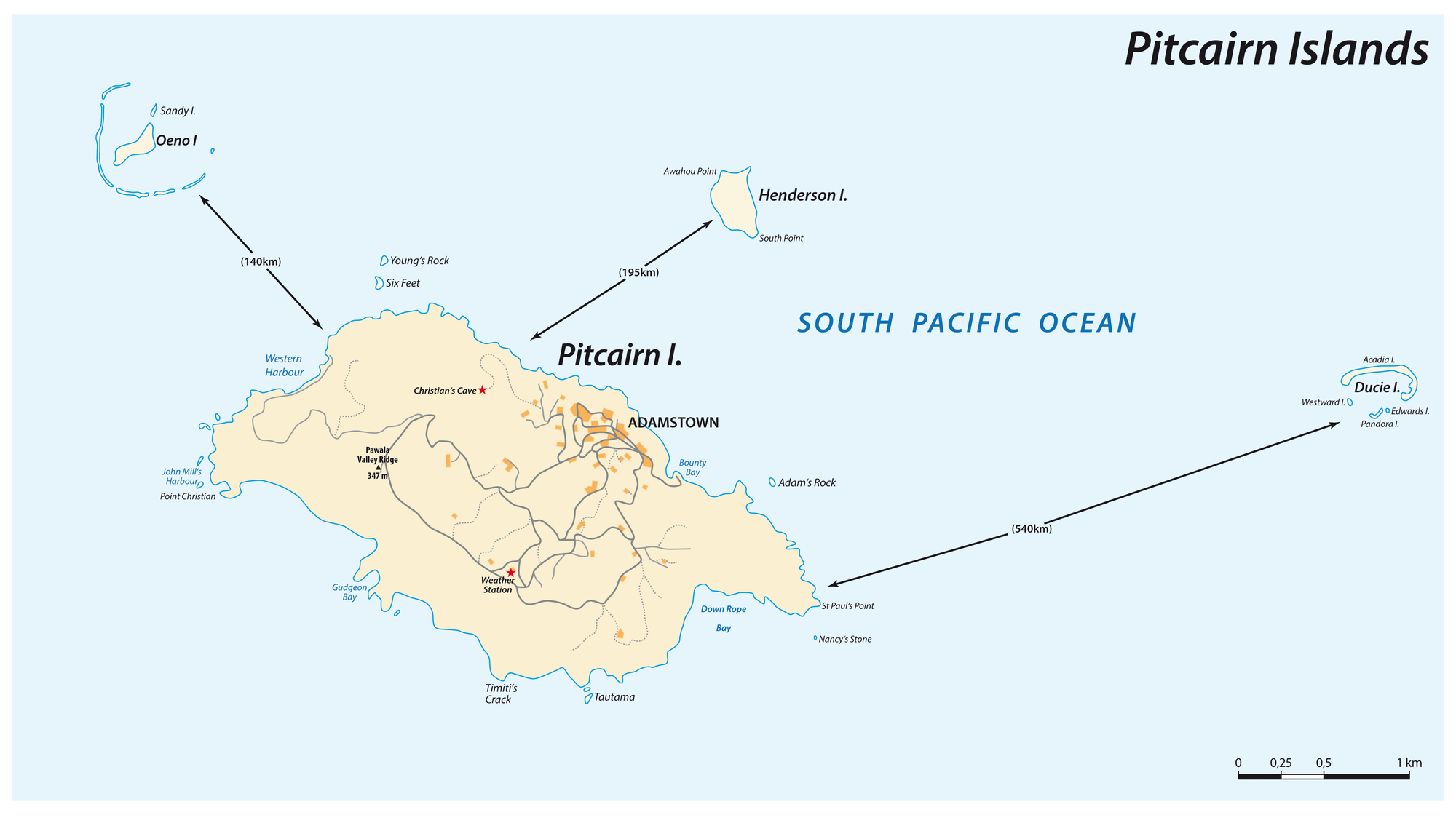
Home to descendants of the HMS Bounty mutineers, this British Overseas Territory has a population of just people. The islands have no airstrip, and reaching them requires a -hour boat journey from the nearest airport in Tahiti.
Mail delivery occurs just a few times per year, and the entire island relies on satellite internet installed only in 2018.
Alert, Nunavut

Sitting just miles from the North Pole, this Canadian military and research base is the northernmost permanently inhabited place in the world. For several months each year, the sun never rises, plunging residents into complete darkness.
Personnel stationed here receive ‘isolation pay,’ and all supplies must be airlifted in during the brief summer window when flights are possible.
Motuo County
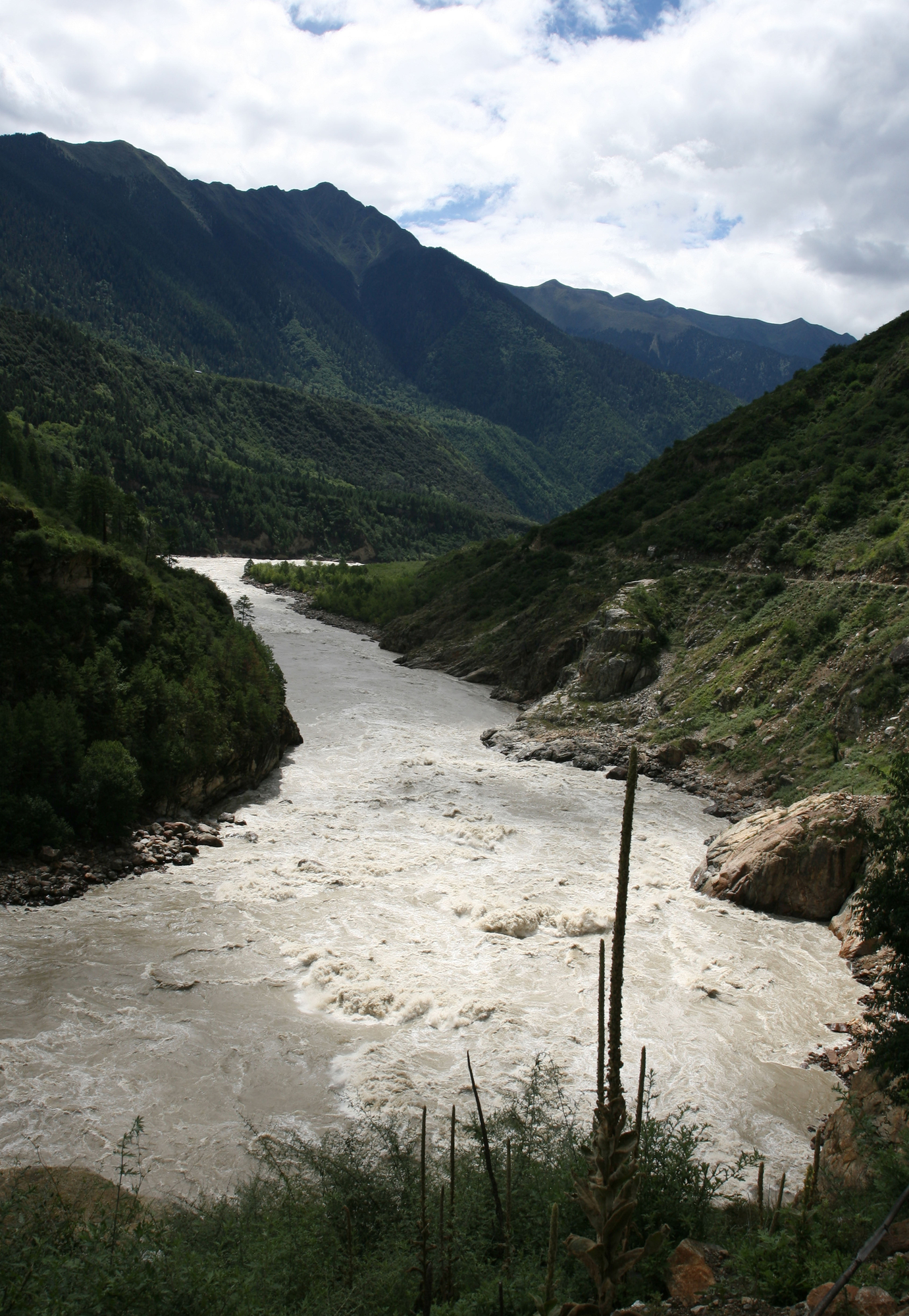
This region in Tibet remained completely inaccessible by road until , earning it the nickname ‘the last roadless county in China.’ Locals previously had to cross a series of suspension bridges and trek through dense mountain forests to reach the outside world.
The county houses sacred Buddhist sites rarely visited by outsiders, creating a cultural time capsule in the eastern Himalayas.
Devon Island
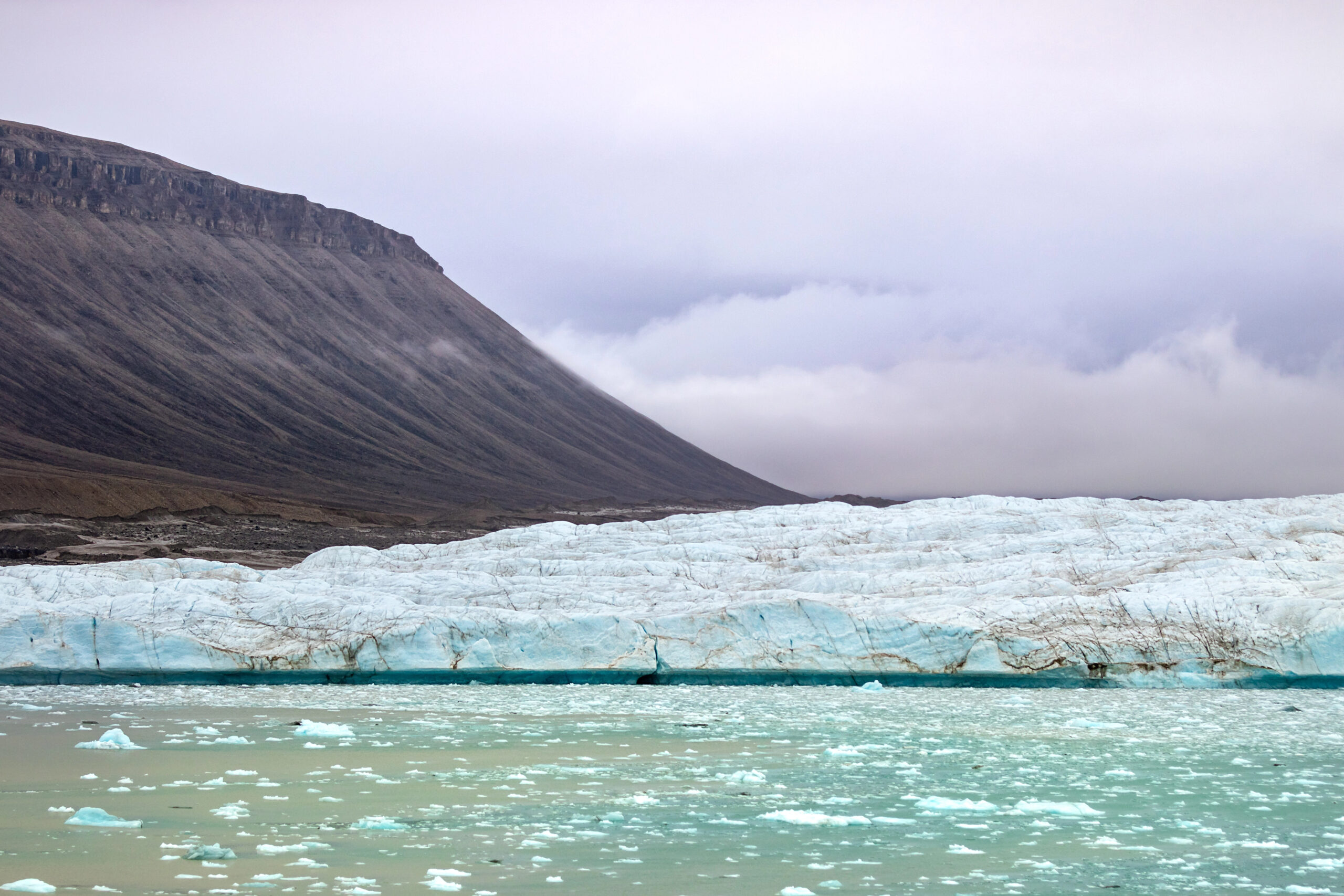
The largest uninhabited island on Earth, this Arctic wasteland in Canada serves as a Mars simulation site for NASA due to its similar terrain. Its polar desert conditions and impact crater make it an ideal training ground for future Mars missions.
The complete absence of human settlements over its square miles creates one of the most pristine environments remaining on the planet.
Cocos Islands
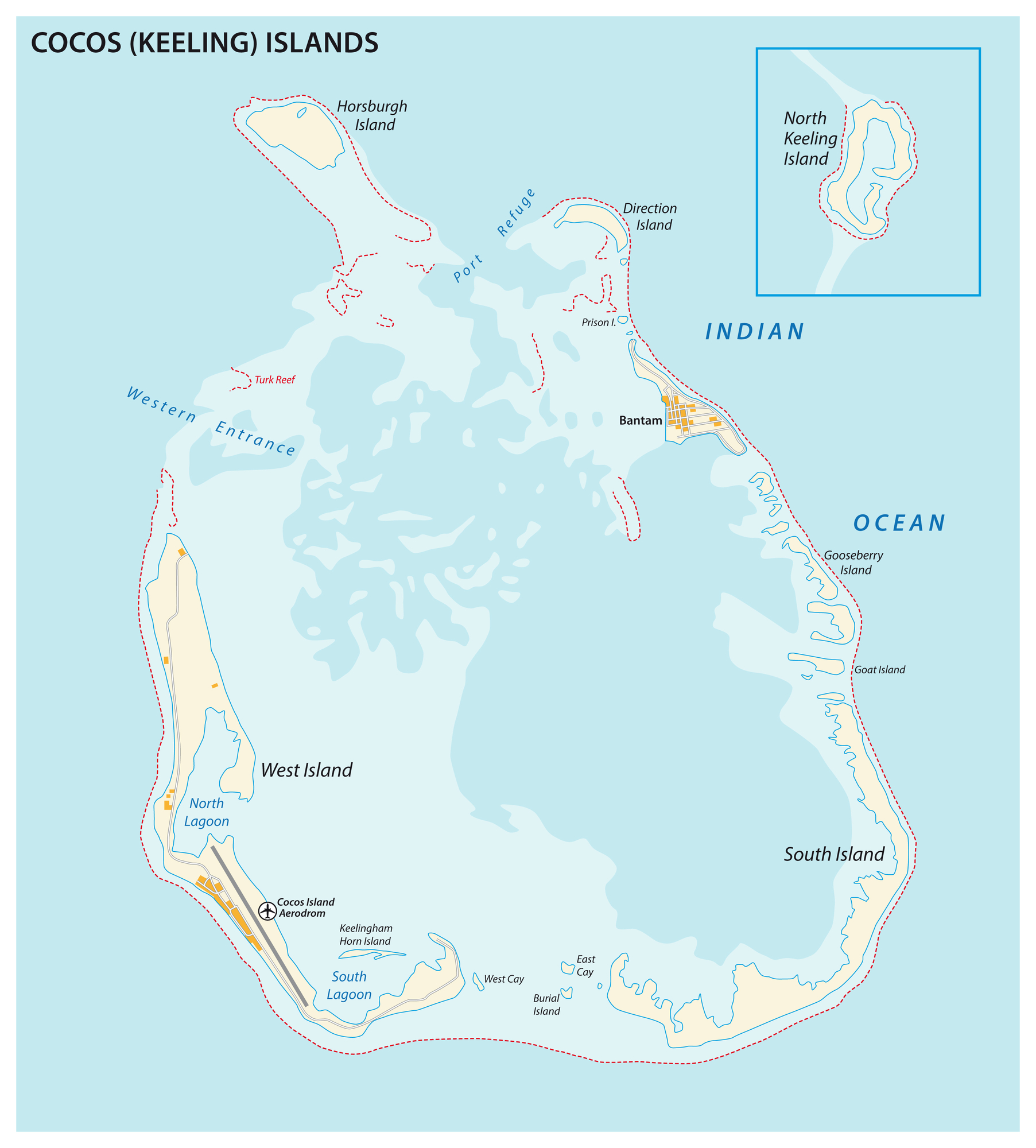
Located halfway between Australia and Sri Lanka, these isolated islands house just people across two atolls. The residents speak a unique Malay dialect found nowhere else on Earth, and the islands remained virtually unknown to the outside world until World War II.
Local traditions have remained largely unchanged for centuries, with traditional boat-building methods practiced identically to those from the 1700s.
McMurdo Dry Valleys
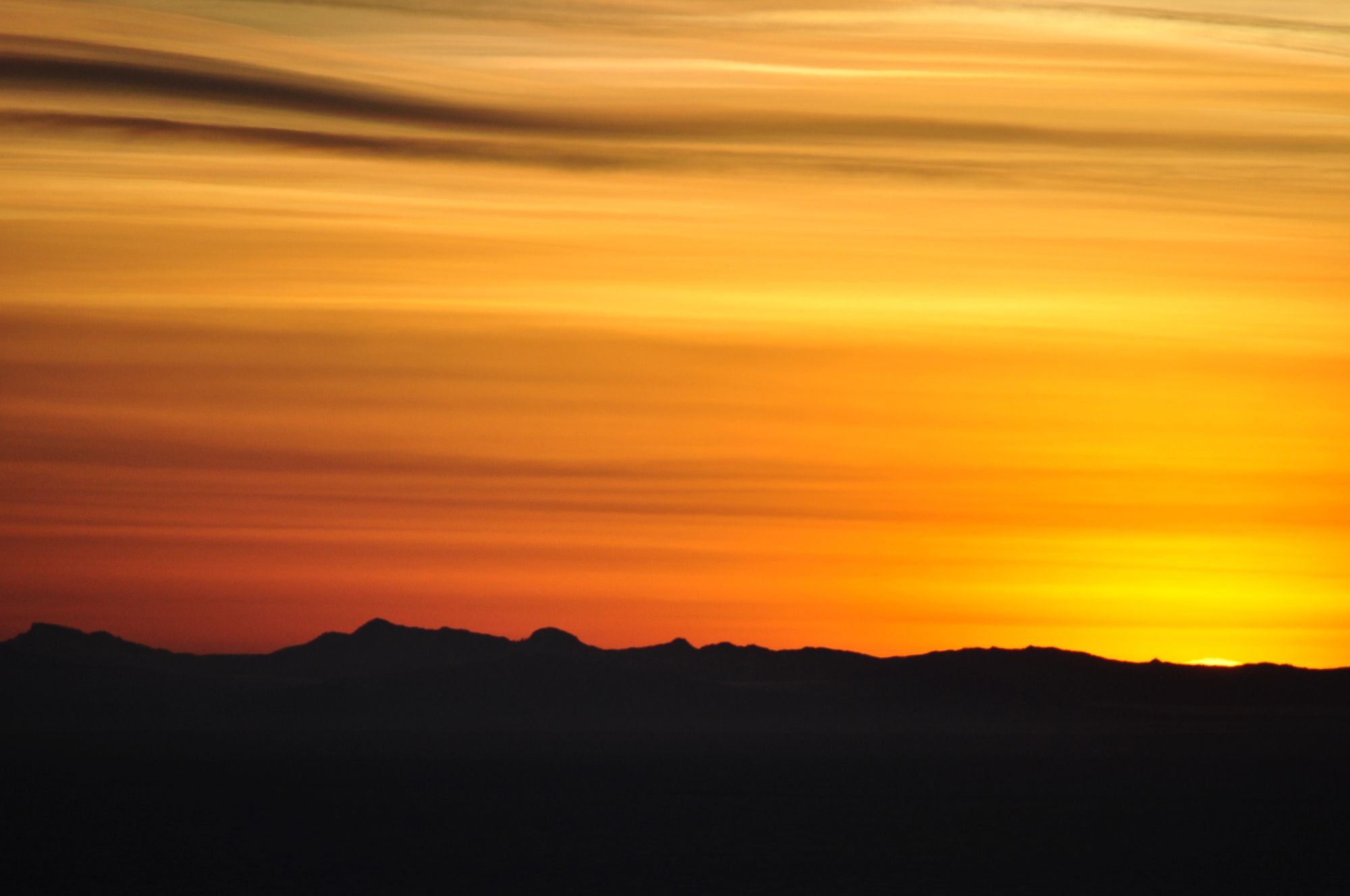
This Antarctic region receives no precipitation and has seen no rainfall for possibly millions of years, creating one of Earth’s most Mars-like environments. The extreme conditions host microscopic life forms found nowhere else, existing in a state of suspended animation in the permanently frozen soil.
Scientists working here must follow strict protocols to avoid contaminating this pristine ecosystem.
Changtang Plateau
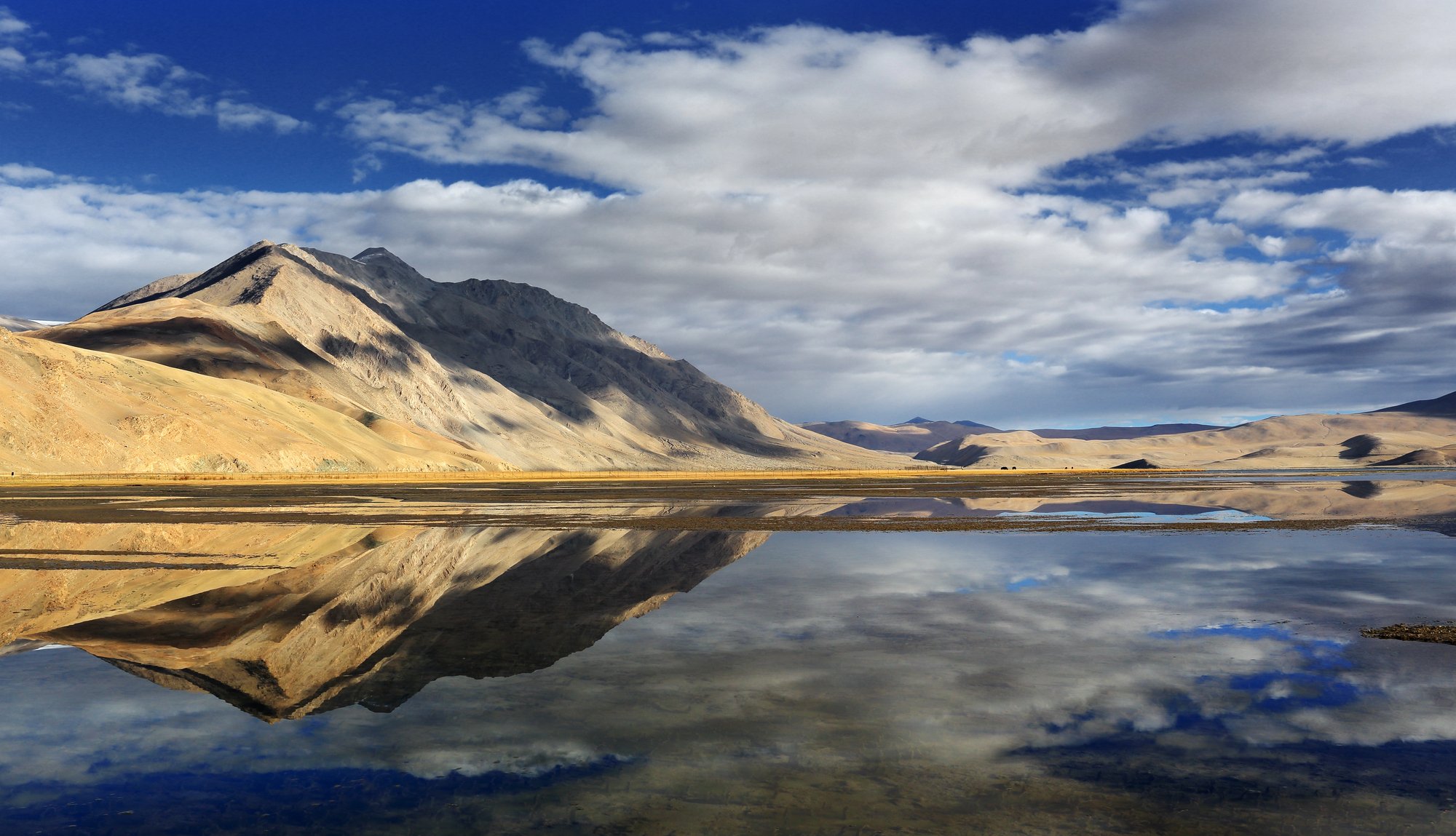
This Tibetan highland region exists at an average elevation of feet, creating an environment so harsh that even the nomadic herders who traverse it rarely establish permanent settlements. The plateau experiences temperature swings of up to degrees in a single day.
Wildlife outnumbers humans, with populations of wild yaks and Tibetan antelope roaming largely undisturbed across vast distances.
Barrow, Alaska
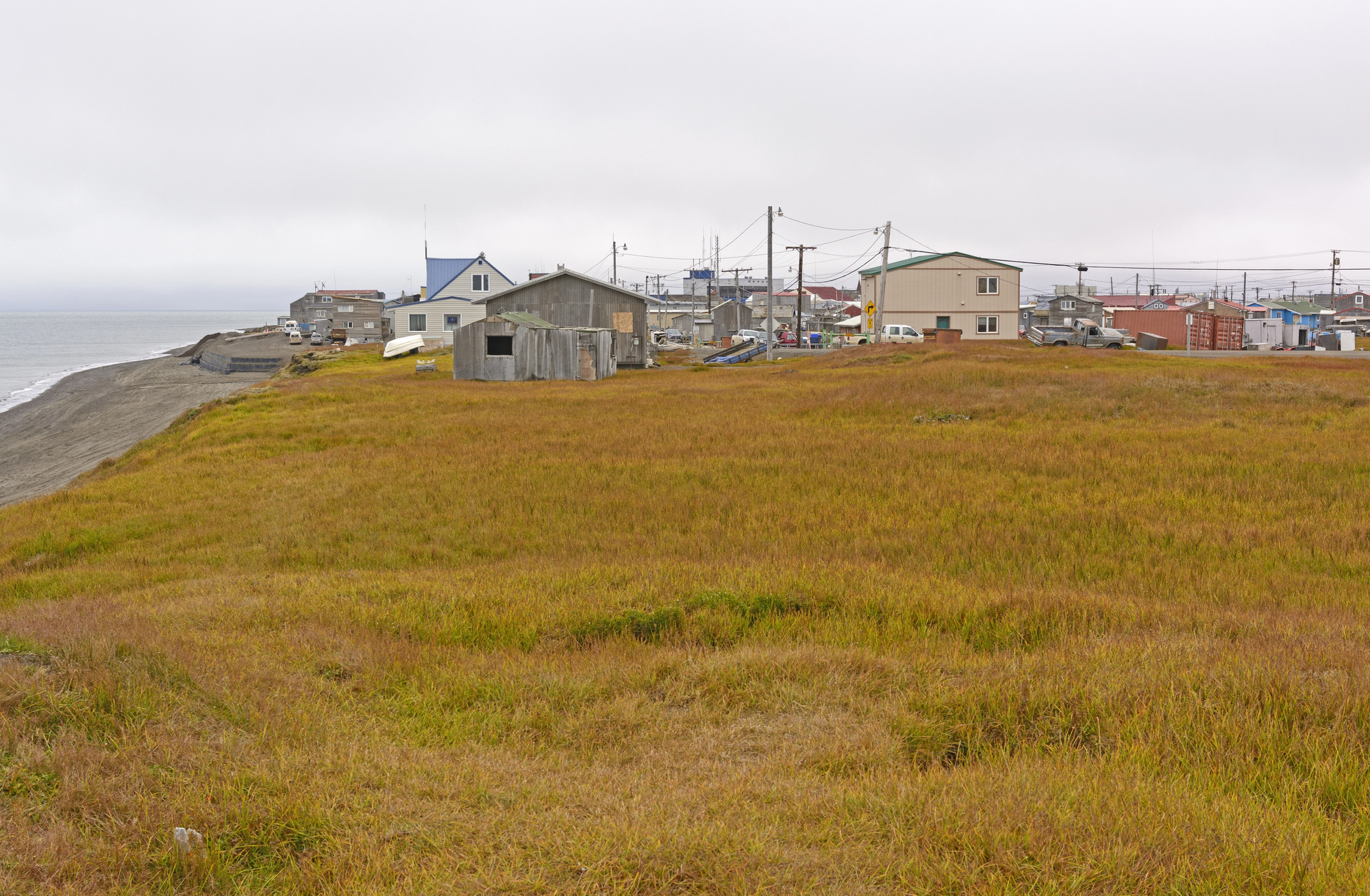
The northernmost American settlement requires all supplies to be flown or shipped in during the brief summer months. The sun doesn’t rise for consecutive days in winter and doesn’t set for days in summer, completely disrupting normal circadian rhythms.
Residents rely heavily on traditional whale hunting, with freezers of whale meat crucial for surviving the long isolation of winter.
São João dos Angolares
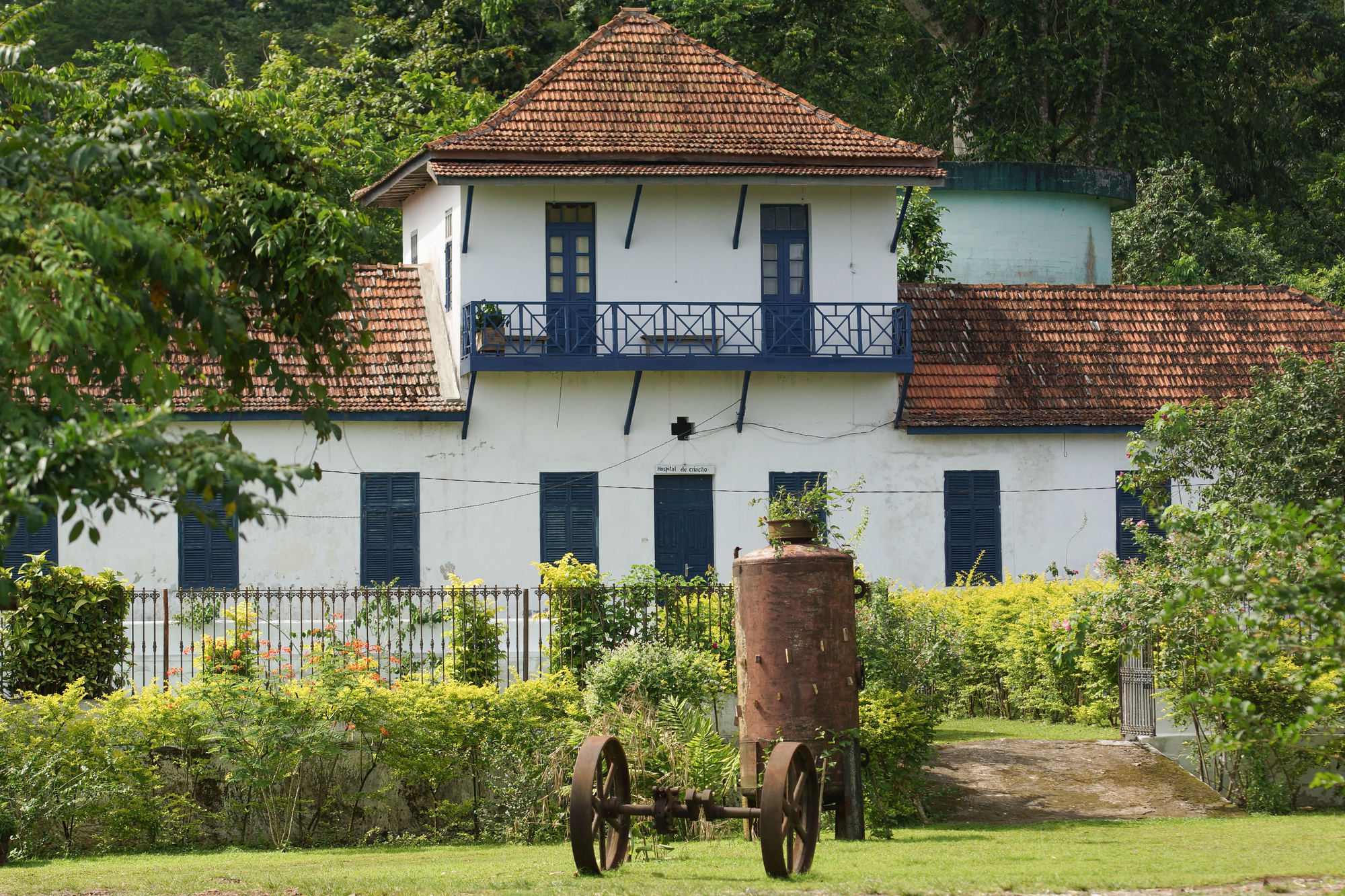
Hidden on the eastern coast of São Tomé Island off West Africa, this village remains accessible only by a single dirt road frequently washed out during rainy seasons. The community descends from Angolan slaves who survived a shipwreck in and established their own independent society.
Traditional practices like palm wine production continue unchanged for centuries in the dense jungle surroundings.
Socotra
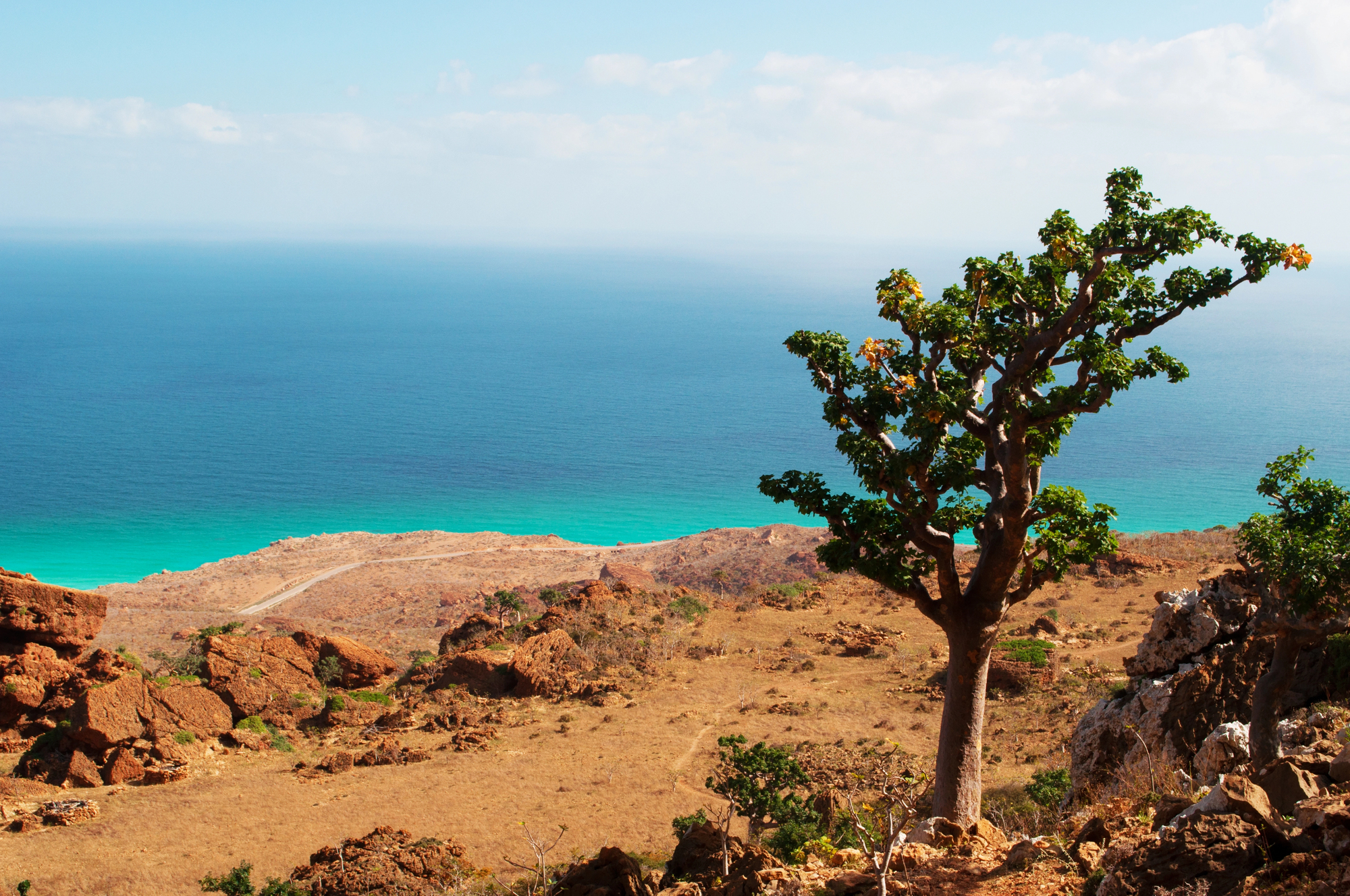
This Yemeni island’s isolation has created an ecosystem where of plant species exist nowhere else on Earth. Dragon’s blood trees with their distinctive umbrella shapes and bottle-trunked desert roses give the landscape an alien appearance.
Civil war on the mainland has further isolated the island’s inhabitants, who speak a pre-Arabic language that lacks a written form.
Supai Village
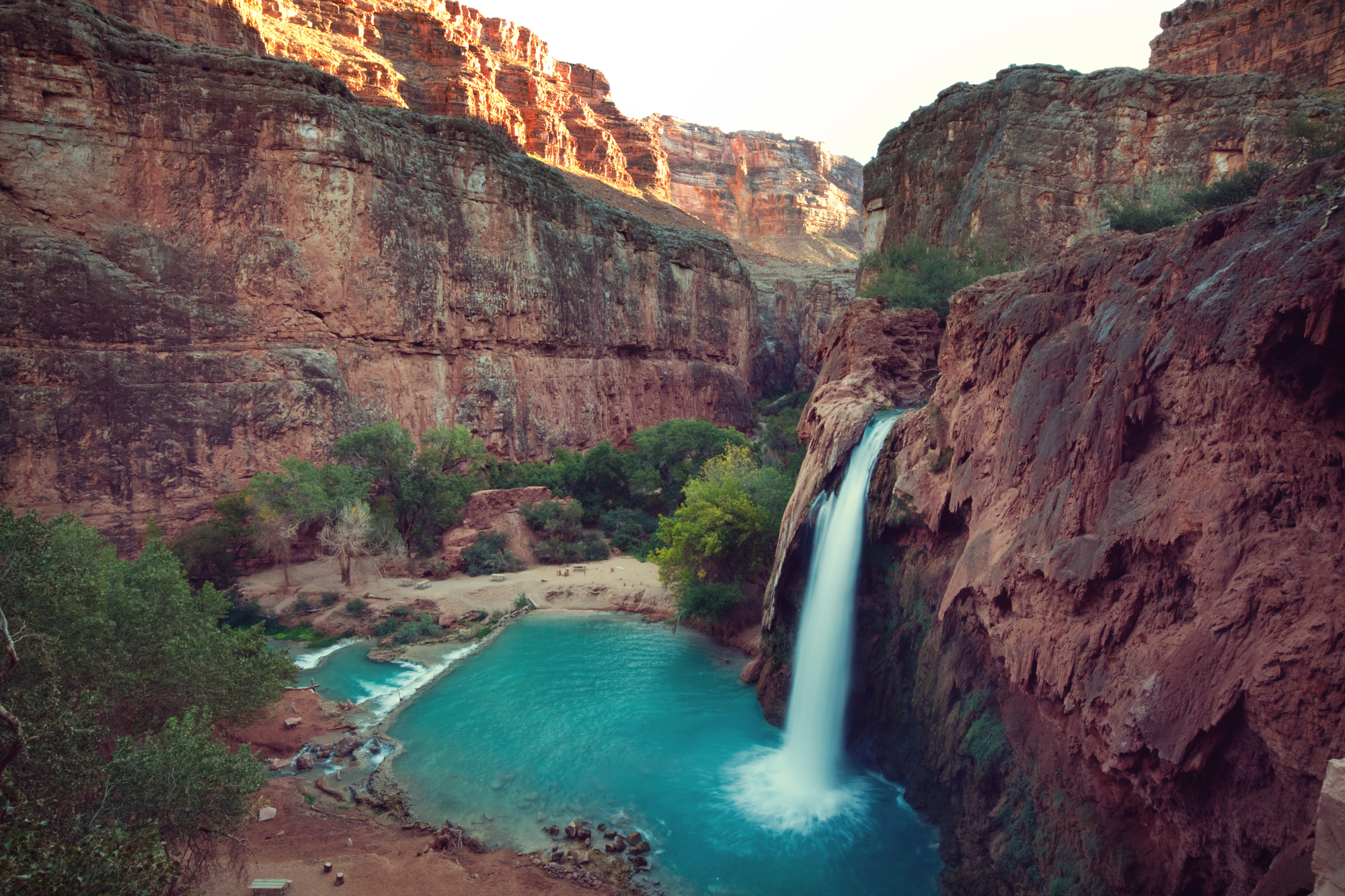
Located at the bottom of the Grand Canyon, this settlement of the Havasupai tribe is the only place in the United States where mail is still delivered by mule. The village has no roads connecting it to the outside world, requiring an -mile hike or helicopter ride to access.
Residents have lived continuously in the same location for over years, maintaining traditions impossible to preserve in more accessible locations.
Tórshavn Outskirts
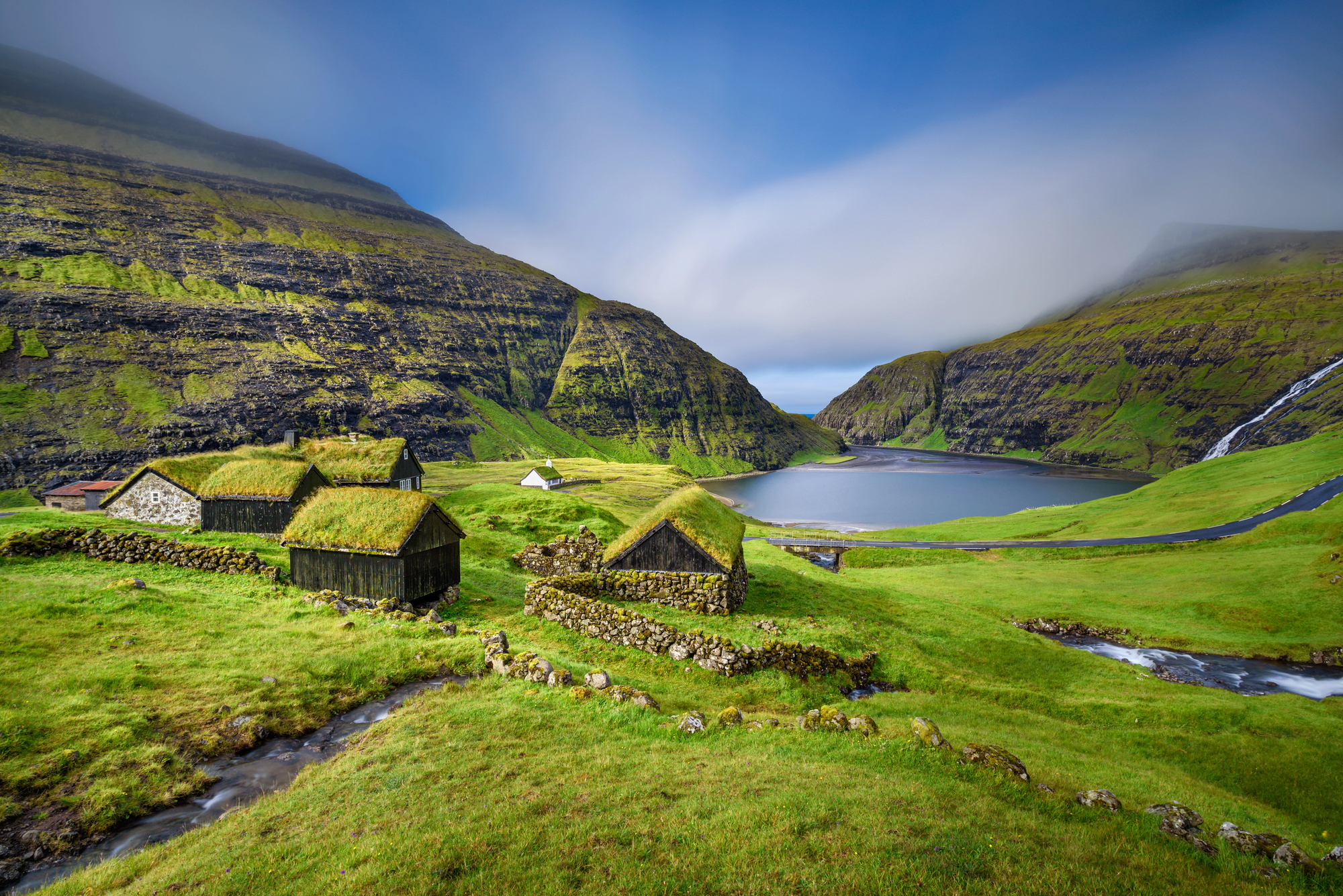
The remote sheep-farming communities outside the capital of the Faroe Islands practice a form of traditional community whale hunting dating back to the Viking age. Some outer settlements consist of fewer than five houses, connected to neighboring villages only by boat or rough hiking paths.
Ancient Norse traditions remain intact here, including chain dances and ballads preserved nowhere else.
Easter Island Interior
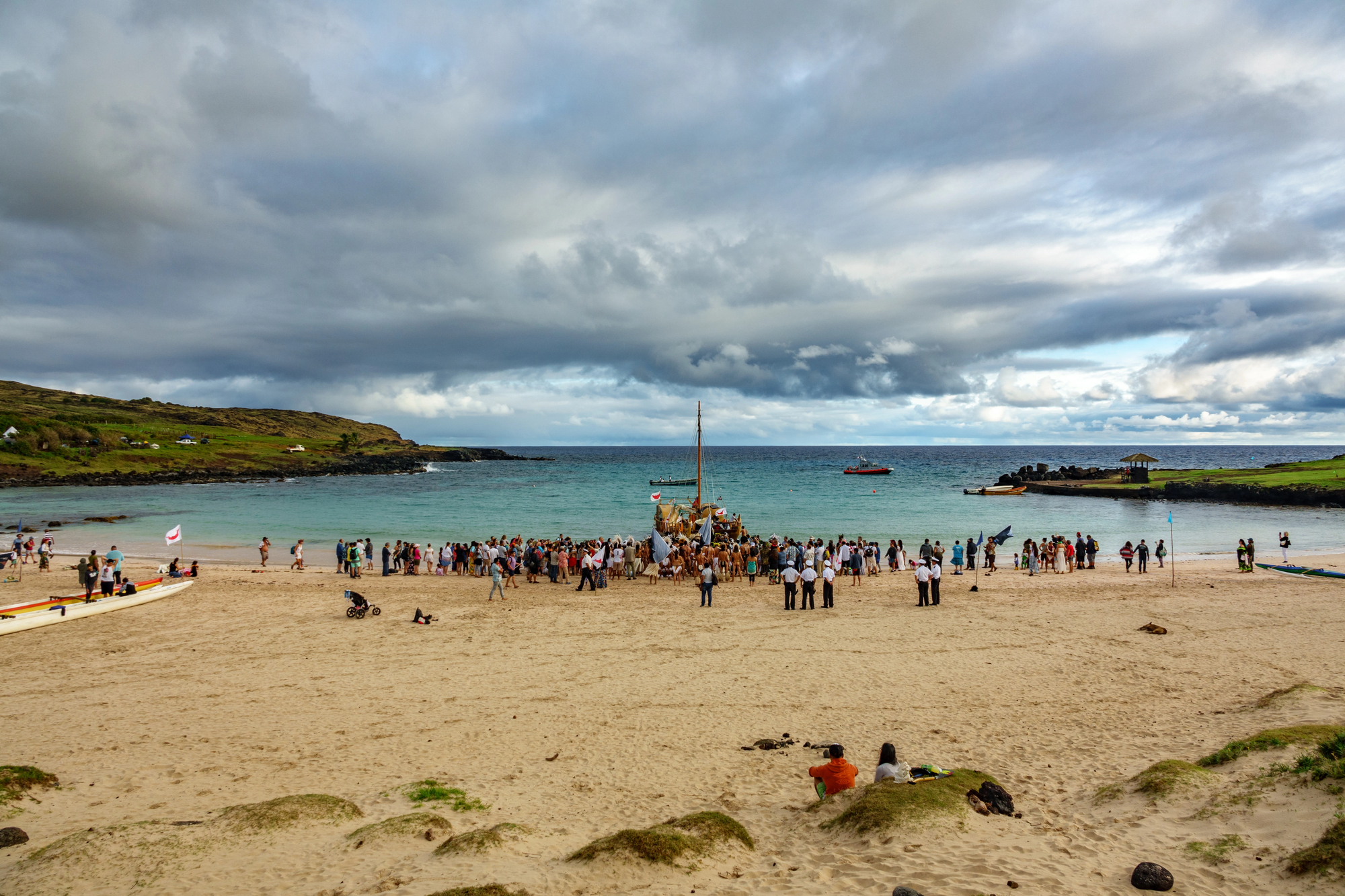
While the coastal areas of Rapa Nui see tourists visiting the famous moai statues, the island’s interior highlands remain largely unexplored and unmapped. Ancient agricultural terraces and cave systems used by the original inhabitants remain hidden in overgrown landscapes.
The central volcanic craters host unique microecosystems that evolved in isolation from the rest of the already-remote island.
Beyond The Reach Of Ordinary Maps
These extraordinary locations remind us that true isolation still exists in our age of global connectivity. These remote outposts challenge our understanding of human adaptability, showing communities thriving in conditions most would find unbearable.
From the highest settlements to the most distant islands, these places preserve ways of life, ecosystems, and cultural practices that would otherwise disappear in our increasingly homogenized world, remaining as testament to the remarkable diversity our planet still holds.
More from Go2Tutors!

- The Romanov Crown Jewels and Their Tragic Fate
- 13 Historical Mysteries That Science Still Can’t Solve
- Famous Hoaxes That Fooled the World for Years
- 15 Child Stars with Tragic Adult Lives
- 16 Famous Jewelry Pieces in History
Like Go2Tutors’s content? Follow us on MSN.