16 Celebrity Chefs Who Revolutionized Food TV
Food television has come a long way from simple cooking demonstrations to the entertainment powerhouse we know today. What started as basic instructional programming has evolved into a multi-billion dollar industry that influences how we cook, eat, and think about food culture.
Cooking shows have been on our TV screens for many years and some 46% of US viewers watch one every month, but it’s the personalities behind these programs who truly shaped the medium. Here is a list of 16 celebrity chefs who didn’t just cook on camera—they completely transformed what food television could be.
Julia Child
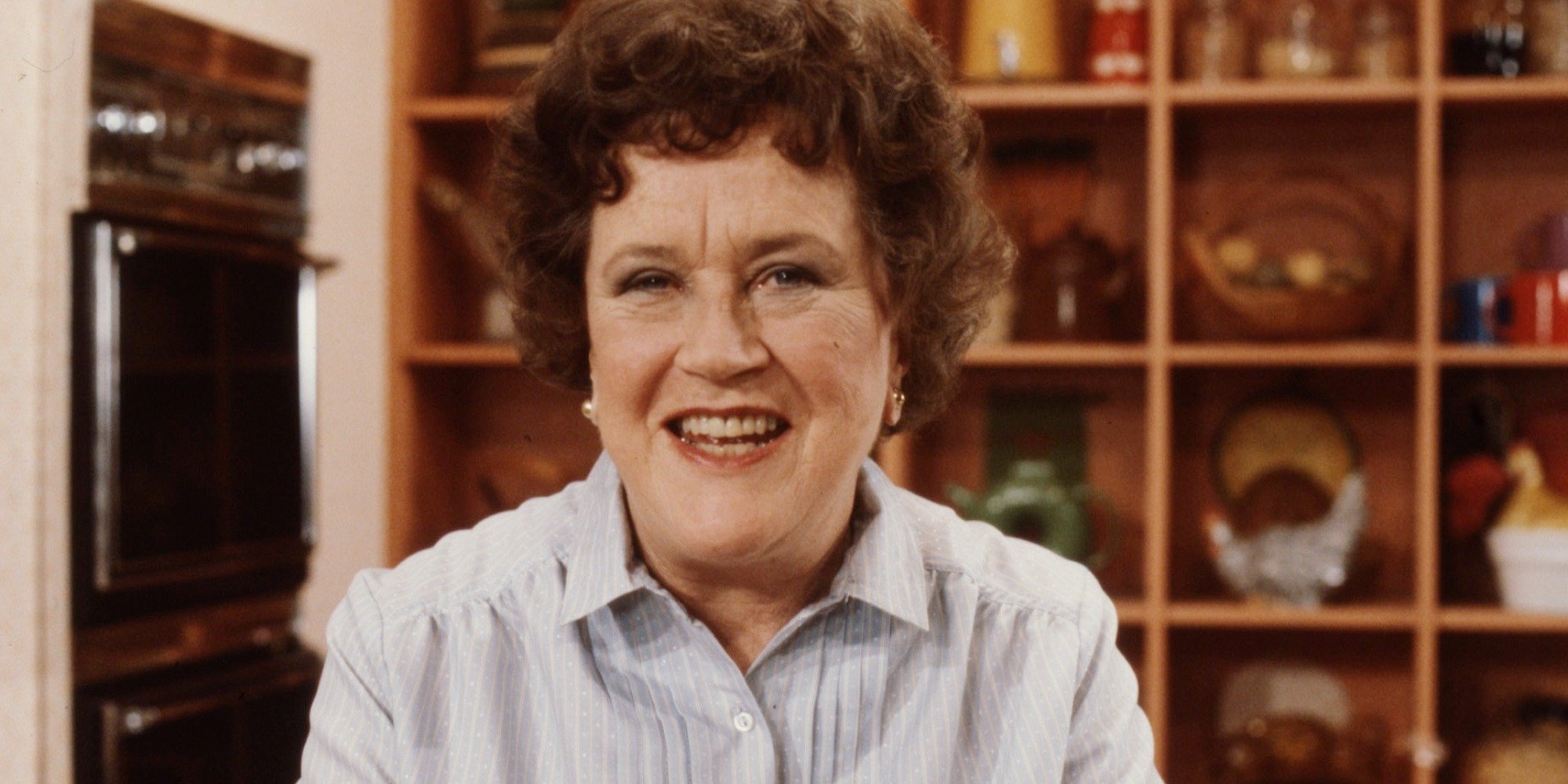
American perceptions of French cuisine were revolutionized by Julia Child. Elegant recipes were introduced into everyday kitchens through her first cookbook, Mastering the Art of French Cooking, and her television program, The French Chef, which debuted in 1963.
She made complex French dishes seem approachable by speaking to the audience as if they were in her kitchen. She demonstrated that a mistake wasn’t the end of a meal but rather a new learning experience by laughing it off when things went wrong, such as the now-famous turkey incident.
James Beard

When James Beard hosted Elsie Presents James Beard on PBS’s I Love to Eat in 1946, he became one of the first culinary celebrities on television. His friendliness and command helped define what a TV chef could be: a knowledgeable but personable instructor who genuinely cared about others’ success in the kitchen.
Long before it was fashionable, Beard promoted American cooking, and his legacy lives on through the James Beard Foundation Awards, which are still the most sought-after honors in the American culinary community.
Graham Kerr

When The Galloping Gourmet hit PBS in 1969, Graham Kerr proved cooking shows could be just as much about personality as they were about recipes. With a glass of wine in hand, playful banter with the audience, and a knack for turning a cooking segment into a performance, Kerr made food television irresistibly entertaining.
His lively style paved the way for today’s chef-hosts, blending fun and instruction in equal measure.
Martin Yan

When Yan Can Cook debuted on PBS in 1978, Martin Yan brought Asian cuisine into millions of American homes with a smile, lightning-fast knife work, and his unforgettable motto: “If Yan can cook, so can you!” His charm and humor made unfamiliar ingredients feel approachable, and his ability to blend cultural insight with practical instruction proved that ethnic cuisines could win over mainstream audiences—especially when presented by a host who made cooking feel like pure fun.
Emeril Lagasse
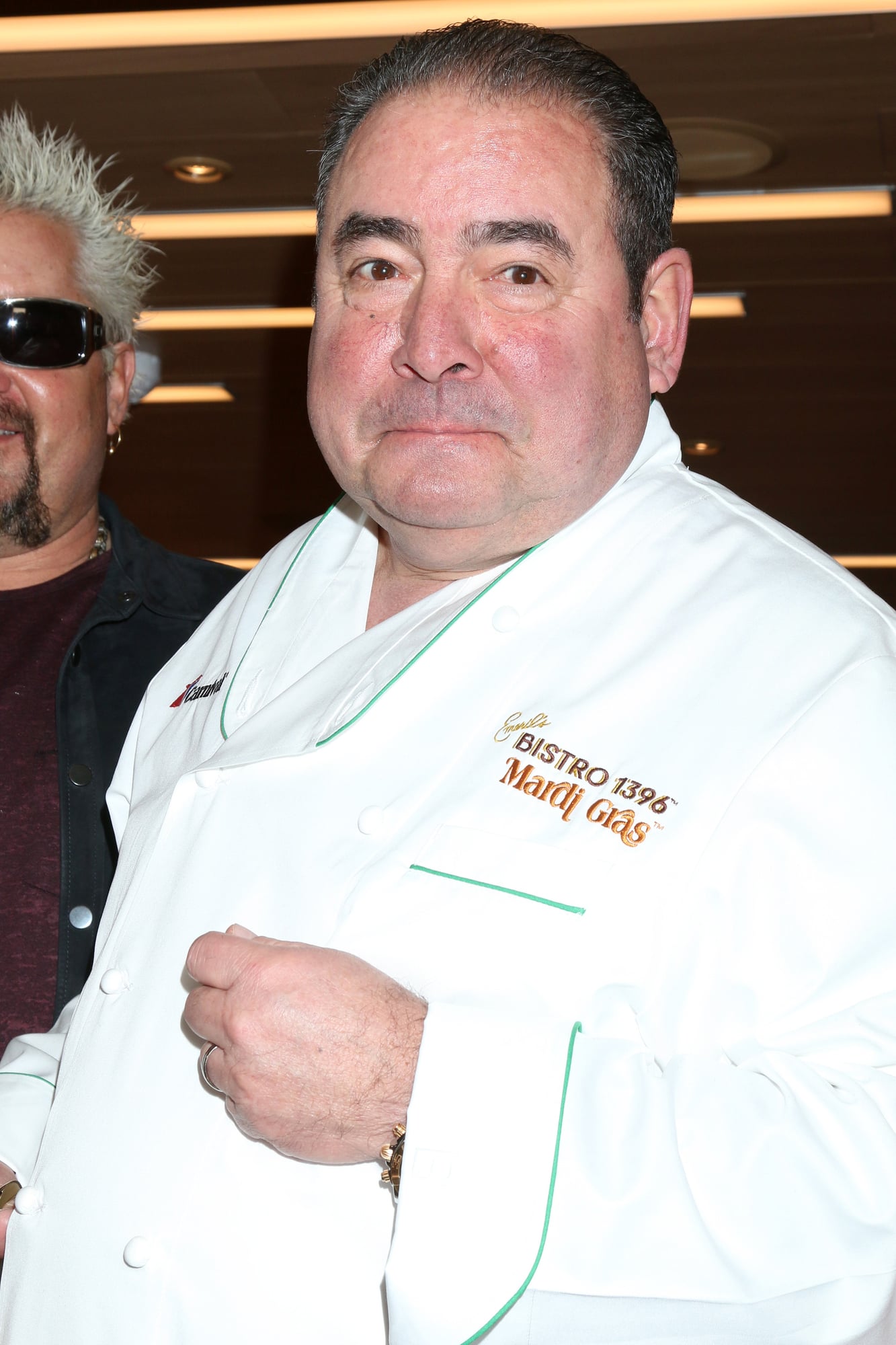
Emeril Lagasse didn’t just cook on television—he put on a show. With his signature “BAM!” and an energy that could fill an arena, he turned Emeril Live and Essence of Emeril into part cooking class, part variety show.
Live music, roaring audiences, and big, bold flavors made him one of the first chefs to feel like a rock star. Lagasse’s success paved the way for today’s larger-than-life food personalities who entertain as much as they educate.
Julia Child (Later Career Impact)
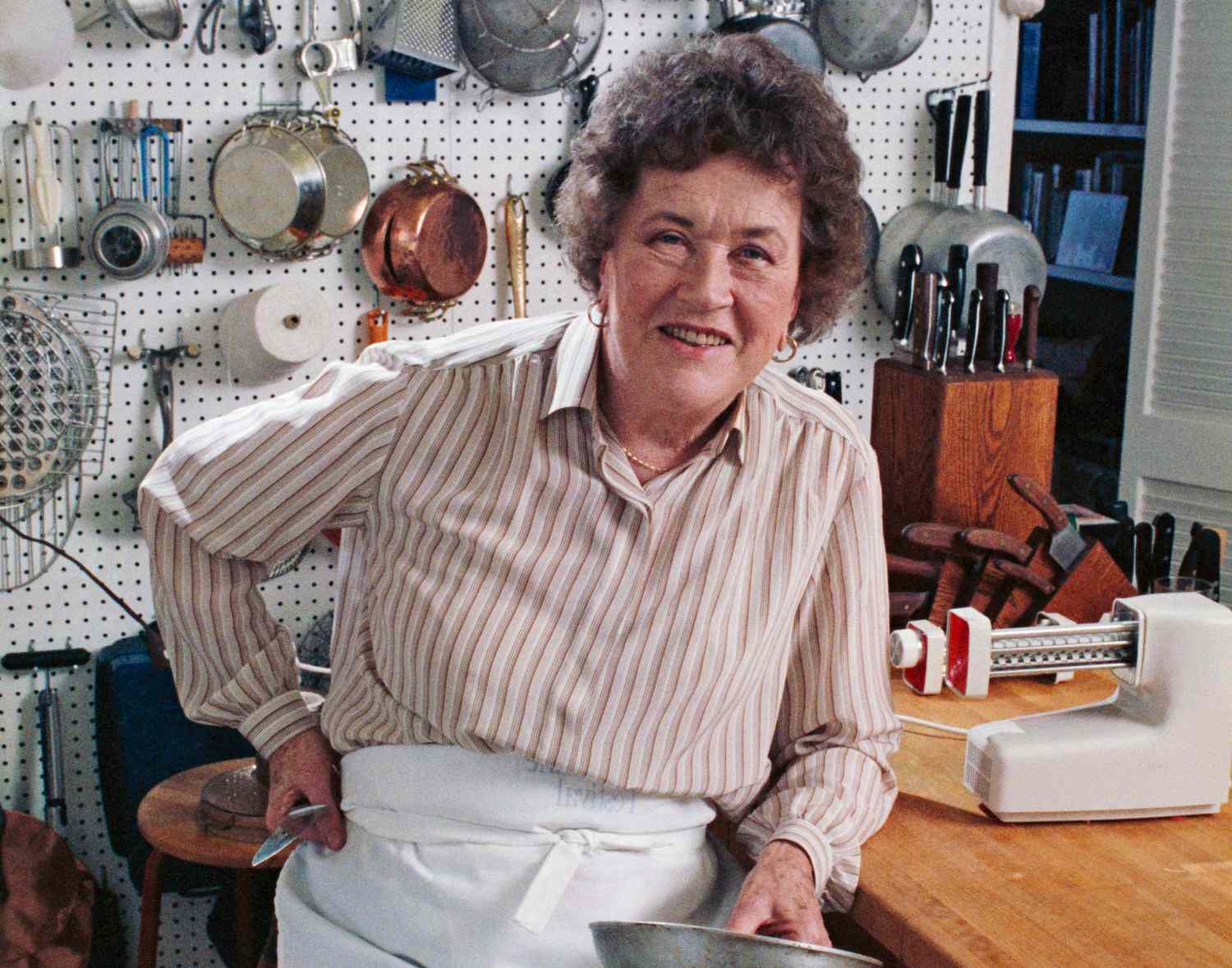
Julia Child’s influence didn’t fade after her early success. With programs like Cooking With Master Chefs, she embraced the evolving TV landscape while holding fast to her mission of teaching home cooks.
Her enduring presence over decades built a trust that few television hosts achieve, giving food programming the credibility it needed to be respected as both entertainment and education.
Wolfgang Puck
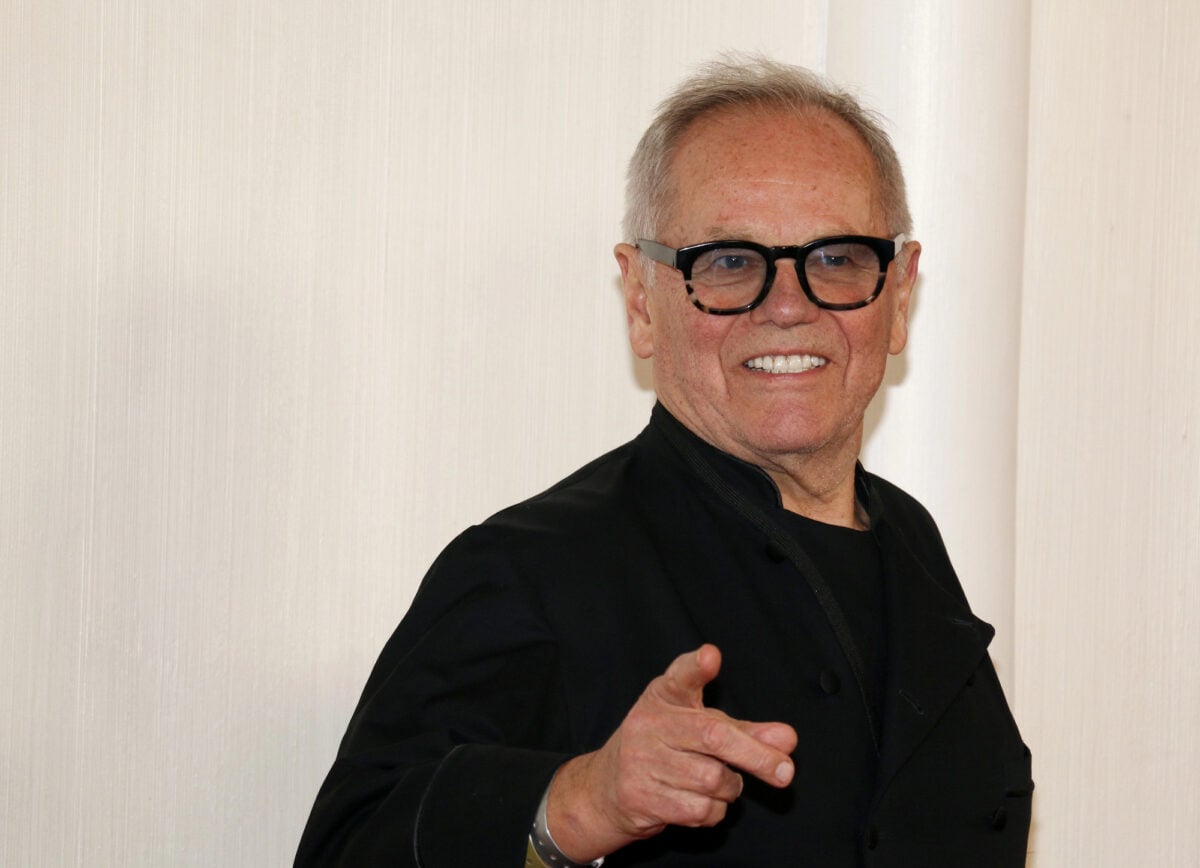
Wolfgang Puck brought the sophistication of fine dining straight to TV screens without losing the warmth of a home kitchen. Whether demonstrating a technique or explaining a recipe, he made upscale cooking feel within reach.
Blending his Austrian roots with California-style innovation, Puck showed viewers that American food television could celebrate global influences while still speaking to everyday cooks.
Mario Batali

With his trademark orange clogs, boundless enthusiasm, and encyclopedic knowledge of Italian food, Mario Batali became a standout on the Food Network. Shows like Molto Mario didn’t just walk viewers through recipes—they offered a cultural tour of Italy’s culinary traditions.
His mix of authenticity, storytelling, and approachable instruction helped redefine how food TV could blend culture and cooking.
Anthony Bourdain
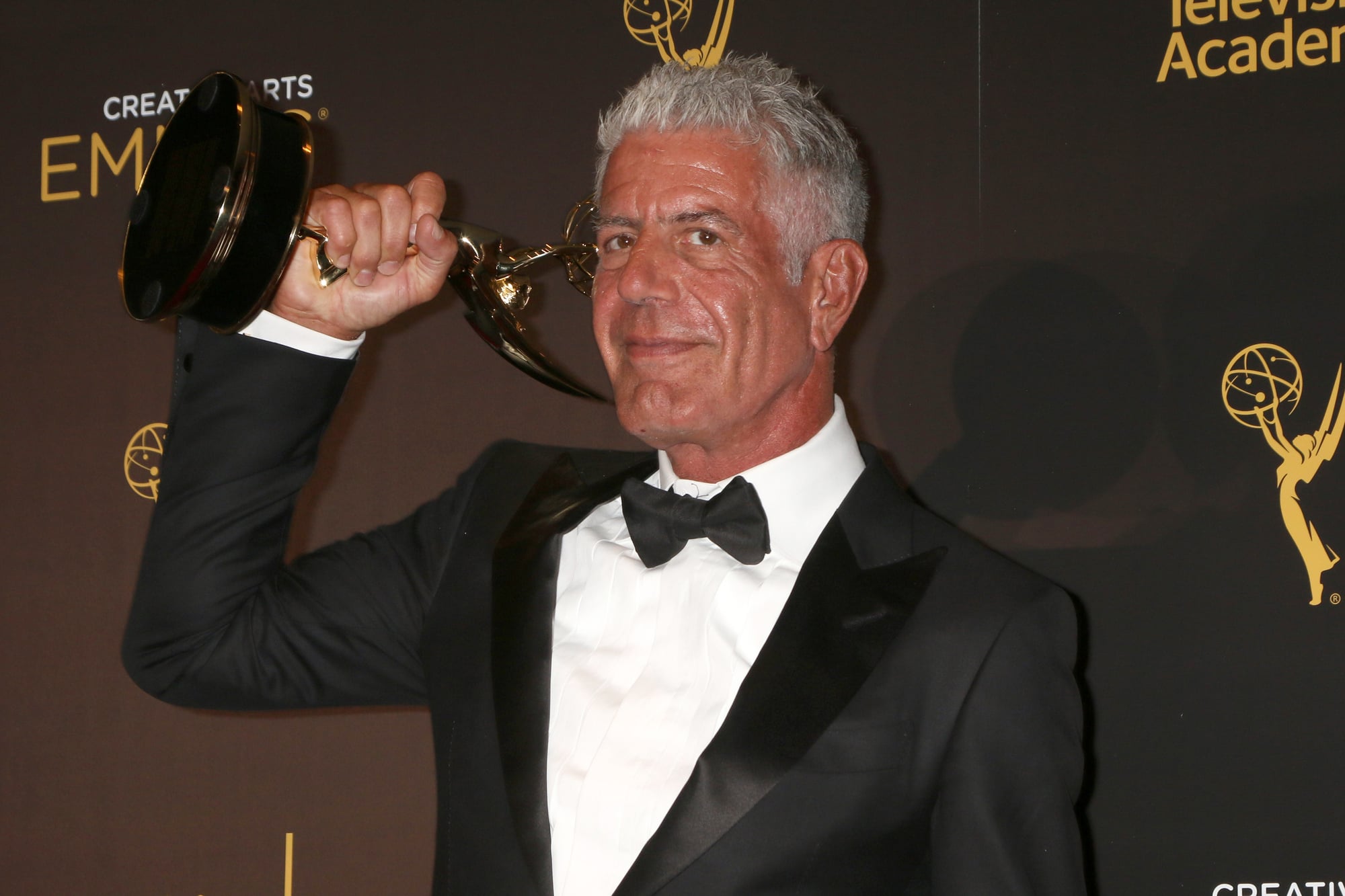
Anthony Bourdain became one of the most influential celebrity chefs in pop culture by taking food television beyond the kitchen and into the world. His shows No Reservations and Parts Unknown revolutionized food TV by making it about culture, travel, and human connection rather than just cooking techniques.
Bourdain proved that food shows could be vehicles for storytelling, social commentary, and cultural exploration.
Gordon Ramsay
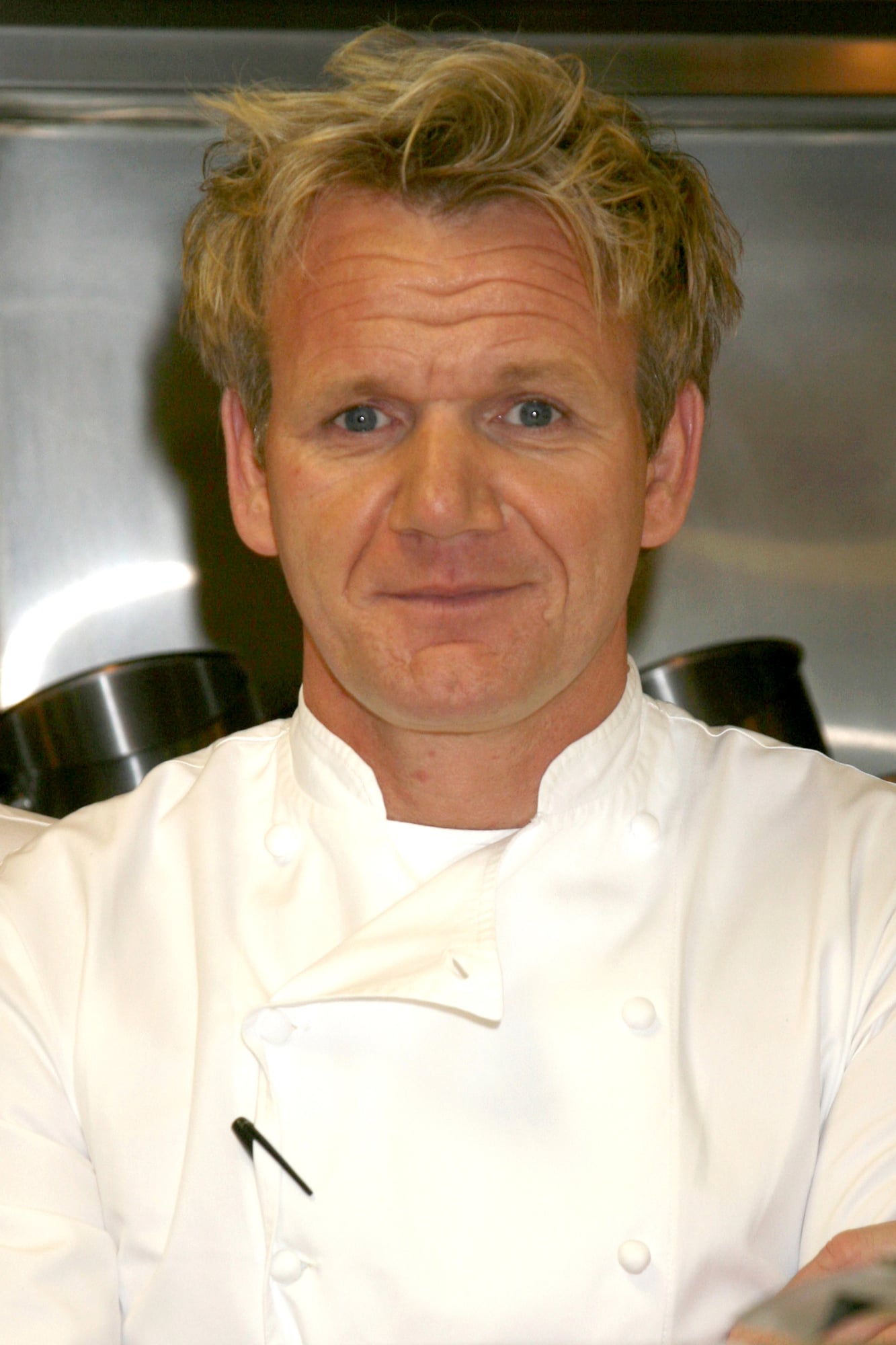
Ramsay revolutionized food television by bringing reality TV drama to professional cooking through shows like Hell’s Kitchen and Kitchen Nightmares. His intense personality and high standards showed audiences the pressure-cooker environment of professional kitchens while maintaining educational value about cooking techniques and restaurant operations.
Ramsay’s success proved that food TV could be competitive, dramatic, and educational simultaneously.
Jamie Oliver

Jamie Oliver gained fame through BBC and Food Network from 1999-2001, where he stripped food to its basic essentials to convince people that anyone can cook. His youthful energy and casual approach made cooking feel approachable for younger audiences who might have found traditional cooking shows intimidating.
Oliver’s activism around school meals and healthy eating showed how TV chefs could use their platforms for social change.
Rachael Ray
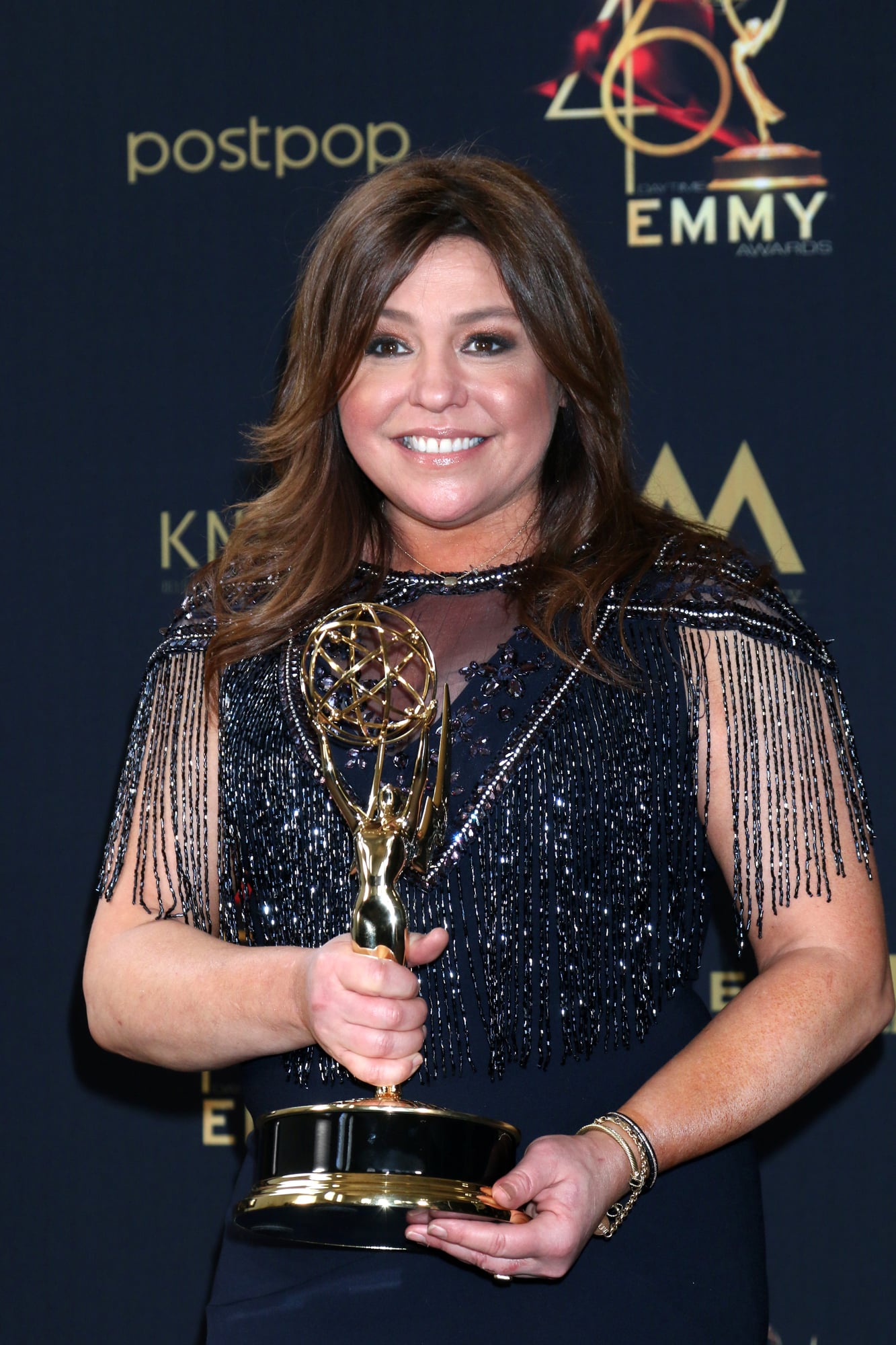
Ray revolutionized food television with her 30 Minute Meals concept, proving that quick cooking could be both practical and entertaining. Her energetic personality and focus on time-saving techniques spoke directly to busy American families.
Ray’s success demonstrated that food TV didn’t need professional chef credentials to be valuable—enthusiasm and practical knowledge could be just as compelling.
Alton Brown

When Good Eats hit the air, Alton Brown reimagined what a cooking show could be. Blending recipes with science experiments, playful skits, and a dash of stand-up comedy, he taught viewers not just how to cook, but why certain techniques worked.
His curiosity-driven style gave food television a brainy edge and proved there was a hungry audience for shows that mixed entertainment with genuine culinary education.
Ina Garten
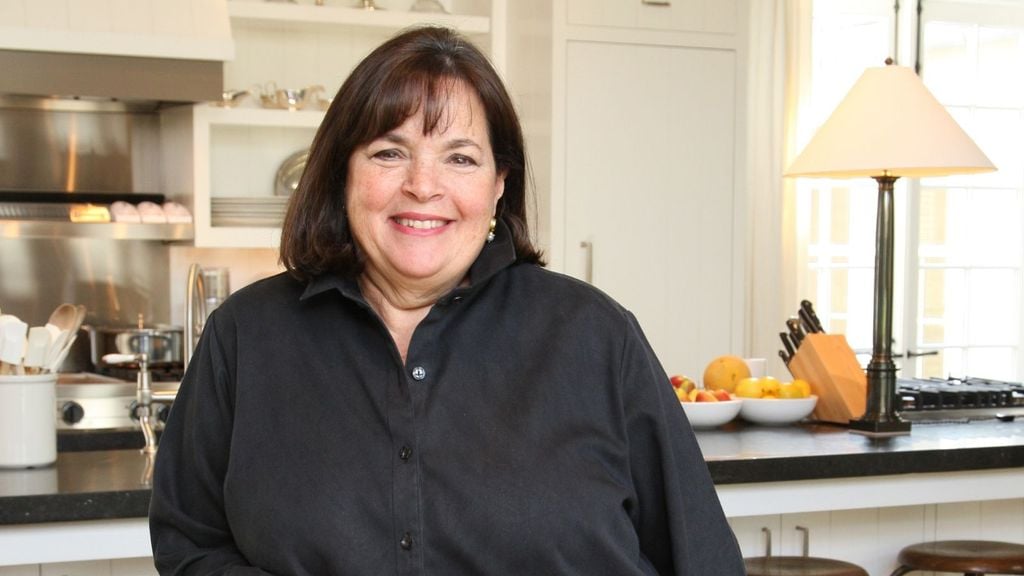
With Barefoot Contessa, Ina Garten crafted a world that was part cooking show, part invitation to a relaxed Hamptons gathering. She emphasized fresh, high-quality ingredients and easy elegance over fussy techniques, making her kitchen feel both aspirational and approachable.
Garten’s calm, deliberate pacing stood in sharp contrast to high-octane competition shows, proving there was plenty of room for slower, more refined food television.
Guy Fieri
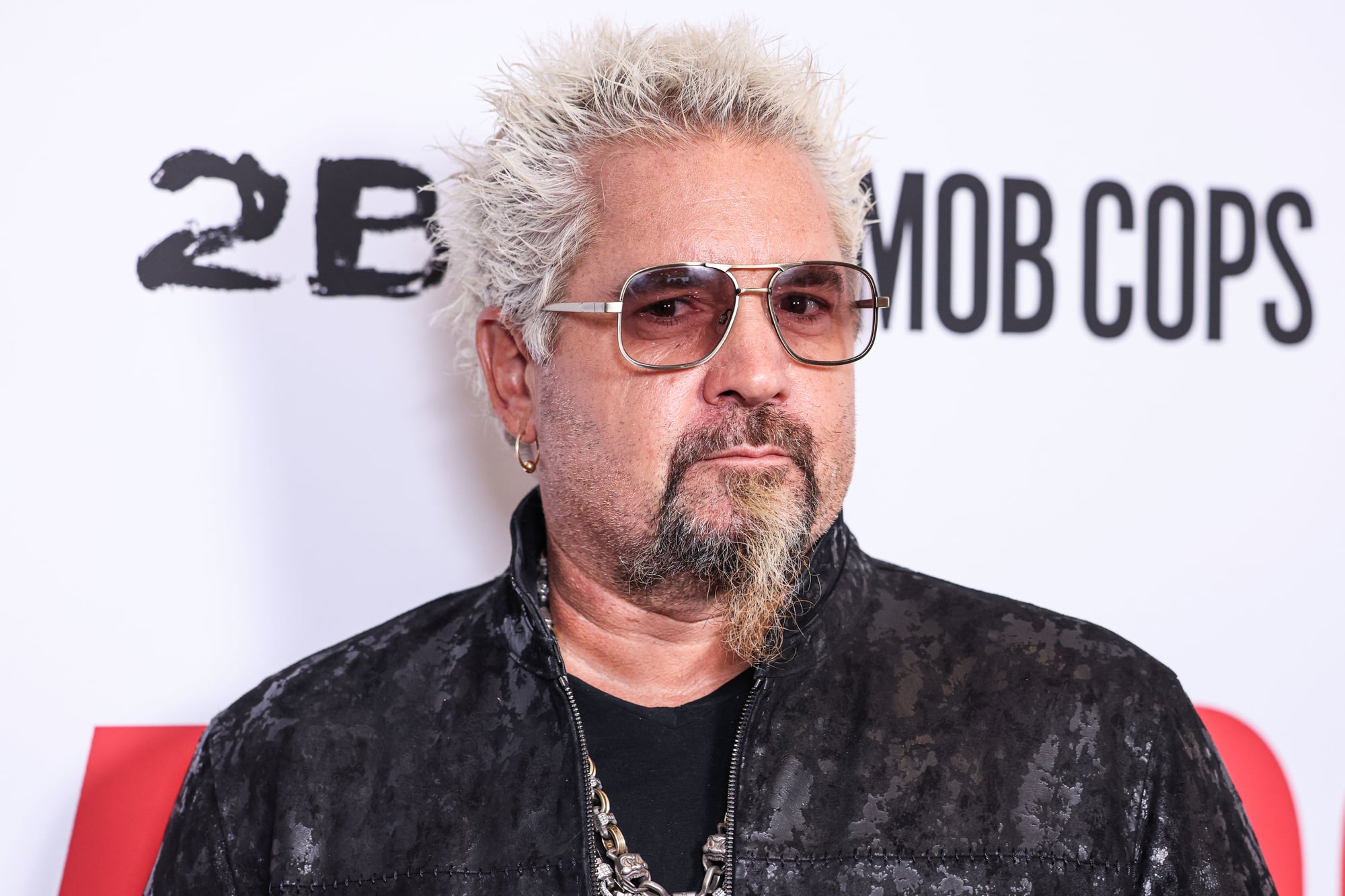
Guy Fieri took food TV on the road rather than staying in the studio. He promoted neighborhood institutions that serve straightforward, hearty meals, family-run barbecue joints, and small-town diners with Diners, Drive-Ins and Dives.
The show was a celebration of community, tradition, and the flavors that characterize regional America because of his large personality and sincere passion for local cuisine.
Bobby Flay

Whether he competed in Iron Chef America or challenged guests to beat Bobby Flay, Bobby Flay became a mainstay of competitive cooking television. He contributed to the development of the contemporary chef-versus-chef format and was well-known for his strong Southwestern flavors and calm composure under duress.
Flay demonstrated that a TV chef could remain relevant for decades without losing their culinary identity by continuously experimenting with new shows and formats.
The lasting recipe for success

The proliferation of foodieism has made the celebrity chef a phenomenon of our pop culture landscape, transforming how Americans think about cooking and eating. These 16 pioneers didn’t just teach recipes—they created an entire entertainment category that influences restaurant culture, home cooking trends, and even social movements around food policy.
Today’s streaming cooking content and social media food personalities all trace their DNA back to these television trailblazers who proved that great cooking combined with compelling personality could capture the nation’s attention. The revolution they started continues to evolve, but their fundamental insight remains unchanged: food brings people together, and great TV chefs know how to make viewers feel like they’re cooking alongside a friend.
More from Go2Tutors!

- The Romanov Crown Jewels and Their Tragic Fate
- 13 Historical Mysteries That Science Still Can’t Solve
- Famous Hoaxes That Fooled the World for Years
- 15 Child Stars with Tragic Adult Lives
- 16 Famous Jewelry Pieces in History
Like Go2Tutors’s content? Follow us on MSN.



