15 Languages That Are Nearly Extinct
Languages have always evolved, transformed and sometimes disappeared throughout human history. Yet the pace at which languages are vanishing today is unprecedented.
Linguists estimate that of the approximately 7,000 languages spoken worldwide, nearly half will likely disappear by the end of this century. Here is a list of 15 languages teetering on the brink of extinction, each with fascinating histories and cultural significance that may soon be lost forever.
Ainu

There are currently fewer than ten fluent speakers of the Ainu language, which is native to northern Japan, especially Hokkaido. Despite recent efforts by the Japanese government to revitalize it, the majority are elderly, rendering this language extremely endangered.
Before assimilation policies almost completely destroyed their linguistic heritage, the Ainu people preserved a unique culture and language for millennia.
Livonian
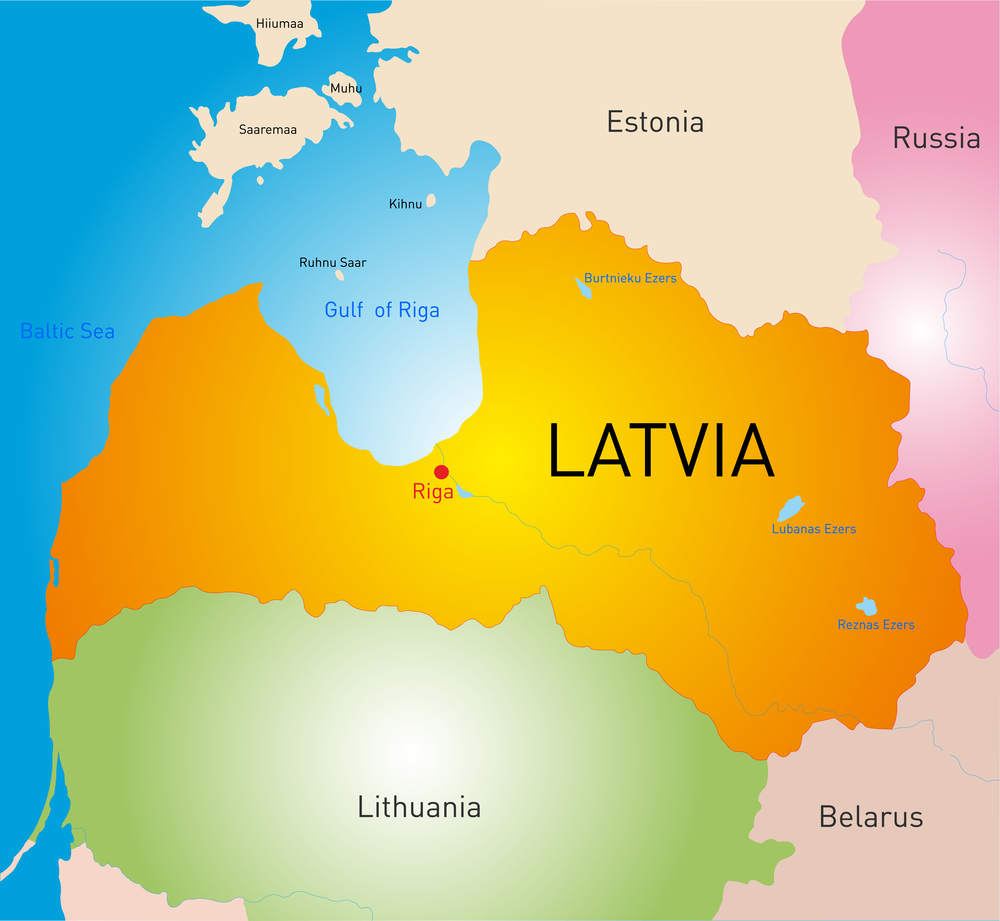
The last native speaker of Livonian, which was formerly spoken along the Baltic coast of Latvia, passed away in 2013. The language had a centuries-long history and was a member of the Finno-Ugric family.
The status of the language has changed from virtually extinct to functionally extinct due to the lack of native speakers, despite current efforts to revive it through educational initiatives.
Kawesqar

This is the language of the Chilean Patagonia and is used by fewer than 20 elderly individuals. The Kawesqar were sea-going canoe folk who journeyed the rugged channels and fjords of southern Chile for many millennia.
The language has unique vocabulary related to sea and maritime travel that indicates how closely associated they were with the sea.
Tanema
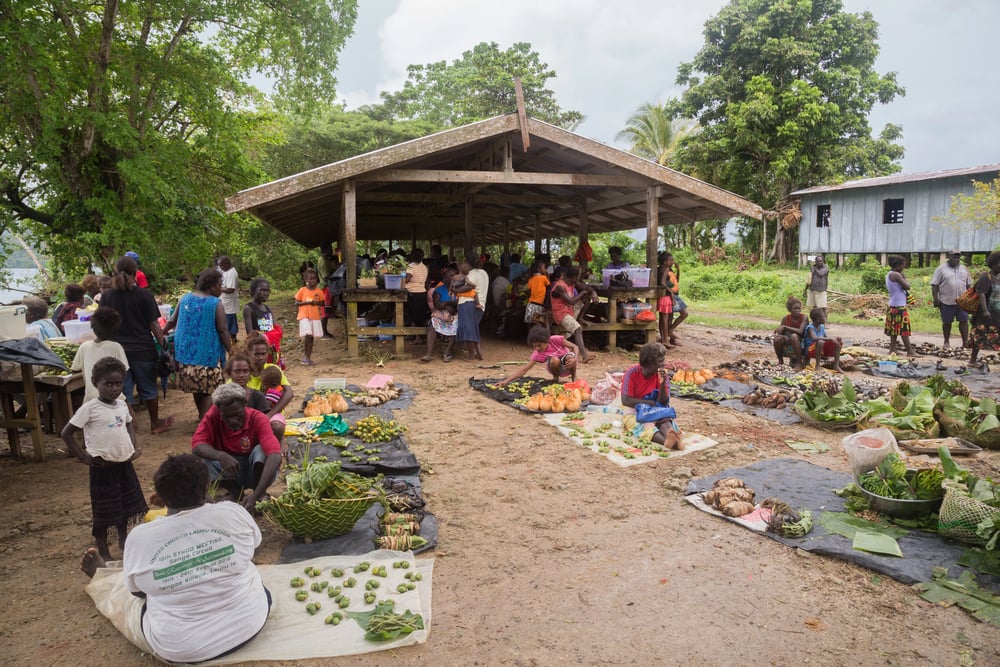
Spoken on Vanikoro in the Solomon Islands, Tanema has just one remaining speaker. The isolation of this remote
Pacific island helped preserve the language for centuries, but now modern communication and migration patterns have led younger generations to adopt more widespread languages. Once the last speaker passes, centuries of oral traditions and cultural knowledge will disappear.
Dumi

Found in eastern Nepal, Dumi has approximately 8 fluent speakers remaining. The language belongs to the Tibeto-Burman family and contains unique grammatical structures not found in neighboring tongues.
Recent documentation efforts have created written records, but without new speakers, Dumi remains critically endangered.
Njerep
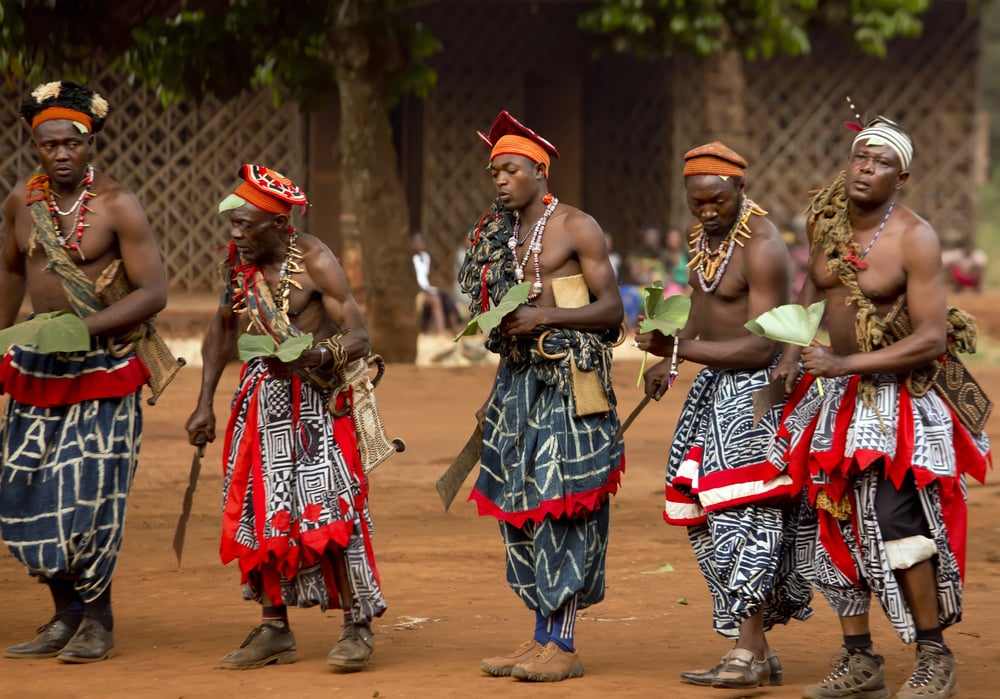
Njerep is in danger of going extinct in Cameroon, where there are only four elderly speakers. The Niger-Congo family of African languages includes this one, which has intricate tonal patterns that academics have found difficult to properly describe.
Traditional medical procedures and local environmental knowledge are among the knowledge ingrained in Njerep.
Patwin

Indigenous to California, Patwin has fewer than 10 semi-fluent speakers remaining. The language was once spoken throughout the Sacramento Valley region before European colonization decimated native populations.
Recent tribal efforts have established teaching programs, but fluent speakers remain extremely rare.
Yaghan

The southernmost indigenous language in the world, Yaghan was spoken by nomadic canoe people in Tierra del Fuego, Chile. Today, just one native speaker remains.
The language is famous for containing the word ‘mamihlapinatapai,’ which describes a meaningful look between two people who both desire something but are reluctant to initiate.
Chamicuro

Located in the Peruvian Amazon, Chamicuro has fewer than 10 elderly speakers left. This Amazonian language contains specialized vocabulary for the rainforest ecosystem, including names for hundreds of plant species and their medicinal properties.
As speakers pass away, this valuable botanical knowledge fades with them.
Chulym

Spoken in central Siberia, the Chulym language has approximately 20 remaining speakers, all over 70 years old. Soviet-era policies that forced Russian-only education contributed significantly to its decline.
The language contains unique descriptors for taiga environments and traditional hunting techniques that reflect centuries of adaptation to harsh Siberian conditions.
This is just a template and this text should be replaced in your post. Each gallery slide consists of a H2 heading, one image, an image caption, and then paragraph text. You can link to your post or another post which is reflected in the image in order to get traffic.
You should have a minimum of 10 gallery slides, so 10 of these block combos. This template has 10 for you to start with.
Busuu

Found in Cameroon, Busuu has fewer than 8 speakers remaining. The language was actually the inspiration for a popular language-learning app named after it, though ironically the app doesn’t teach Busuu itself.
The language contains complex verbal structures that linguists consider valuable for understanding human language capabilities.
Kaixana
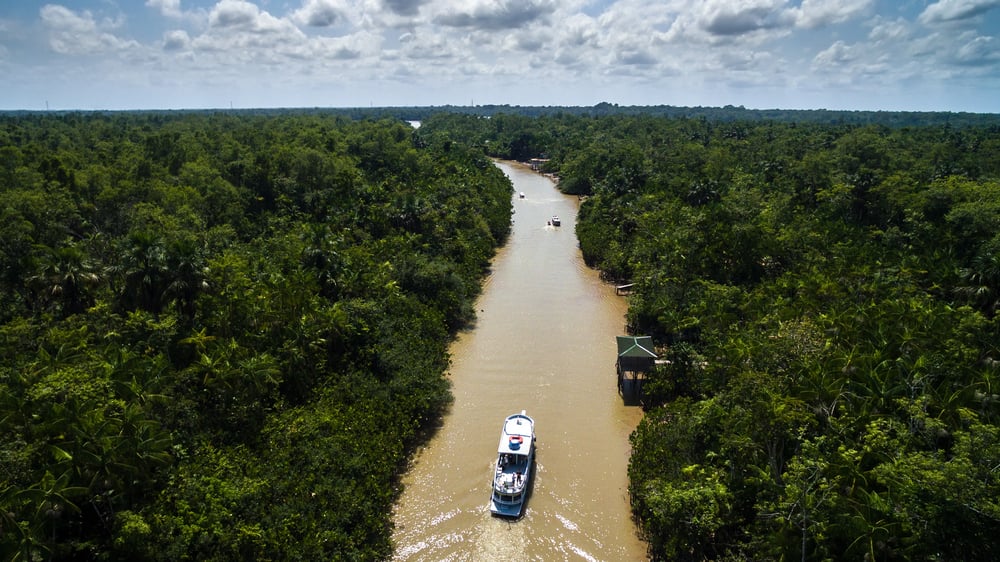
This Amazonian language from Brazil is down to its last speaker. Kaixana survived centuries of colonial expansion only to face extinction in the modern era. The language contains specialized terminology related to Amazon River navigation and seasonal flooding patterns that represent generations of environmental observation.
Liki
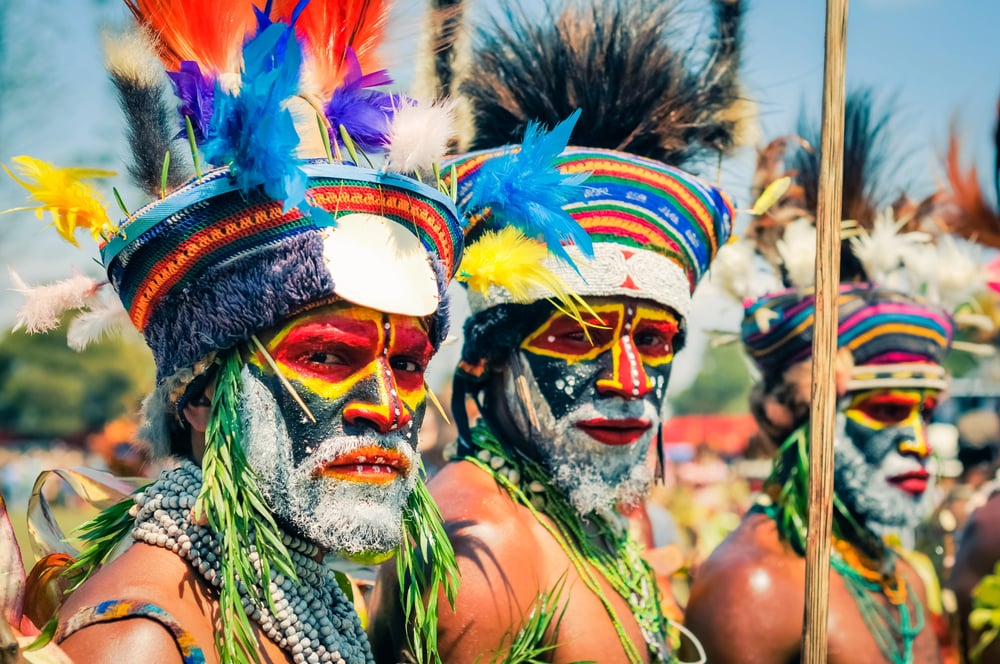
Spoken on a tiny island off the coast of New Guinea, Liki has approximately 5 speakers remaining. Geographic isolation preserved this language for centuries, but modern migration and education practices have led younger generations to adopt Indonesian instead.
Liki contains unique counting systems and maritime terminology not documented elsewhere.
N|uu

One of the few surviving click languages of southern Africa, N|uu has fewer than 10 elderly speakers left. This language represents one of humanity’s oldest linguistic lineages, with sound patterns dating back thousands of years.
Recent efforts have created teaching materials, but finding new learners remains challenging.
Ongota
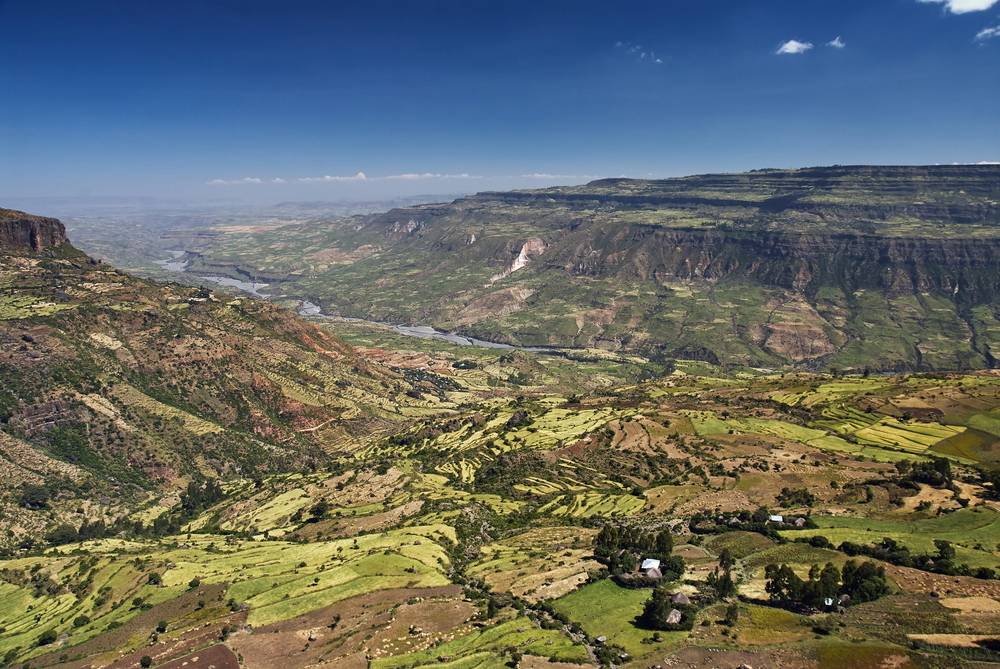
With just 12 remaining speakers in Ethiopia’s Rift Valley, Ongota is critically endangered. The language doesn’t clearly fit into established African language families, making it particularly valuable to linguists studying human language evolution.
Its vocabulary contains specialized terms related to the local ecosystem and traditional herding practices.
The Silent Future

These endangered languages represent just a fraction of the linguistic diversity rapidly disappearing from our world. Each language offers unique insights into human cognition, history and cultural adaptations to specific environments.
When languages die, we lose more than just words and grammar. We lose entire knowledge systems, cultural identities and ways of seeing the world that developed over thousands of years.
Language preservation efforts have increased in recent decades, with digital recording projects, community-led revival programs and greater awareness of what’s at stake. Whether these initiatives can reverse the tide remains uncertain, but they represent our best hope for maintaining the remarkable linguistic diversity that has developed across human history.
More from Go2Tutors!

- The Romanov Crown Jewels and Their Tragic Fate
- 13 Historical Mysteries That Science Still Can’t Solve
- Famous Hoaxes That Fooled the World for Years
- 15 Child Stars with Tragic Adult Lives
- 16 Famous Jewelry Pieces in History
Like Go2Tutors’s content? Follow us on MSN.