Animals with Surprising Communication Styles
When people think about animal communication, most imagine birds singing or dogs barking. These are the obvious sounds that fill our everyday lives.
But the animal kingdom is packed with creatures that talk to each other in ways that seem almost unbelievable. Some use electricity, others vibrate the ground, and a few even communicate through colors that shift faster than a heartbeat.
Let’s take a closer look at some of the most unusual ways animals get their messages across.
Elephants
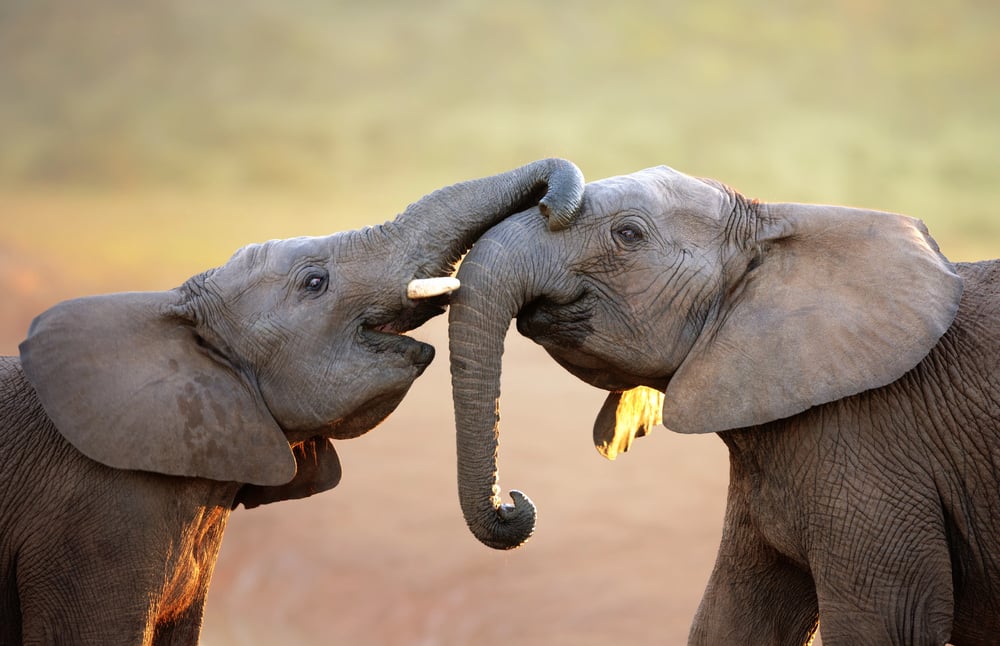
Elephants create low-frequency rumbles that travel through the ground for miles, reaching other elephants long before any sound waves could carry through the air. These rumbles are so deep that humans can’t even hear most of them without special equipment.
When an elephant wants to warn its family about danger or call for help, it might stomp its feet to send vibrations that other elephants pick up through sensitive pads in their feet. This underground network lets elephant herds stay connected even when they’re separated by vast distances across the African savanna.
Prairie dogs
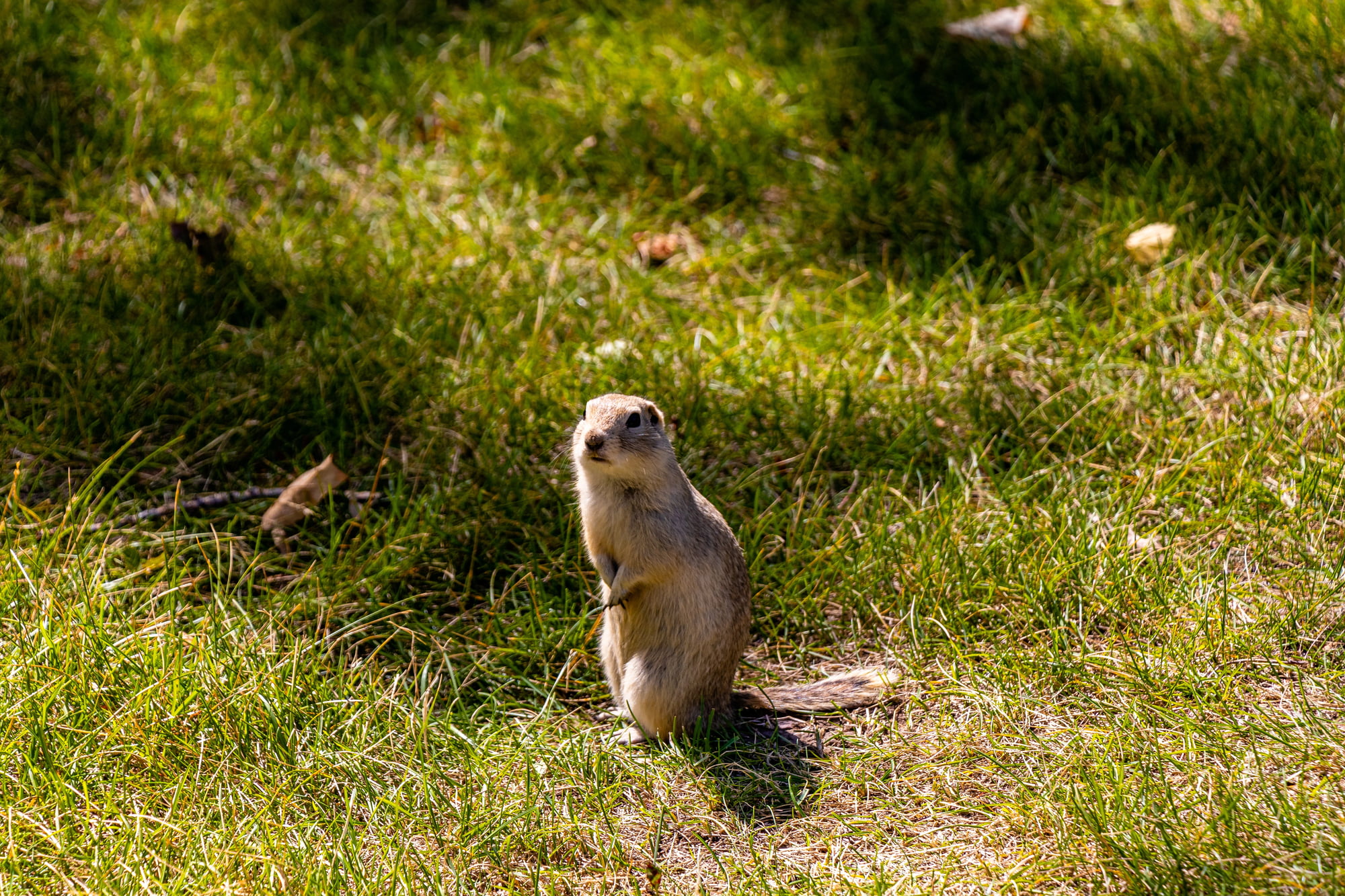
Prairie dogs have one of the most complex language systems ever discovered in the animal world, with different chirps and barks for different types of predators. Scientists have found that these small rodents can describe the color of clothing a human is wearing, how tall the person is, and even whether that person is carrying a gun.
Their alarm calls aren’t just simple warnings but detailed descriptions that help the whole colony respond appropriately. A prairie dog might use one sound for a coyote, another for a hawk, and a completely different one for a human in a blue shirt walking slowly.
Bees
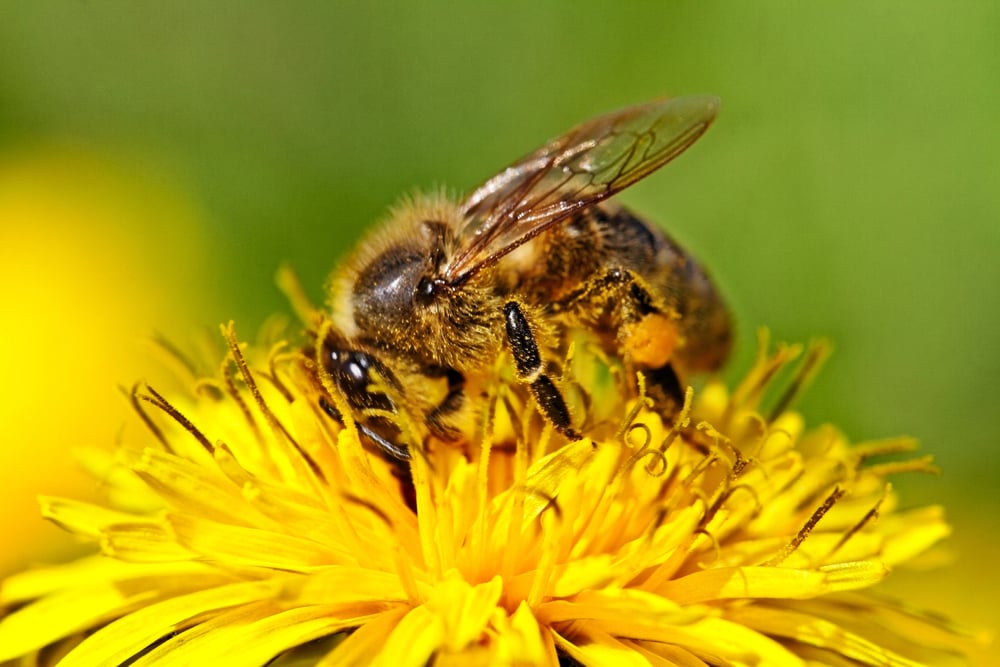
Honeybees perform elaborate dances inside their dark hives to tell other bees exactly where to find flowers loaded with nectar. The waggle dance includes specific movements that indicate distance and direction relative to the sun’s position.
A bee will wiggle its body in a figure-eight pattern, and the angle of the dance tells other bees which way to fly once they leave the hive. The duration of the waggle portion reveals how far away the food source is, with longer waggles meaning a longer flight.
Cuttlefish
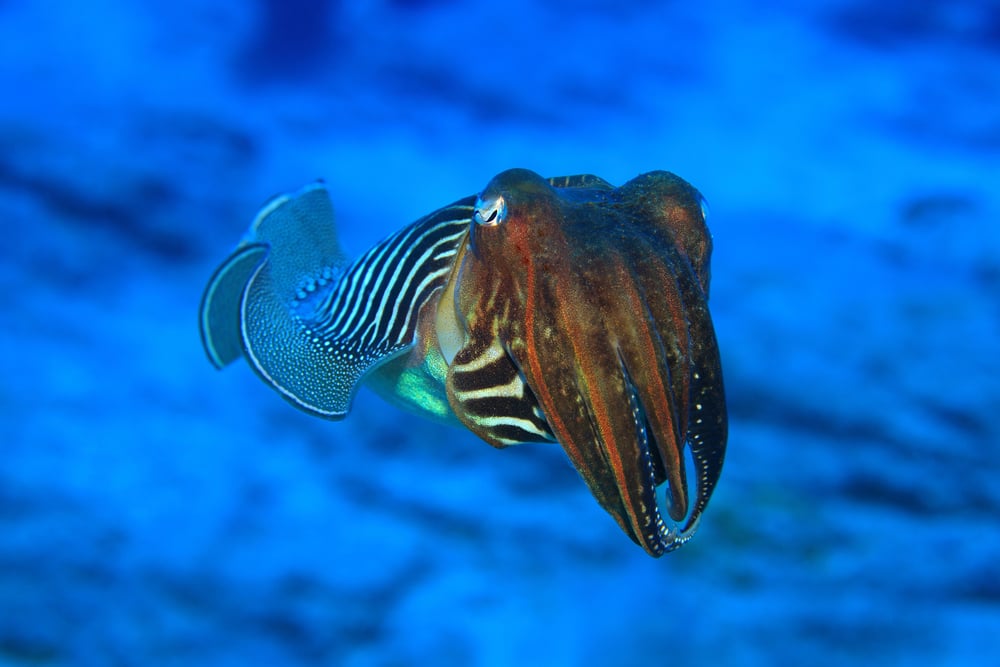
Cuttlefish change the colors and patterns on their skin faster than a camera shutter clicks, creating moving displays that communicate everything from aggression to romantic interest. These ocean creatures have specialized cells called chromatophores that expand and contract to produce instant color changes.
A male cuttlefish trying to impress a female might ripple waves of color across its body while simultaneously showing aggressive patterns to a rival male on its other side. They can even split their display, showing a peaceful pattern to one observer while flashing warning colors to another.
Whales
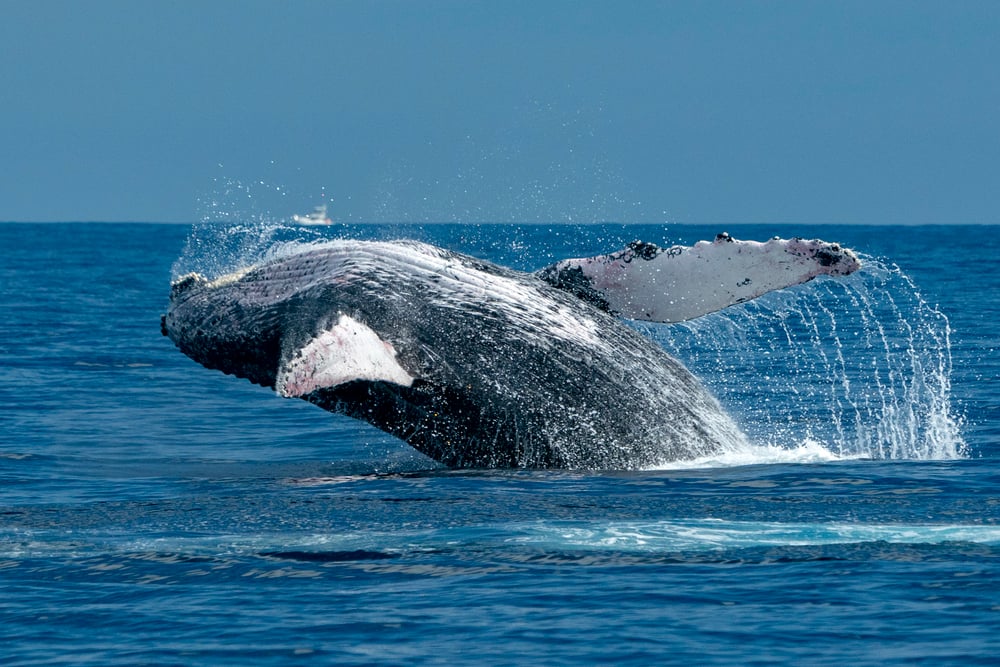
Humpback whales compose songs that can last up to 20 minutes and travel across entire ocean basins through deep underwater channels. These songs change gradually over time, with all the males in a region updating their tunes in sync like a slow-motion musical trend.
Scientists believe the songs serve multiple purposes, from attracting mates to establishing territory. The complexity rivals human music, with repeating themes, phrases, and structures that evolve season by season.
Bats
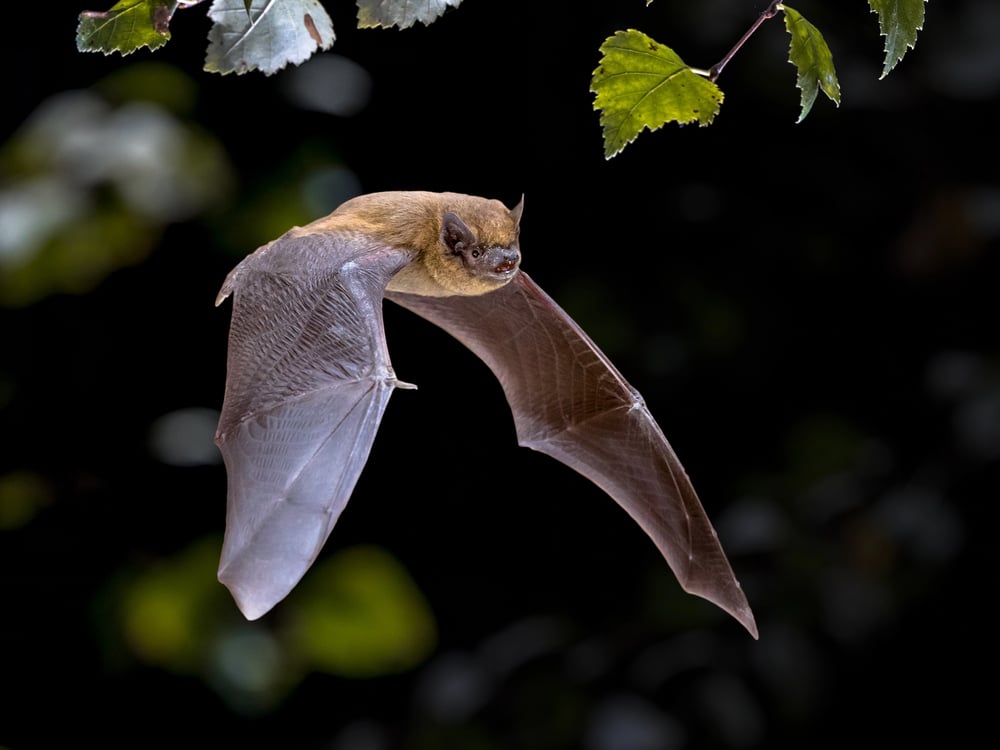
Many bat species use echolocation to navigate, but some also adjust their ultrasonic calls to have conversations with each other that sound like arguments to researchers. Mother bats and their pups have signature calls that help them find each other in caves packed with millions of individuals.
When two bats want the same roosting spot, they’ll engage in vocal sparring matches that escalate in intensity and pitch. Recent studies show that bats even have regional dialects, with groups from different areas using slightly different call patterns.
Dolphins
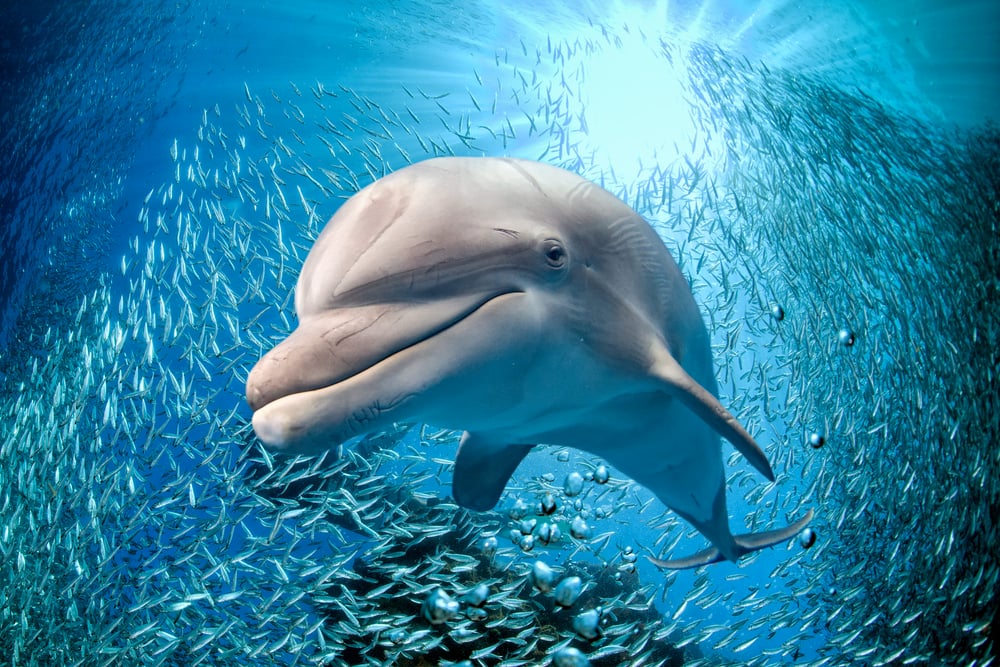
Dolphins develop unique signature whistles that function like names, and they use these whistles to call out to specific individuals in their pod. When dolphins get separated, they’ll whistle their own signature sound and wait for a response from their friends.
They can also mimic the signature whistles of other dolphins to get their attention or possibly even to gossip about them. This naming system is rare in the animal kingdom and shows a level of self-awareness that scientists once thought only humans possessed.
Pistol shrimp
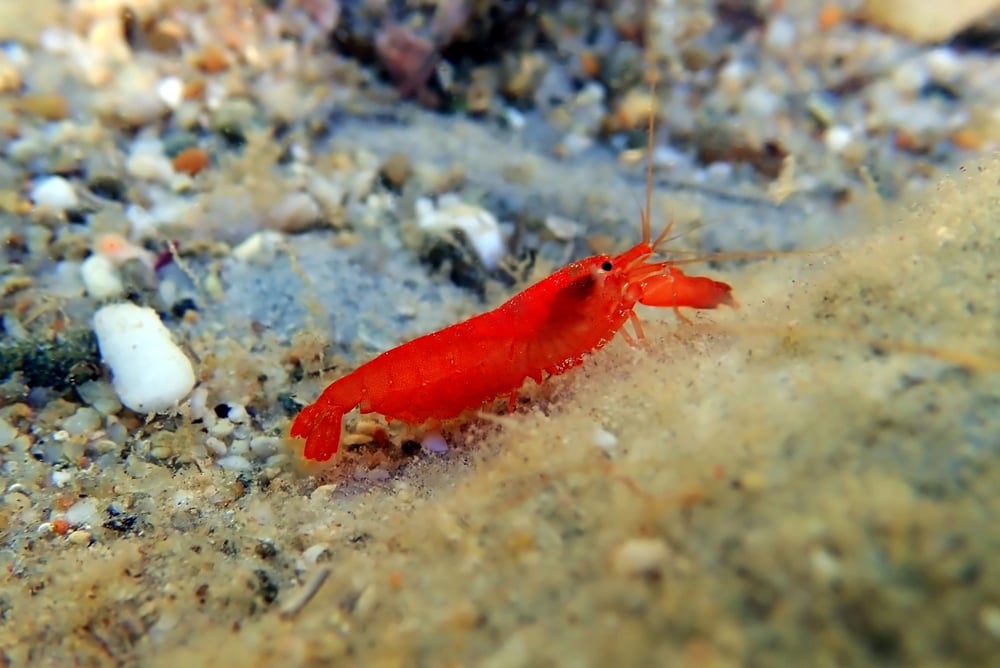
Pistol shrimp snap their claws so fast that they create bubbles which collapse with a sound louder than a gunshot, stunning prey and communicating with rivals. The bubble collapse generates temperatures nearly as hot as the sun’s surface for a split second.
These tiny shrimp use their sonic weapon not just for hunting but also to establish territories and warn intruders to back off. The snapping sound is so distinctive that submarines have used shrimp colonies as acoustic camouflage during wartime.
African elephants
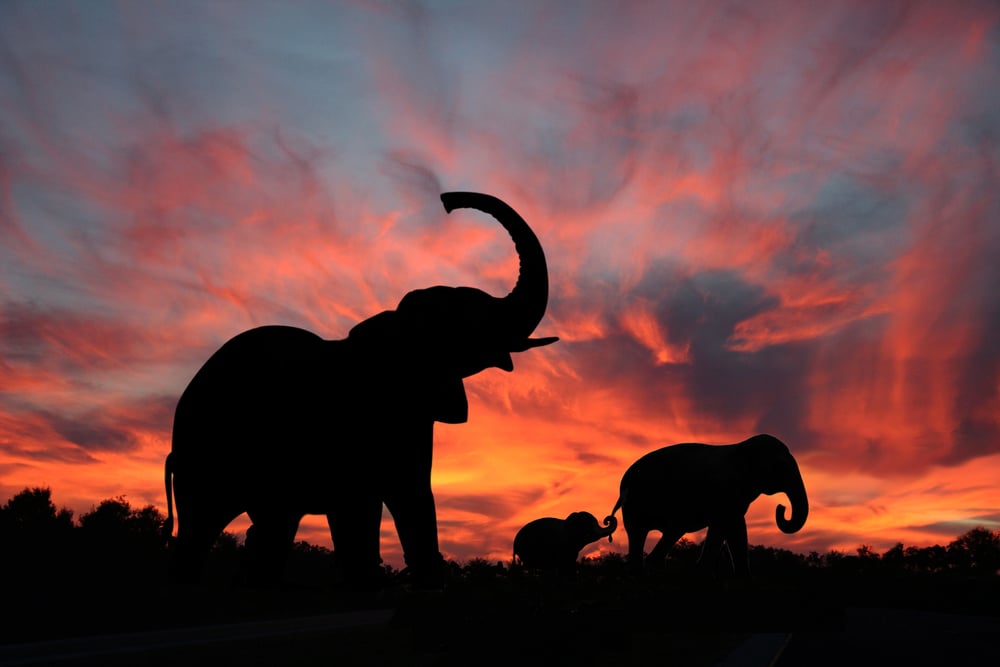
African elephants can recognize the calls of up to 100 different individuals and remember those voices for years, even after long separations. They respond differently depending on whether the caller is a family member, a friendly acquaintance, or a stranger from another region.
Research shows that elephants pay special attention to the calls of the matriarch, who serves as the group’s leader and knowledge keeper. When elephants hear the voice of a deceased family member played through speakers, they often show signs of distress and search the area intensively.
Fireflies

Fireflies flash specific light patterns to attract mates, with each species having its own morse code of blinks and pauses. Males fly around flashing their species-specific pattern while females perch on vegetation and respond with their own timed flashes.
Some females have learned to mimic the flash patterns of other firefly species to lure in males, which they then eat. The timing has to be precise down to fractions of a second, or the message gets lost in the light show of hundreds of other fireflies.
Peacock spiders
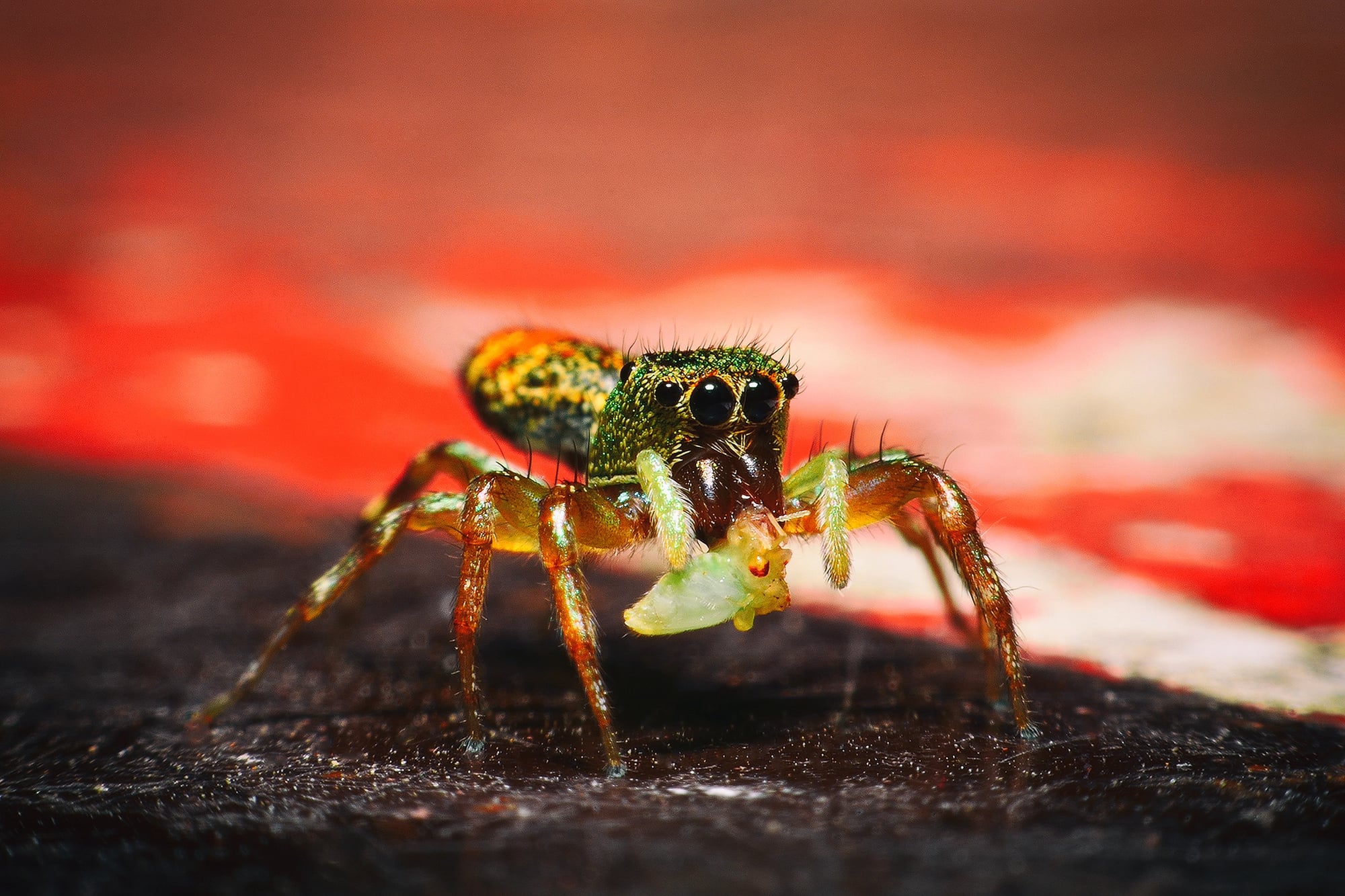
Male peacock spiders perform elaborate dances complete with colorful displays and precise leg movements that look like tiny choreographed performances. These spiders, smaller than a grain of rice, raise their brilliantly colored abdominal flaps and wave their legs in specific patterns to court females.
Different species have different dance routines, and females are extremely picky about the quality of the performance. A male that messes up the steps or shows dull colors will get rejected or sometimes even eaten.
Mole rats
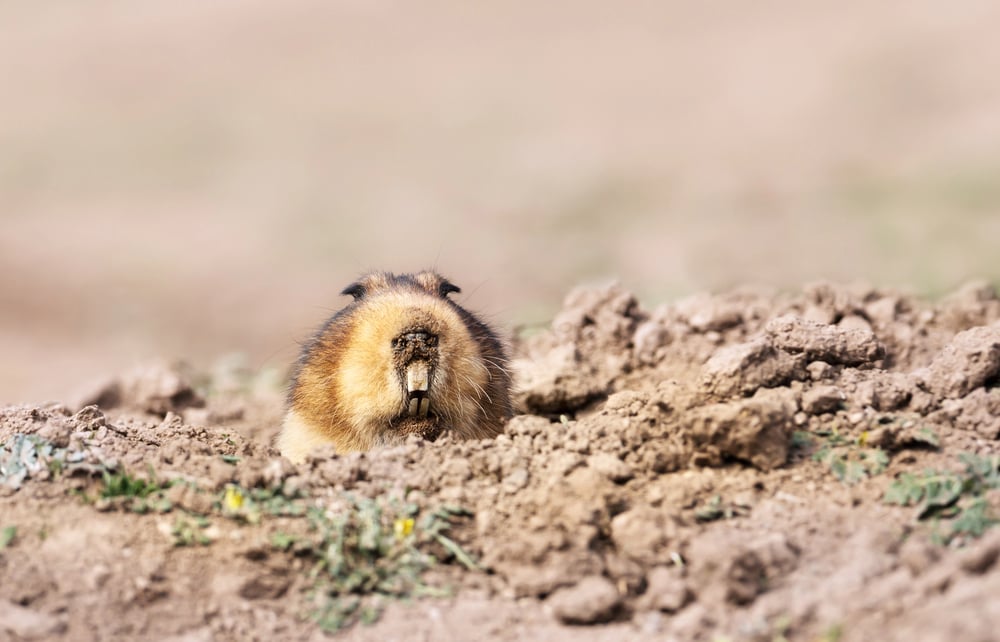
Mole rats live in colonies with a social structure similar to bees, and they use at least 17 different vocalizations to organize their underground society. Different chirps mean different things, from alerting others about food to coordinating tunnel digging efforts.
The queen has her own unique call that maintains order in the colony. Baby mole rats even have special distress calls that bring workers running to rescue them from cave-ins or predators.
Mantis shrimp
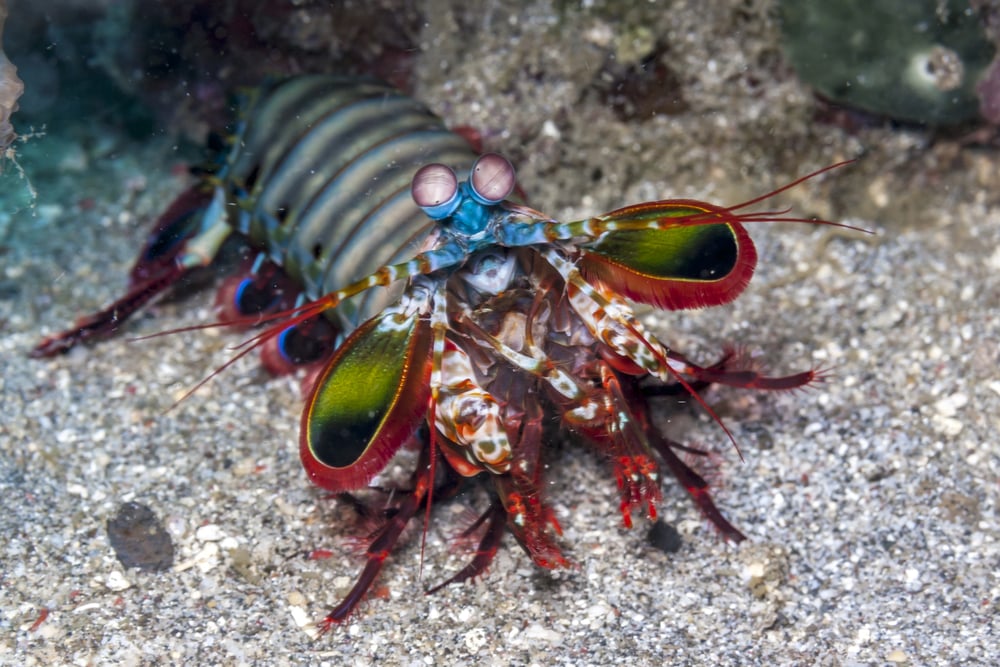
Mantis shrimp communicate through a combination of fluorescent body parts, rapid movements, and vibrations that travel through the water. Their eyes are among the most complex in the animal kingdom, capable of seeing colors and polarized light that humans can’t even imagine.
They use these visual signals to establish dominance without fighting, which is important because their punch is strong enough to break aquarium glass. The fluorescent patterns on their bodies glow in colors that only other mantis shrimp can fully appreciate.
Ravens
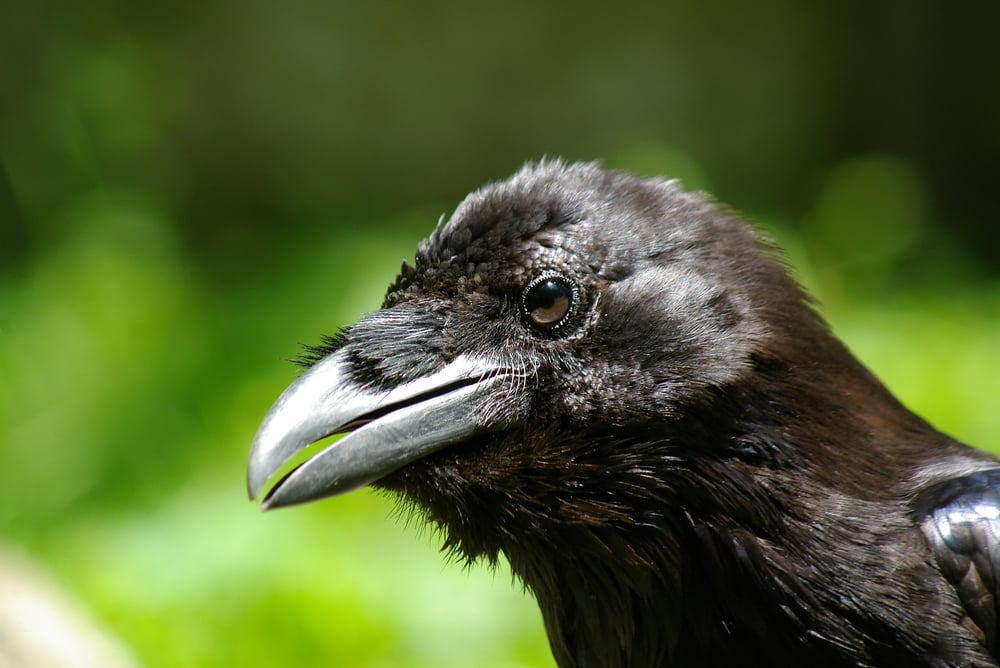
Ravens use gestures like pointing with their beaks to show objects to other ravens, a behavior once thought to be unique to primates. Young ravens play elaborate games that seem designed to teach communication skills and social rules.
They also appear to plan for future events by caching food in specific locations and remembering where other ravens hide their stashes. When a raven discovers a large food source, it might call others to share, possibly to build social alliances that pay off later.
Giraffes
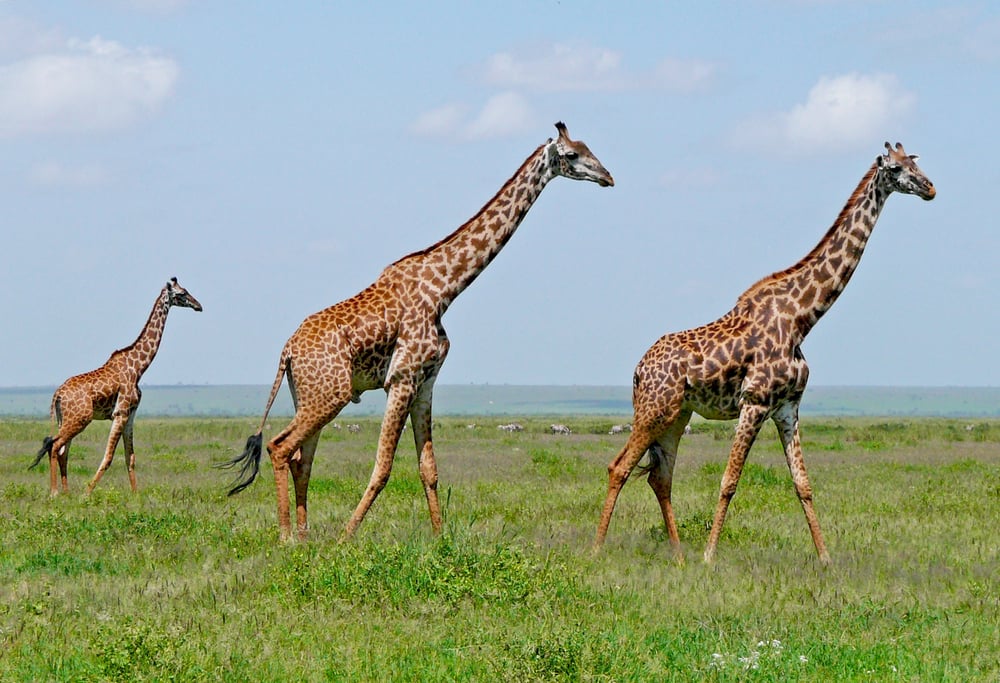
Once believed to make almost no sound, giraffes actually produce soft hums after sunset – sounds so faint most people would miss them. At night, these deep tones travel between individuals where sight fails under African skies thick with shadow.
When placed somewhere new or away from familiar herd mates, the animals hum more often, as if reaching out. What exactly they’re saying remains unclear, though researchers keep listening closely.
Parrots
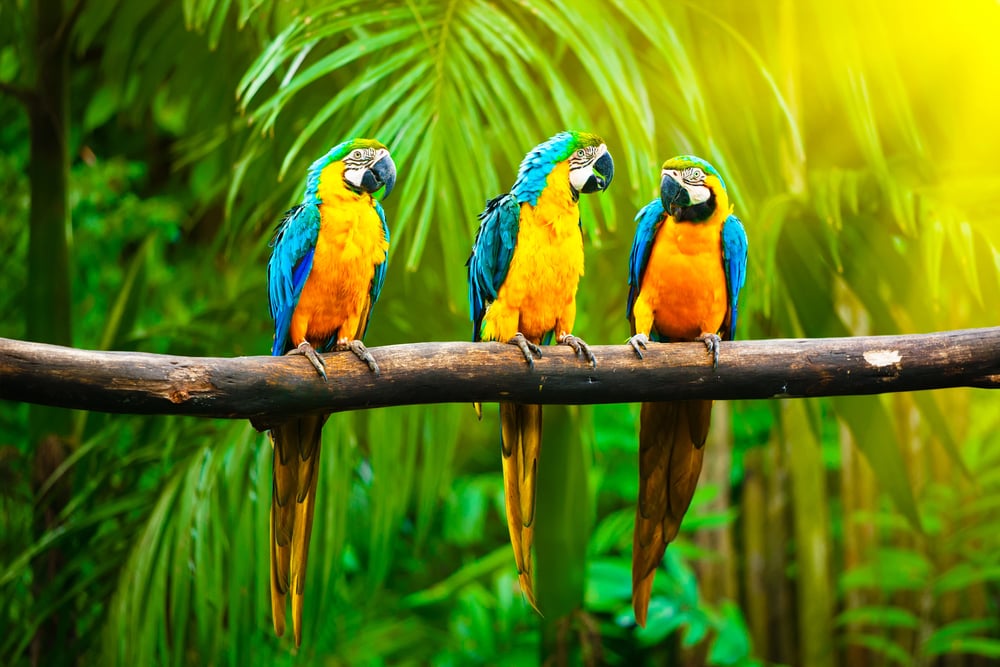
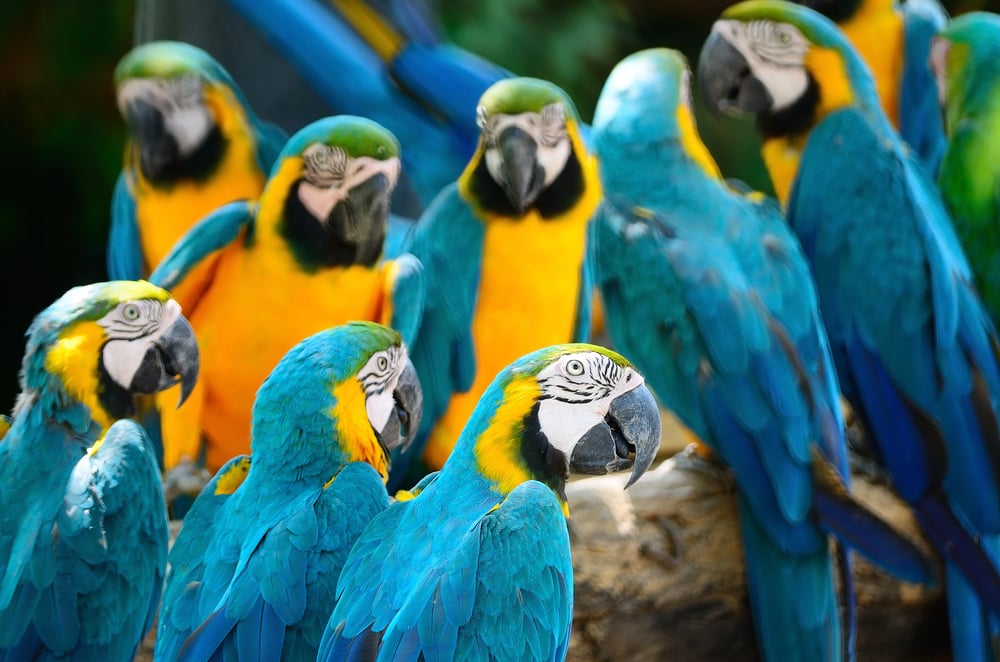
Starting before hatching, young parrots pick up unique calls from their parents, similar to how human infants get names. These vocal patterns help individuals recognize one another within a group, even when far apart.
Over time, if a bird relocates, it tweaks its sound to fit in with nearby birds – like picking up a local way of speaking. Communication goes beyond noise; they appear to assign specific labels to others.
What emerges isn’t random repetition, but structured exchanges hinting at real discussion. Identity and connection shape the way these birds use voice.
Where sound meets light and everything in between
Soundless signals ripple through soil, telling hidden stories. Life figured out messaging long before humans spoke.
A flick of a tail carries weight; so does silence between birdsong. Smells drift on air currents, spelling news for those who detect them.
Each signal fits like a key – no extra parts, no waste. Watch how movement shapes meaning when words are absent.
Even stillness speaks volumes if you know where to look.
More from Go2Tutors!

- The Romanov Crown Jewels and Their Tragic Fate
- 13 Historical Mysteries That Science Still Can’t Solve
- Famous Hoaxes That Fooled the World for Years
- 15 Child Stars with Tragic Adult Lives
- 16 Famous Jewelry Pieces in History
Like Go2Tutors’s content? Follow us on MSN.



