Gadgets From The 80s Worth A Lot
The 1980s gave us technology that seemed futuristic at the time but looks charmingly retro now. What most people don’t realize is that many of these gadgets have become serious collectibles.
The right piece of 80s tech sitting in your attic could be worth hundreds or even thousands of dollars today. Collectors hunt for these items not just for nostalgia, but because some of them represent genuine milestones in technology history.
Original Nintendo Entertainment System
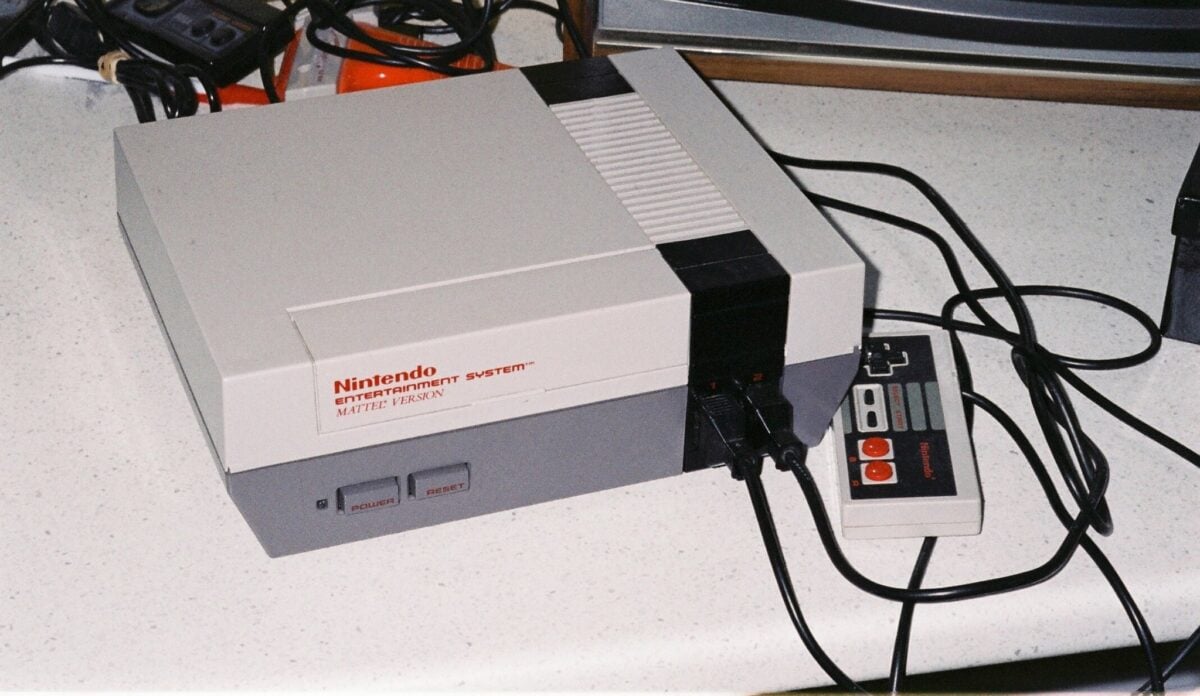
The NES changed everything when it launched in North America in 1985. Finding one in mint condition with the original box can fetch anywhere from $500 to over $1,000.
But the real money sits with sealed, unopened units. Those can sell for $5,000 or more at auction.
The value climbs even higher with certain game cartridges. Stadium Events, a track-and-field game that had a brief production run, regularly sells for over $10,000.
Even common games like Super Mario Bros. can pull in serious cash if they’re still sealed in their original packaging.
Apple Macintosh 128K

When Apple released the original Macintosh in 1984, it cost $2,495. That’s about $7,000 in today’s money.
Now the collectors market has made these machines valuable again. A working Macintosh 128K with its original packaging and accessories can sell for $2,000 to $3,000.
The most pristine examples have gone for even more at specialty auctions. What makes them particularly desirable is that they represent the beginning of personal computing as most people know it today.
The graphical user interface and mouse control were basically new concepts for home users.
Sony Walkman TPS-L2
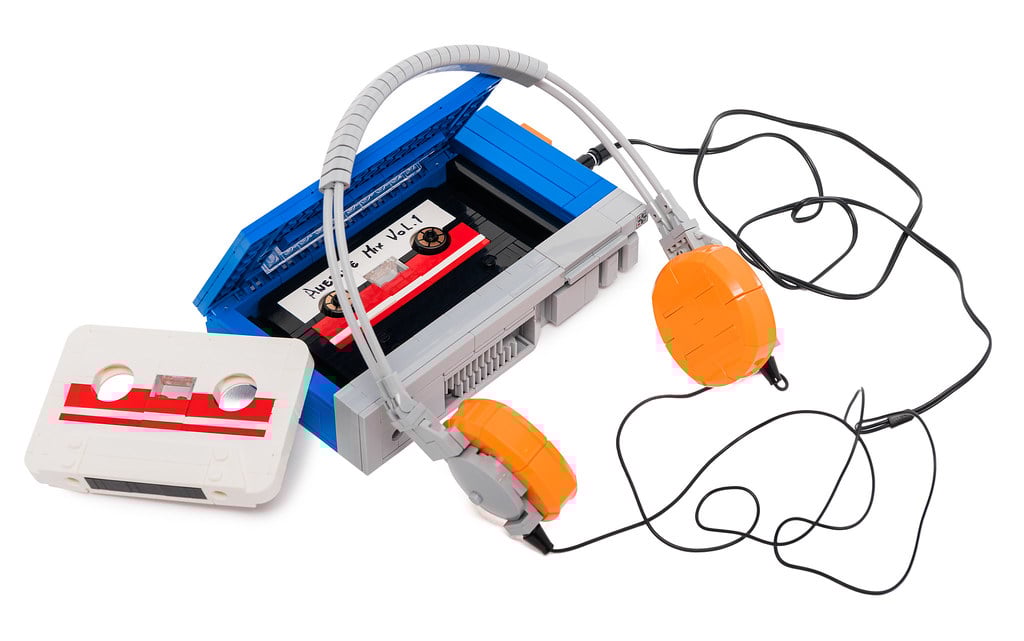
This was the first Walkman, released in 1979 but hugely popular through the 80s. The original model in good condition typically sells for $500 to $1,500.
Mint condition units with original headphones and packaging can reach $3,000 or higher. Sony revolutionized how people listened to music.
Before the Walkman, portable music meant carrying a boom box on your shoulder. The TPS-L2 made music truly personal and mobile.
Atari 2600
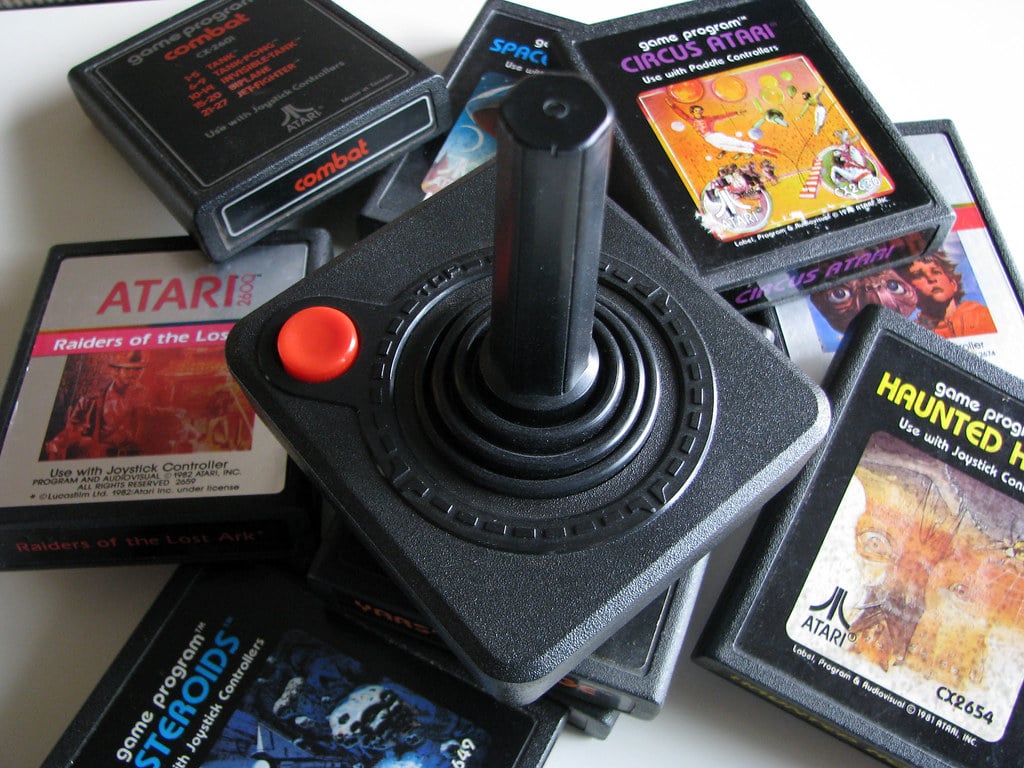
The wood-grain Atari 2600 defined home gaming in the early 80s. Complete systems in good shape go for $100 to $300, but that’s just the starting point.
Special editions and variants can be worth much more. The Sears Video Arcade version, which was the same console sold under a different brand, has become particularly collectible.
But here’s where it gets interesting. Certain Atari games have become legendary. A sealed copy of Air Raid sold for $33,433 at auction.
Even more common titles like E.T. the Extra-Terrestrial, once considered the worst game ever made, now sells for decent money because of their notoriety.
Commodore 64
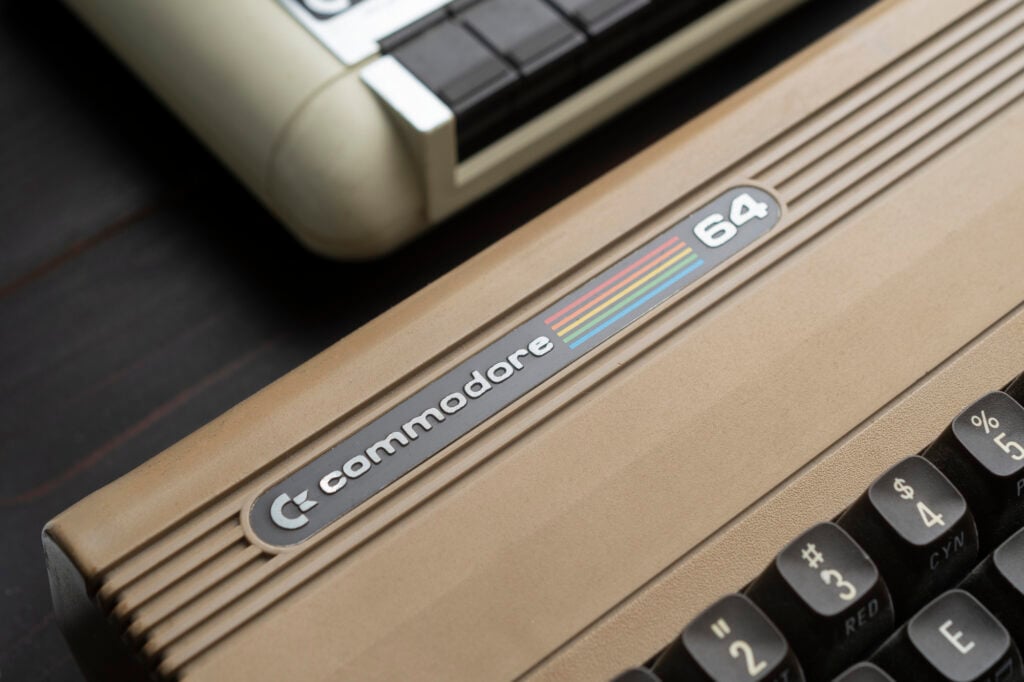
The C64 became the best-selling single computer model of all time. Millions were sold, which means plenty are still around.
A working unit typically sells for $100 to $300. The value increases significantly for boxed units with manuals and accessories.
Special editions like the C64 Games System can fetch $500 or more. Software is where the real treasure hunt begins.
Original boxed games and rare titles can sell for hundreds of dollars each.
Original Game Boy
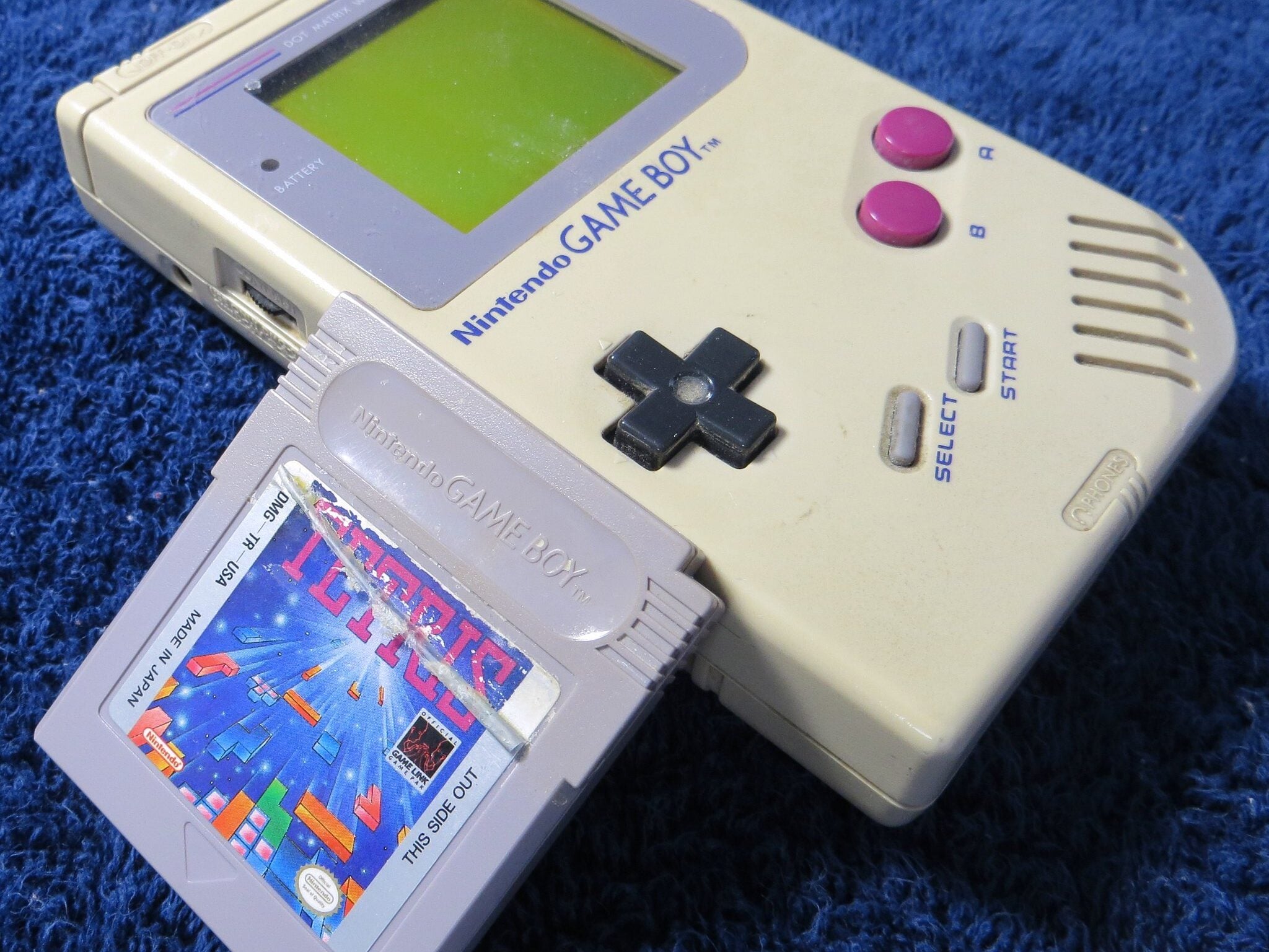
Nintendo’s portable gaming system from 1989 started a revolution. A working Game Boy in good condition sells for $50 to $150, depending on the model and color.
Limited edition variants like the Play It Loud series command higher prices. Sealed units still in their original packaging regularly sell for $500 to $1,000.
Some rare promotional versions have sold for even more. The games themselves have also become valuable.
Certain limited-run titles can fetch several hundred dollars.
Casio Calculator Watch

The Casio CA-50 and similar calculator watches were the height of 80s tech fashion. These tiny computers strapped to your wrist seemed incredibly advanced at the time.
Today, pristine examples with original packaging sell for $100 to $400. What makes them valuable isn’t just nostalgia.
They represent an early attempt at wearable technology, decades before smartwatches became common. Collectors appreciate them as artifacts of that experimental era.
Roland TR-808 Drum Machine
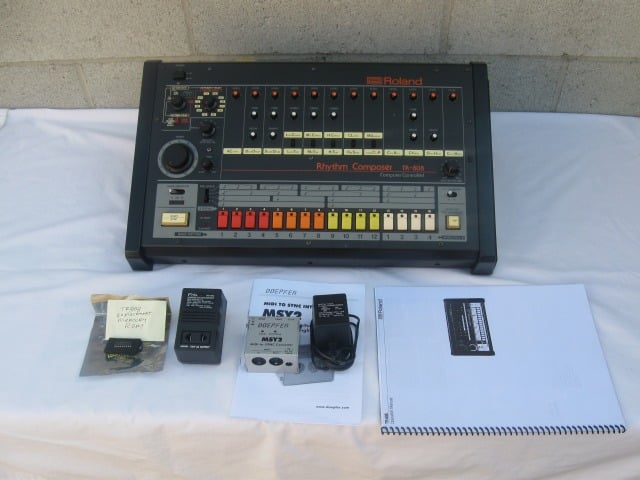
Music producers know this one well. The TR-808 defined the sound of 80s music and continues to influence modern hip-hop and electronic music.
When it was discontinued in 1984, you could pick one up for under $1,000. Now they regularly sell for $4,000 to $5,000, and pristine units can reach $10,000 or more.
The 808’s distinctive sound became so iconic that software emulations exist, but producers still seek out the original hardware. That demand keeps prices climbing.
Polaroid SX-70
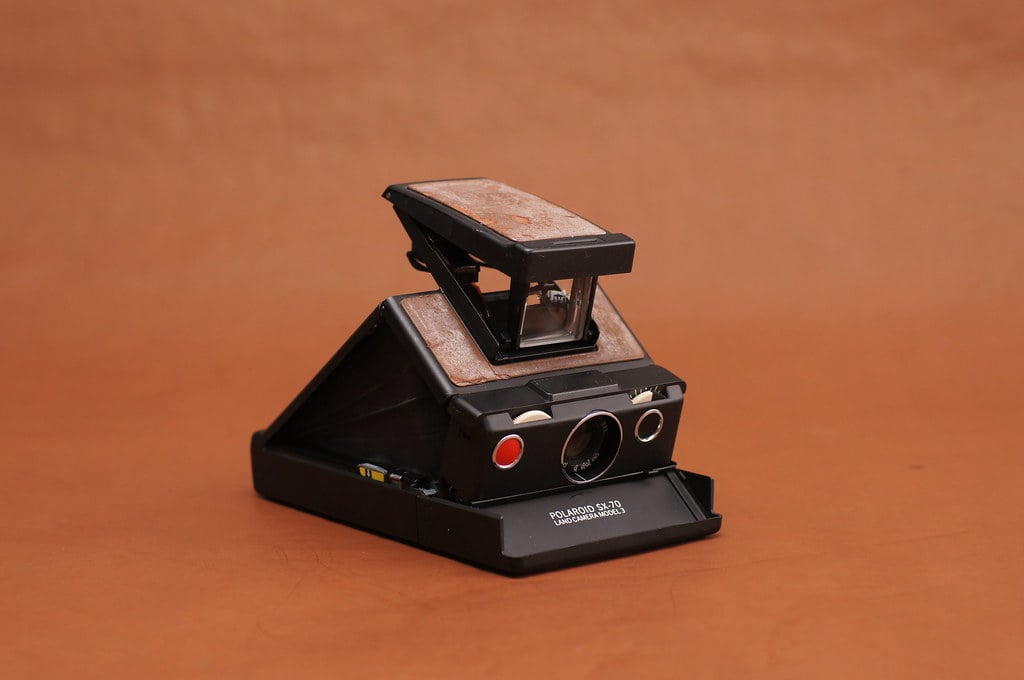
Polaroid’s folding SLR instant camera became an icon of 80s photography. Working models in good condition sell for $150 to $400.
Limited editions and special color variants can fetch $600 or more. The real value comes when you find one still sealed in its original packaging or a mint condition unit with all accessories.
These cameras represent instant photography before digital took over. Artists and photographers still use them today, which keeps demand steady.
Texas Instruments TI-99/4A
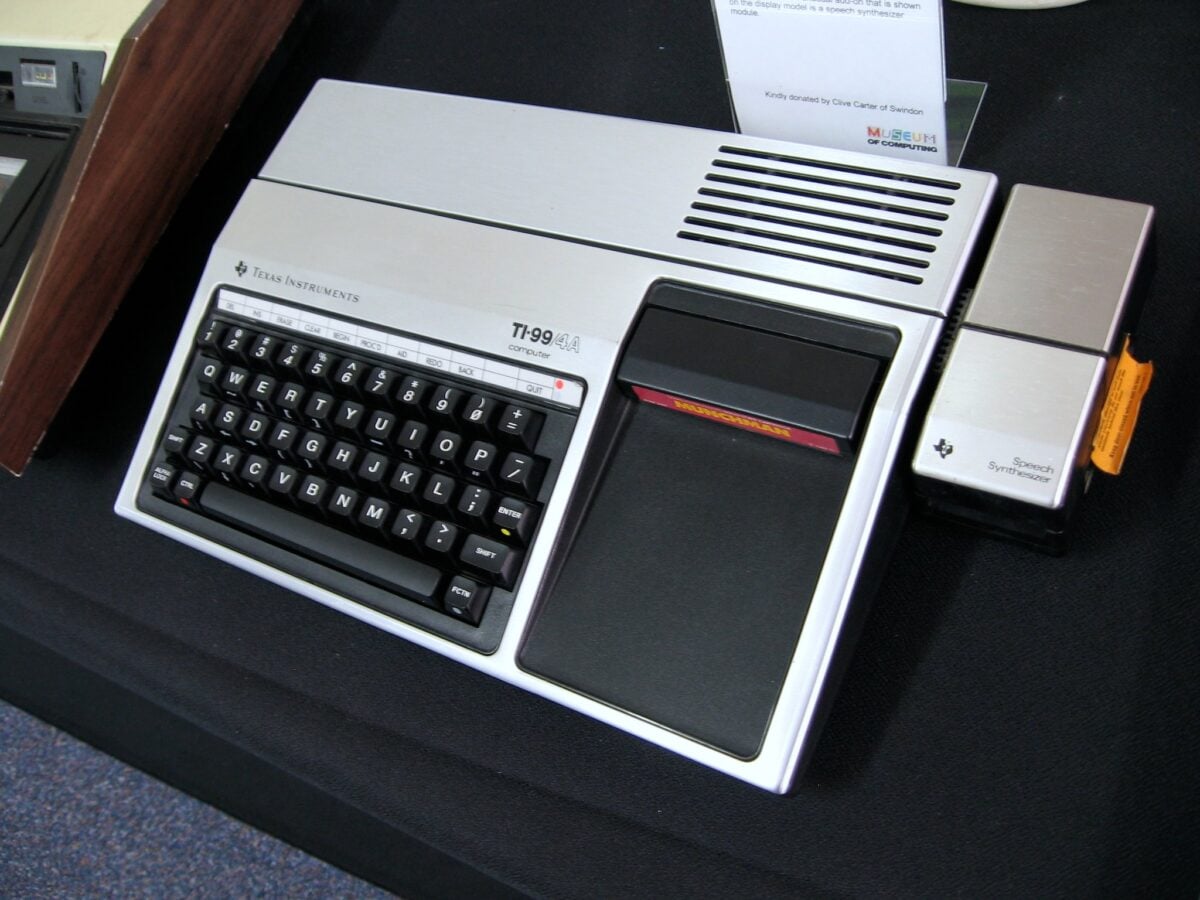
This home computer competed with Commodore and other brands in the early 80s. The base system typically sells for $100 to $300.
The value increases with rare peripherals and accessories. The Speech Synthesizer attachment alone can sell for $100 or more.
Complete systems with original boxes, manuals, and software bundles can reach $500 to $800. The TI-99/4A had a dedicated following, and those collectors actively sought out rare modules and accessories.
Panasonic RQ-J3 Recorder
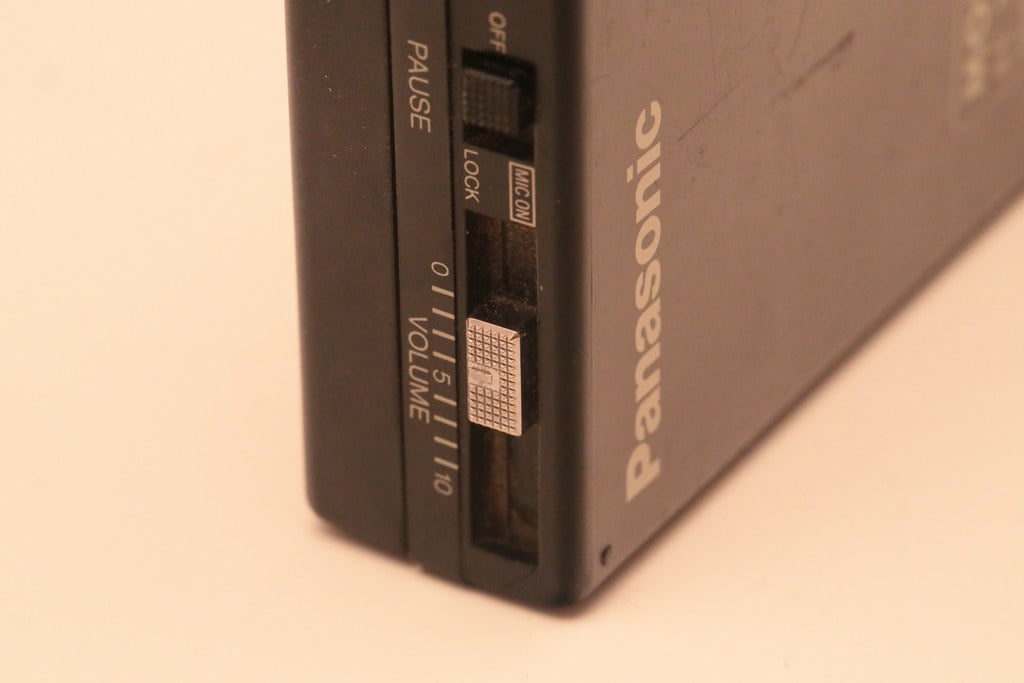
This portable cassette recorder became standard equipment for journalists and students throughout the 80s. Working units in excellent condition sell for $50 to $150.
What makes them valuable is their build quality. They still work decades later, and some people prefer them to modern digital recorders for specific applications.
Special editions and variants in unusual colors command higher prices. Mint condition units with original packaging can reach $300 or more.
Tomy Turnin’ Turbo Dashboard

This driving simulator toy seemed incredibly advanced in the 80s. You sat in front of a dashboard with a steering wheel, and it projected a road scene you could navigate.
Working units in good condition sell for $100 to $300. Complete sets with the original box and all accessories can reach $500 or higher.
These represent early attempts at simulation technology. Collectors value them as precursors to modern driving simulators and racing games.
Seiko TV Watch

Seiko released wrist televisions in the early 80s that could actually receive broadcast television signals. The tiny screens measured about 1.2 inches diagonally.
These devices seemed like science fiction come to life. Working models typically sell for $200 to $600, depending on the model.
The Seiko TV Watch represents the ultimate 80s gadget. It combined cutting-edge technology with pure novelty.
Finding one that still works and can receive signals is rare, which drives up the value.
IBM PCjr

IBM’s attempt at a home computer flopped when it launched in 1984. That commercial failure makes it valuable now.
Complete systems with the infamous chiclet keyboard sell for $200 to $500. The wireless keyboard variant, which was rare even when new, can fetch $800 or more in good condition.
Systems with original packaging and documentation reach higher prices. The PCjr’s failure in the market makes it interesting to collectors who appreciate technological dead ends and might-have-beens.
Yamaha DX7 Synthesizer

A single keyboard shaped how the eighties sounded. Back at its release in 1983, the price sat near two thousand dollars.
These days, models that still work and look decent trade between five hundred and fifteen hundred bucks. If one comes with its box, booklets, and zero wear, people might pay two grand or higher.
Right away, those DX7 tones jump out at you across countless tracks from back then. Even now, players reach for it – not just chasing the classic eighties vibe, but because its way of building sound does things modern programs still struggle to mimic.
Old Tech Turns Into Treasure
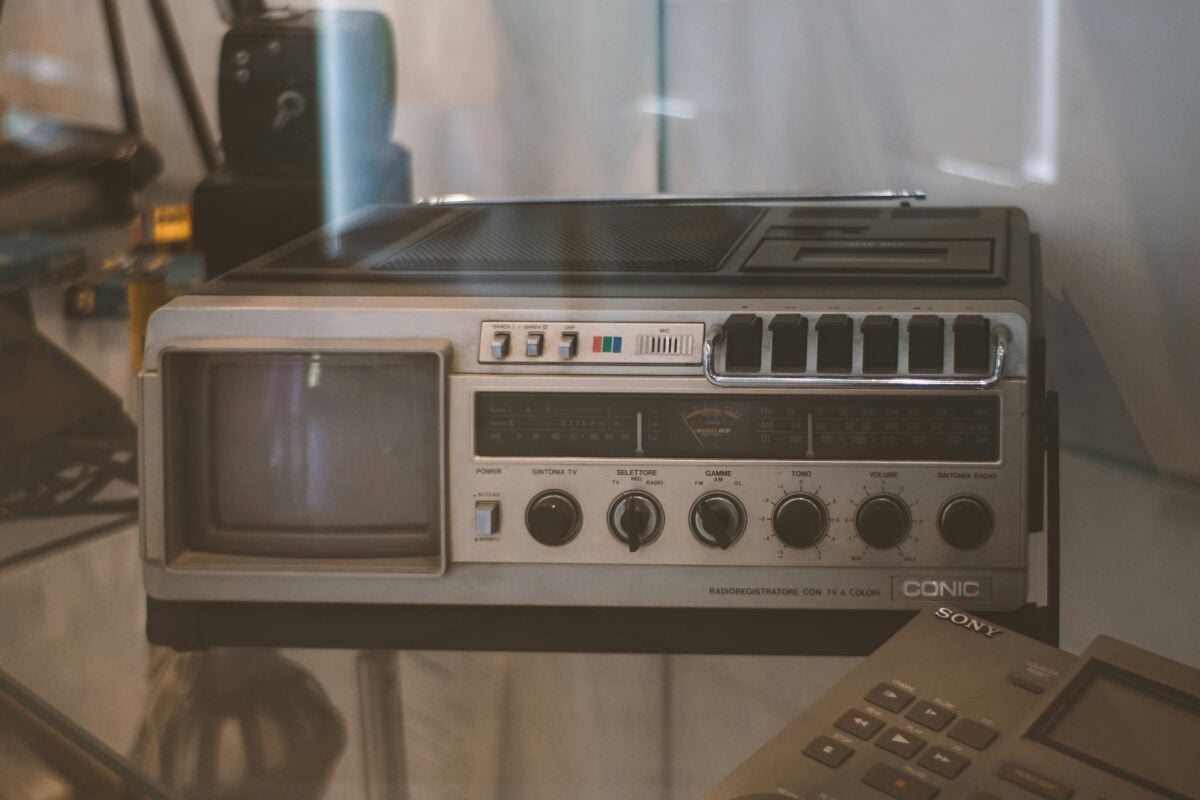
Nowhere near trash anymore, old electronics from thirty years back fill glass shelves and personal archives. Hunting down these items? A mission for some, aiming to finish sets or bring dead machines back to life.
Value climbs slowly, so a few treat them like money stored in plastic and circuits. Value hides in places people often overlook.
A piece’s state can make or break its worth. When it comes still boxed, prices jump fast.
Not just scarcity counts – what a thing meant to culture weighs heavy too. Machines that shaped time periods or marked big tech leaps stay strong over years.
Oddly enough those that failed at launch now draw the loudest interest since so few remain. Hidden somewhere in your family’s dusty loft – maybe even buried inside an overlooked locker at some rental facility – are items people actually want to buy.
What matters most? Being able to spot them, realizing age alone won’t guarantee value. Yet if you stumble on just one chunk of 1980s tech gear, perfectly kept, it might catch a collector’s eye enough to spark serious cash offers.
More from Go2Tutors!

- The Romanov Crown Jewels and Their Tragic Fate
- 13 Historical Mysteries That Science Still Can’t Solve
- Famous Hoaxes That Fooled the World for Years
- 15 Child Stars with Tragic Adult Lives
- 16 Famous Jewelry Pieces in History
Like Go2Tutors’s content? Follow us on MSN.



