15 Trains That Changed the World
Railways have transformed human civilization over nearly two centuries, reshaping our lives in countless ways. Starting with wooden tracks and horse-drawn carriages, train technology has evolved into today’s sleek high-speed marvels.
These iron giants haven’t just moved people and goods – they’ve revolutionized industry, redrawn borders, and connected previously isolated communities. Here is a list of 15 revolutionary trains that transformed our world through innovation, speed, and historical significance.
The Rocket
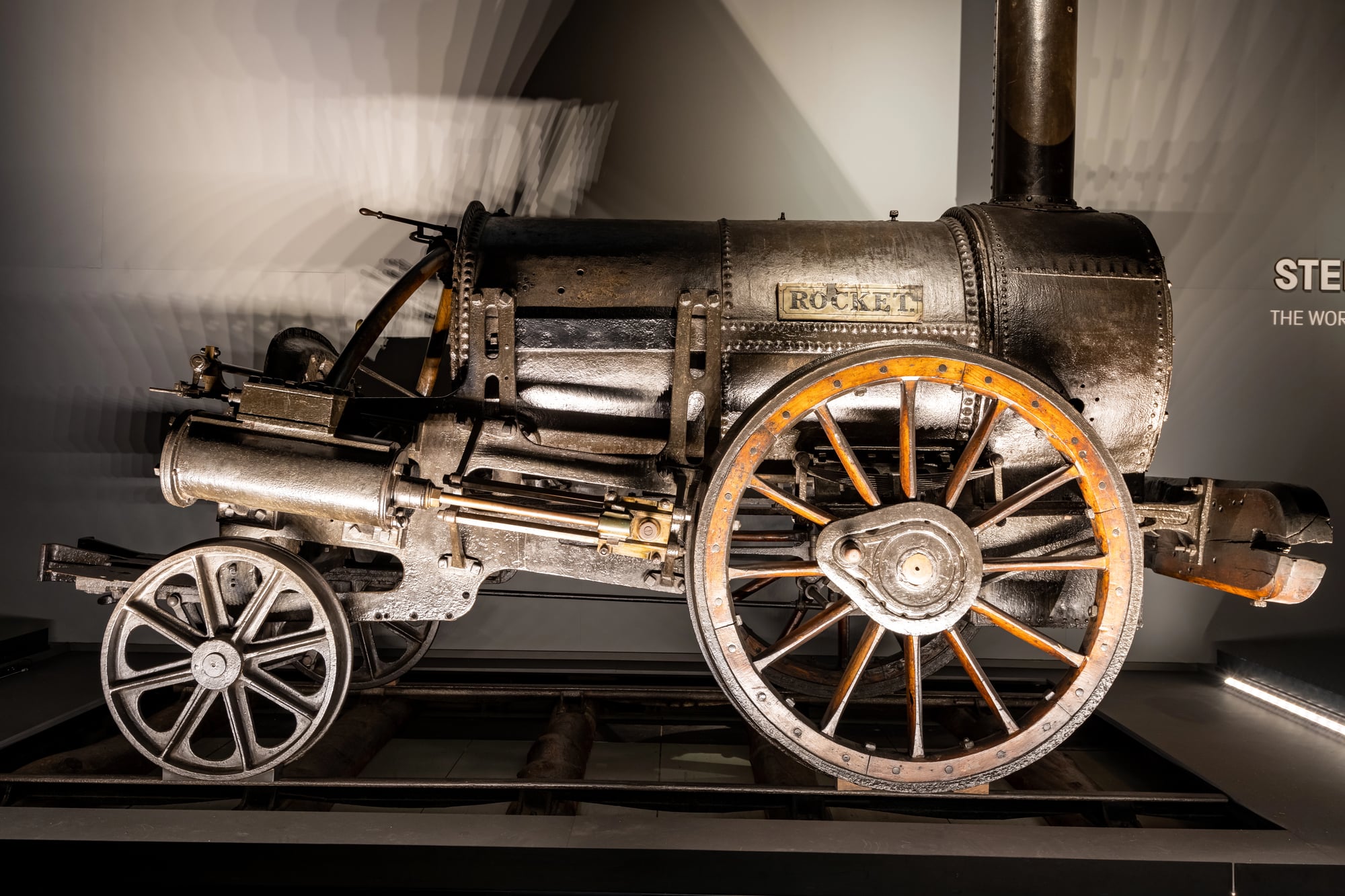
George Stephenson’s groundbreaking locomotive didn’t just win the Rainhill Trials in 1829 – it smashed expectations by reaching 29 mph when horses were still the primary transport. The Rocket’s multi-tube boiler design proved far more efficient than anything before it.
You couldn’t find a more influential machine in the early industrial revolution.
The DeWitt Clinton
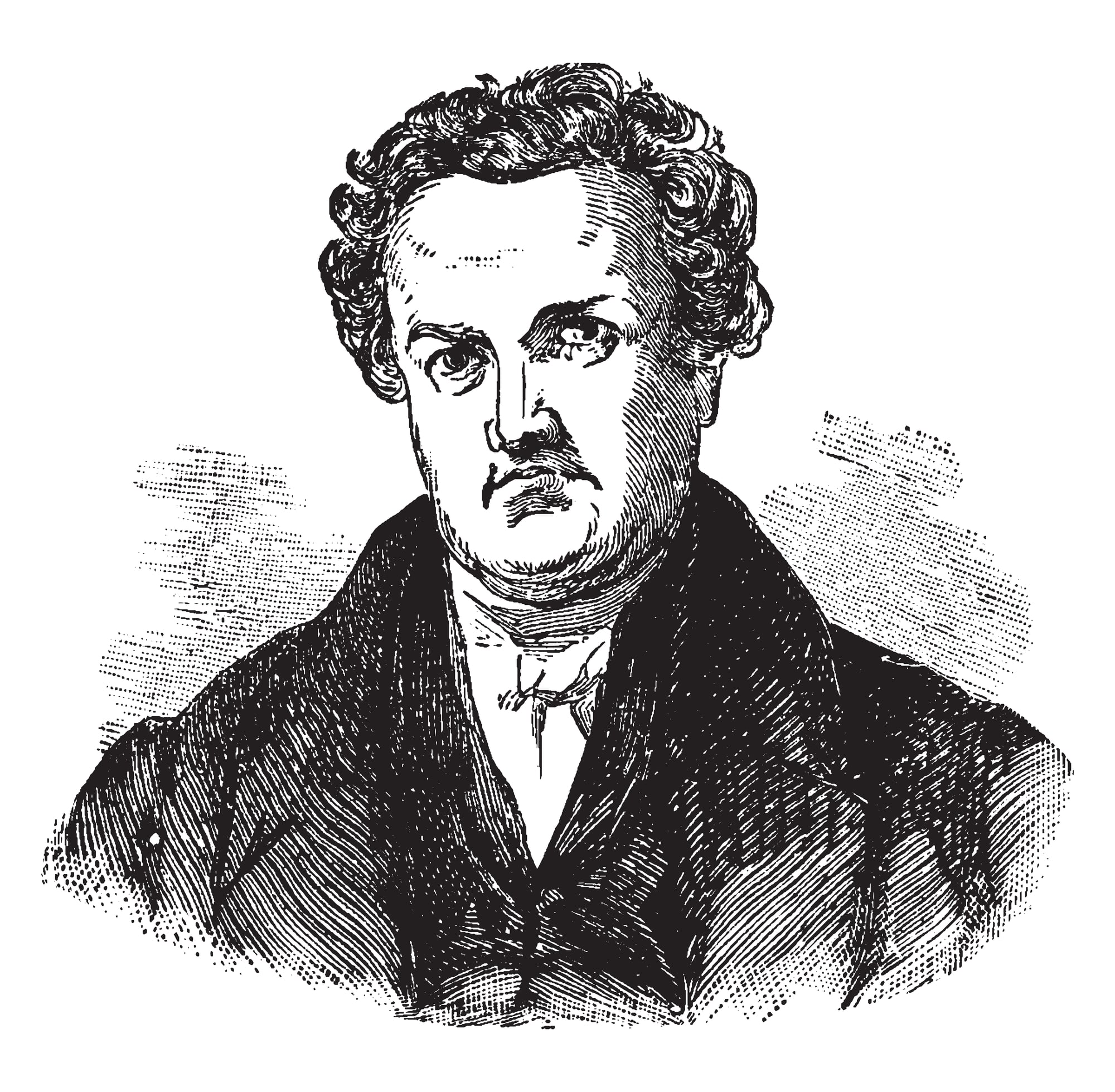
This scrappy American locomotive changed everything for the young nation in 1831. Connecting Albany and Schenectady in under an hour, the DeWitt Clinton showed skeptical Americans what steam power could accomplish.
The eastern United States soon witnessed an explosion of railway development – all because this single engine proved the concept worked on American soil.
The Flying Scotsman
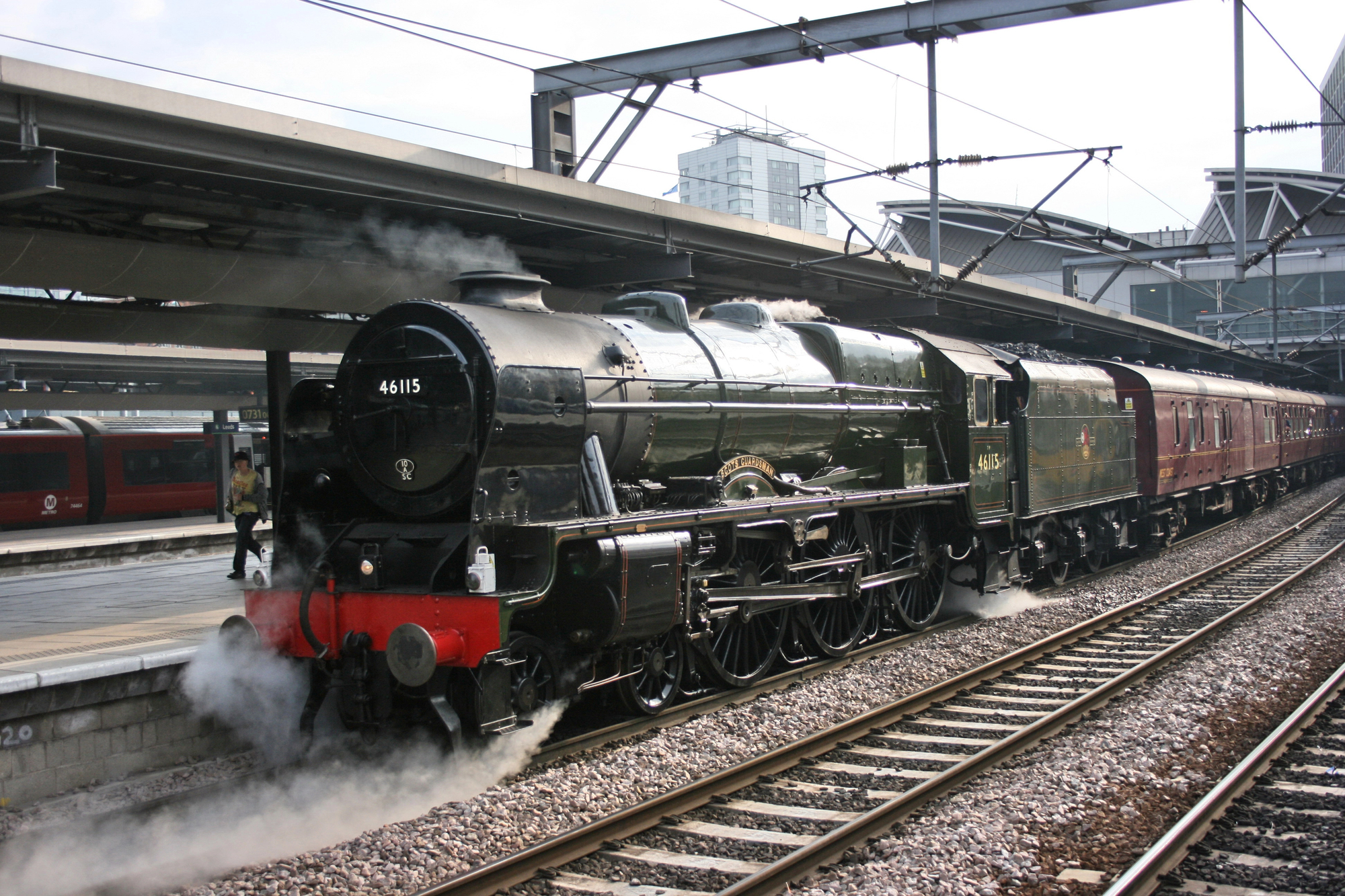
British engineering excellence reached its peak with this magnificent locomotive – the first steam engine officially recorded hitting 100 mph back in 1934. Passengers between London and Edinburgh experienced luxury and speed previously unimaginable.
Though countless steam engines came before it, the Flying Scotsman’s achievements cemented its place as Britain’s most beloved locomotive.
Pioneer Zephyr
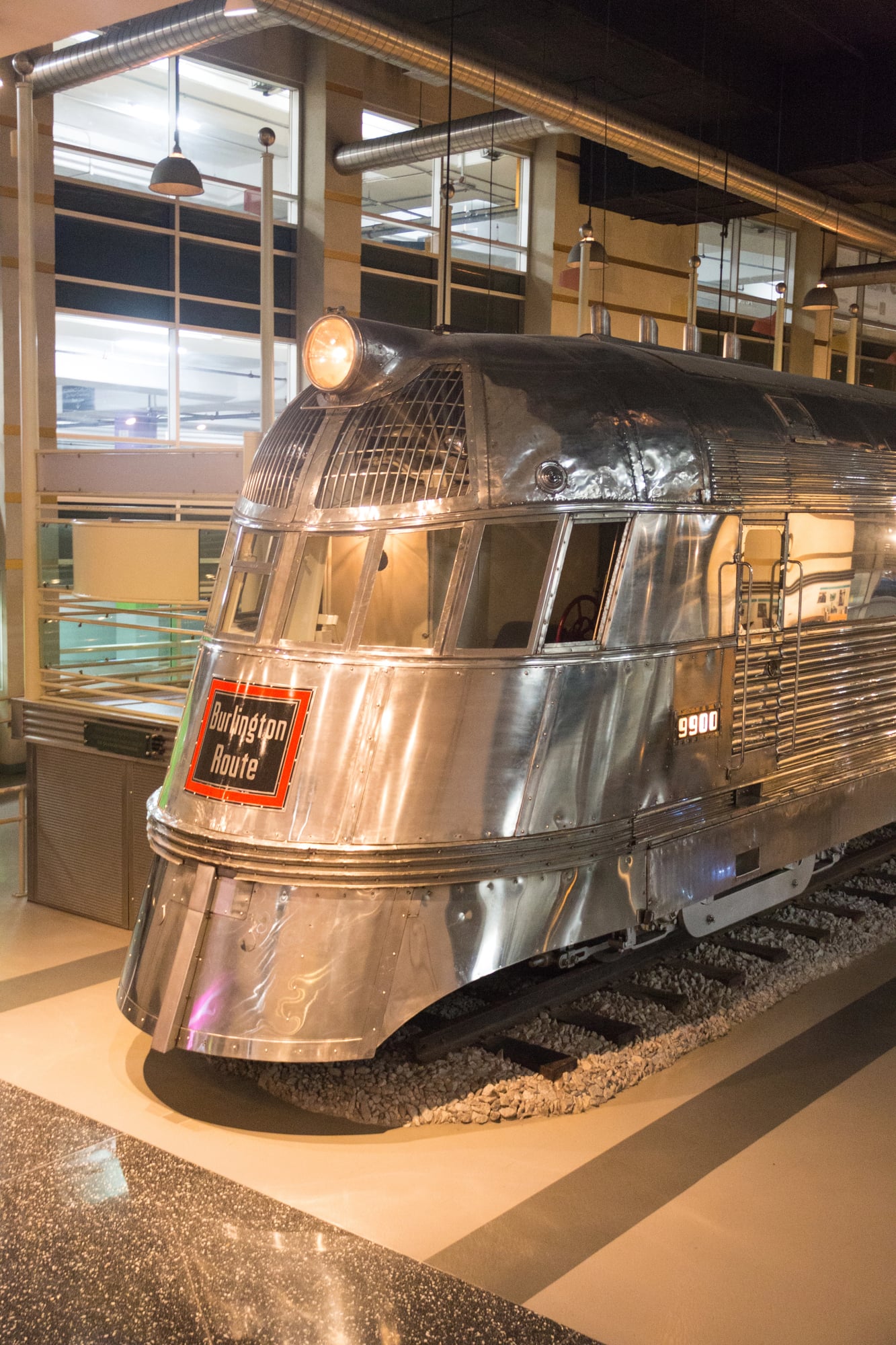
America’s first stainless steel streamliner shocked the transportation world in 1934. Diesel-electric power – not steam – pushed this sleek machine between Denver and Chicago at unprecedented speeds.
During the depths of the Depression, the Zephyr’s record-breaking run captivated the public imagination. Its art deco styling and revolutionary construction techniques made conventional trains look instantly outdated.
20th Century Limited
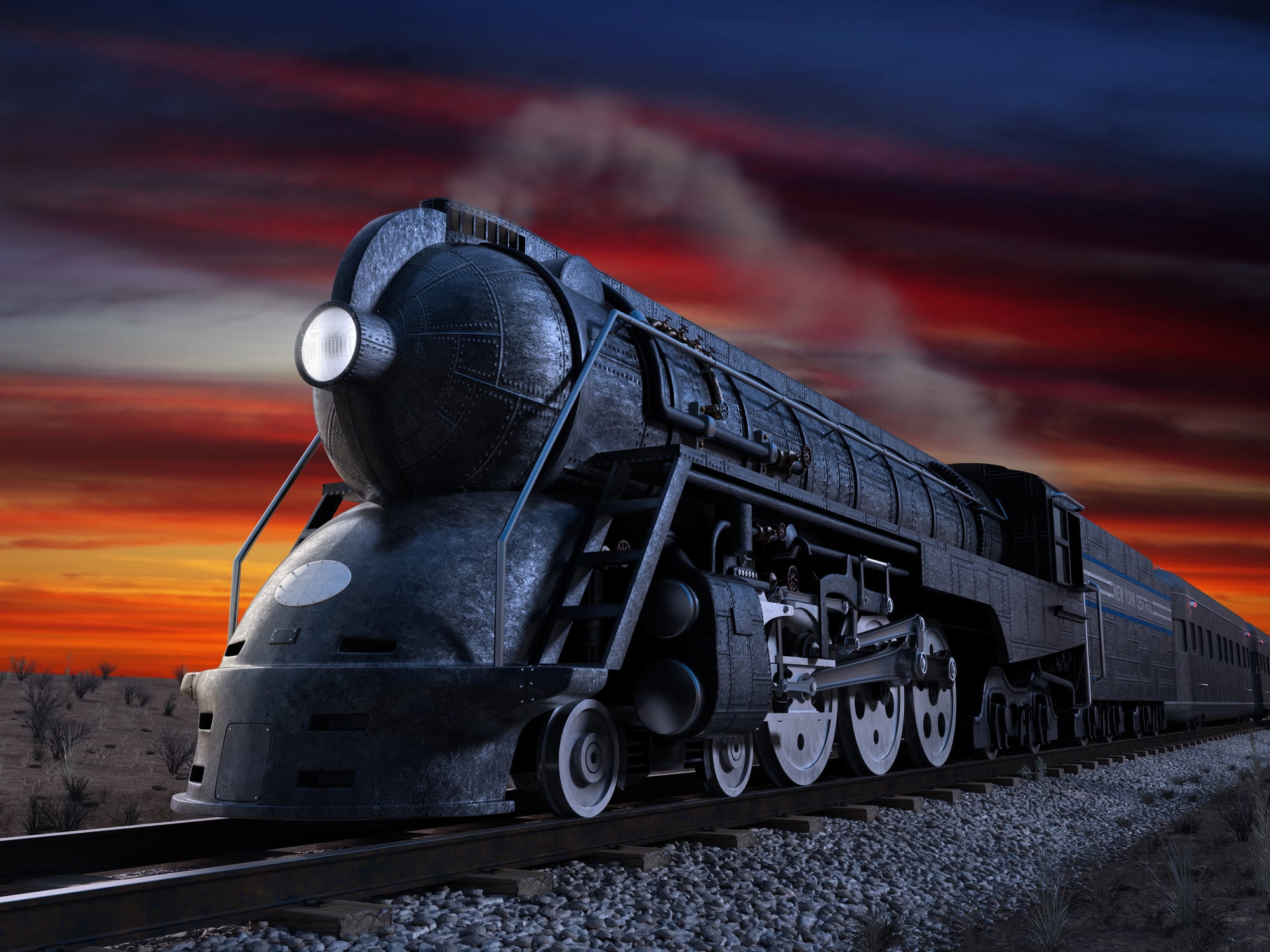
Between 1902 and 1967, no American train service matched the prestige of this New York to Chicago legend. Business travelers enjoyed amenities unheard of elsewhere – dedicated dining cars, barbershops, even secretarial services!
Its famous red carpet boarding process wasn’t just for show – it literally created the phrase ‘red carpet treatment’ still used today.
Tokaido Shinkansen
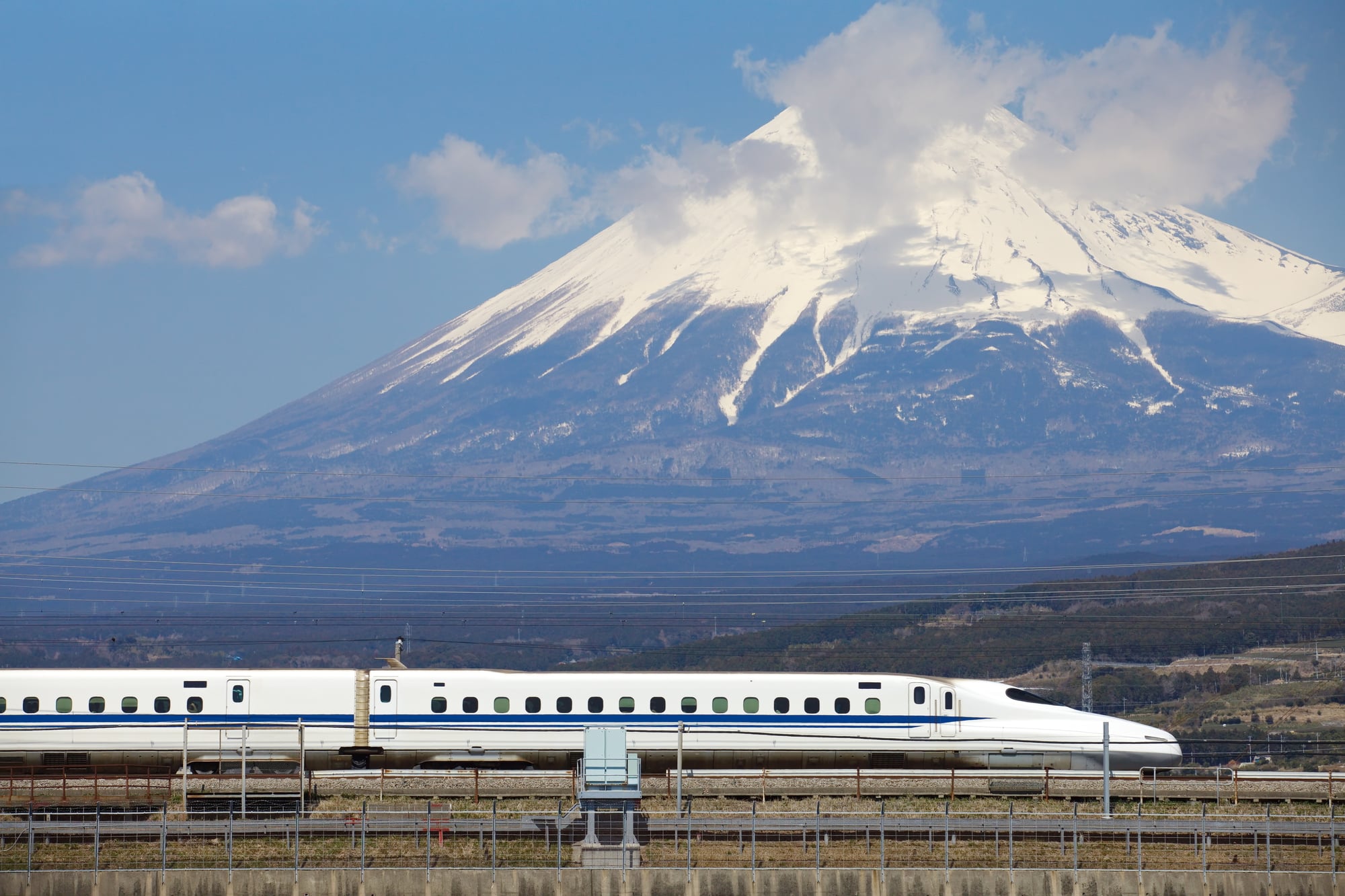
Japan stunned the world in 1964 with something entirely new – the bullet train. Reaching 130 mph on dedicated tracks, the Shinkansen made conventional trains seem like relics.
Safety systems beyond anything previously imagined ensured not a single passenger fatality despite decades of operation. Japan’s economic miracle found its perfect symbol in these sleek, punctual marvels.
TGV
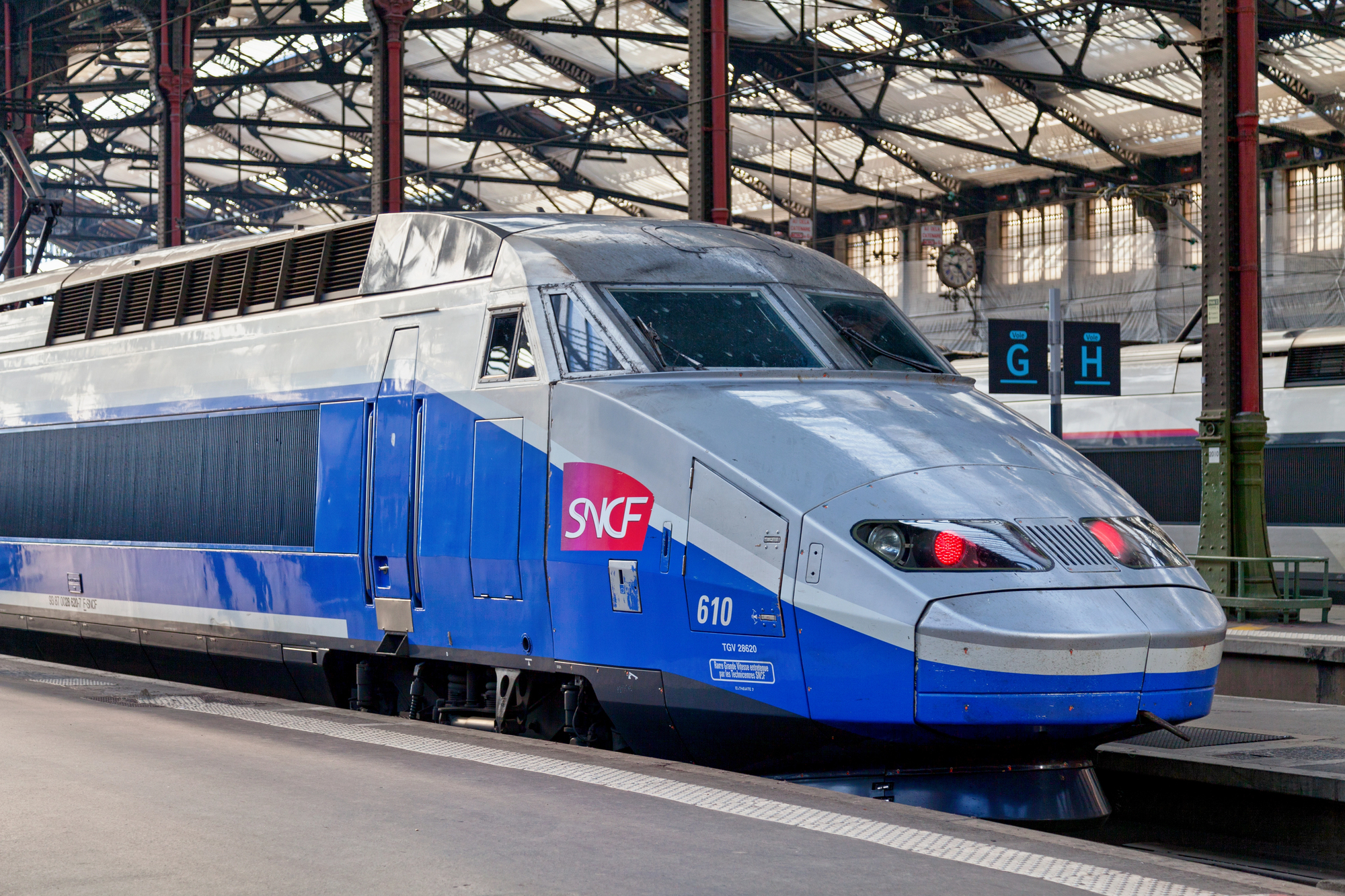
France answered Japan’s challenge with its own high-speed wonder in 1981. During testing, the TGV hit an astonishing 357 mph – though commercial speeds remained more modest.
Europe’s most extensive high-speed network grew from this single service. Domestic air travel within France plummeted as travelers discovered the convenience of city-center to city-center rail connections.
Mallard
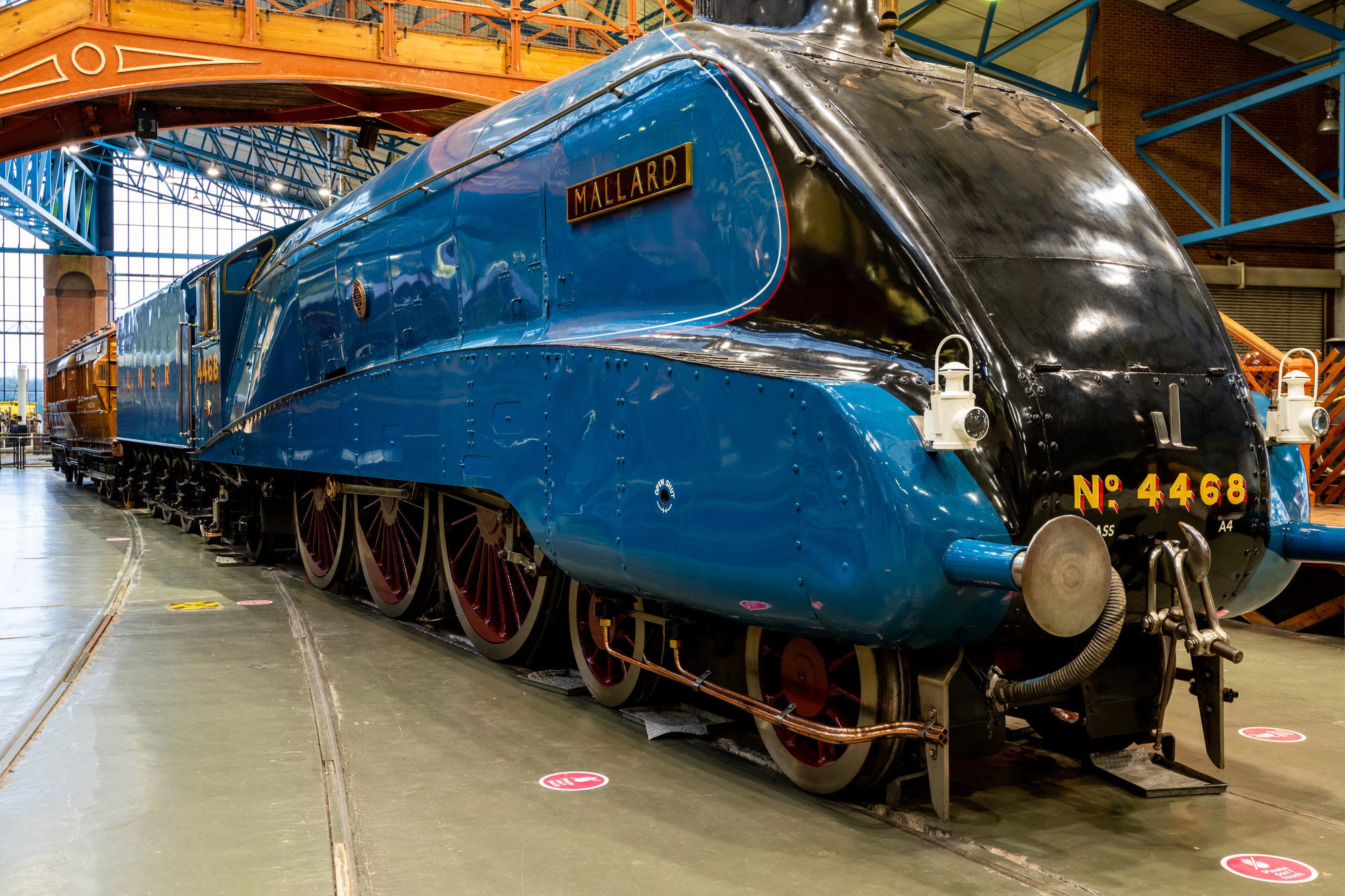
Steam technology reached its absolute zenith with this streamlined British beauty. Hitting 126 mph in 1938, the Mallard claimed a world record that still stands today for steam locomotives.
Its striking blue livery and wind-cheating design weren’t just for show – they represented the ultimate refinement of steam technology after a century of development.
Trans-Siberian Express
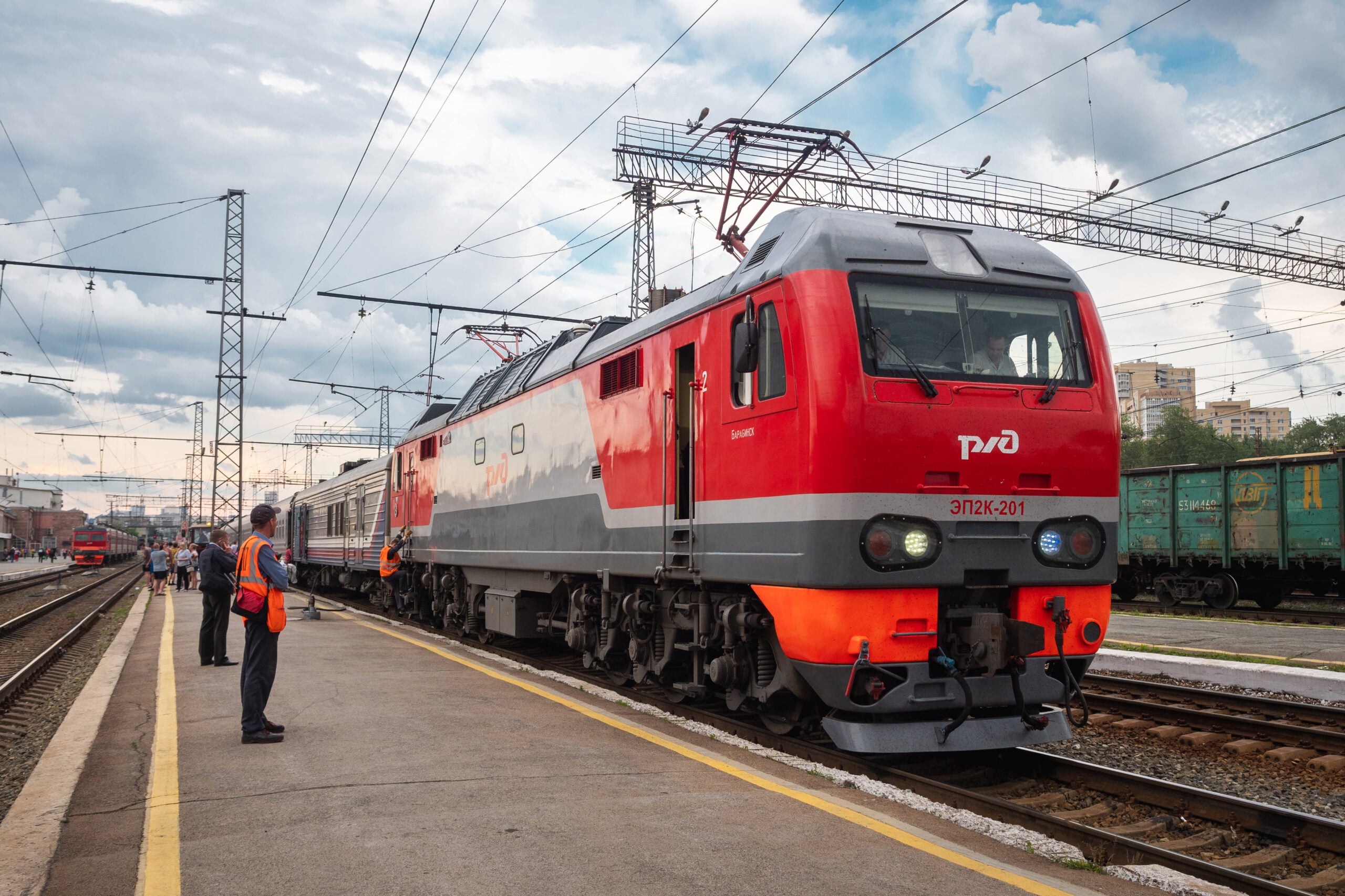
Few engineering projects match the audacity of this 6,000-mile railway connecting Moscow with Vladivostok. Completed in 1916, it opened Siberia’s vast resources while providing crucial supply lines during both World Wars.
Crossing eight time zones, this continuous rail line remains unmatched in scope and ambition – a testament to human determination against geography itself.
Orient Express
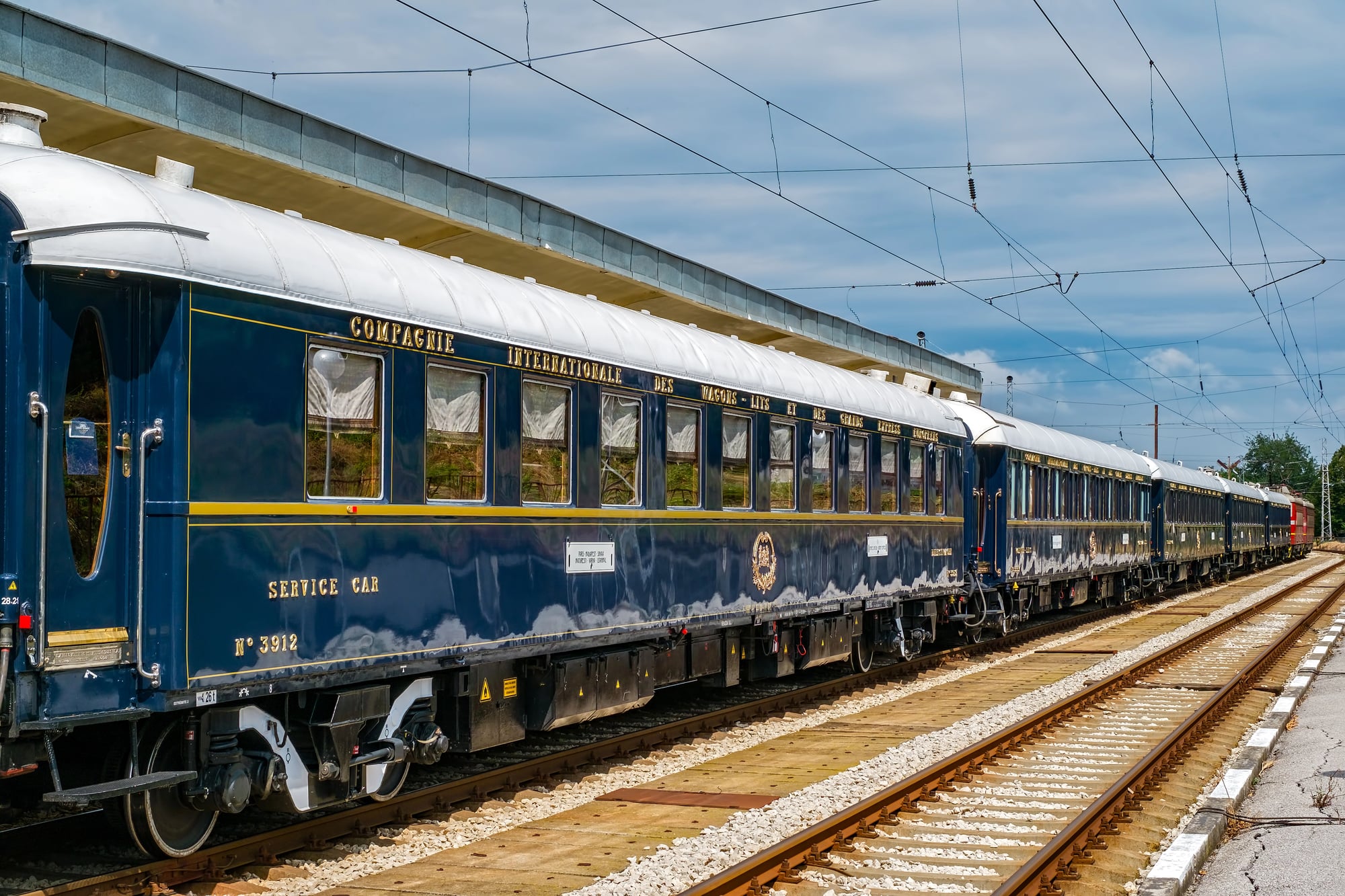
International travel transformed forever when this luxury service began connecting Paris and Constantinople in 1883. More than transportation, it became a cultural phenomenon inspiring countless novels, films, and stories.
Crossing multiple countries in an era of rigid borders, the Orient Express facilitated diplomatic connections while creating an enduring mystique around train travel that persists today.
Maglev
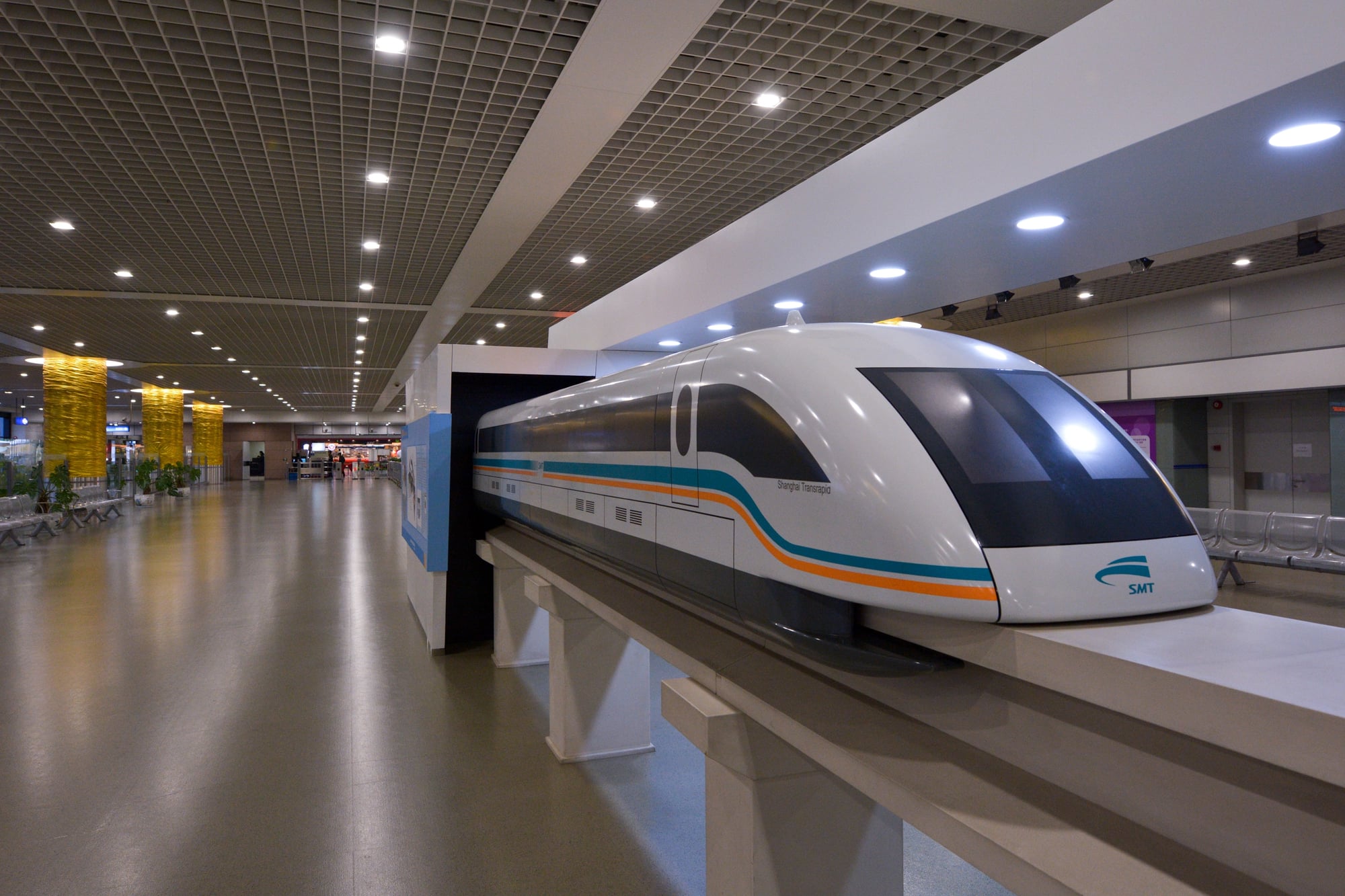
Shanghai’s magnetic levitation train represents a fundamental reimagining of what “trains” can be. Beginning commercial service in 2004, these vehicles achieve 268 mph without traditional wheels.
Powerful electromagnetic forces keep the train hovering above specialized guideways. After nearly two centuries of steel wheels on rails, the Maglev demonstrates how railway technology continues evolving in unexpected directions.
Union Pacific Big Boy
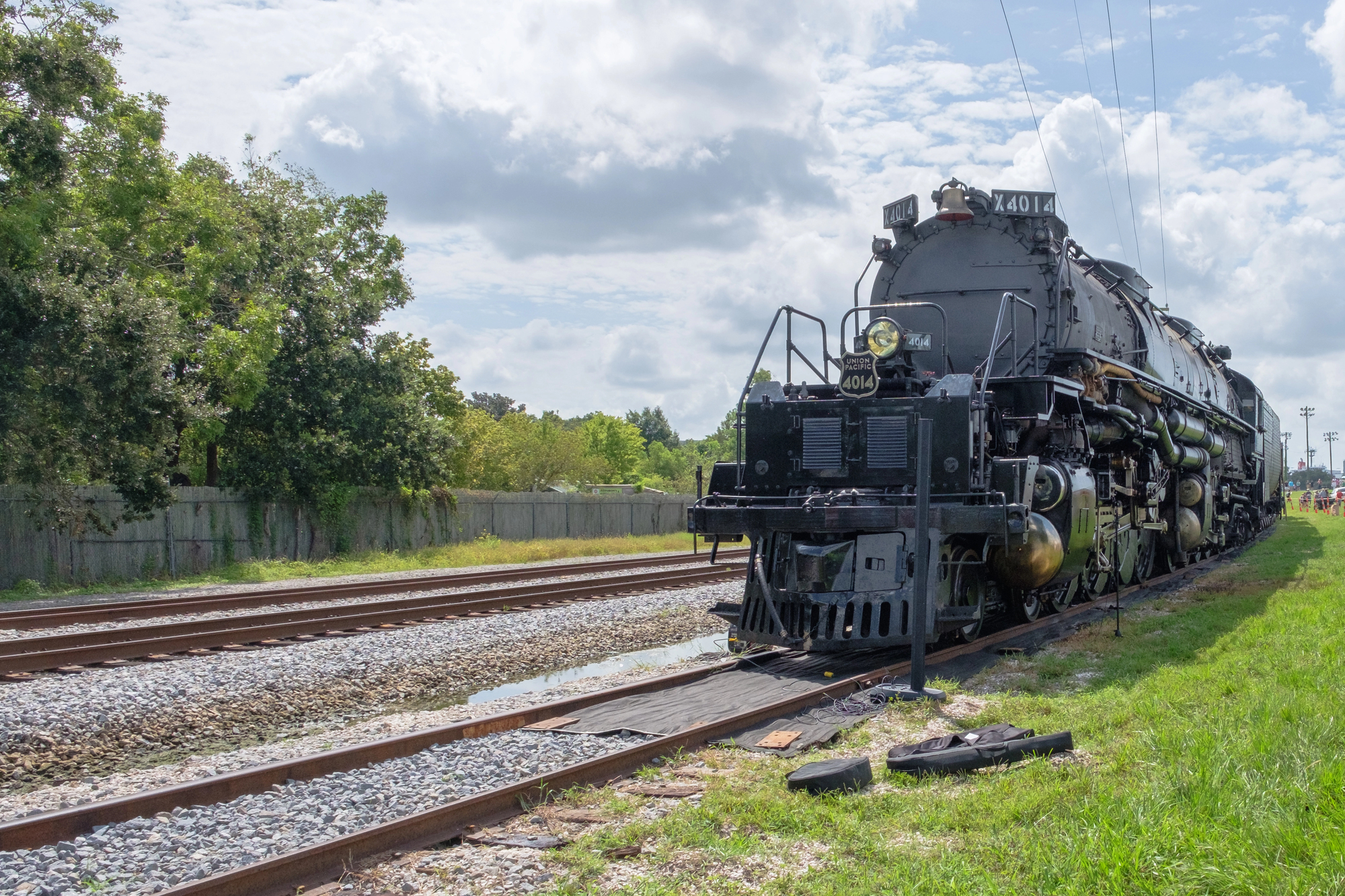
Steam power reached its logical conclusion with these behemoths of American railroading. Weighing over 1.2 million pounds and developing more than 6,000 horsepower, each Big Boy conquered mountain grades that defeated smaller locomotives.
These articulated giants maintained vital supply lines during World War II. They represent the absolute physical limit of what steam technology could achieve.
Blue Train
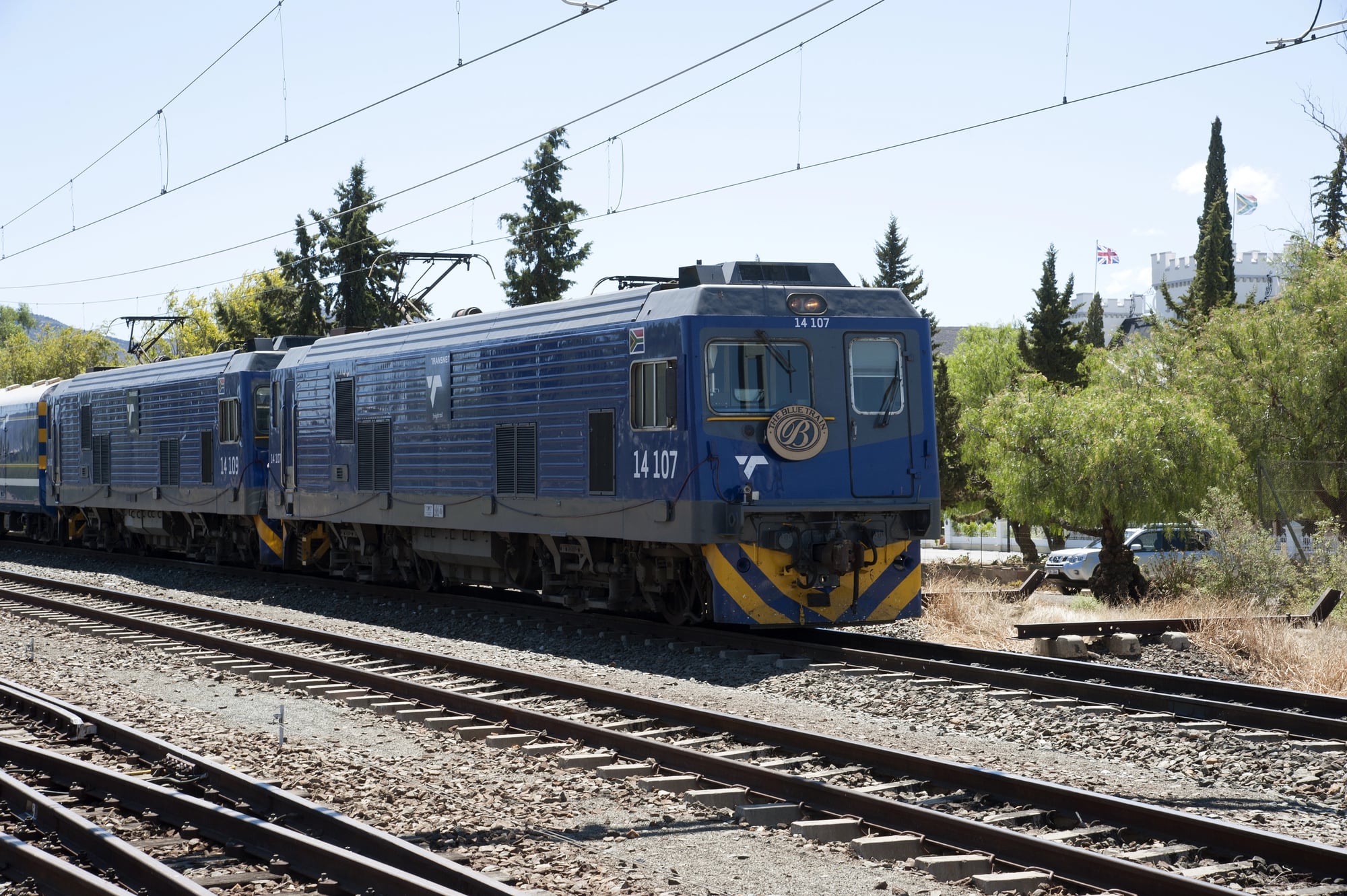
South Africa created its own legend of luxury with this service connecting Pretoria and Cape Town starting in 1937. Distinguished by royal blue carriages and impeccable service, it set new standards for elegance.
Butler service and fine dining experiences made the Blue Train synonymous with sophisticated travel across the African continent. It remains an icon of a more gracious era in passenger rail.
California Zephyr
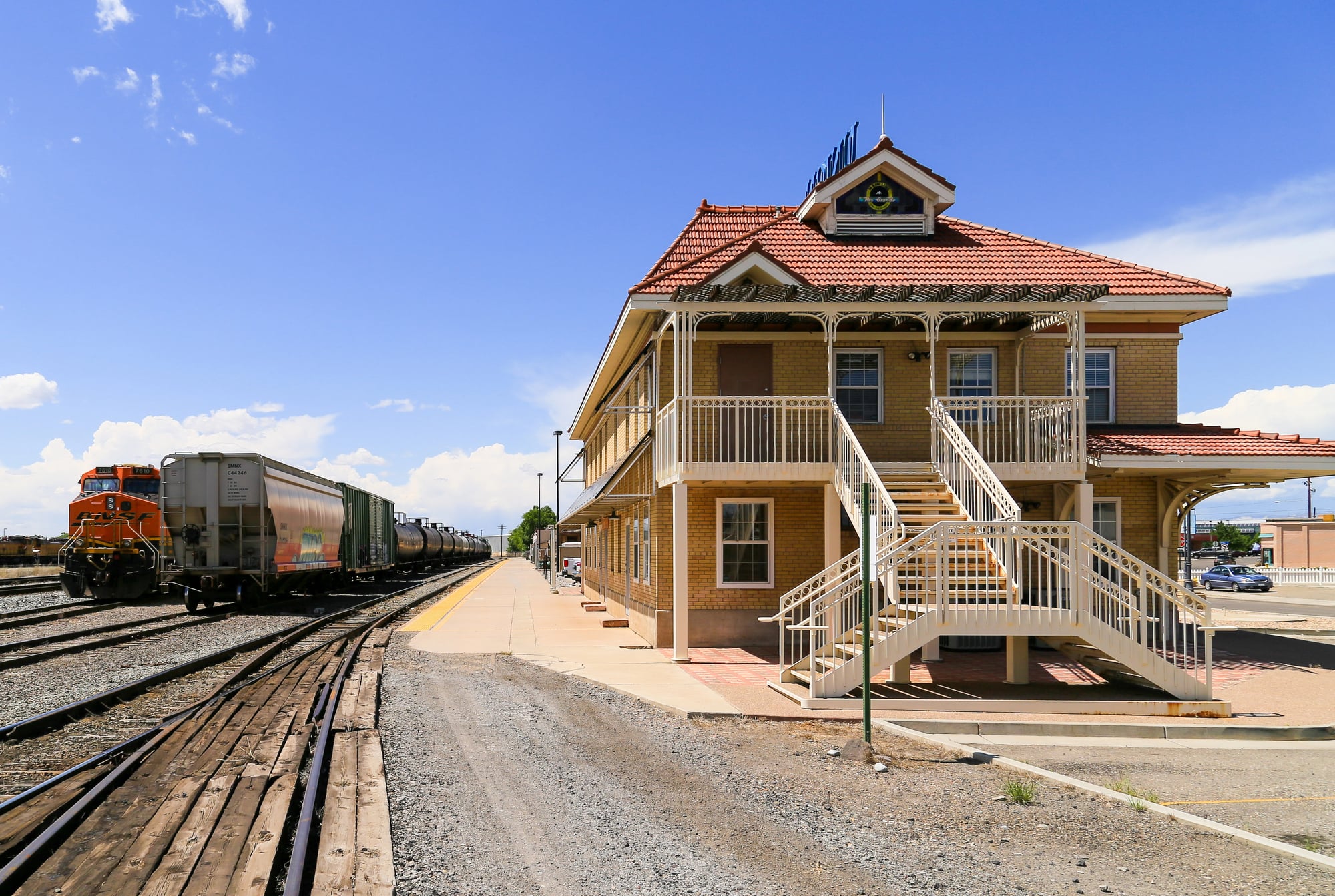
When this diesel passenger train began connecting Chicago and San Francisco in 1949, it prioritized something new: the journey itself. Special vista dome cars offered panoramic views of the Rocky Mountains and the Sierra Nevadas.
While America embraced automobiles, the California Zephyr reminded travelers that some experiences couldn’t be matched on highways. Its emphasis on sightseeing helped preserve passenger rail during challenging times.
Eurostar
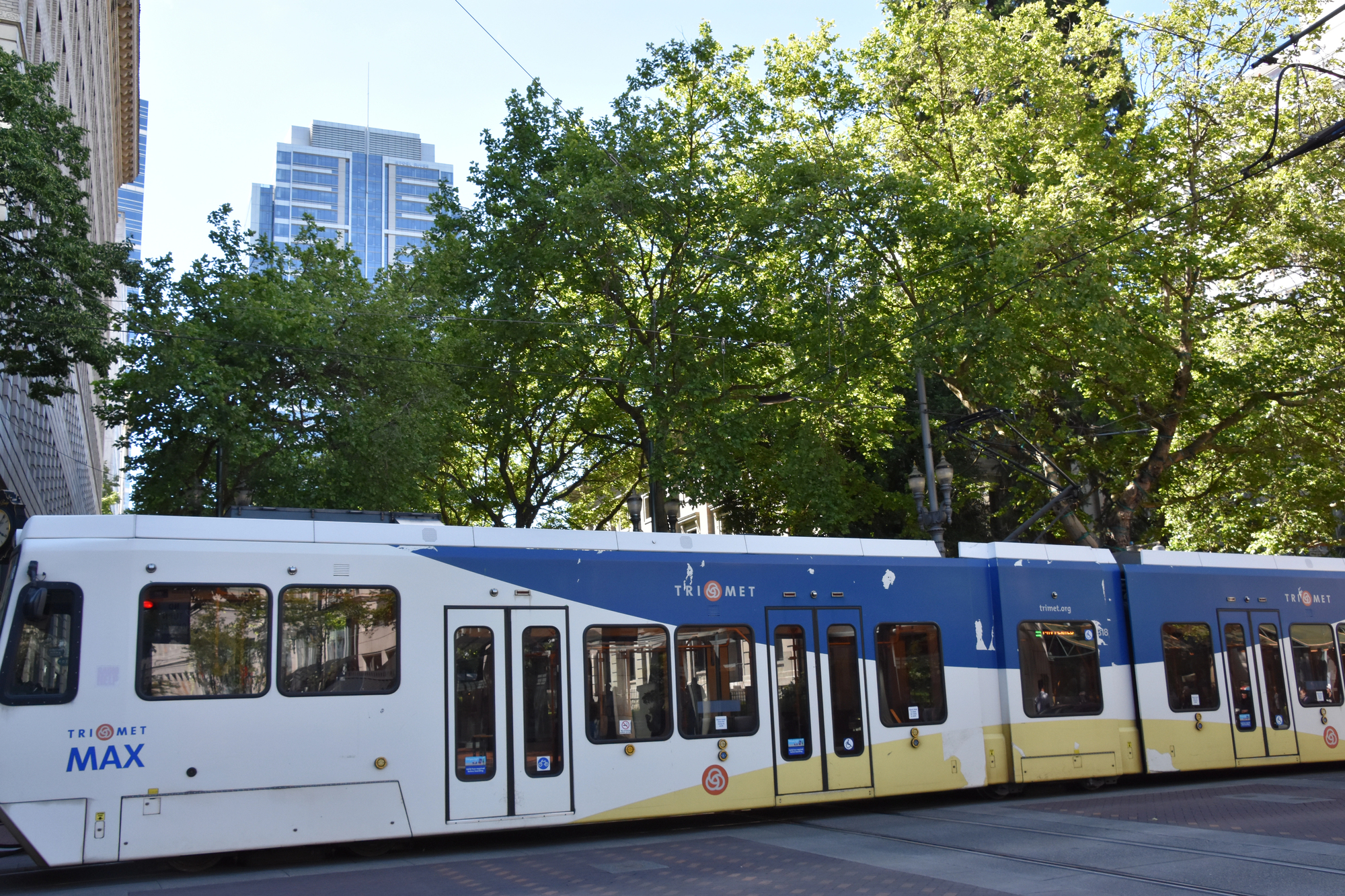
The Channel Tunnel found its perfect complement in this high-speed service beginning in 1994. Journey times between London and Paris dropped from over 6 hours to just over 2 hours.
The Eurostar didn’t just connect Britain physically to continental Europe – it changed psychological perceptions of distance and connection. Its success proved that rail could effectively compete with air travel for international journeys under 500 miles.
The Iron Horse Legacy
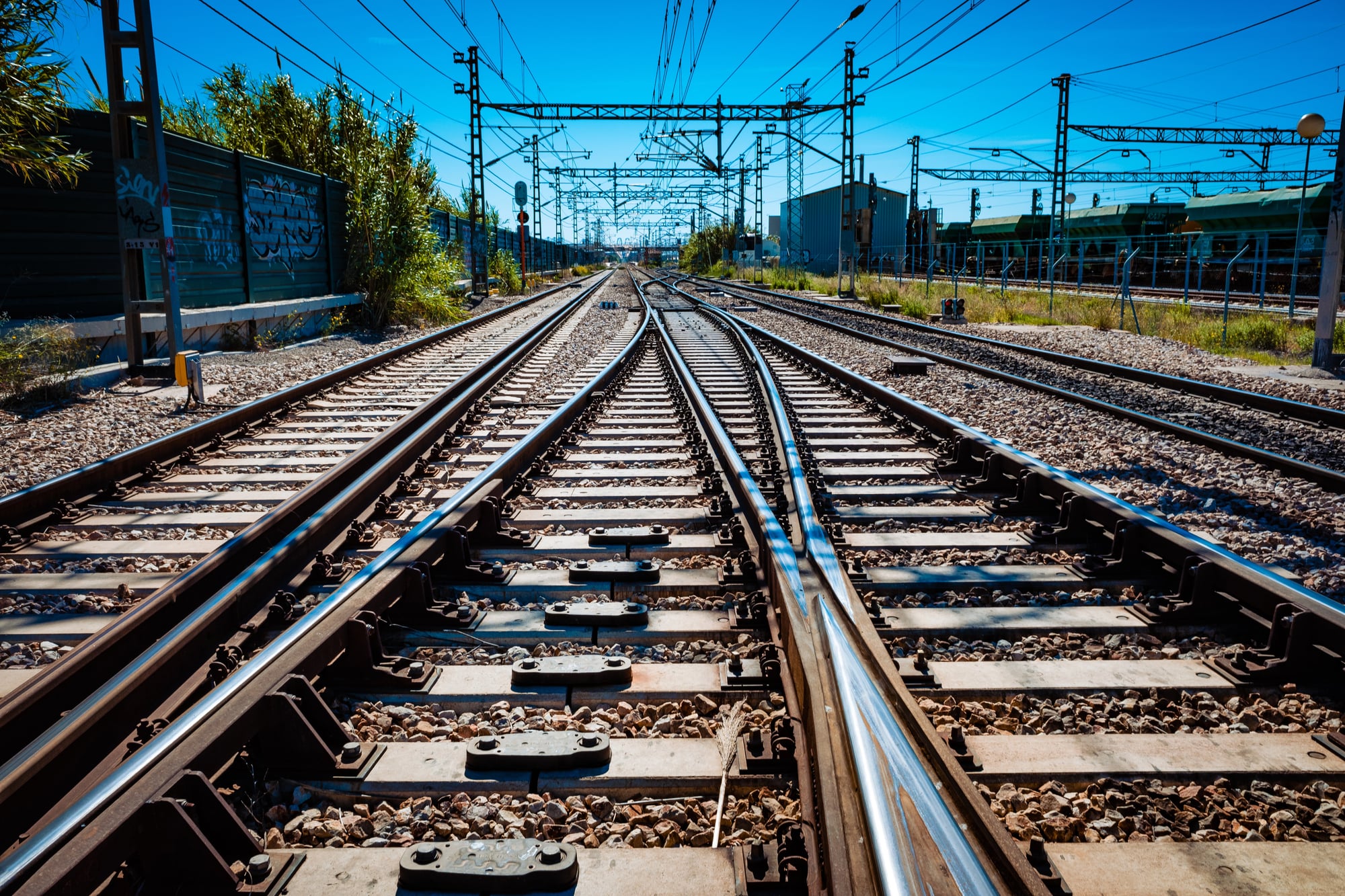
Railways haven’t stopped evolving. Today’s trains incorporate automation, environmental sustainability, and passenger comforts unimaginable to early pioneers.
Billions of passengers travel by rail annually while freight networks form the backbone of global supply chains. There’s something profound about how the basic concept – steel wheels on rails – remains unchanged despite growing sophistication.
Perhaps the simplest technologies truly are the most enduring.
More from Go2Tutors!

- The Romanov Crown Jewels and Their Tragic Fate
- 13 Historical Mysteries That Science Still Can’t Solve
- Famous Hoaxes That Fooled the World for Years
- 15 Child Stars with Tragic Adult Lives
- 16 Famous Jewelry Pieces in History
Like Go2Tutors’s content? Follow us on MSN.