17 School Rules That Were Completely Normal in the ’60s
The 1960s classroom experience bears little resemblance to today’s educational environment. During this transformative decade, schools operated under a completely different set of expectations, with strict regulations that would baffle most modern students and possibly horrify current parents and teachers alike.
Here is a list of 17 school rules that were absolutely standard in 1960s classrooms but have largely disappeared from American education.
Dress Codes with Rulers

Teachers commonly used rulers to measure girls’ skirts and dresses, which had to touch the floor when kneeling. Boys faced equally strict scrutiny with requirements for certain collar styles, belt requirements, and prohibitions against long hair that touched the ears or collar.
The measuring ritual often happened in front of the entire class, adding public embarrassment to the enforcement.
Separate Entrances
Many schools maintained separate doors specifically designated for boys and girls to enter and exit the building. This architectural feature reflected the strict gender separation policies of the era, with some schools even having entirely different wings or stairwells for each gender.
The practice extended beyond mere tradition into the actual design of school buildings.
Writing Lines
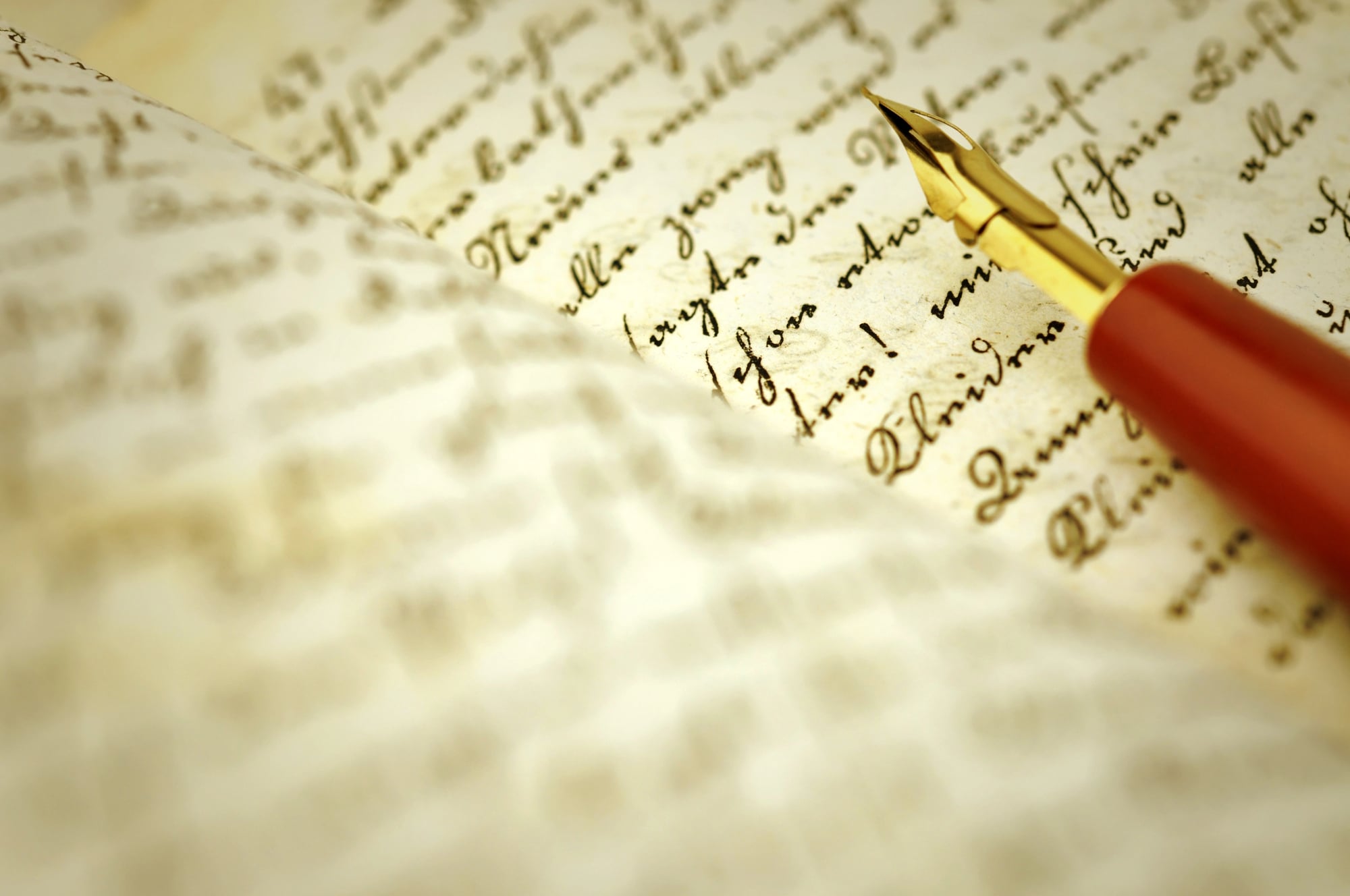
Students who misbehaved were regularly assigned to write the same sentence hundreds of times after school. This punishment aimed to both occupy time and somehow engrain proper behavior through mindless repetition.
Teachers typically chose phrases like ‘I will not talk in class’ or ‘I will respect school property,’ which students dutifully copied while developing hand cramps.
Standing When Adults Enter
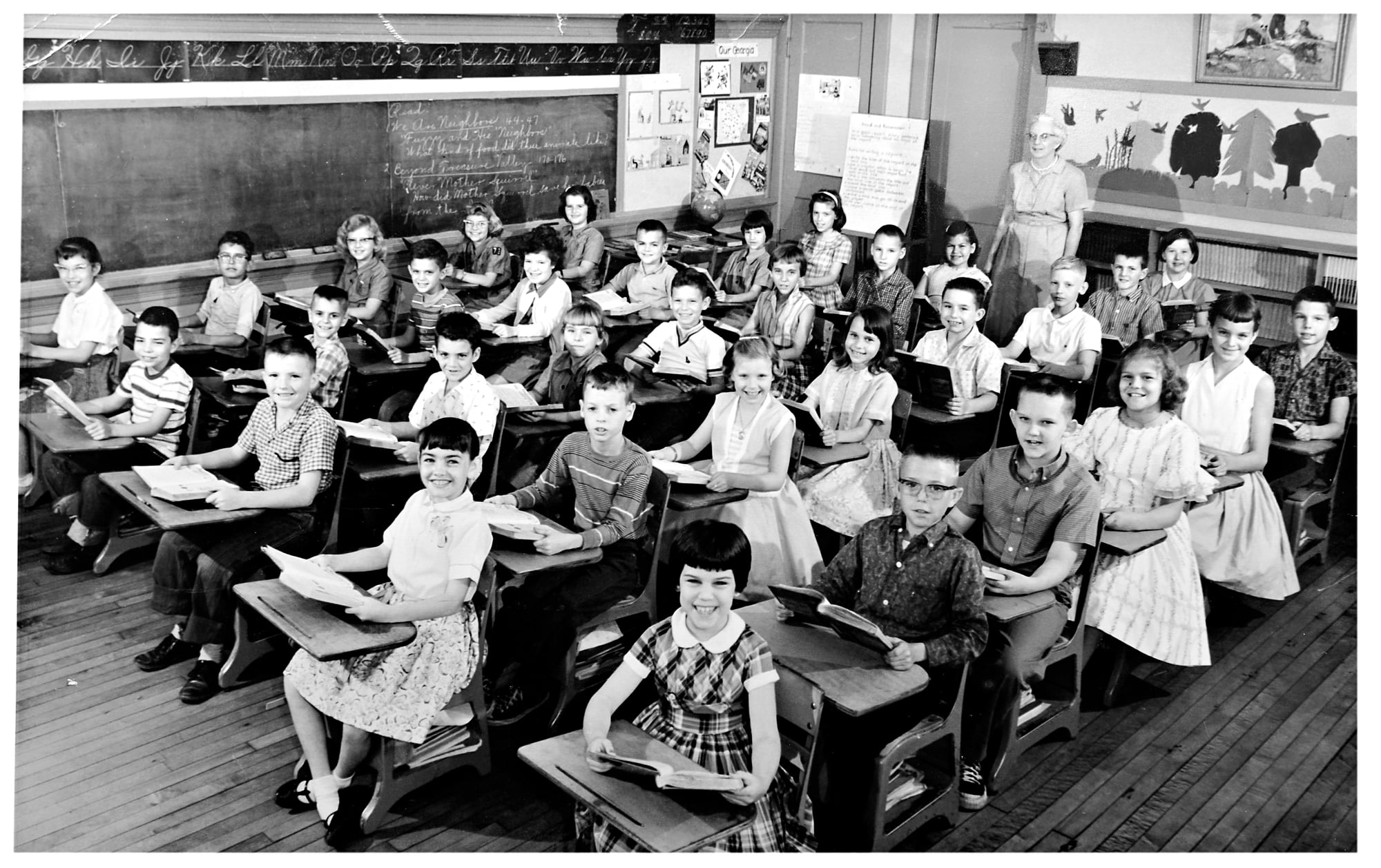
When the principal, superintendent, or any adult visitor entered a classroom, students immediately stopped what they were doing and stood beside their desks in complete silence. This show of respect remained in place until the teacher gave permission to be seated again.
The sudden scrape of chair legs became the soundtrack to administrative visits.
Mandatory Prayer

Before the Supreme Court ruling in 1962, many public schools began each day with a mandatory prayer or Bible reading over the loudspeaker. Students stood beside their desks with heads bowed regardless of their personal religious beliefs.
The practice continued unofficially in many districts well after the court decision, particularly in rural areas.
Corporal Punishment

Wooden paddles hung prominently in many principals’ offices, serving both as a deterrent and a tool for discipline. Getting ‘swats’ for infractions ranging from talking back to running in hallways was completely normal and expected.
Parents typically signed permission forms at the beginning of each school year, authorizing physical punishment as needed.
Memorization Requirements

Students memorized vast amounts of content, from multiplication tables to entire poems and historical speeches. The educational approach emphasized retention of facts rather than critical thinking or analysis.
Many adults from this era can still recite the Gettysburg Address or lengthy poems they were required to memorize over 60 years ago.
Gender-Specific Classes

Girls were automatically enrolled in home economics to learn cooking, sewing, and household management, while boys took shop class to learn woodworking and basic mechanics. These gendered course assignments weren’t optional but mandatory parts of the curriculum.
The idea of a boy taking cooking or a girl learning carpentry seemed absurd to most educators.
Ink Monitoring

Teachers inspected students’ fountain pens and inkwells regularly, as ballpoint pens were often prohibited or discouraged. Ink-stained fingers could earn a student extra handwashing time or even punishment for carelessness.
Students learned the delicate art of refilling ink without creating a desk-ruining disaster.
Silence in Hallways
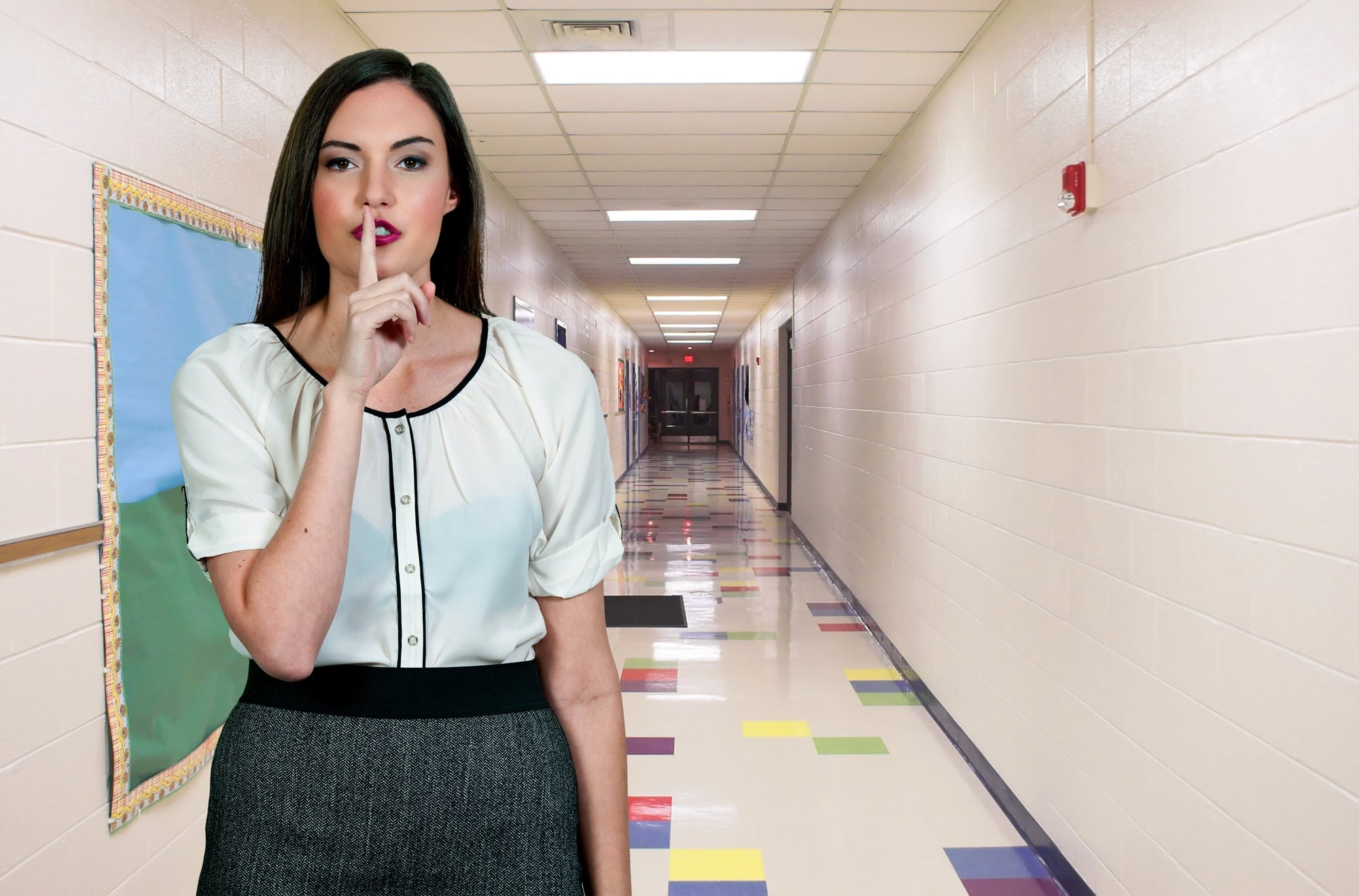
Moving between classes required walking in straight lines while maintaining complete silence. Teachers monitored hallways, ready to assign detention to any student who spoke or stepped out of line.
Some schools even had painted lines on hallway floors that students were required to follow precisely.
Smoke Breaks for Teachers

Teachers commonly took smoke breaks in faculty lounges or even at their desks while students worked quietly. The haze of cigarette smoke wafted through many school buildings as a normal part of the environment.
Some high schools even designated smoking areas for teachers just outside classroom doors.
Public Grade Posting

Teachers regularly posted test scores and grades on bulletin boards with students’ full names for everyone to see. This public display of academic performance was meant to motivate through competition or potential embarrassment.
Students could instantly see exactly where they ranked among their peers after every assignment.
Mandatory Flag Ceremonies

Every morning began with students standing beside their desks, hands over hearts, reciting the Pledge of Allegiance. Many schools added patriotic songs and extended flag ceremonies, especially during the height of Cold War tensions.
Refusal to participate could result in serious disciplinary action and questioning of a student’s family’s loyalty.
Clean Desk Inspections
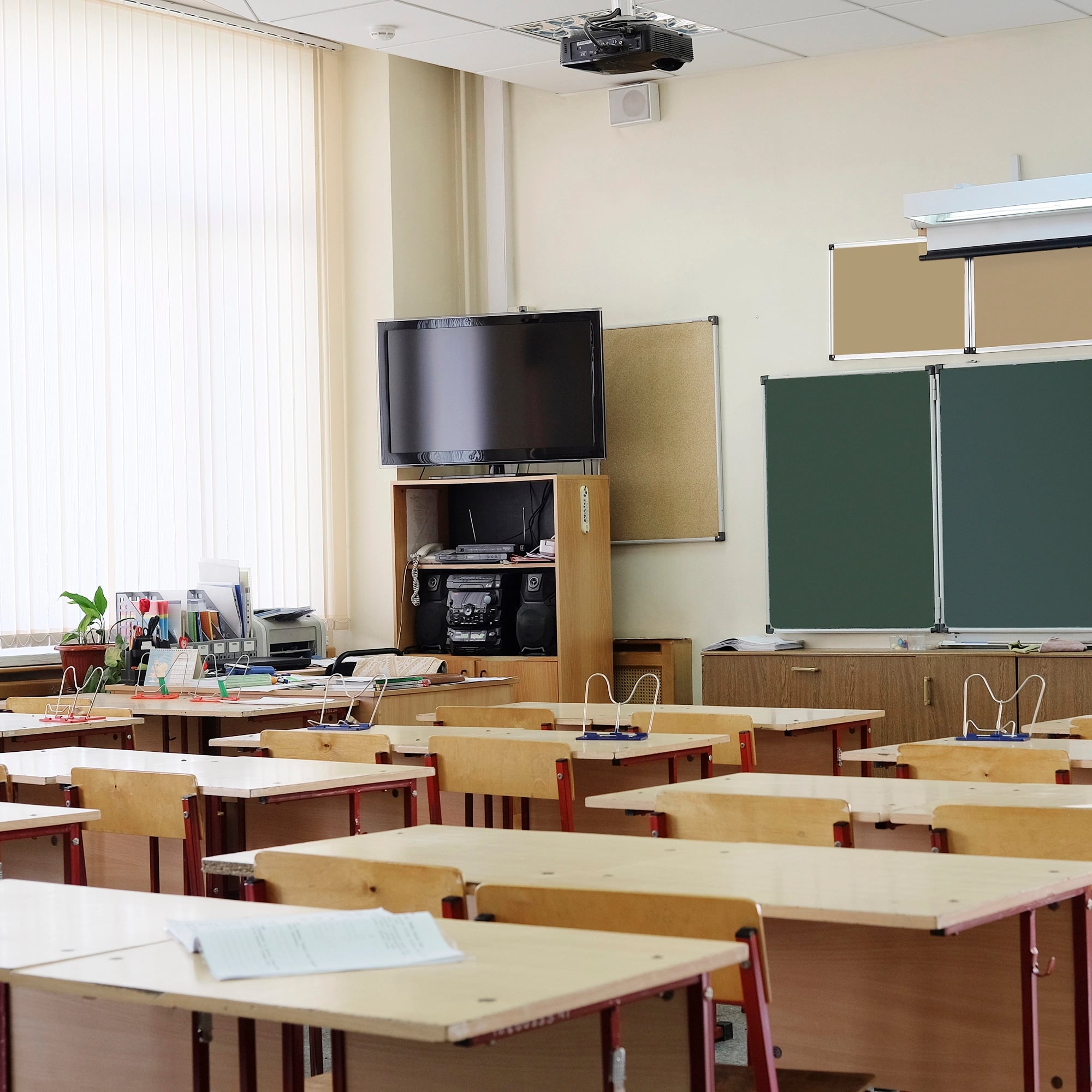
Teachers conducted surprise desk inspections, and any student whose desk contained disorganized papers or forbidden items faced punishment. The inside of each desk had to be arranged according to precise teacher specifications.
Students developed elaborate systems to appear organized during these dreaded checks.
Hat Removal

As a sign of respect, boys had to remove their hats immediately upon entering the school building. Failure to do so could result in confiscation of the hat or disciplinary action.
This rule extended to all male visitors, including parents and maintenance workers who entered during school hours.
Chalkboard Punishment

Students who misbehaved might be sent to stand with their nose touching a circle drawn on the chalkboard, sometimes while holding heavy books with outstretched arms. This public display of punishment often lasted for extended periods and took place while regular classroom activities continued around them.
The chalk dust added an extra dimension of discomfort.
Left-hand Correction

Left-handed students were frequently forced to write with their right hands through various enforcement methods. Teachers would tie the left hand down or slap it with rulers when used for writing.
The practice stemmed from outdated superstitions and conformity requirements rather than educational benefits.
Educational Evolution
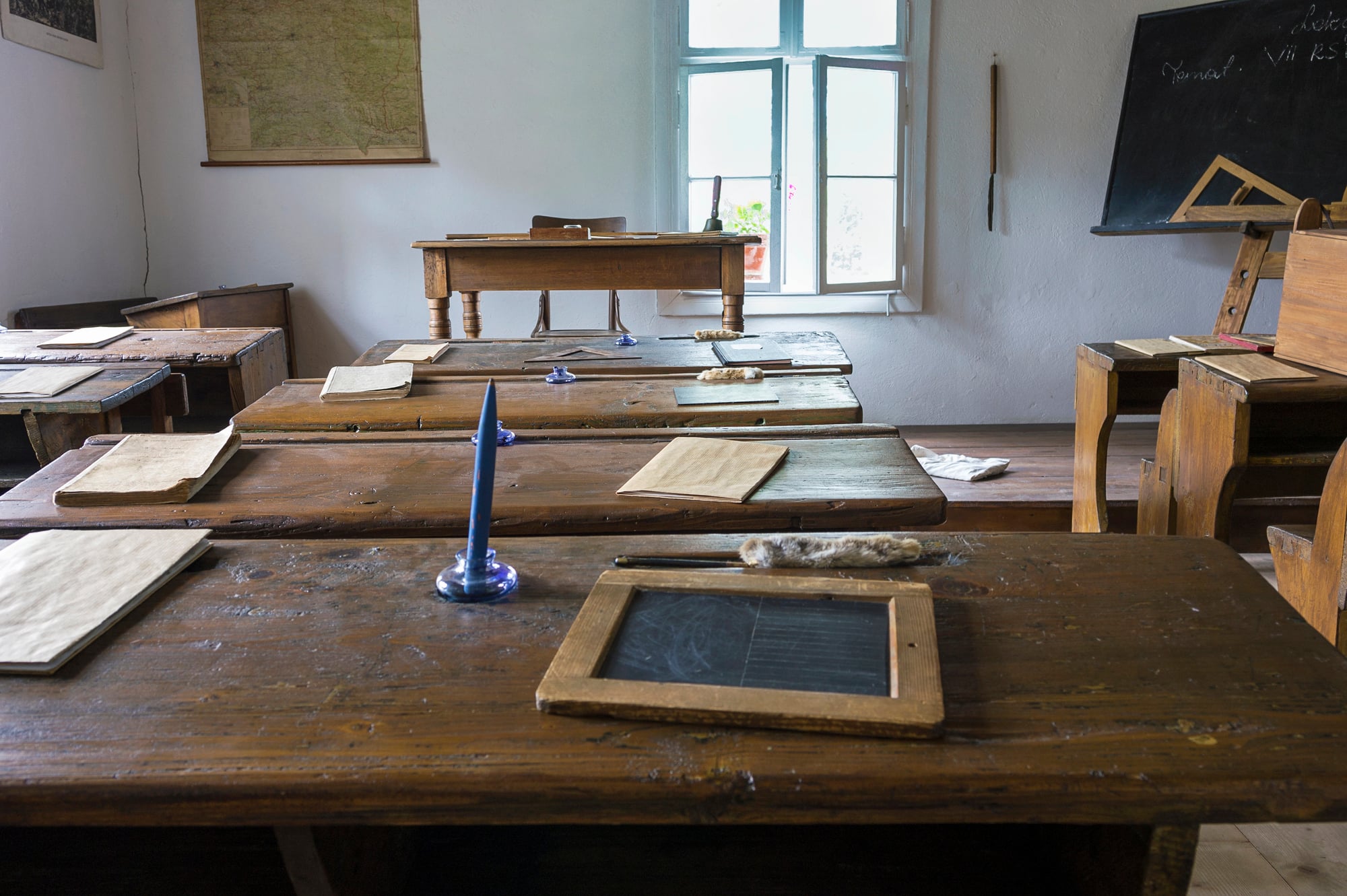
The transition from these rigid 1960s school environments to today’s educational approaches reflects broader social changes in authority, individual rights, and teaching philosophy. While some still advocate for stricter discipline in schools, few would endorse returning to the comprehensive system of control that defined the educational experience of the Baby Boomer generation.
The rules that shaped the school day for students in the 1960s demonstrate how dramatically our understanding of effective education and appropriate child treatment has evolved. What seemed perfectly reasonable to one generation now appears unnecessarily harsh and counterproductive to the next.
More from Go2Tutors!

- The Romanov Crown Jewels and Their Tragic Fate
- 13 Historical Mysteries That Science Still Can’t Solve
- Famous Hoaxes That Fooled the World for Years
- 15 Child Stars with Tragic Adult Lives
- 16 Famous Jewelry Pieces in History
Like Go2Tutors’s content? Follow us on MSN.