17 Air Travel Facts You’ve Likely Never Heard
Previously a luxury enjoyed by a select few, air travel is now a common occurrence for millions of people worldwide. Even though flying has become so regular, there are still many amazing engineering feats, oddities, and unexpected procedures in the aviation sector that most travelers are unaware of.
The complex procedures and odd customs that keep airplanes flying safely are frequently unknown, even to frequent travelers. Even experienced passengers are likely unaware of these 17 unexpected facts about flying.
Flight Attendant Training
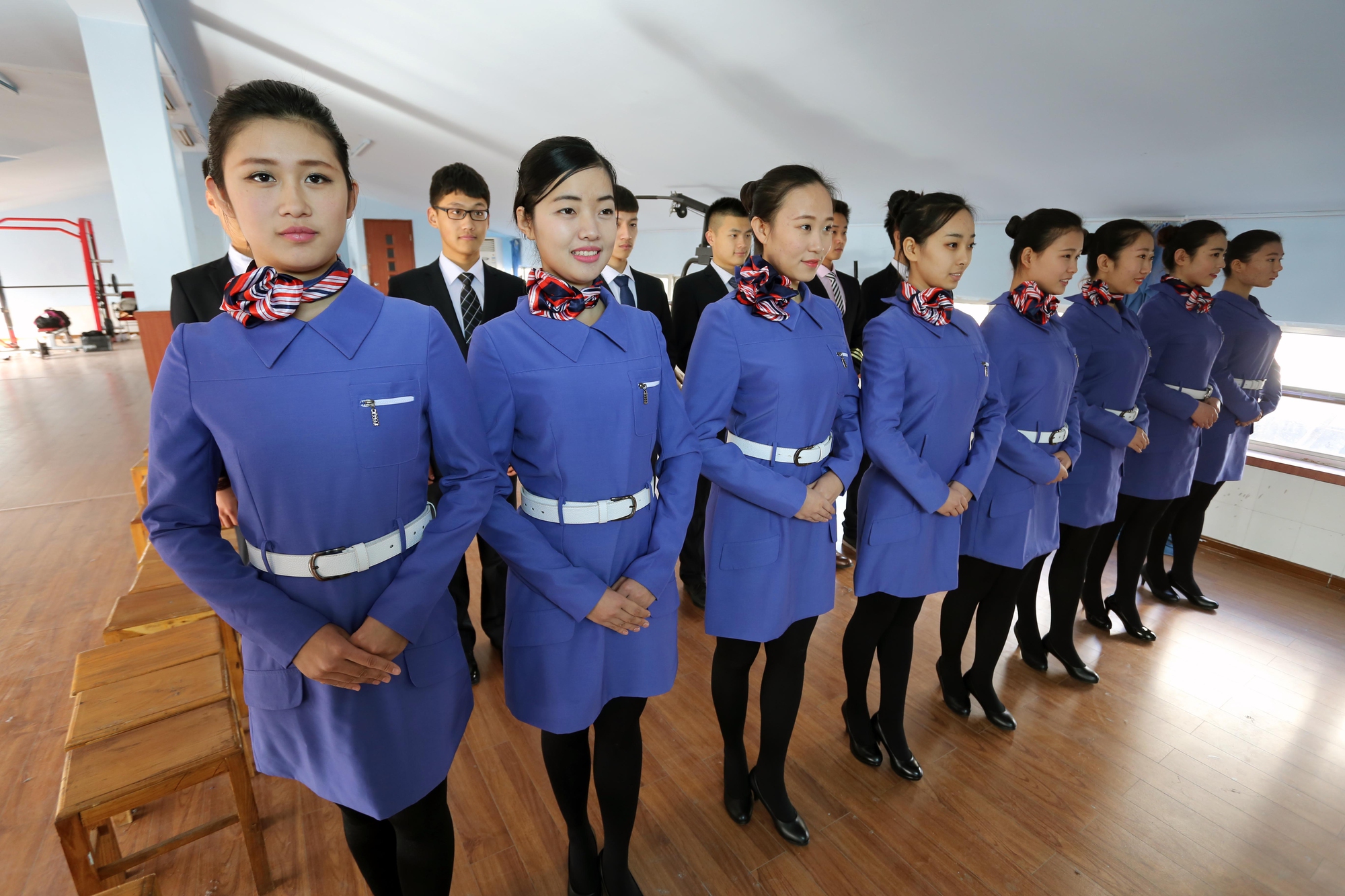
Flight attendants undergo far more rigorous training than most passengers realize, with safety preparation vastly outweighing service instruction. They typically train for 6–8 weeks and must master emergency evacuations, firefighting, medical emergencies, and security protocols before learning how to serve drinks.
Many airlines require attendants to be able to evacuate an entire aircraft in 90 seconds or less, often practicing these drills in dark or smoke-filled cabin simulators.
Airplane Food Taste
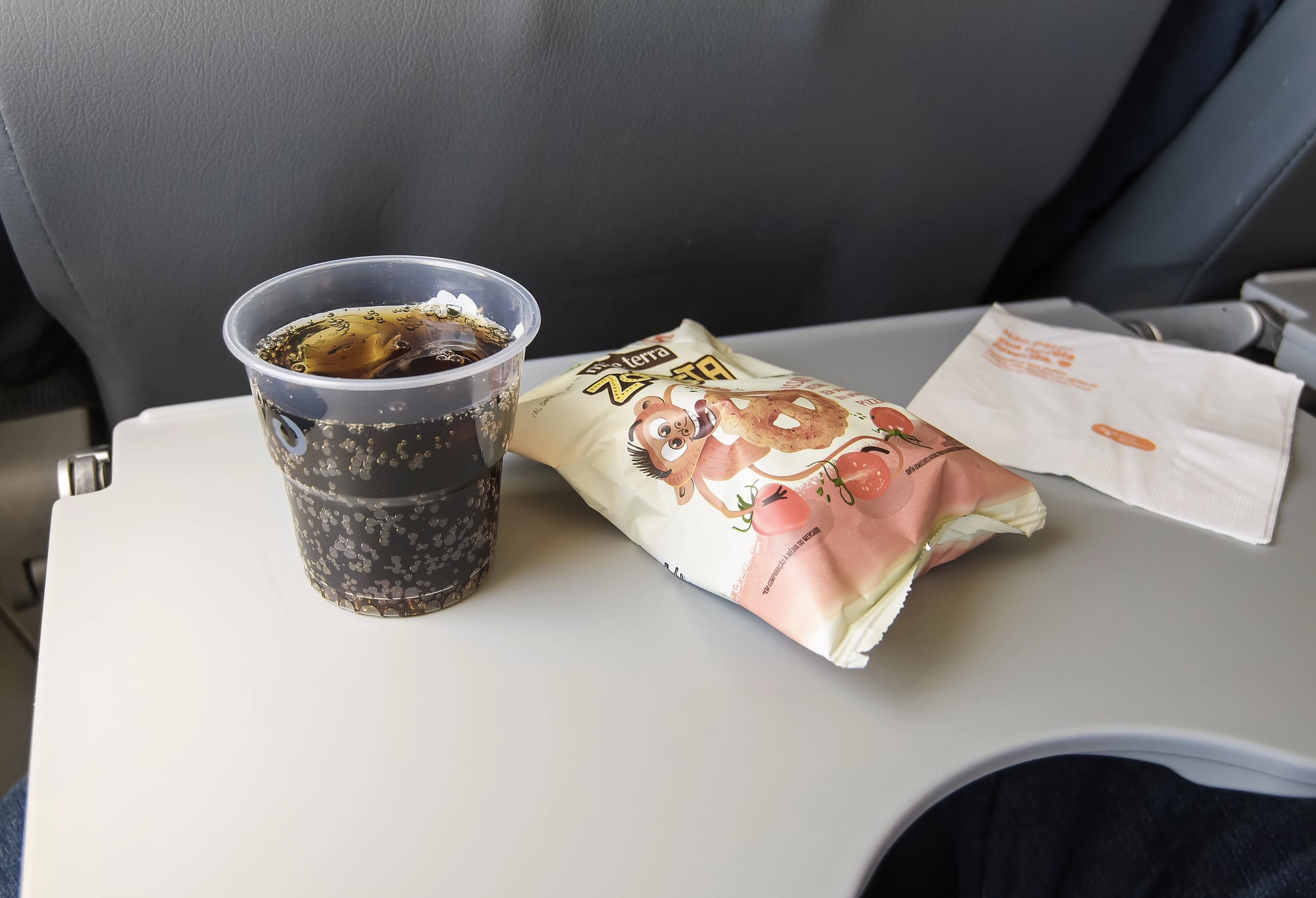
Airline food tastes bland partially because cabin pressure and dry air reduce your taste bud sensitivity by up to 30 percent at cruising altitude. The low humidity environment dries out your nasal passages while engine noise affects how sweet and salty foods taste to passengers.
Airlines often compensate by adding extra seasonings, particularly salt and sugar, which explains why tomato juice tastes surprisingly good in the air despite many people rarely ordering it on the ground.
Like Go2Tutors’s content? Follow us on MSN.
Hidden Sleeping Areas
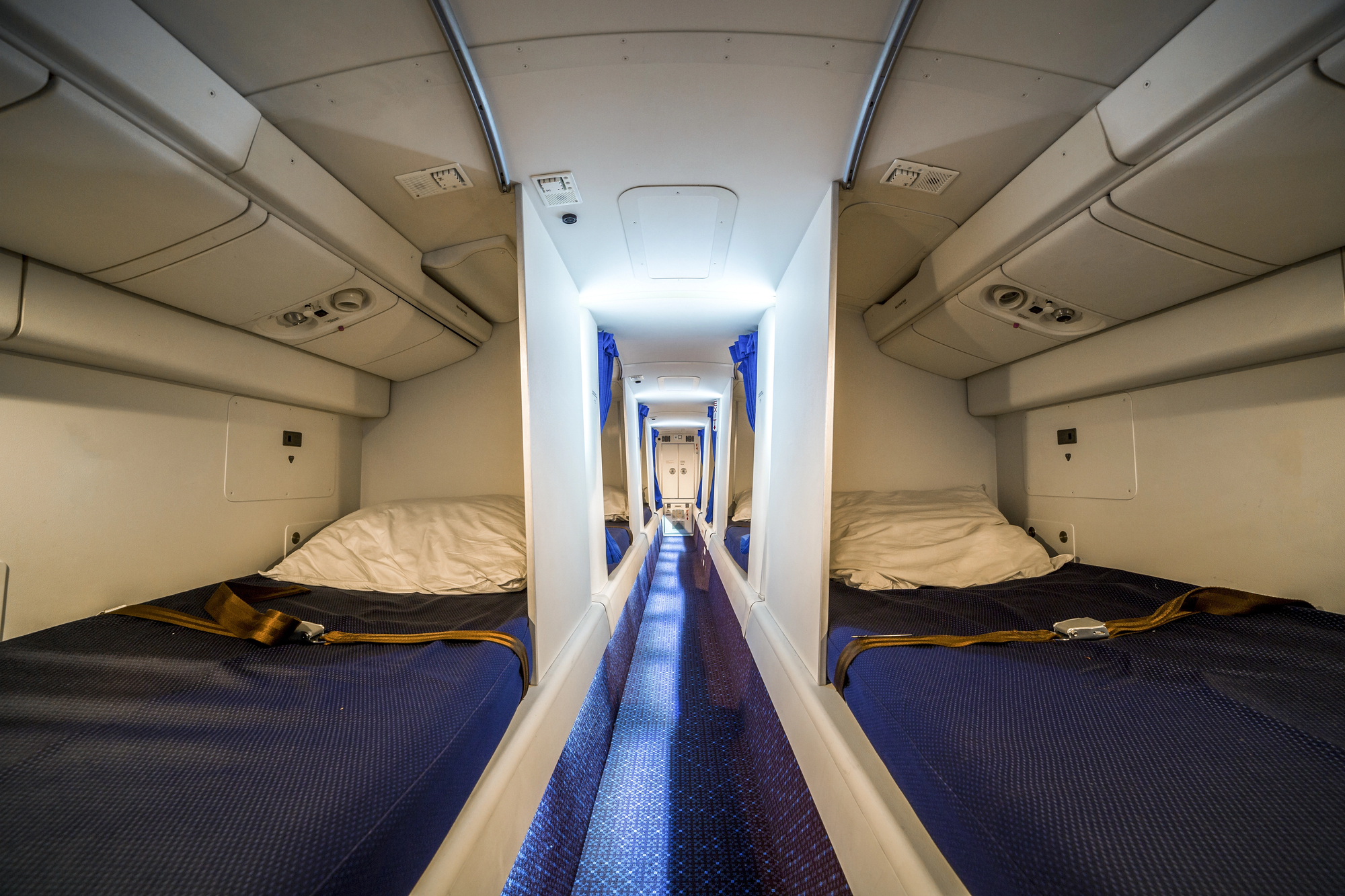
Long-haul planes have secret crew rest compartments where pilots and flight attendants sleep during breaks on extended flights. These hidden areas typically contain several bunks, sometimes stacked vertically, and are accessed through inconspicuous doors or hidden staircases.
On Boeing 777s, the crew rest is often above the ceiling of the main cabin, while on 787 Dreamliners it might be located beneath the passenger floor in the cargo area.
Continuous Fuel Dumping
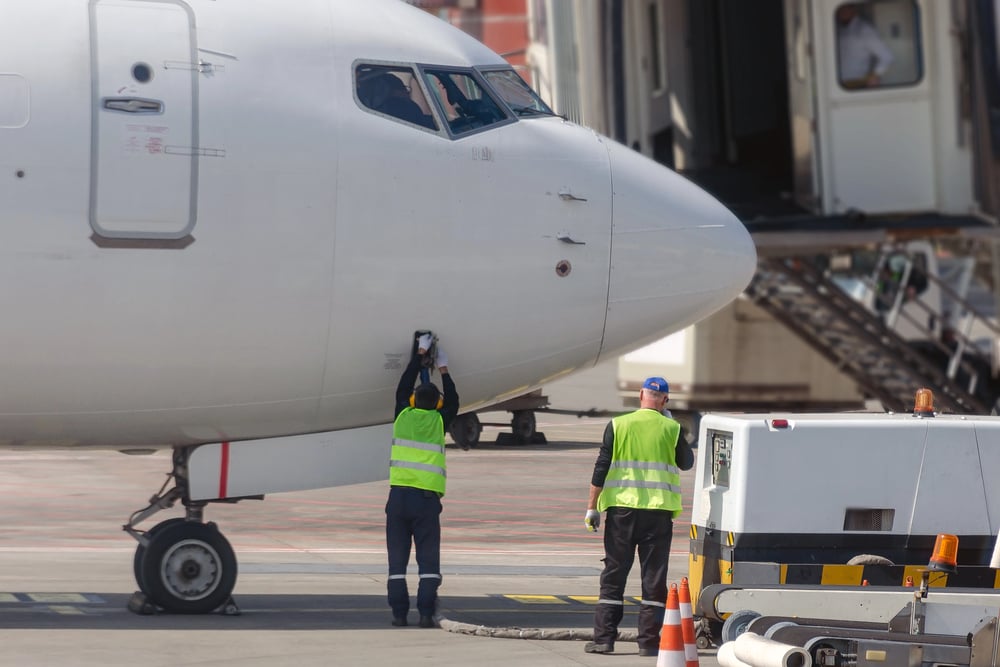
Commercial aircraft often can’t land immediately after takeoff with full fuel tanks because they exceed maximum safe landing weight limits. In emergency situations requiring immediate return to the airport, planes must sometimes dump thousands of gallons of fuel mid-air to reach a safe landing weight.
The fuel typically vaporizes before reaching the ground from high altitudes, though environmental concerns remain about this practice despite its necessity for safety.
Headphone Jack Design
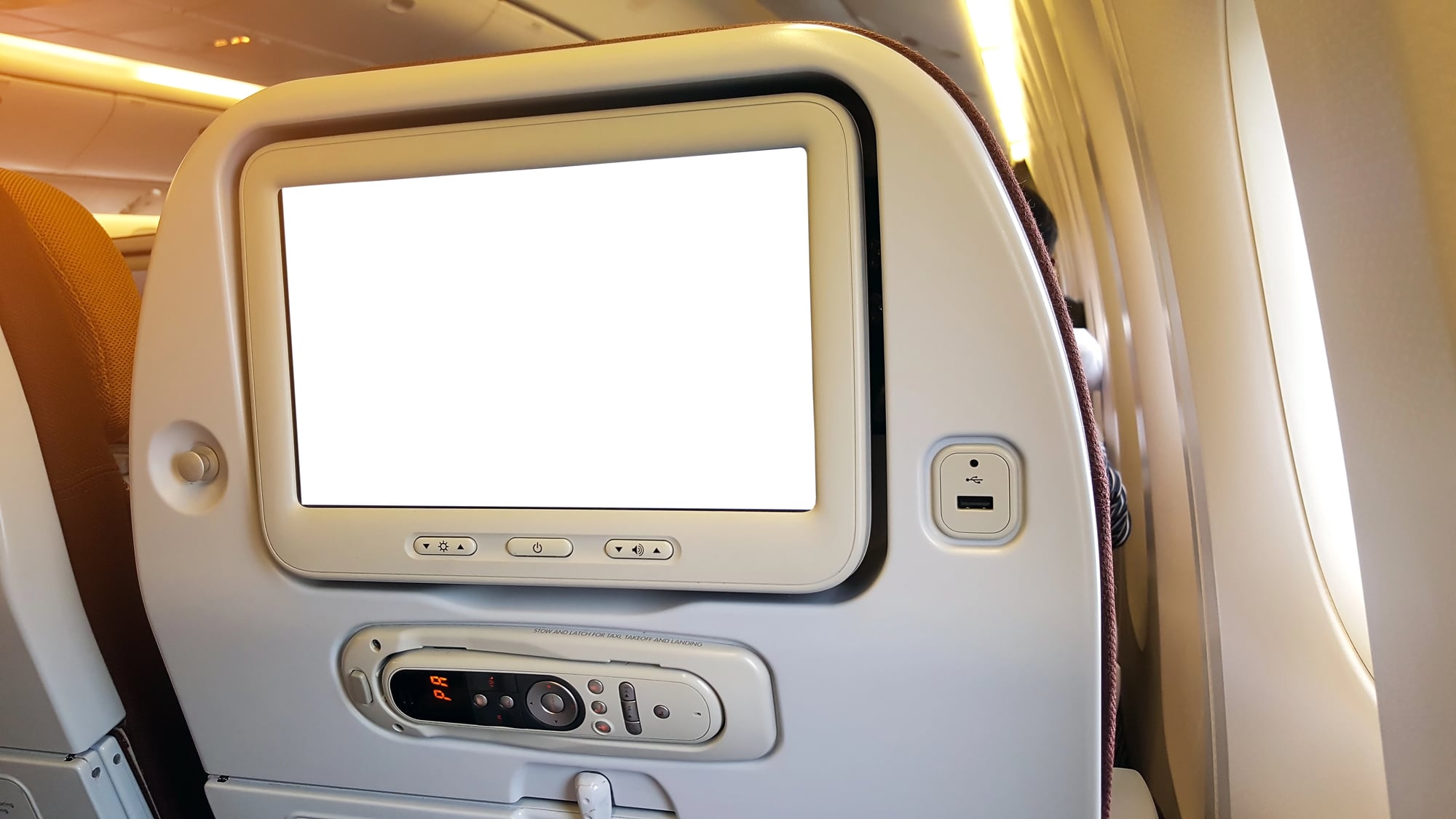
The unusual two-prong headphone jacks found on many aircraft aren’t technological necessities but deliberate design choices to prevent passengers from stealing the headphones. These proprietary connections ensure airline headphones won’t work with personal devices and discourage passengers from taking them home as souvenirs.
Several airlines have abandoned this practice in recent years as headphone costs decreased, switching to standard jacks compatible with passenger devices.
Like Go2Tutors’s content? Follow us on MSN.
Dimmed Cabin Lights
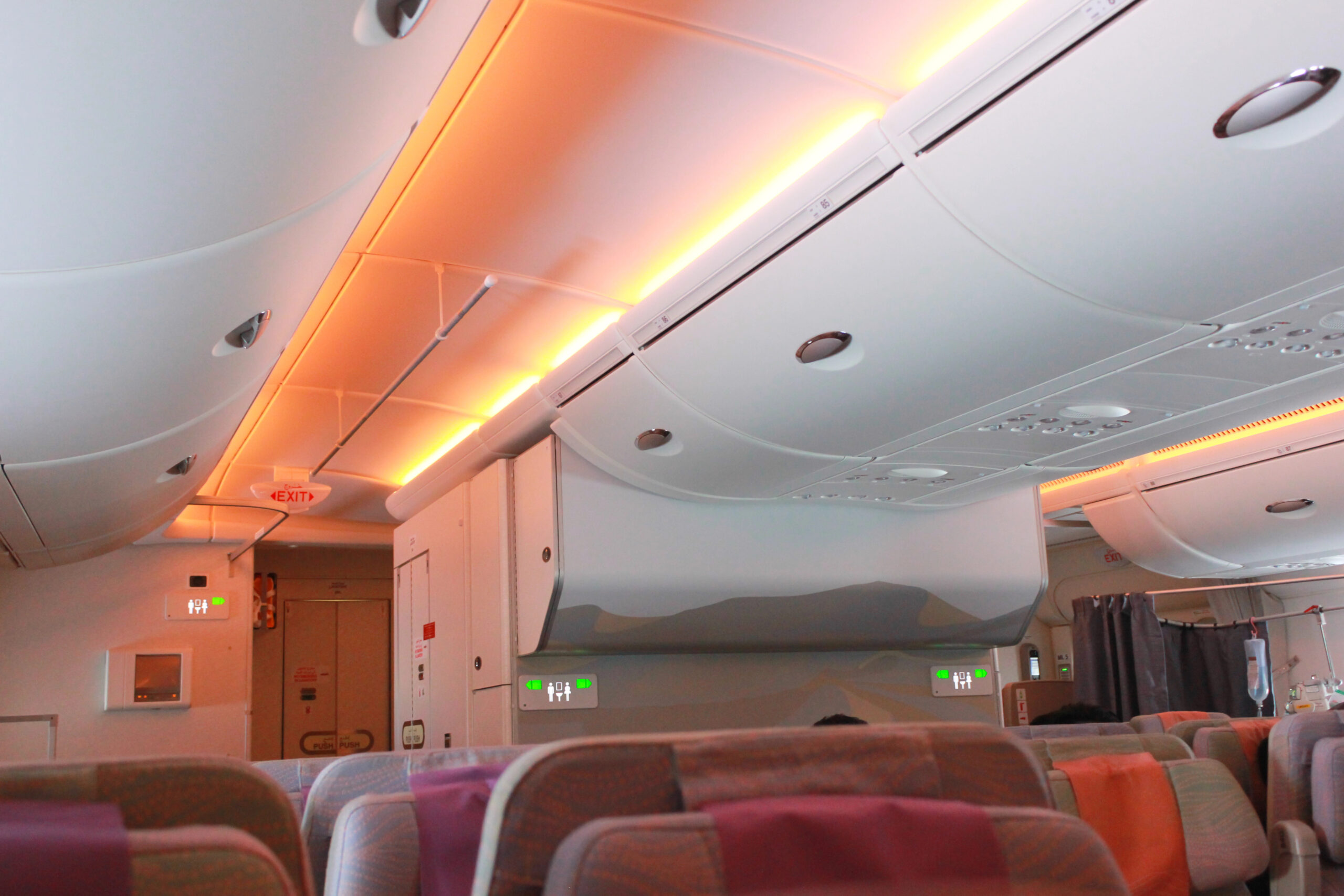
Airlines dim cabin lights during nighttime takeoffs and landings for a practical safety reason rather than passenger comfort. This practice helps eyes adjust to darkness in case of emergency evacuation when external lighting might be limited or power systems fail.
The same logic explains why window shades must be open during these critical flight phases, allowing passengers to quickly orient themselves and spot potential hazards outside the aircraft.
Pilot Meals

Pilots and co-pilots are typically served different meals prepared in separate kitchens to minimize the risk of foodborne illness affecting both simultaneously. Many airlines maintain strict policies preventing flight deck crews from sharing food during flights.
Some carriers even specify that pilots must choose different menu items, with the captain typically selecting first. This protocol ensures that at least one pilot remains unaffected if contaminated food causes illness mid-flight.
The Three-Second Rule

Modern commercial aircraft are designed to remain flyable for three seconds after losing all power from their engines. This brief window allows critical systems to switch to backup power sources and gives pilots precious moments to begin emergency protocols.
The three-second buffer is achieved through advanced hydraulic accumulators and emergency electrical systems that activate almost instantaneously when main power fails.
Like Go2Tutors’s content? Follow us on MSN.
Secret Security Features
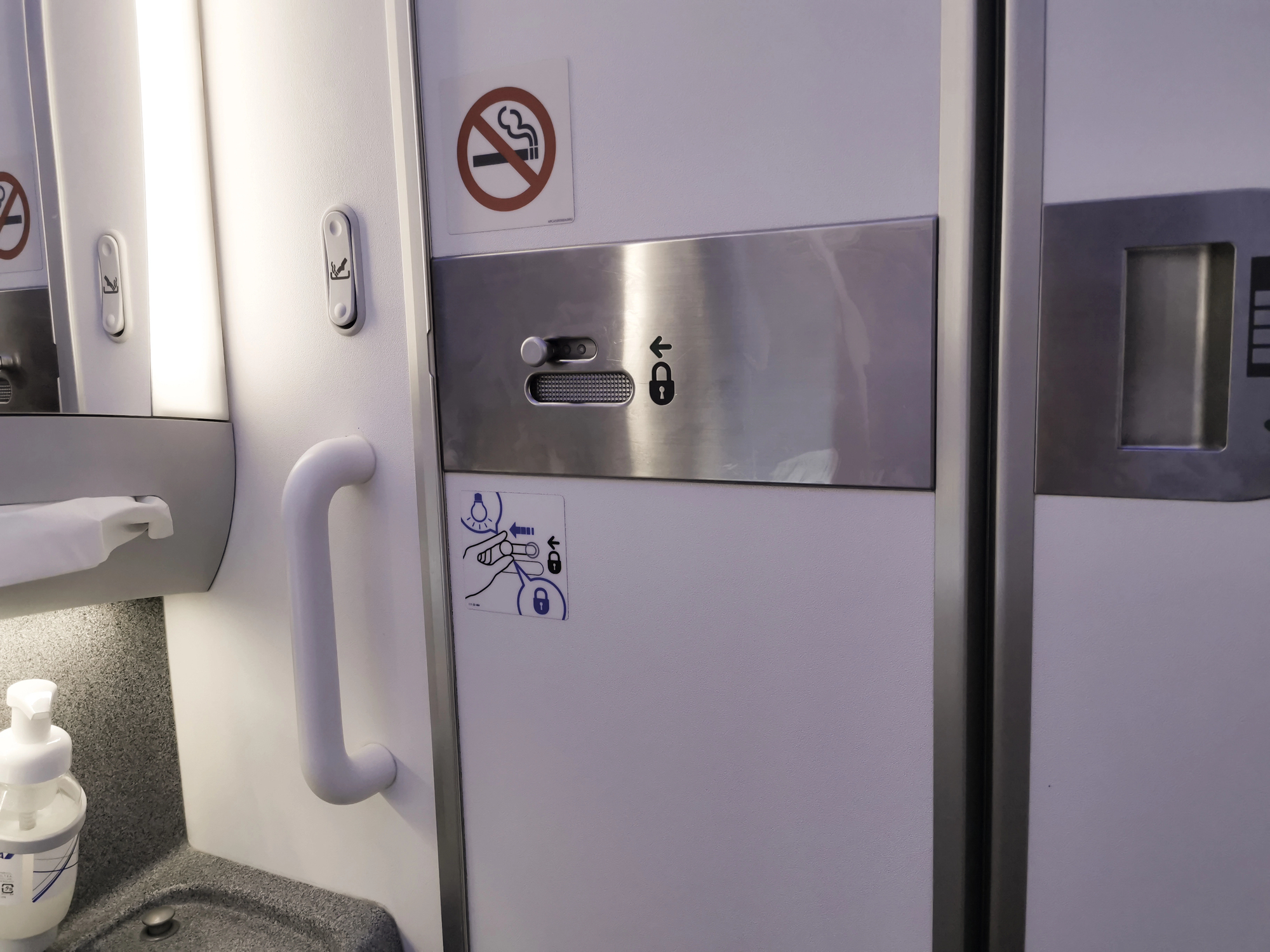
Passenger planes contain numerous hidden security features, including tiny pinhole cameras in some cabins and specialized indicators that reveal tampering with lavatory smoke detectors.
Many aircraft lavatories include a hidden latch beneath the ‘Lavatory’ sign allowing flight attendants to unlock doors from outside during emergencies. Some overhead bins contain subtle markings helping air marshals identify their locations without alerting other passengers.
Braking Systems
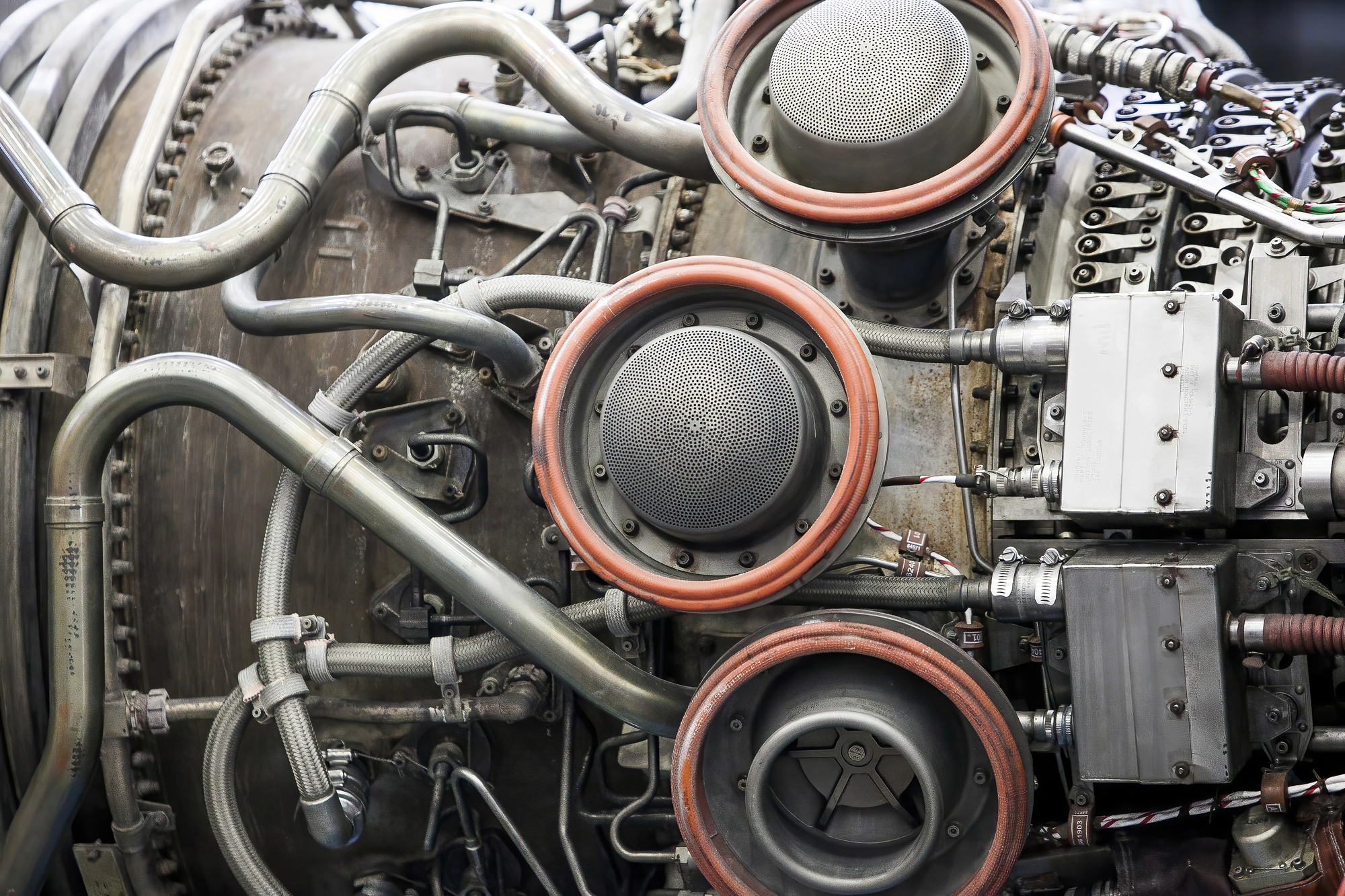
The braking power of large aircraft is astonishing, with systems capable of converting enormous kinetic energy into heat within seconds. During emergency stops, brake temperatures can reach up to 1,500 degrees Fahrenheit, requiring special cooling periods before maintenance personnel can safely approach them.
Carbon brakes on modern aircraft can cost over $25,000 per wheel but can stop a 400-ton aircraft traveling at 170 mph in less than 3,000 feet.
Air Quality Systems

Modern aircraft cabins receive completely refreshed air every 2–3 minutes, providing better air quality than most office buildings, shopping centers, or movie theaters. The air circulation system draws in ultra-clean air from outside the aircraft at high altitudes and passes it through HEPA filters that remove 99.97% of bacteria, viruses, and fungi.
Half the air is recycled through these filters while the other half is fresh from outside, creating a surprisingly healthy cabin environment despite the enclosed space.
Like Go2Tutors’s content? Follow us on MSN.
Winglets Purpose
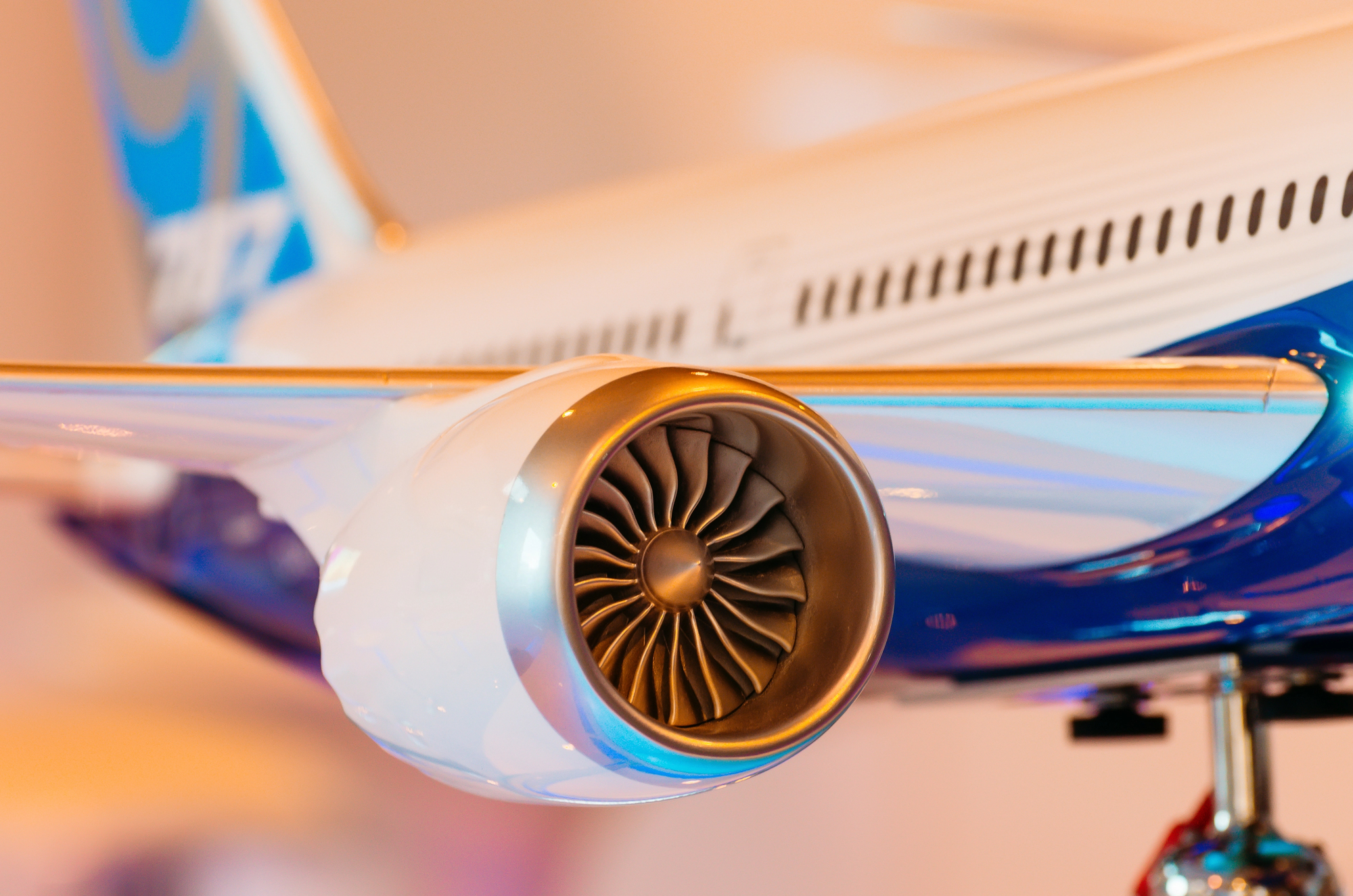
Those upturned tips at the end of wings aren’t just for show but save airlines millions of dollars annually in fuel costs. These winglets reduce drag-inducing vortices that form at wing tips, improving fuel efficiency by 3–5 percent.
On a single aircraft, winglets can save 700,000+ gallons of fuel yearly while increasing range capabilities by up to 150 miles. The technology represents one of aviation’s most visible efficiency innovations of the past few decades.
Lightning Strikes
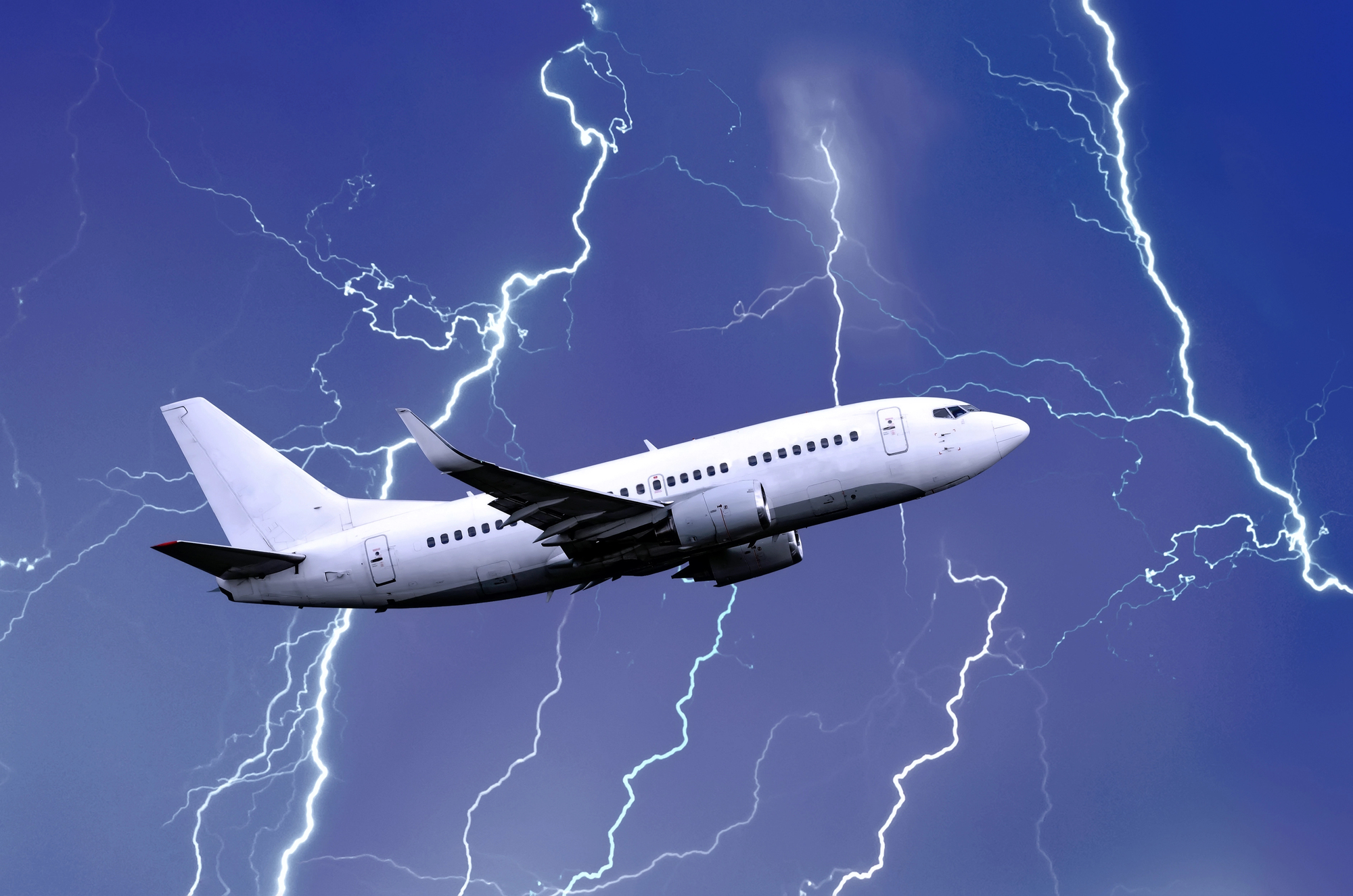
About once a year, commercial aircraft are struck by lightning, but they are able to continue flying safely. Because the outside skins of airplanes are conductive, electrical current can flow around them without harming them.
Prior to the widespread use of contemporary safety measures, the last commercial airplane catastrophe in the United States that was principally caused by lightning happened in 1967. Today, a normal lightning strike might not pose any threat to travelers, but they might see a dazzling flash and hear a loud boom.
Emergency Oxygen Masks

The oxygen masks that drop during cabin depressurization provide only about 15 minutes of breathable air, not the entire flight duration as many passengers assume. This limited supply is sufficient because pilots immediately begin descending to lower altitudes with breathable air, typically reaching a safe elevation within 10–12 minutes.
The chemical oxygen generators create breathable air through a controlled reaction rather than storing compressed oxygen, which would be heavier and potentially more dangerous.
Like Go2Tutors’s content? Follow us on MSN.
Plane Lifespan
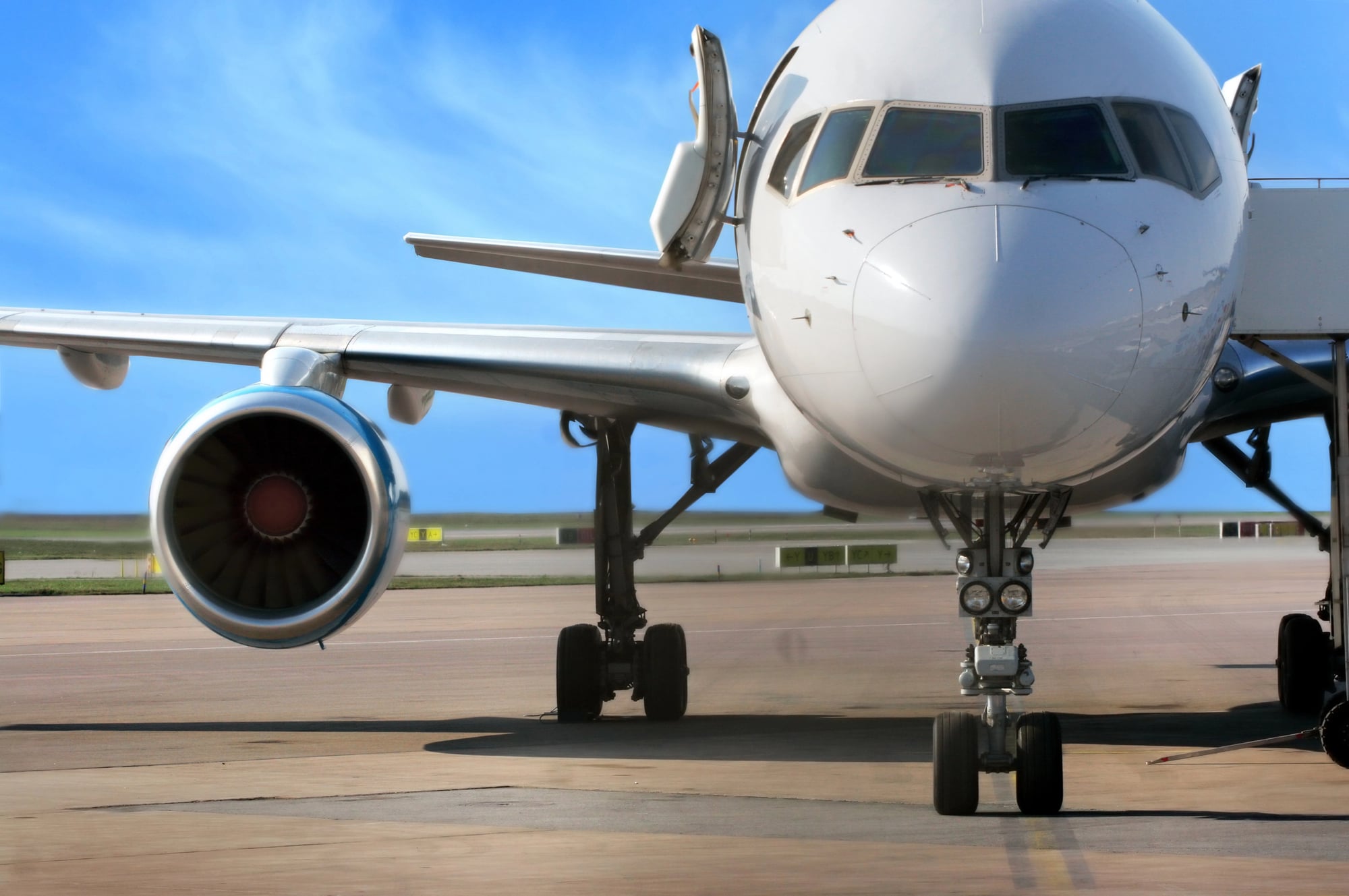
Commercial aircraft aren’t replaced due to age nearly as often as cars or other vehicles, with many flying for 25–30 years before retirement. Most planes don’t wear out from flying itself but from pressurization cycles—each time the cabin pressurizes for flight and depressurizes upon landing counts as one cycle.
A typical airliner is designed for approximately 40,000–60,000 pressurization cycles, meaning short-hop planes often reach their structural limits faster than those flying long-haul routes despite logging fewer miles.
Cockpit Windows
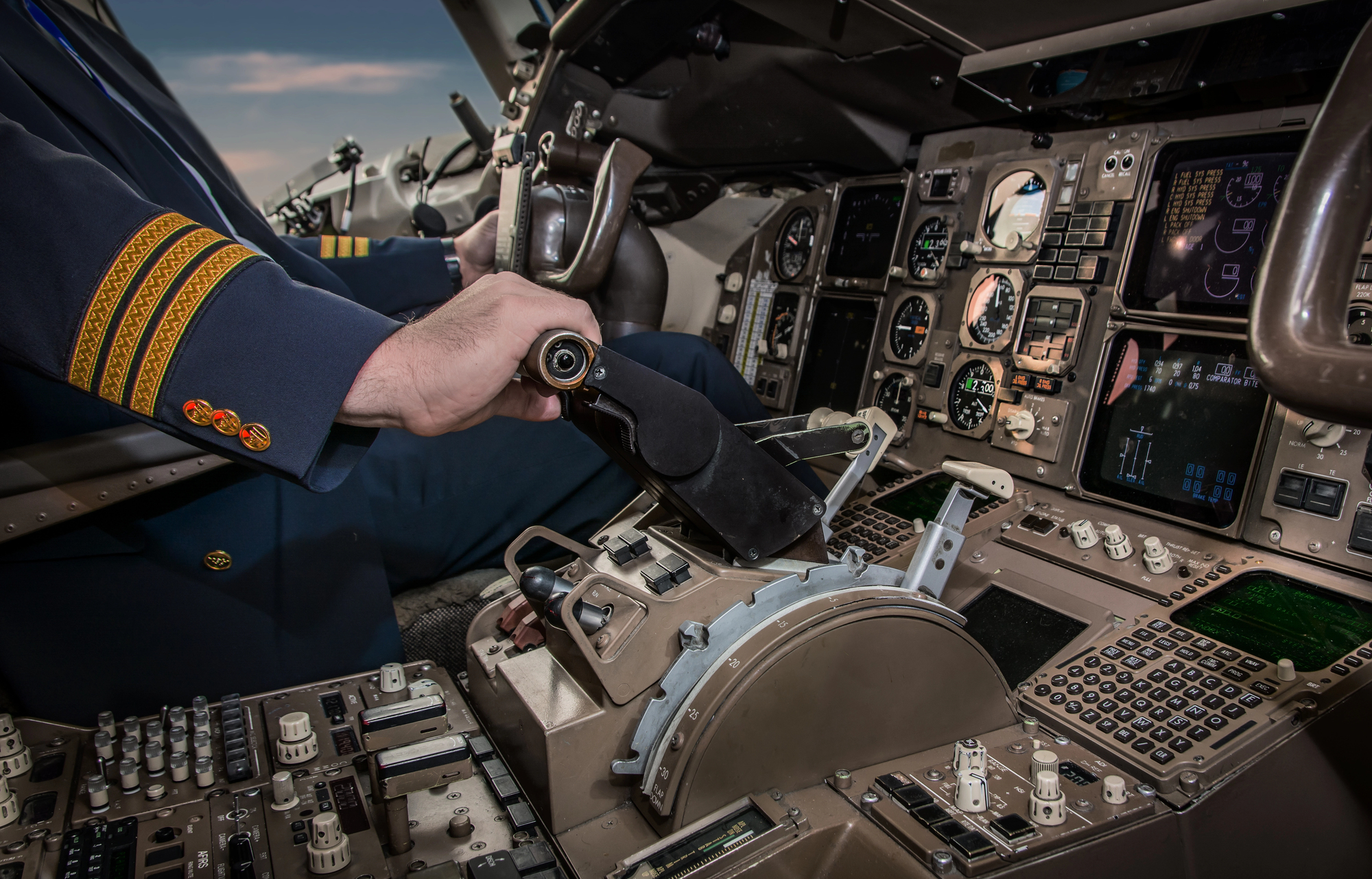
Pilots can open cockpit windows while the plane is in flight, though only at lower altitudes. These manually operated sliding windows serve as emergency exits and provide crucial natural ventilation if smoke fills the cockpit.
The windows also allow pilots to communicate with ground crews if radio systems fail and can be used for emergency document exchanges during special situations at airport gates. Each window costs approximately $35,000 due to its complex multi-layered construction and heating elements.
Fuel Efficiency
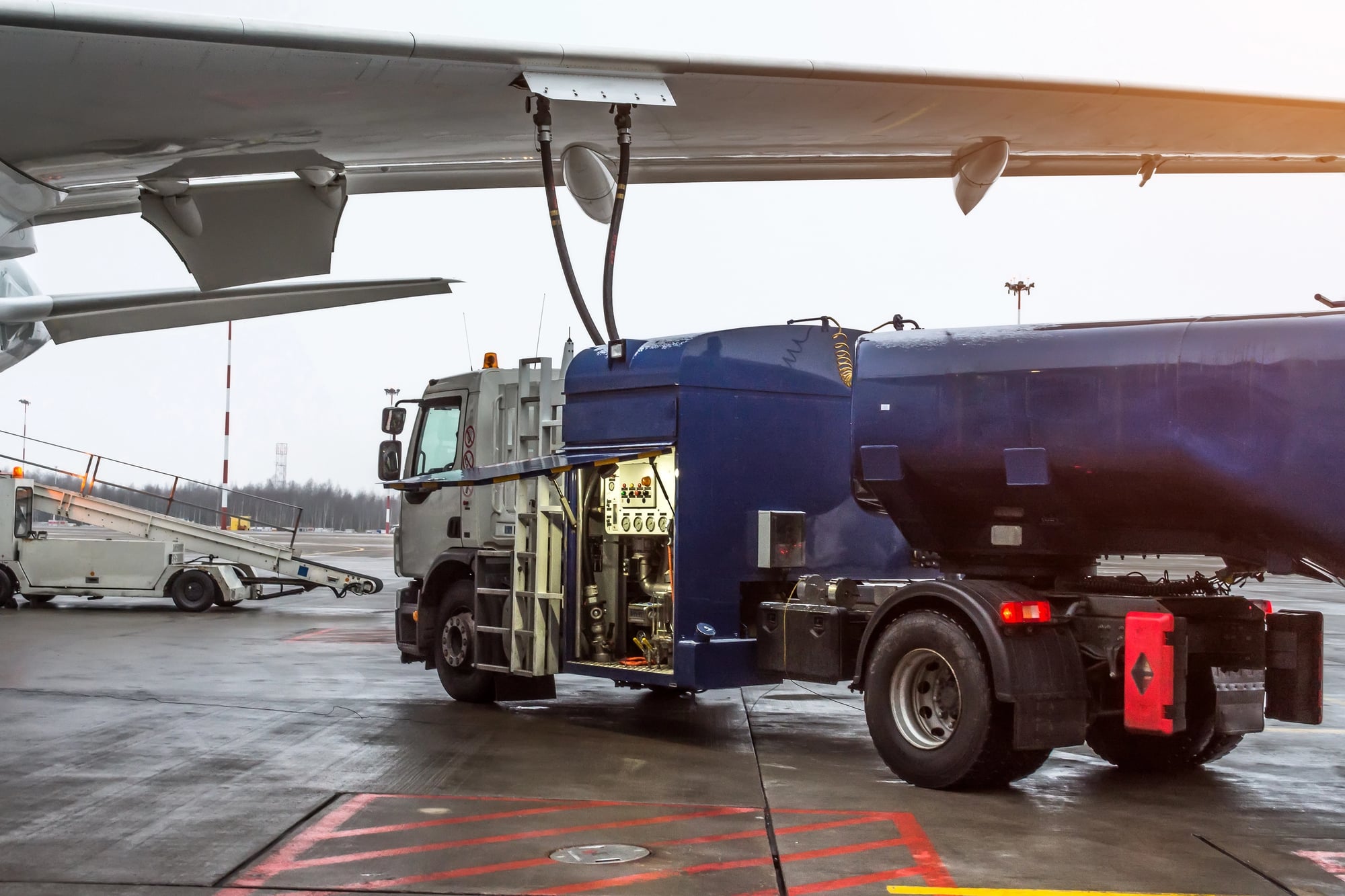
Modern jet aircraft are approximately 80% more fuel-efficient than the first commercial jets from the 1960s. A passenger flying today produces roughly half the carbon emissions per mile compared to someone making the same journey in 1990.
Newer aircraft like the Boeing 787 Dreamliner and Airbus A350 use composite materials and advanced aerodynamics to reduce fuel consumption by approximately 20–25% compared to the aircraft they replace. Airlines have strong financial incentives for these improvements, as fuel typically represents 30–40% of their operating costs.
Like Go2Tutors’s content? Follow us on MSN.
Aviation’s Hidden World

These lesser-known aspects of air travel reveal an industry built on meticulous engineering, rigorous safety protocols, and continuous innovation happening largely beyond passenger awareness.
The modern miracle of aviation functions seamlessly precisely because countless specialized systems operate without drawing attention to themselves. Next time you settle into your seat at 35,000 feet, remember you’re experiencing the culmination of decades of safety advancements, engineering breakthroughs, and operational wisdom.
The most remarkable achievement of commercial aviation may be how it transforms extraordinary technological achievements into such ordinary, everyday experiences that we rarely notice their remarkable nature.
More from Go2Tutors!

- 18 Unexpectedly Valuable Collectibles You Might Have Lying Around
- 15 Things Every Teenager in the ’70s Did That Teens Today Wouldn’t Understand
- 15 Strange Things People Have Tried to Ban (And Failed)
- 15 Inventions That Were Immediately Banned After Being Created
- 20 Actors Who Were Almost Cast in Iconic Roles
Like Go2Tutors’s content? Follow us on MSN.