Facts About International Nurses Day
Every year, May 12th arrives with a familiar kind of power—a yearly respite to honor the nurses who prop up health-care systems. The day is not a polite tip of the hat; it’s a recognition of long shifts, bottomless wells of patience, and the invisible problem-solving that happens well outside visiting hours. But the day is even more complex than most are aware.
Here are 15 facts that make International Nurses Day even more special.
It Celebrates Florence Nightingale’s Birthday
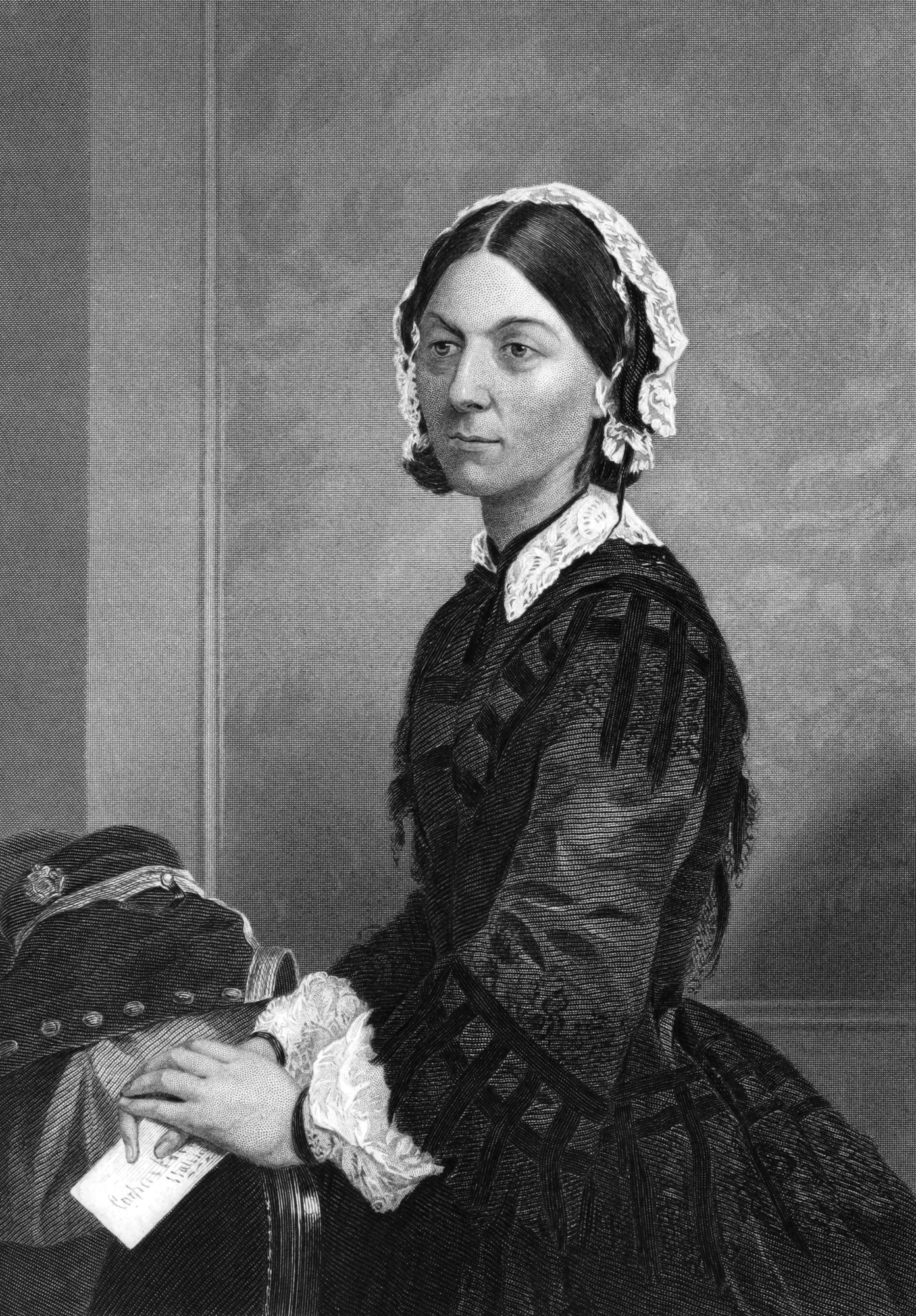
May 12th lines up with Florence Nightingale’s birthday, linking the celebration to nursing’s modern architect. Her Crimean War reforms turned makeshift caretakers into trained professionals, reshaping patient care worldwide.
It Was Officially Recognized in 1974

Nurses had received periodic accolades earlier, but 1974—thanks to the International Council of Nurses (ICN)—put the date on world calendars. Official sanction put nursing on the international stage, with governments paying attention.
Like Go2Tutors’s content? Follow us on MSN.
Each Year Has a Different Theme
The celebration does not become stale; the ICN brings a new emphasis each year. Themes address urgent issues like staffing shortages or technological progress, generating policy debates that extend beyond May 12th.
The ICN Distributes Resources Globally

To turn themes into action, the ICN sends free toolkits—posters, social graphics, event guides—to facilities worldwide. Small rural clinics and sprawling urban centers get identical access, minimizing cost barriers.
Many Countries Host Week-Long Events

Some nations draw out the party over more than a day—National Nurses Week in the United States runs from May 6th through the 12th. Conferences, pinning ceremonies, and even community blood-pressure screenings are on the agenda.
Like Go2Tutors’s content? Follow us on MSN.
It’s a Day of Action as Well as Appreciation

Public gratitude means plenty, yet many groups seize May 12th to push for safer staffing ratios, fair pay, and robust mental-health programs. Advocacy letters hit politicians’ desks while rallies highlight systemic cracks.
The First Nurses Day in the U.S. Was in 1954
Well before the ICN’s global decree, the United States marked 1954 as Nurses Day—precisely 100 years after Nightingale’s Crimean service. Although the idea didn’t immediately spread, it signaled budding recognition of nursing’s value.
It Highlights the Global Nursing Shortage

International Nurses Day routinely draws attention to staffing deficits. Aging populations, complex diseases, and migration trends have stretched supply thin.
Like Go2Tutors’s content? Follow us on MSN.
It Encourages the Next Generation

Beyond honoring current staff, the celebration courts future caregivers through school career talks and open-house tours at nursing colleges. Personal stories—ranging from neonatal victories to disaster-relief missions—ignite student curiosity.
Public Landmarks Are Often Lit Up

Skylines join the tribute—bridges glow blue, towers display heart-shaped animations, hospital façades beam giant “Thank You” slides. The illumination campaign creates city-wide visibility while sparking social-media buzz.
There Are Award Ceremonies Worldwide
Nurses who innovate, advise, or volunteer outside of their shifts are honored at ceremonies. Medals and certificates provide concrete acknowledgment, boosting one’s sense of accomplishment.
Like Go2Tutors’s content? Follow us on MSN.
The Pandemic Deepened Its Significance

COVID-19 thrust nurses into the world’s spotlight as they juggled oxygen shortages, family grief, and personal risk. Consequently, International Nurses Day gained heavier emotional weight, turning applause into deeper respect.
It’s Recognized in Over 100 Countries
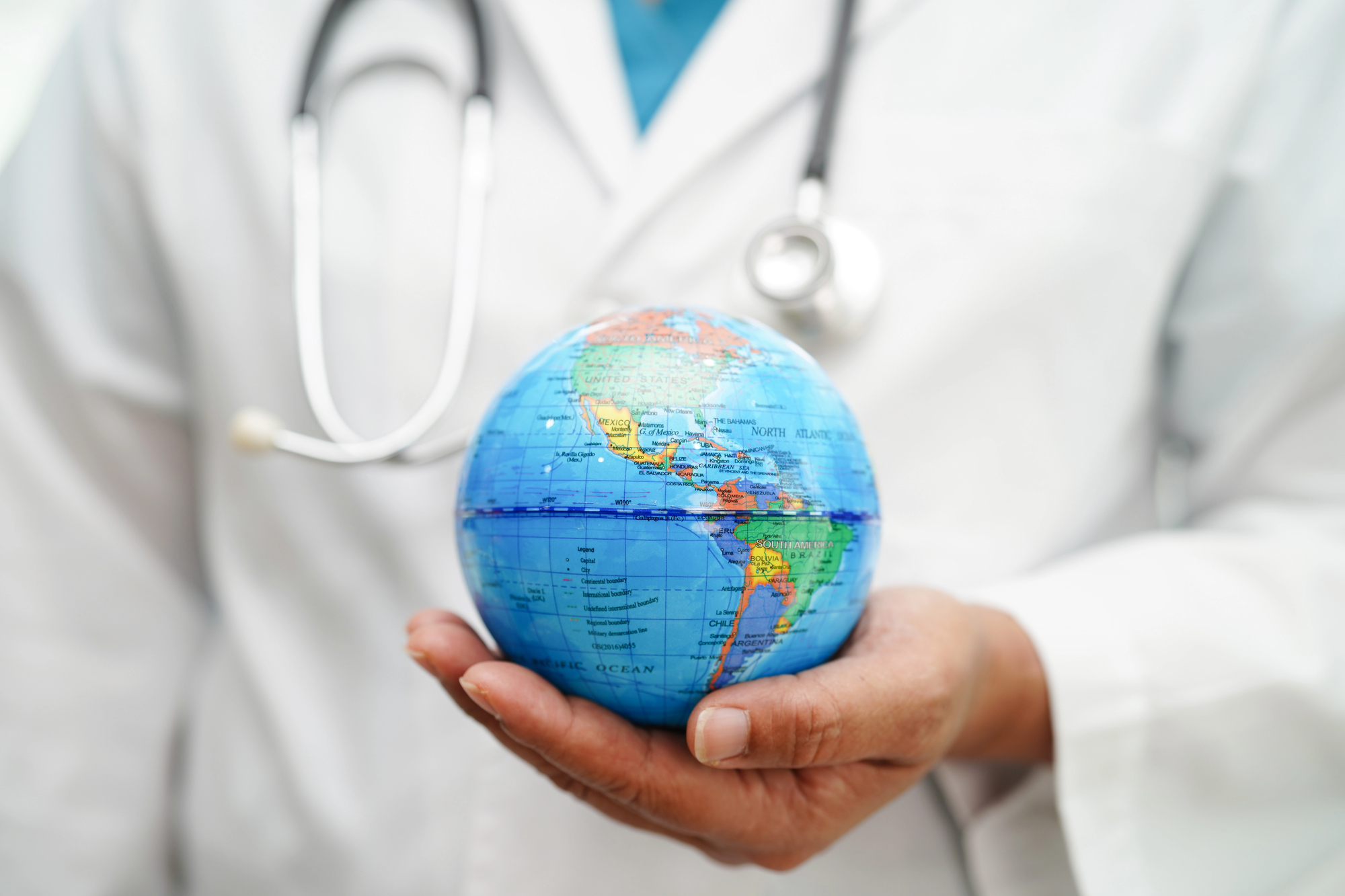
Well over a hundred nations mark May 12th with events ranging from candlelight vigils to stadium-size health fairs. Despite linguistic and cultural differences, the core message—nursing matters—remains remarkably uniform.
Media Campaigns Help Spread the Message

Health organizations collaborate with broadcasters, influencers, and streaming platforms to push documentaries and short-form videos. Hashtag trends and public-service ads balance the spotlight usually reserved for physicians or paramedics.
Like Go2Tutors’s content? Follow us on MSN.
It’s Not Just for Registered Nurses

The salute extends to midwives, nursing students, advanced practitioners, and community health workers. By encompassing the entire continuum, International Nurses Day reinforces teamwork across specialties.
More Than a Thank-You
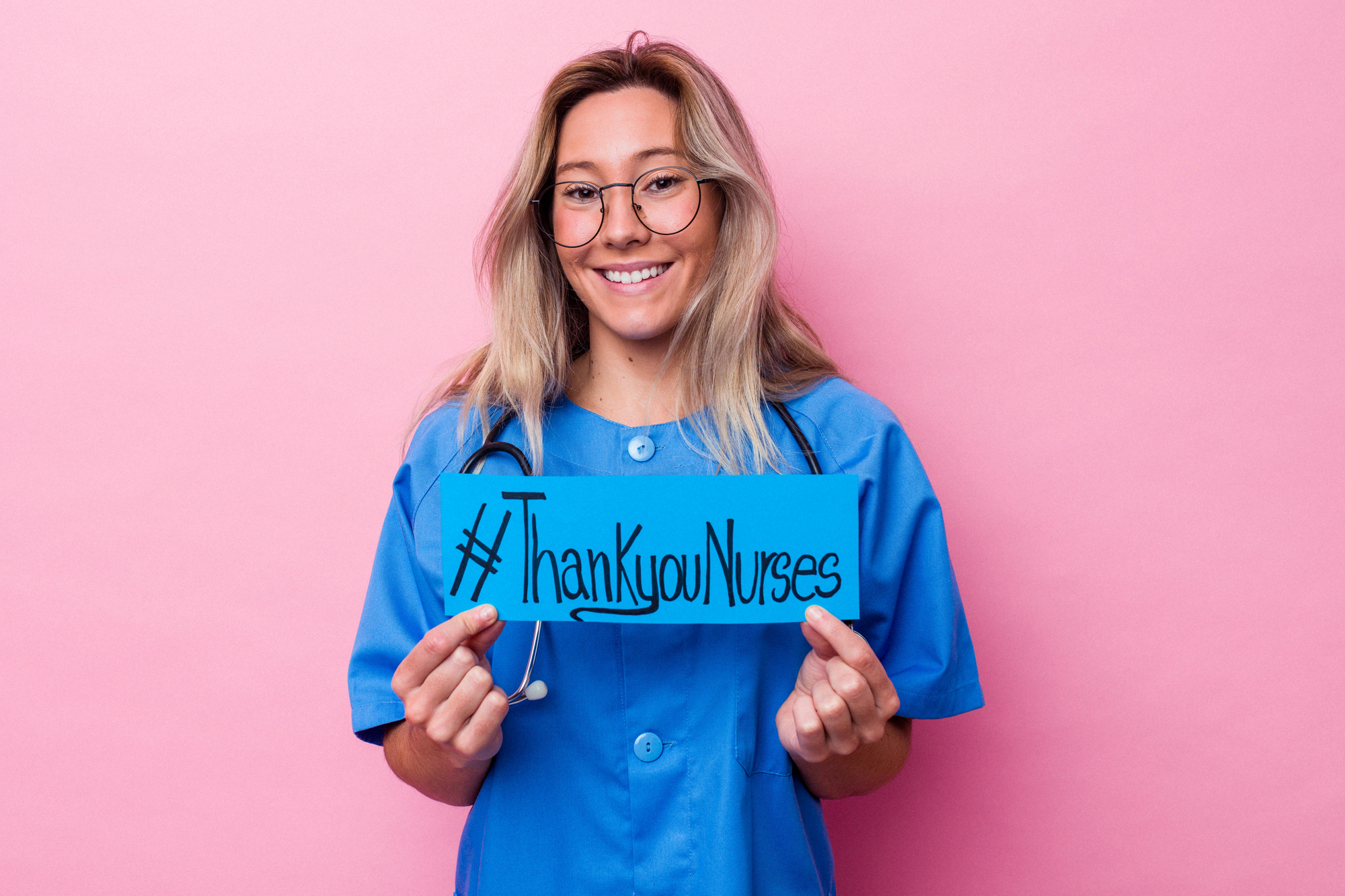
International Nurses Day spotlights the backbone of health care—professionals who steady hands and steady hearts in equal measure. A single day of appreciation matters, yet lasting impact arrives when policies improve staffing, safety, and support all year long.
More from Go2Tutors!

- 18 Unexpectedly Valuable Collectibles You Might Have Lying Around
- 15 Things Every Teenager in the ’70s Did That Teens Today Wouldn’t Understand
- 15 Strange Things People Have Tried to Ban (And Failed)
- 15 Inventions That Were Immediately Banned After Being Created
- 20 Actors Who Were Almost Cast in Iconic Roles
Like Go2Tutors’s content? Follow us on MSN.