Desserts Served at Royal Weddings
Royal weddings capture the world’s attention for many reasons. The ceremony, the dress, the vows—all play their part.
But when the official photos finish and guests settle into the reception, one question lingers in everyone’s mind: what’s for dessert? The answer often reveals as much about the couple as any speech or tradition.
Some royals go traditional. Others surprise everyone with something personal.
And the desserts themselves? They range from towering cakes that took weeks to create to simple treats that honor family recipes passed down through generations.
The Fruitcake That Defines British Royalty
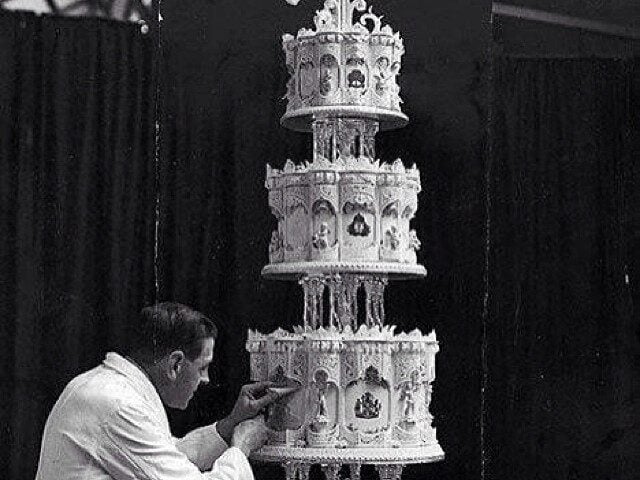
Queen Elizabeth and Prince Philip started a tradition that lasted decades. Their wedding cake in 1947 stood nine feet tall and weighed 500 pounds.
The cake was fruitcake—dense, boozy, and built to last. This wasn’t just any fruitcake.
Bakers soaked it in brandy for weeks before the wedding. The bottom tier got saved and served at Princess Anne’s christening three years later.
That’s the thing about royal fruitcakes. They don’t go bad.
They get better. The tradition stuck.
Prince Charles served fruitcake at his wedding to Diana. William and Kate included one tier of fruitcake alongside their chocolate biscuit cake.
Even Harry and Meghan paid homage with a lemon elderflower creation—though they broke from the heavy fruitcake mold entirely.
When Chocolate Takes Center Stage
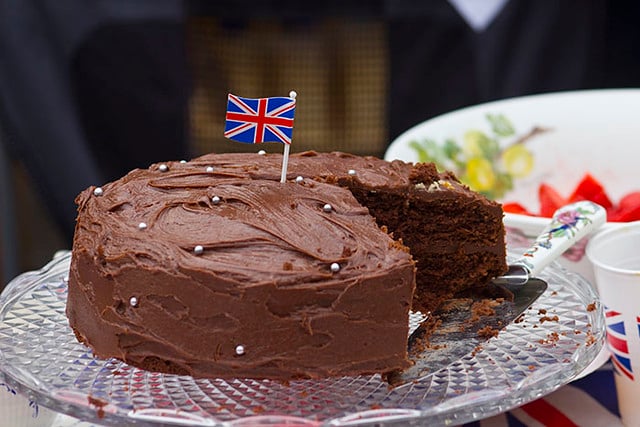
William and Kate made waves with their choice in 2011. Instead of the expected towering fruitcake, they commissioned a chocolate biscuit cake as their groom’s cake.
The choice came directly from William’s childhood memories—his grandmother made this same cake for him growing up. The recipe itself sounds simple.
Rich tea biscuits broken into pieces, mixed with dark chocolate and butter, formed into a cake shape. But McVitie’s, the company that made it, worked for weeks perfecting the balance.
Too much chocolate and it falls apart. Not enough and it tastes dry.
The cake didn’t tower over guests like traditional royal cakes. It sat modest and unassuming on the table.
And that made it perfect. This wasn’t about impressing dignitaries.
This was about sharing something meaningful.
The Lemon Elderflower Revolution

Meghan and Harry threw out the rulebook in 2018. Their pastry chef, Claire Ptak, created a lemon elderflower cake that looked almost too pretty to eat.
Light sponge layers held elderflower syrup between them. Swiss meringue buttercream frosted the outside.
Fresh flowers decorated the tiers. The cake broke from British tradition in every way.
No fruitcake. No dark colors.
No heavy brandy-soaked layers that could survive a nuclear winter. This cake needed to be eaten within days, not stored for christenings years later.
Guests raved about it. The light, fresh flavors matched the spring wedding perfectly.
And the choice reflected Meghan’s California roots—bright, fresh, untraditional. Some British tabloids criticized the choice as too American.
But the cake spoke for itself.
Princess Victoria’s Seven-Tier Masterpiece

When Crown Princess Victoria of Sweden married Daniel Westling in 2010, her cake reached new heights. Seven tiers of green marzipan covered a cream and strawberry filling.
The green color came from the couple’s shared love of nature and the outdoors. Swedish royal weddings typically feature princess cake—a traditional dessert made with layers of sponge, raspberry jam, pastry cream, and bright green marzipan.
Victoria’s wedding cake honored this tradition but supersized it. Each tier represented something different in their relationship.
The cake weighed over 100 pounds and took a team of bakers three days to assemble. But the decoration took even longer.
Hand-crafted sugar flowers adorned each level, delicate enough that moving the cake required four people and a custom-built cart.
The Belgian Tradition of Croquembouche
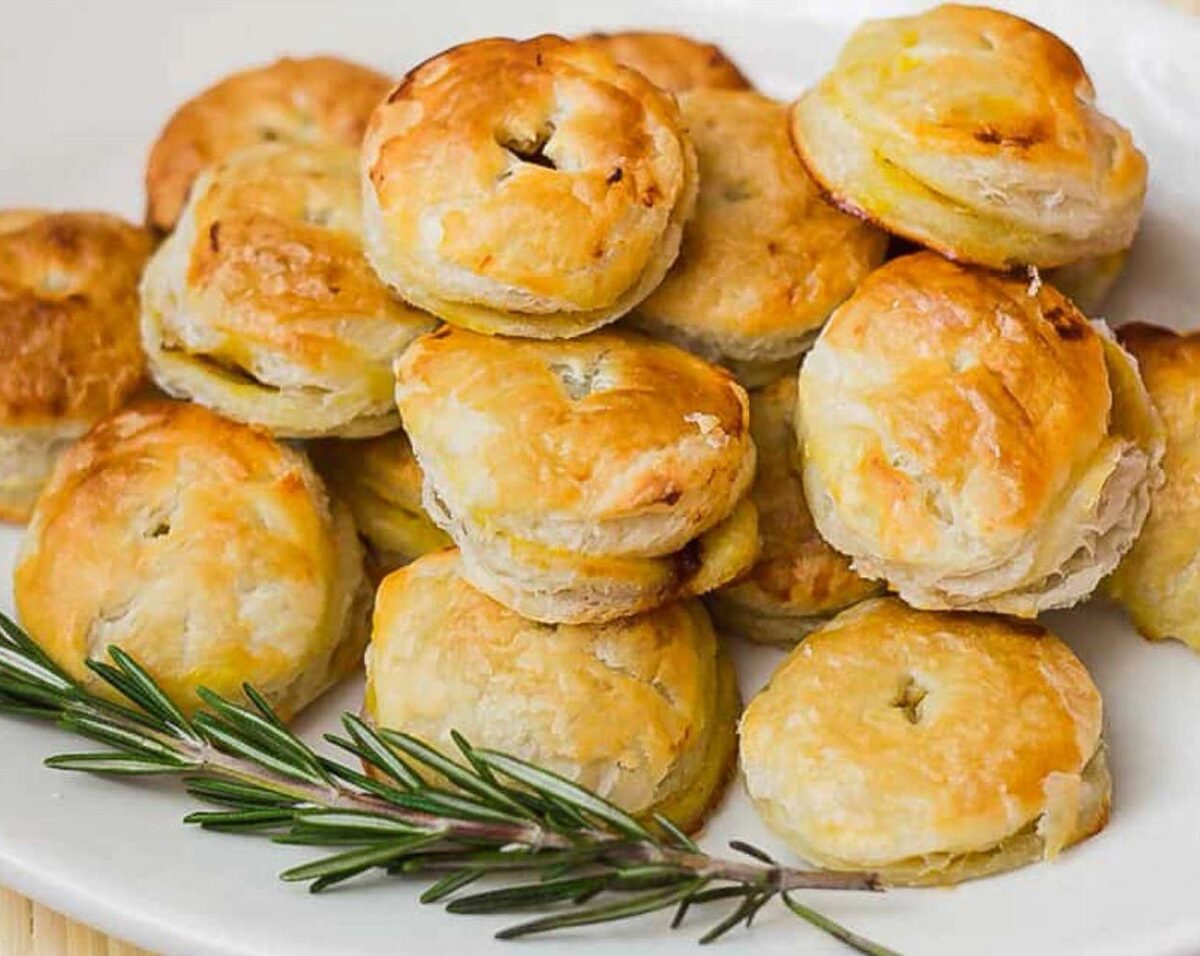
Belgian royal weddings often feature croquembouche—a tower of cream-filled pastry puffs held together with caramel. Prince Laurent and Princess Claire chose this option in 2003, though their version reached nearly six feet tall.
Making croquembouche requires patience. Each individual choux pastry needs to get baked perfectly.
Too soft and they collapse under the caramel. Too hard and they taste like cardboard.
The filling—usually vanilla cream or chocolate—gets piped into each puff just before assembly. Then comes the tricky part.
Hot caramel acts as glue, bonding each puff to the next while the baker constructs a cone shape. Work too slowly and the caramel hardens.
Work too fast and you might get burned. The entire structure needs to get completed before the caramel sets completely.
When Cookies Replace Cake Entirely
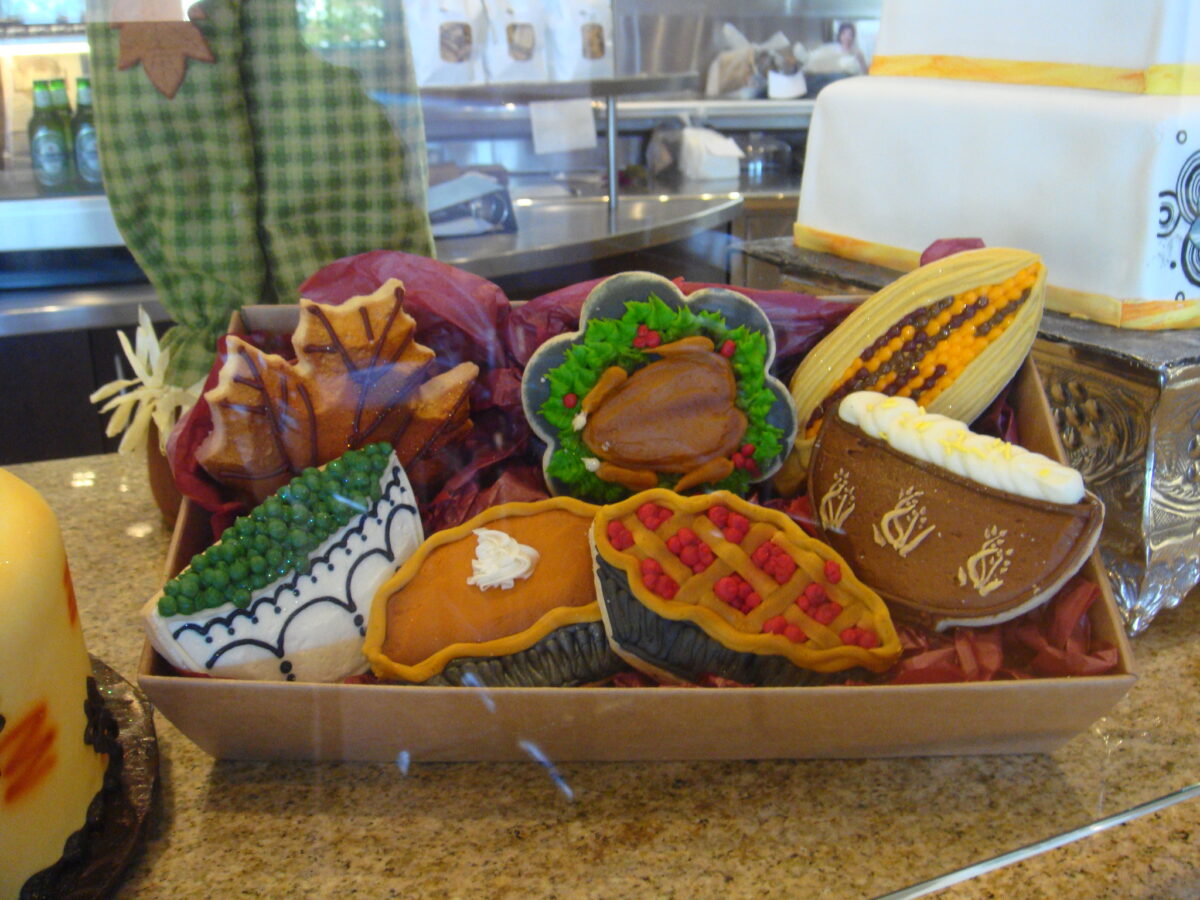
Princess Madeleine of Sweden and Christopher O’Neill took a different approach in 2013. They served cake, yes.
But they also provided guests with elaborate cookie displays featuring seven different varieties. The cookies included traditional Swedish favorites like gingerbread and almond-based dreams.
But the couple also added chocolate chip cookies—Christopher’s American favorite. Each cookie was decorated with edible gold leaf and the couple’s monogram.
This choice reflected a broader trend in royal weddings. Modern royals care less about following every tradition and more about creating experiences their guests actually enjoy.
And let’s face it—most people would rather eat a good cookie than stare at an untouchable cake.
The Italian Millefoglie Approach
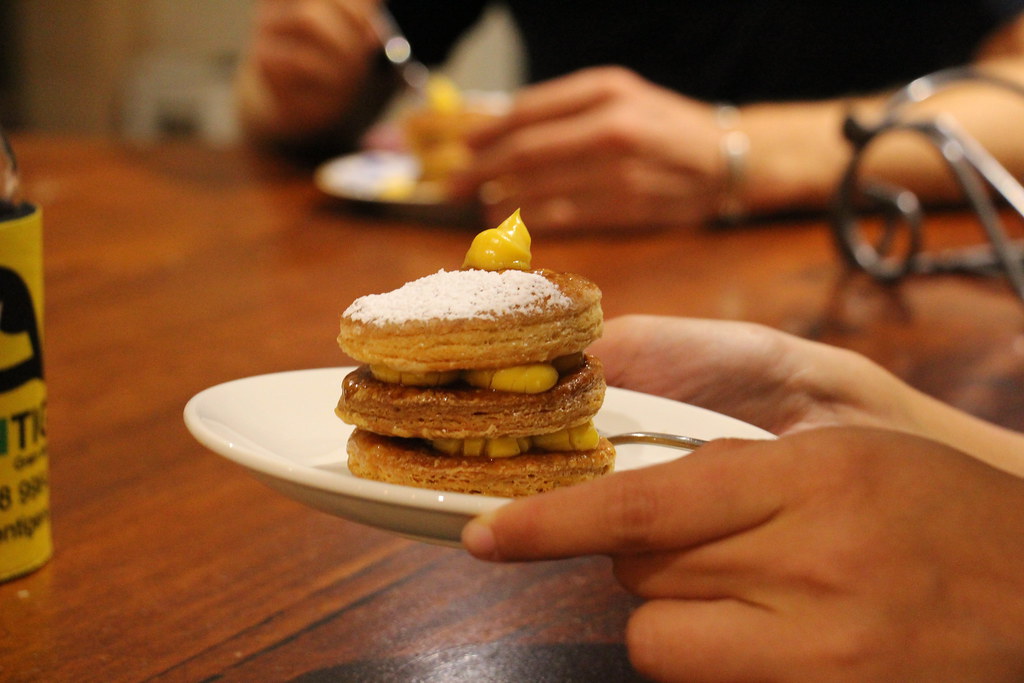
When Prince Amedeo of Belgium married Elisabetta Rosboch von Wolkenstein in 2014, they served millefoglie—the Italian version of Napoleon pastry. Layers of puff pastry alternated with vanilla cream, topped with fondant icing.
The dessert honored the bride’s Italian heritage. Her family came from a region in northern Italy known for its pastry traditions.
The choice also meant something practical—millefoglie tastes better fresh. You can’t make it weeks in advance like fruitcake.
The pastry chef created individual servings rather than one large cake. Each guest received their own perfectly portioned millefoglie, decorated with the couple’s initials in chocolate.
The approach eliminated the drama of cake-cutting ceremonies and ensured everyone got an equally good piece.
Monaco’s Multi-Course Dessert Service
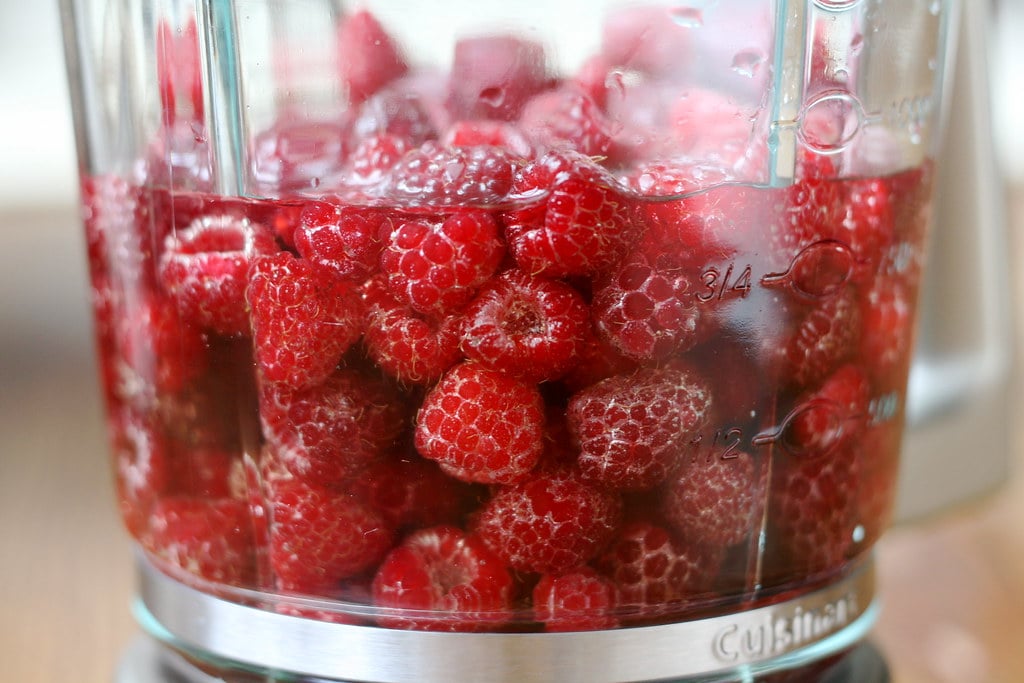
Prince Albert and Princess Charlene served multiple desserts at their 2011 wedding reception. Rather than choosing one cake, they offered guests a procession of sweets throughout the evening.
The meal began with raspberry sorbet to cleanse the palate. Then came individual chocolate cakes with gold leaf.
Later, waiters brought out fruit tarts. The formal cake—a six-tier white creation with sugar flowers—got cut for photos but served as just one option among many.
This approach reflected Monaco’s position as a playground for the wealthy. Multiple courses, multiple options, endless champagne.
The desserts kept coming until guests literally couldn’t eat anymore. Some guests later reported trying eight different desserts throughout the night.
The Norwegian Kransekake Tower
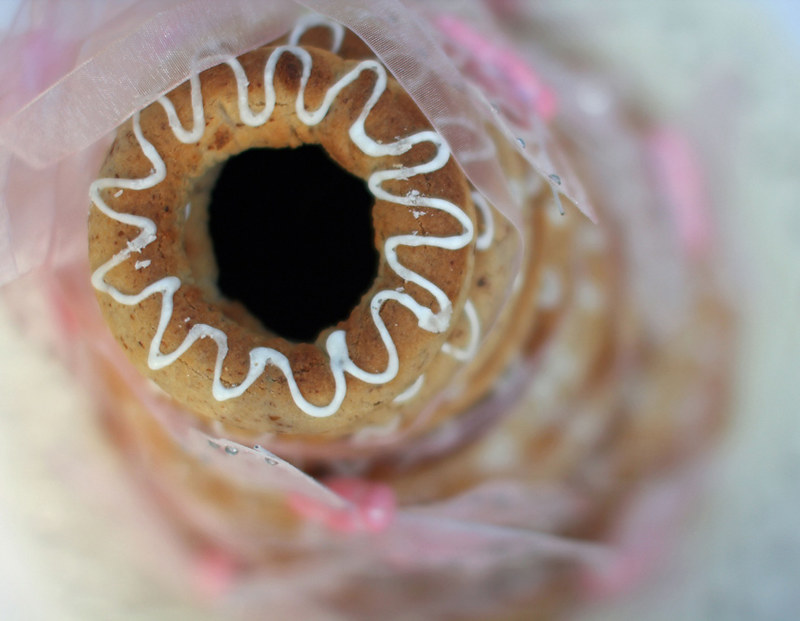
Norwegian royal weddings traditionally feature kransekake—a tower of almond-based ring cakes. Crown Prince Haakon and Crown Princess Mette-Marit included this dessert at their 2001 wedding, though they also served a more traditional tiered cake.
Kransekake requires precise measurements. The dough combines almond flour, sugar, and egg whites.
Bakers shape it into rings of decreasing size, then stack them to create a tower. The rings get decorated with royal icing in intricate patterns.
Each ring should break away cleanly when pulled. Guests take one ring at a time, working their way up the tower.
The dessert combines ceremony with practicality—it looks impressive but gets shared easily. And the almond flavor pairs perfectly with coffee, which Norwegians drink by the gallon.
When Ice Cream Steals the Show
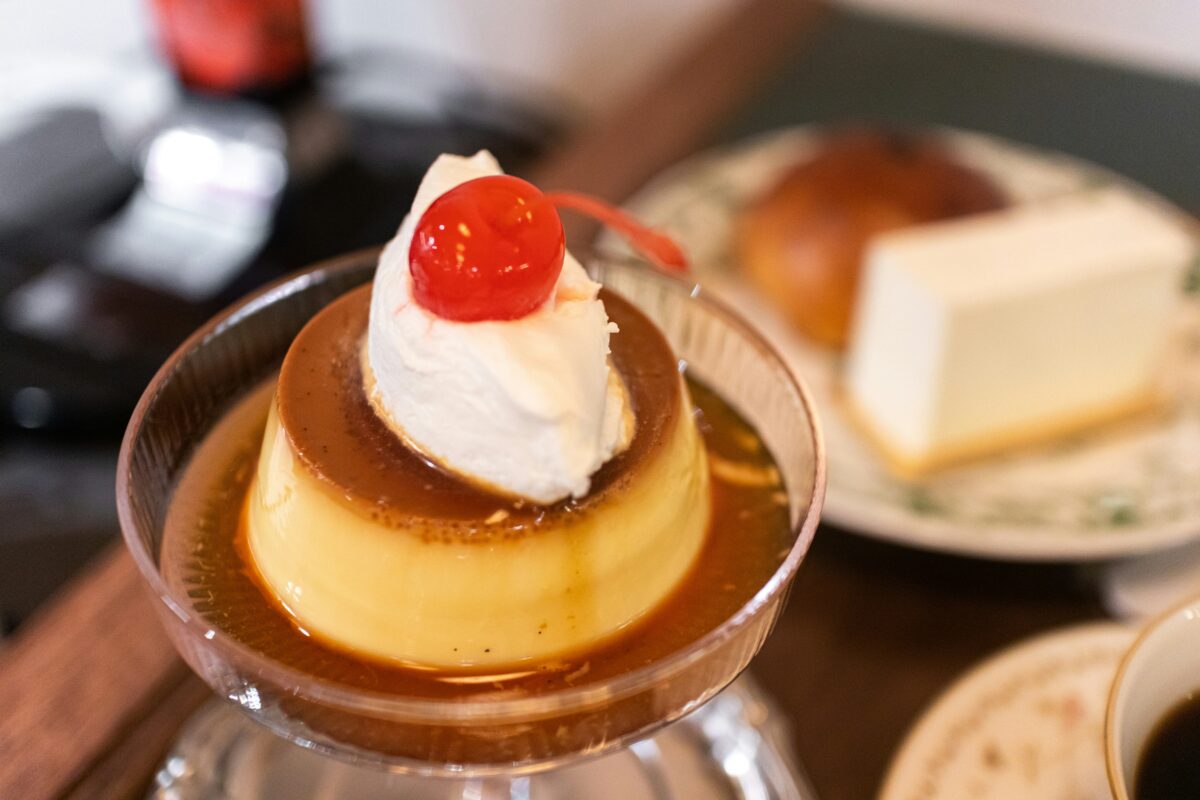
Queen Margrethe of Denmark served ice cream as a major component of Crown Prince Frederik’s wedding dessert in 2004. The ice cream came molded into elaborate shapes—swans, flowers, architectural elements.
Danish royal kitchens have a long tradition of ice cream sculpture. The chefs use special molds and techniques passed down through generations.
The ice cream itself gets made with extra cream to keep it stable longer. Food coloring adds detail without affecting taste.
The ice cream course appeared alongside traditional cake, but guests talked about the frozen sculptures long after the wedding ended. Some shapes were so elaborate that people hesitated to eat them.
But in the Danish summer heat, hesitation only lasted so long.
The Role of Local Ingredients
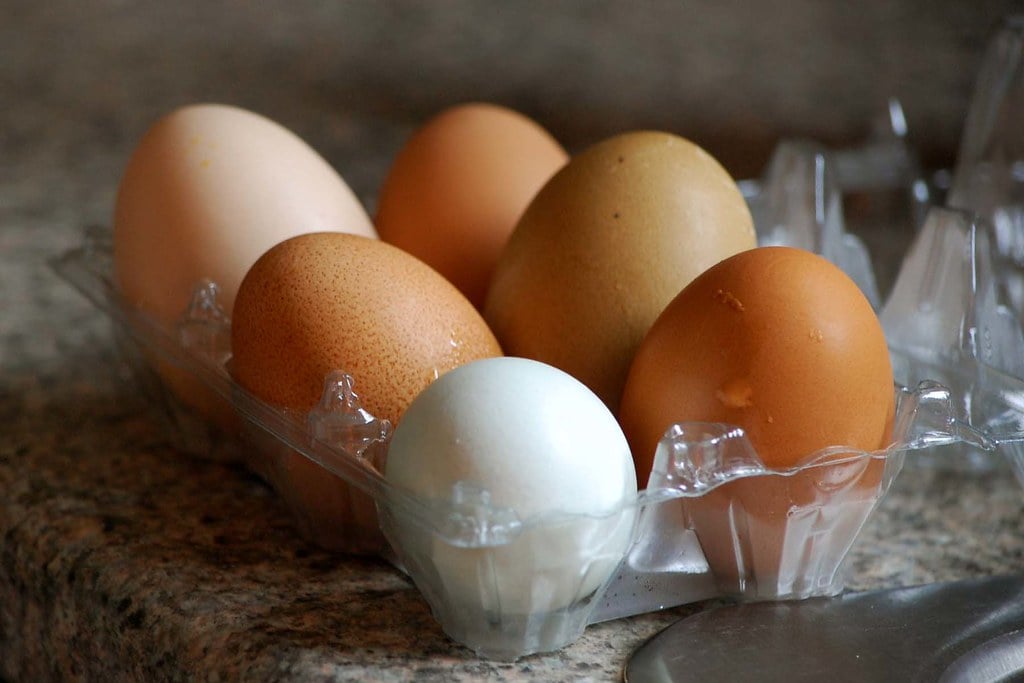
Prince Harry and Meghan’s lemon elderflower cake used organic lemons from the Amalfi Coast. Princess Eugenie’s red velvet cake in 2018 featured eggs from Windsor’s own farms.
Modern royal weddings increasingly emphasize where ingredients come from. This shift reflects broader food trends.
People care about sourcing. They want to know their dessert ingredients traveled ethically and sustainably.
Royal families, with their vast resources, can afford the best ingredients and have the platform to promote responsible sourcing. The impact goes beyond just one wedding.
When Princess Kate’s wedding cake used organic flour from a local mill, that mill saw a surge in business. Royal choices influence consumer behavior.
A wedding dessert can launch a trend that lasts years.
Mini Desserts and the Modern Reception
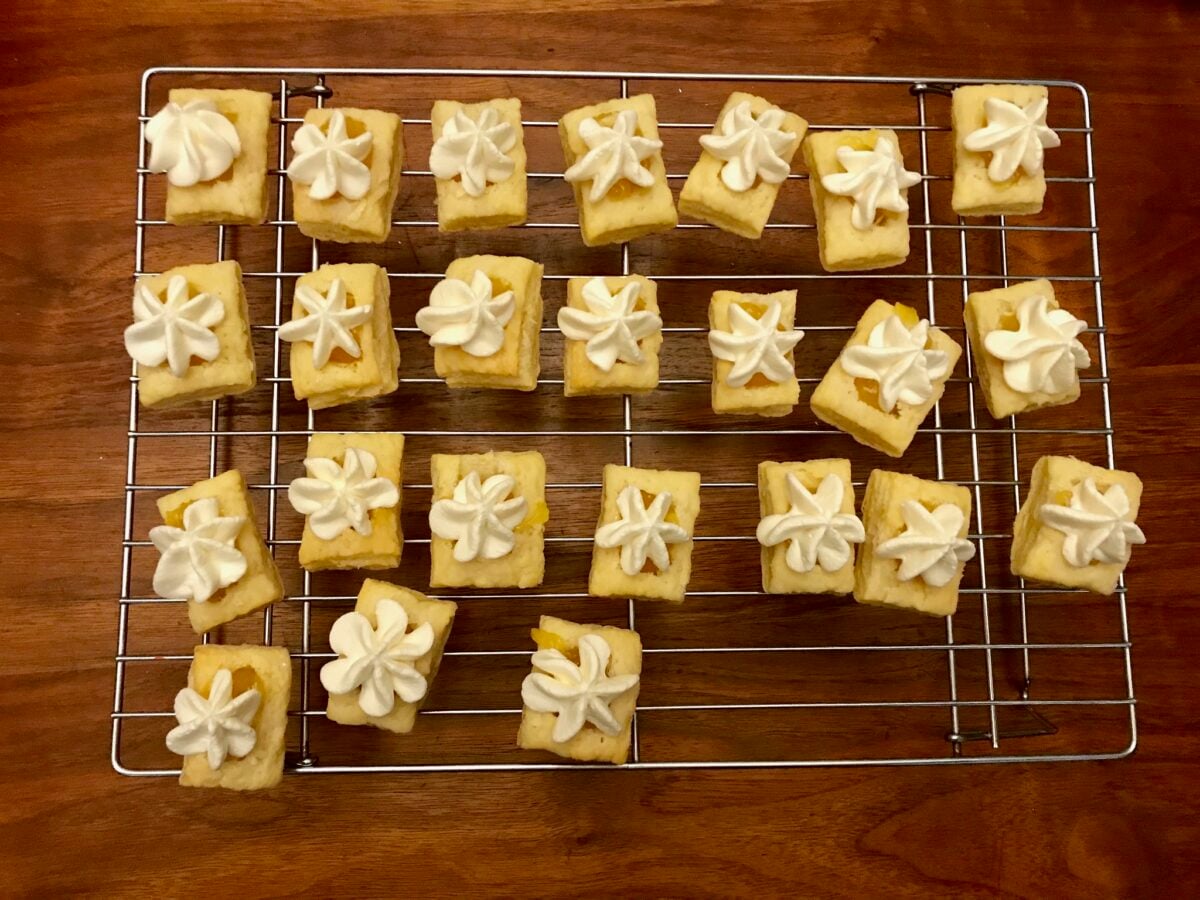
Princess Beatrice served a variety of miniature desserts at her intimate 2020 wedding. Tiny lemon tarts, chocolate truffles, strawberry shortcakes—each small enough to eat in two bites.
The mini dessert trend solves several problems. Guests can try multiple flavors without committing to one large slice.
Nothing goes to waste because people can take exactly what they want. And the presentation allows for more creativity—you can’t sculpt a traditional cake into twenty different designs, but you can create twenty different mini desserts.
Caterers love this approach too. Mini desserts get prepared in advance.
No last-minute frosting touch-ups. No stress about perfectly cutting a towering cake while hundreds of guests watch.
Just plates of beautiful, bite-sized treats that taste as good as they look.
The Technical Challenge of Royal Cake Transport
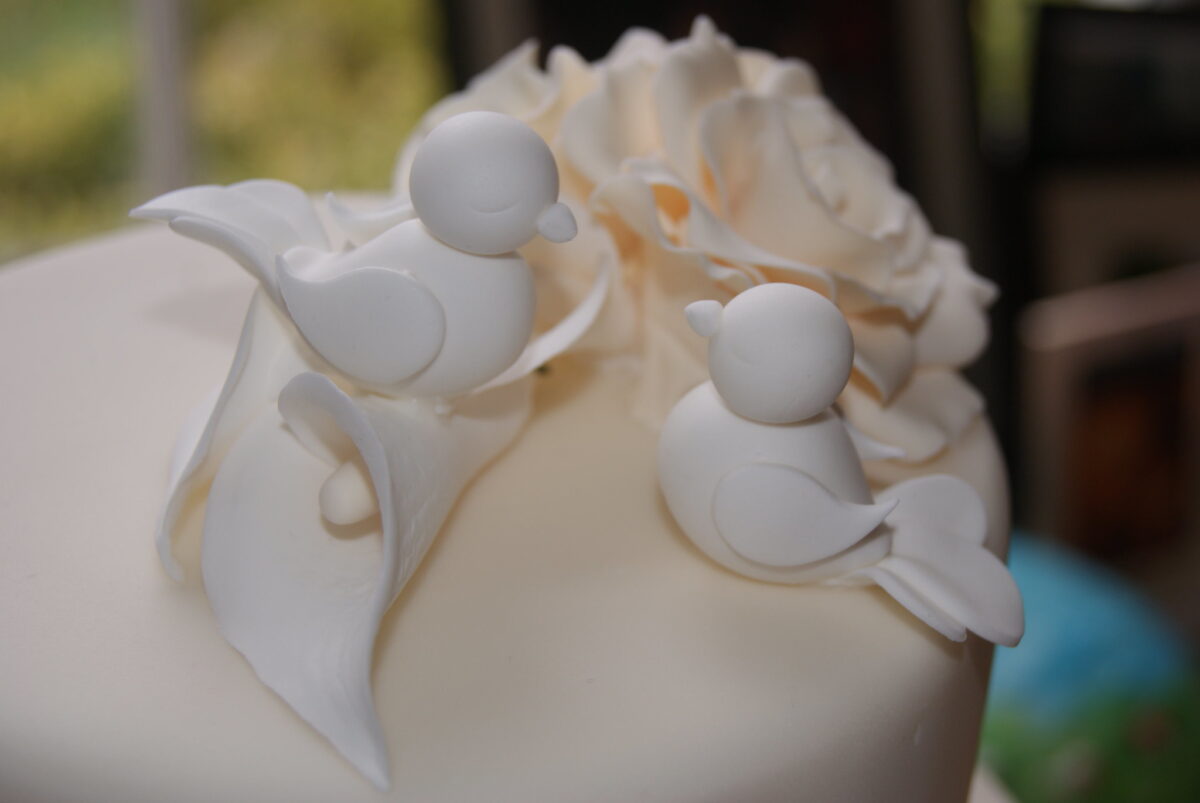
You don’t see this part on television. But moving a 500-pound cake from bakery to venue without destroying it requires engineering.
Bakers create internal support structures—wooden dowels, metal plates, sometimes even custom frames. Princess Diana’s wedding cake traveled in a custom vehicle with suspension designed specifically for cake transport.
The journey took three hours. Bakers rode in the vehicle, ready to make repairs if anything shifted.
Modern royal cakes often get assembled on-site to avoid transport disasters. Bakers arrive days early with components.
They build tiers in the venue, adjusting for temperature and humidity. The final decoration happens hours before guests arrive.
It’s less romantic than imagining a completed cake traveling across the countryside, but far more practical.
Honoring the Past While Feeding the Present
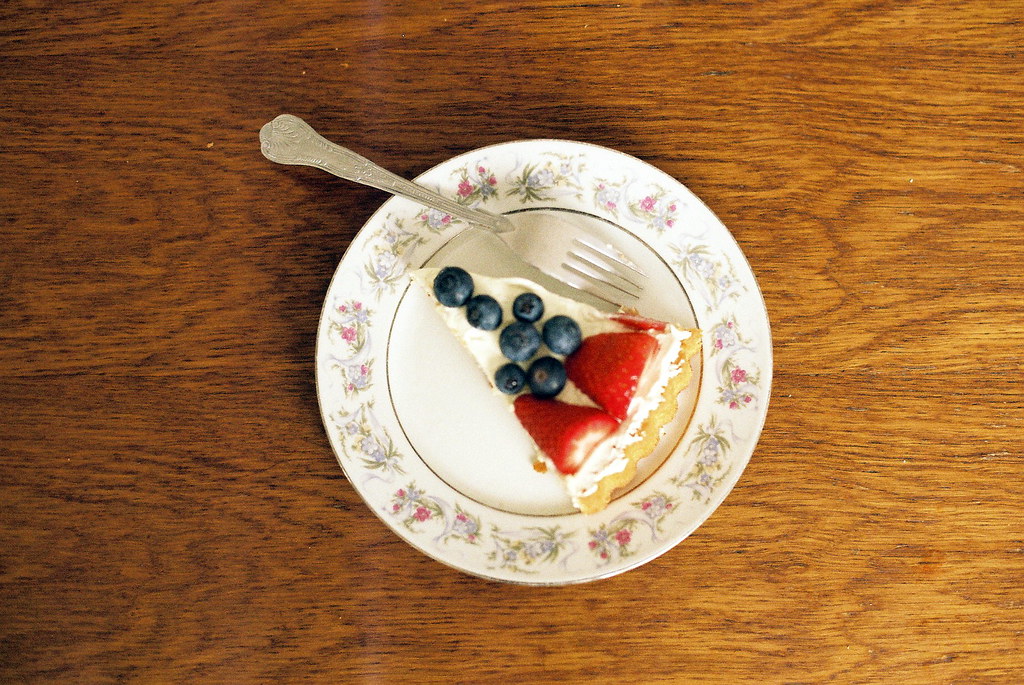
Someone always saves the top tier of royal wedding cakes. This tradition started with Prince Albert and Queen Victoria.
They saved their cake top for their first child’s christening—a symbol of marriage leading to family. The practice continues today, though modern refrigeration makes it less death-defying than Victorian-era cake preservation.
Still, fruitcake works best for this tradition. That chocolate biscuit cake William and Kate served?
The traditional tier they also provided got frozen for preservation. Some royal families take this further.
Princess Anne’s wedding cake from 1973 had a piece auctioned for charity decades later. A perfectly preserved slice of fruitcake sold for thousands.
The buyer never ate it. The cake became an artifact, a piece of history wrapped in plastic.
Where Sweet Traditions Meet Personal Choice
Royal wedding desserts reveal something essential about monarchy in the modern age. Traditions matter.
The weight of history presses on every decision. But personal choice matters too.
You see this tension in every cake choice. William and Kate served both fruitcake and chocolate biscuit cake—honoring tradition while claiming something personal.
Harry and Meghan skipped fruitcake entirely but incorporated British elderflower. Each couple navigates the same question: How much tradition do you keep?
How much do you make on your own? The desserts themselves become a kind of negotiation between past and present.
And maybe that’s fitting. Weddings always balance what came before with what comes next.
The cake just makes it delicious.
More from Go2Tutors!

- The Romanov Crown Jewels and Their Tragic Fate
- 13 Historical Mysteries That Science Still Can’t Solve
- Famous Hoaxes That Fooled the World for Years
- 15 Child Stars with Tragic Adult Lives
- 16 Famous Jewelry Pieces in History
Like Go2Tutors’s content? Follow us on MSN.



