Protest Festivals in the 60s
The 1960s turned public gatherings into political statements. What started as folk concerts and poetry readings morphed into mass demonstrations where music, art, and activism blurred together until you couldn’t tell where one ended and another began.
These weren’t just concerts or rallies. They were experiments in creating the world people wanted to see, even if only for a weekend.
The Human Be-In Sets the Template
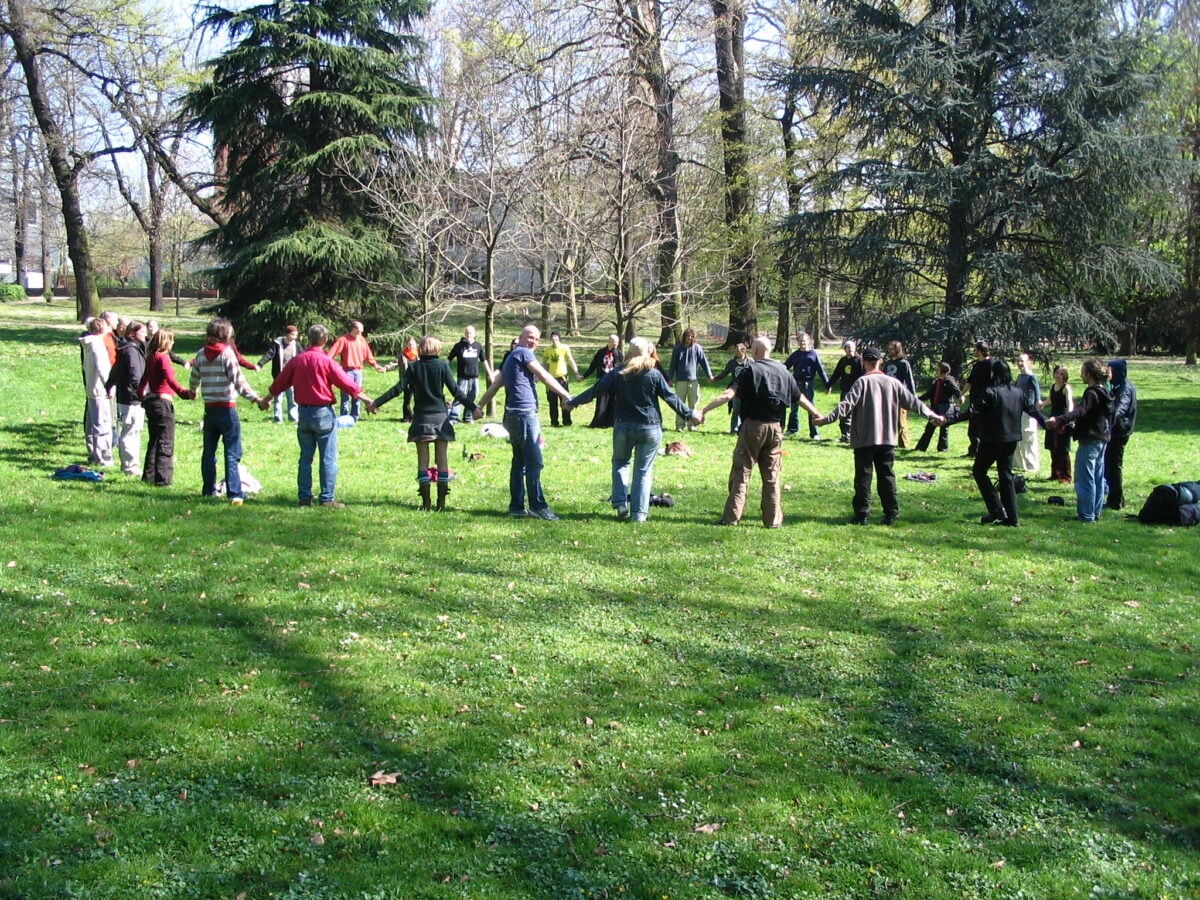
January 1967. Golden Gate Park in San Francisco. About 30,000 people showed up for what organizers called a “Gathering of the Tribes.” Timothy Leary told everyone to turn on, tune in, and drop out.
Allen Ginsberg chanted mantras. The Grateful Dead played for free.
Nobody asked for permits. Nobody sold tickets.
People just came. They wore costumes, handed out flowers, shared food, and created a temporary community based on the idea that society could work differently.
The Human Be-In proved you could pull off a massive gathering without traditional organization or commercial structure. Other events took note.
Newport Folk Festival Becomes a Battleground
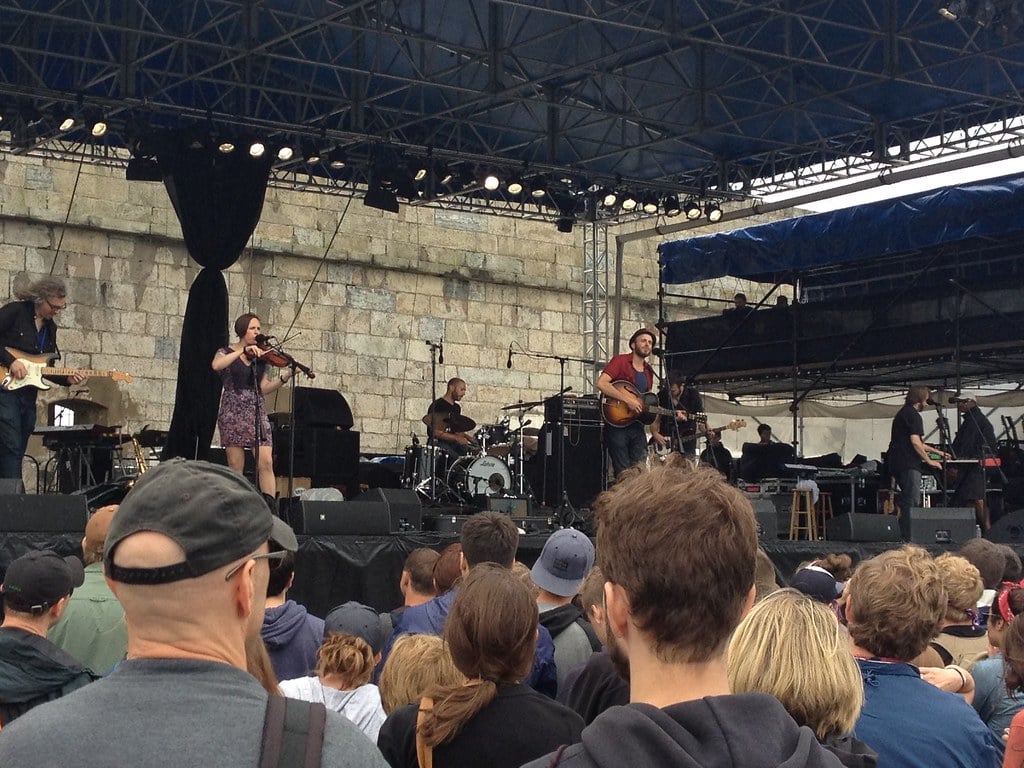
Newport had been around since 1959, but 1965 turned it into something else. Bob Dylan plugged in an electric guitar and half the audience booed.
Pete Seeger allegedly tried to cut the sound cables with an axe. The fight wasn’t really about electricity.
It was about whether folk music belonged to the protest movement or could evolve into something commercial and mainstream. Dylan chose evolution.
The festival became a yearly argument about authenticity, politics, and who got to define what protest music should sound like.
Monterey Pop Proves Scale Is Possible
June 1967. Monterey County Fairgrounds. The organizers wanted to create a festival that was both commercial and countercultural.
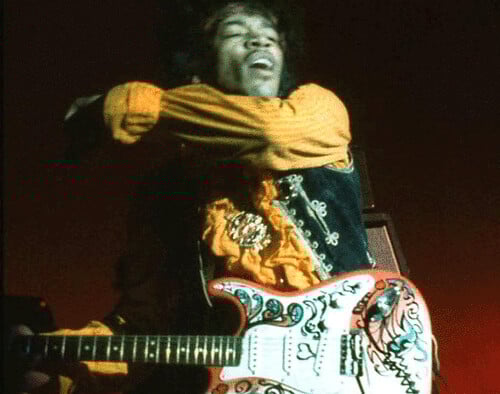
They succeeded in attracting 200,000 people over three days. Jimi Hendrix lit his guitar on fire.
Janis Joplin became a star overnight. The Who destroyed their instruments.
Monterey showed that you could organize a massive music festival, pay the performers well, keep ticket prices reasonable, and still make a statement about alternative culture. It was the proof of concept that made Woodstock possible.
The March on the Pentagon Mixes Theater and Politics
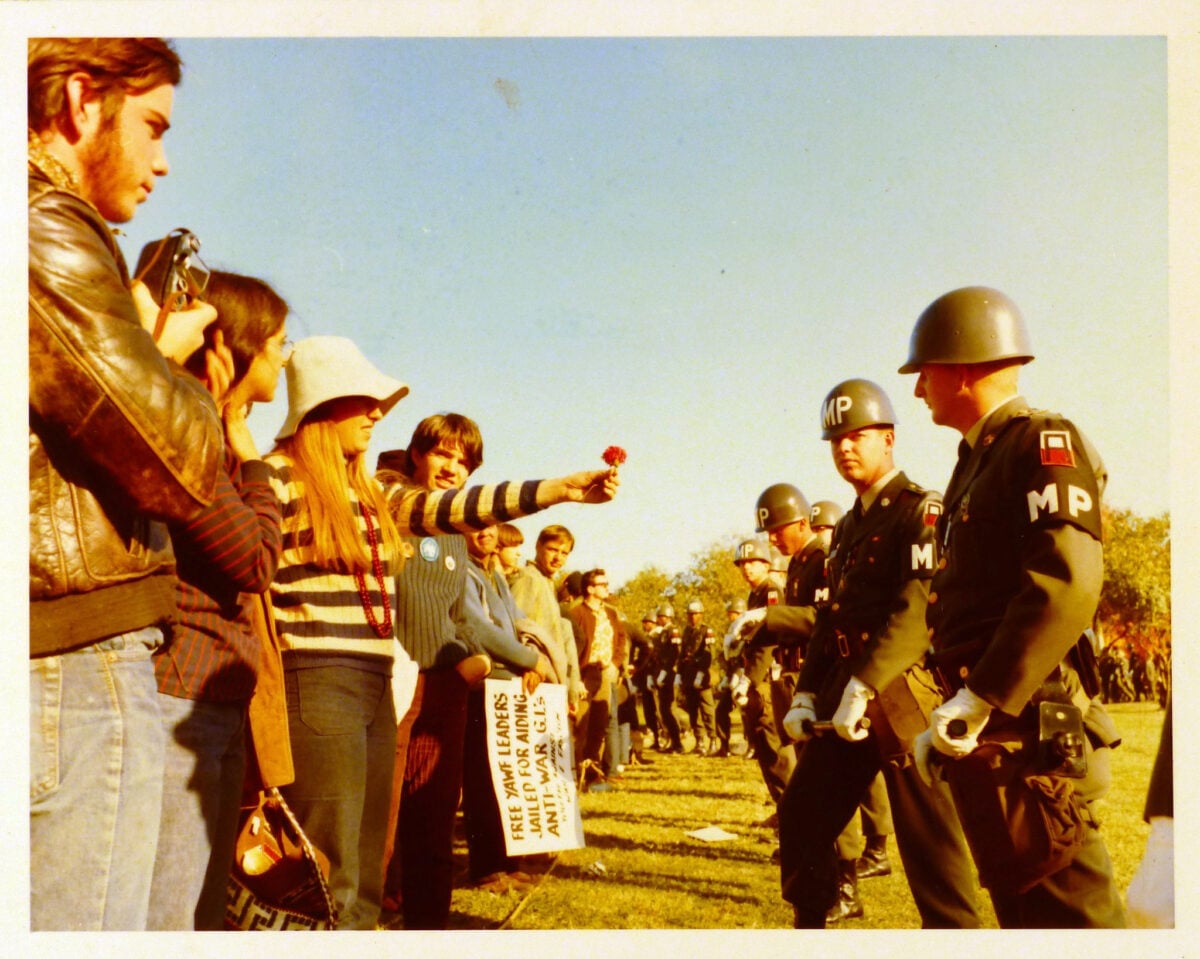
October 1967. About 100,000 people marched to the Pentagon to protest the Vietnam War.
But this wasn’t a standard march with signs and speeches. The Youth International Party, the Yippies, announced they would levitate the Pentagon through meditation and exorcise the evil spirits within.
They didn’t levitate anything. But the theatrical element drew media attention and made the protest memorable in ways that standard demonstrations weren’t.
Abbie Hoffman and J. Rubin understood that spectacle could spread a message further than earnest speeches.
The Fillmore Creates a Recurring Festival Space
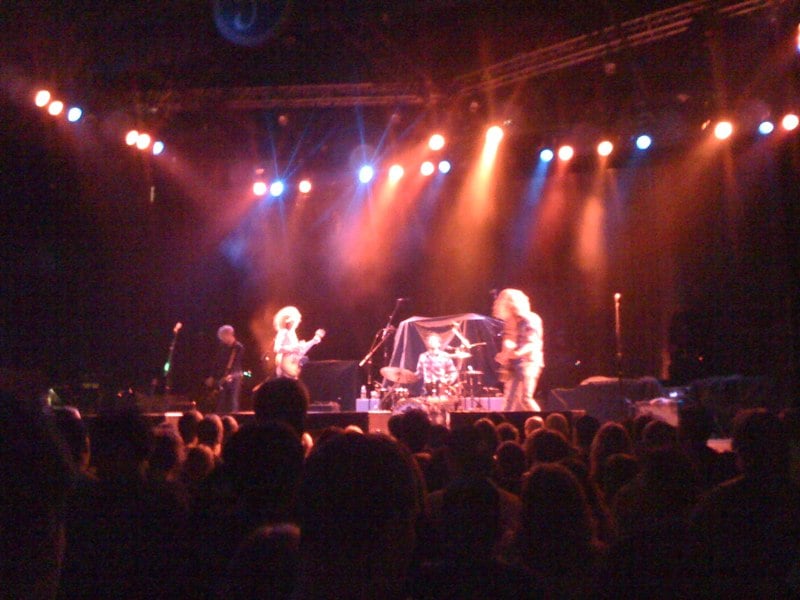
Bill Graham’s Fillmore Auditorium in San Francisco became a weekly festival from 1965 onward. Every weekend brought different bands, light shows, and crowds that treated each show as a communal event rather than mere entertainment.
The Fillmore model mattered because it showed that countercultural gatherings didn’t have to be one-time events. You could create ongoing spaces where the festival atmosphere persisted.
Regular attendees built a community that lasted beyond any single night.
Berkeley’s Vietnam Day Committee Stages a 36-Hour Teach-In
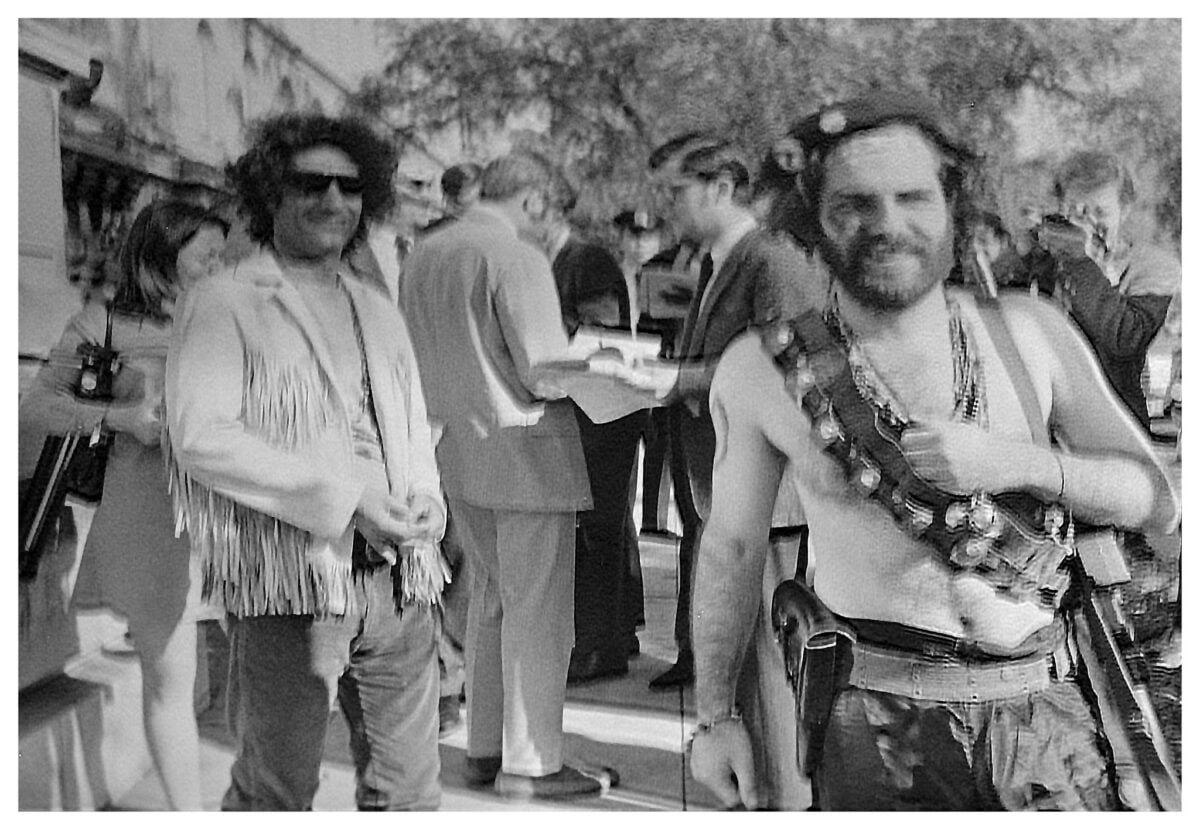
May 1965. University of California, Berkeley. Professors, students, and activists gathered for a marathon teach-in about the Vietnam War. About 30,000 people cycled through over 36 hours of speeches, debates, films, and music.
The format combined education with protest. Instead of just expressing opposition to the war, organizers created space for people to learn why they opposed it.
The teach-in model spread to campuses across the country, turning universities into centers of organized dissent.
Woodstock Becomes the Defining Moment
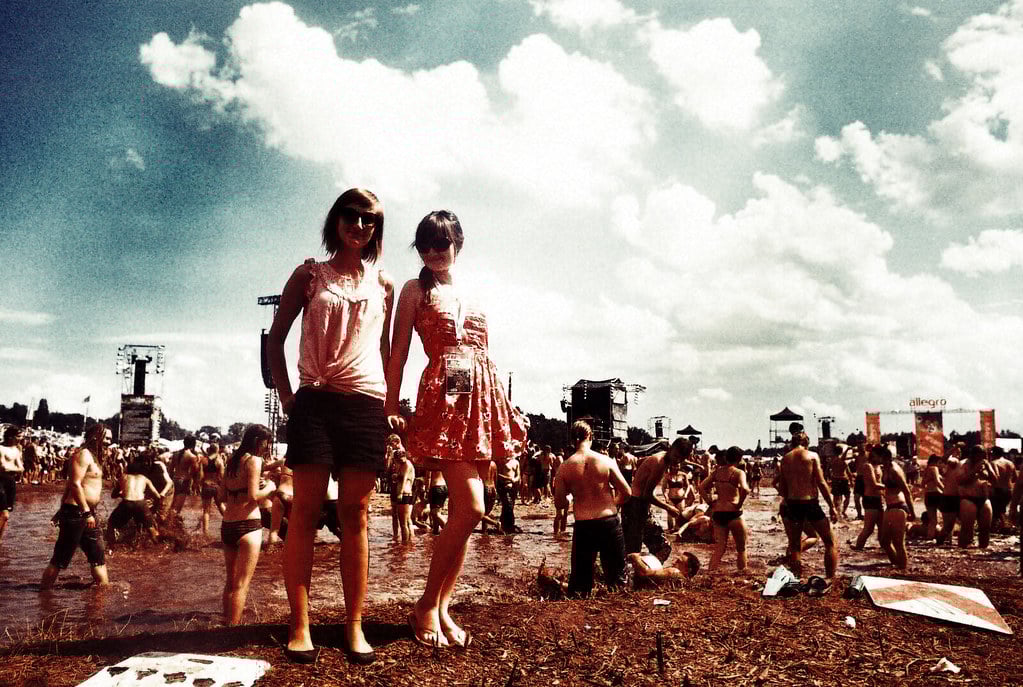
August 1969. Bethel, New York. The organizers expected 50,000 people. Nearly 400,000 showed up.
The fences came down. It became a free concert.
For three days, a temporary city emerged with its own culture, rules, and identity. Rain turned the field to mud.
Food ran short. Medical tents overflowed.
But people shared what they had, helped strangers, and created something that felt like an alternative society. Woodstock became mythologized almost immediately, but the myth rested on something real—the experience of half a million people choosing cooperation over chaos.
The Trips Festival Launches Psychedelic Culture
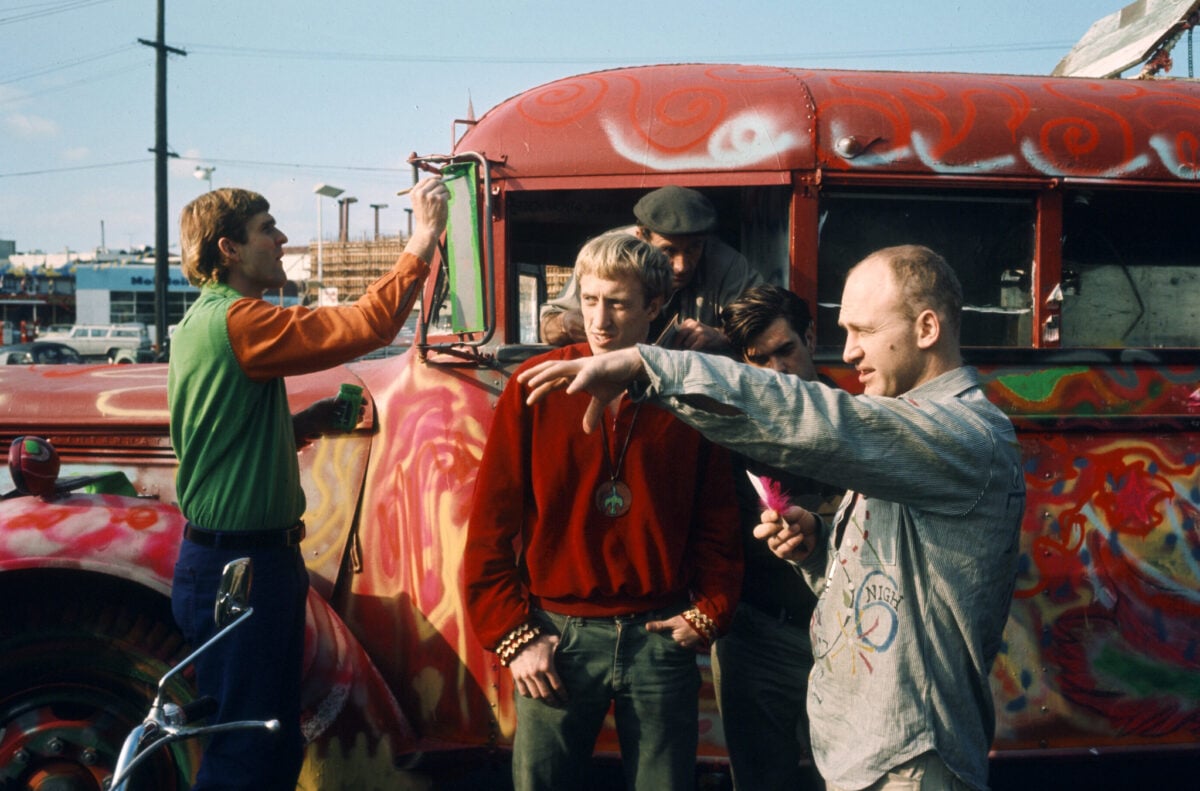
January 1966. San Francisco. The Trips Festival combined music, light shows, projections, and open LSD use into a three-day sensory experience.
Ken Kesey and the Merry Pranksters brought their Acid Tests into a more structured format. The festival wasn’t about watching performers.
It was about creating an immersive environment where the line between audience and participant dissolved. You didn’t go to the Trips Festival.
You became part of it. This approach influenced every psychedelic gathering that followed.
The Chicago Democratic Convention Protests Turn Violent
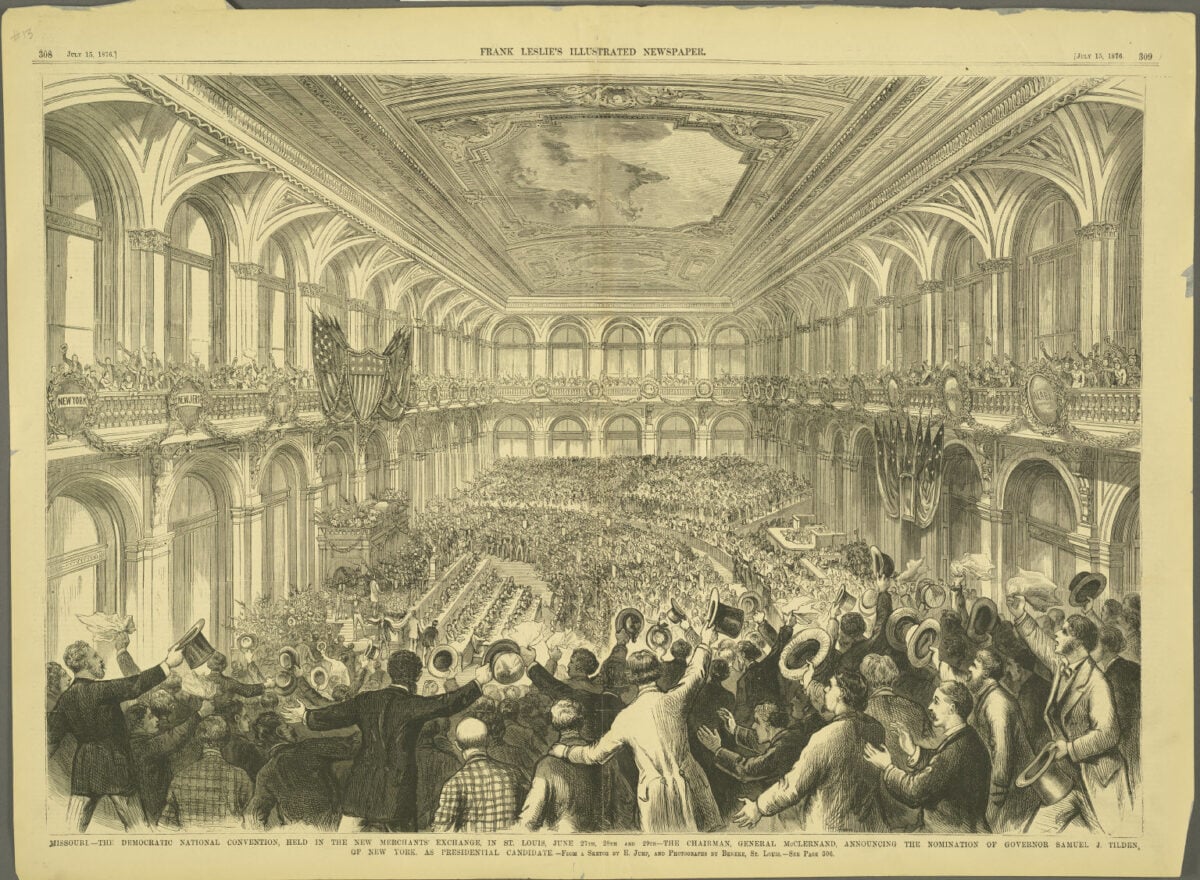
August 1968. Chicago. The Democratic National Convention drew thousands of protesters.
The Yippies nominated a pig named Pigasus for president. What started as a theatrical protest turned into violent confrontation when police attacked demonstrators in Grant Park and outside the convention hall.
Television cameras captured police beating protesters, medics, and reporters. The whole country watched. The Chicago protests showed the limits of festival-style gatherings when confronted with state power willing to use force.
The counterculture learned it couldn’t just create alternative spaces—it had to defend them.
The Altamont Free Concert Ends the Dream
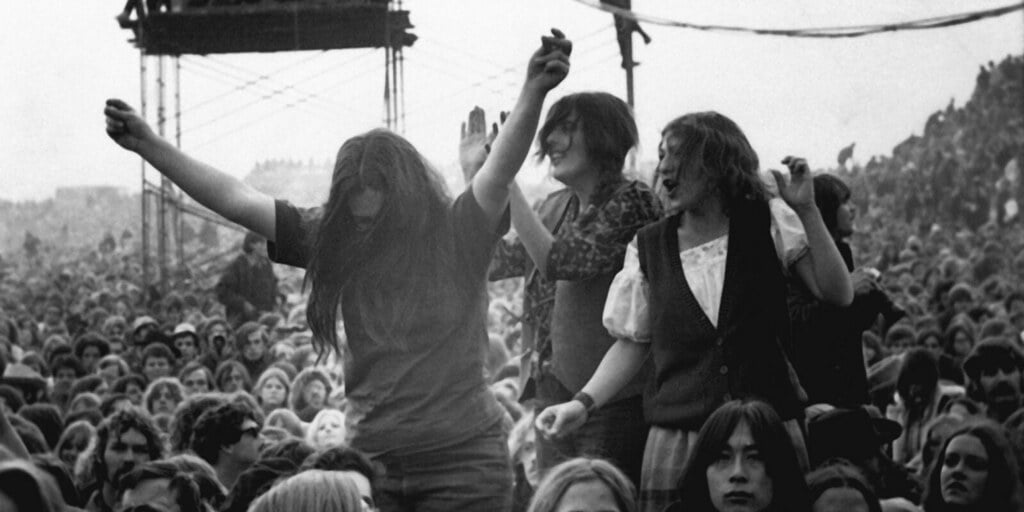
December 1969. Altamont Speedway in California. The Rolling Stones organized a free concert.
They hired the Hells Angels as security. During the Stones’ set, the Angels stabbed a man named Meredith Hunter to death in front of the stage.
Altamont happened just four months after Woodstock. The contrast couldn’t have been sharper.
Where Woodstock represented peace and community, Altamont showed violence and chaos. Many historians mark Altamont as the symbolic end of the 60s counterculture—the moment when the festival dream died.
The Poor People’s Campaign Builds Resurrection City

May 1968. Washington, D.C. Martin Luther King Jr. had planned a massive demonstration focused on economic justice before his assassination. His successor, Ralph Abernathy, carried it forward.
Protesters built a tent city on the National Mall and named it Resurrection City. For six weeks, several thousand people lived in the camp, holding rallies, workshops, and demonstrations.
The campaign demanded economic rights for all poor people, regardless of race. Police eventually evicted the camp, but Resurrection City demonstrated that protest festivals could address issues beyond war and personal freedom.
The Diggers Create Free Stores and Free Food
Back in San Francisco’s Haight-Ashbury, those years between ’66 and ’68 brought something different. Not a festival exactly – more like living became their stage.
Each day unfolded as a quiet rebellion. Free stores popped up, and nothing cost anything there.
By four each afternoon, meals appeared in the park, open to anyone walking by. Shelter showed up too, along with doctors who didn’t charge.
Life rearranged itself around giving. Starting small, the Diggers showed that protest could live quietly in daily routines.
Not through one big moment, but by weaving different beliefs into ordinary moments. Across towns, their ideas took root at events where people built places free from cash or chains of power.
These spots grew slowly, shaped more by trust than rules.
The Isle of Wight Festival Crosses the Atlantic
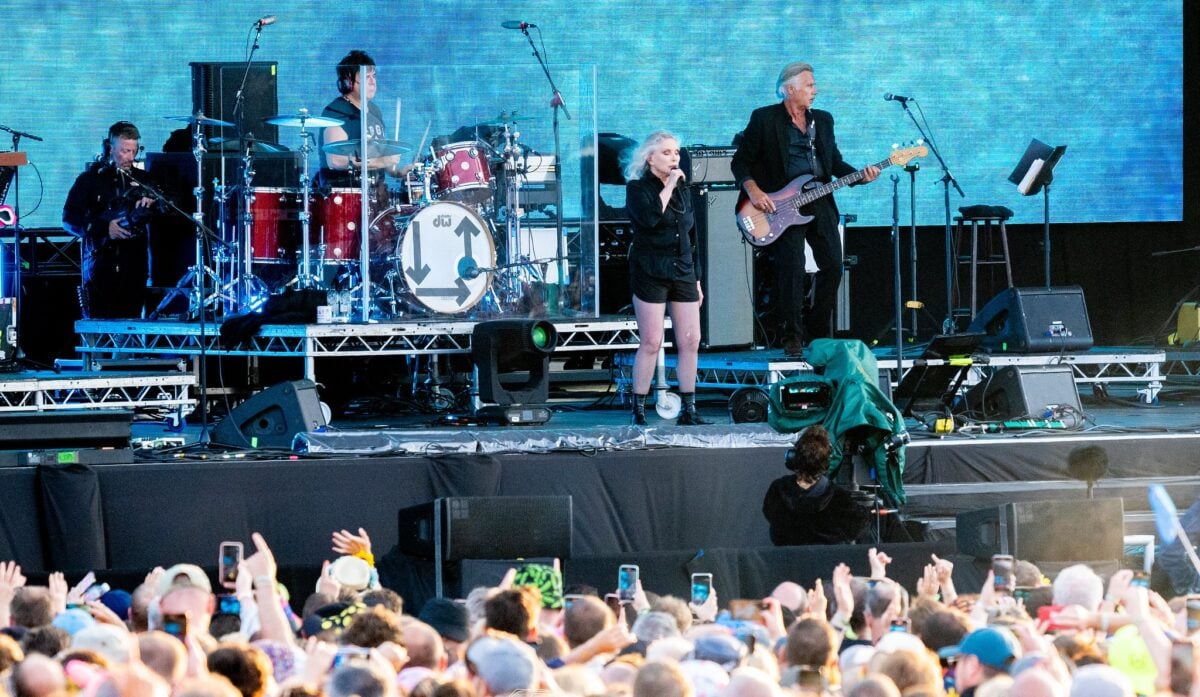
Summer of 1968 kicked things off, then again in ’69, followed by one more in 1970. On a small island off England’s coast, near Wight, crowds gathered year after year.
Inspired by U.S.-style festivals, local planners shaped something different. By 1970, nearly every road led to that patch of green packed with half a million souls – some say even six hundred thousand.
That number? It topped Woodstock’s turnout. Music rang loud under open skies, closing with Jimi Hendrix on stage – one of his biggest shows before he passed.
On the Isle of Wight, proof surfaced – protest festivals didn’t belong only to America. That model bent without breaking when crossing borders.
Over there, concerts started weaving U.S.-inspired rebellion into homegrown pushes back at war machines, dying forests, and widening class gaps.
When the Music Stopped

Happiness didn’t last long. By 1971, large meetings had either vanished or become events chasing profit. Approval became harder to secure.
Costs for media coverage rose quickly. People once fueled by faith lost energy or left altogether.
Quiet came after the shouting. Folks kept coming back, somehow.
Across deserts and muddy fields, modern festivals whisper pieces of that sixties spark. More than stages with noise, they turned into places where ideas shaped the air, if only for a weekend.
Time changed names, rules, sounds – still, something stayed clear: when people meet on shared soil, however fleeting, a different kind of world slips into view. A hum hangs after the music ends.
Some keep moving when others have stopped. Quiet comes, but not everything fades.
More from Go2Tutors!

- The Romanov Crown Jewels and Their Tragic Fate
- 13 Historical Mysteries That Science Still Can’t Solve
- Famous Hoaxes That Fooled the World for Years
- 15 Child Stars with Tragic Adult Lives
- 16 Famous Jewelry Pieces in History
Like Go2Tutors’s content? Follow us on MSN.