Vintage Car Features That Disappeared For A Reason
There’s something undeniably cool about classic cars. The chrome, the curves, the way they sound when they rumble down the street.
But not everything about old cars deserves to be remembered fondly. Some features were downright dangerous, wildly impractical, or just plain bizarre.
Let’s take a look at the automotive ideas that seemed fine at the time but didn’t stand the test of common sense.
Bench Seats In The Front

Those wide bench seats that stretched across the front of old cars seemed cozy at first glance. Three people could squeeze into the front, which sounded great for families or friend groups heading out for a drive.
The problem was that nobody stayed in place during sudden stops or sharp turns. People slid around like groceries in the back of a truck, and the middle passenger had zero protection in a crash.
Individual bucket seats with proper seatbelts turned out to be a much smarter choice.
Metal Dashboards

Early car designers loved putting hard metal surfaces right in front of passengers’ faces. Chrome and steel dashboards looked sleek and shiny, perfect for the aesthetic of the time.
When accidents happened, though, these unforgiving surfaces caused serious head injuries that softer materials could have prevented. Padded dashboards became standard once people realized that style shouldn’t come at the cost of cracked skulls.
No Headrests

Older cars left your neck completely unsupported, with seats that stopped at shoulder level. This design looked clean and simple, giving the interior an open feel.
Whiplash injuries became far too common in rear-end collisions because heads would snap backward with nothing to catch them. Headrests became mandatory safety equipment in 1969, and necks everywhere breathed a sigh of relief.
Hand Crank Windows That Required Actual Effort
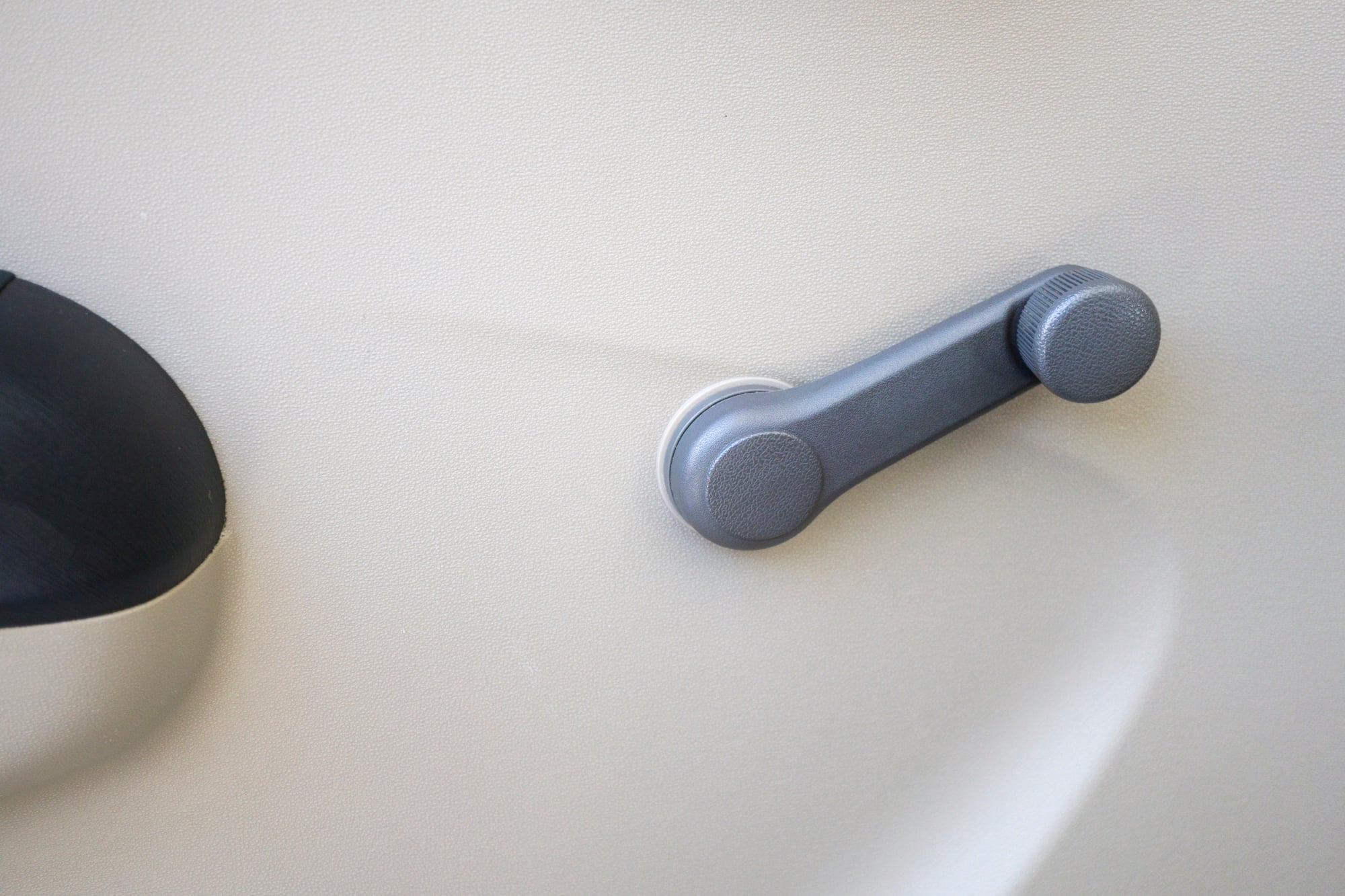
Before power windows, drivers and passengers had to manually crank a handle to raise or lower their windows. The mechanism worked well enough in theory, but it became a real workout when you needed to adjust all four windows.
Kids in the backseat often lacked the strength to open their windows fully, and the cranks would sometimes break off entirely. Electric windows made climate control effortless, even if they occasionally trap your fingers.
Wing Vents For Air Flow

Those small triangular windows at the front of side windows were supposed to direct fresh air into the cabin. Drivers could angle them to create a breeze without opening the main window all the way.
They rattled, leaked during rainstorms, and gave thieves an easy entry point since the latches were flimsy. Air conditioning made these little contraptions completely unnecessary.
Carburetors That Flooded Constantly

Carburetors mixed air and fuel for the engine, but they were temperamental devices that required constant adjustment. Cold mornings meant pumping the gas pedal just right and hoping the engine would catch without flooding.
Too much fuel would drown the spark plugs, leaving drivers stranded until everything dried out. Fuel injection systems eliminated this daily guessing game and made cars start reliably in any weather.
Floor Mounted High Beam Switches

Drivers used to tap a button on the floor with their left foot to switch between high and low beams. This setup forced people to take their focus off the road to remember where the switch was located.
Fumbling around with your foot while driving at night was a recipe for trouble. Stalks on the steering column put this control right at hand where it belonged.
Non Collapsible Steering Columns
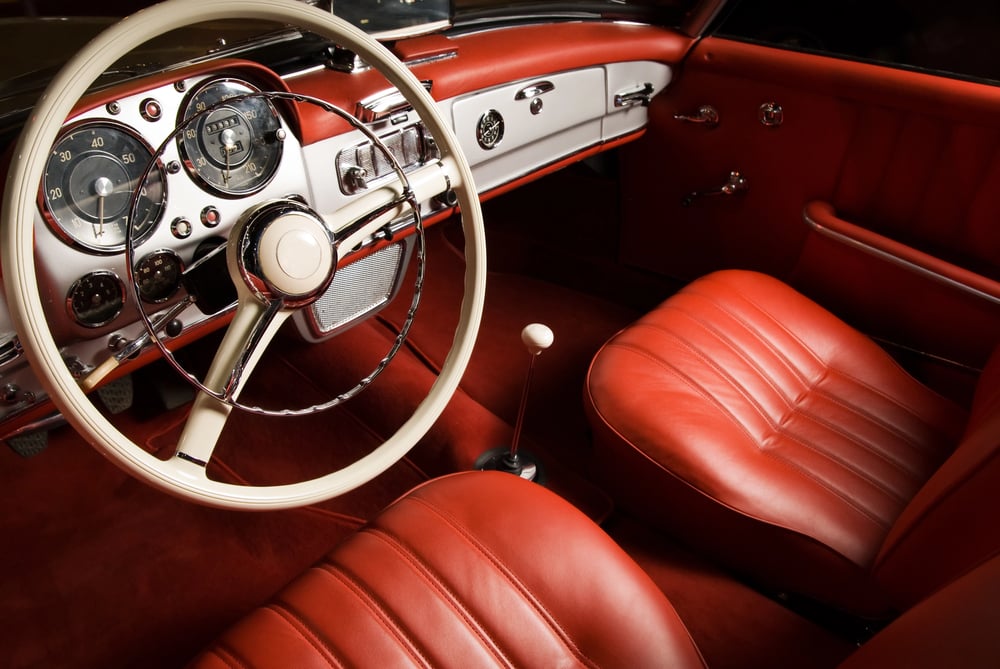
Old steering columns were rigid metal shafts that didn’t budge during a crash. When a car hit something head-on, that column would ram straight into the driver’s chest like a spear.
Thousands of people died or suffered devastating injuries from this design flaw alone. Collapsible steering columns that crumple on impact became one of the most important safety innovations in automotive history.
Lap Only Seatbelts

The first seatbelts only went across your lap, leaving your upper body free to slam forward in a crash. People’s heads would hit the dashboard or windshield even though they were technically buckled in.
Chest and face injuries remained common until three-point seatbelts added a shoulder strap. That diagonal strap made all the difference between walking away from an accident and going to the hospital.
Leaded Gasoline Requirements
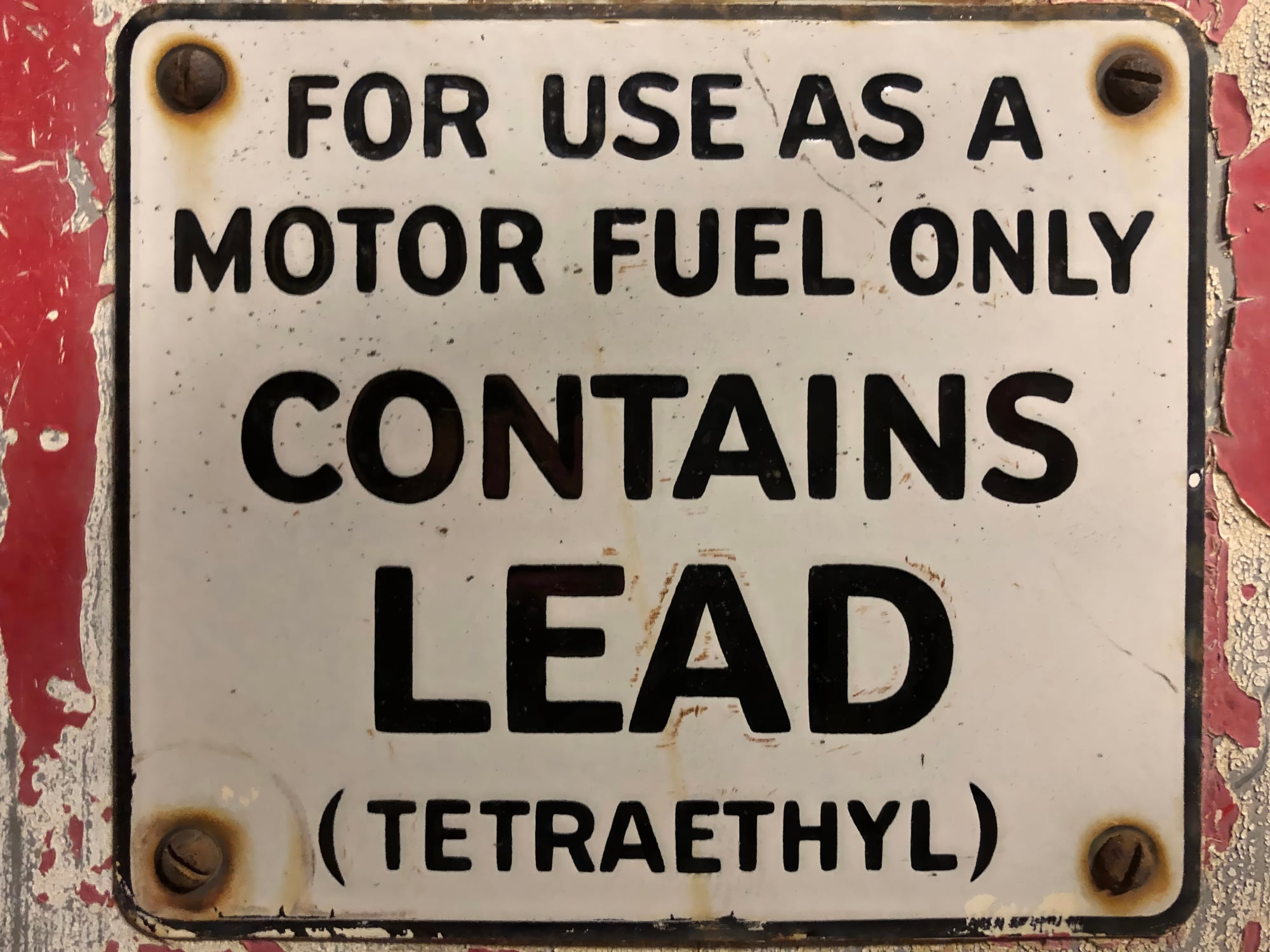
Vintage engines needed leaded gasoline to run properly and prevent engine knock. Every car on the road was spewing lead particles into the air that people breathed in daily.
Children growing up near busy roads had measurable lead in their blood, which caused developmental problems and health issues. Unleaded fuel and catalytic converters cleaned up the air and made engines run better at the same time.
Manual Chokes For Cold Starts

Before automatic chokes, drivers had to pull a knob to manually control the air-fuel mixture when starting a cold engine. Pull it out too much and the engine would stall; don’t pull it enough and the car wouldn’t start at all.
New drivers often struggled with this extra step, and even experienced people sometimes got it wrong. Modern cars handle this adjustment automatically without requiring any input.
Vent Windows For Rear Passengers

Rear side windows in many old cars had small pivoting sections that were supposed to provide ventilation for backseat passengers. These vents were too small to make much difference in hot weather and too leaky to keep out rain.
They added complexity to the door design and gave children one more thing to play with and potentially break. Solid windows with better climate control systems made everyone more comfortable.
Vacuum Powered Windshield Wipers
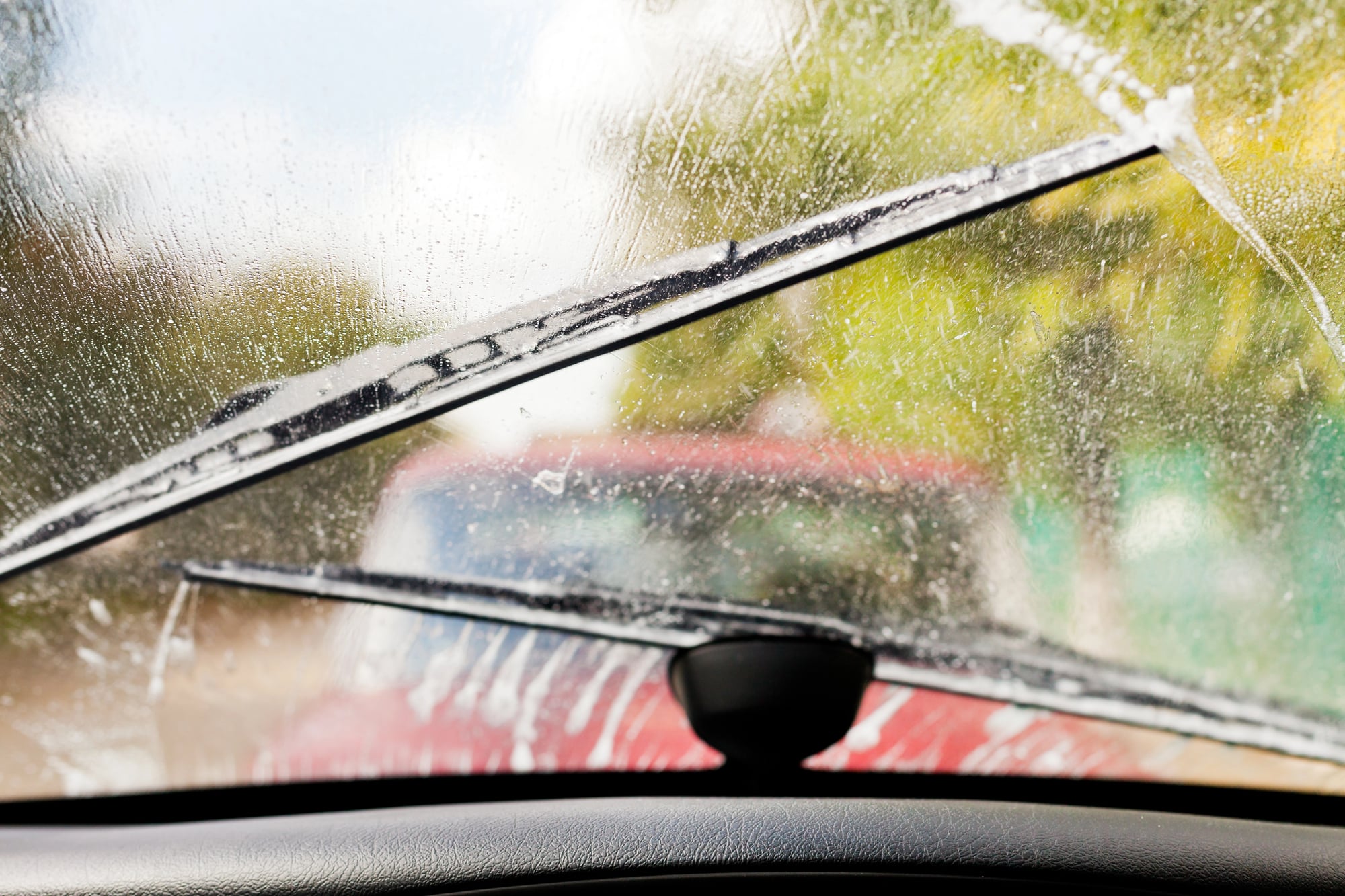
Some vintage cars used engine vacuum to power the windshield wipers instead of an electric motor. The wipers would slow down or stop completely when you accelerated because the engine needed that vacuum for power.
Driving in heavy rain meant choosing between seeing where you were going and maintaining speed. Electric wipers kept working at the same pace no matter what the engine was doing.
Manually Adjustable Side Mirrors

Drivers had to lean out the window or get out of the car entirely to adjust their side mirrors on older vehicles. Once you were moving, whatever angle you had was what you were stuck with until you stopped again.
Blind spots were even more dangerous because you couldn’t fine-tune the mirror position while driving. Remote and power-adjustable mirrors let drivers get the perfect angle from their seat.
Single Brake Circuit Systems

Early braking systems used one hydraulic circuit for all four wheels, which seemed efficient enough. If a brake line developed a leak anywhere in the system, though, all braking power disappeared instantly.
Drivers would push the pedal to the floor with nothing happening, leading to terrifying and often fatal situations. Dual-circuit systems ensured that at least two wheels would still have brakes even if part of the system failed.
No Crumple Zones In The Body

Heavy metal skeletons once made vintage automobiles nearly indestructible in form. Yet when collisions occurred, rigidity became a flaw – force traveled straight inward.
Occupants ended up taking the brunt instead of the structure giving way. Today’s vehicles allow certain sections to fold on purpose during impacts.
These collapsing areas show off violence from the collision prior to occupant space intrusion.
Decorative Hood Ornaments
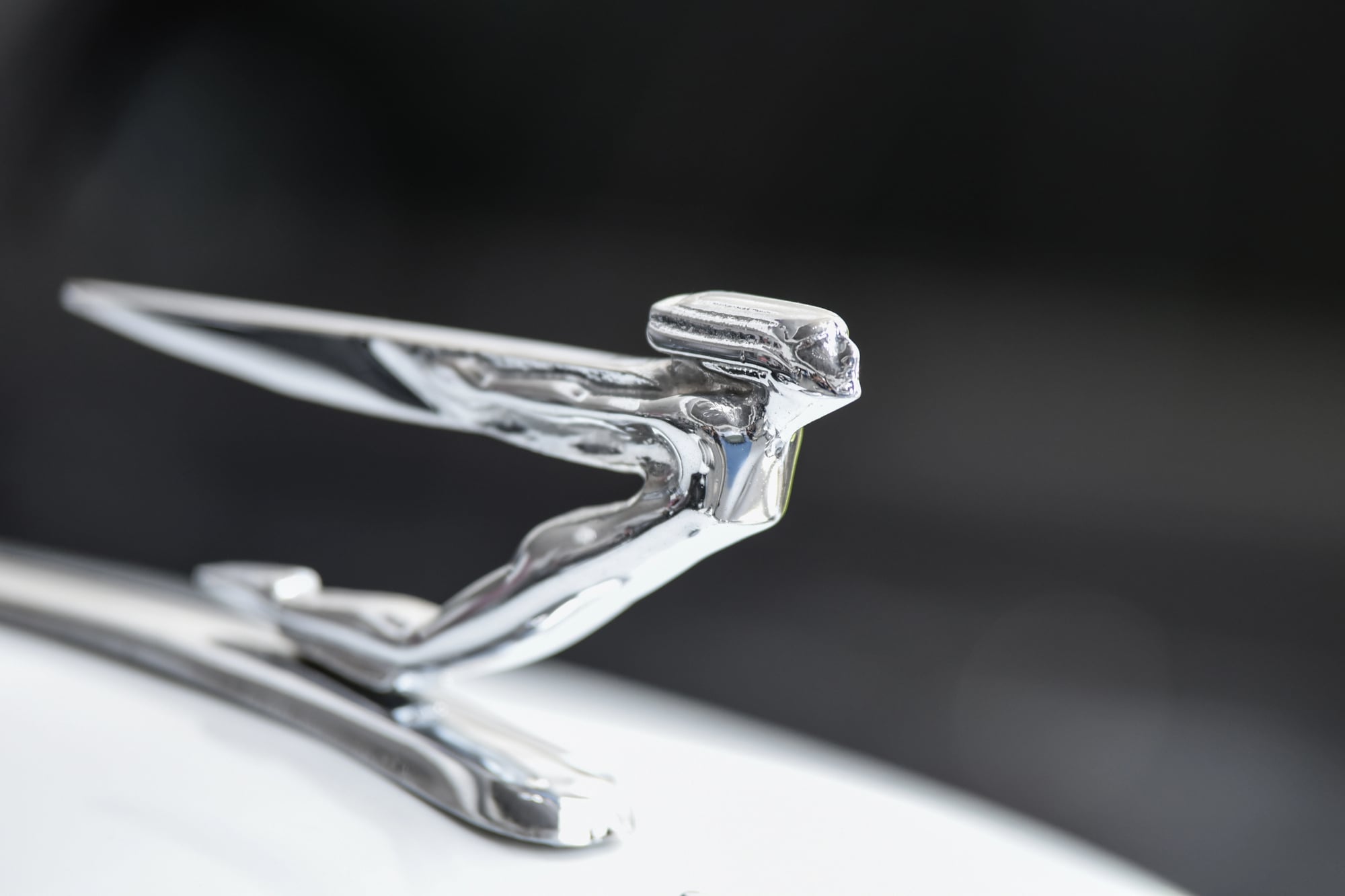
Shiny silver shapes used to sit proudly atop nearly every kind of automobile, from expensive models to basic ones. Because they stood out so boldly, these emblems turned ordinary fronts into something bold and unique.
When it became clear that those front-mounted statues could hurt people more during collisions, things started changing fast. Now only a handful stay visible – built cleverly to snap off or pull back when struck.
Remembering What We Left Behind

Old car parts teach a quiet lesson: moving forward means knowing when to drop things. Not every shiny idea sticks around because some vanish once people see how they actually perform.
Dropping the ones that caused trouble made vehicles tougher, simpler, quieter. A few designs still spark nostalgia, yet nobody longs for soaked sleeves from hand-cranked glass or sketchy brake pedals anymore.
More from Go2Tutors!

- The Romanov Crown Jewels and Their Tragic Fate
- 13 Historical Mysteries That Science Still Can’t Solve
- Famous Hoaxes That Fooled the World for Years
- 15 Child Stars with Tragic Adult Lives
- 16 Famous Jewelry Pieces in History
Like Go2Tutors’s content? Follow us on MSN.