15 Real People Who Deserved to Be Famous
History books and popular culture often spotlight the same well-known figures, while countless others with extraordinary contributions remain in the shadows. Some invented things we use every day. Others reshaped science or stood up for justice when few dared to.
Their stories deserve to be known. Here is a list of 15 remarkable individuals who should be household names for the impact they’ve had on our world.
Mary Anning
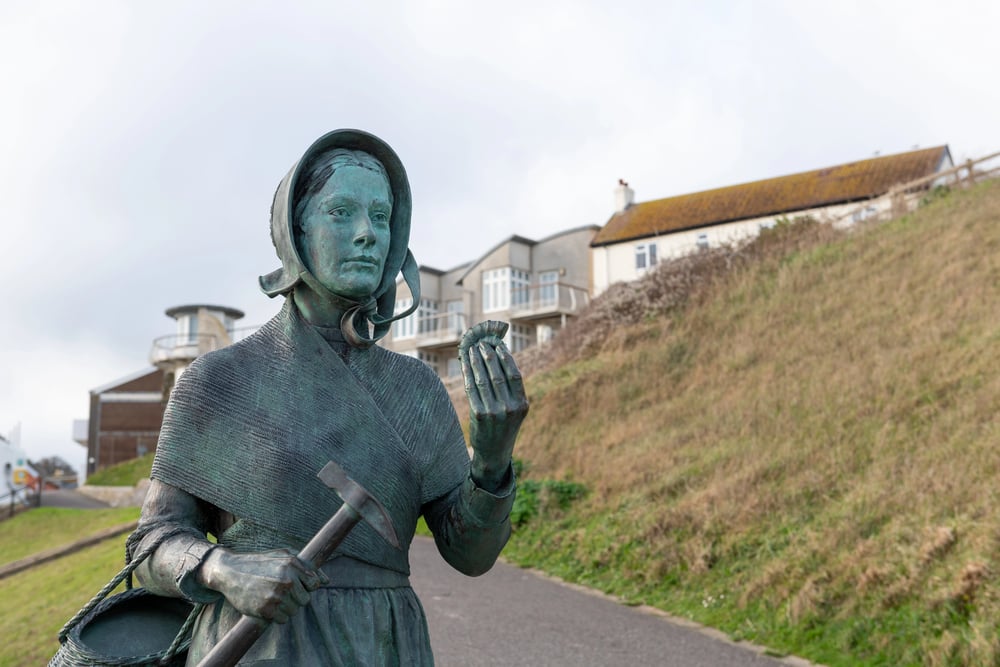
Born in 1799 in Lyme Regis, England, Mary Anning made groundbreaking fossil discoveries that reshaped our understanding of prehistoric life. As a self-taught paleontologist, she uncovered the first correctly identified ichthyosaur skeleton at just 12 years old, followed by major finds like the first complete plesiosaur and important pterosaur fossils.
Her work provided crucial evidence for extinction and evolution at a time when these ideas were highly controversial. Yet because she was a working-class woman in a male-dominated field, her contributions were often dismissed or credited to others.
Today, her legacy lives on in the field of paleontology – though her name still isn’t nearly as well-known as it should be.
Rosalind Franklin
Rosalind Franklin captured the critical X-ray diffraction images that were essential to understanding DNA’s double-helix structure. Her photograph, known as ‘Photo 51,’ provided the crucial evidence Watson and Crick needed to develop their famous DNA model, for which they later received the Nobel Prize.
Franklin died of ovarian cancer at just 37, before the Nobel was awarded, and her fundamental contribution was largely overlooked for decades. Her precise experimental work laid the foundation for modern molecular biology and our understanding of life itself.
Like Go2Tutors’s content? Follow us on MSN.
Hedy Lamarr
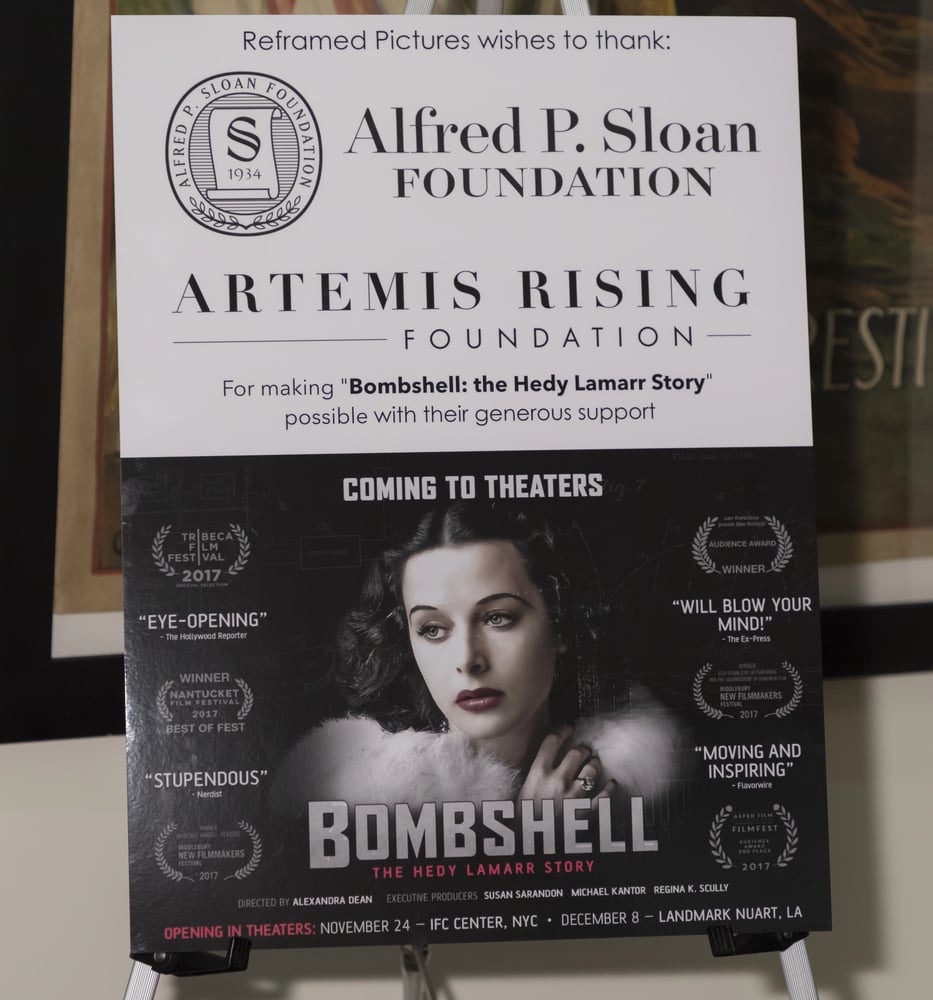
Known to most as a glamorous Hollywood actress of the 1940s, Hedy Lamarr was also a brilliant inventor who developed a frequency-hopping technology during World War II. Working with composer George Antheil, she created a radio guidance system for torpedoes that was resistant to jamming by enemy forces.
The principles behind her invention now form the basis for modern wireless communication technologies like Bluetooth, GPS, and Wi-Fi. Lamarr received almost no recognition for her technological contributions during her lifetime, despite creating something that billions of people now use every day.
Nikola Tesla
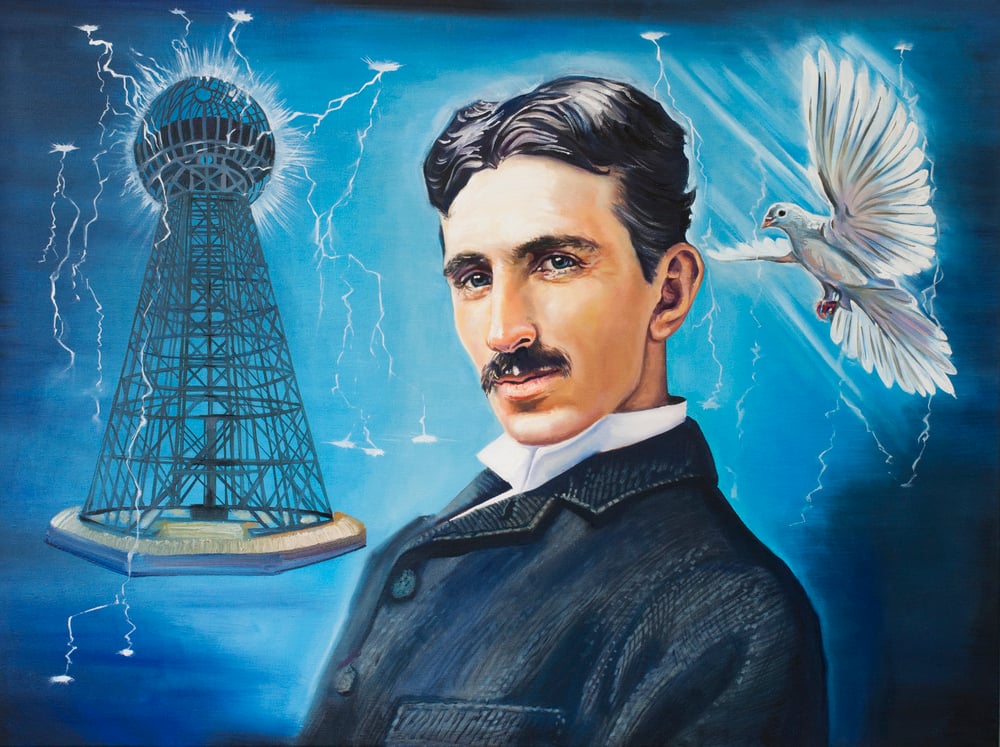
While his name has gained more recognition in recent years, Nikola Tesla spent much of his life overshadowed by contemporaries like Thomas Edison despite his revolutionary contributions. Tesla developed alternating current (AC) electricity, which powers homes and businesses worldwide today.
He also pioneered wireless transmission of energy, created the first hydroelectric power plant at Niagara Falls, and held over 300 patents for inventions, including radio technology and remote control. Tesla died nearly penniless in a New York hotel room, his groundbreaking work largely unappreciated during his lifetime.
Henrietta Lacks
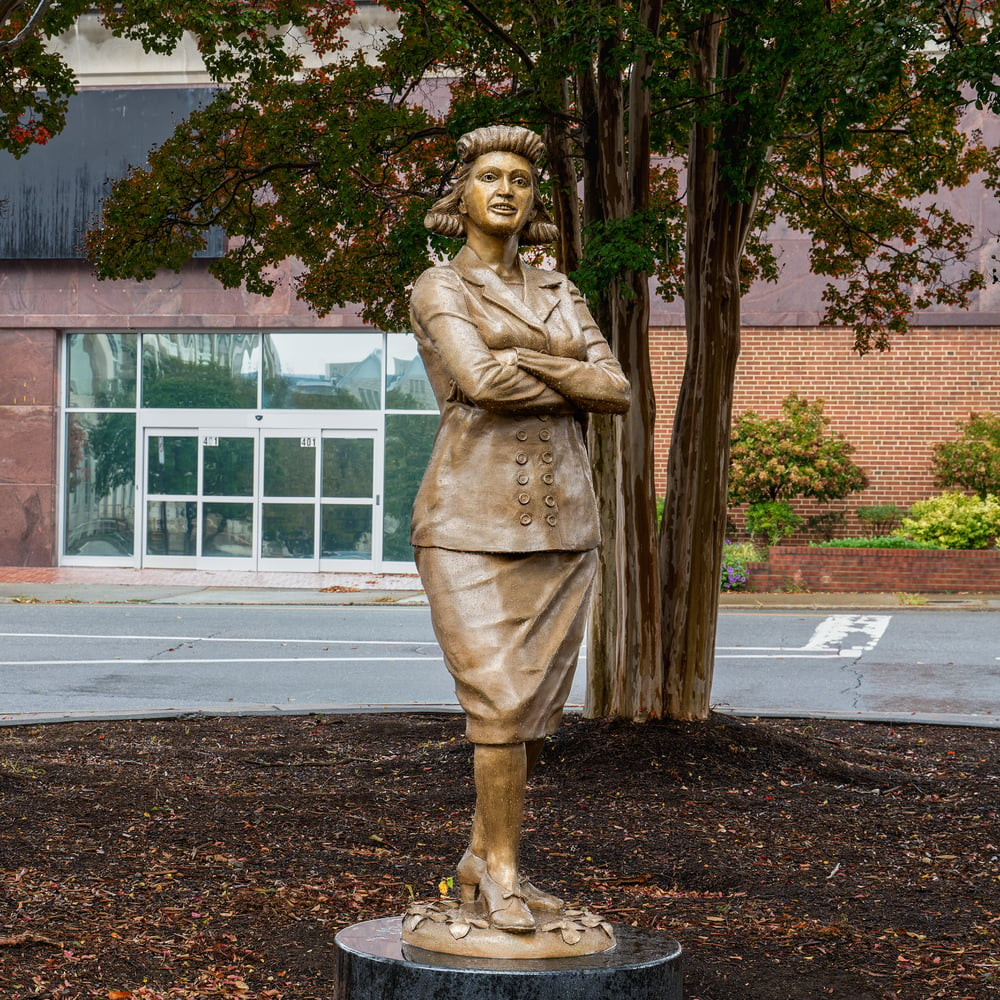
Without her knowledge or consent, Henrietta Lacks’ cancer cells were taken during treatment at Johns Hopkins Hospital in 1951. These cells, named HeLa cells, displayed the remarkable ability to reproduce indefinitely in laboratory conditions – the first ‘immortal’ human cell line ever discovered.
HeLa cells have been used in developing the polio vaccine, cancer treatments, gene mapping, HIV/AIDS research, and countless other scientific breakthroughs. Lacks died of cervical cancer shortly after her cells were taken, and her family wasn’t informed about the widespread use of her cells until decades later.
Like Go2Tutors’s content? Follow us on MSN.
Alan Turing
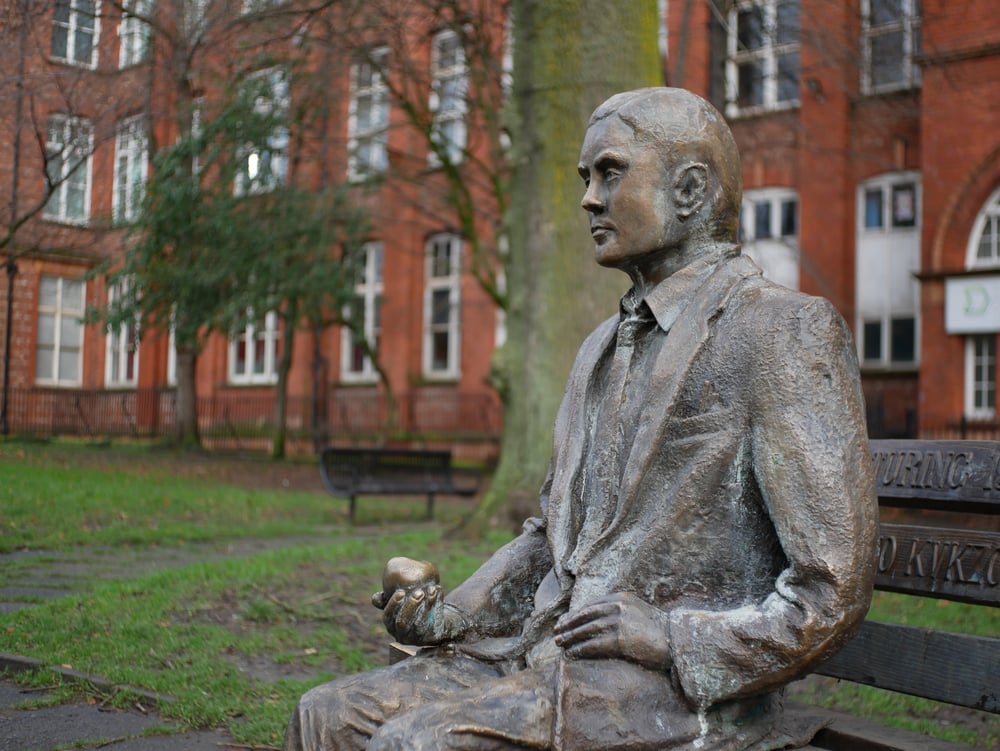
Though recognition of Alan Turing has improved in recent years, his contributions remained underappreciated for decades due to persecution over his romantic orientation. Turing created the theoretical framework for modern computing and led the team that broke Nazi Germany’s Enigma code during World War II – an achievement estimated to have shortened the war by two to four years and saved millions of lives.
Despite this, he was convicted of ‘gross indecency’ for his relationship with another man and subjected to chemical castration, ultimately leading to death by his own hand at age 41. Only in 2013 did he receive a posthumous royal pardon – far too late for a man who changed the course of history.
Chien-Shiung Wu

Known as the ‘First Lady of Physics,’ Chien-Shiung Wu conducted the groundbreaking experiment that disproved the law of conservation of parity, a fundamental physics principle previously thought unshakable. Her male colleagues, who merely proposed the theory, received the 1957 Nobel Prize in Physics, while Wu’s experimental proof was overlooked.
Throughout her career, she made major contributions to nuclear physics, including work on the Manhattan Project and developing improved Geiger counters. Wu faced both gender and racial discrimination, but nevertheless established herself as one of the most influential experimental physicists of the 20th century.
Percy Julian
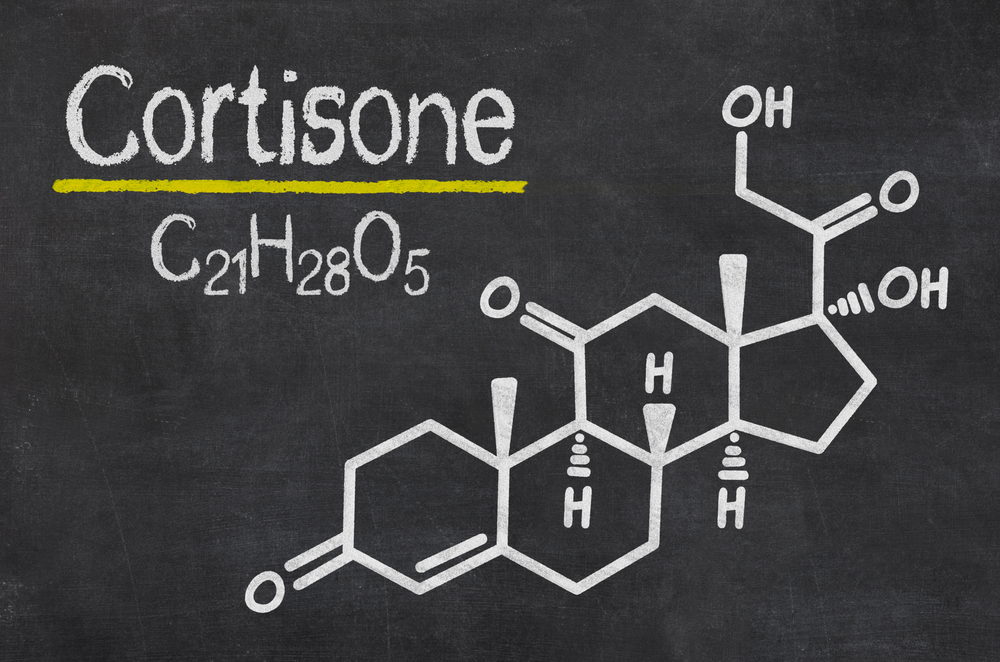
Percy Julian overcame extreme racism in the early 20th century to become a pioneering chemist who synthesized medicinal compounds from plants. His work creating affordable synthetic versions of cortisone dramatically reduced the cost of treating rheumatoid arthritis and other inflammatory conditions. Julian also developed a fire-retardant foam used to save the lives of countless sailors during World War II.
Despite having his home firebombed when he moved into a white neighborhood and being denied academic positions due to racial discrimination, Julian persevered to earn more than 130 patents and establish his own chemical company.
Like Go2Tutors’s content? Follow us on MSN.
Lise Meitner
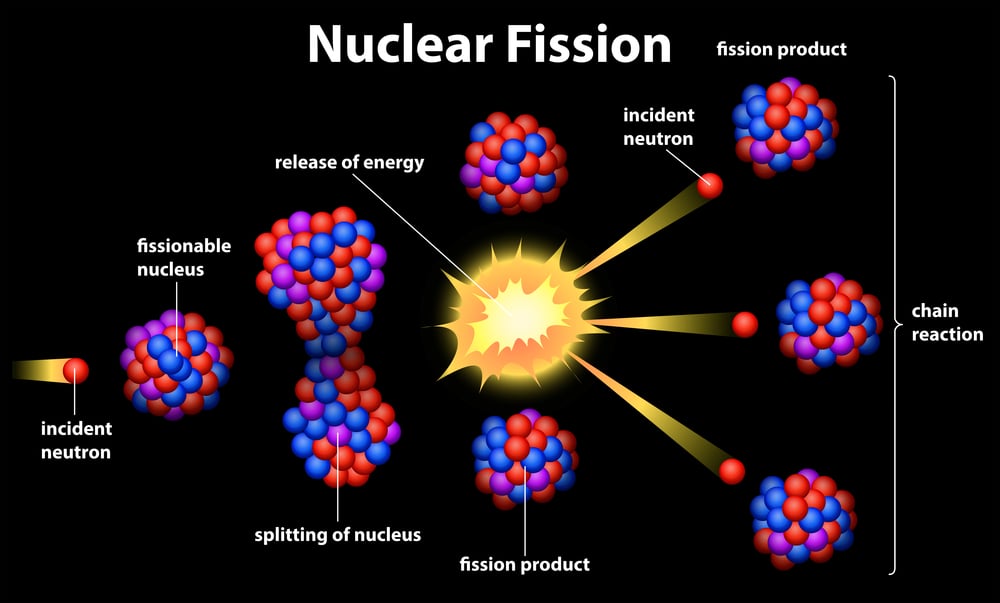
Lise Meitner led the team that discovered nuclear fission, the process that makes nuclear energy and weapons possible. After fleeing Nazi Germany because of her Jewish heritage, she continued her research in Sweden, where she made her groundbreaking discovery.
In 1944, her research partner Otto Hahn received the Nobel Prize for the discovery, while Meitner’s critical contributions were ignored. Albert Einstein called her ‘the German Marie Curie,’ and yet she remained largely unknown to the public.
Element 109, meitnerium, was eventually named in her honor, though long after her death.
Claudette Colvin
Nine months before Rosa Parks’ famous stand against bus segregation, 15-year-old Claudette Colvin refused to give up her seat on a Montgomery, Alabama, bus. She was arrested, physically removed from the bus, and became one of four plaintiffs in Browder v. Gayle, the landmark case that eventually overturned bus segregation laws.
Civil rights leaders decided not to publicize Colvin’s case because she was a pregnant, unmarried teenager, and chose instead to wait for a case with a more ‘acceptable’ plaintiff. Despite being a pioneer in the civil rights movement and taking enormous personal risks, Colvin’s crucial contribution remained largely unknown for decades.
Subrahmanyan Chandrasekhar

Chandrasekhar calculated the maximum mass a white dwarf star can have before collapsing under its own gravity – now called the Chandrasekhar limit. When he first presented his findings in 1935, he was publicly ridiculed by Sir Arthur Eddington, one of the most famous astronomers of the day.
Discouraged but determined, Chandrasekhar continued his work in relative obscurity for decades until his calculations were proven correct and became fundamental to our understanding of collapsed stars and stellar evolution. He eventually received the Nobel Prize in Physics in 1983, nearly 50 years after his groundbreaking discovery.
Like Go2Tutors’s content? Follow us on MSN.
Emmy Noether
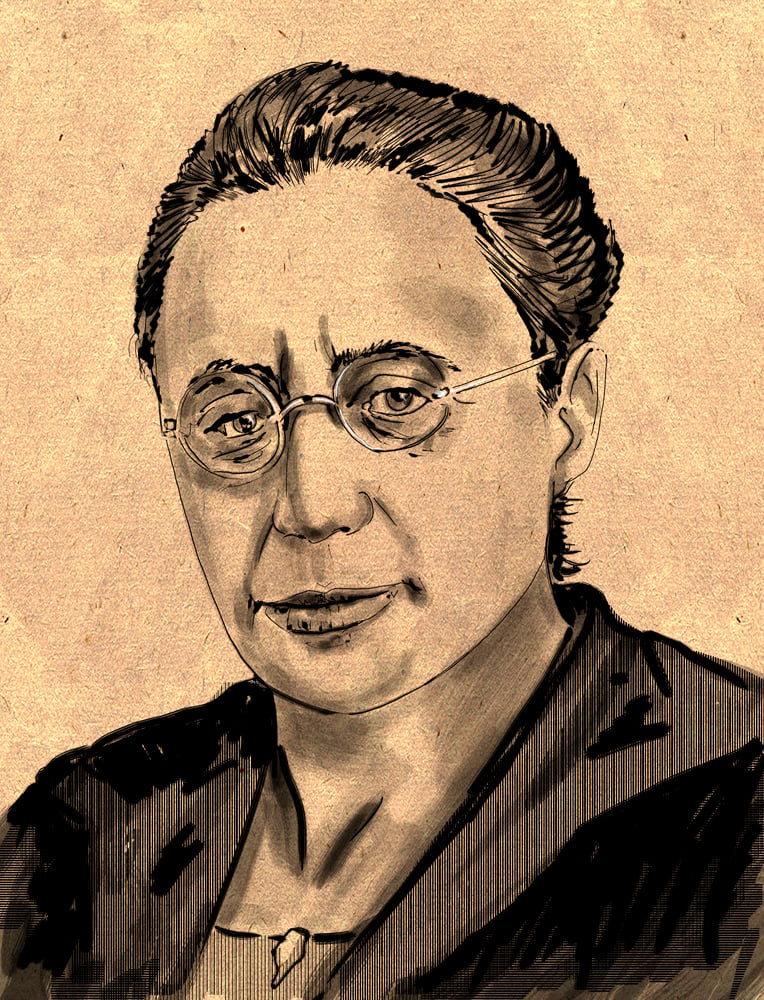
Albert Einstein called her the most important woman in the history of mathematics, yet few outside academic circles know Emmy Noether’s name. Her theorem, connecting symmetry principles to conservation laws, is considered one of the most important mathematical theorems ever proven, underpinning much of modern physics.
Despite facing extreme gender discrimination that prevented her from receiving a salary for much of her career, Noether revolutionized abstract algebra and made profound contributions to theoretical physics. She was forced to flee Nazi Germany in 1933 and died just two years later in the United States.
Vivien Thomas
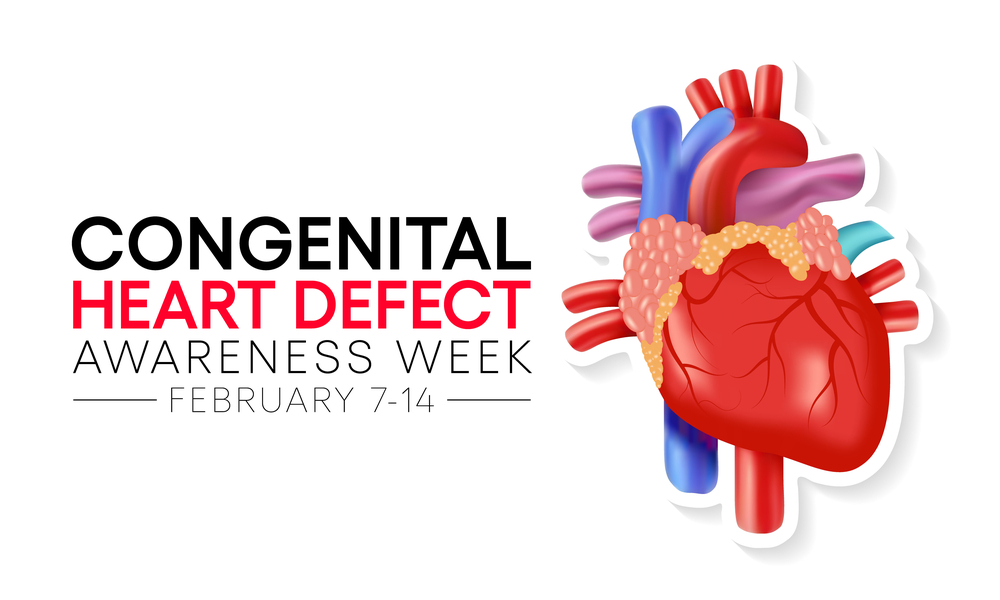
Without any formal medical education, Vivien Thomas developed surgical techniques to treat blue baby syndrome, a previously fatal congenital heart defect. Working as a lab assistant to Dr. Alfred Blalock at Johns Hopkins, Thomas perfected the procedures on his own and even stood behind Blalock during the first human operation, advising him step by step.
Despite his crucial role, Thomas was paid as a janitor for years and wasn’t credited in the published research. He eventually became an instructor of surgery at Johns Hopkins and trained many of America’s leading surgeons, though his contributions remained largely unrecognized during his lifetime.
Cecilia Payne-Gaposchkin

Cecilia Payne-Gaposchkin discovered that stars are composed primarily of hydrogen and helium, contradicting the scientific consensus of her time that stars shared Earth’s elemental composition. When she presented this finding in her doctoral dissertation in 1925, astronomers persuaded her to add that her conclusion was likely wrong.
Four years later, further research confirmed she had been correct all along. Her discovery fundamentally changed our understanding of the universe and is considered one of the most important astronomical findings of the 20th century, yet she faced significant barriers as a woman in science and received little recognition for decades.
Like Go2Tutors’s content? Follow us on MSN.
Tu Youyou

Tu Youyou spent years studying ancient Chinese medical texts before discovering artemisinin, the compound now standard in malaria treatments worldwide. Working during China’s Cultural Revolution with limited resources and no international connections, Tu volunteered to be the first human subject for the experimental treatment she developed.
Her discovery has saved millions of lives, particularly in developing countries where malaria is endemic. Despite this monumental contribution, Tu remained unknown internationally until 2011, when she received the Lasker Award and later the 2015 Nobel Prize in Medicine – the first Chinese woman to receive a Nobel in science.
Unsung Heroes Among Us

These fifteen individuals represent just a fraction of the countless people throughout history whose significant contributions have shaped our world, even as their names remained largely unknown. Their stories remind us that fame often has little correlation with impact or merit.
Some faced discrimination that limited their recognition, others worked behind the scenes in collaborative fields, and many simply lacked the self-promotion or connections that help secure historical standing. Yet their legacies live on in the technologies we use, the scientific principles we understand, and the social progress we’ve achieved – whether we know their names or not.
More from Go2Tutors!

- 16 Restaurant Chains That Went Too Fast
- 12 Things Sold in the 80s That Are Now Illegal
- 15 Strange Things People Have Tried to Ban (And Failed)
- 16 Collectibles People Tossed Out Too Soon
- 17 Myths from Your Childhood That Were Actually Based on Real Things
Like Go2Tutors’s content? Follow us on MSN.


