15 Major Fails In Space Exploration History
Some of humanity’s greatest victories have come from space exploration, but it has also produced some spectacular failures that have cost billions of dollars and occasionally even human lives. These failures were harsh lessons that influenced our approach to the universe, not just costly errors. The path to the stars has been filled with both success and disaster, from rockets exploding on launch pads to spacecraft missing their targets by millions of miles.
These humble moments have been experienced by all space agencies worldwide. This list of 15 significant space exploration failures serves as a reminder of how difficult it is to leave Earth behind.
Mars Climate Orbiter’s Unit Mix-Up
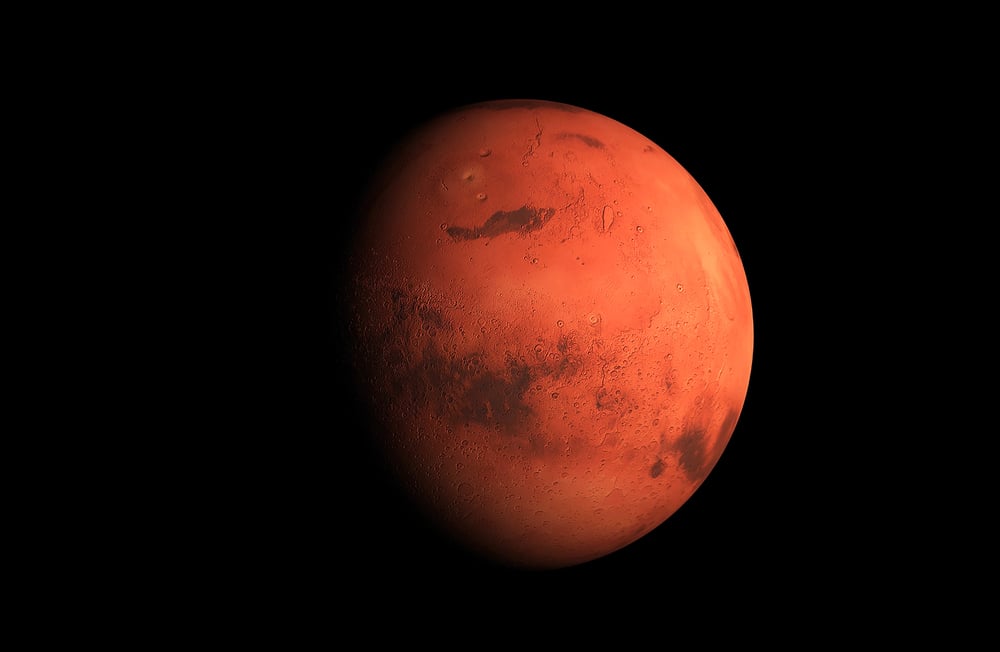
A straightforward but disastrous error cost NASA a $125 million spacecraft in 1999: one team used metric units, while another used imperial measurements. Instead of going into orbit, the Mars Climate Orbiter burned up in the atmosphere after getting too close to the red planet.
This humiliating mishap demonstrated how even the most advanced missions can fail due to poor communication.
Challenger Disaster
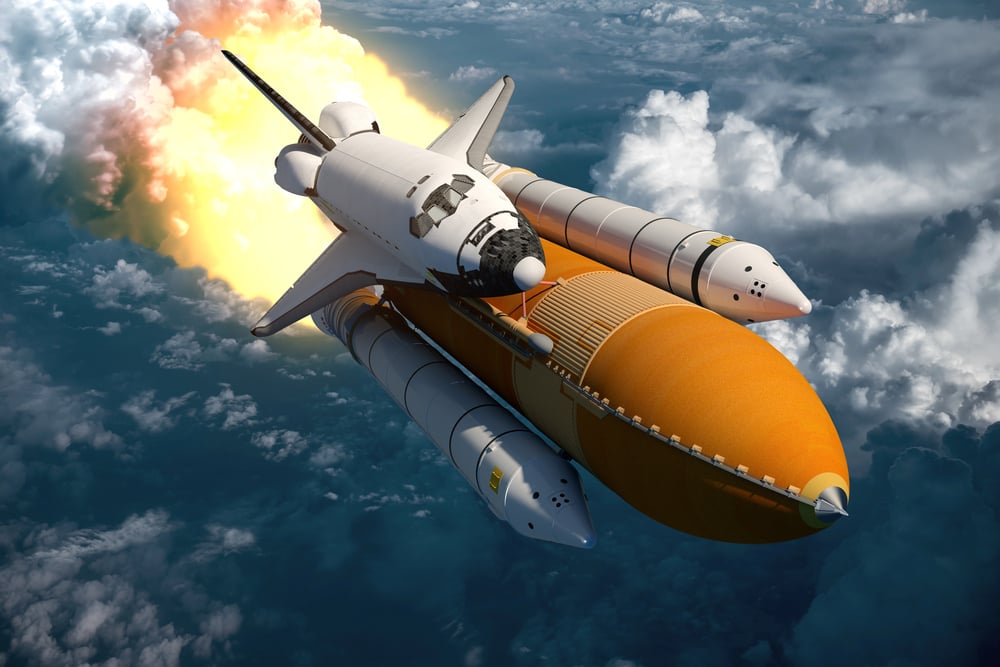
Christa McAuliffe was one of the seven crew members killed when the Space Shuttle Challenger exploded on January 28, 1986, 73 seconds after launch. Although engineers had warned of the danger, cold weather had damaged the solid rocket boosters’ O-ring seals.
This catastrophe permanently altered NASA’s approach to safety procedures and grounded the shuttle program for almost three years.
Like Go2Tutors’s content? Follow us on MSN.
Apollo 13’s Explosion

Apollo 13 was initially a total failure when an oxygen tank exploded on the way to the moon, but it gained notoriety for its successful rescue. During their terrifying journey home, the crew had to give up on their lunar landing and concentrate solely on surviving.
This near-catastrophe demonstrated how quickly even the most meticulously planned missions could go horribly wrong.
Soviet N1 Rocket Failures

The N1 rocket, which failed miserably on all four launch attempts between 1969 and 1972, was the bane of the Soviet Union’s moon landings. The rocket exploded seconds after launch in July 1969, causing one of the biggest non-nuclear explosions in human history.
This was the most spectacular failure. The Soviet lunar program was essentially shut down as a result of these setbacks, and the Americans were given the advantage in the moon race.
Mars Polar Lander Vanishes

NASA’s Mars Polar Lander simply disappeared during its descent to the Martian surface in December 1999. The $165 million spacecraft was supposed to search for water ice, yet it likely crashed due to a software glitch that shut off its engines prematurely.
This failure came just months after the Climate Orbiter disaster, dealing a double blow to Mars exploration efforts.
Like Go2Tutors’s content? Follow us on MSN.
Ariane 5’s Maiden Flight
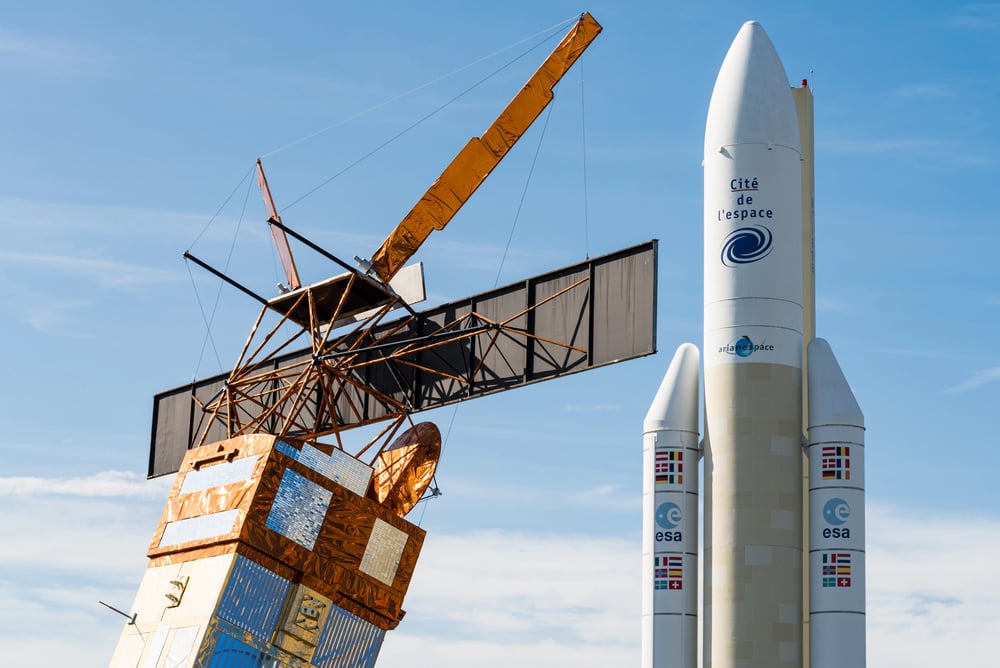
The European Space Agency’s Ariane 5 rocket exploded during its first flight in 1996, destroying four expensive satellites worth $500 million. The failure was caused by a software error that tried to convert a 64-bit number into a 16-bit format—a seemingly minor programming mistake with catastrophic consequences.
This disaster delayed Europe’s ambitious space plans and forced a complete redesign of the rocket’s guidance system.
Phobos 1 Communication Loss
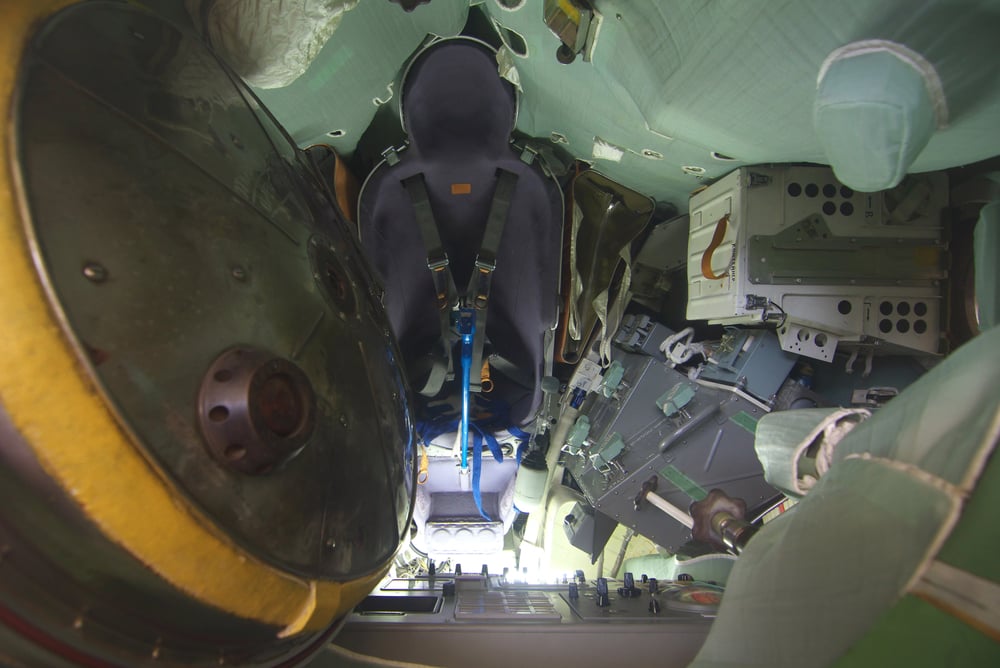
The Soviet Union lost contact with Phobos 1 in 1988 due to a missing command-line character (a coding error) that disabled attitude thrusters. This tiny punctuation error caused the probe to orient itself incorrectly, draining its batteries and ending the mission before it even reached Mars.
The failure demonstrated how the smallest programming mistakes could doom missions worth hundreds of millions of dollars.
Columbia Disaster
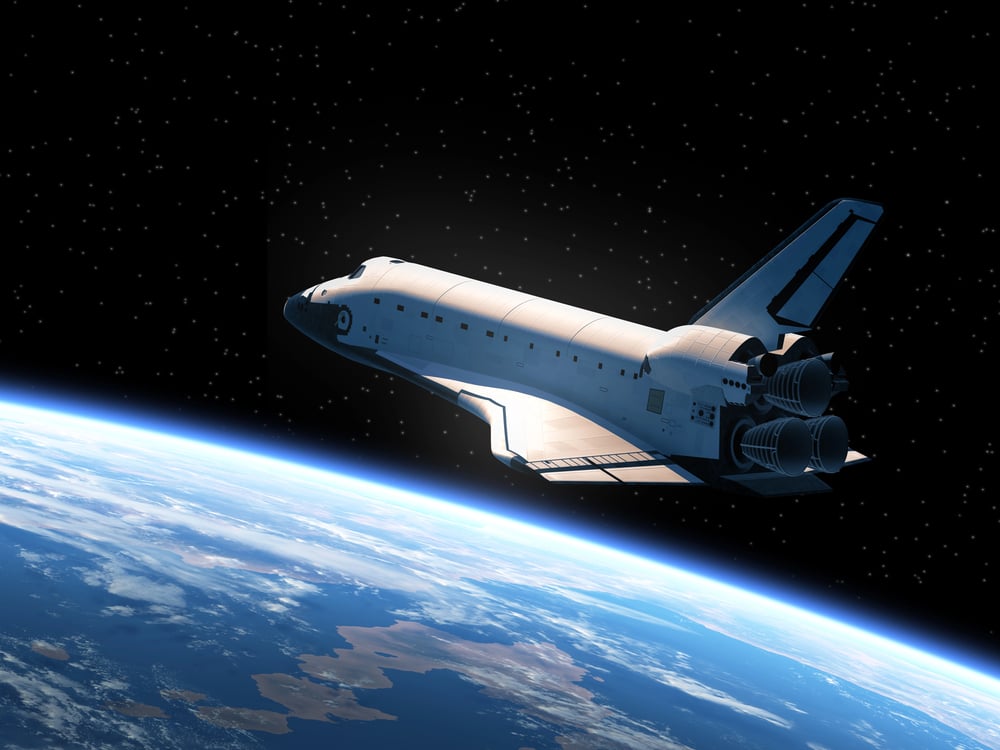
On February 1, 2003, Space Shuttle Columbia broke apart during reentry, killing all seven astronauts aboard. A piece of foam insulation had struck the shuttle’s wing during launch, creating an opening that allowed superheated gases to enter during reentry.
This tragedy, coming 17 years after Challenger, once again highlighted the inherent dangers of space travel and led to the eventual retirement of the shuttle program.
Like Go2Tutors’s content? Follow us on MSN.
Beagle 2’s Silent Landing
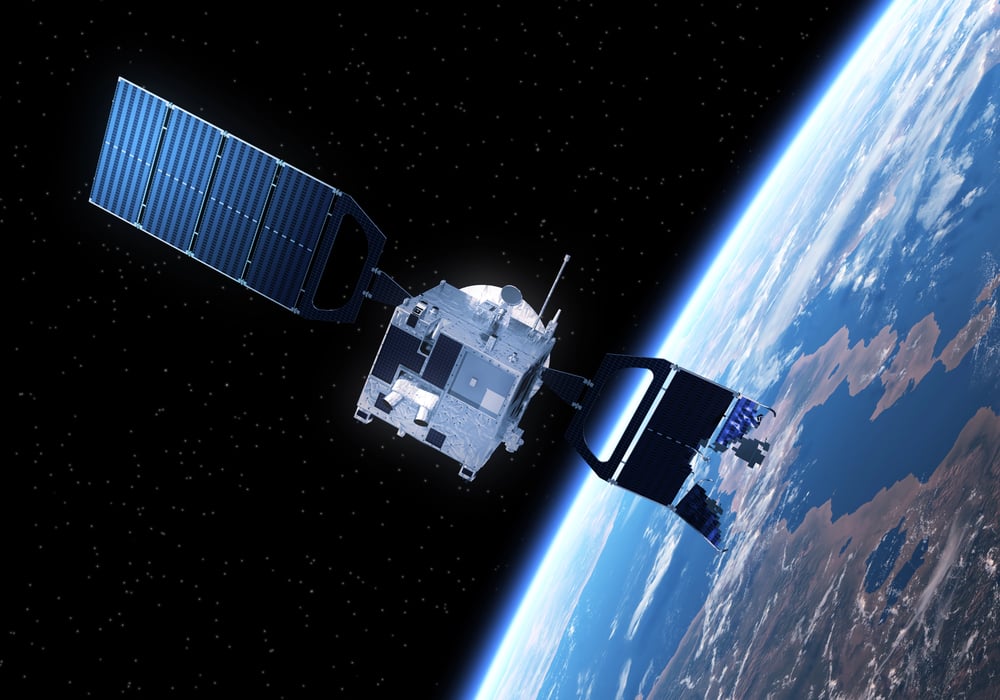
The British-built Beagle 2 lander was supposed to search for life on Mars in 2003, yet it never communicated after landing on the planet’s surface. Years later, orbital images revealed that the probe had actually landed successfully but failed to deploy its solar panels and communication antenna properly.
This partial success turned into complete failure because the spacecraft couldn’t tell Earth it had arrived safely.
Genesis Sample Return Crash
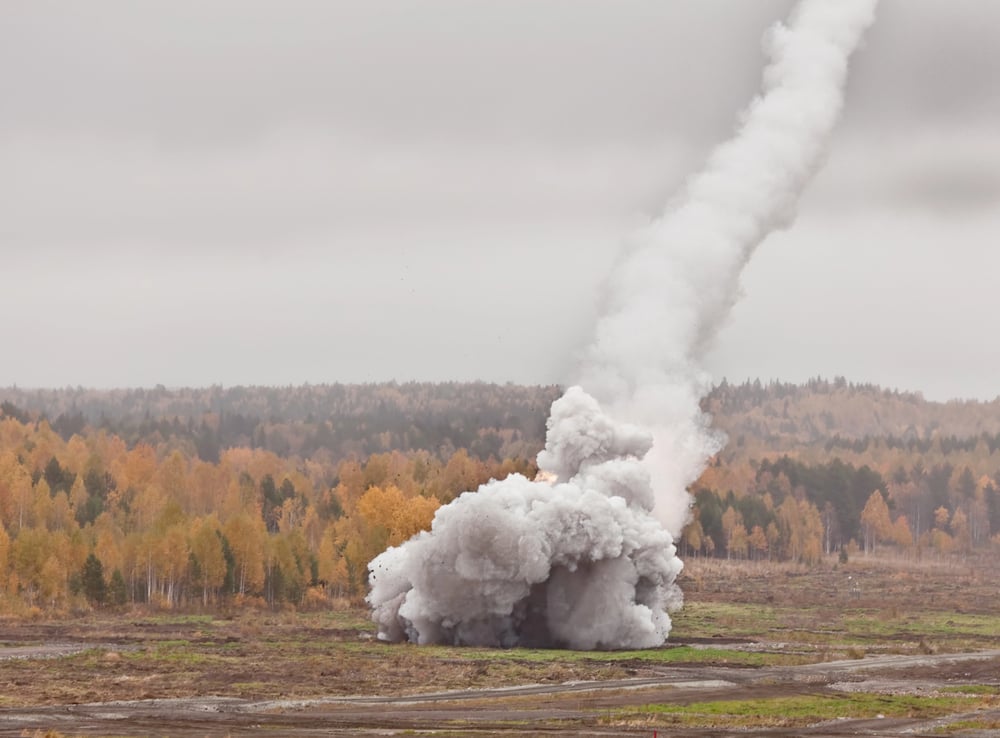
NASA’s Genesis spacecraft spent three years collecting solar wind particles, only to crash-land in the Utah desert in 2004 when its parachutes failed to deploy. The capsule hit the ground at 193 mph, contaminating many of the precious samples it had gathered.
While some science was salvaged from the wreckage, the $264 million mission became a textbook example of how a single component failure can ruin years of work.
Titan IVB Explosion

In August 1998, a Titan IVB rocket exploded 41 seconds after launch, destroying a $1.3 billion military satellite. The failure was caused by a short circuit in the rocket’s electrical system, which triggered the self-destruct mechanism.
This disaster not only lost critical national security hardware but also grounded the entire Titan IV fleet for months while investigators searched for the cause.
Like Go2Tutors’s content? Follow us on MSN.
Deep Impact’s Lost Communication
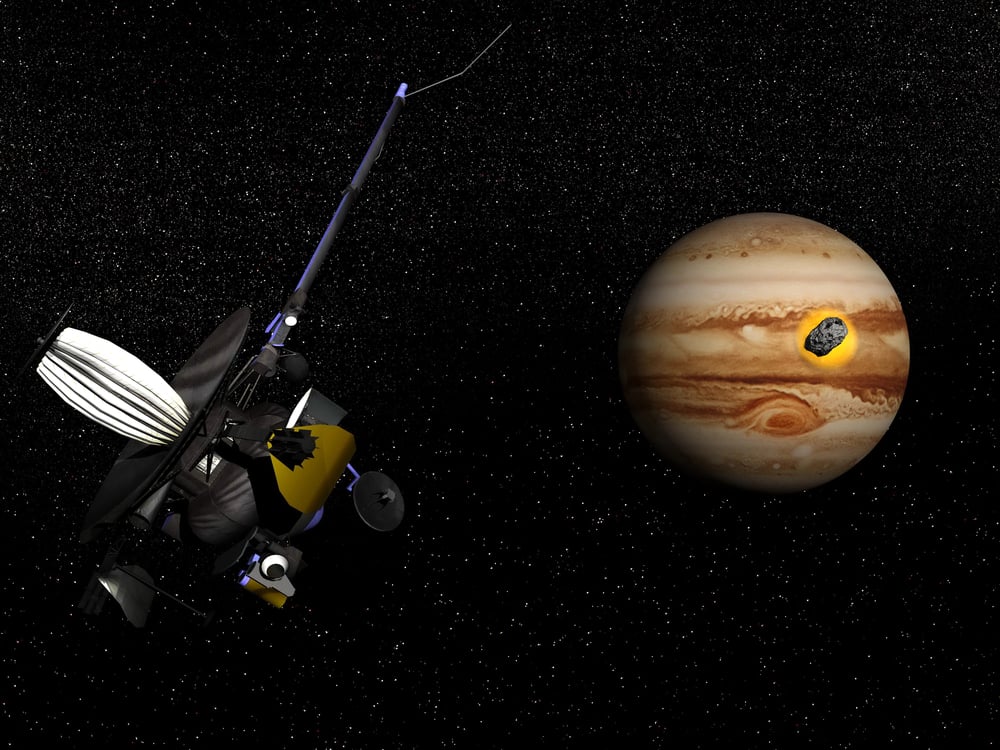
After successfully smashing into comet Tempel 1 in 2005, the Deep Impact spacecraft was repurposed for additional missions. However, NASA lost contact with the probe in 2013 when its computer system failed and began spinning the spacecraft uncontrollably.
The mission had already exceeded its planned lifetime, though losing such a capable spacecraft was still disappointing for future comet research.
NOAA-N Prime Satellite Drop
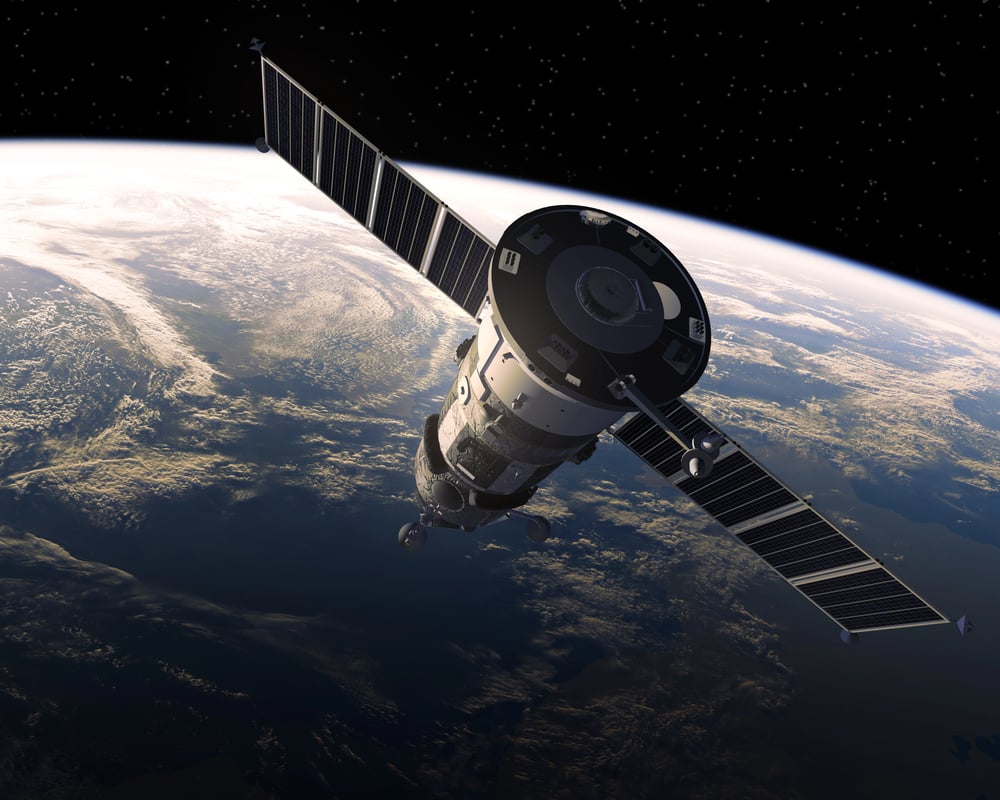
A $135 million weather satellite was unintentionally dropped by Lockheed Martin technicians in 2003 while they were transferring it between work stations. The NOAA-N Prime satellite suffered irreversible damage when it crashed to the ground after being improperly fastened to its transport fixture.
Even the most sophisticated spacecraft are susceptible to basic human error when operating on the ground, as demonstrated by this embarrassing incident.
Kosmos 954’s Radioactive Crash
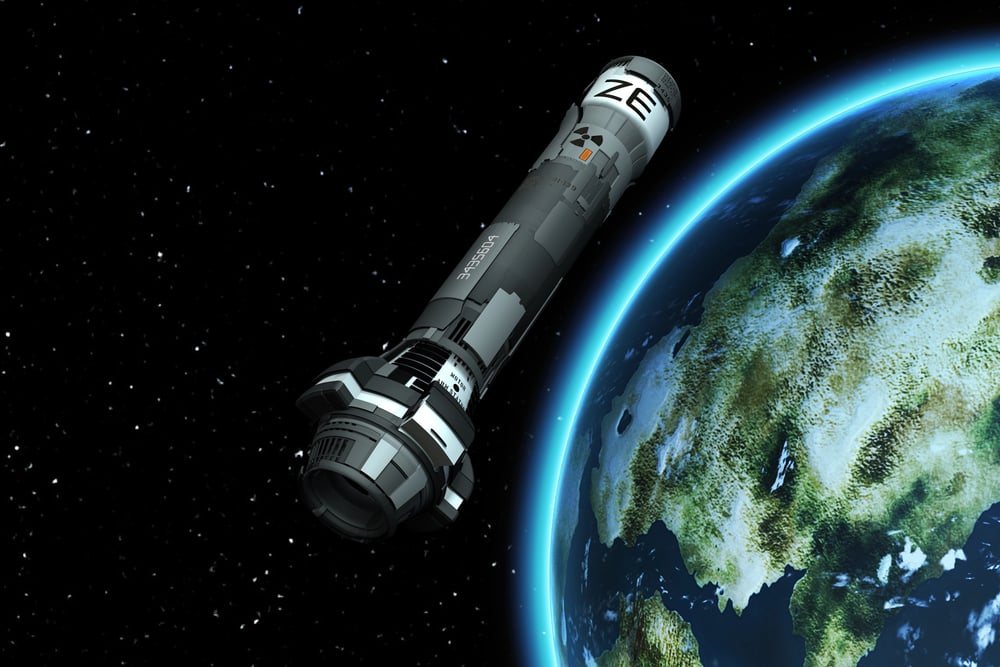
The Soviet nuclear-powered satellite Kosmos 954 crashed in Canada’s Northwest Territories in 1978, scattering radioactive debris across hundreds of square miles. The satellite’s nuclear reactor failed to separate properly before reentry, creating an international incident and massive cleanup operation.
This disaster highlighted the dangers of putting nuclear materials in space and led to stricter international protocols for space-based nuclear systems.
Like Go2Tutors’s content? Follow us on MSN.
Schiaparelli’s Hard Landing
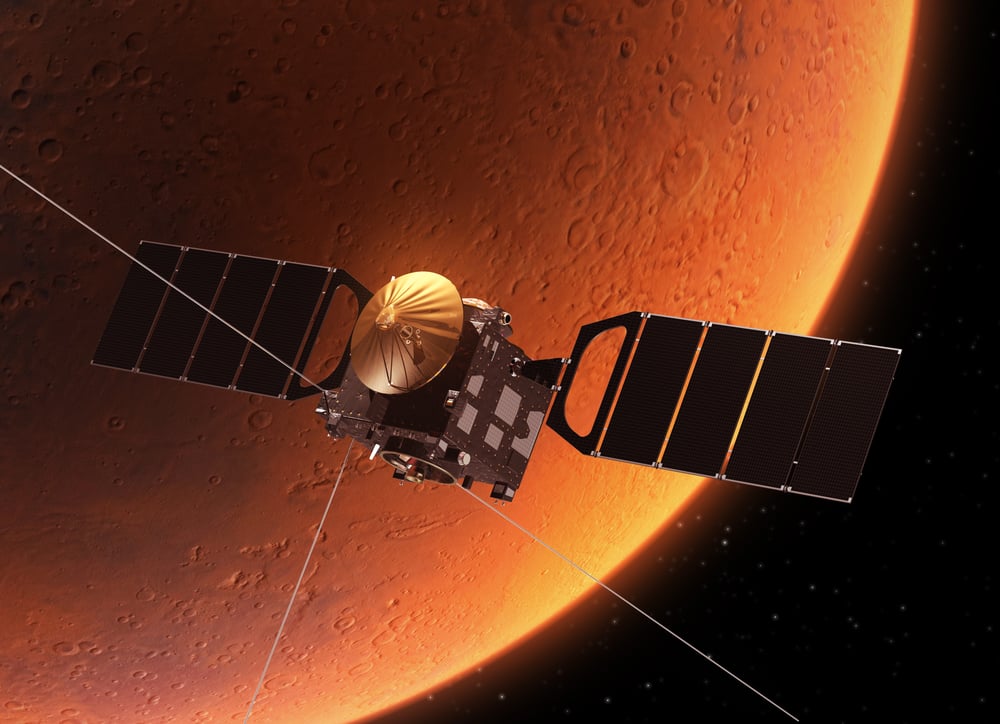
In 2016, the Schiaparelli lander from the European Space Agency was designed to test landing technology for upcoming Mars missions, but it struck the planet’s surface at more than 180 miles per hour. The spacecraft shut off its thrusters too soon because of a software bug that made it believe it was already on the ground while it was still moving quickly.
Engineers were forced to redesign their landing systems as a result of this failure, which also delayed Europe’s plans for Mars exploration.
Learning from Cosmic Catastrophes

We have learned a great deal about the difficulties of space exploration from these 15 failures, which have cost us billions of dollars in losses and countless hours of human labor. Every disaster sparked advancements in engineering techniques, safety protocols, and testing methods that have increased the dependability of missions today.
Even though these setbacks were unpleasant and occasionally tragic, in the end, they have improved the safety and success of space exploration for those who dare to aim high in the future.
More from Go2Tutors!

- 16 Historical Figures Who Were Nothing Like You Think
- 12 Things Sold in the 80s That Are Now Illegal
- 15 VHS Tapes That Could Be Worth Thousands
- 17 Historical “What Ifs” That Would Have Changed Everything
- 18 TV Shows That Vanished Without a Finale
Like Go2Tutors’s content? Follow us on MSN.