17 Pop Culture Moments That Faded Too Fast
Remember those cultural phenomena that seemed to consume everyone’s attention, only to vanish almost overnight? Pop culture has always been fickle, with trends rising meteorically before plummeting back to earth just as quickly.
These flashes of collective fascination tell us something about our society—what captivates us and how rapidly our attention moves on to the next big thing. Here is a list of 17 pop culture moments that dominated our conversations, social media feeds, and everyday lives but disappeared faster than anyone expected.
Pokémon GO
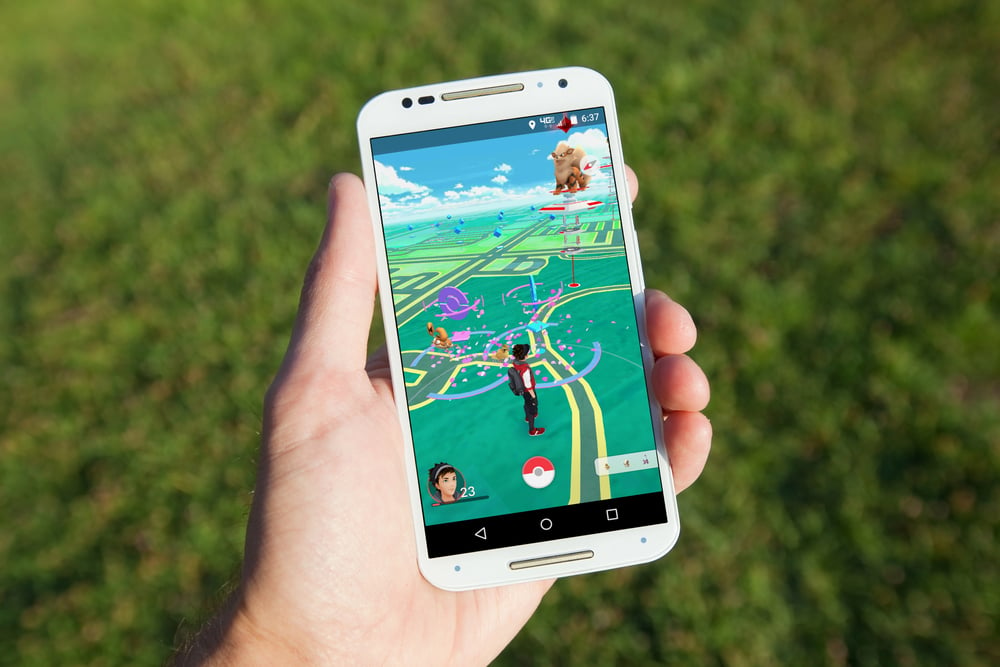
The summer of 2016 transformed neighborhoods worldwide as people wandered around staring at their phones, hunting virtual creatures. Parks overflowed with players and businesses scrambled to capitalize on the foot traffic.
Within months, though, the phenomenon that had people exploring their cities like never before dwindled to a fraction of its initial player base, leaving behind empty PokéStops and unused lures.
The Mannequin Challenge

Everyone from high school students to professional sports teams froze in place while Rae Sremmurd’s ‘Black Beatles’ played in the background. The viral video trend swept across social media platforms in late 2016, with increasingly elaborate setups competing for attention.
By early 2017, the challenge had essentially vanished, becoming just another entry in the encyclopedia of forgotten internet trends.
Like Go2Tutors’s content? Follow us on MSN.
Flappy Bird
This simple mobile game became so popular that its creator pulled it from app stores, claiming its addictive nature had become overwhelming. The game’s removal only intensified demand, with phones containing the installed app selling for thousands of dollars online.
The cultural conversation around Flappy Bird burned white-hot for a few weeks before extinguishing almost completely.
KONY 2012

The documentary about Ugandan warlord Joseph Kony reached 100 million views in just six days, becoming one of the most viral videos in internet history. Seemingly overnight, social media exploded with calls for action and awareness about the Lord’s Resistance Army.
Within weeks, however, controversy regarding the campaign’s approach and its creator’s public breakdown caused the movement to collapse just as quickly as it had risen.
Fidget Spinners
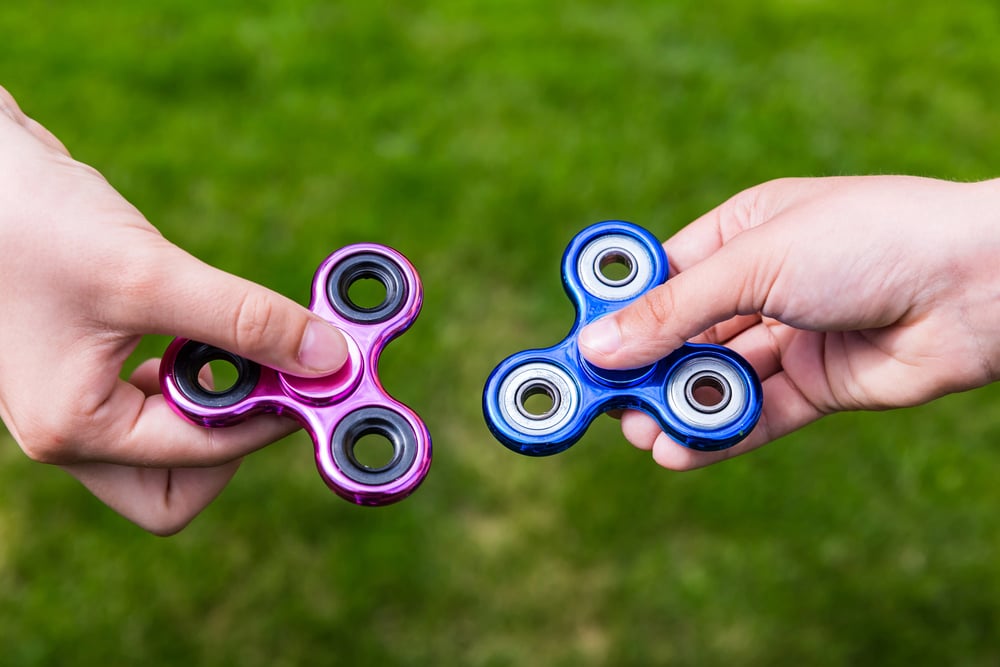
These palm-sized toys spun from the margins to the mainstream in early 2017, becoming the must-have item for kids and adults alike. Schools began banning them as classrooms filled with the whirring sound of tiny bearings.
By summer’s end, retailers couldn’t give them away, with warehouses full of unsold inventory gathering dust as the craze evaporated.
Like Go2Tutors’s content? Follow us on MSN.
Ice Bucket Challenge

The summer of 2014 saw celebrities and everyday people alike dumping ice water over their heads to raise awareness for ALS. The challenge raised over $115 million for research in just a few months.
Though wildly successful as a fundraiser, the cultural moment itself cooled as quickly as the water, with public participation dropping dramatically by fall.
Vine

The six-second video platform created an entirely new breed of internet celebrity and comedy format. Catchphrases from popular Vines infiltrated everyday language, especially among younger generations.
When Twitter shut down the service in early 2017, the cultural impact seemed poised to last—yet the specific style and humor of Vine faded surprisingly quickly as creators migrated to other platforms.
Planking

This bizarre trend had people photographing themselves lying face-down in unusual locations, from railings to monuments. The uncomfortable-looking pose became a global phenomenon in 2011, with everyone from celebrities to office workers participating.
Like many internet trends, planking went from a worldwide phenomenon to a passé punchline in a matter of months.
Like Go2Tutors’s content? Follow us on MSN.
3D Movies
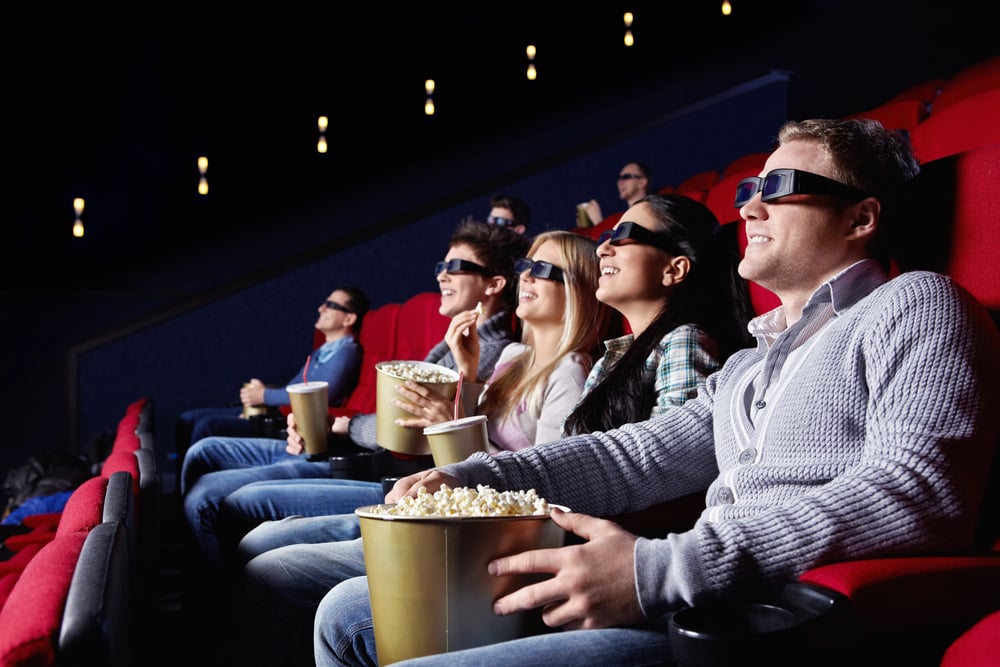
After ‘Avatar’ broke box office records in 2009, Hollywood invested heavily in 3D technology, with theaters upgrading equipment and studios converting films to the format. Audiences initially paid premium prices for the experience, making it seem like the future of cinema had arrived.
The novelty wore off remarkably fast, with viewers growing tired of uncomfortable glasses and subpar conversions.
Google Glass

When unveiled in 2013, these futuristic smart glasses seemed poised to revolutionize how we interact with technology. Early adopters paid $1,500 to be part of the exclusive “Explorer Program.”
Privacy concerns, the awkward design, and limited functionality quickly turned the device from innovation to punchline, with Google pulling the consumer version in 2015 before it even reached wide release.
Harlem Shake
The bizarre dance phenomenon started with one person dancing alone before cutting to an entire group in costumes flailing wildly. Videos accumulated billions of views in 2013, with offices, sports teams, and even military units creating their own versions.
The meme peaked and crashed within roughly six weeks—one of the shortest life cycles for a global trend of its scale.
Like Go2Tutors’s content? Follow us on MSN.
Words With Friends
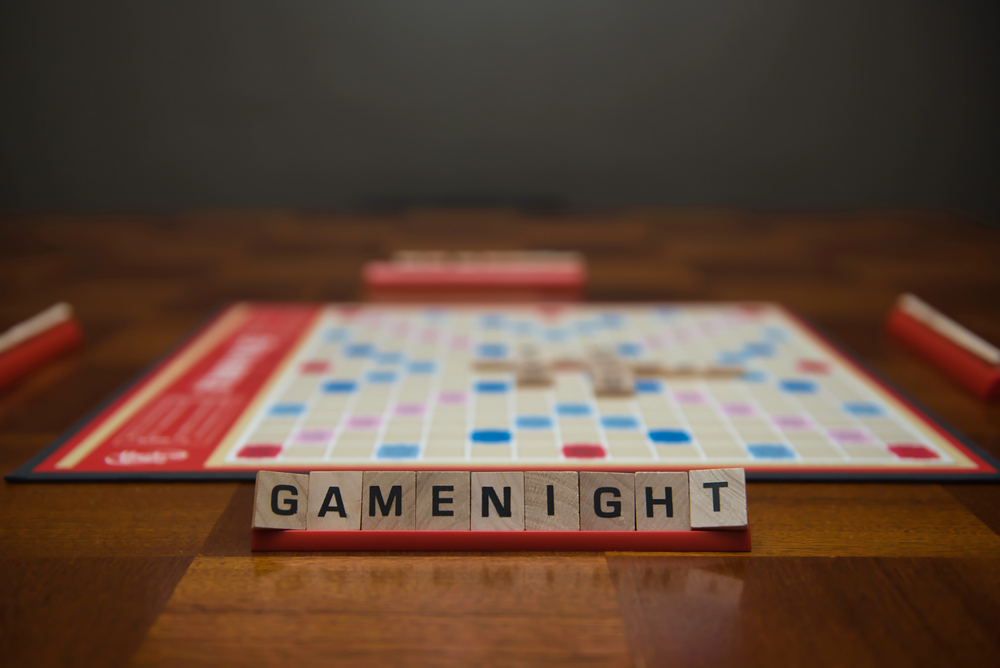
This Scrabble-like mobile game became so ubiquitous that even celebrities admitted to playing during award shows. At its height in 2012, the game boasted over 20 million daily active users connecting through vocabulary battles.
The cultural conversation around the game faded surprisingly quickly, though it maintained a dedicated but much smaller user base after its moment in the spotlight passed.
QR Codes (First Wave)

Before the pandemic revitalized them, QR codes had a brief moment of popularity around 2011-2012. Marketers placed the scannable squares on everything from business cards to billboards, promising enhanced consumer experiences.
The technology quickly fell into the “gimmick” category as smartphone users found the process cumbersome and the payoff rarely worth the effort.
Gangnam Style

Korean artist PSY’s catchy track became the first YouTube video to reach one billion views and introduced many Western audiences to K-pop. The distinctive horse-riding dance moved from music videos to flash mobs, wedding receptions, and sports celebrations around the world.
Despite its massive cultural footprint, the phenomenon receded almost as quickly as it arrived, though it paved the way for K-pop’s later global success.
Like Go2Tutors’s content? Follow us on MSN.
Occupy Wall Street

The 2011 protest movement against economic inequality spread from New York to cities worldwide, dominating news cycles and political discourse. The phrase “We are the 99%” entered the lexicon as encampments sprang up in financial districts across America.
Despite its initial momentum and media saturation, the movement lost cohesion and public attention after a few months, though its themes would resurface in later political movements.
Fyre Festival
The luxury music festival that never happened generated enormous pre-event hype through influencer marketing and slick promotion. When attendees arrived in the Bahamas to find disaster relief tents and sad cheese sandwiches instead of villas and gourmet meals, the internet exploded with schadenfreude.
The cultural conversation burned intensely for a couple of weeks before moving on, though it later became immortalized in competing documentaries.
Fall Guys
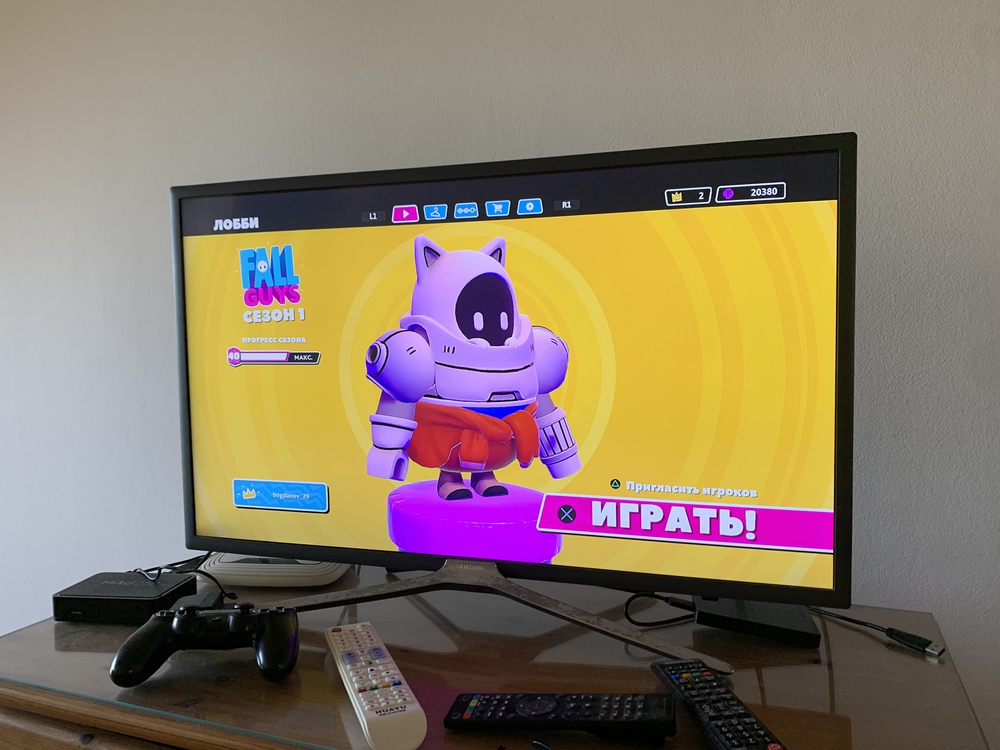
This colorful battle royale game took over gaming culture in summer 2020, offering a lighthearted alternative during pandemic lockdowns. The jellybean-like characters tumbling through obstacle courses dominated Twitch streams and social media feeds.
Despite record-breaking download numbers at launch, the player base and cultural conversation dropped precipitously within months as other games captured the collective attention.
Like Go2Tutors’s content? Follow us on MSN.
Where Pop Culture Memory Lives On

These fleeting cultural phenomena remind us how quickly our collective attention moves in the digital age. While each moment dominated conversations during its peak, they now exist primarily as nostalgic references—time capsules of shared experience that flared brightly before fading into the background noise of pop culture history.
Their brief lifecycles don’t diminish their significance but rather highlight how cultural phenomena increasingly function like comets—brilliant, captivating, and gone in a flash.
More from Go2Tutors!

- 16 Restaurant Chains That Went Too Fast
- 12 Things Sold in the 80s That Are Now Illegal
- 15 Strange Things People Have Tried to Ban (And Failed)
- 16 Collectibles People Tossed Out Too Soon
- 17 Myths from Your Childhood That Were Actually Based on Real Things
Like Go2Tutors’s content? Follow us on MSN.