14 Ways Bread Changed Human Civilization
Bread might seem like just another item on your grocery list, yet it’s actually one of humanity’s most revolutionary inventions. This simple combination of grain, water, and time has shaped our societies, economies, and cultures in ways that still influence us today.
Here are 14 ways bread has fundamentally transformed human civilization and continues to impact our world.
Agriculture’s Birth
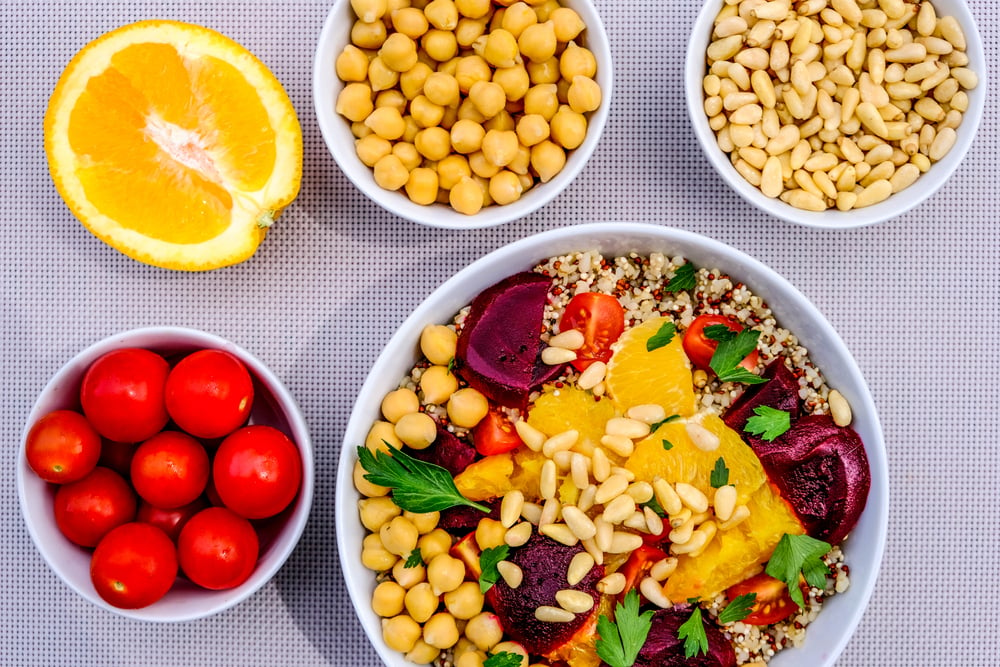
The desire for reliable grain sources sparked what we now call the agricultural revolution around 10,000 years ago. Hunter-gatherers began settling down to cultivate wild cereals like wheat and barley — specifically for bread-making purposes.
This shift from nomadic lifestyles to permanent settlements laid the foundation for all modern civilization.
Permanent Settlements
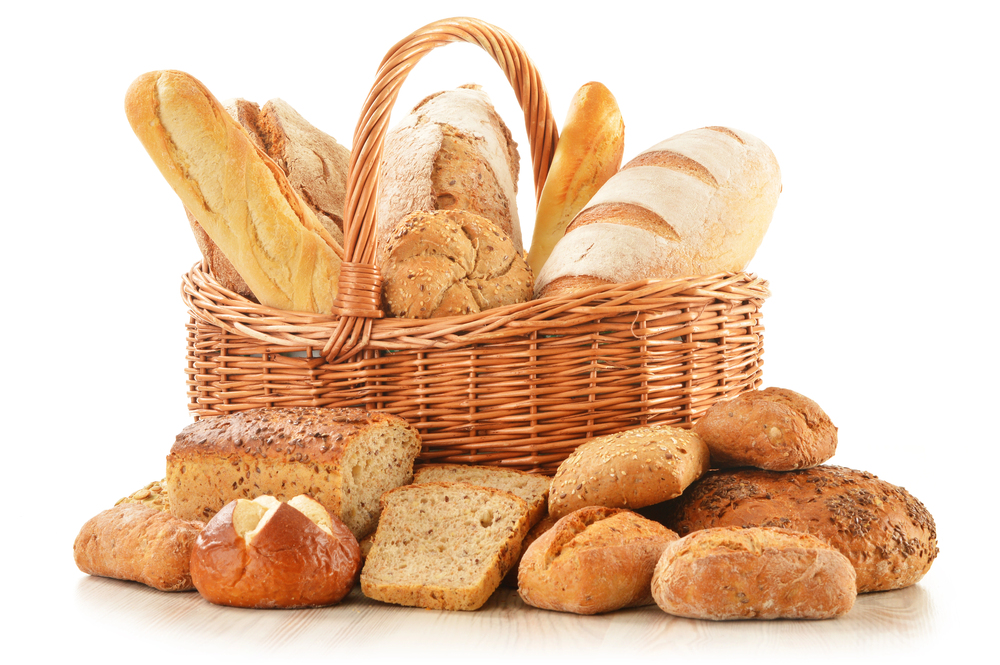
Once people started growing grains for bread, they needed to stay put to tend their crops. Villages emerged first, then cities around these agricultural centers.
Think of bread as the glue that initially held human communities together in one place.
Population Explosions

Bread provided a reliable, calorie-dense food source that could feed more people than hunting and gathering ever could. Populations soared as communities could support larger groups, though this growth wasn’t always smooth.
A single grain field could sustain far more people than the same area used for foraging.
Social Hierarchies

Not everyone needed to produce food anymore — thanks to bread’s efficiency in feeding large populations. This freed up people to become craftsmen, priests, warriors, and leaders.
Suddenly, society had distinct layers: those who grew grain, those who made bread, and those who controlled both processes.
Trade Networks
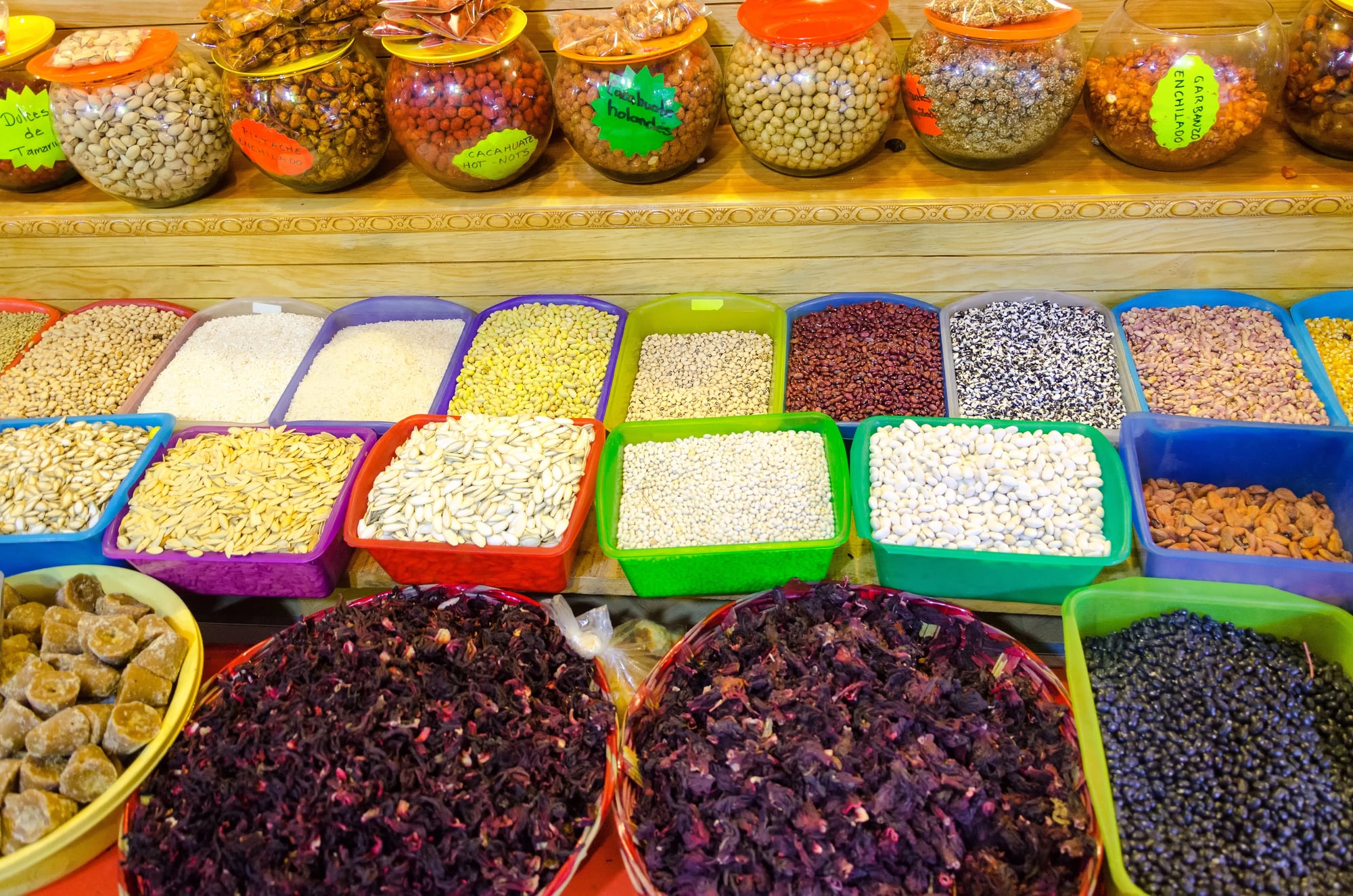
Different regions grew different grains, which created the need for extensive trade. Merchants traveled vast distances to exchange wheat for barley or rice, establishing connections between distant cultures.
These early trade routes — built around grain commerce — became the highways of cultural exchange and economic growth.
Money and Markets
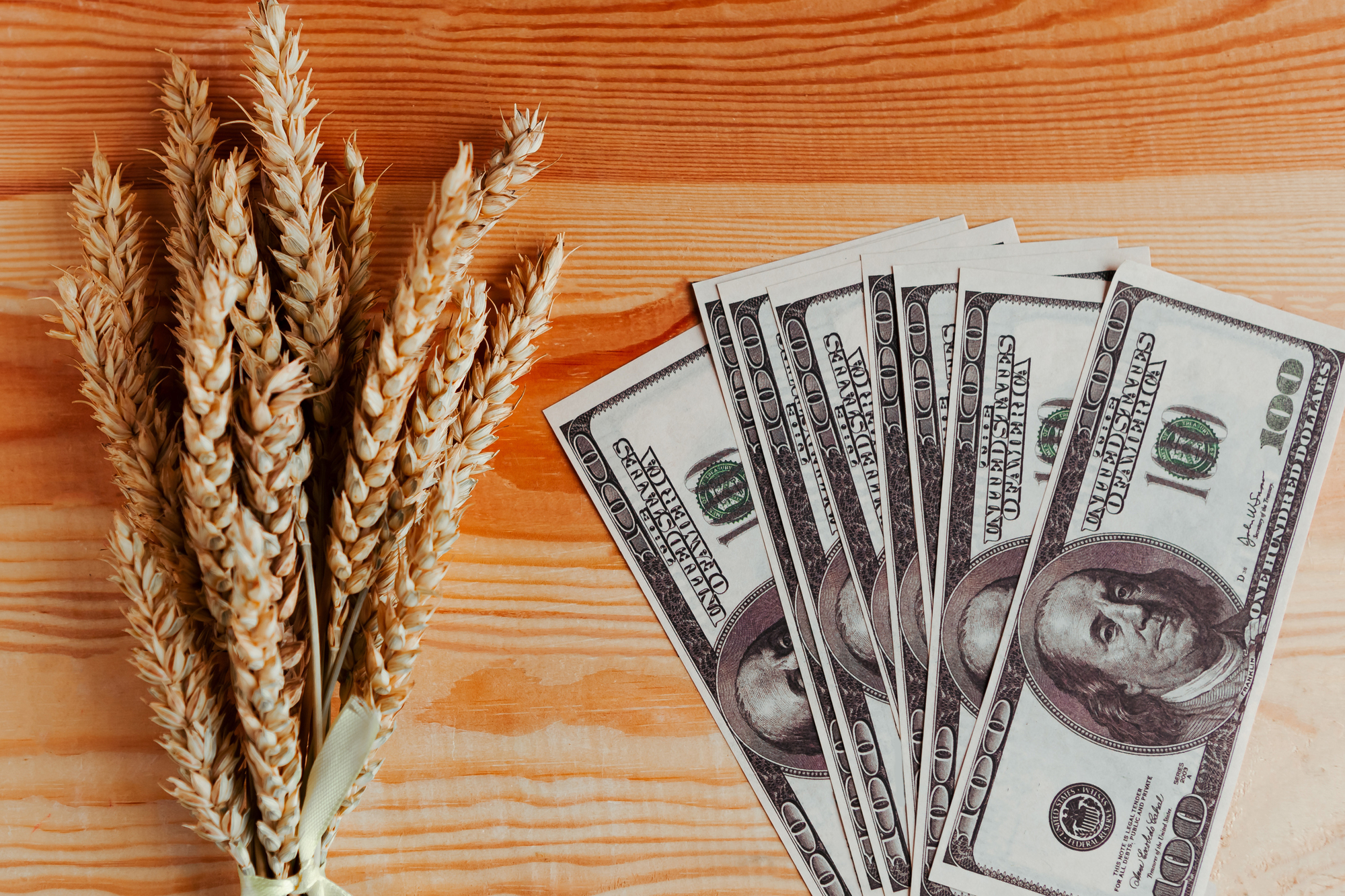
Grain served as one of the earliest forms of standardized currency. People could store it, measure it precisely, and trade it for other goods.
Ancient civilizations often paid workers and taxes in grain rations — establishing the foundation of our modern economic systems.
Religious Significance
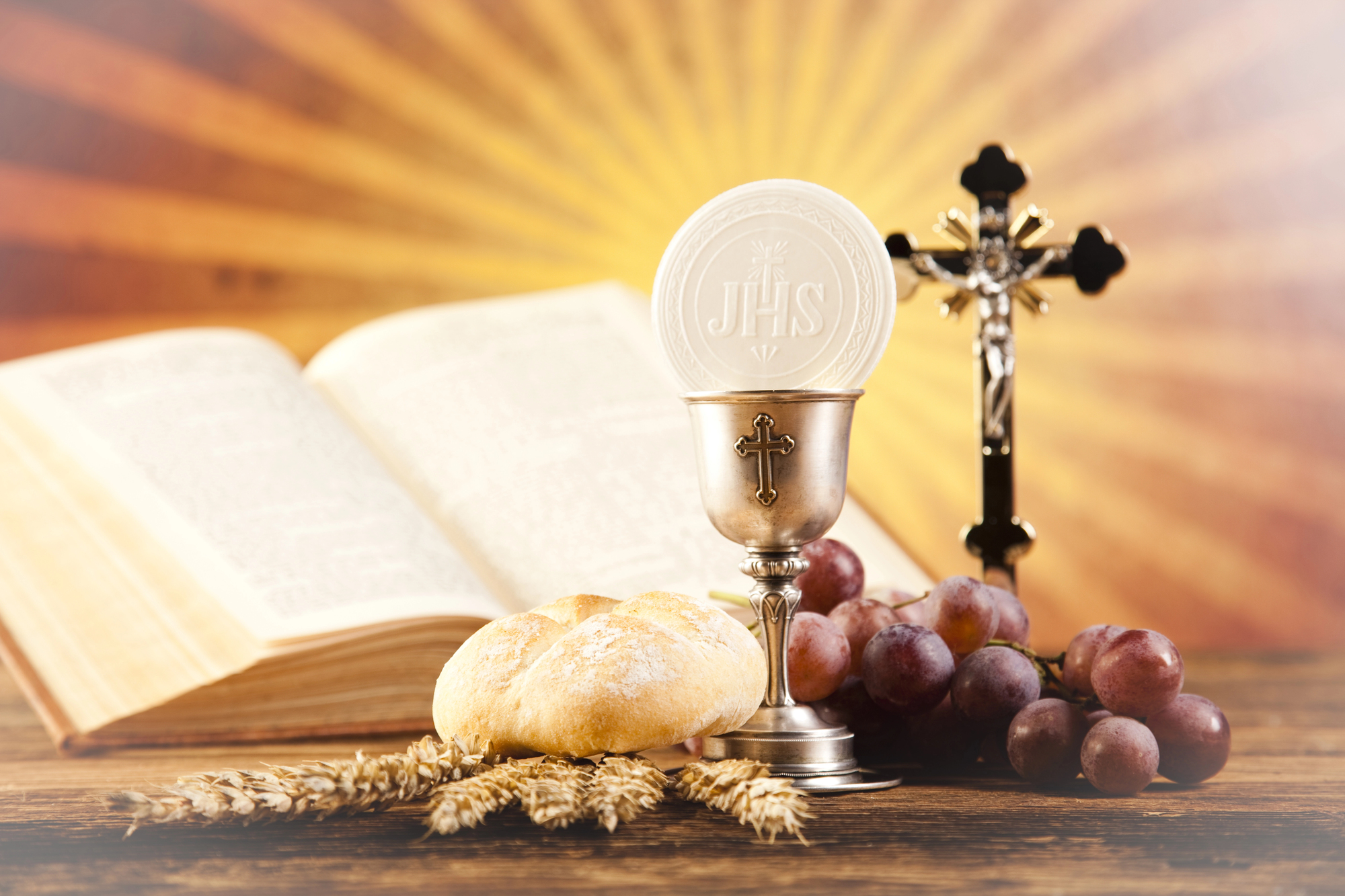
Bread became sacred in countless cultures worldwide. From communion wafers to Passover matzah, bread represents life, sustenance, and divine blessing across different faiths.
Many creation myths center around grain gods and goddesses — showing bread’s spiritual importance beyond mere nutrition.
Political Power
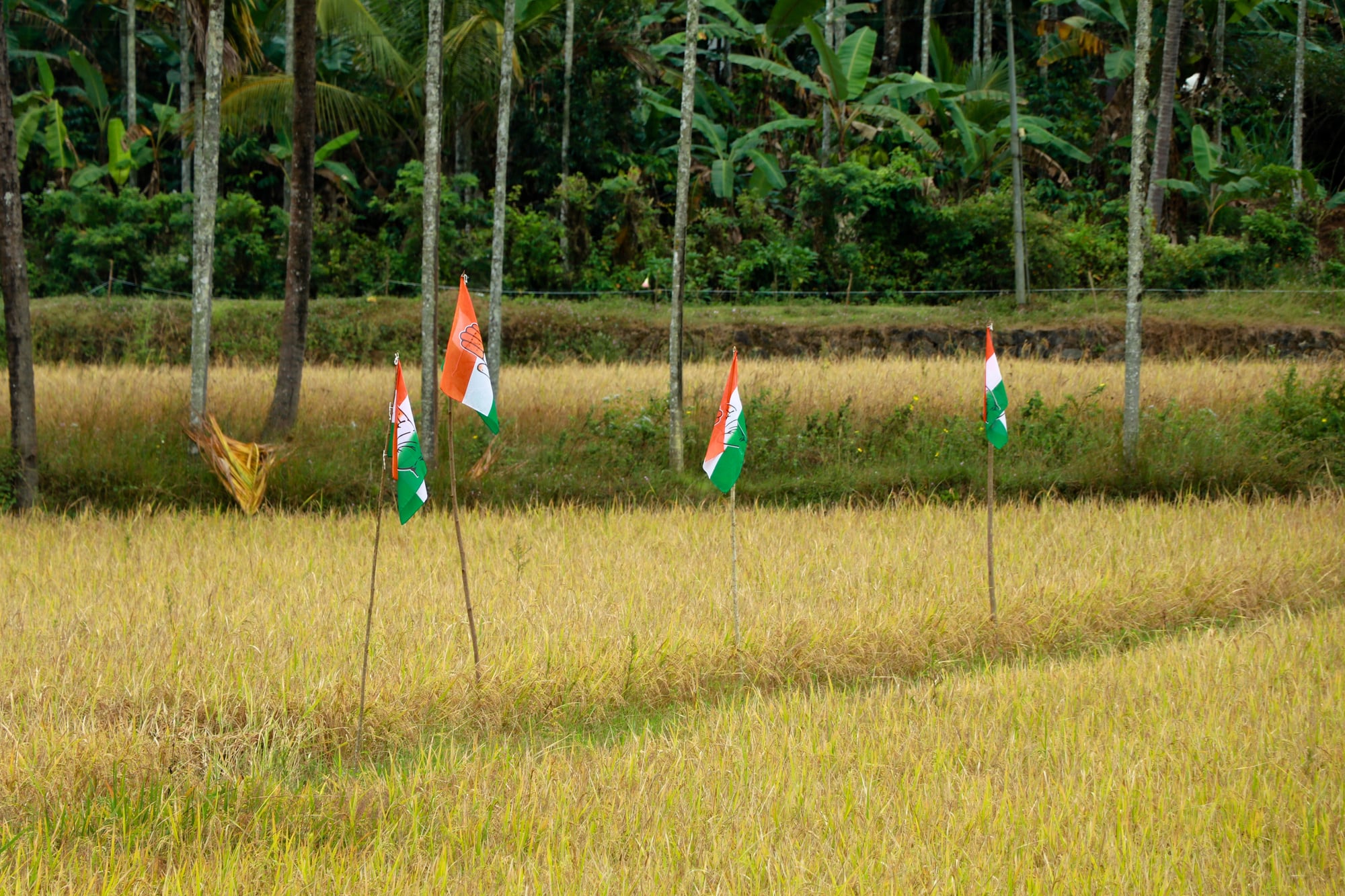
Controlling the grain supply meant controlling entire populations. Rulers who could guarantee bread for their people maintained power, while food shortages often triggered revolutions.
The phrase ‘bread and circuses’ perfectly captures how leaders used food distribution — alongside entertainment — to maintain social order.
Technological Advances
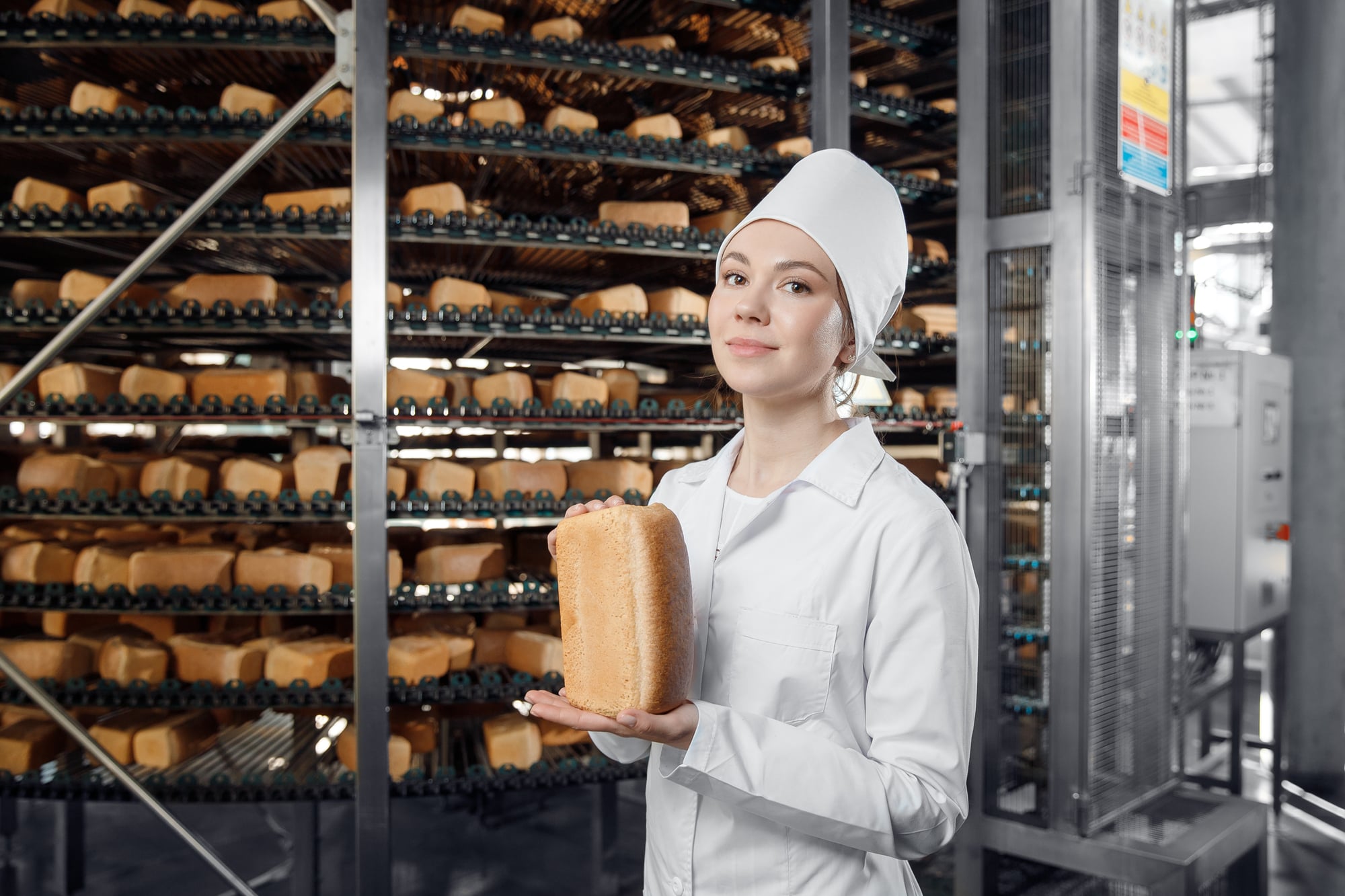
The need to process grain efficiently drove remarkable technological innovation. Watermills, windmills, and later steam-powered mills all emerged from the quest to make bread production easier and faster.
These technologies then spread to other industries — accelerating overall human progress.
Urbanization
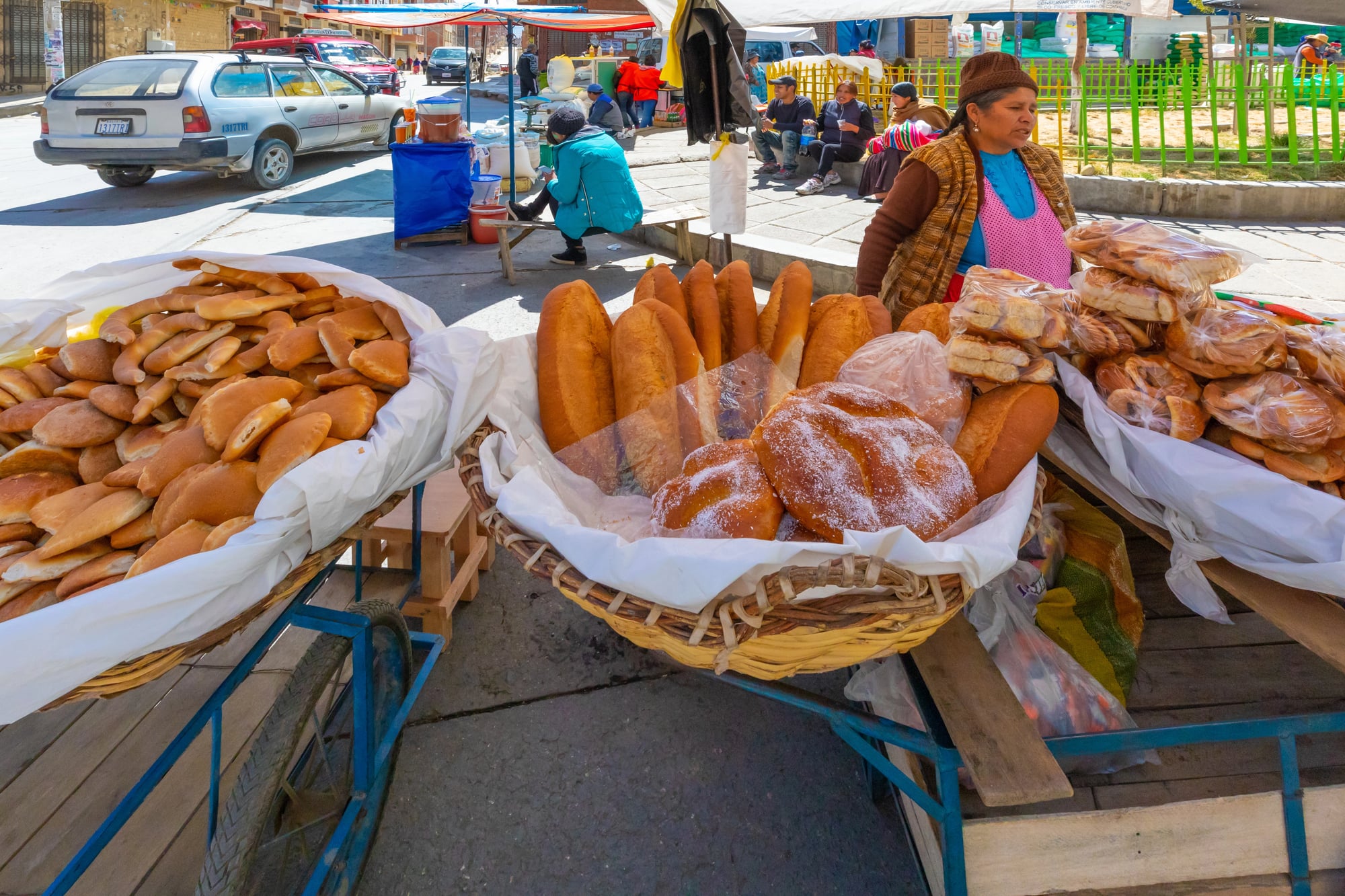
Cities could only exist once bread production became efficient enough to feed non-farming populations. Rome’s million residents depended entirely on grain shipments from Egypt and other provinces — a logistical marvel for its time.
Without bread, there would be no metropolises.
Cultural Identity
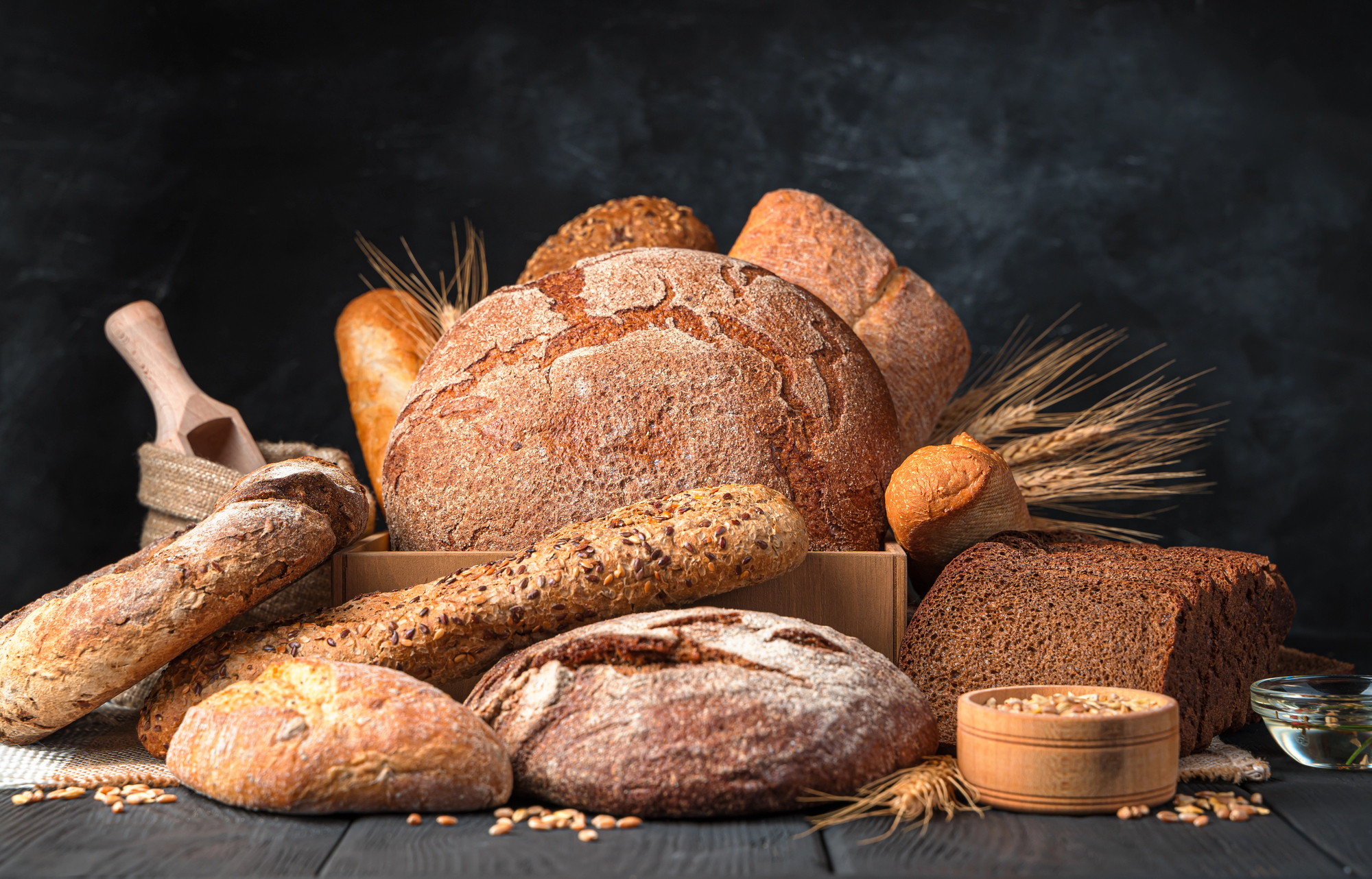
Different bread types became markers of cultural identity. French baguettes, German schwarzbrot, Indian naan—each reflects local ingredients, techniques, and traditions.
Wars have been fought over grain access, while bread recipes get passed down through generations like family heirlooms.
Industrial Revolution

Mass bread production was among the first industries to be completely mechanized. Steam-powered mills and factory bakeries introduced assembly-line thinking to food production.
This industrial approach to bread-making became a model for manufacturing everything from textiles to automobiles.
Modern Food Systems

Today’s global food network has its roots in ancient grain trade. Supermarkets stock bread from industrial bakeries that process wheat from farms thousands of miles away.
The logistics of modern bread distribution mirror the complexity of our entire contemporary economy.
Nutritional Foundation
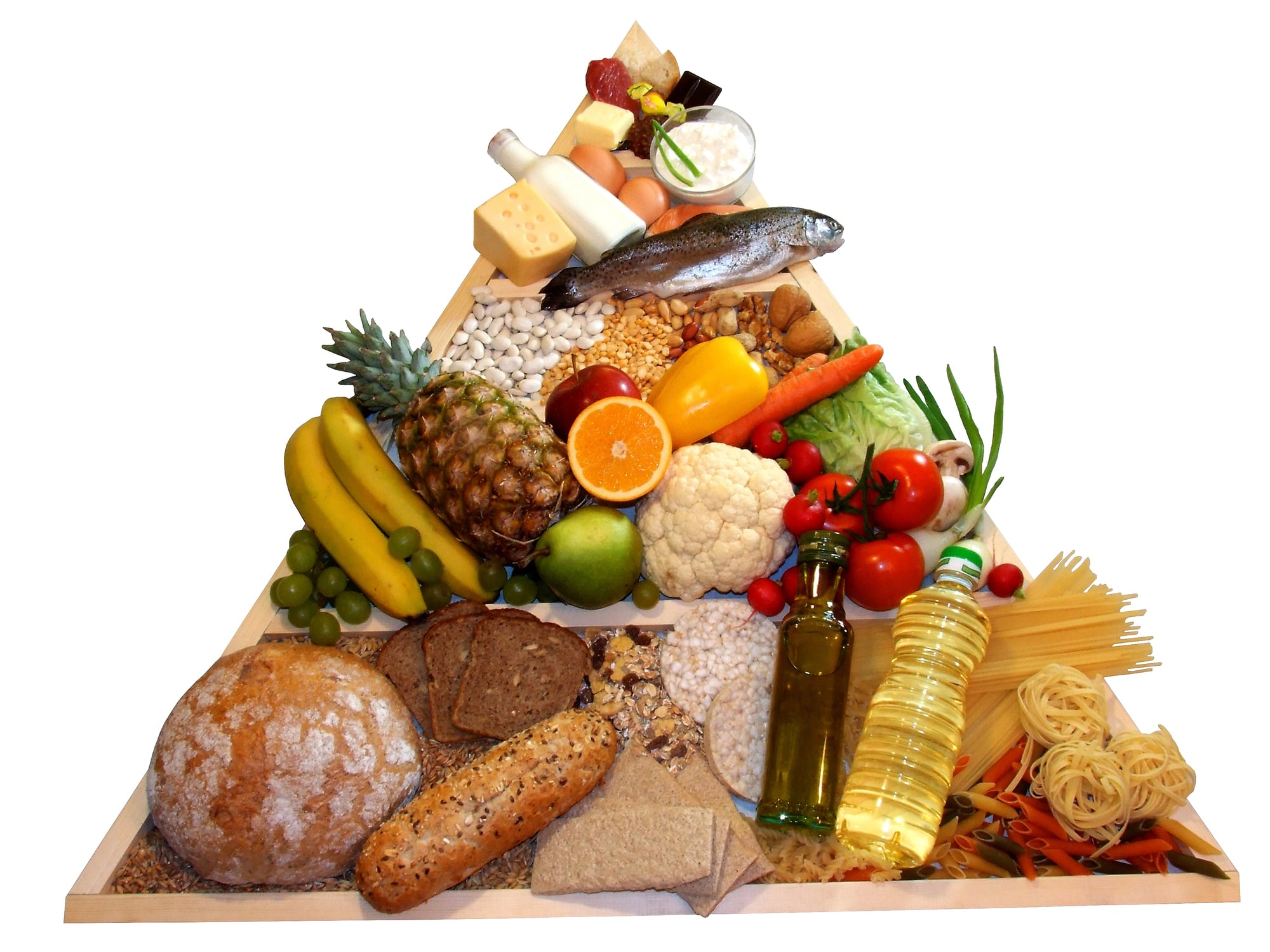
Bread remains a dietary staple for billions of people worldwide. Fortified breads help combat malnutrition in developing nations, whereas whole grain varieties address health concerns in wealthier countries.
Even with all our modern food options, bread continues to be humanity’s most fundamental sustenance.
From Grain to Greatness
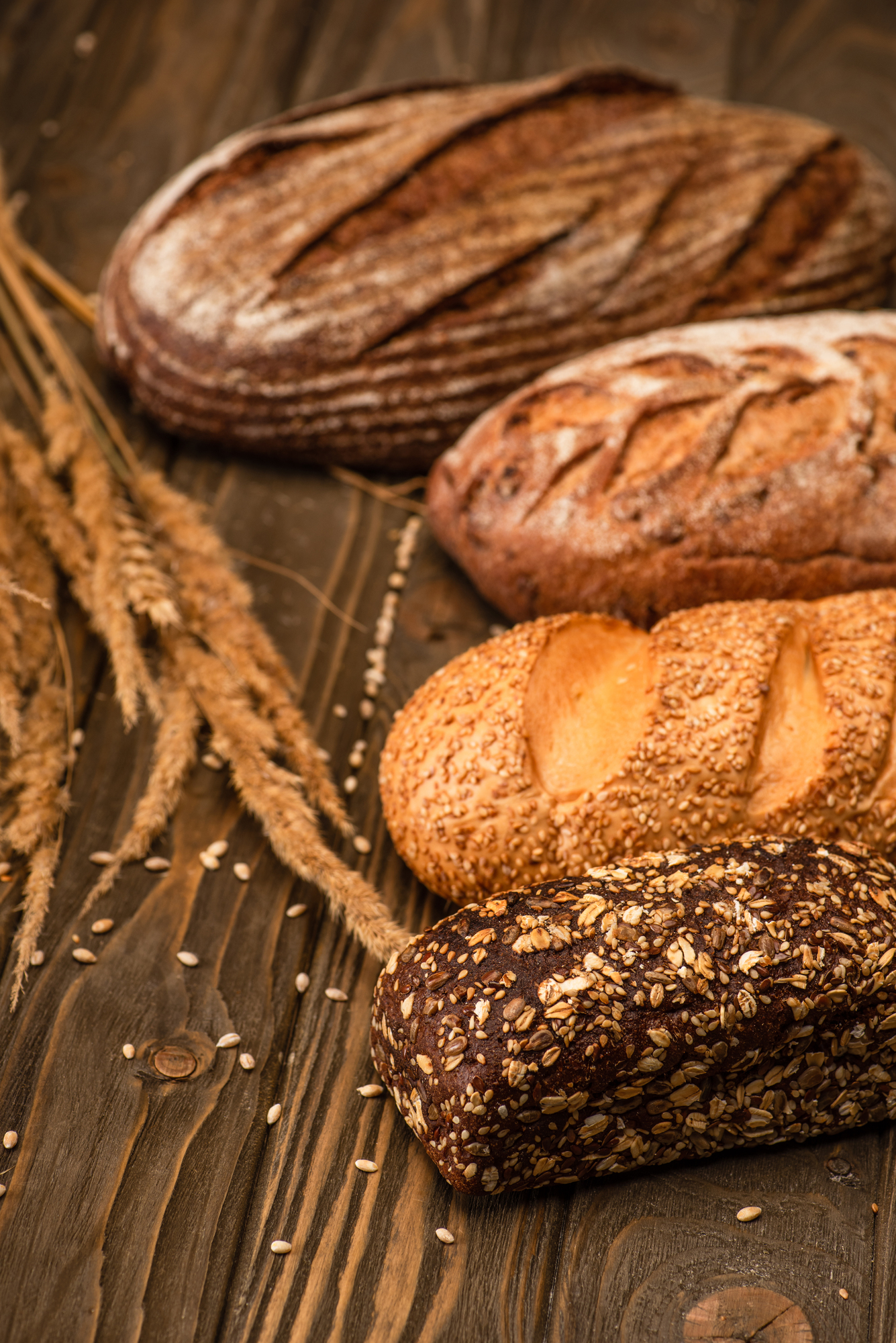
Bread transformed scattered tribes into complex civilizations, creating the foundation for everything from cities to currencies. What started as a simple way to make grain more digestible became the cornerstone of human society.
Today, as we face challenges like climate change and food security, understanding bread’s role in our history helps us appreciate both how far we’ve come and how much this humble food continues to matter. The next time you bite into a slice, remember you’re participating in one of humanity’s oldest and most transformative traditions.
More from Go2Tutors!

- The Romanov Crown Jewels and Their Tragic Fate
- 13 Historical Mysteries That Science Still Can’t Solve
- Famous Hoaxes That Fooled the World for Years
- 15 Child Stars with Tragic Adult Lives
- 16 Famous Jewelry Pieces in History
Like Go2Tutors’s content? Follow us on MSN.