15 Things We Miss About Travel in the 90s
There was a particular feeling that came with 90s travel. Before smartphones, before Google Maps, before you could book a flight in thirty seconds from your couch.
Planning a trip back then took effort — real effort — and somehow that made the whole experience feel like more of an adventure. If you travelled in that era, some of these will hit you harder than you expect.
1. Printed Tickets Were An Event

Getting your airline tickets in the mail was genuinely exciting. A stiff cardboard envelope with your name on it, a stack of perforated boarding passes tucked inside.
You held those things carefully. Losing them wasn’t a matter of resending an email — it was a problem.
That physical weight gave the trip a sense of ceremony that a PDF confirmation just doesn’t replicate.
2. Travel Agents Who Actually Knew Things

Travel agents in the 90s weren’t just booking platforms with a human face. Many of them had been to the places they were selling.
They’d spent a decade sending people to Greece or the Caribbean and they knew which hotel had thin walls and which resort actually delivered on its photos.
That kind of hard-won knowledge is harder to find now, buried under thousands of anonymous reviews that may or may not be real.
3. Reading A Map For Real

Unfolding a giant road map on the hood of a rental car, arguing about which direction was north, and eventually figuring it out — that was part of the trip.
You developed a genuine spatial understanding of where you were. You had to.
There was no voice telling you to turn left in 300 feet. Getting slightly lost wasn’t a failure.
It was just Tuesday.
4. Airport Goodbyes At The Gate

Before tightened security completely changed the airport experience, terminals were more open. Friends and family could walk you all the way to your gate.
Saying goodbye had a different quality when people could actually stand there and watch you board. It sounds small, but anyone who’s been dropped at the curb and told to “text when you land” knows what’s missing.
5. Guidebooks That Fit In Your Back Pocket

Lonely Planet. Rough Guides. Fodor’s.
You’d buy one before a trip and mark it up with highlighters and dog-ears. Some travellers passed the same copy around for years, with notes scrawled in the margins from previous owners.
The recommendations were curated, edited, and stood behind by someone with a name. Compared to scrolling through 1,400 TripAdvisor reviews at midnight trying to decide on a restaurant, the dog-eared guidebook was a kind of luxury.
6. Film Photography And The Wait

You had 24 or 36 exposures on a roll. That was it.
You chose your shots carefully, which meant you were actually paying attention to what was in front of you. And then came the wait — dropping the film off, picking up the prints a few days later, finally seeing what you’d captured.
Sometimes the photos were terrible. Sometimes one came out better than you remembered.
Either way, the wait made the whole thing feel like a small event.
7. Calling Home Was A Big Deal

From a payphone in Florence or a hotel landline in Bangkok, calling home cost real money and required some planning. You didn’t FaceTime your parents from every museum.
You made one good call, told the stories that mattered, and then you got back to being where you were. That distance — the slight remove from home — was actually part of what travel was supposed to feel like.
8. Traveller’s Cheques

They were a little cumbersome, sure. But there was something reassuring about traveller’s cheques.
If they were stolen, they could be replaced. You signed each one twice.
Banks and hotels around the world accepted them. For budget travellers especially, those small rectangular slips of paper represented a kind of financial safety net that felt solid and real.
9. Hotel Keys That Were Actual Keys

A big brass key with a heavy fob attached so you’d remember to leave it at the front desk. Some hotels had keys so distinctive you’d accidentally take them home, discover them in your jacket months later, and get a little rush of memory.
The keycards that replaced them are more convenient, but they’re also completely anonymous. You could be anywhere.
10. No Wi-Fi Meant No Work

When you were travelling in the 90s, you were genuinely unreachable. Your office couldn’t email you.
Your boss couldn’t send a quick message asking for a document. The physical distance was also a professional distance, and nobody questioned it.
That kind of total disconnection is now something people pay extra for at wellness retreats. In the 90s, it was just called being on holiday.
11. Souvenir Shops That Hadn’t Been Standardised

Every city had its own particular junk. Magnets, yes, but also strange regional snacks, local crafts from actual local craftspeople, and oddities that reflected where you actually were.
As global retail chains expanded through the late 90s and into the following decade, the souvenir shops started to look the same everywhere. But for a while, even the tchotchkes felt specific to a place.
12. The Hostel Notice Board

Before travel forums, before Facebook groups, before apps that matched you with other travellers, there was the hostel notice board. Handwritten cards offering rides, looking for hiking partners, selling second-hand camping gear.
You’d scan it when you arrived somewhere new and sometimes find exactly what you needed. The whole system relied on people being in the same physical place at the same time, which made the connections feel less curated and more real.
13. Airline Food That Wasn’t Apologetic About Itself
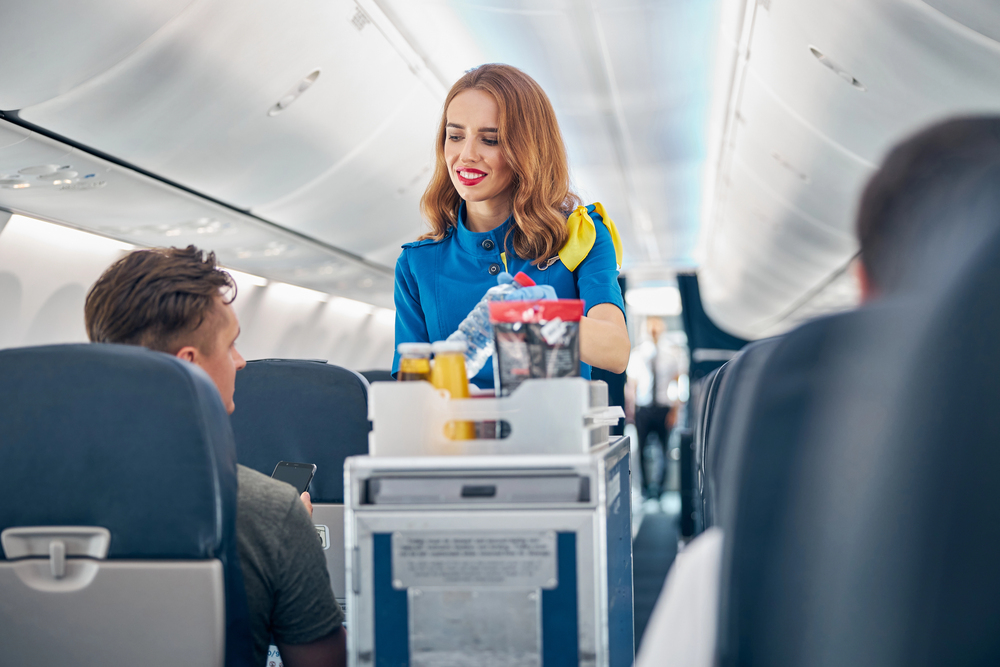
Back in the 90s, everyone joked about airplane meals, yet those meals still arrived on proper trays. A warm entrée showed up alongside a modest green salad.
There’d be a soft roll too, sometimes even a tiny sweet at the end. This wasn’t special treatment – economy class got it just the same.
Feeding passengers felt normal, almost expected. Then came smaller portions, fewer choices, less care.
Snacks appeared behind payment screens instead of full plates. Little by little, without loud announcements, the old way faded.
Now remembering those fuller times takes effort.
14. Getting A Phone Card Abroad

Back then, calling home from abroad meant wrestling with a little mystery every time. A vending machine sold cards with minutes stacked up like coins.
Street corners held metal phones bolted to concrete posts. Words on the screen twisted into shapes unfamiliar, half-guessed through context.
Connection often failed, yet when voices linked across oceans, relief spilled over. Each step – inserting codes, waiting for tones – tied hands to location.
Signals bounced not through invisible networks but through effort, friction, presence. Being there meant feeling the grind of systems built by others.
15. What A Place Was Like Before You Arrived

This truth hits harder than most realize. Back when maps stayed on paper and no app showed snapshots of distant corners, seeing a foreign spot meant being there yourself.
A couple pictures in some travel book might have given clues, perhaps an old postcard tucked away in a drawer. Arrival brought surprise – sometimes familiar, often shockingly different.
What sticks around isn’t always what you thought it would be. Still, that jolt when things turn out different?
You can find it – though these days, keeping it alive takes more effort than before.
The Part That Never Came Back

Travel in the 90s wasn’t clearly superior. Tickets cost more, details took effort to uncover, yet problems had no quick fixes.
Still, it felt different. Like every move demanded presence.
The awkward parts turned out to be the real traits. Reading that map carefully, waiting ages for one picture to develop, arranging a phone call hours ahead – each moment made you stay right there, fully, in a manner nearly impossible today.
If you moved through life that way back then, the longing isn’t truly for earlier years. It’s for how it felt to exist entirely within a place.
More from Go2Tutors!

- The Romanov Crown Jewels and Their Tragic Fate
- 13 Historical Mysteries That Science Still Can’t Solve
- Famous Hoaxes That Fooled the World for Years
- 15 Child Stars with Tragic Adult Lives
- 16 Famous Jewelry Pieces in History
Like Go2Tutors’s content? Follow us on MSN.



