18 Board Games That Ruined Family Game Night
Family game night should be a time of laughter, bonding, and friendly competition. Unfortunately, some board games have a knack for turning these wholesome gatherings into heated arguments, strategic backstabbing, and occasionally, someone storming off to their room.
These games might be brilliantly designed, but they’re also relationship testers in cardboard form. From classics that have been causing family feuds for decades to modern games that weaponize friendship, certain titles consistently transform peaceful households into battlegrounds.
Here is a list of 18 board games that have earned their reputation as family night destroyers.
Monopoly
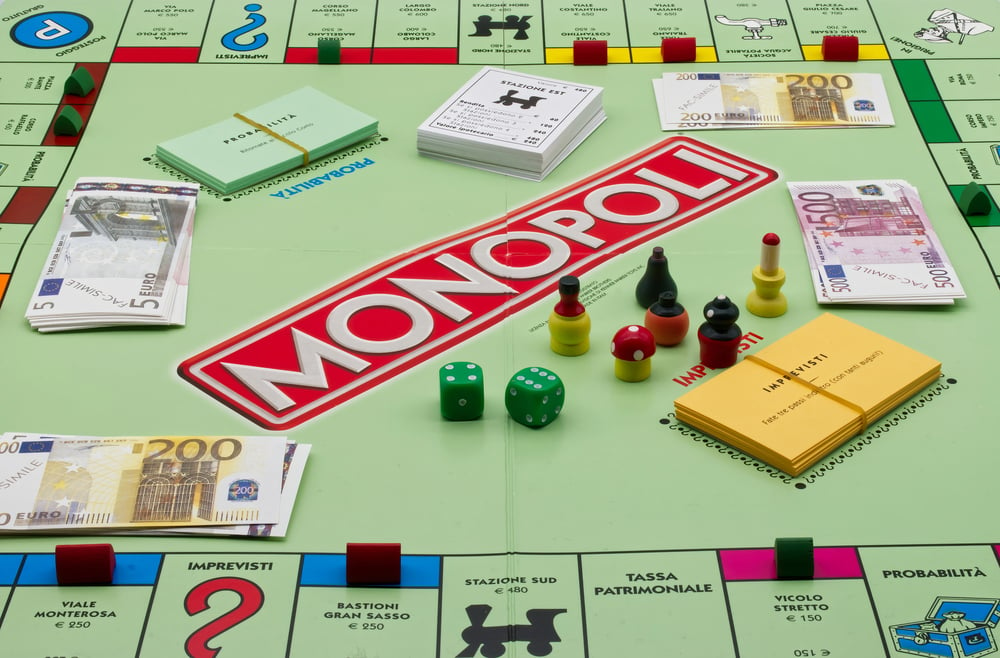
The granddaddy of family-destroying games, Monopoly has been ruining relationships since 1935. This real estate trading game starts innocently enough, but quickly devolves into a capitalist nightmare where siblings refuse to pay rent and parents mortgage everything they own.
The game’s length alone can test anyone’s patience, often lasting several hours with no clear end in sight.
Risk
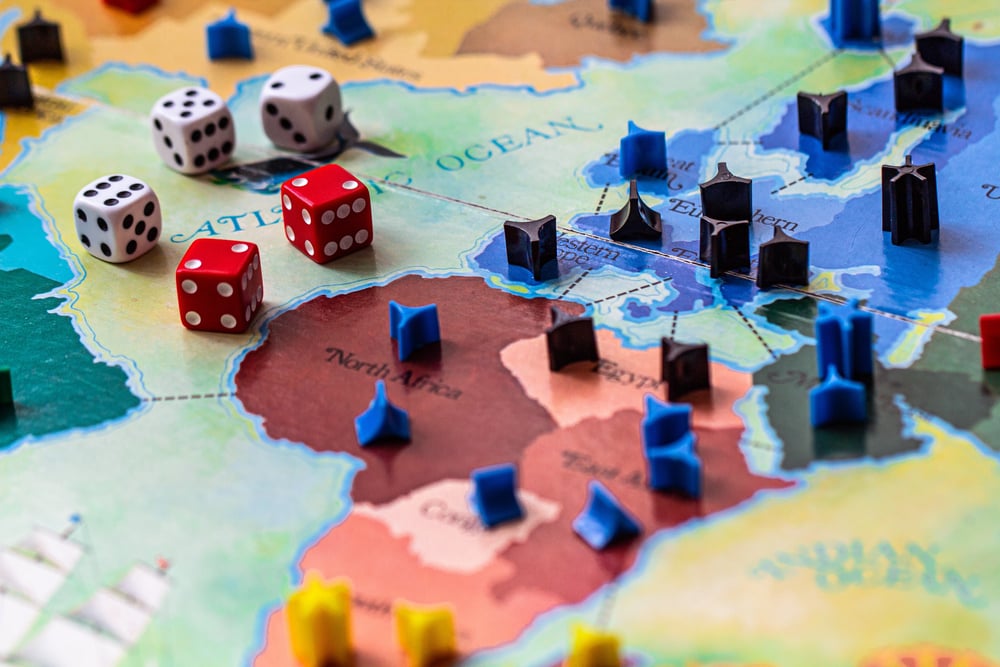
Risk takes the concept of world domination and makes it personal. Players spend hours building armies, forming alliances, and plotting elaborate strategies, only to watch their empire crumble because Uncle Bob decided to invade Australia ‘just for fun.’
The game’s combination of strategy and dice-rolling luck means even the best-laid plans can be destroyed by a series of bad rolls.
Like Go2Tutors’s content? Follow us on MSN.
Uno
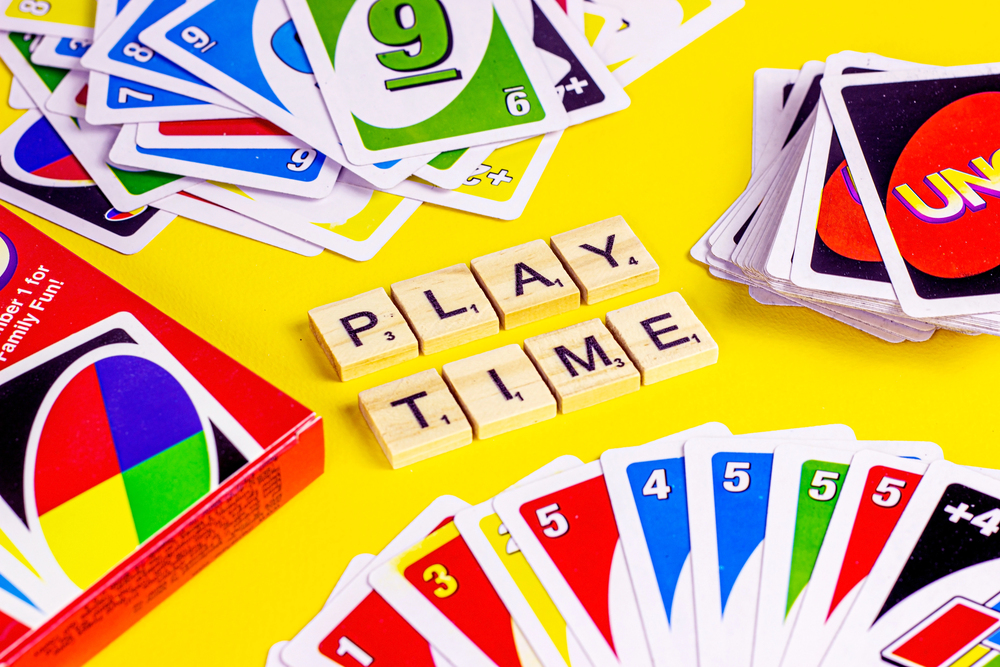
Don’t let the colorful cards fool you—Uno is a friendship destroyer disguised as a simple card game. The moment someone drops a Draw Four card on you, claiming they ‘had no choice,’ trust begins to erode.
Add in the house rules that every family seems to have different interpretations of, and you’ve got a recipe for heated debates about whether you can stack Draw Two cards.
Settlers of Catan
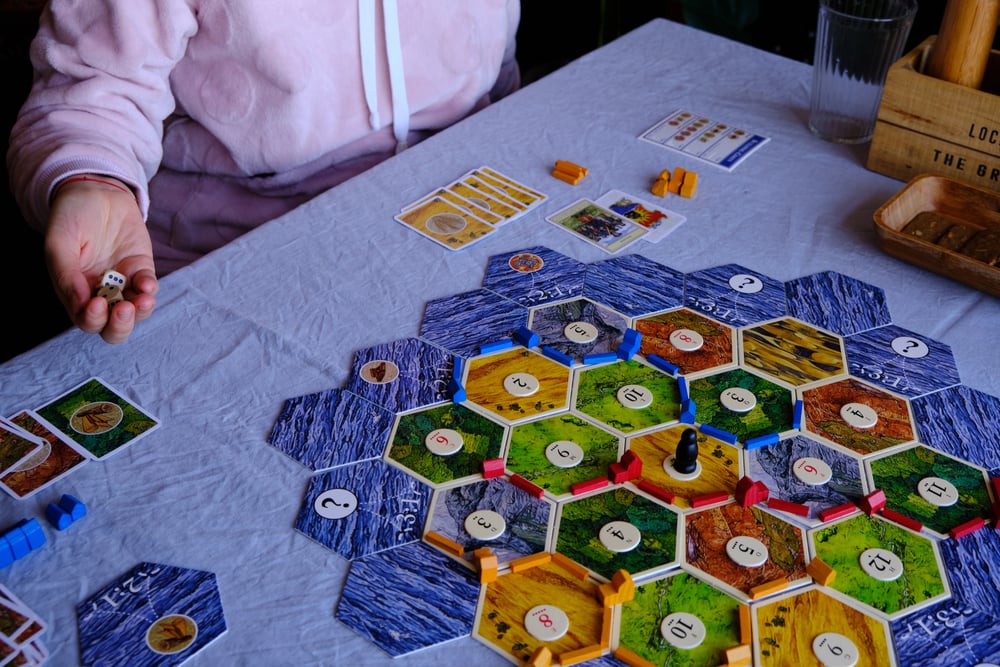
Catan introduces players to the joy of resource trading and the agony of having the robber placed on your best production tile. This game turns family members into ruthless negotiators who remember every trade refusal for years to come.
The combination of strategy, luck, and direct player interaction means someone always feels personally targeted.
Pictionary
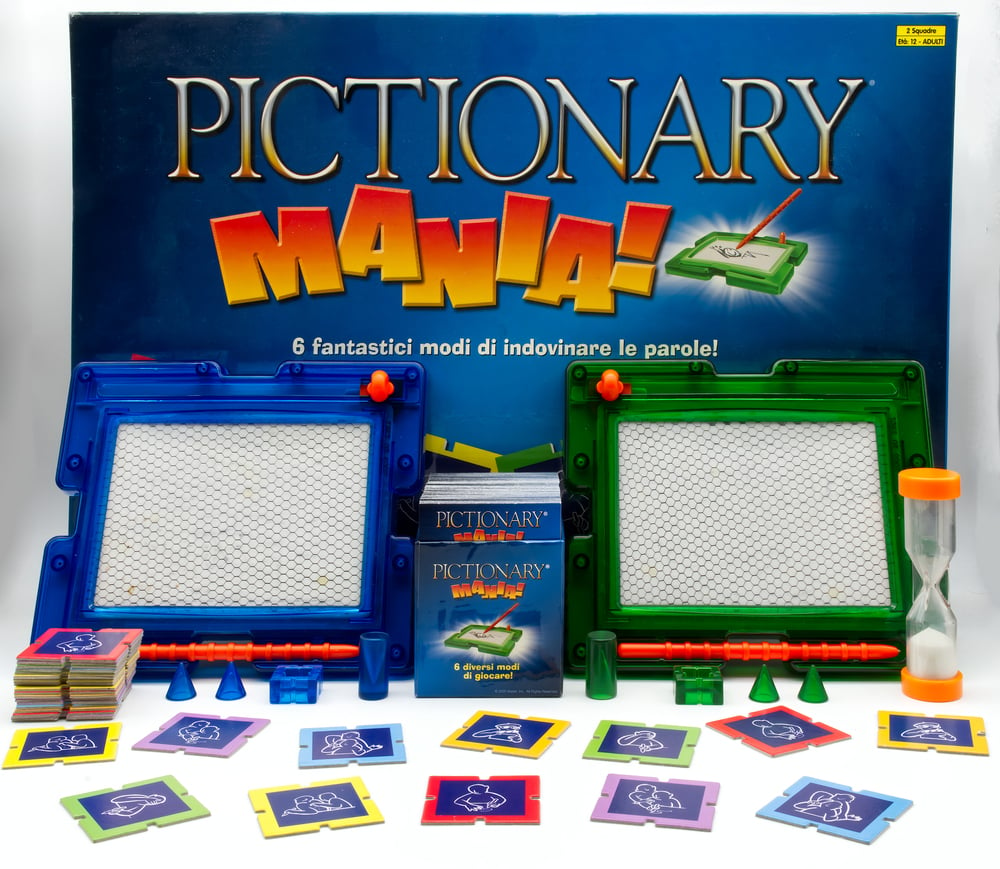
Drawing games should be harmless fun, but Pictionary has a way of exposing artistic inadequacies and communication gaps within families. Nothing quite compares to the frustration of watching your teammate draw what looks like a deformed stick figure while frantically shouting ‘elephant!’ when the answer was clearly ‘bicycle.’
Like Go2Tutors’s content? Follow us on MSN.
Scrabble
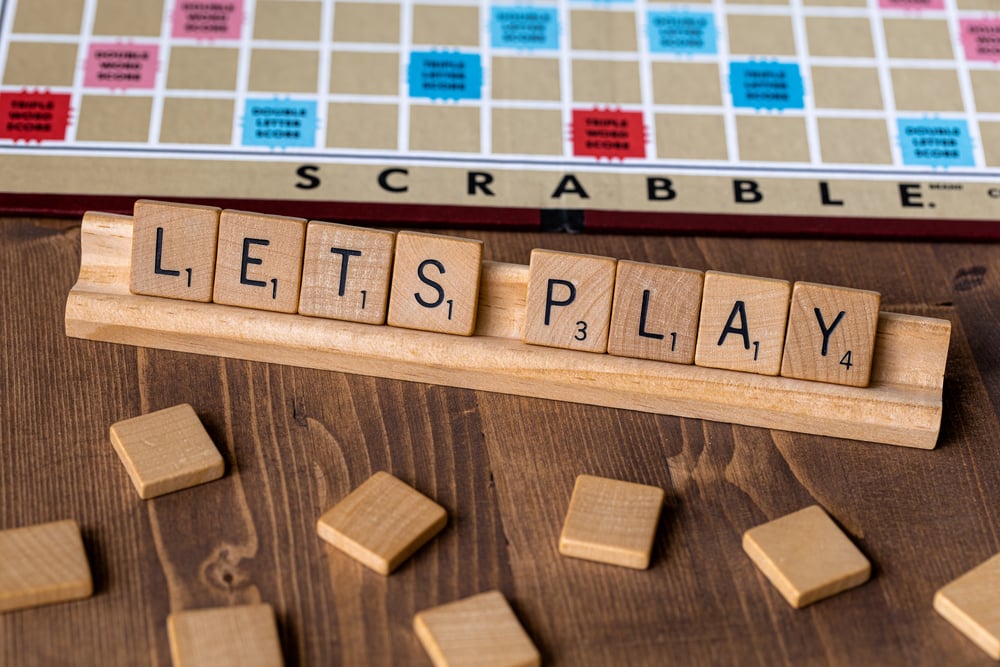
This word game brings out everyone’s inner spelling bee champion and grammar police officer. Arguments over whether ‘qi’ is a real word or if proper nouns are allowed can escalate quickly.
The point system creates additional tension, especially when someone discovers that ‘quixotic’ on a triple word score just won them the game.
Trivial Pursuit
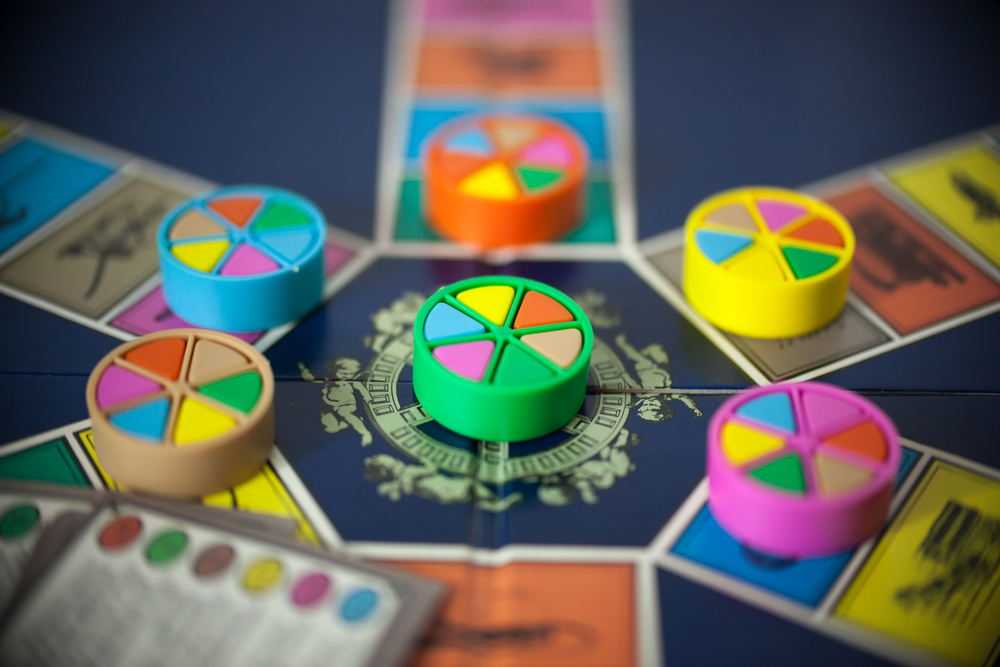
Knowledge-based games can be humbling experiences, and Trivial Pursuit specializes in making people feel intellectually inadequate. The game’s ability to stump a rocket scientist with a question about 1980s pop culture while a teenager aces questions about ancient history creates an unpredictable playing field that can bruise egos.
Axis and Allies

This World War II strategy game can consume entire weekends and test the patience of even the most dedicated gamers. The complex rules, lengthy setup time, and potential for analysis paralysis mean that what starts as an afternoon activity can stretch well into the night, leaving exhausted players questioning their life choices.
Like Go2Tutors’s content? Follow us on MSN.
Diplomacy
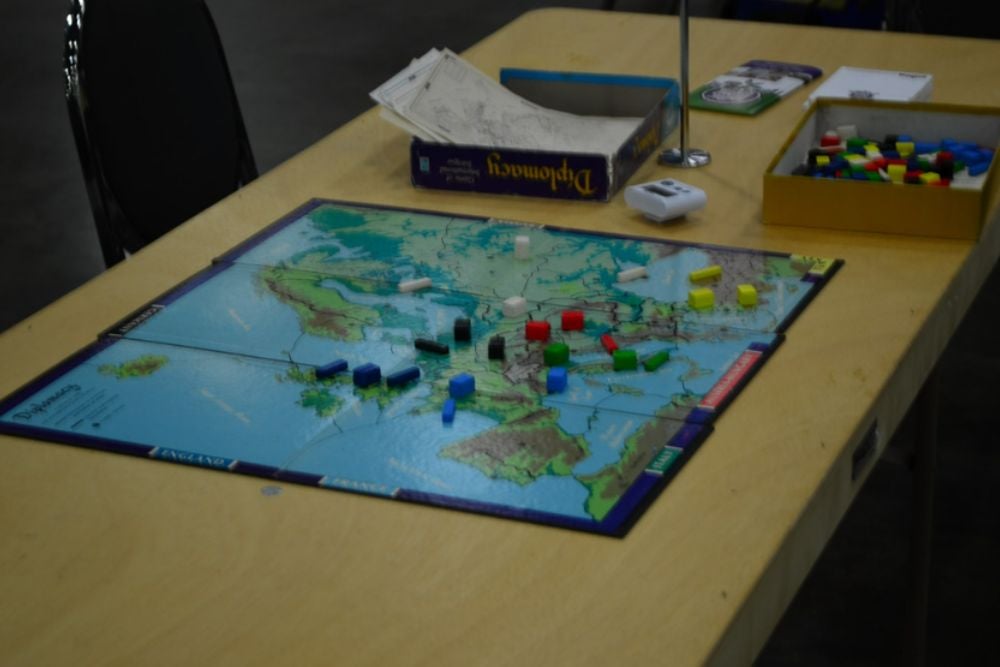
Diplomacy lives up to its reputation as the friendship-ending game par excellence. Players must negotiate, form alliances, and inevitably betray each other to achieve victory.
The game requires simultaneous movement resolution, meaning you might discover your trusted ally has stabbed you in the back only after it’s too late to respond.
Game of Life
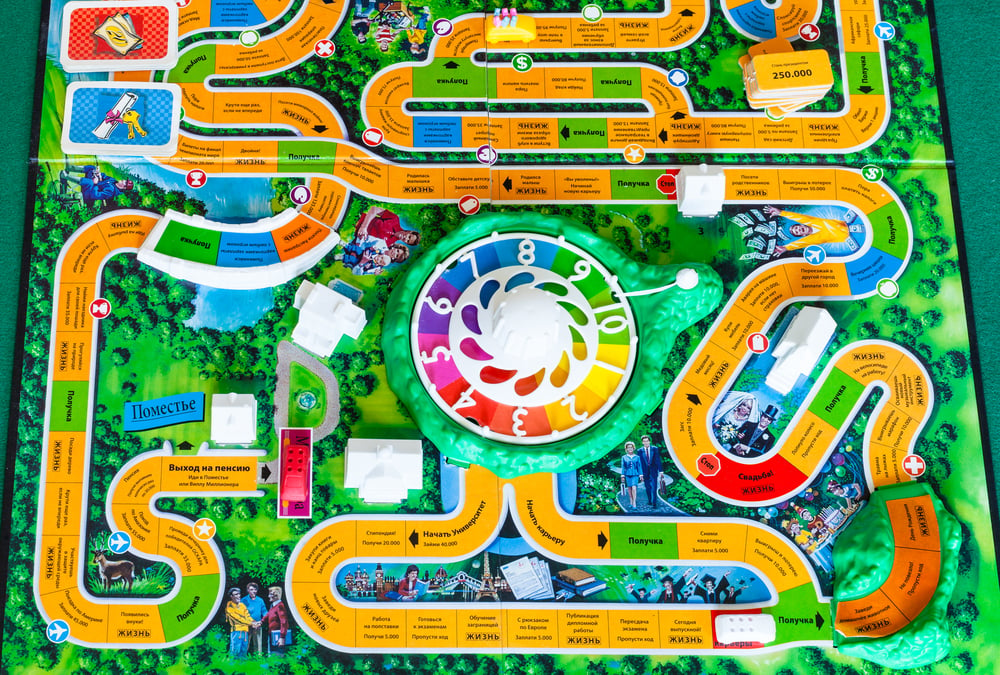
The Game of Life’s spinner-based gameplay removes most strategic elements, leaving players at the mercy of random chance. Watching your carefully planned career path derail because of a series of bad spins while your sibling coasts to victory through pure luck can be maddening.
The game’s emphasis on material success and life milestones can also hit a little too close to home.
Twister
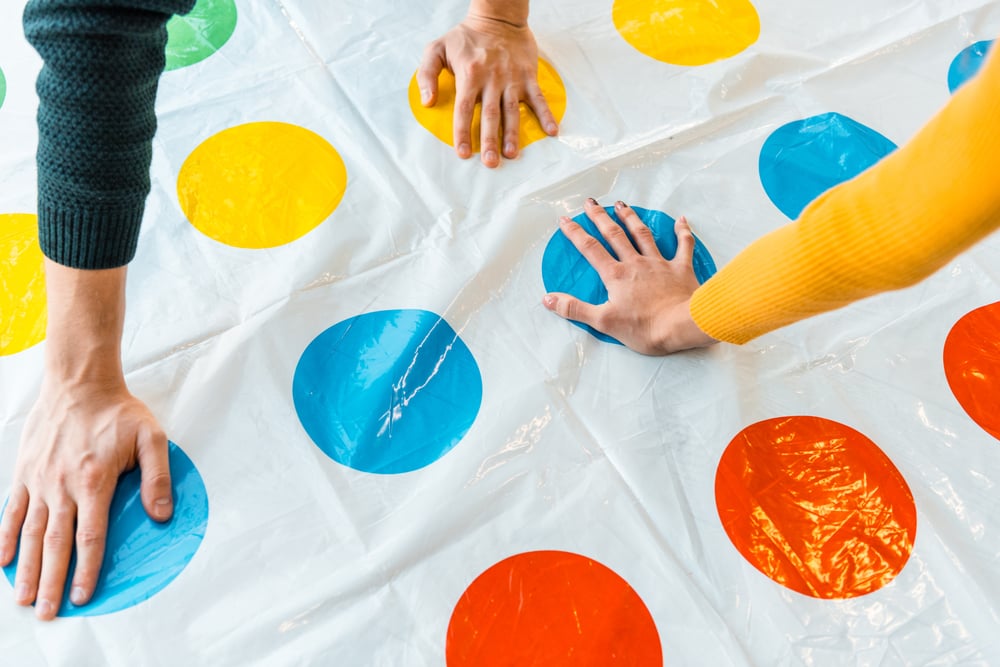
While technically a physical game rather than a board game, Twister earns its place on this list for its unique ability to create uncomfortable situations. The game’s premise of contorting bodies into increasingly awkward positions has led to countless arguments about whether someone’s hand actually touched the correct color or if they’re cheating by using their elbow for support.
Like Go2Tutors’s content? Follow us on MSN.
Munchkin
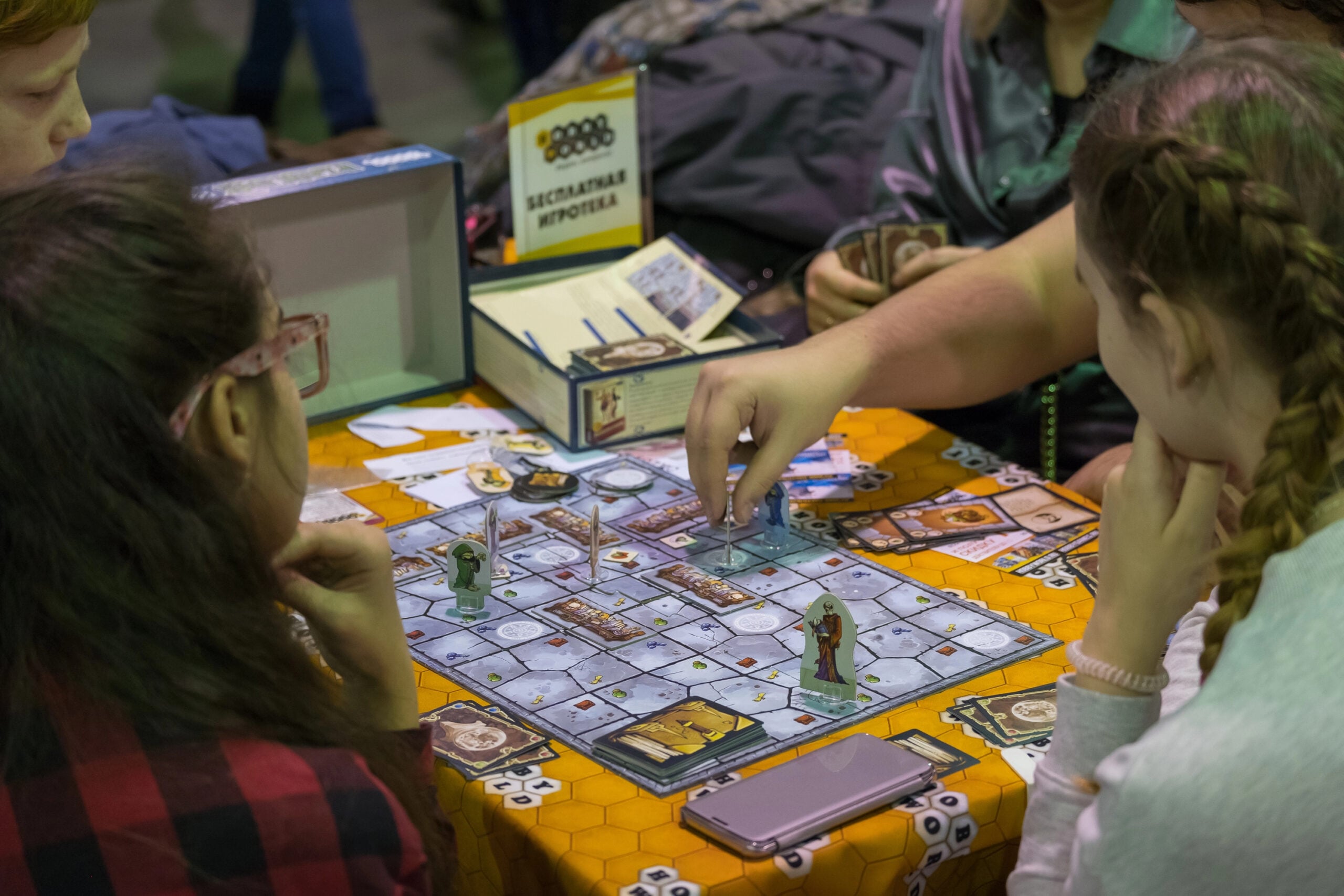
This card game parodies fantasy role-playing games while encouraging players to sabotage each other at every opportunity. Munchkin’s ‘take that’ mechanics mean that just when victory seems within reach, other players will inevitably gang up to knock you back down.
The game’s humorous theme can’t disguise the fact that it’s designed to make players actively harm each other’s progress.
Betrayal at House on the Hill
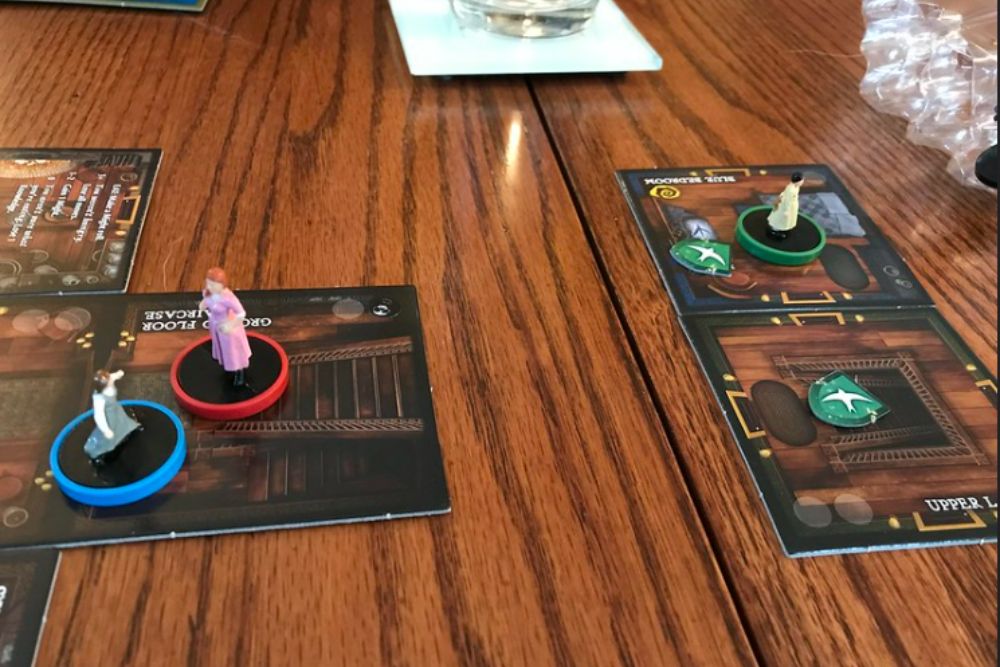
This horror-themed game starts as a cooperative exploration experience before revealing that one player is actually working against the others. The betrayal element, triggered randomly during gameplay, means that family members who were working together suddenly find themselves on opposite sides.
The asymmetric scenarios that follow often favor one side heavily, leading to unbalanced and frustrating gameplay.
Fluxx
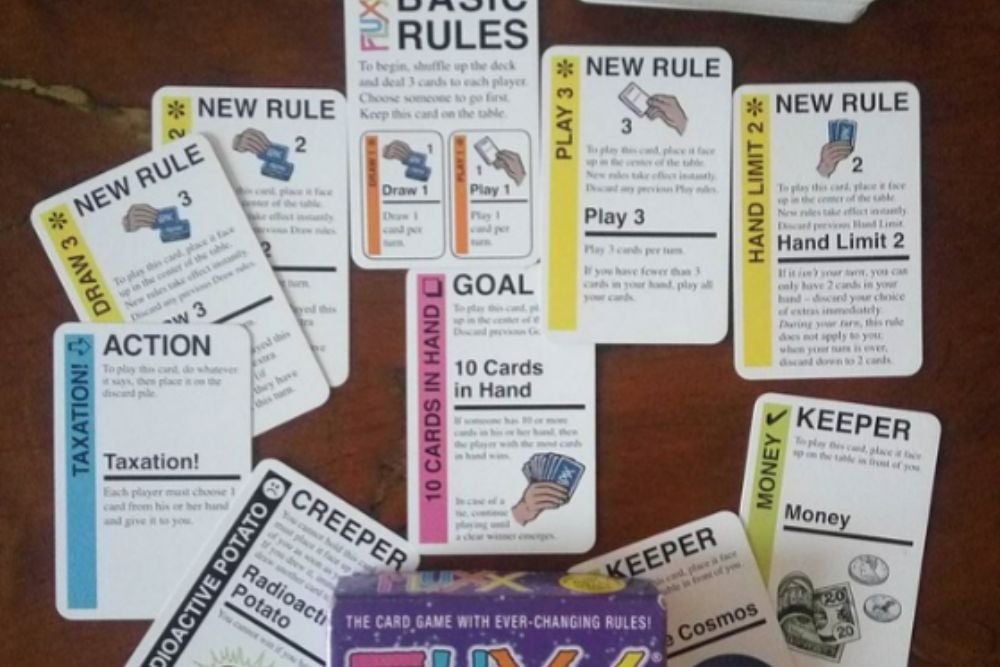
Fluxx’s constantly changing rules create a chaotic experience that can frustrate players who prefer strategic gameplay. Just when you think you understand how to win, someone plays a card that completely changes the victory conditions.
The game’s unpredictable nature means that careful planning becomes meaningless, which can be particularly aggravating for competitive family members.
Like Go2Tutors’s content? Follow us on MSN.
Nightmare
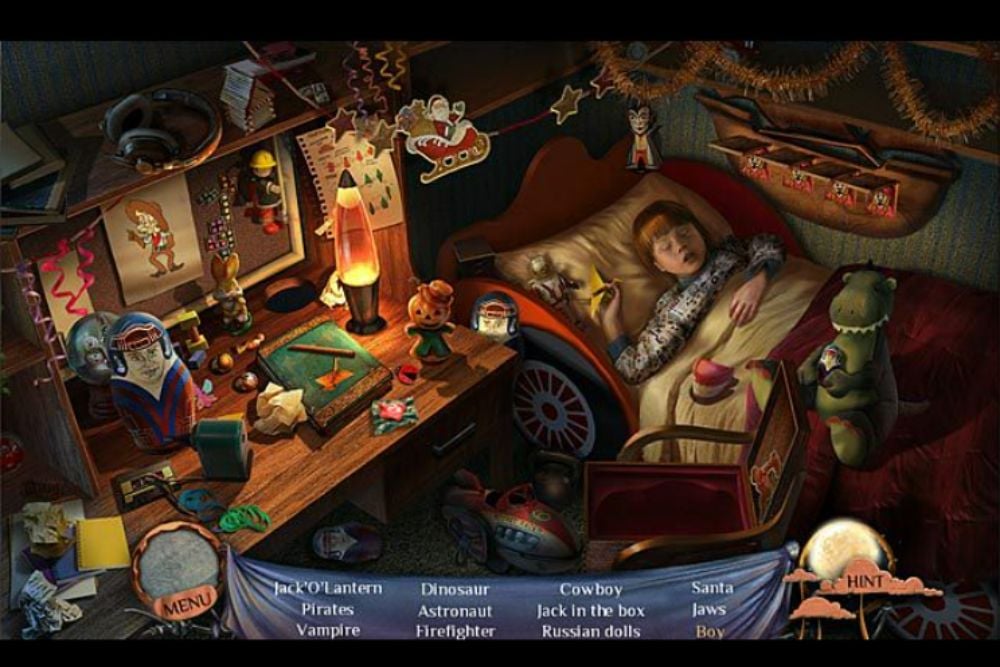
This atmospheric board game uses an audio tape (now DVD) to create time pressure and a spooky atmosphere. The Gatekeeper’s voice commands players to perform specific actions, often targeting individuals directly.
The real-time elements and direct player targeting can create intense pressure that some players find overwhelming, especially when they’re already struggling with the game’s horror theme.
HeroQuest
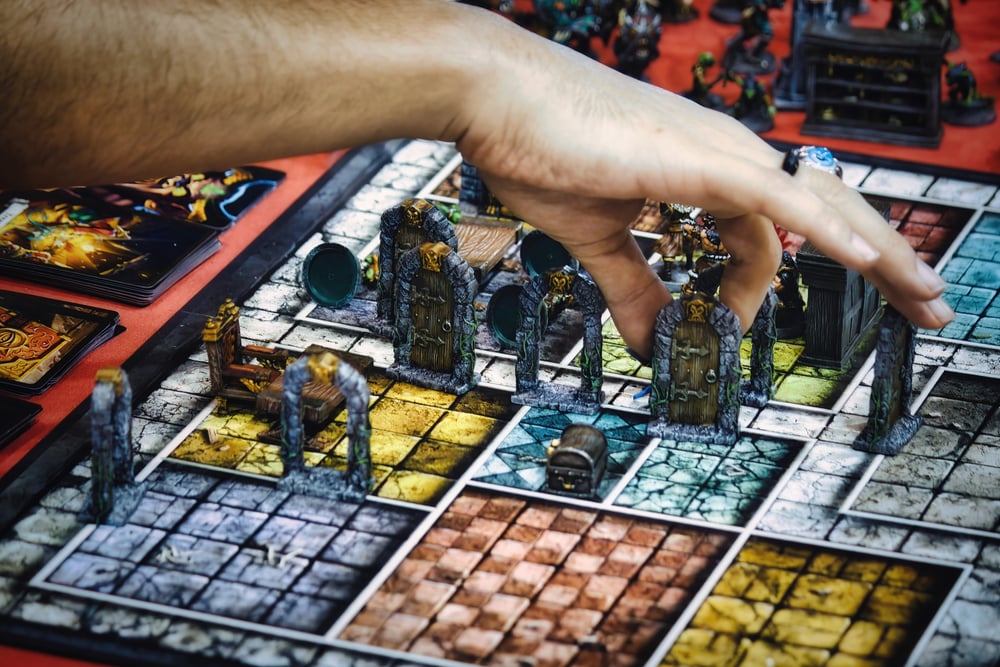
While beloved by many, HeroQuest’s one-versus-many gameplay can create unbalanced experiences where the player controlling the monsters feels like they’re ruining everyone else’s fun. The game master role requires someone to actively oppose the other players, which can feel awkward in family settings where cooperation is usually encouraged.
King of Tokyo
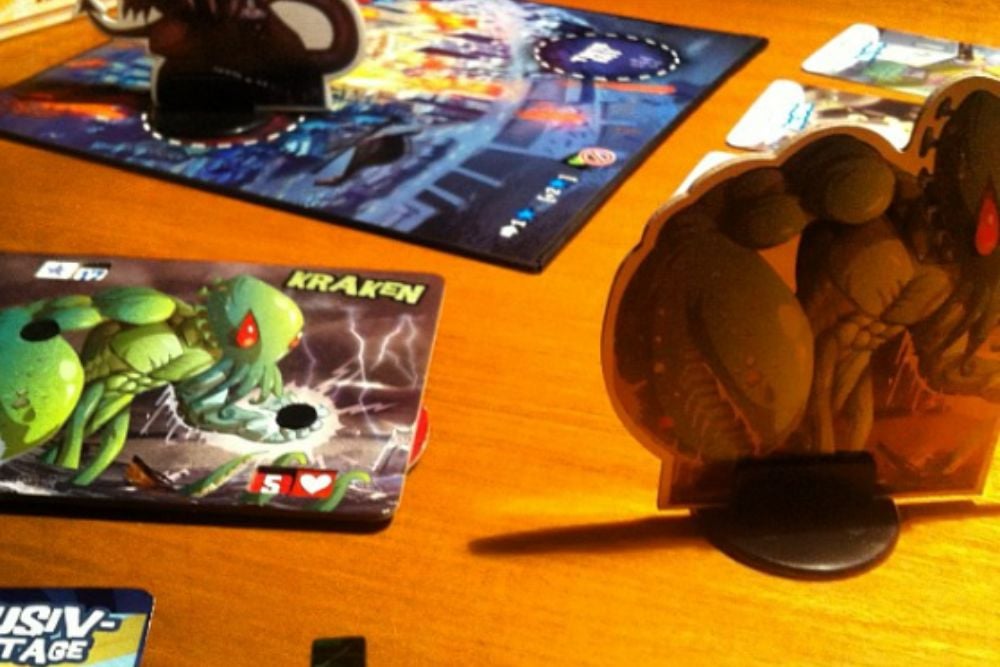
This dice-rolling monster game encourages direct attacks between players, turning cute kaiju characters into engines of family destruction. The game’s combat system means that players spend most of their time attacking each other rather than building up their own monsters.
Victory often comes through eliminating other players, which can feel particularly harsh in family settings.
Like Go2Tutors’s content? Follow us on MSN.
Cards Against Humanity
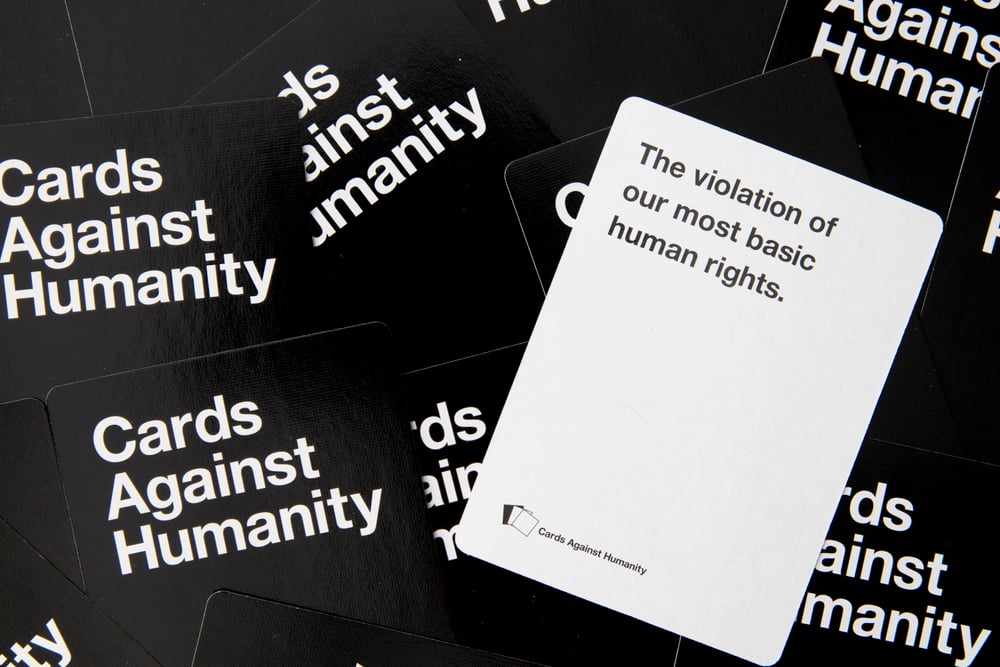
While not technically a board game, Cards Against Humanity deserves mention for its unparalleled ability to create uncomfortable family moments. The game’s adult humor and offensive content can quickly turn a family gathering into an awkward situation where parents question their children’s sense of humor and siblings learn things about each other they’d rather not know.
When Games Become Warfare
These games prove that competition can bring out both the best and worst in people. While they might cause temporary family discord, many of these titles remain popular precisely because they create memorable moments and genuine emotional investment.
The key is knowing your family’s tolerance for conflict and choosing games that match your group’s competitive spirit—or perhaps keeping a deck of regular playing cards handy as a backup plan.
More from Go2Tutors!

- 16 Restaurant Chains That Went Too Fast
- 12 Things Sold in the 80s That Are Now Illegal
- 15 Strange Things People Have Tried to Ban (And Failed)
- 16 Collectibles People Tossed Out Too Soon
- 17 Myths from Your Childhood That Were Actually Based on Real Things
Like Go2Tutors’s content? Follow us on MSN.


