Heroic Animals Who Served In War
Throughout history, humans have never fought alone. Alongside soldiers in trenches, on battlefields, and across oceans, animals have served with remarkable courage and loyalty.
These creatures didn’t choose war, but when called upon, they answered with a devotion that often saved countless lives. From the muddy trenches of World War I to the rugged mountains of Korea, animals have carried messages through enemy fire, detected dangers invisible to human senses, and provided comfort when hope seemed lost.
Here is a list of animals whose extraordinary service earned them a place among history’s most unlikely heroes.
Sergeant Stubby

A stray dog who wandered onto a training field in Connecticut in 1917 became the most decorated war dog of World War I. Stubby, a mixed-breed terrier, attached himself to the 102nd Infantry Regiment and smuggled himself aboard a ship to France when his unit deployed.
He served for 18 months, participated in 17 battles, and saved his regiment from surprise mustard gas attacks by detecting the gas before soldiers could smell it. His keen senses alerted troops to incoming artillery, and he once caught a German spy by biting and holding him until American soldiers arrived.
For this feat, Stubby was promoted to sergeant, making him the first dog to receive a rank in the U.S. Armed Forces through combat.
Cher Ami

This carrier pigeon completed 12 successful missions during World War I, but his final flight on October 4, 1918, proved to be his most courageous. The Lost Battalion of the 77th Division found themselves trapped behind enemy lines and under friendly fire, with their only hope lying in getting a message out using their remaining pigeons.
Cher Ami was shot through the breast and leg and fell to the ground, but despite his injuries, he got back up and flew to his loft, delivering the message that dangled from his wounded leg. That message saved 194 men. Army medics fashioned him a wooden leg, and he was awarded the French Croix de Guerre.
Wojtek

Polish soldiers traveling through Iran adopted a Syrian brown bear cub in 1942, and Wojtek quickly became more than just a mascot. When the unit was posted to Italy in 1943, Wojtek was officially enlisted as a private so he could accompany them, and he was even given a service number.
During the fierce fighting at Monte Cassino, Wojtek helped keep front-line troops supplied by carrying heavy shells and boxes of ammunition. The six-foot-tall bear became so beloved that his image carrying artillery shells was incorporated into the company’s official insignia.
After the war, he lived out his days at Edinburgh Zoo, where former soldiers would visit their old comrade.
Sergeant Reckless

Purchased for $250 from a Korean stableboy who needed money to buy his sister an artificial leg, this Mongolian mare became one of the most decorated animals in military history. During the Battle for Outpost Vegas in 1953, Sergeant Reckless made over 50 trips across rice paddies and up steep mountain trails in a single day, eventually carrying more than 9,000 pounds of ammunition.
She was wounded twice, hit above her eye and in her left flank, yet she continued making trips back and forth under fire without any urging by a human being. She was promoted to staff sergeant in 1959 and received two Purple Hearts, a Marine Corps Good Conduct Medal, and numerous other honors.
Warrior
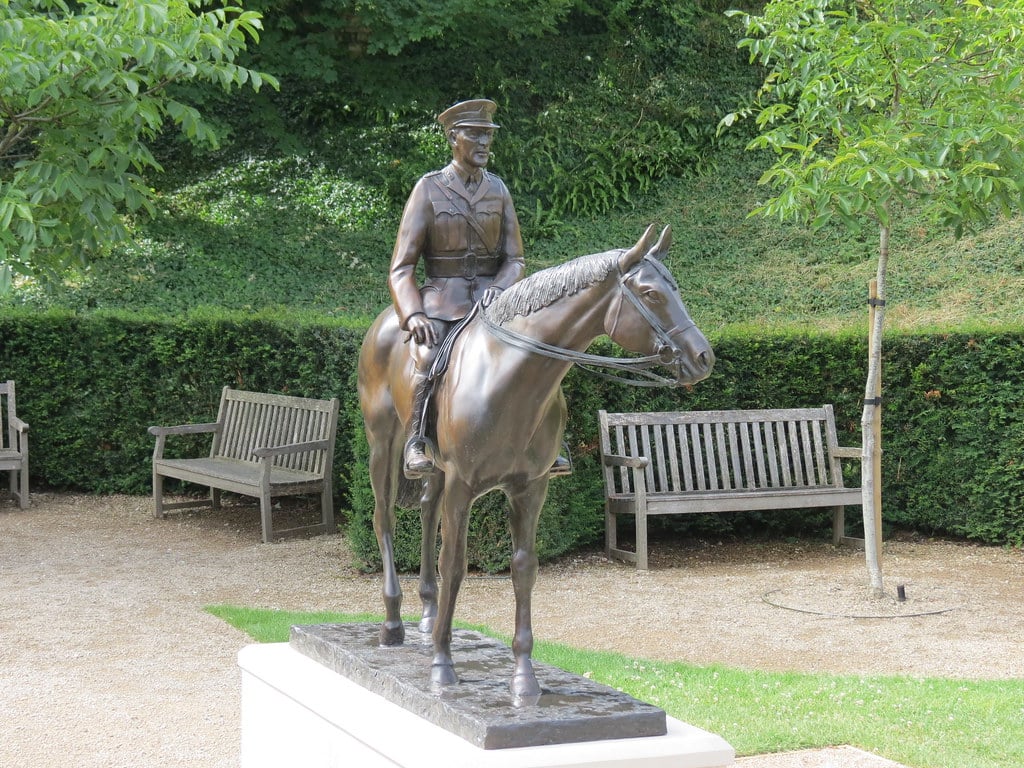
When General Jack Seely left for World War I in 1914, his thoroughbred stallion Warrior went with him to the Western Front for four years of combat. Warrior took part in some of the most ferocious battles of the Great War, including the Somme, Ypres, Cambrai, and Passchendaele, and in 1918 he led a cavalry charge against the Germans at Amiens.
Despite being buried in mud and rubble, trapped in burning stables, and charging through intensive barrages of machine-gun fire and mortar shells, Warrior never gave in and became known as ‘the horse the Germans couldn’t kill.’ He returned home safely and lived until 1941.
Rip
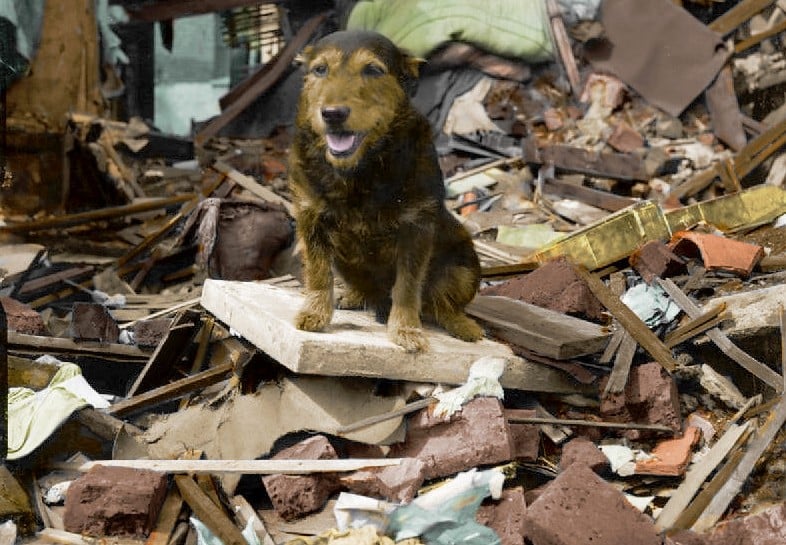
In 1940, air raid warden Mr. E. King found a crossbreed terrier shivering and alone in the rubble after a heavy air raid on London. The dog, whom King called Rip, soon revealed an innate talent for sniffing out survivors trapped in the ruins of bombed buildings.
Despite having no formal training, Rip became an indispensable search and rescue dog for the Air Raid Patrol throughout the London Blitz. He’s credited with helping save the lives of more than 100 people buried beneath the devastation.
Rip was awarded the Dickin Medal in 1945 for his bravery and dedication during some of Britain’s darkest hours.
Judy

Judy, a purebred English pointer, began her service as a ship’s mascot on board the gunboat HMS Gnat in 1936, where her acute hearing alerted British sailors to the presence of river pirates and hostile Japanese aircraft. When the HMS Grasshopper was attacked and the crew became stranded on an island in the South China Sea, the sailors were growing dangerously thirsty when they came across Judy standing next to a big pit she’d dug, full of fresh water.
The crew was then captured along with Judy and held as prisoners of war by the Japanese. Throughout their imprisonment, Judy protected the men by distracting guards and sharing their meager rations. She was the only animal officially registered as a prisoner of war.
G.I. Joe
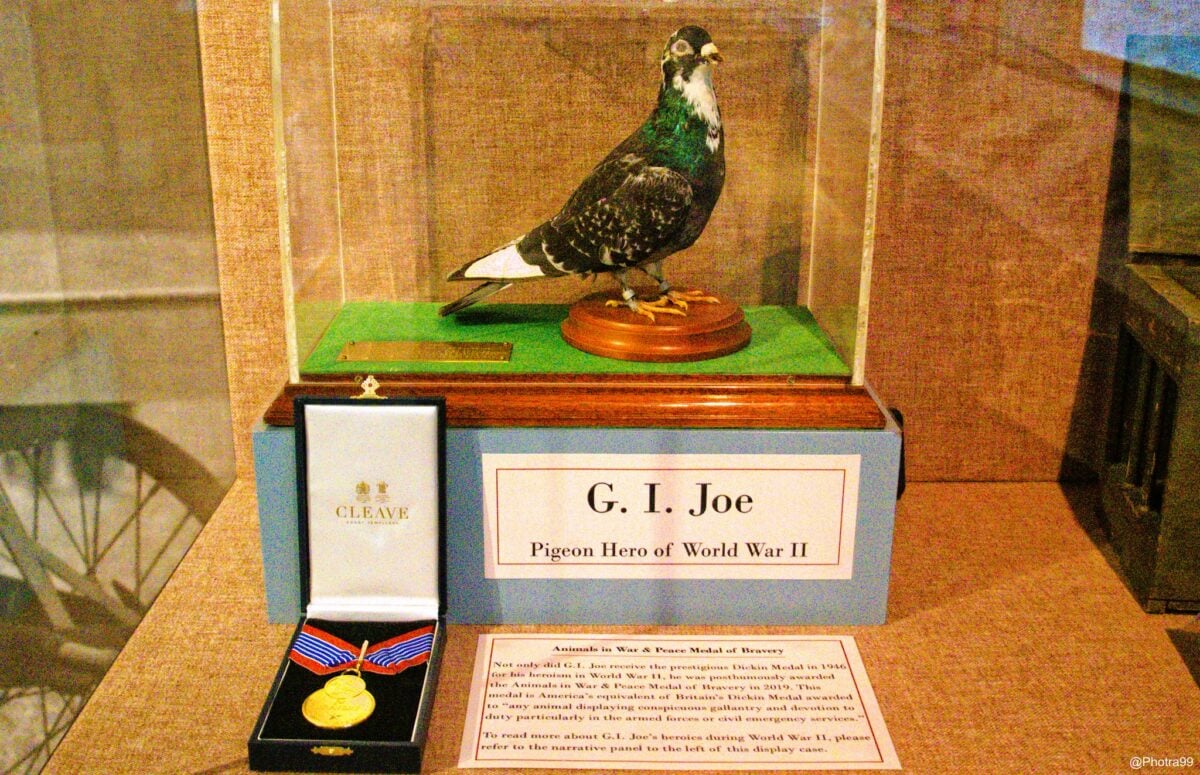
This American pigeon was found by British soldiers and single-handedly prevented a catastrophic incident of friendly fire in Italy during World War II. After the 56th Infantry Division occupied a new position in the village of Calvi Vecchia, they were separated from their comrades and exposed to an imminent American-led bombing run. G.I. Joe was dispatched with a message and flew 20 miles in 20 minutes to Allied headquarters, alerting the U.S. Air Force to the troops’ new location and saving the lives of over 100 men.
He was awarded both the Dickin Medal of Gallantry by the UK and posthumously the Animals in War and Peace Medal of Bravery by the United States.
Jet

Jet was an Alsatian trained as a search and rescue dog during World War II who, with his handler Corporal Wardle, was responsible for recovering 150 people from buildings destroyed in German air raids. On one occasion, Jet located a woman buried in the debris of a bombed-out hotel in London and refused to move for 12 hours while rescuers tried to reach her.
His unwavering determination and sharp senses made him invaluable during the Blitz. Jet was awarded the Dickin Medal in January 1945 for his exceptional bravery and service to the people of London during their greatest time of need.
Simon
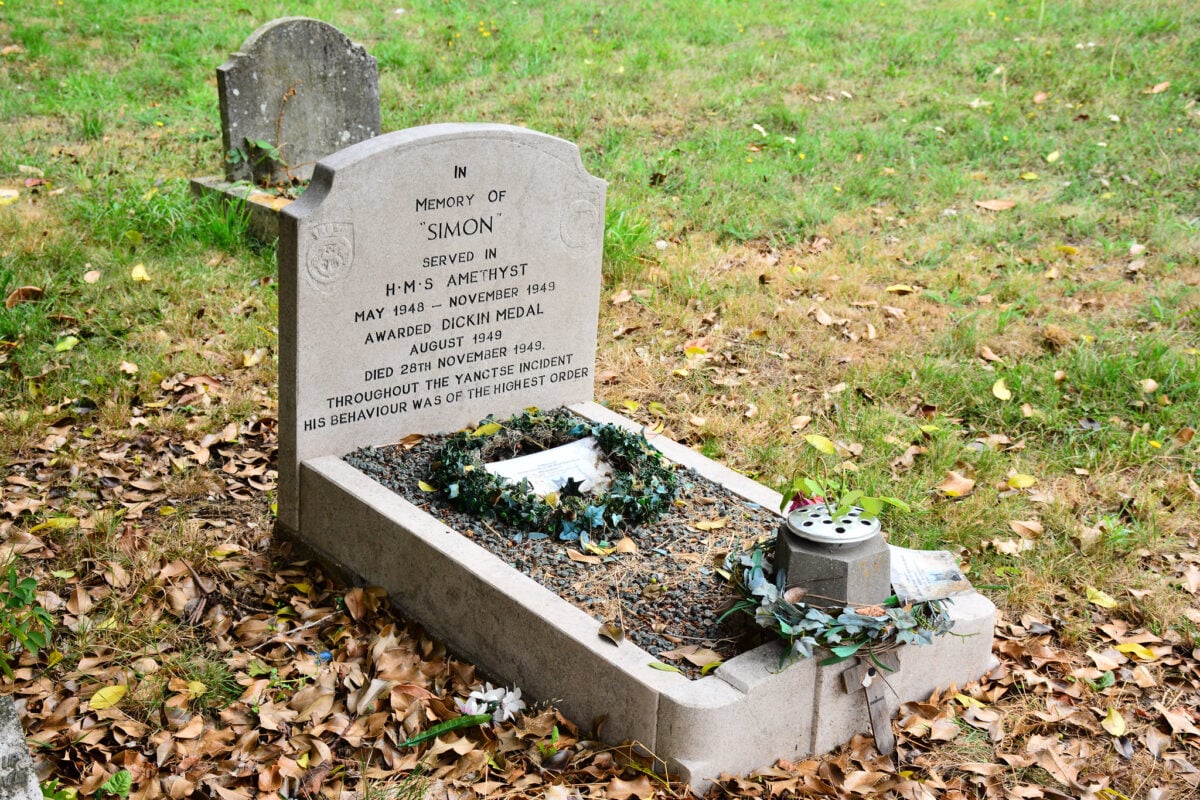
Simon, a cat aboard the HMS Amethyst, was riddled by shrapnel and partially burnt by artillery fire when Communist forces attacked the ship on the Yangtze River in 1949. Besieged for 101 days, the ship’s limited rations were being damaged by a surge of rats, but Simon forced himself back into service to combat them.
His efforts allowed the men to barely survive the siege as rations nearly ran out. Simon became the first member of the Royal Navy to receive the Dickin Medal for animal valor.
His contribution went beyond pest control—he provided crucial morale support to the trapped crew.
Chips
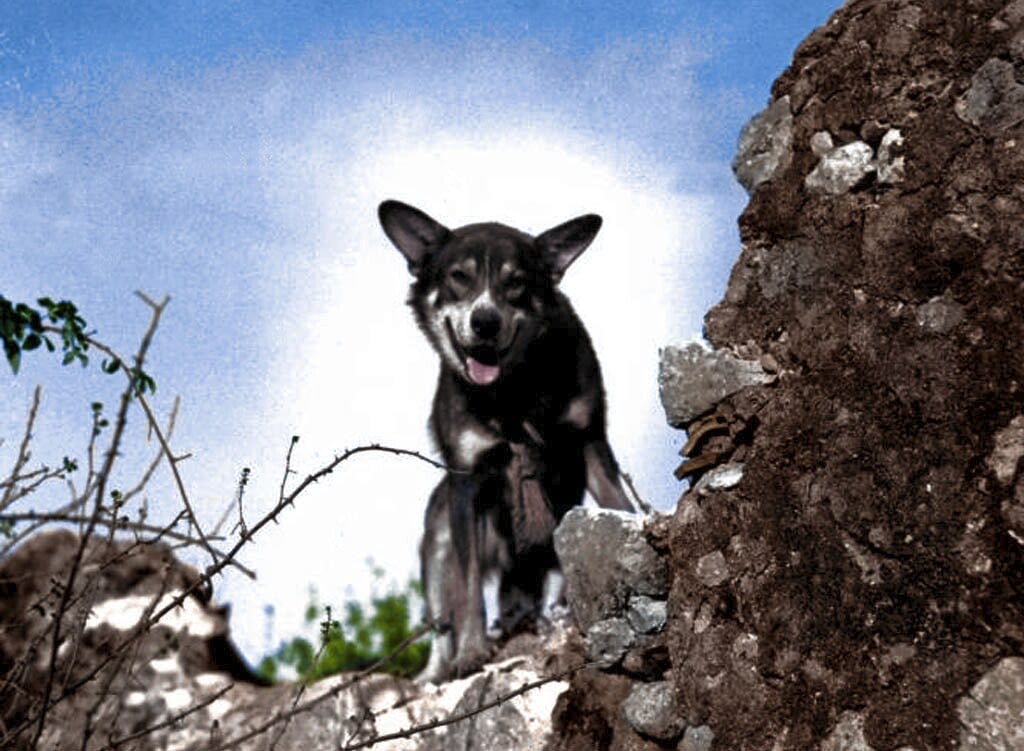
Chips, a German Shepherd-Collie-Husky mix, served with the U.S. Army during World War II and participated in the invasion of Sicily in 1943. During a mission, Chips attacked and captured a machine gun nest, forcing the enemy soldiers to surrender, and despite being wounded, he continued to serve valiantly. His aggressive action likely saved the lives of his entire unit.
For his bravery, Chips was initially awarded the Silver Star and Purple Heart, though these were later rescinded due to regulations against awarding medals to animals. Nonetheless, his unit never forgot his heroism.
Nemo
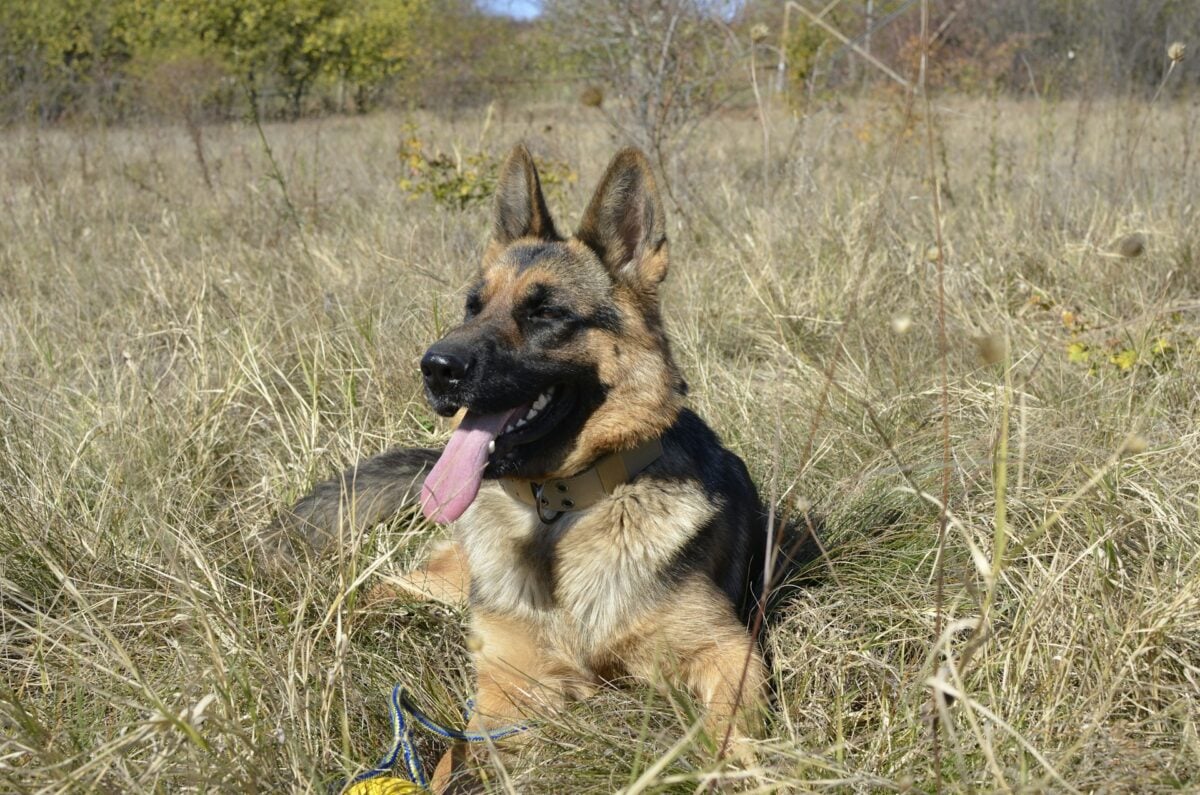
Nemo and his handler, Airman 2nd Class Bob Thorneburg, were patrolling a cemetery near their base in Vietnam on December 4, 1966, when they were attacked by the Viet Cong. Nemo was shot in the eye while Thorneburg took a round to the shoulder, and Thorneburg was able to kill two of the guerrilla attackers but would have fallen to the rest if Nemo hadn’t ignored his own injuries to attack the remaining guerrillas while guarding his handler.
Despite his severe wound, Nemo’s fierce defense gave Thorneburg time to call for backup. Both survived, and Nemo was returned to the United States, where he lived out his retirement at Lackland Air Force Base.
Tirpitz

Tirpitz was a pig originally aboard the German cruiser SMS Dresden who was rescued by British sailors after the ship was sunk during World War I. Adopted by the crew of HMS Glasgow, Tirpitz became the ship’s mascot and was known for his friendly disposition, boosting morale among the sailors.
After the war, Tirpitz was auctioned off to raise funds for the Red Cross, fetching a substantial sum. His story demonstrates how even the most unexpected animals could lift spirits and bring humanity to the harsh realities of naval warfare.
Siwash

When the U.S. invaded the island of Tarawa during World War II, an American duck flew from ship to shore to attack a Japanese rooster. Despite suffering multiple pecks to the head, Siwash the Duck of the 1st Battalion, 10th Marines continued her assault and eventually overcame her adversary, according to her Marine Corps citation published in Life magazine.
She refused medical aid until the rest of her gun section was cared for and later saw action at Saipan and Tinian. While her contribution may seem unusual, Siwash provided much-needed comic relief and became a beloved mascot.
Old Abe
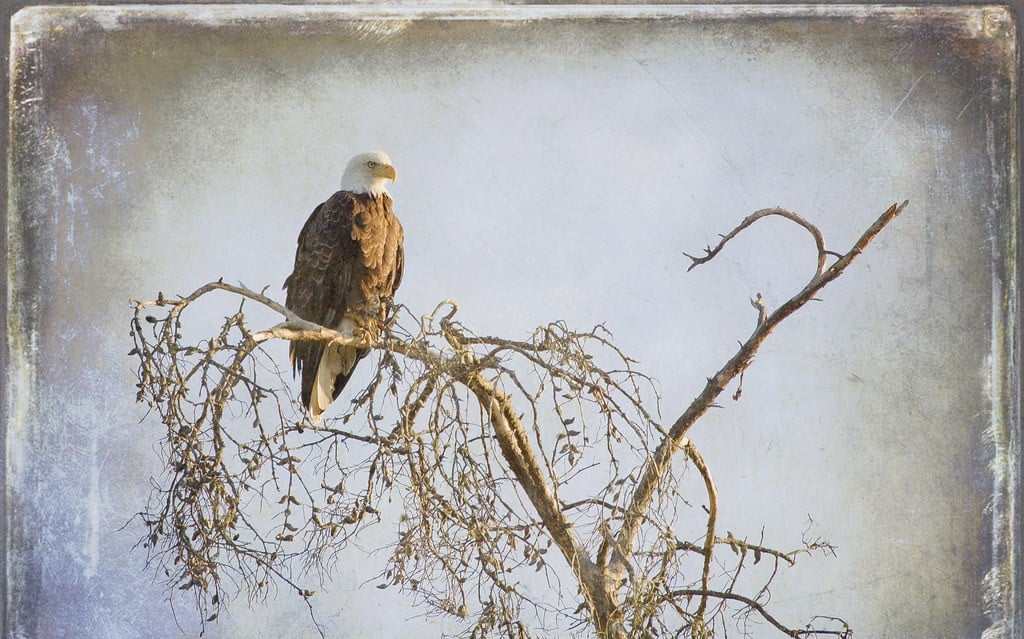
Old Abe, a bald eagle, flew over the 8th Wisconsin Volunteers at 36 different battles during the Civil War. He survived the war and lived in the Wisconsin capitol building until he was killed in a fire at the age of 44.
Old Abe became one of the most famous mascots of the Civil War, inspiring troops and becoming a symbol of American resilience. His image was used on regimental flags and became an iconic representation of Wisconsin’s contribution to the Union cause.
Voytek (Alternative Spelling)

Often confused with Wojtek, some records refer to the Polish bear by this alternate spelling, but they reference the same remarkable Syrian brown bear who served with distinction. Voytek was a Syrian brown bear cub adopted by troops from a Polish supply company who purchased him while stationed in Iran.
His story of carrying ammunition and wrestling with soldiers became legendary among Polish forces. The bear’s unique ability to boost morale during the darkest days of combat made him an irreplaceable member of his unit.
Horses of the Imperial Camel Corps

First assembled in 1916, the Imperial Camel Corps was a camel-mounted infantry force that eventually comprised four battalions, with camel-mounted troops from Australia, New Zealand, Britain, India, Hong Kong, and Singapore. Operating in the deserts of the Middle East and Africa, they played a significant part in several campaigns during World War I, including in Palestine and Sinai.
These camels could traverse long distances in hot, arid environments where other vehicles couldn’t operate. Their endurance and ability to carry heavy loads made them indispensable for desert warfare, and they helped secure crucial victories in some of the war’s most challenging terrain.
Military Pigeons of D-Day
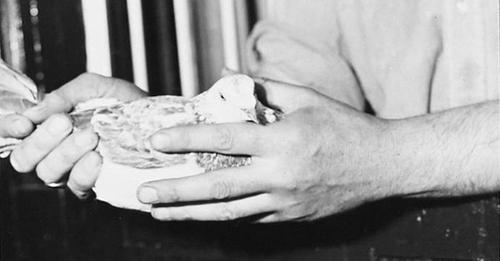
A group of 32 pigeons earned the British Dickin Medal for animal valor during the D-Day invasion of World War II, when Allied soldiers kept radio silence and relied on the pigeons to relay messages. These birds flew through terrible weather, enemy fire, and exhaustion to deliver critical intelligence about troop movements and battle conditions.
Their small size and speed made them nearly impossible for the enemy to intercept, and their homing instincts proved more reliable than radio communications in the chaos of the largest amphibious invasion in history.
Where They Stand Now
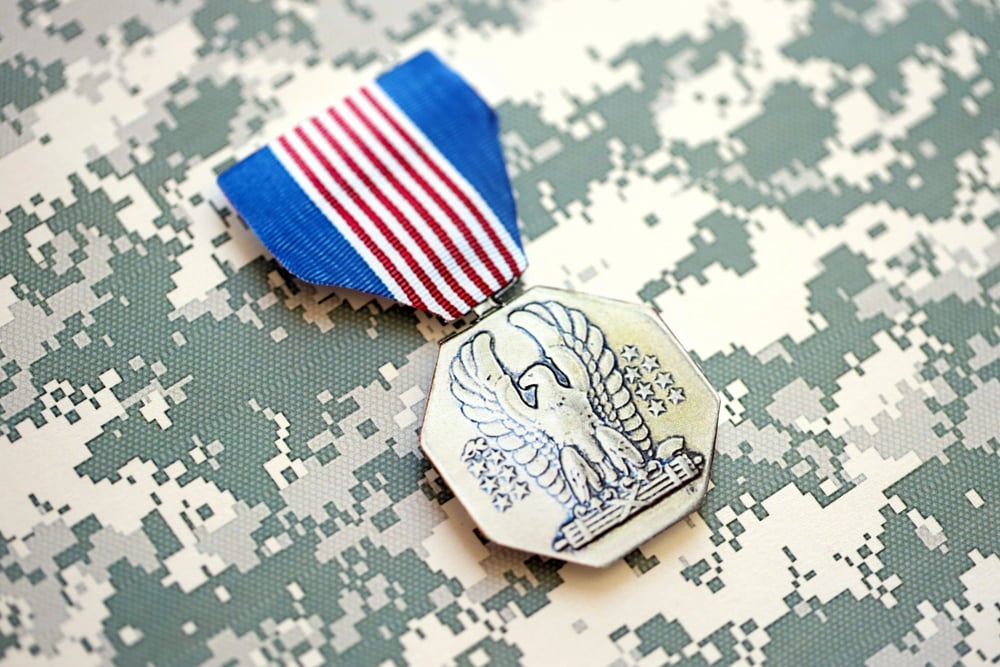
The animals who served in war have left a legacy that extends far beyond their individual acts of courage. Today, memorials and museums around the world honor their sacrifice—from Stubby’s preserved body at the Smithsonian to bronze statues of Sergeant Reckless at multiple locations across America.
These creatures remind us that heroism isn’t limited to our own species, and that loyalty, courage, and selflessness can emerge from the most unexpected places. Their stories continue to inspire new generations to recognize that in humanity’s darkest hours, we’ve never truly fought alone.
More from Go2Tutors!

- The Romanov Crown Jewels and Their Tragic Fate
- 13 Historical Mysteries That Science Still Can’t Solve
- Famous Hoaxes That Fooled the World for Years
- 15 Child Stars with Tragic Adult Lives
- 16 Famous Jewelry Pieces in History
Like Go2Tutors’s content? Follow us on MSN.