17 Environmental Cues That Control Animal Behavior
Animals don’t just wander through life making random decisions. Every day, they’re constantly reading invisible signals from their environment that tell them when to eat, sleep, migrate, or find a mate.
These environmental cues act like nature’s programming language, triggering specific behaviors that have helped species survive for millions of years. From the tiniest changes in daylight to the subtle shift in magnetic fields, animals have evolved incredible sensitivity to their surroundings.
Here is a list of 17 environmental cues that control animal behavior.
Temperature Changes

Temperature fluctuations trigger some of the most dramatic behavioral shifts in the animal kingdom. When temperatures drop in fall, many mammals like bears and ground squirrels start preparing for hibernation by eating more and finding suitable winter shelters.
Cold-blooded animals like reptiles and amphibians become sluggish as their metabolism slows, often seeking sunny spots to warm up or burrowing underground to maintain body heat.
Daylight Duration

The length of daylight, called photoperiod, acts as nature’s calendar for countless species. Birds use decreasing daylight hours as their cue to begin migration, with some species traveling thousands of miles based on this signal alone.
Many mammals also rely on photoperiod to time their breeding seasons, ensuring their young are born when food is most abundant and weather conditions are favorable.
Like Go2Tutors’s content? Follow us on MSN.
Seasonal Light Quality

It’s not just how long the sun shines, but how it shines that matters to animals. The angle and intensity of sunlight change throughout the year, and many species have evolved to detect these subtle differences.
Deer, for example, use changes in light quality to time their antler growth and shedding cycles, while some fish species coordinate their spawning with specific light conditions.
Barometric Pressure

Animals are surprisingly good meteorologists, often sensing weather changes long before humans notice them. Sharks dive deeper when barometric pressure drops, indicating an approaching storm.
Birds also respond to pressure changes, with many species altering their flight patterns or seeking shelter when they sense bad weather approaching through their ability to detect minute pressure variations.
Magnetic Fields

Earth’s magnetic field serves as an invisible highway system for many migrating animals. Sea turtles use magnetic signatures to navigate across vast ocean distances, returning to the same beaches where they were born decades earlier.
Migratory birds also rely on magnetic fields as their primary compass, with specialized cells in their eyes that can actually ‘see’ magnetic field lines.
Like Go2Tutors’s content? Follow us on MSN.
Sound Frequencies

The acoustic environment provides crucial information that shapes animal behavior in remarkable ways. Elephants communicate using infrasonic calls below human hearing range, coordinating herd movements across distances of several miles.
Bats have taken sound to the extreme, using echolocation to navigate and hunt in complete darkness with a precision that rivals the most advanced sonar systems.
Water Availability

Access to water drives behavior patterns across virtually every ecosystem on Earth. African elephants can detect water sources from over 12 miles away and will travel for days to reach them during dry seasons.
Desert animals like kangaroo rats have evolved to extract water from their food and modify their activity patterns to conserve every drop of moisture.
Food Scarcity Signals

When food becomes scarce, animals don’t just get hungry – they completely change their behavior strategies. Wolves expand their territory size and hunt in larger packs when prey is limited.
Many bird species alter their feeding times and locations based on food availability, with some switching from their preferred diet to whatever is most abundant.
Like Go2Tutors’s content? Follow us on MSN.
Chemical Pheromones

Invisible chemical messages floating through the air control more animal behavior than most people realize. Ants lay down pheromone trails that act like chemical highways, guiding thousands of colony members to food sources and back home again.
Salmon use pheromones to identify their birth streams after years in the ocean, swimming upstream against powerful currents to reach the exact spot where they were born.
Moon Phases
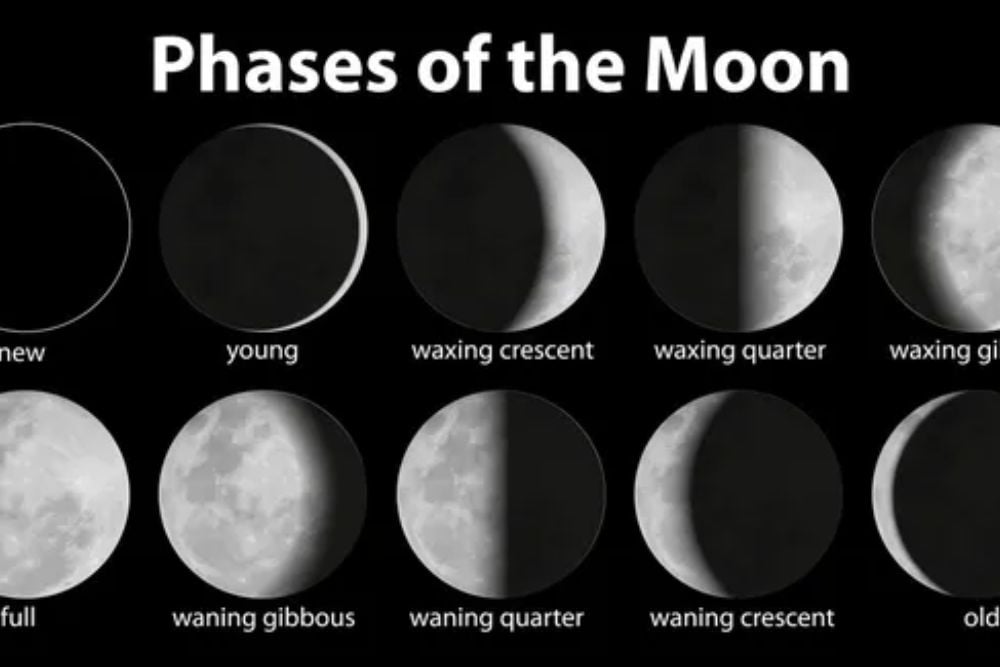
The lunar cycle affects animal behavior in ways that seem almost mystical but are grounded in solid evolutionary adaptation. Sea turtles time their nesting with specific moon phases, using the brightest nights to safely navigate between the ocean and the beach.
Coral reefs experience massive spawning events timed to lunar cycles, with entire species releasing eggs and sperm simultaneously during particular moon phases.
Tidal Rhythms

Coastal animals live their lives according to the ocean’s rhythm, with behaviors precisely timed to tidal movements. Fiddler crabs emerge from their burrows to feed only during low tide, when their mudflat habitat is exposed.
Grunion fish have perhaps the most extreme tidal behavior, spawning only during the highest tides of spring and summer months when they can ride waves far up sandy beaches.
Like Go2Tutors’s content? Follow us on MSN.
Humidity Levels

Moisture in the air provides critical information that many animals use to time their most important life events. Frogs and toads rely on humidity changes to trigger breeding behaviors, often beginning their mating calls when moisture levels indicate rain is coming.
Many insects also use humidity as a cue for emergence, with species like mayflies coordinating massive hatching events when conditions are just right.
Wind Patterns

Air currents carry more than just scents – they provide navigational information and behavioral cues for species across the globe. Albatrosses use wind patterns to glide for hours without flapping their wings, covering hundreds of miles with minimal energy expenditure.
Monarch butterflies rely on seasonal wind shifts to help them navigate during their incredible multi-generational migration from Canada to Mexico.
Soil Conditions

Ground-dwelling animals are incredibly sensitive to changes in their substrate that most humans would never notice. Earthworms surface en masse when soil moisture reaches specific levels, often appearing on sidewalks after rain.
Moles adjust their tunneling patterns based on soil density and moisture, creating complex underground highway systems that change with seasonal soil conditions.
Like Go2Tutors’s content? Follow us on MSN.
Atmospheric Electricity

The electrical charge in the atmosphere provides subtle but important behavioral cues for many species. Bees become more aggressive and are more likely to sting when atmospheric electricity increases before thunderstorms.
Some researchers believe that birds and other animals can sense electrical changes in the atmosphere that help them predict weather patterns and adjust their behavior accordingly.
Ultraviolet Light Patterns

Many animals see parts of the light spectrum that are completely invisible to humans, and they use this ability to guide crucial behaviors. Flowers have ultraviolet patterns that act like landing strips for bees and other pollinators, guiding them to nectar sources.
Some birds use UV patterns on feathers for mate selection, with displays that are spectacular in the UV spectrum but appear ordinary to human eyes.
Gravitational Forces

While less understood than other environmental cues, gravitational changes appear to influence animal behavior in subtle but measurable ways. Some studies suggest that animals can detect tiny gravitational changes caused by lunar cycles and use this information for timing activities.
Migratory birds may also use gravitational cues as part of their complex navigation system, though scientists are still researching exactly how this works.
Like Go2Tutors’s content? Follow us on MSN.
Nature’s Timeless Dance Continues

These environmental cues have been shaping animal behavior for millions of years, creating the intricate patterns of life we observe today. As our planet continues to change, understanding how animals respond to environmental signals becomes increasingly important for conservation efforts.
The remarkable sensitivity that animals show to their environment reminds us that nature operates on a level of complexity and interconnection that we’re only beginning to fully appreciate.
More from Go2Tutors!

- 16 Restaurant Chains That Went Too Fast
- 12 Things Sold in the 80s That Are Now Illegal
- 15 Strange Things People Have Tried to Ban (And Failed)
- 16 Collectibles People Tossed Out Too Soon
- 17 Myths from Your Childhood That Were Actually Based on Real Things
Like Go2Tutors’s content? Follow us on MSN.


