Things to know about jeans and denim
Jeans and denim are everywhere—from casual outings to workdays. Originally designed as tough workwear, they have grown into a key part of modern fashion.
But there’s a lot more to these clothes than just style. Before jumping into the details, it’s useful to see why jeans remain a favorite for so many.
Let’s explore some facts and tips about denim that will make anyone appreciate these pants even more.
Denim is a strong cotton fabric
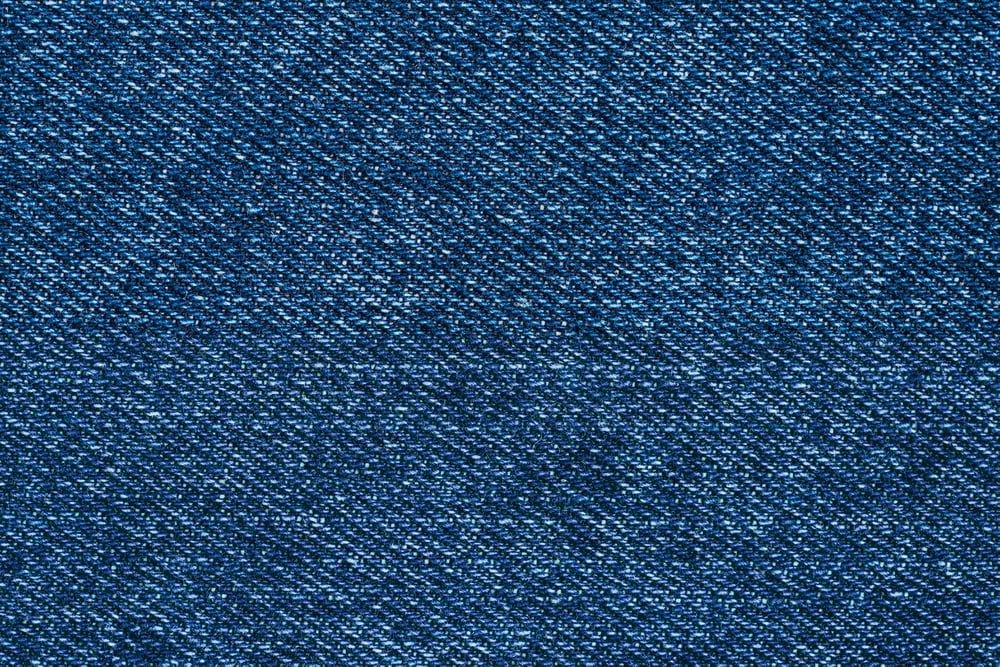
Denim is made from cotton woven in a special way called twill. This creates a diagonal pattern on the fabric, making it tougher than regular cotton.
Because of this, denim resists wear and tear better, which is why it was first used for heavy-duty clothing. Its durability means it can last a long time, even with rough use.
Jeans were created in the 1870s
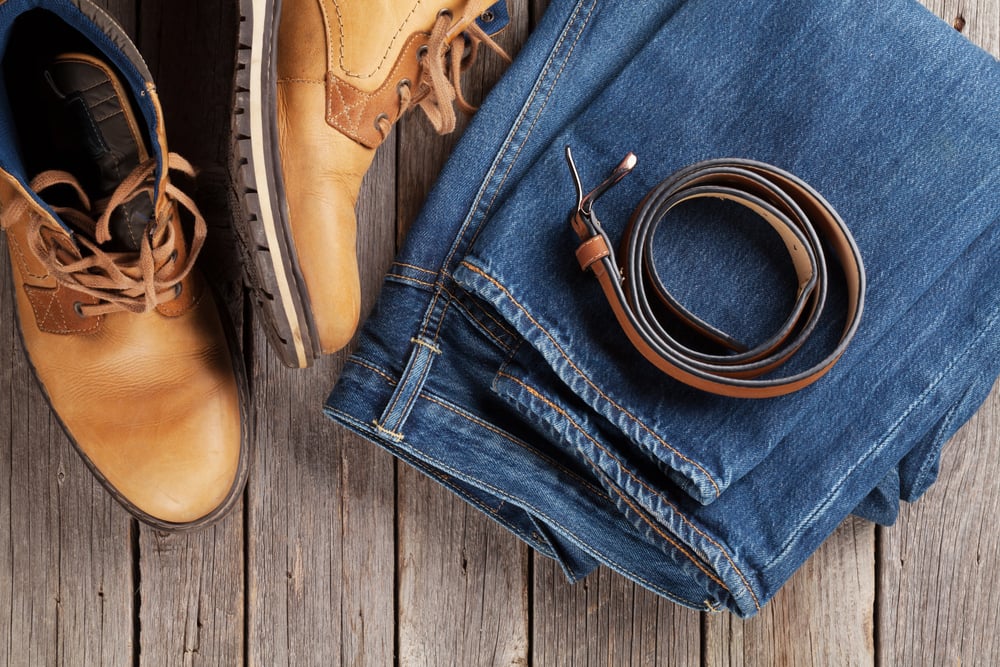
Levi Strauss made the first pair of jeans in the late 1800s during the California Gold Rush. They were made to withstand hard work in mines and had metal rivets at points that faced the most stress.
What began as practical workwear quickly became popular for everyday use because of its comfort and toughness.
The classic blue comes from indigo dye
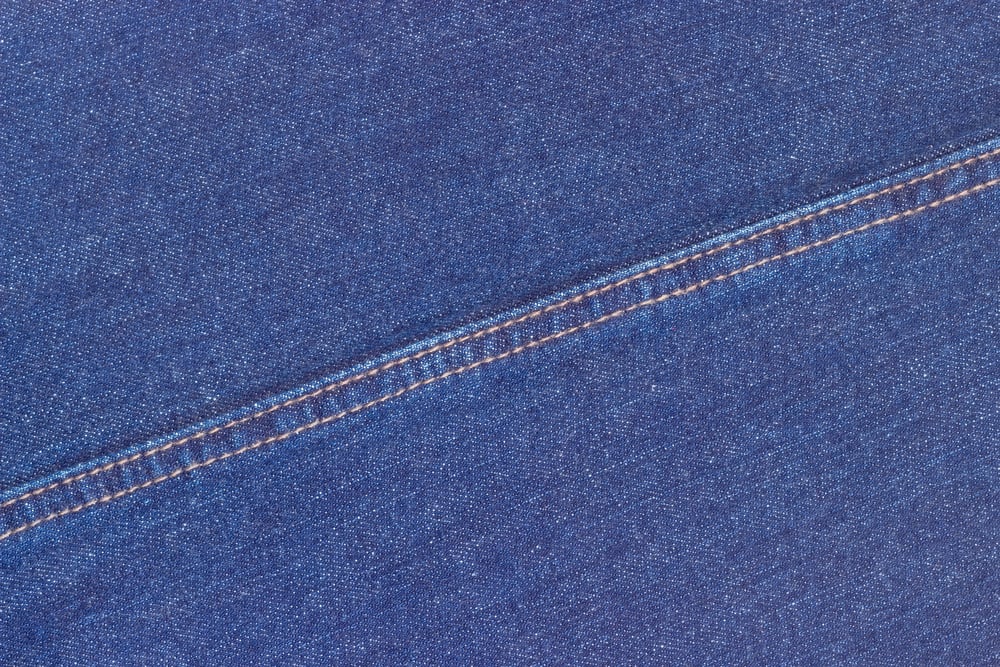
The blue color of most jeans comes from a natural dye called indigo. Unlike other dyes, indigo colors only the surface threads, leaving the inside lighter.
This means jeans fade in unique ways, showing wear patterns that make each pair different. These fading marks give jeans their well-worn charm.
Denim is available in many colors
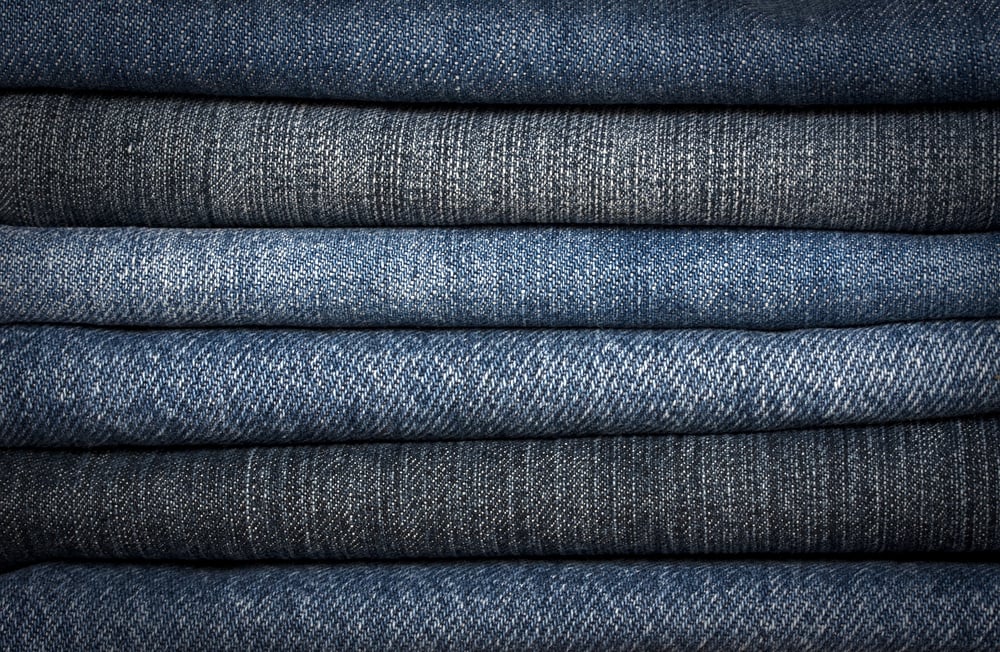
Though blue is the most common, denim can be found in other shades too. Black, white, gray, and even bright colors like red or green are used today.
Brands experiment with dyeing to create fresh looks while keeping denim’s strength. This allows for different styles and moods beyond the traditional blue.
Jeans come in various fits
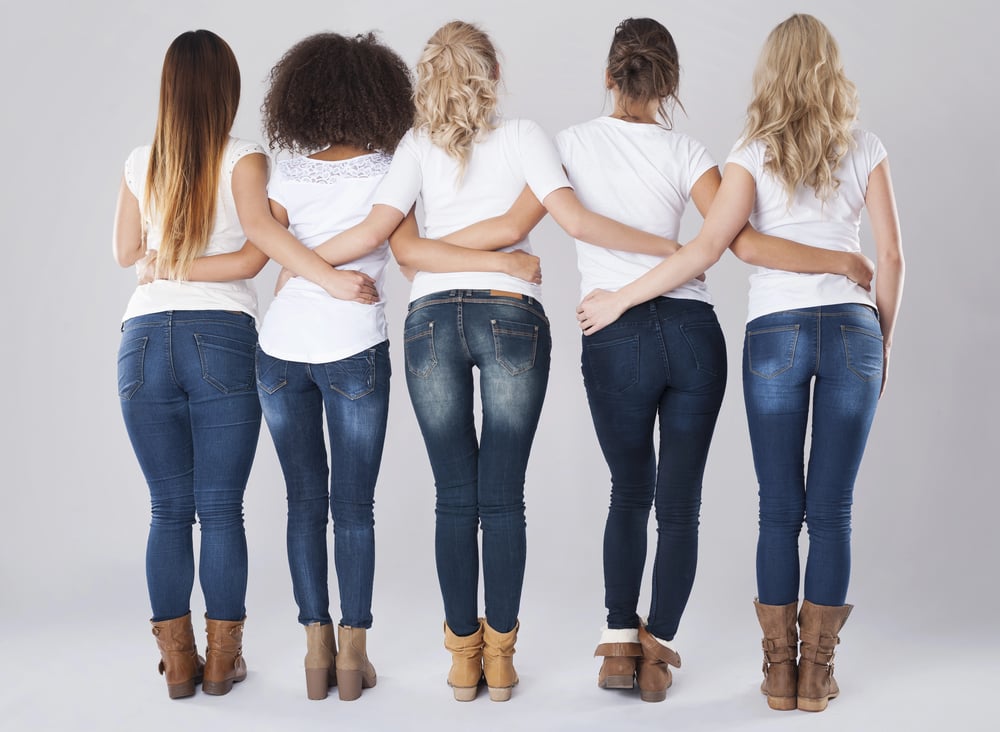
Jeans are made to fit many body shapes and preferences. Skinny jeans fit tightly, hugging the legs closely.
Straight-leg jeans have a consistent width all the way down for a classic look. Bootcut and wide-leg jeans offer roomier fits, sometimes flaring at the bottom.
High-rise jeans sit above the waist, while low-rise jeans rest lower on the hips. These options make it easy to find jeans that feel good and look great.
Raw denim is untreated and stiff
Raw denim hasn’t been washed or softened after production. It feels stiff and looks very dark at first.
Over time, it softens and fades based on the wearer’s movements, creating a one-of-a-kind look. Many fans like raw denim because it changes naturally and tells a story unique to each person.
Stretch denim offers more comfort
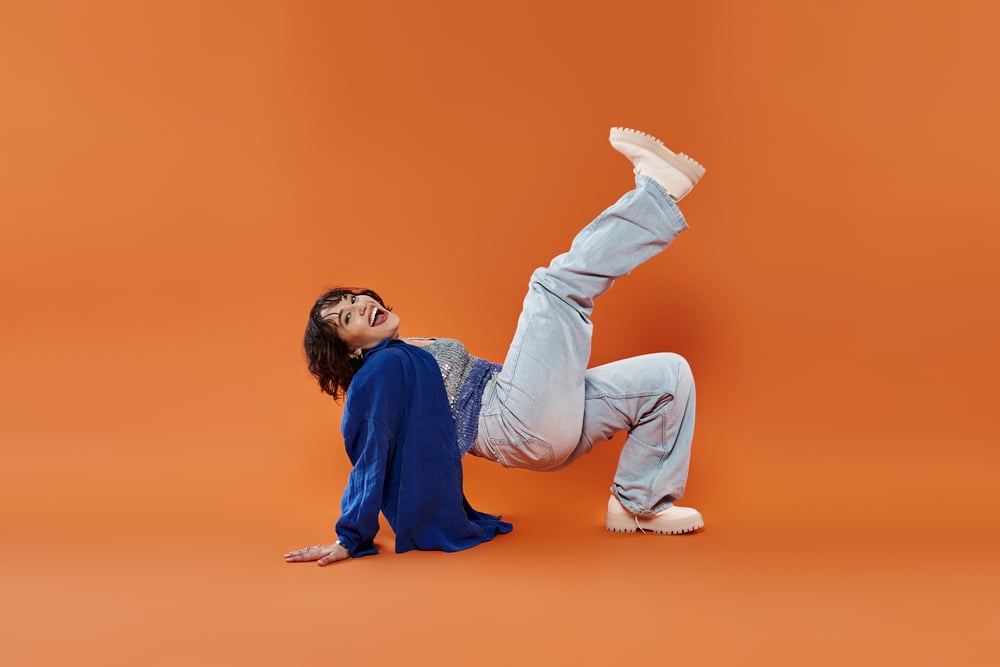
Adding a small amount of elastic fiber like spandex gives denim stretch. This makes tight jeans easier to wear by allowing more movement.
Stretch denim keeps the classic look but feels softer and more flexible. It’s popular for daily wear, especially for those who want comfort without sacrificing style.
Jeans shrink when washed first
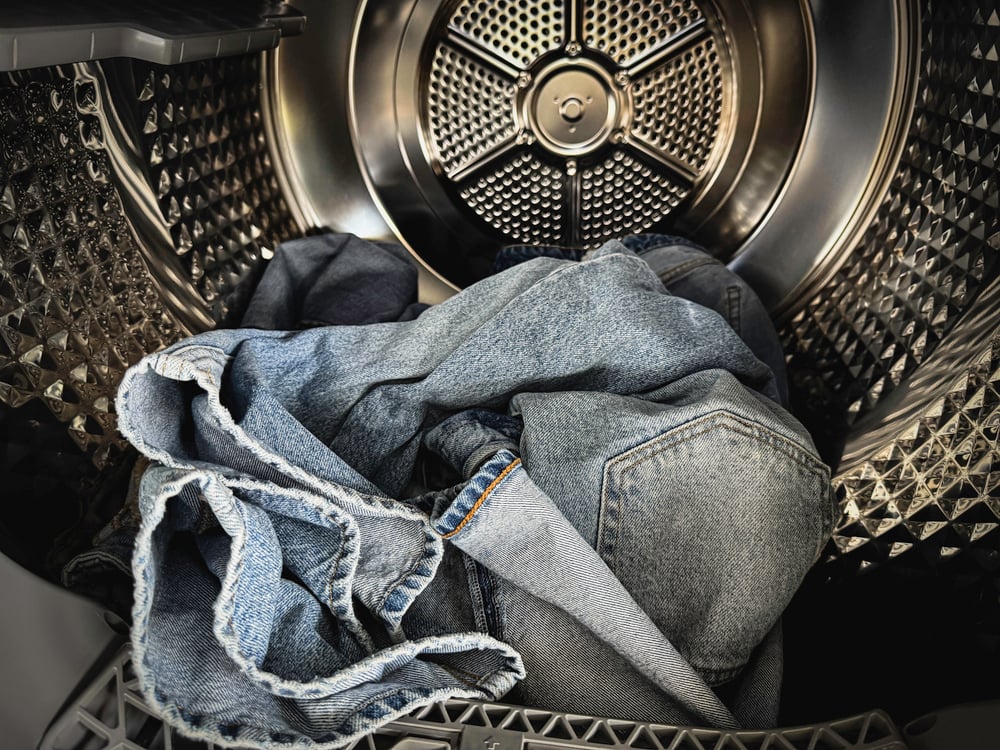
Since denim is cotton, it shrinks after the first wash. This can change how they fit, so following care instructions is important.
Washing jeans in cold water and air drying helps keep their size closer to the original. Some people even soak new jeans before wearing to avoid surprises later.
Fading can happen naturally or be created
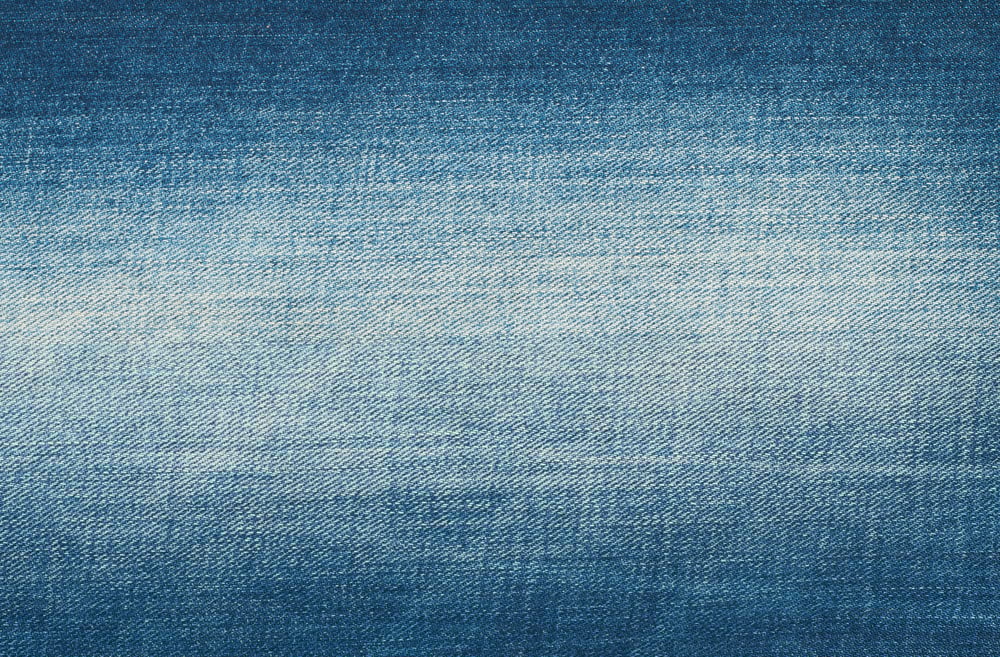
Natural fading happens from friction and washing over time. But many jeans are treated to speed up this process.
Stone washing, sanding, and other methods give jeans a worn look quickly. These treatments add style but must be done carefully to avoid weakening the fabric.
Taking care of jeans extends their life
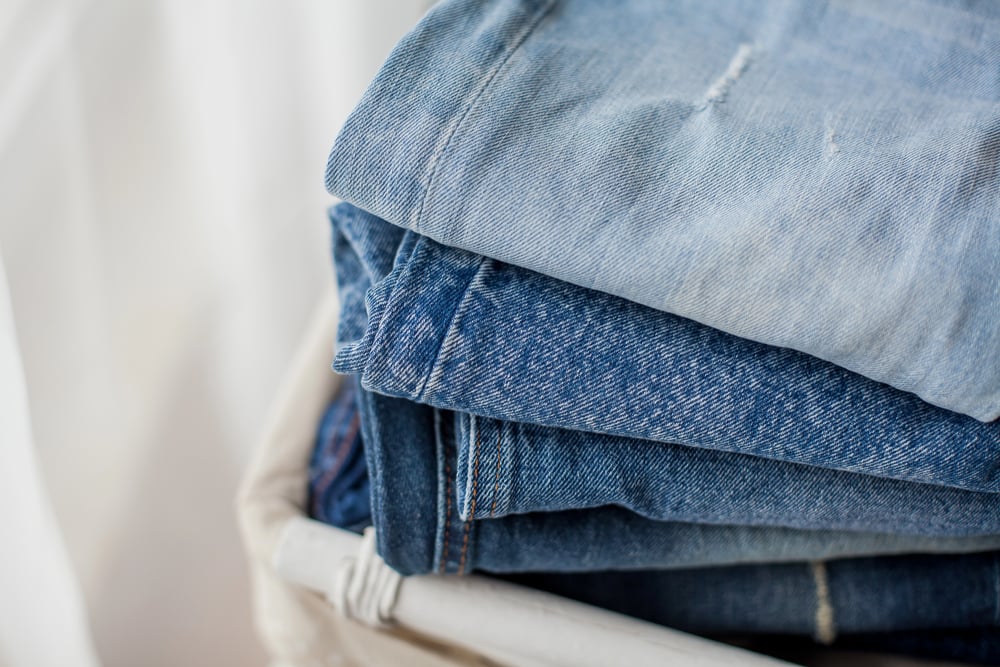
How jeans are cared for affects how long they last. Washing inside out reduces fading and protects the surface.
Avoid washing too often because denim keeps its shape better when worn several times between washes. Use mild detergents and cold water.
Air drying is best since heat can shrink and weaken denim fibers.
Repairs and patches can be stylish
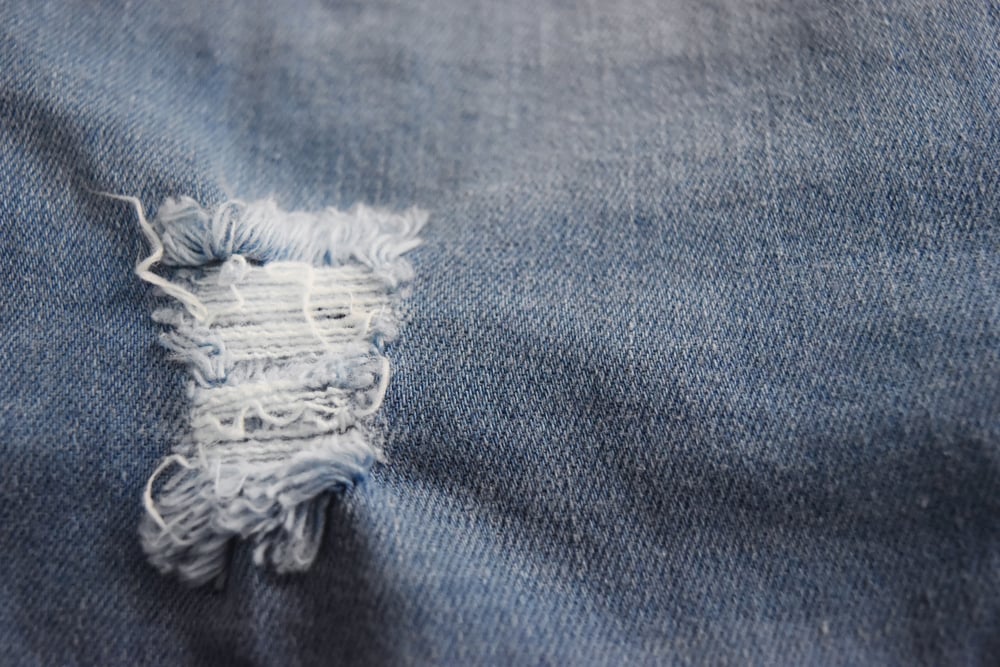
When jeans get worn, adding patches is a great way to fix them and keep using them longer. Visible stitching and colorful patches have become popular fashion statements.
Repairing jeans reduces waste and gives them a unique look. This approach shows how fixing clothes can be both practical and creative.
Denim inspires many fashion pieces

Besides jeans, denim is used in jackets, skirts, shorts, and more. Designers add details like embroidery, studs, or patches to keep denim exciting.
Mixing denim with other fabrics also creates new looks. Its versatility allows denim to stay relevant across different styles.
Vintage denim has special value
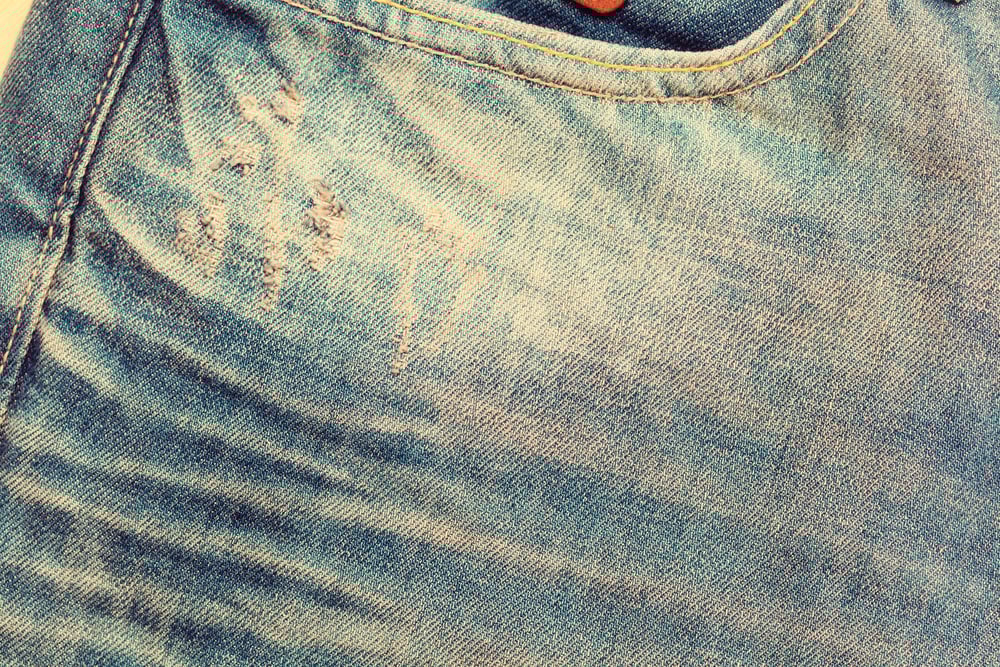
Jeans from past decades, especially the 70s and 80s, are often sought after by fans. Vintage denim offers unique details and washes that aren’t found in new jeans.
These pieces tell stories and feel authentic. Finding vintage jeans is like owning a bit of fashion history.
Some jeans improve posture
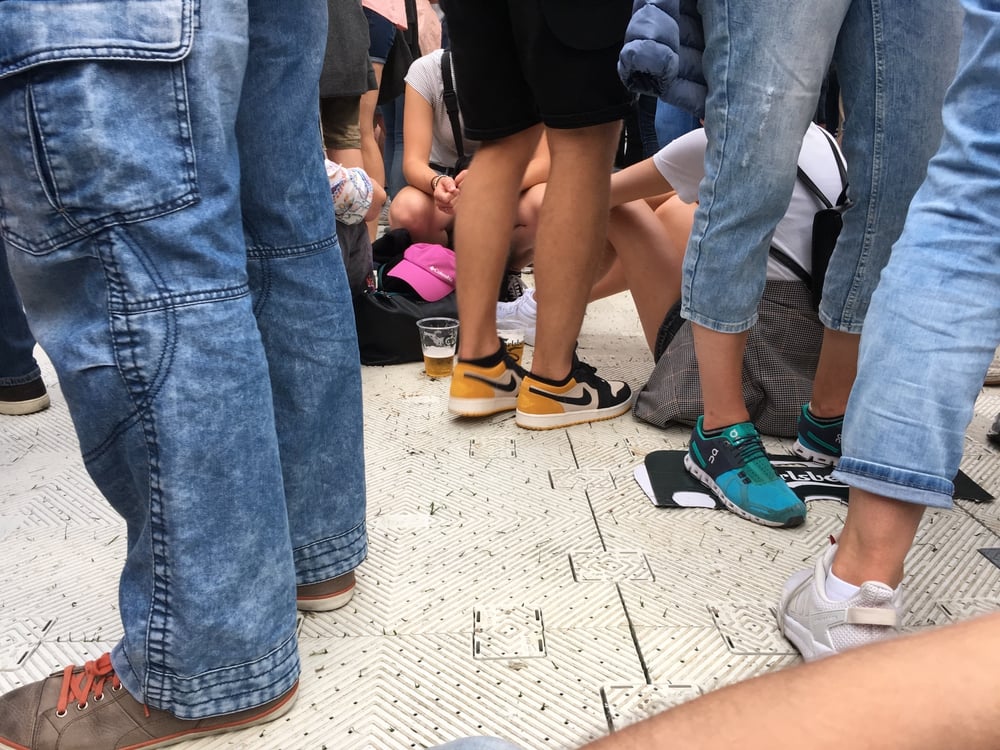
Certain jeans are designed to support the body’s natural shape. These cuts allow for better movement and comfort, reducing strain on the back.
Wearing well-fitted jeans can help with daily comfort. It shows how denim can be made for both style and function.
Recycling denim helps the environment
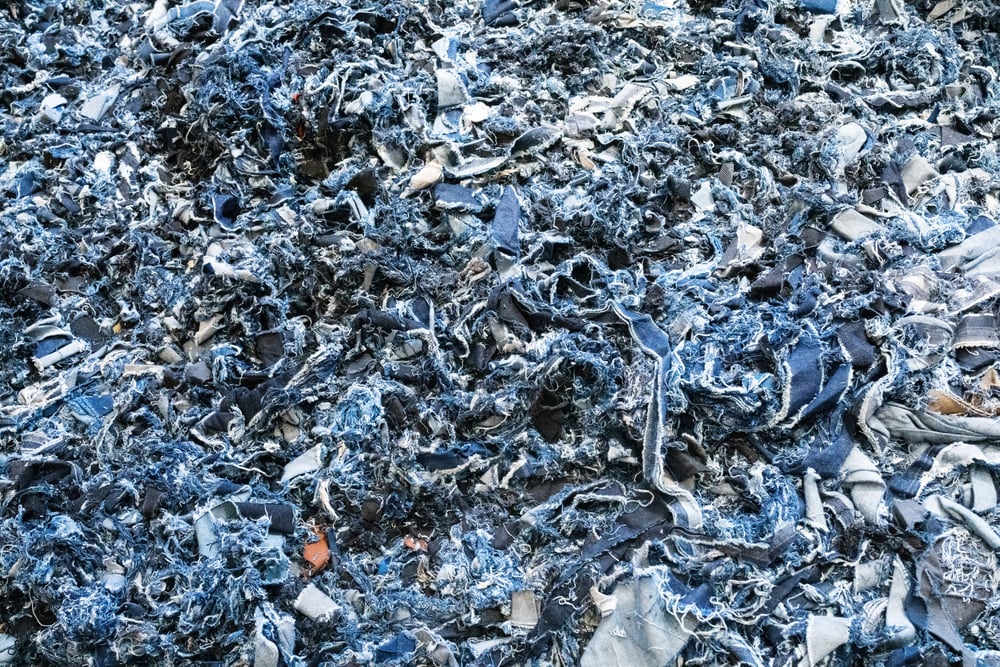
Reusing old jeans is becoming more common to reduce waste. Denim can be recycled into new fabric or used in products like insulation or cleaning cloths.
Many brands offer programs to take back worn jeans for recycling. This helps save resources and reduces the impact of producing new denim.
Denim comes in light and heavy weights
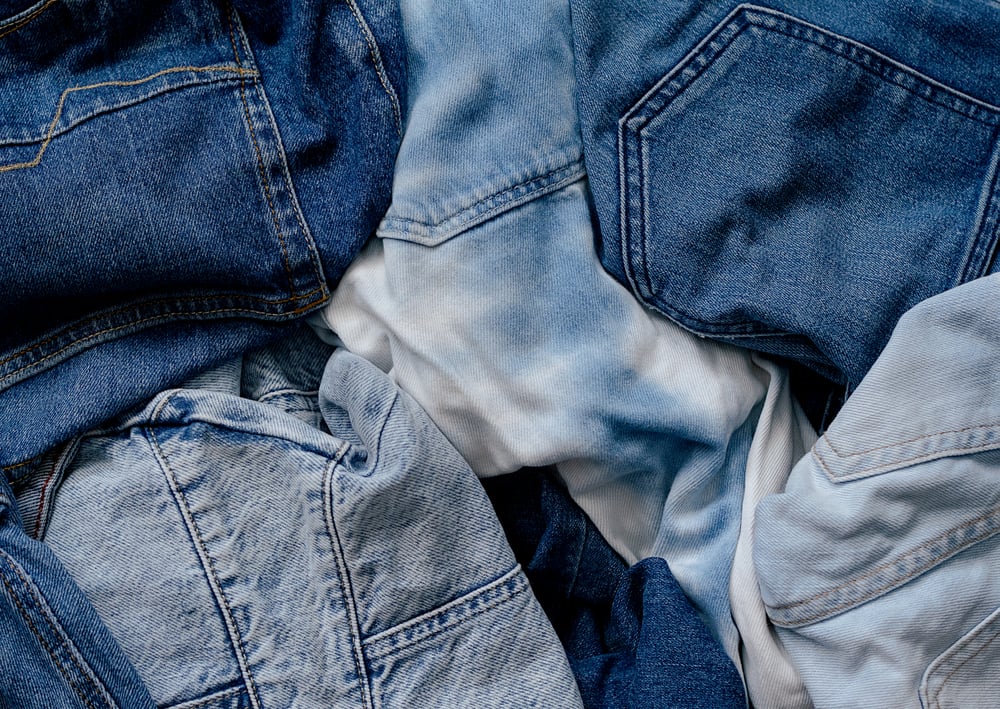
Denim’s weight affects how it feels. Heavyweight denim is thick and tough, making it great for cold weather or heavy use.
It may feel stiff at first but softens over time. Lightweight denim is softer and cooler, perfect for warm weather or casual wear.
Choosing the right weight depends on comfort and purpose.
Jeans are worn worldwide
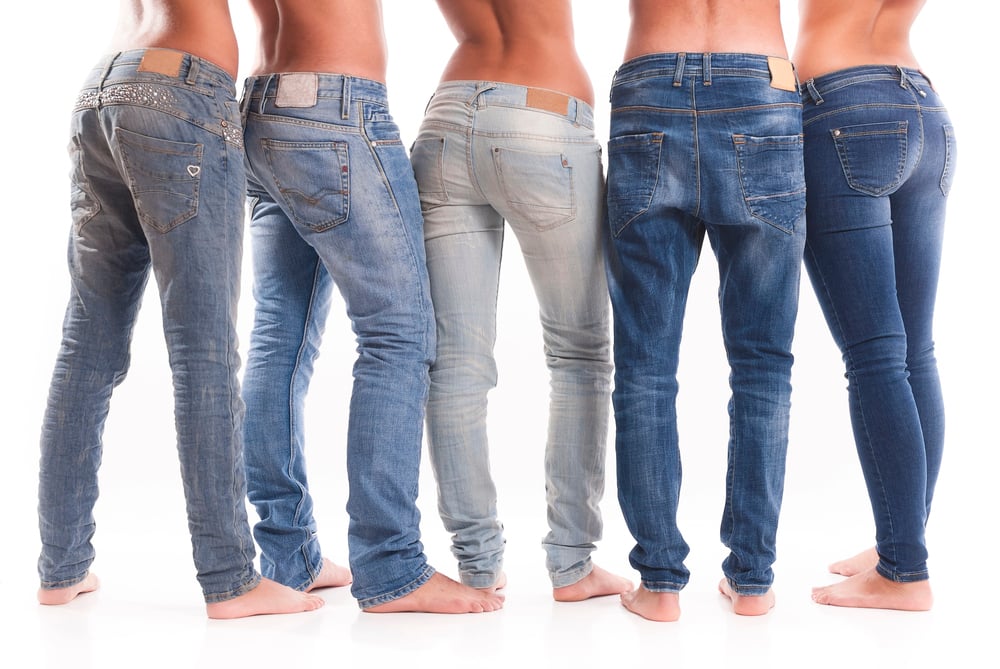
People everywhere wear jeans, from cities to the countryside. Their simple design and durability make them suitable for many lifestyles.
Jeans have become a global symbol of casual style. Their popularity across cultures shows their timeless appeal.
Jeans vary greatly in price
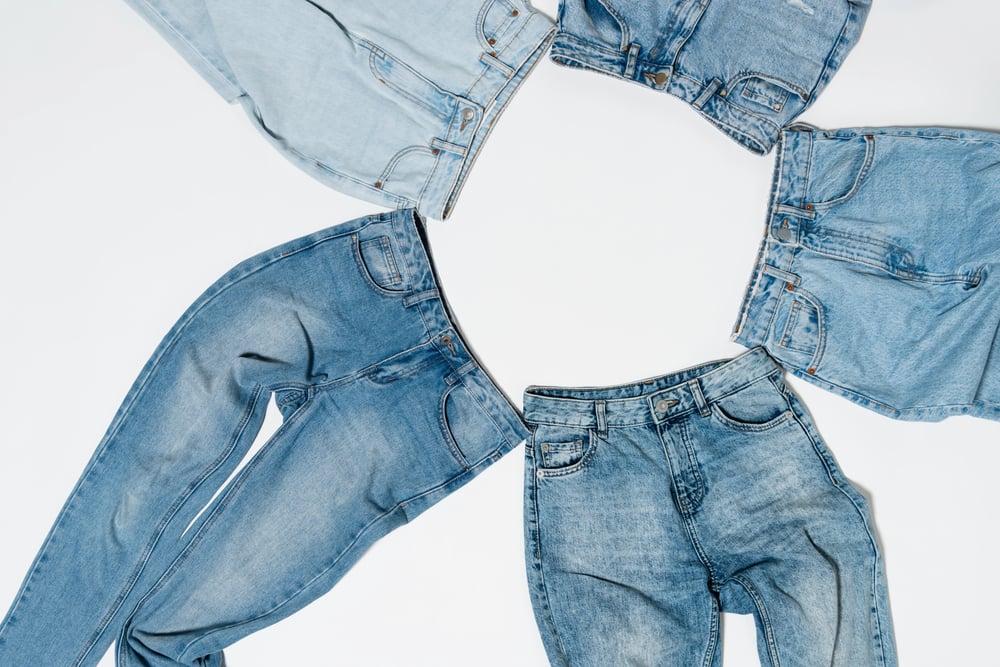
Jeans are sold at a wide range of prices. Affordable brands offer basic styles for everyday wear.
Designer jeans can be expensive due to higher quality materials or special designs. Price doesn’t always mean better quality, but it often affects how long jeans last.
Knowing what to look for helps make a good choice.
Denim plays a role in popular culture
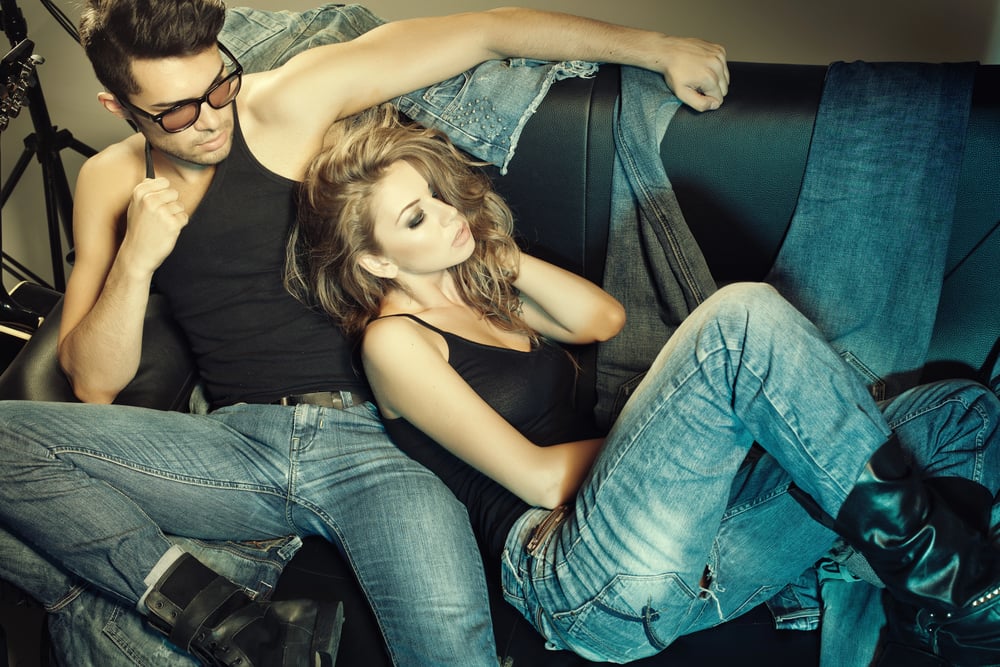
Denim is more than fabric—it’s a symbol in music, movies, and art. It often represents freedom, youth, and individuality.
Famous musicians and actors have helped popularize jeans through their styles. This cultural meaning adds to denim’s lasting popularity.
Jeans let people express themselves

How a person wears their jeans can show their personality. Simple, clean jeans might suggest a classic style.
Worn or decorated jeans can show creativity or boldness. Jeans allow people to share who they are without words.
This connection helps keep jeans a favorite.
Jeans keep evolving
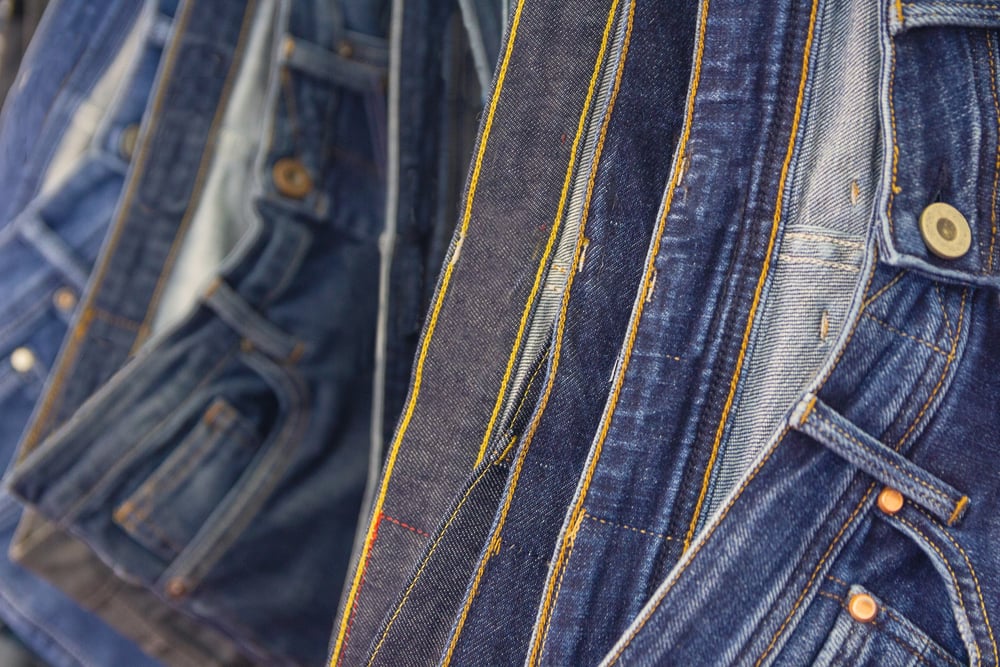
As new materials and technologies emerge, jeans continue to evolve. New styles, improved fits, and eco-friendly materials keep denim up to date.
Jeans remain loyal to their core qualities of comfort, toughness, and style despite innovative designs. The history of jeans is still being written.
Denim connects past and present
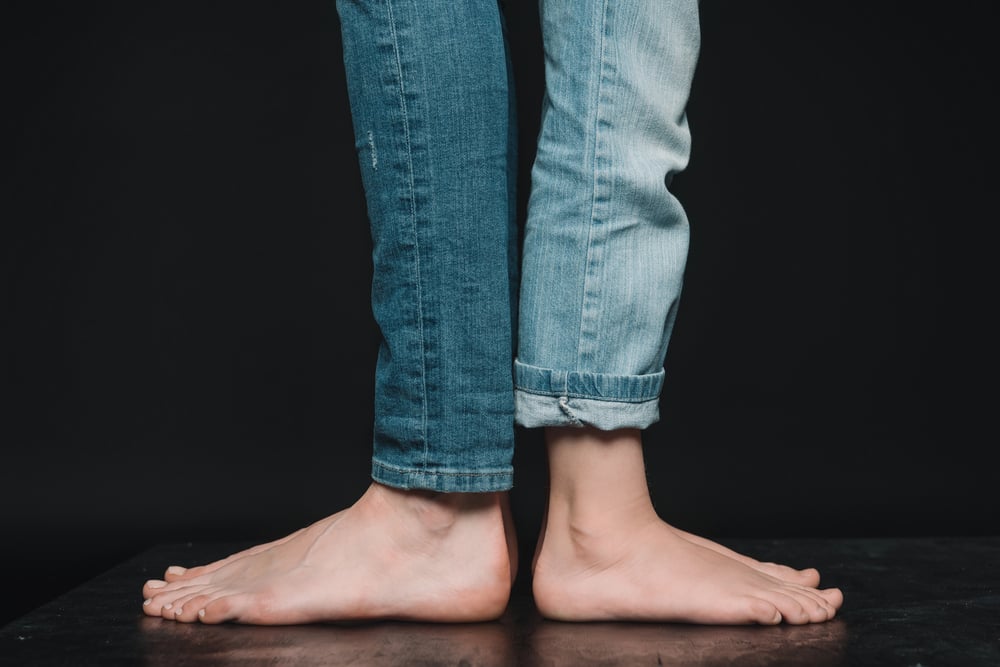
Originally used as workwear, denim has become a global fashion staple. Its journey demonstrates the transformation of pragmatic concepts into cultural icons.
Today’s jeans are timeless because they combine classic design with contemporary elements. Wearing jeans is a way to participate in a tradition that continues to be carried on.
Denim will continue to evolve while retaining its unique qualities.
More from Go2Tutors!

- The Romanov Crown Jewels and Their Tragic Fate
- 13 Historical Mysteries That Science Still Can’t Solve
- Famous Hoaxes That Fooled the World for Years
- 15 Child Stars with Tragic Adult Lives
- 16 Famous Jewelry Pieces in History
Like Go2Tutors’s content? Follow us on MSN.



