Most Impressive Photos from NASA
Space photos hit differently than pictures taken down here. Not merely pretty – vastness hits you, then the miles, then how tiny home seems.
What NASA shares tends to weigh heavy, mixing fact with sights so strong they speak without help. Look at these images.
Not accidental moments caught by chance, but built through long effort, smart tools, lighting tuned just right. Years folded into single frames meant to solve puzzles scientists set out on purpose.
Still, what they show often drifts far from facts alone – slipping instead into quiet wonder, like seeing time fold over itself. A fresh peek into pictures taken by NASA shows what stands out.
Each image tells its own story through light and shadow caught in space. What you see might surprise, given how far these views reach.
Moments frozen by lenses orbiting Earth bring distant scenes near. Some shots come from telescopes watching silently beyond our atmosphere.
These glimpses change how we picture the universe around us.
Pale Blue Dot
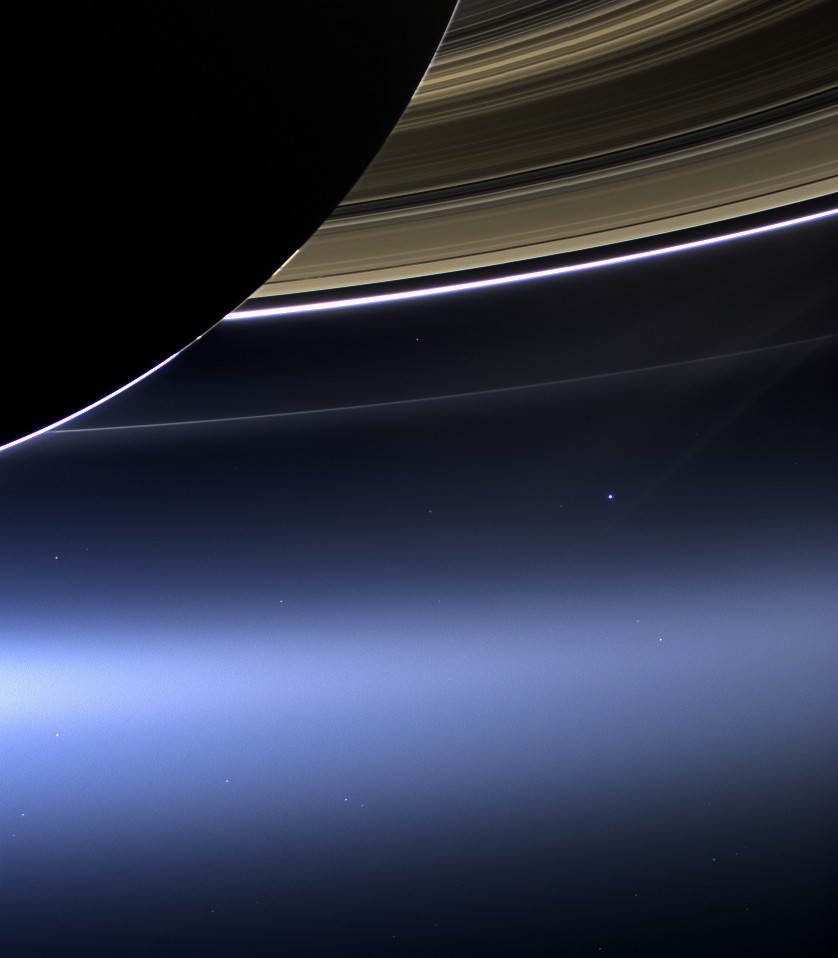
Taken from billions of miles away, the ‘Pale Blue Dot’ image shows Earth as a tiny speck suspended in a beam of sunlight. Captured by the Voyager 1 spacecraft, it reframes everything familiar into something almost abstract.
There are no visible continents or borders, just a faint point of light. The image has become one of the most widely discussed photographs in space exploration.
It quietly shifts perspective, turning everything known into something almost impossibly small.
Pillars Of Creation
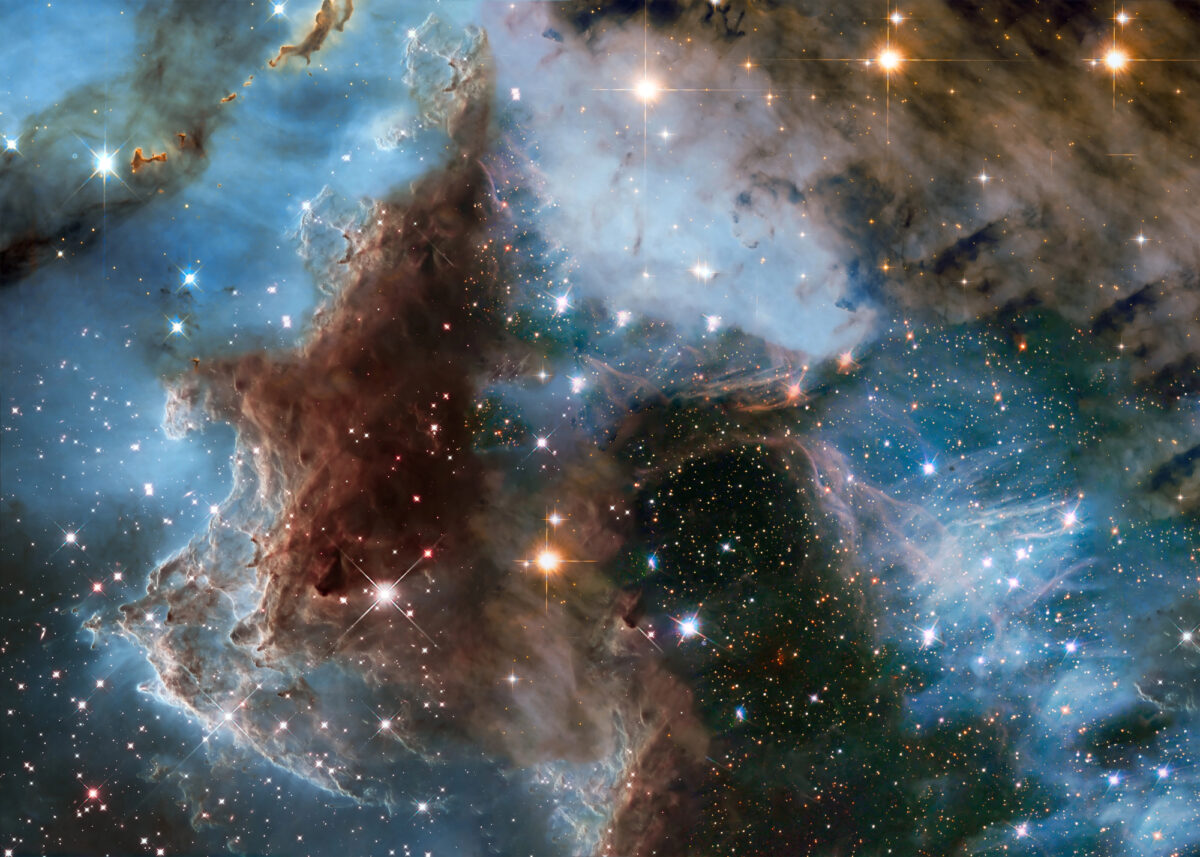
This image, captured by the Hubble Space Telescope, shows towering columns of gas and dust within the Eagle Nebula. The structures appear almost sculptural, shaped by stellar winds and radiation.
New stars are forming within these dense regions, hidden from direct view. The contrast between color and shadow gives the image a sense of depth that feels almost tangible.
Updated images over time have revealed even more detail, showing how dynamic the region truly is.
Earthrise
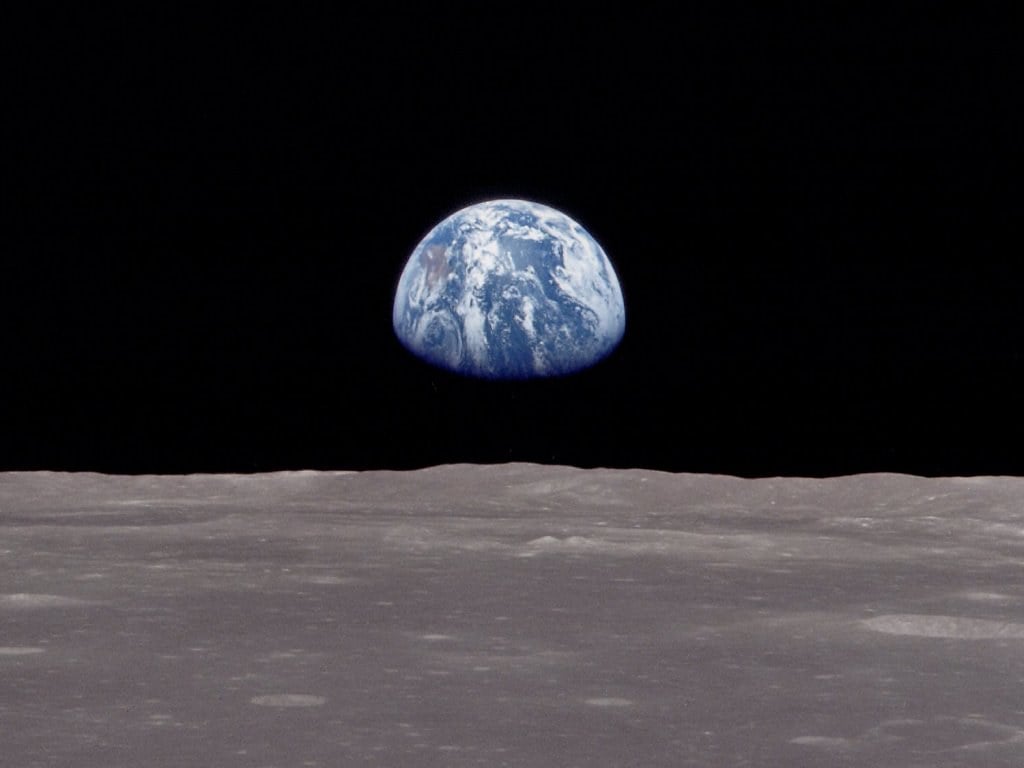
Photographed during the Apollo 8 mission, this image shows Earth rising above the Moon’s horizon. The stark, gray surface of the Moon contrasts sharply with the vibrant colors of Earth.
It was one of the first times humanity saw its home from such a perspective. The image quickly became symbolic of global unity and environmental awareness.
It reframed Earth not as a vast world, but as something fragile and contained.
The Blue Marble
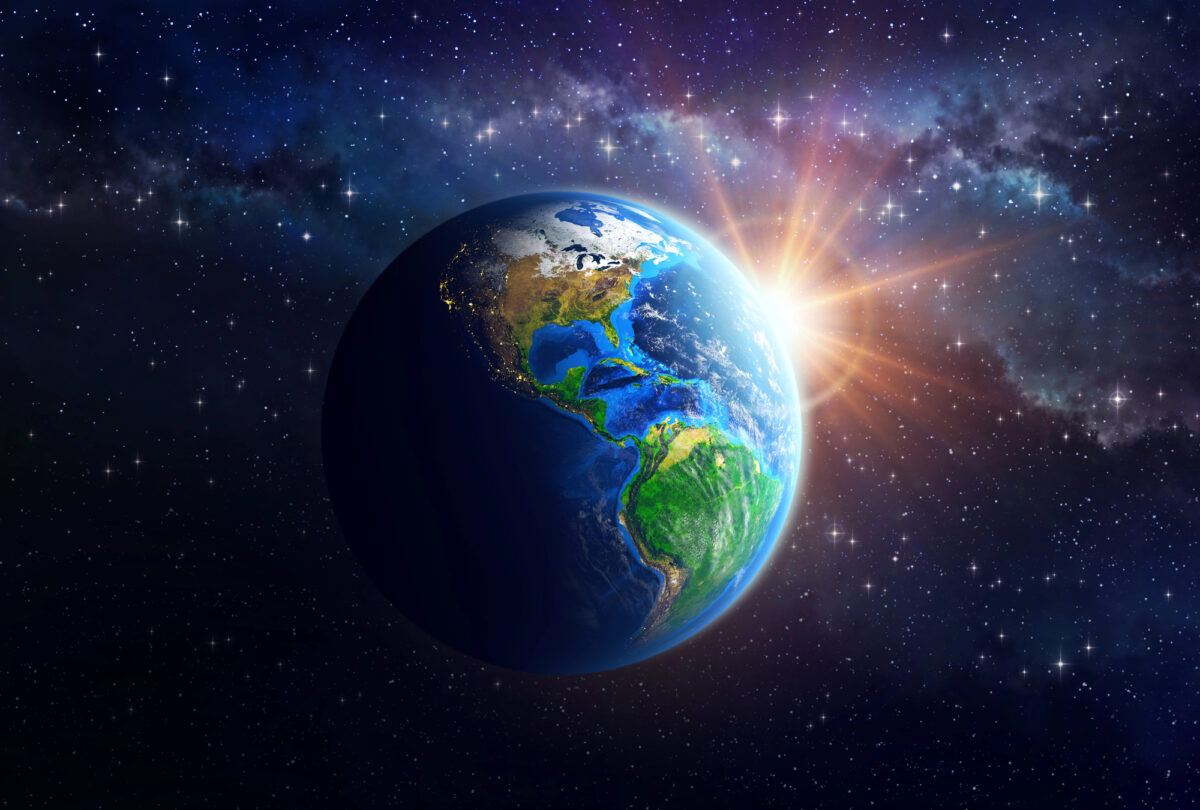
Captured by the Apollo 17 crew, this image presents Earth fully illuminated against the darkness of space. It reveals swirling clouds, deep oceans, and vast landmasses in remarkable clarity.
Unlike earlier images, this one shows the entire planet in a single frame. It has since become one of the most recognizable photographs ever taken.
The balance of color and detail gives it a sense of completeness that feels almost intentional.
Saturn’s Rings Backlit
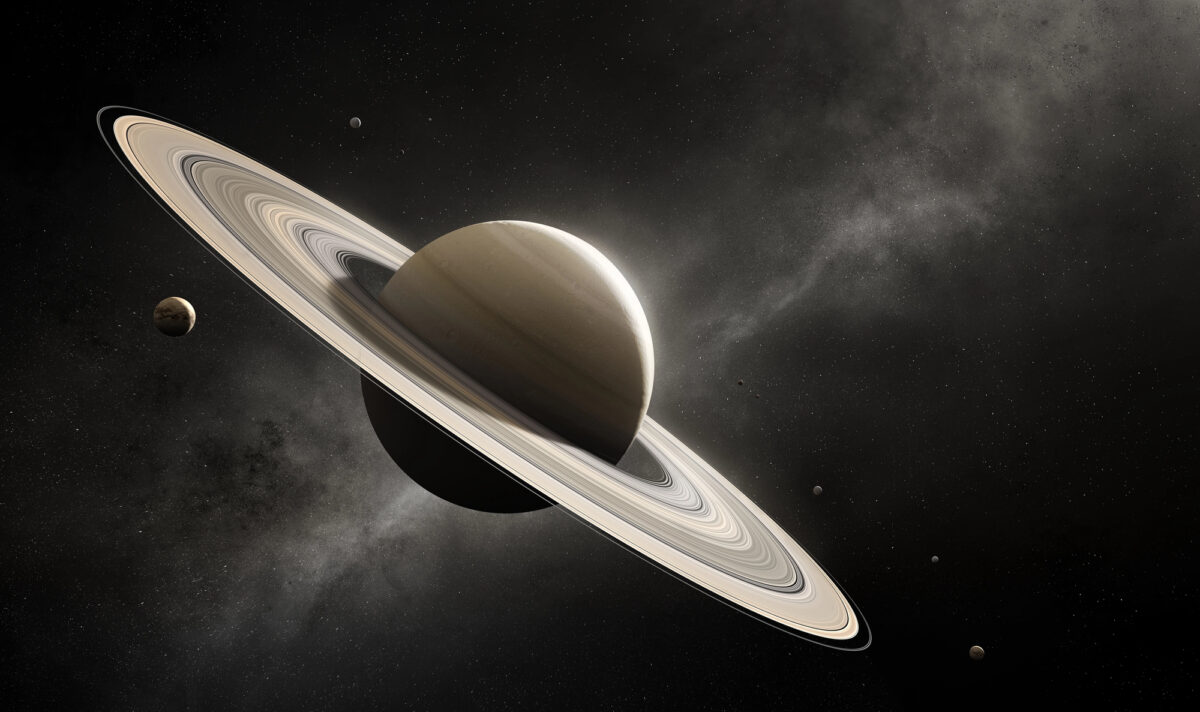
This image captures Saturn with the Sun positioned behind it, illuminating its rings in a way that reveals fine details. The rings appear almost translucent, with subtle variations in texture and density.
Small moons can be seen as faint points of light nearby. The composition feels carefully balanced, despite being entirely natural.
It highlights how even familiar planets can appear entirely different under the right conditions.
The Sombrero Galaxy
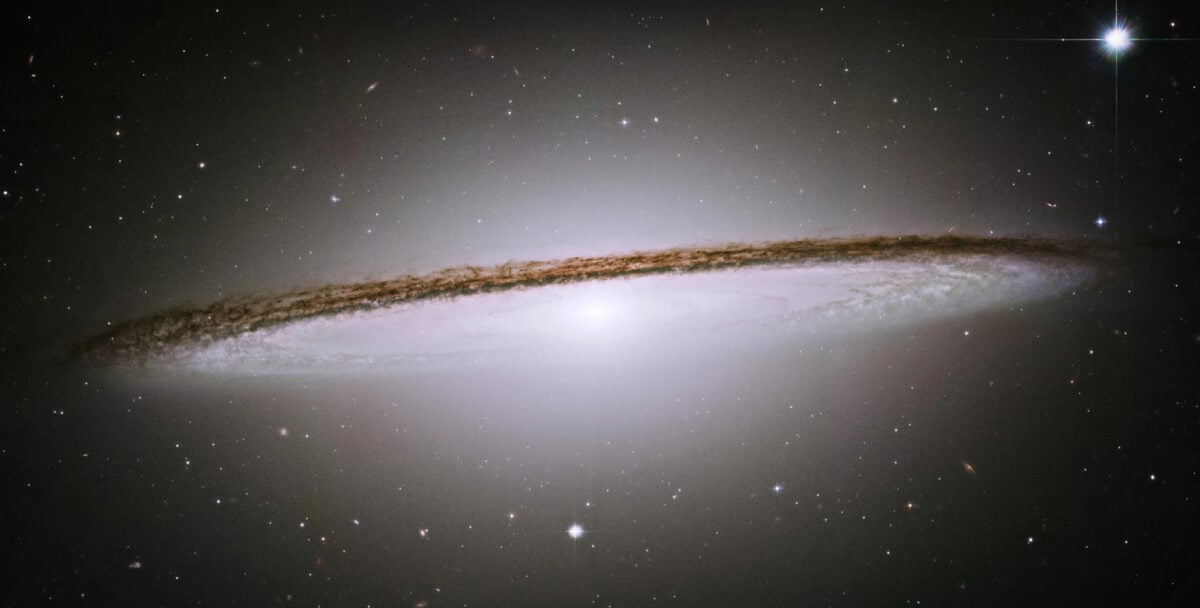
Named for its distinctive shape, the Sombrero Galaxy appears as a bright central bulge surrounded by a thin, flat disk. A dark band of dust cuts across the middle, adding contrast and definition.
The image highlights the structure of a galaxy in a way that feels almost architectural. Its clarity makes it one of the most visually striking deep-space images.
The sharpness of the image allows individual elements within the galaxy to stand out.
Jupiter’s Great Red Spot
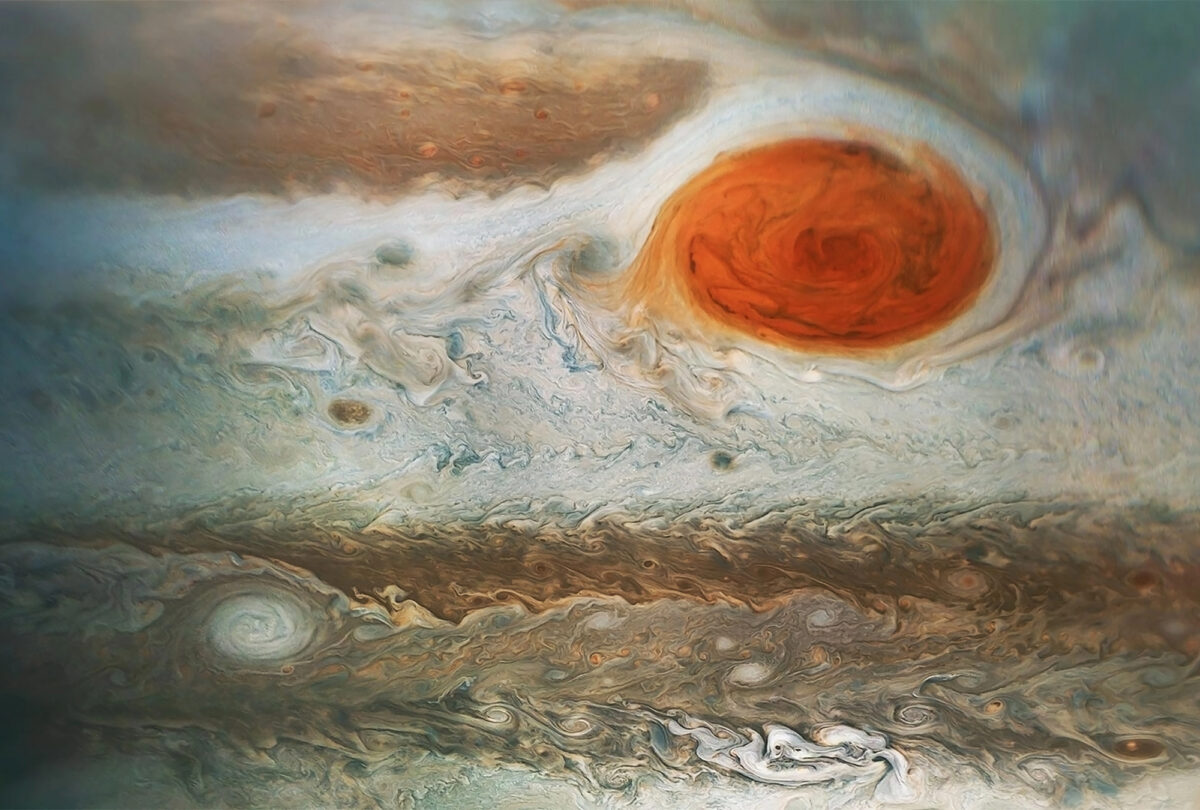
This close-up image of Jupiter reveals the massive storm known as the Great Red Spot. The swirling patterns of clouds create a sense of motion, even in a still image.
Variations in color indicate differences in composition and temperature. The scale of the storm alone makes it difficult to fully grasp.
It has been active for centuries, making it one of the longest-lasting storms ever observed.
The Butterfly Nebula
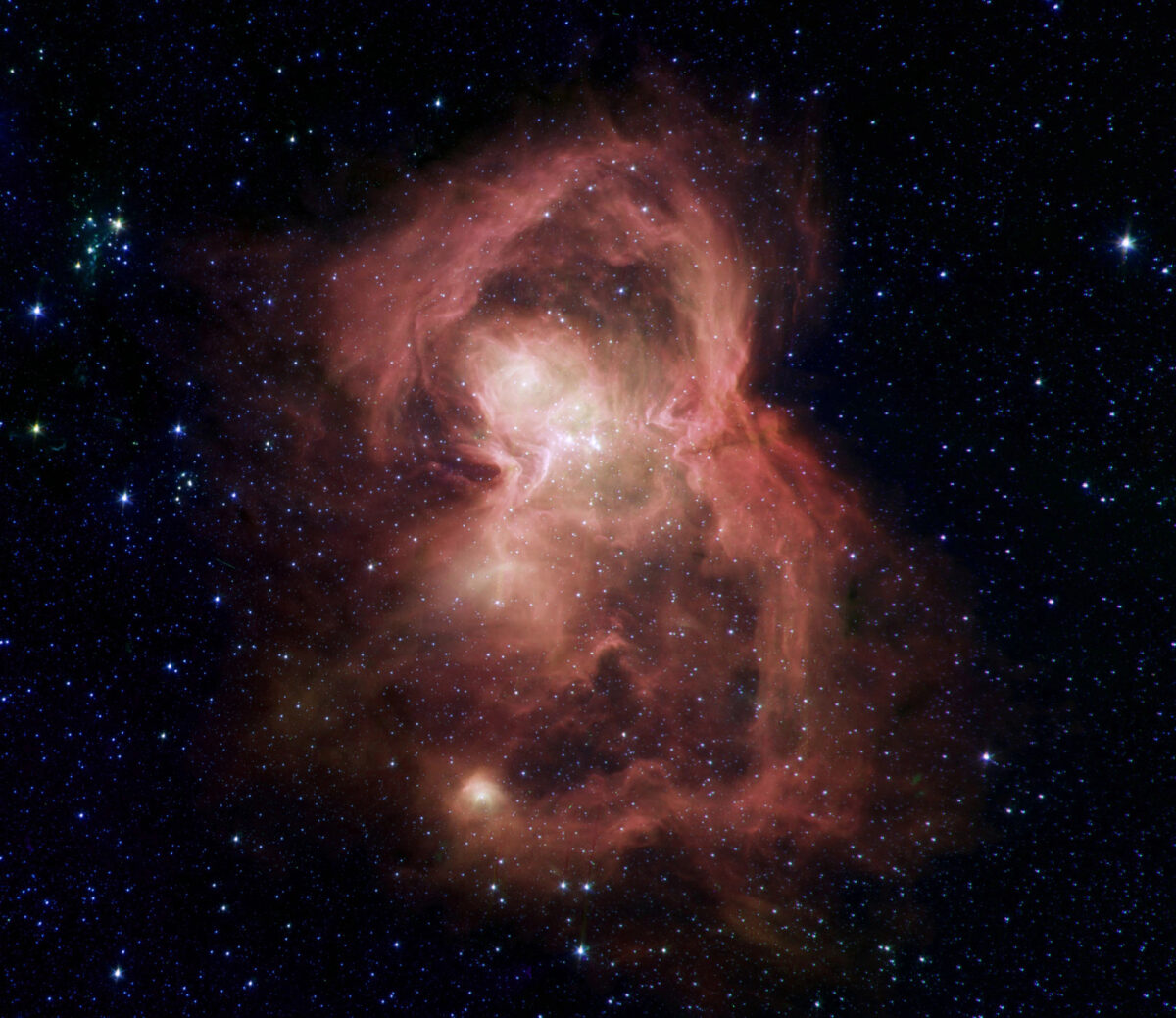
The Butterfly Nebula displays symmetrical wings of gas extending outward from a central star. The colors shift from deep reds to cooler blues, creating a layered effect.
The structure appears almost delicate, despite the forces shaping it. It’s an example of how cosmic events can produce forms that feel unexpectedly familiar.
The symmetry gives it a visual balance that stands out among nebula images.
Mars Surface Close-Up
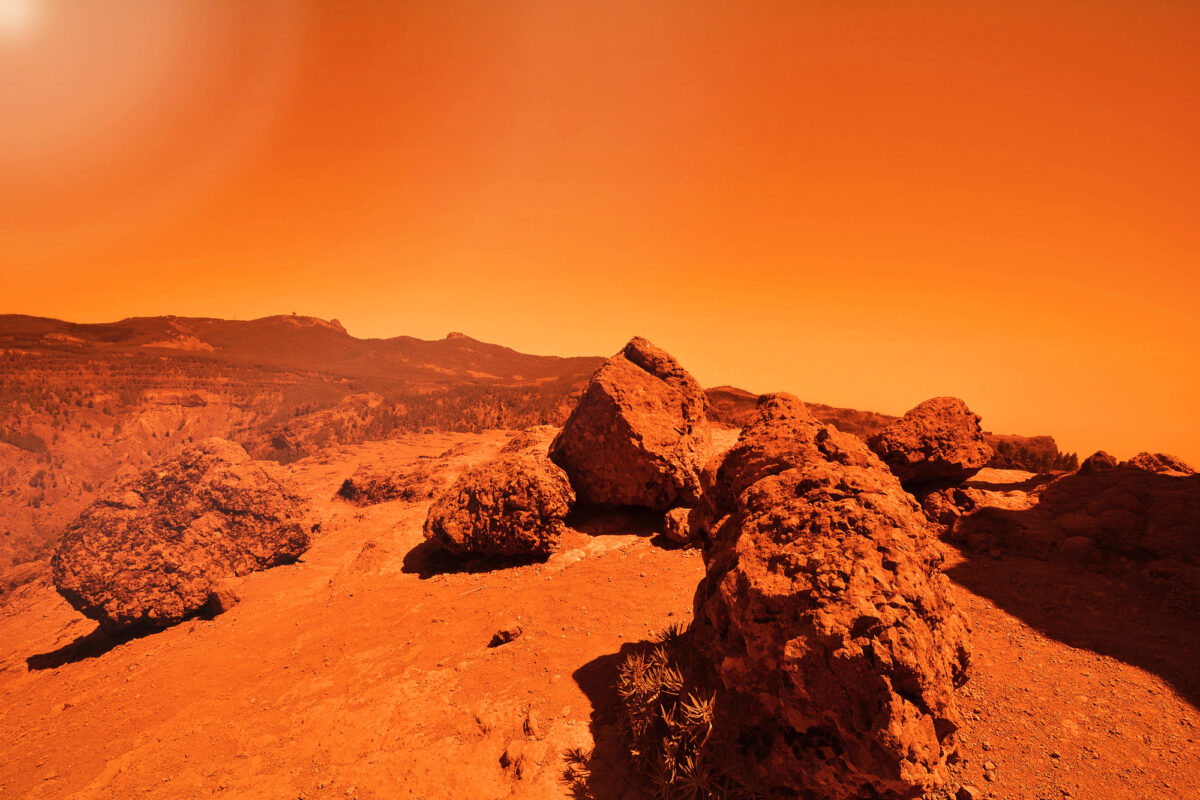
Images from rovers on Mars reveal a landscape that feels both alien and strangely recognizable. Rocks, dust, and shadows create textures similar to deserts on Earth.
The lighting adds depth, emphasizing subtle variations in the terrain. These close-ups bring a distant planet into a more tangible perspective.
Small details, like tracks left by rovers, make the environment feel more immediate.
The Carina Nebula
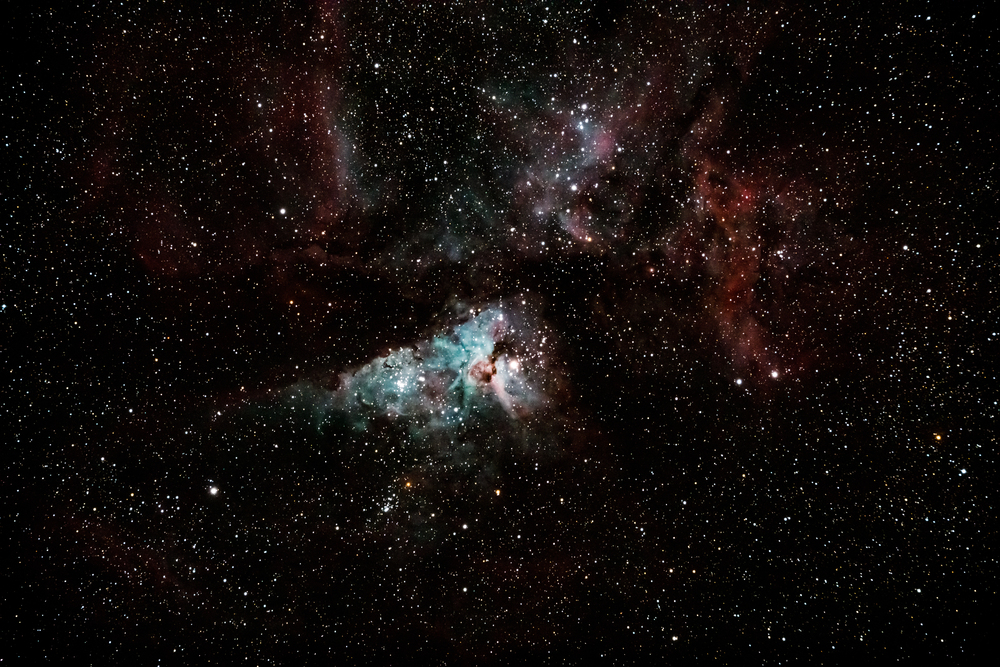
This image captures a vast region of star formation within the Carina Nebula. Bright clusters of stars are surrounded by clouds of gas and dust in varying colors.
The composition feels almost layered, with different elements appearing at different depths. It’s a reminder of how dynamic these regions are.
The scale of the nebula makes even large stars appear small within the frame.
The Moon’s Far Side
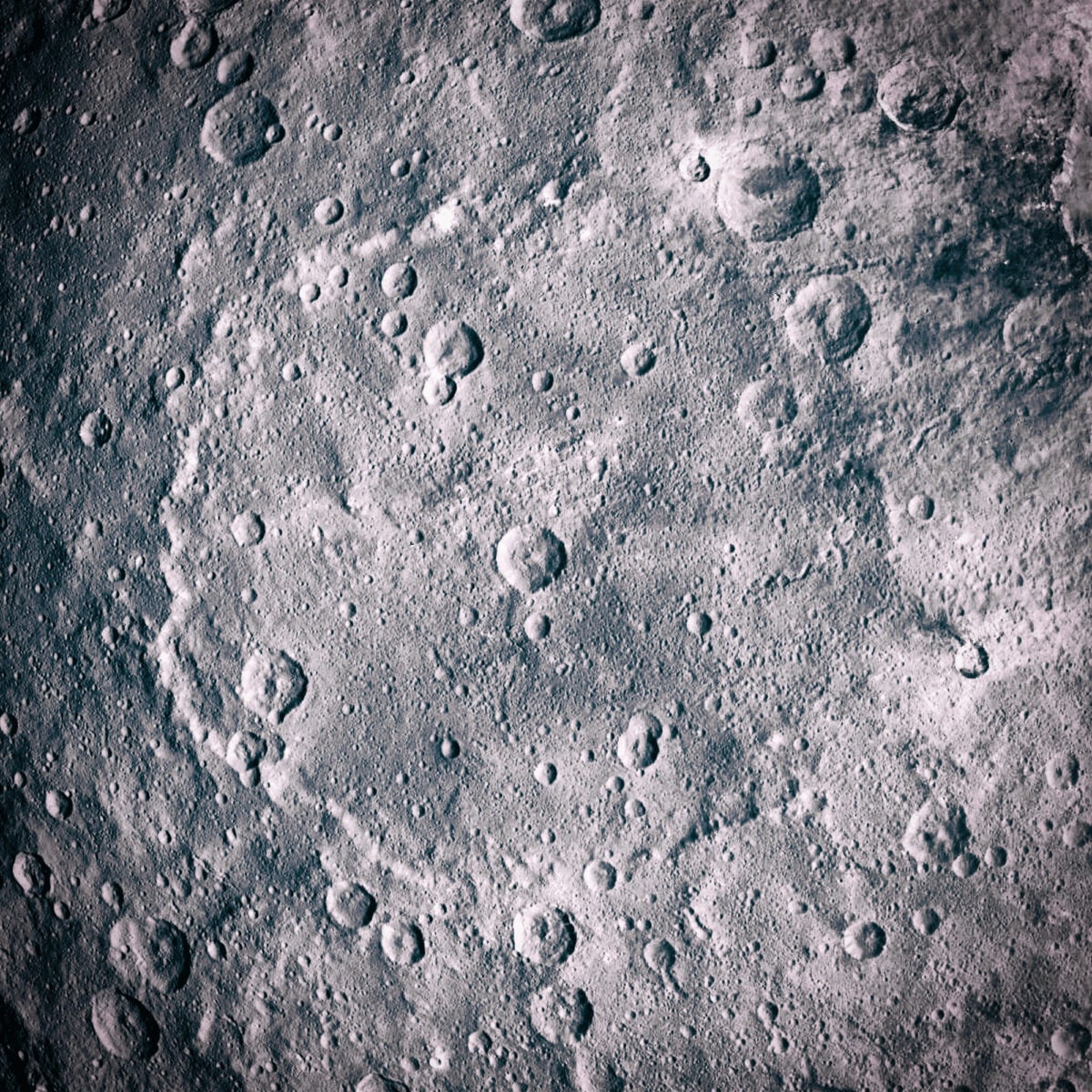
Photographs of the Moon’s far side reveal a surface very different from the one visible from Earth. It is more heavily cratered and lacks the large, dark plains seen on the near side.
These images provide insight into the Moon’s geological history. The unfamiliarity adds to their impact.
They offer a view that remained hidden for most of human history.
The Orion Nebula
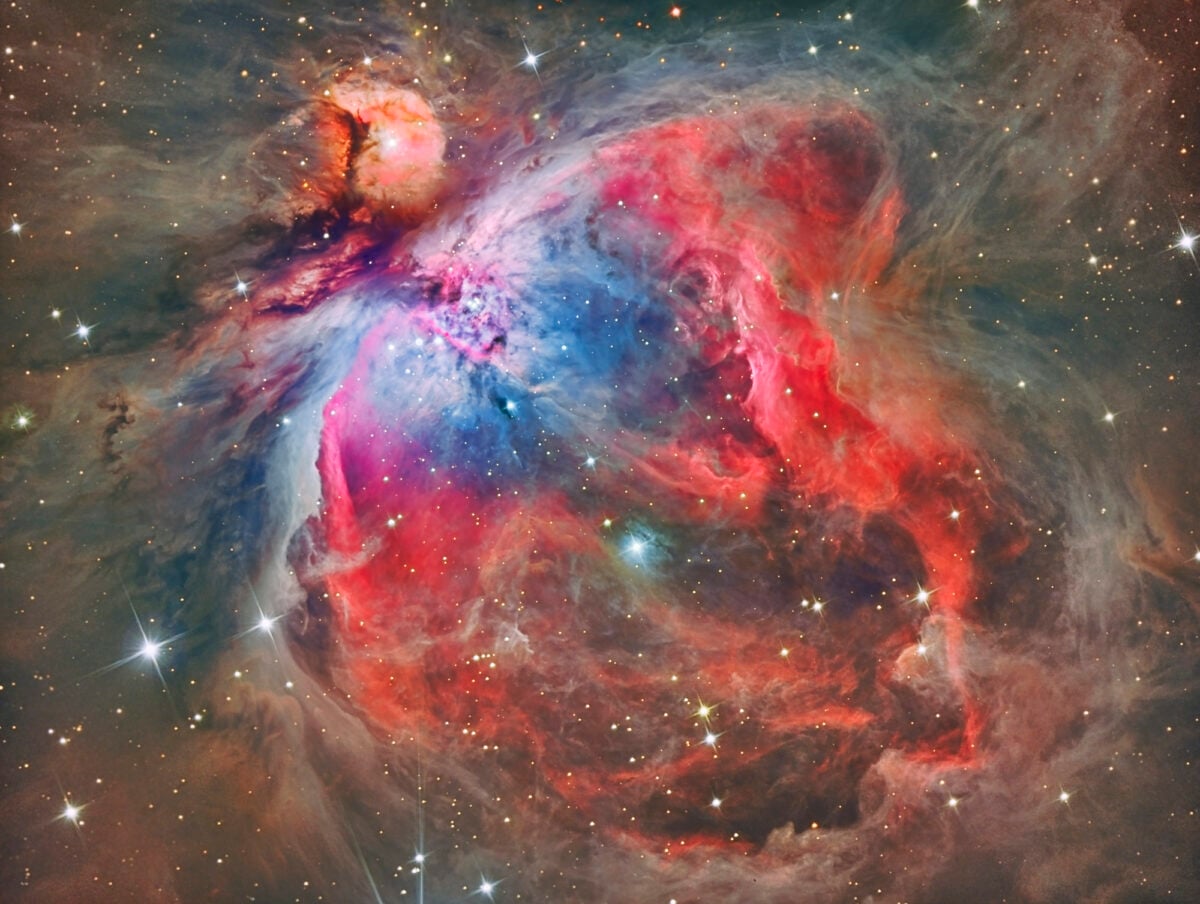
One of the closest regions of star formation, the Orion Nebula has been captured in remarkable detail. The image shows a mix of bright stars and dense clouds of gas.
The interplay of light and shadow creates a sense of depth. It’s both a scientific resource and a visual highlight.
Its proximity makes it one of the most studied nebulae.
Earth At Night
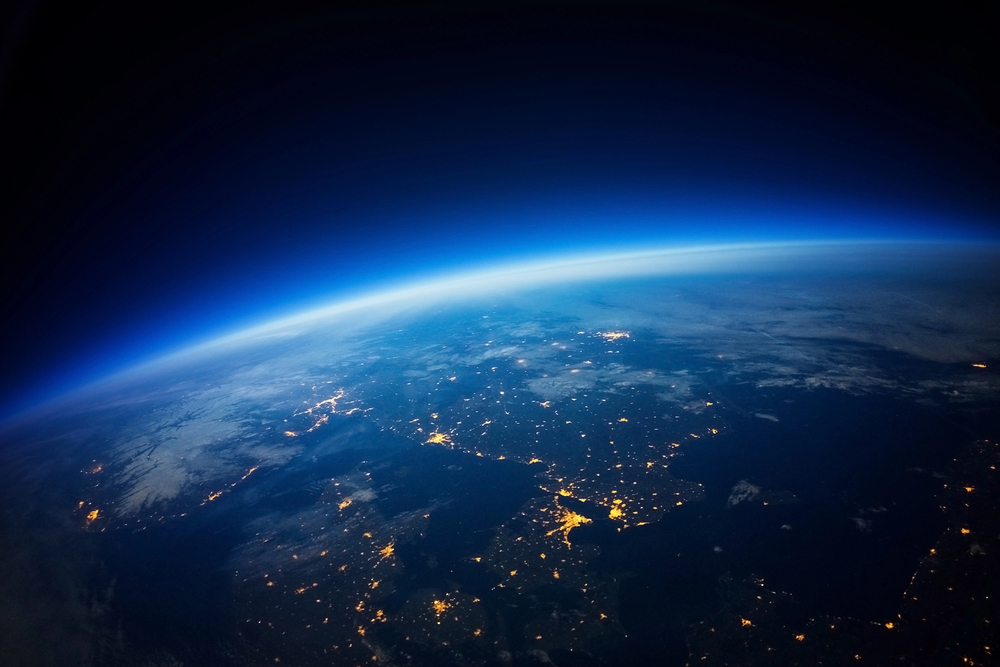
This composite image shows Earth illuminated by city lights, revealing patterns of human activity. Dense clusters of light mark major urban areas, while darker regions highlight less populated spaces.
The contrast between natural darkness and artificial light creates a unique perspective. It’s a view of the planet shaped by human presence.
It also subtly reflects how unevenly populated the world is.
Pluto Close-Up
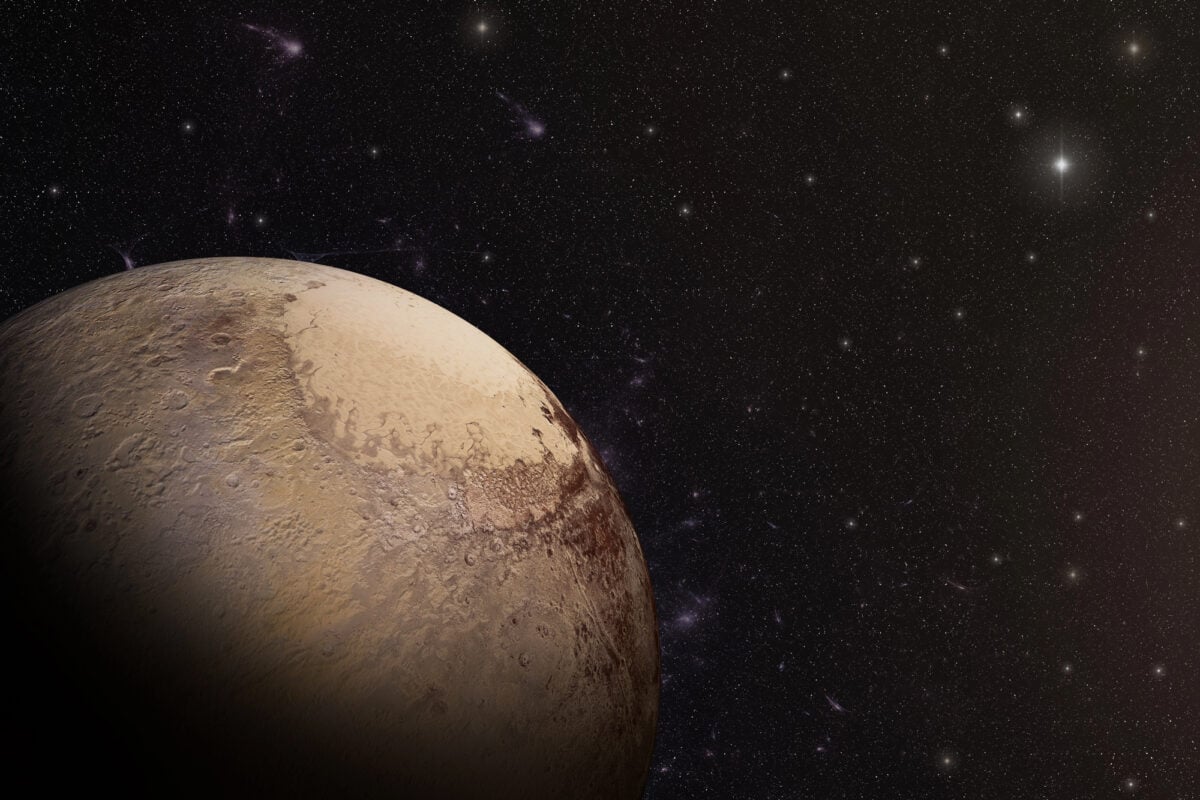
Images from the New Horizons mission revealed Pluto as a complex world with varied terrain. Mountains, plains, and icy regions are visible in surprising detail.
The surface shows signs of geological activity, challenging earlier assumptions. It transformed Pluto from a distant point of light into a place with character.
The discovery reshaped how distant objects are perceived.
The Sun In High Resolution
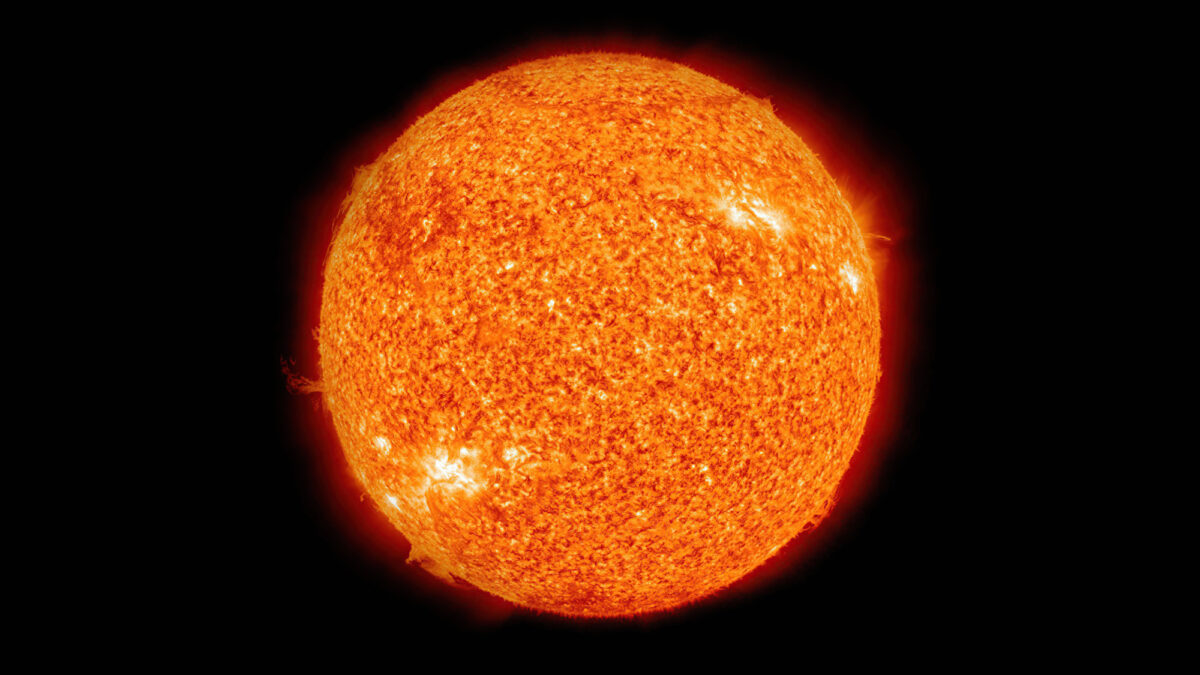
Close-up images of the Sun reveal a surface in constant motion, with patterns that shift and evolve. Bright regions and darker areas indicate changes in temperature and activity.
The level of detail captured provides valuable scientific data. At the same time, the visuals feel almost abstract.
The surface appears textured, more like a living system than a static object.
Why These Images Still Matter
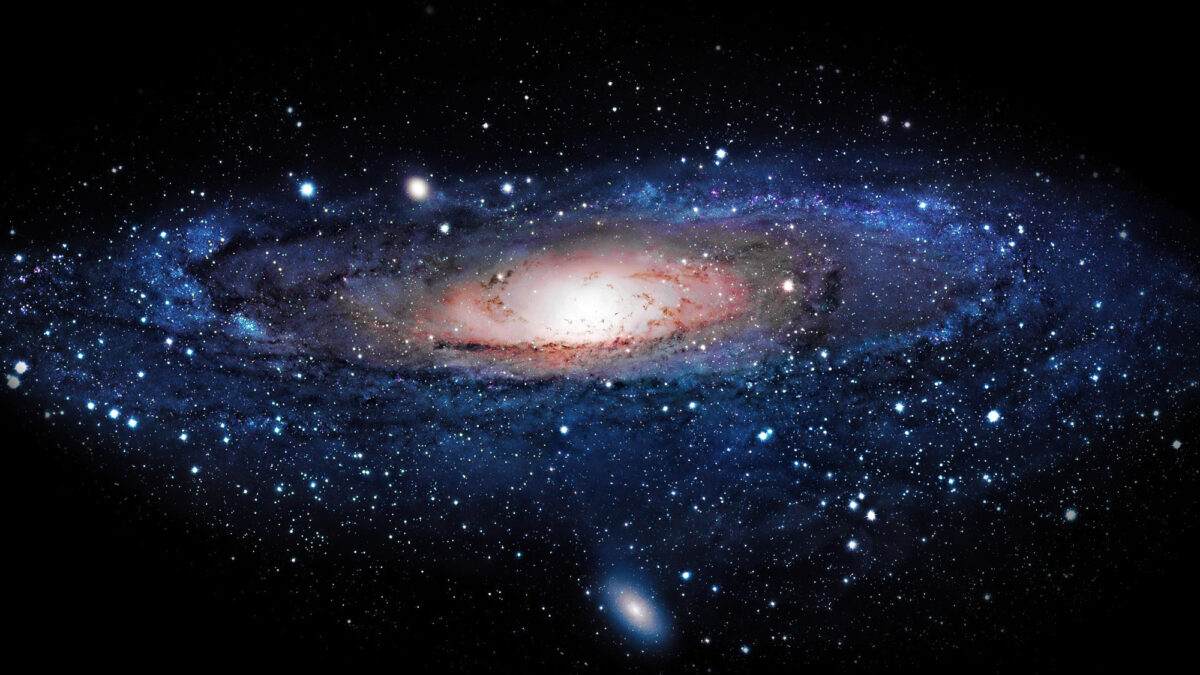
Not just pictures of space – these images shift how we see it. Held within each frame: a glimpse no eye could catch alone, turned clear through quiet revelation.
Science reaches out, curiosity answers back, linked by what light reveals when given form. It sticks around, long enough to shift how folks see the cosmos.
Well past launch dates and landing zones, those pictures shape thoughts on where we fit in the sky. Distance means less when one frame makes infinity feel near.
More from Go2Tutors!

- The Romanov Crown Jewels and Their Tragic Fate
- 13 Historical Mysteries That Science Still Can’t Solve
- Famous Hoaxes That Fooled the World for Years
- 15 Child Stars with Tragic Adult Lives
- 16 Famous Jewelry Pieces in History
Like Go2Tutors’s content? Follow us on MSN.