14 Sharks With Features Scientists Study
The ocean remains one of Earth’s most mysterious frontiers, with less than 20% of its depths thoroughly explored. Among its most fascinating inhabitants are sharks, which have evolved remarkable adaptations over their 450 million years on Earth.
While we understand many shark characteristics, some species possess features that continue to baffle marine biologists. These extraordinary sharks challenge our understanding of marine evolution with their peculiar anatomical features and behaviors.
Here is a list of 14 sharks whose unique characteristics continue to perplex the scientific community.
Goblin Shark

The goblin shark’s most distinctive feature is its protrusible jaw that can extend nearly the entire length of its snout in less than a second. This pink-skinned deep-sea dweller has remained virtually unchanged for 125 million years, earning it the nickname ‘living fossil.’
Scientists are still trying to understand how its jaw mechanism evolved and why such an extreme adaptation was necessary for its survival in the deep ocean environment.
Megamouth Shark

Discovered only in 1976, the megamouth shark represents one of the most elusive large marine animals on the planet. Its enormous mouth is lined with light-producing photophores that scientists believe attract plankton, but the precise mechanism remains poorly understood.
Researchers have documented fewer than 100 specimens, making it nearly impossible to study their behavioral patterns and feeding strategies in their natural habitat.
Frilled Shark

With a snake-like body and collar of gills that gives it its name, the frilled shark is essentially a swimming time capsule from 80 million years ago. Its 300 three-pronged teeth are arranged in 25 rows, but what puzzles scientists is how this ancient design has remained unchanged while other shark species have developed more specialized dentition.
The shark’s embryonic development also remains mysterious, with pregnancies possibly lasting up to 3.5 years—the longest of any vertebrate.
Greenland Shark
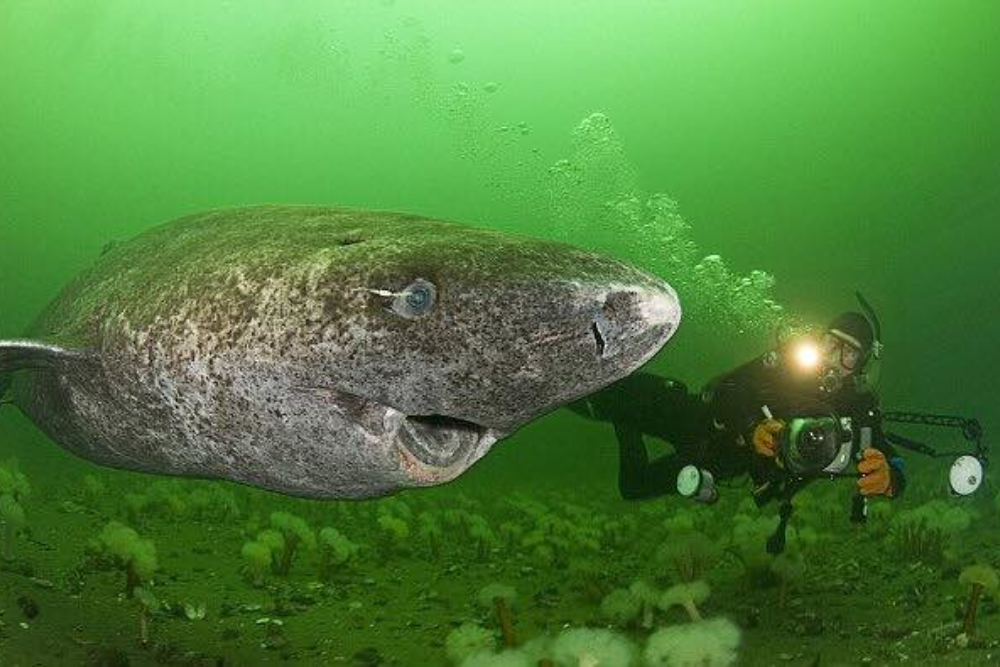
The Greenland shark can live for more than 400 years, making it the longest-lived vertebrate known to science. What confounds researchers is how these sharks manage to survive in the Arctic’s freezing waters with an incredibly slow metabolism and growth rate of less than one inch per year.
Even more baffling is that most Greenland sharks have parasitic copepods attached to their eyes, rendering them partially blind, yet they successfully hunt seals and other fast-moving prey.
Cookiecutter Shark
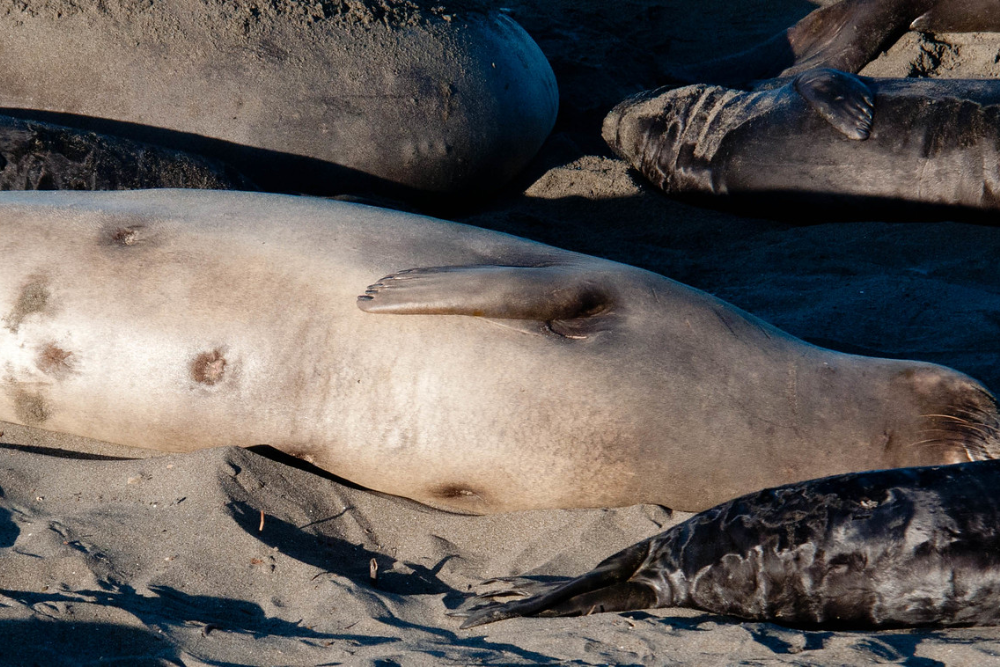
Despite its small size of about 20 inches, the cookiecutter shark possesses perhaps the most peculiar feeding mechanism in the shark world. It attaches to larger animals like a suction cup and rotates its body to remove a perfectly circular plug of flesh.
Scientists can’t fully explain how such a small creature evolved to prey on animals hundreds of times its size, including great white sharks, orcas, and even nuclear submarines with their rubber sonar domes.
Hammerhead Shark

The hammerhead’s distinctive T-shaped head (called a cephalofoil) has baffled scientists since its discovery. While theories suggest it improves the shark’s vision, electrical prey detection, or hydrodynamics, no consensus exists on why evolution favored such an extreme head shape.
Even more puzzling is the wide variation in hammer width among the nine hammerhead species, suggesting multiple evolutionary pressures at work that researchers still don’t fully comprehend.
Thresher Shark
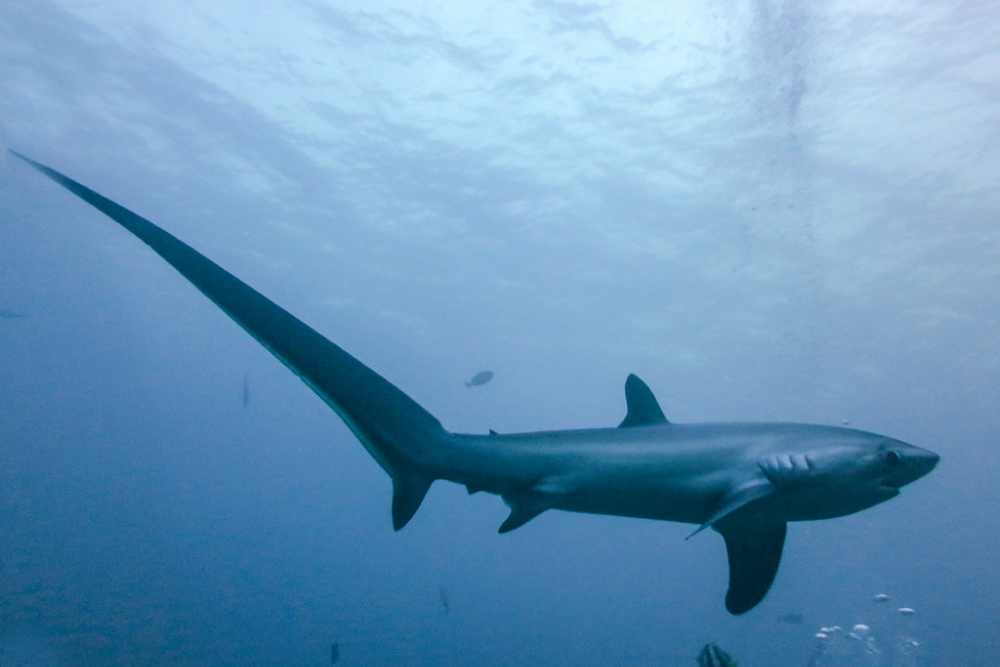
Thresher sharks use their extraordinarily long tail fins—nearly the length of their entire bodies—as weapons to stun fish. They’re the only sharks known to use tail-slapping as a hunting technique, capable of accelerating their tails to speeds that create underwater shockwaves.
The energetic cost of developing and maintaining such a specialized appendage seems counterintuitive, and marine biologists are still working to understand the full range of ways threshers use their remarkable tails.
Ghost Shark

Also known as chimaeras, ghost sharks diverged from other shark lineages nearly 400 million years ago. Their bodies are filled with strange features, including retractable sexual appendages on their heads, constantly-growing tooth plates instead of individual teeth, and a mysterious canal system across their heads that may detect pressure waves or electrical fields.
Despite being close relatives to sharks, their evolutionary path and unique sensory systems remain largely enigmatic to researchers.
Epaulette Shark

The epaulette shark performs a remarkable feat that defies shark biology—it can survive out of water for up to an hour and walk on its fins across exposed reef flats. Unlike other fish, it can switch off non-essential brain functions and slow its heart rate when oxygen levels drop.
Scientists are studying this shark’s unique adaptations for potential applications in human medicine, particularly for stroke and heart attack treatments. Yet, they still don’t understand the precise mechanisms that allow it to thrive in such extreme conditions.
Whale Shark

As the largest fish in the sea, reaching lengths of 40 feet, whale sharks possess skin up to 4 inches thick, covered in a unique pattern of spots and stripes as distinctive as human fingerprints. What mystifies scientists is their long-distance migration patterns, which don’t follow typical feeding or breeding logic.
Even more puzzling, female whale sharks can seemingly store sperm for years and may be able to produce offspring without male participation through parthenogenesis—a reproductive mystery that researchers are actively investigating.
Angular Roughshark
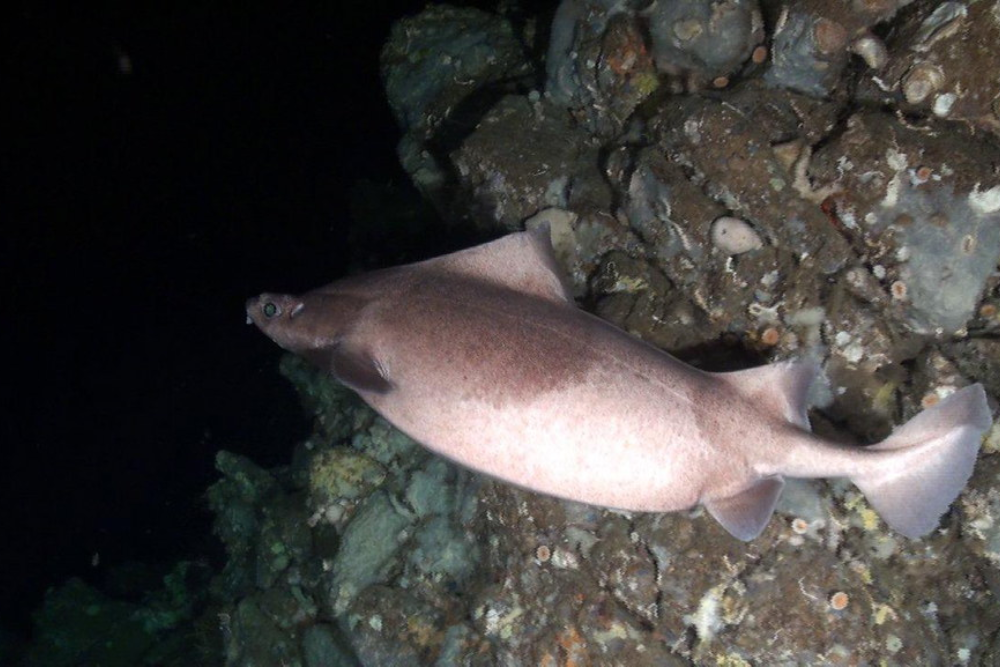
The angular roughshark, or pig shark, has a face that appears almost human-like, with a bulbous nose and high forehead. Scientists are puzzled by its ability to produce light through specialized organs called photophores—unusual for a species that doesn’t live in extreme depths.
This bizarre-looking shark has changed little in millions of years, and researchers struggle to explain why its unusual appearance has persisted through evolutionary time when most other shark species have developed more streamlined features.
Basking Shark
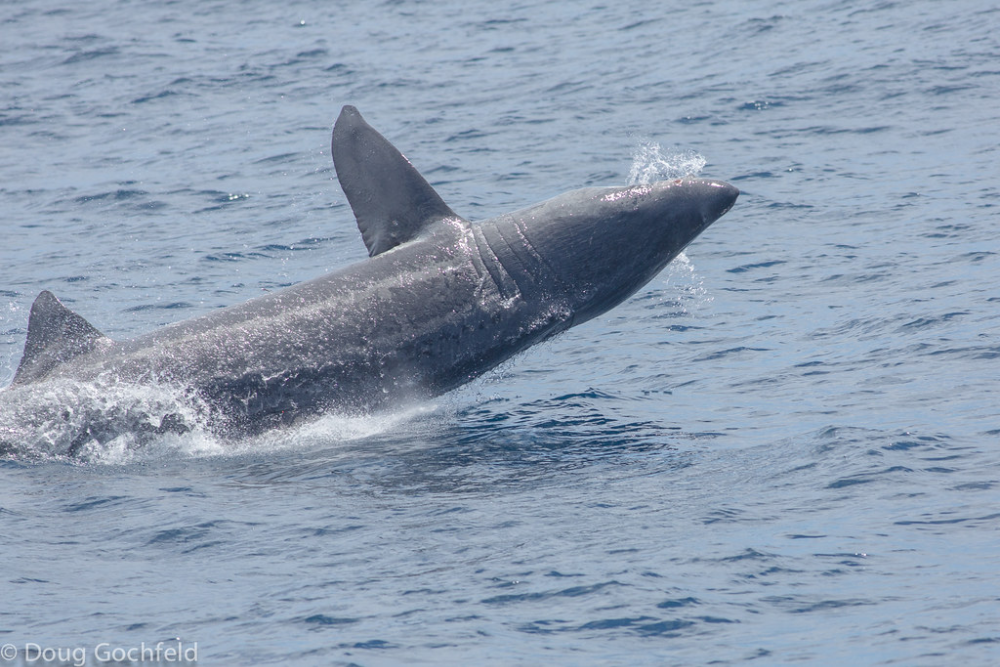
The basking shark’s enormous mouth can open more than 3 feet wide, filtering over 1,500 gallons of water per hour for plankton. What baffles marine biologists is their seasonal disappearance in winter months.
Until recently, their whereabouts remained completely unknown—some basking sharks have been found in deep waters of 3,000 feet, while others may cross entire oceans. Their social structures and communication methods remain largely mysterious, despite being the second-largest fish in the sea.
Pacific Sleeper Shark

The Pacific sleeper shark thrives in freezing waters and has specialized teeth that glow in the dark due to bioluminescent bacteria. Scientists don’t understand how these sharks coordinate with the bacteria or what benefit the microorganisms receive from the relationship.
Even more perplexing is how these seemingly slow-moving creatures manage to capture fast-swimming prey like salmon and seals—their hunting strategy remains one of the ocean’s enduring mysteries.
Porbeagle Shark
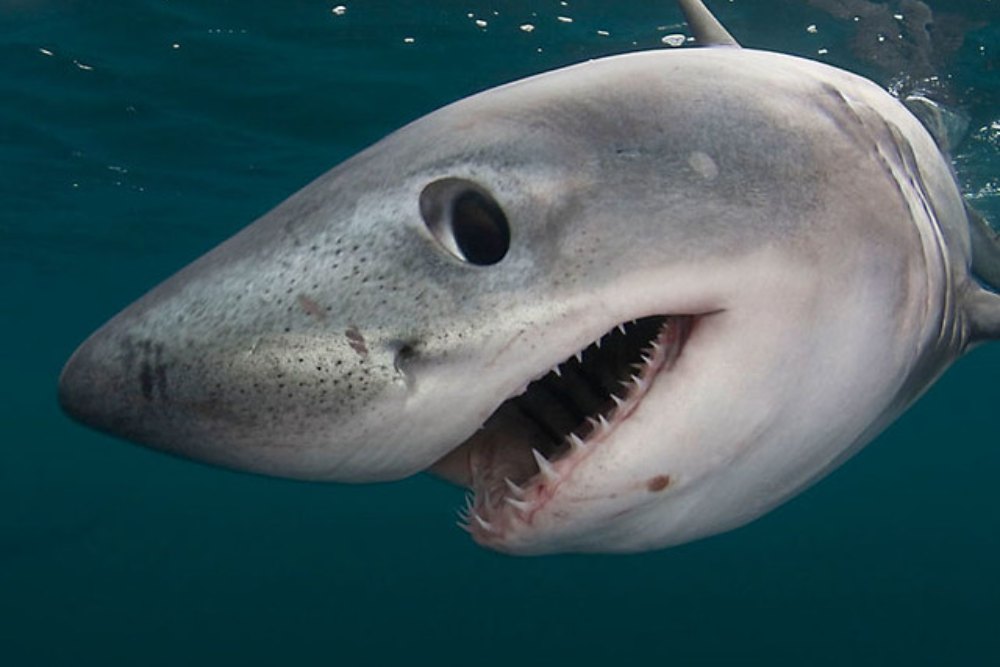
The porbeagle shark displays remarkably complex social behaviors more commonly associated with marine mammals than with fish. They’ve been observed playing with floating objects and organizing into hunting formations that suggest sophisticated coordination.
Most baffling to scientists is the porbeagle’s internal heating system that keeps its body temperature up to 18°F warmer than surrounding waters—a rare trait called regional endothermy that has evolved independently in only a handful of shark species for reasons that remain unclear.
The Ongoing Mystery of Shark Evolution
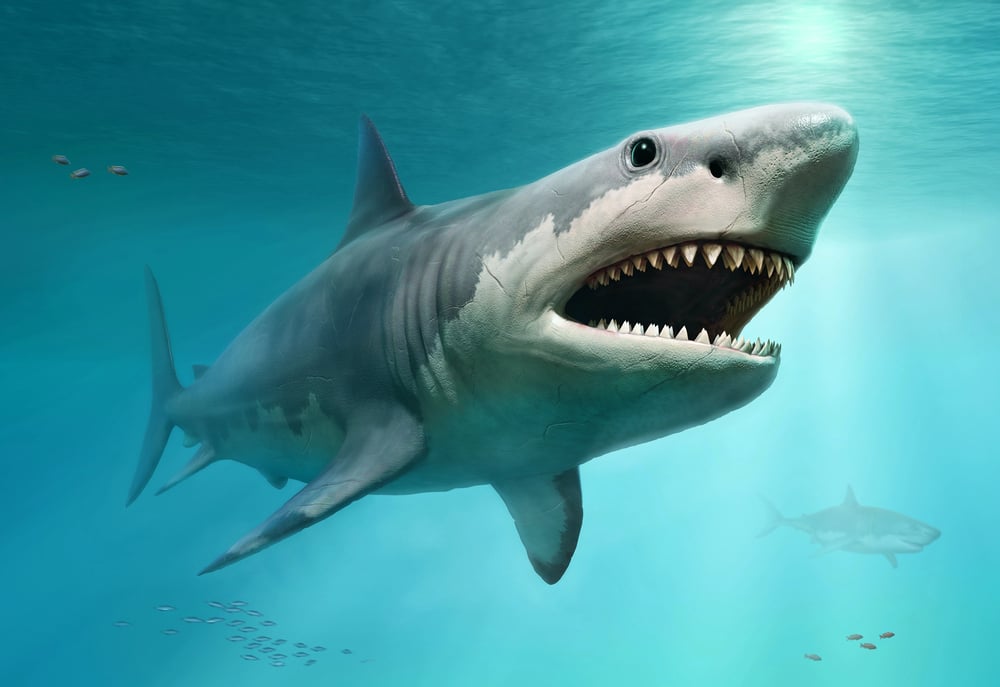
These 14 sharks represent not just biological curiosities, but windows into the complex and often unpredictable nature of evolution. Their unusual features challenge our understanding of adaptation and survival in Earth’s oldest and most competitive ecosystem.
As ocean exploration technology improves, scientists hope to solve these persistent mysteries and perhaps discover even more bizarre shark species in unexplored ocean regions. Until then, these remarkable creatures remind us that even after centuries of scientific inquiry, nature still holds countless secrets beneath the waves.
More from Go2Tutors!

- The Romanov Crown Jewels and Their Tragic Fate
- 13 Historical Mysteries That Science Still Can’t Solve
- Famous Hoaxes That Fooled the World for Years
- 15 Child Stars with Tragic Adult Lives
- 16 Famous Jewelry Pieces in History
Like Go2Tutors’s content? Follow us on MSN.



