17 Bridge Collapses That Changed Building Standards
When a bridge gives way, it’s rarely just a freak accident—it’s often the final result of overlooked design flaws, aging materials, or misunderstood forces. While the damage is immediate, the long-term effects stretch far beyond the rubble.
These structural failures didn’t just shock the world—they transformed the way bridges are engineered, inspected, and maintained. Here is a list of 17 bridge collapses that pushed the world to build smarter and safer.
Tacoma Narrows Bridge

Back in 1940, the Tacoma Narrows Bridge—nicknamed ‘Galloping Gertie’—twisted itself to pieces under steady winds. There wasn’t a storm, just wind patterns that engineers hadn’t fully accounted for.
That collapse set the stage for mandatory aerodynamic testing in suspension bridge design—something that wasn’t standard until then.
Silver Bridge
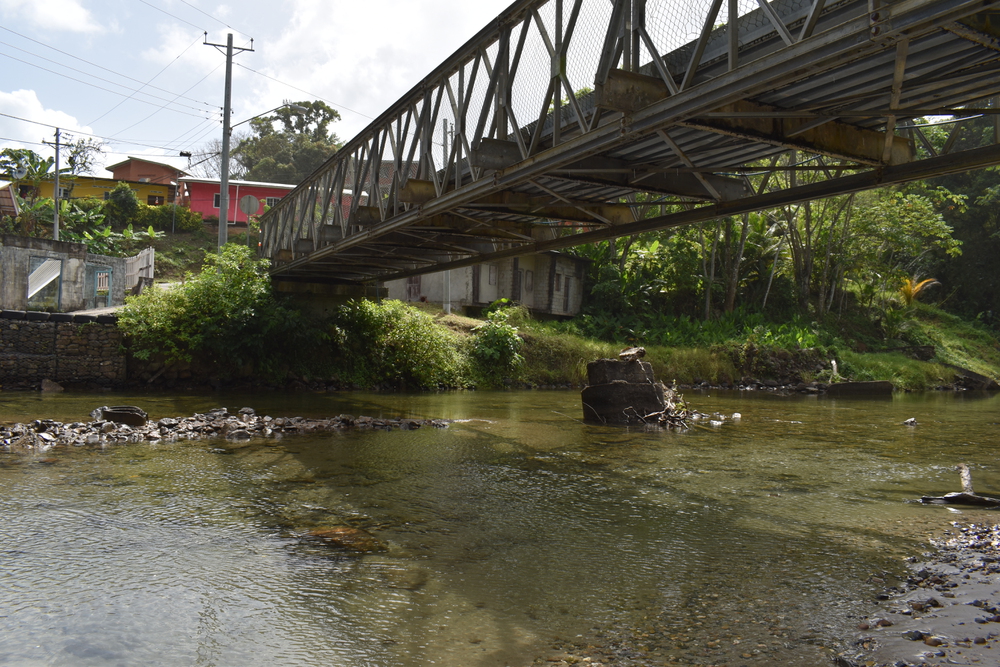
This Ohio River bridge came down in 1967, during peak traffic—46 lives lost in moments. The problem?
A single cracked eyebar that failed under stress. No backups, no redundancy—just one weak link in an old design.
Afterward, inspection laws got a serious overhaul, pushing for routine structural evaluations across the country.
Like Go2Tutors’s content? Follow us on MSN.
I-35W Mississippi River Bridge
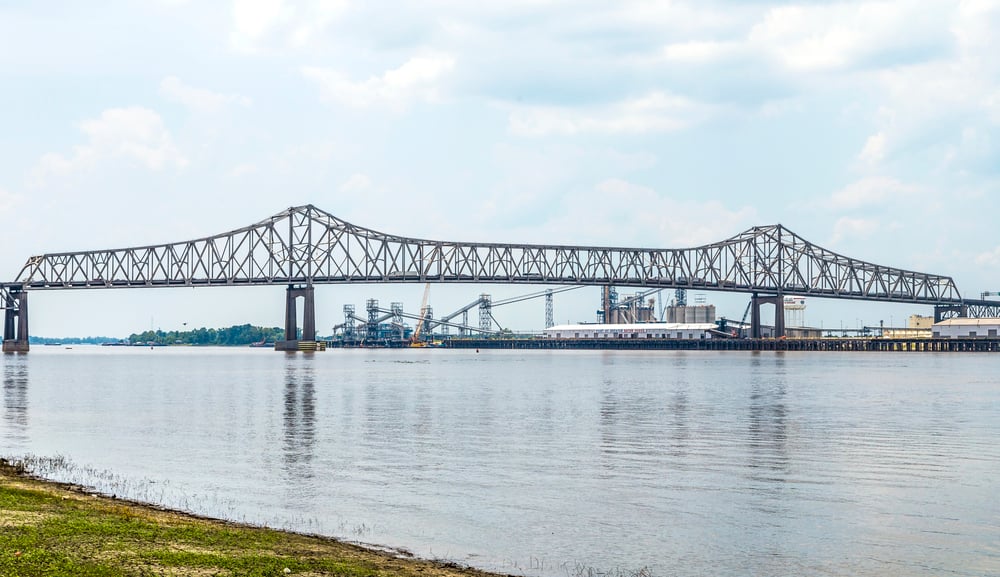
Minneapolis, 2007—rush hour came to a halt when this eight-lane bridge collapsed into the river. It wasn’t sabotage or corrosion—it was undersized gusset plates that couldn’t handle added construction weight.
This tragedy forced agencies to reassess older structures, especially those undergoing modifications without full load recalculations.
Sunshine Skyway Bridge
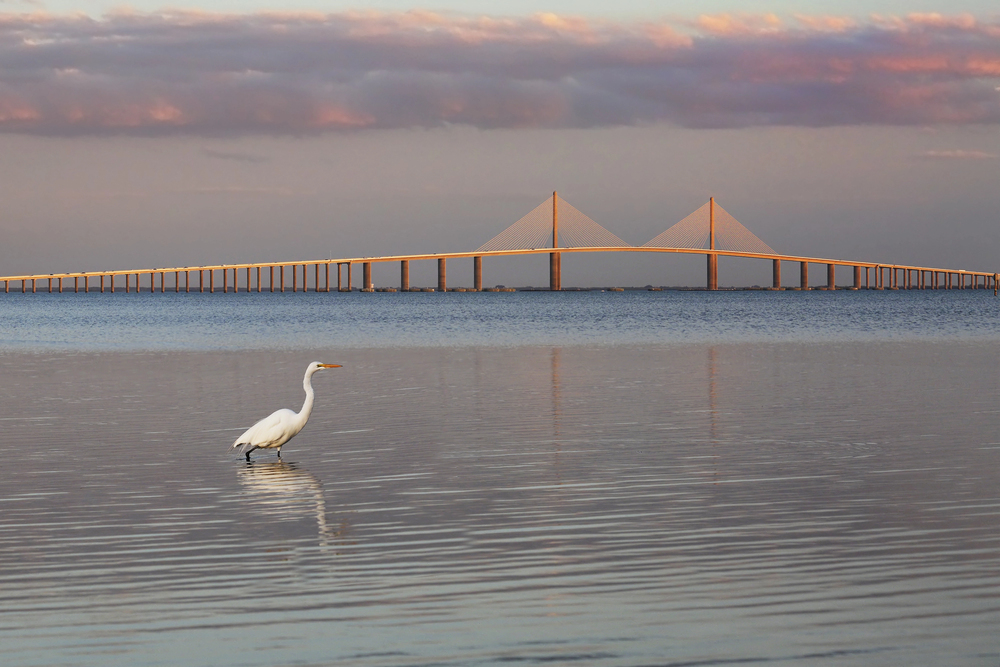
A freighter struck one of the bridge piers in 1980 during low visibility—within seconds, a chunk of Florida’s Sunshine Skyway dropped into Tampa Bay. Vehicles drove right off the edge.
The disaster highlighted the need for protective barriers around piers and reshaped how bridge designers deal with ship traffic routes.
Quebec Bridge
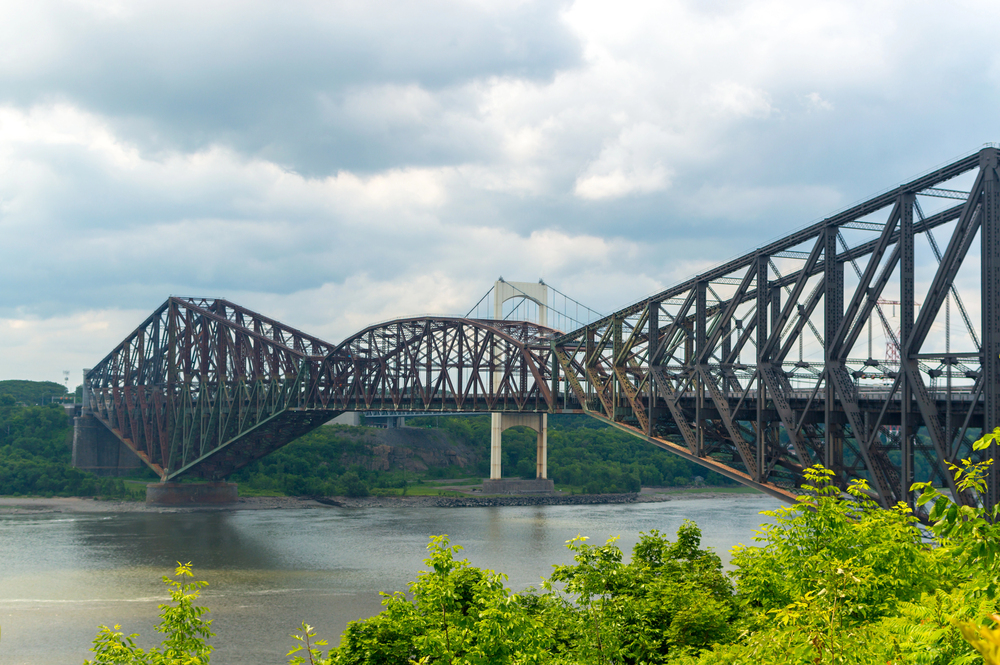
The Quebec Bridge failed not once but twice during construction in the early 1900s—first due to its own weight, then due to rushed repairs. The second collapse killed 13 workers; the first took 75.
These twin failures pushed the engineering world to adopt peer reviews for massive projects, especially ones testing structural limits.
Like Go2Tutors’s content? Follow us on MSN.
Mianus River Bridge
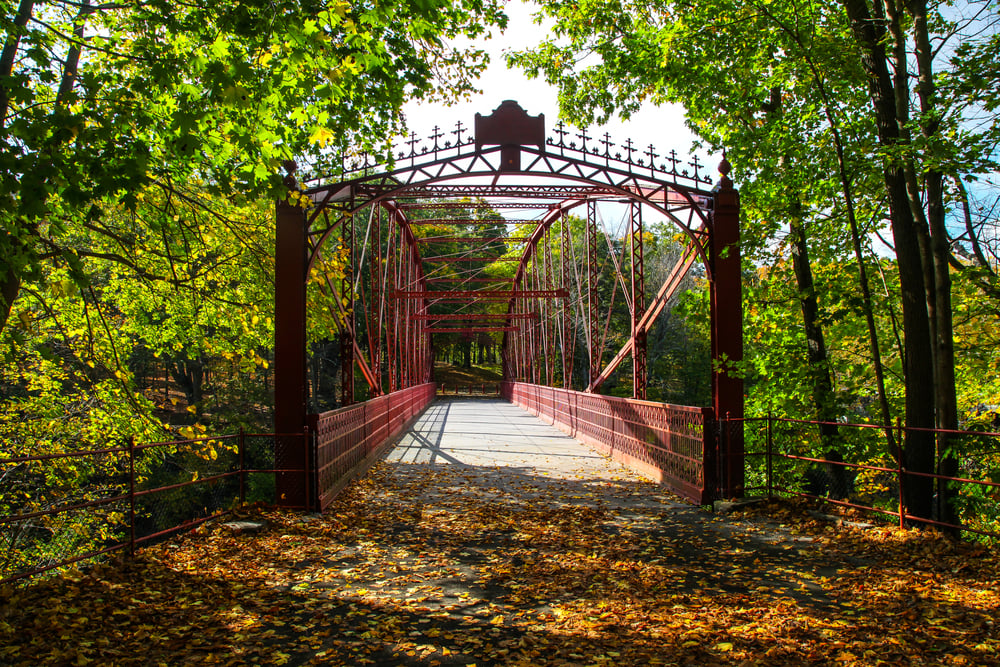
In 1983, Connecticut drivers were jolted awake—literally—when a 100-foot section of this bridge fell overnight. A corroded pin in the support system gave way, causing a deadly gap in the roadway.
The incident exposed how poor maintenance can quietly build toward catastrophic failure over decades.
Point Pleasant Bridge
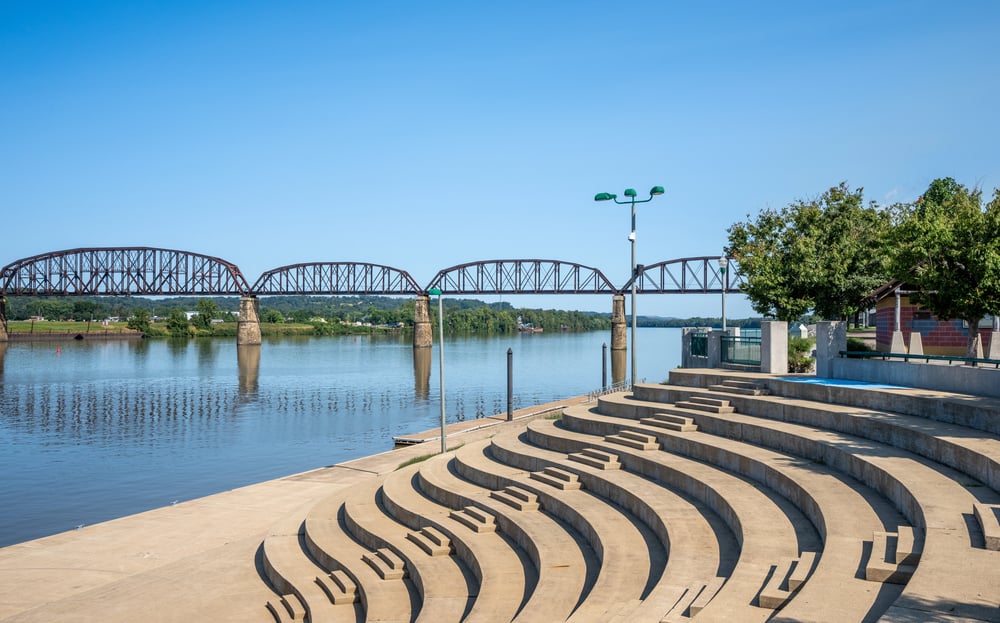
Also called the original Silver Bridge, this 1928 structure failed because it had no fail-safes. When one component gave out, the whole thing followed.
Redundancy wasn’t built into the design—which is precisely why redundancy became non-negotiable in future bridge standards.
West Gate Bridge

Melbourne, 1970—engineers tried to fix a buckled piece of steel, but instead triggered a collapse that killed 35 workers. Miscommunication and poor load handling during construction played a huge role.
This event drove home the value of coordination between designers, contractors, and site crews during high-stress builds.
Like Go2Tutors’s content? Follow us on MSN.
Hyatt Regency Walkway
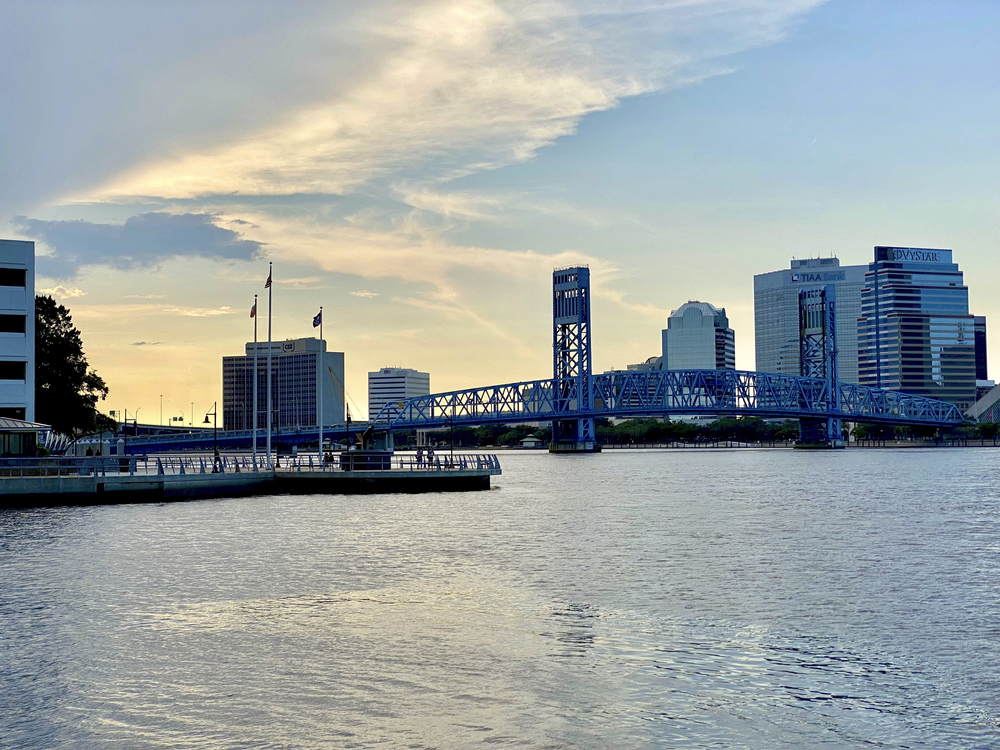
Though technically an indoor bridge, the 1981 walkway collapse in Kansas City left 114 people dead. The modified connection design looked harmless—yet it shifted the entire weight burden to a weaker point.
Afterward, connection loads got a whole lot more scrutiny in public infrastructure.
Schoharie Creek Bridge
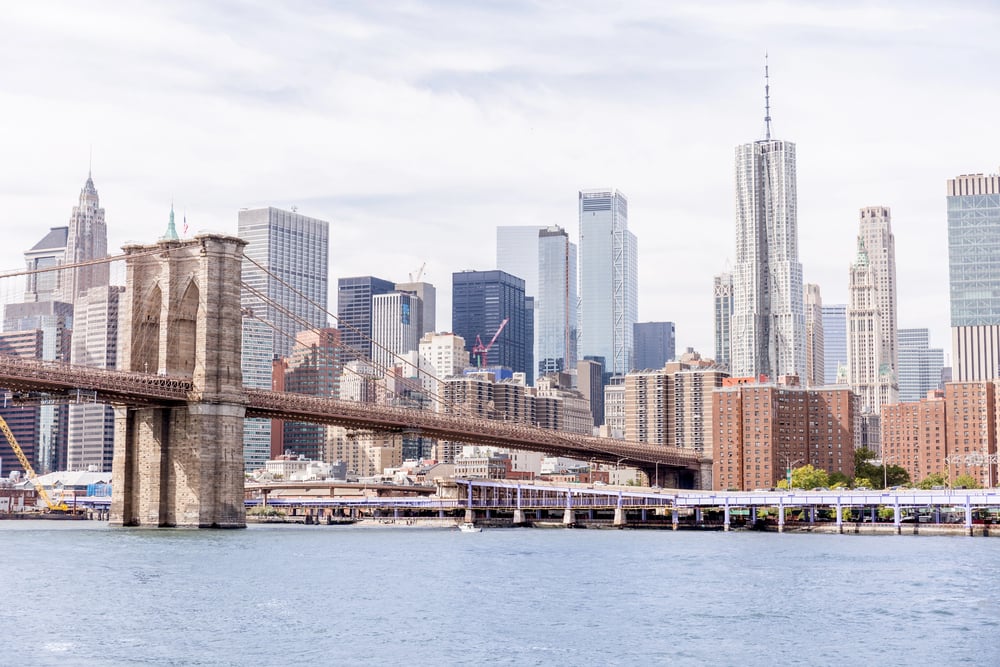
In 1987, floodwaters quietly washed away the ground beneath this New York bridge. Drivers had no warning when a span gave out. No visible damage above—just a foundation eroded by years of shifting water.
This led engineers to treat scour (that’s erosion around supports) as a major threat rather than a footnote.
Big Bayou Canot
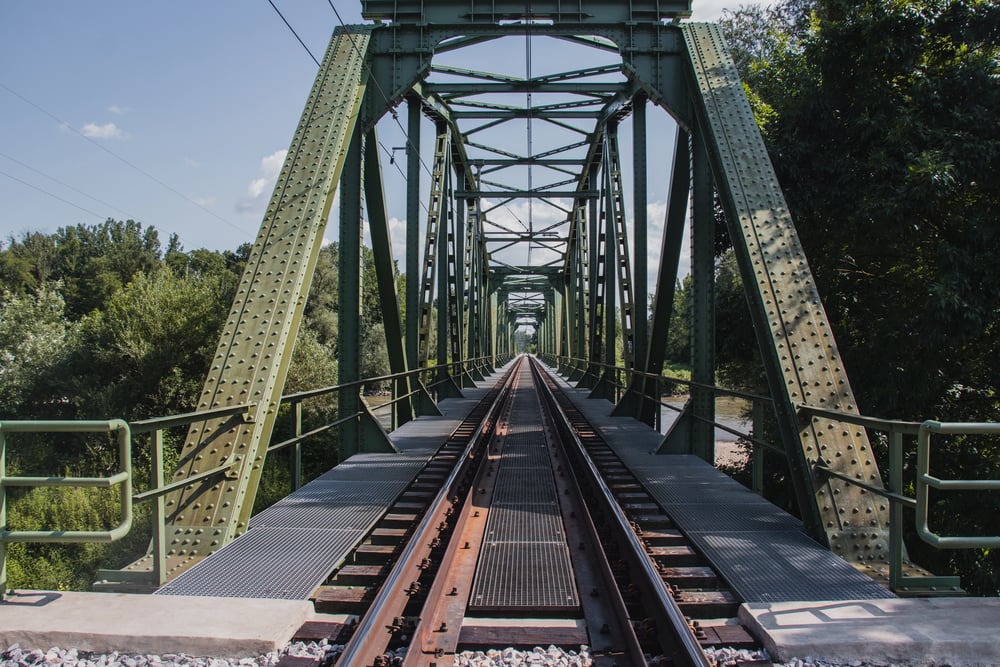
It was early morning in 1993 when a barge, lost in the fog, hit the base of a rail bridge in Alabama. The impact twisted the tracks just enough to derail an oncoming train—47 people died.
This one pushed for better signage, bridge protections, and vessel navigation systems near crossings.
Like Go2Tutors’s content? Follow us on MSN.
Fern Hollow Bridge
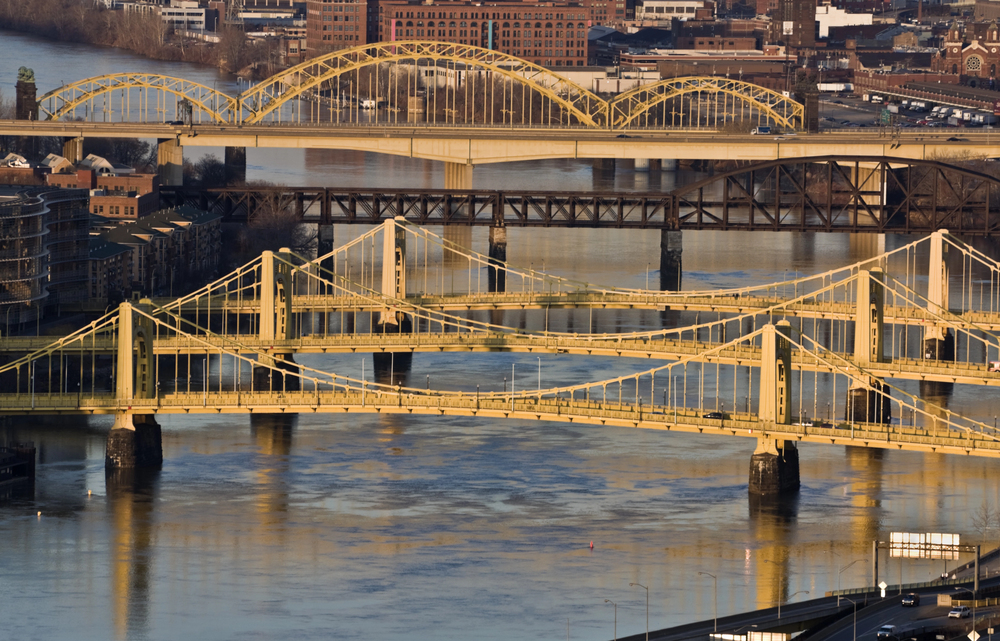
This Pittsburgh bridge collapsed in 2022, right before a planned visit from President Biden. While the timing was bizarre, the cause wasn’t: years of deferred maintenance and ignored warnings.
It added fuel to the national push for infrastructure investment, spotlighting the backlog of aging bridges across the U.S.
I-5 Skagit River Bridge
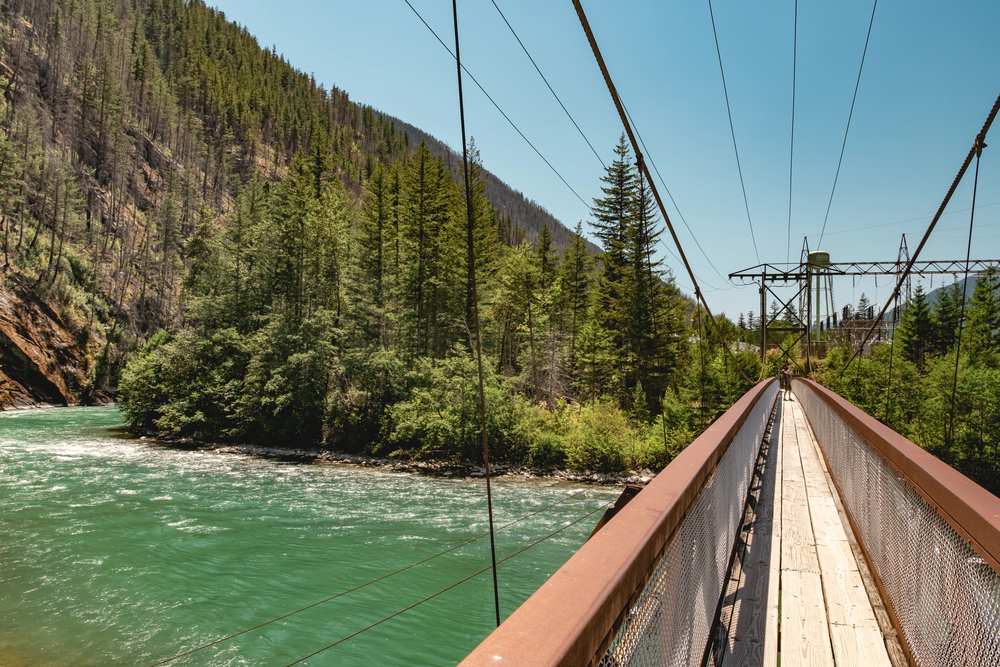
In 2013, a semi-truck carrying an oversized load clipped a steel beam, causing part of the bridge to fall into the river. It wasn’t a design flaw per se—the clearance was just too low for modern freight.
This emphasized the importance of height regulations and routing for large vehicles.
Polcevera Viaduct (Morandi Bridge)
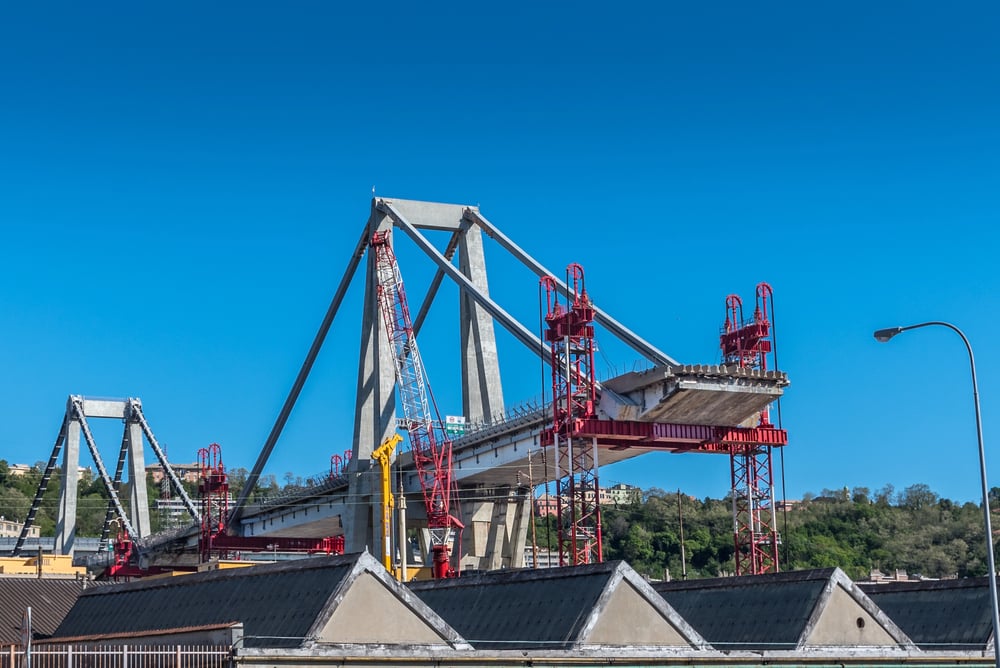
43 people lost their lives in Italy’s 2018 tragedy when a huge highway bridge in Genoa collapsed during a storm. After years of deterioration, investigators discovered rust in steel cables.
Inspections were conducted around Europe as a result of the tragedy, particularly for concrete cable-stayed bridges constructed in the middle of the 20th century.
Like Go2Tutors’s content? Follow us on MSN.
Schoellkopf Power Station Bridge
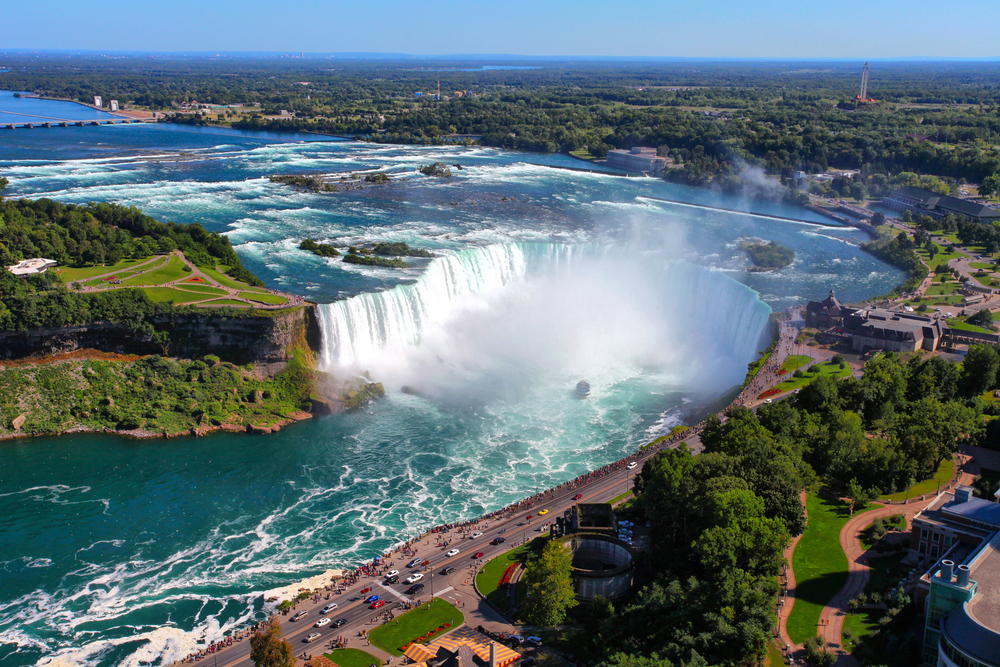
In 1956, a small bridge near Niagara Falls failed due to years of hidden corrosion in the steel structure. It wasn’t sudden—it was gradual decay that nobody caught in time.
That failure underscored the need for monitoring not just visible damage, but internal deterioration in key load-bearing parts.
Nanfang’ao Bridge
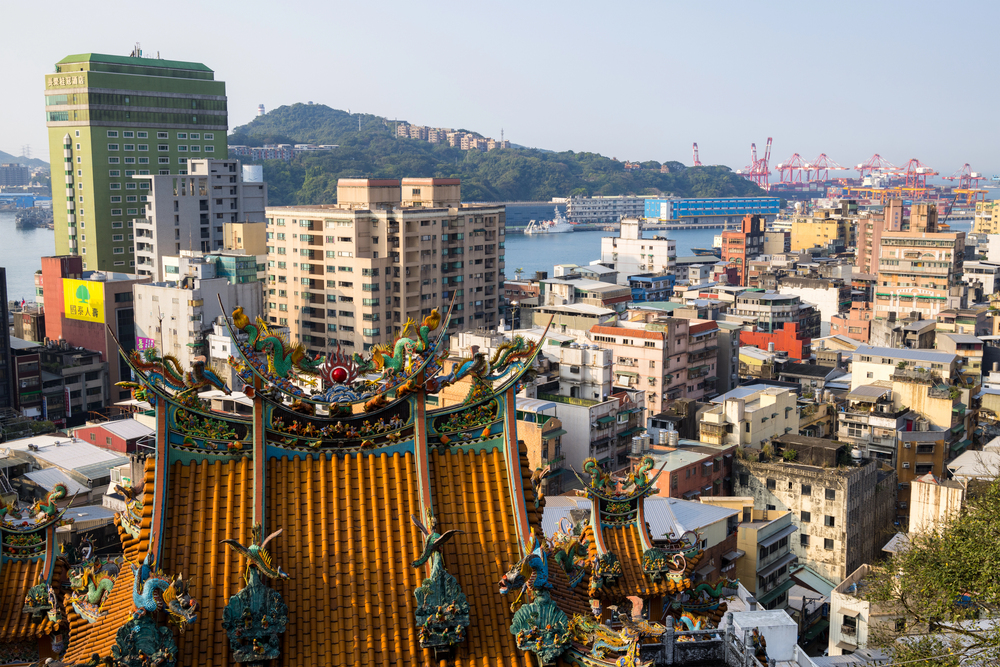
This Taiwanese bridge gave way in 2019 with no clear external warning. An investigation revealed that critical cables had snapped, likely due to corrosion and a lack of thorough inspection over its 20-year life.
The event led to stricter standards for cable inspections and lifetime bridge monitoring.
Yarmouth Bridge

In 1845, this British suspension bridge collapsed under the weight of a crowd watching a river performance. The deck wasn’t built to handle so many people packed so tightly.
That early failure reshaped pedestrian bridge design—crowd load calculations became a necessary part of the equation.
Like Go2Tutors’s content? Follow us on MSN.
One Tragedy, Many Lessons

Across different eras and continents, these collapses served as painful reminders of what can go wrong when details are missed—or dismissed. While no bridge can be completely risk-free, each of these disasters brought improvements that still shape construction and inspection today.
From wind resistance to load redundancy, the lessons stuck. And thanks to those hard-earned changes, modern bridges are far more resilient than their predecessors.
More from Go2Tutors!

- 16 Restaurant Chains That Went Too Fast
- 12 Things Sold in the 80s That Are Now Illegal
- 15 Strange Things People Have Tried to Ban (And Failed)
- 16 Collectibles People Tossed Out Too Soon
- 17 Myths from Your Childhood That Were Actually Based on Real Things
Like Go2Tutors’s content? Follow us on MSN.



