Facts About the World’s Most Expensive Homes
When you think about expensive homes, you’re probably picturing marble floors and fancy chandeliers. And sure, those are part of the story.
But the truly jaw-dropping residences around the globe go way beyond what most of us would even think to include in a dream house. We’re talking about properties that cost more than entire companies, buildings that employ hundreds of staff members, and features that sound like they belong in a sci-fi movie.
Here’s a list of what makes these homes so ridiculously expensive.
Buckingham Palace Tops Every List at $4.9 Billion
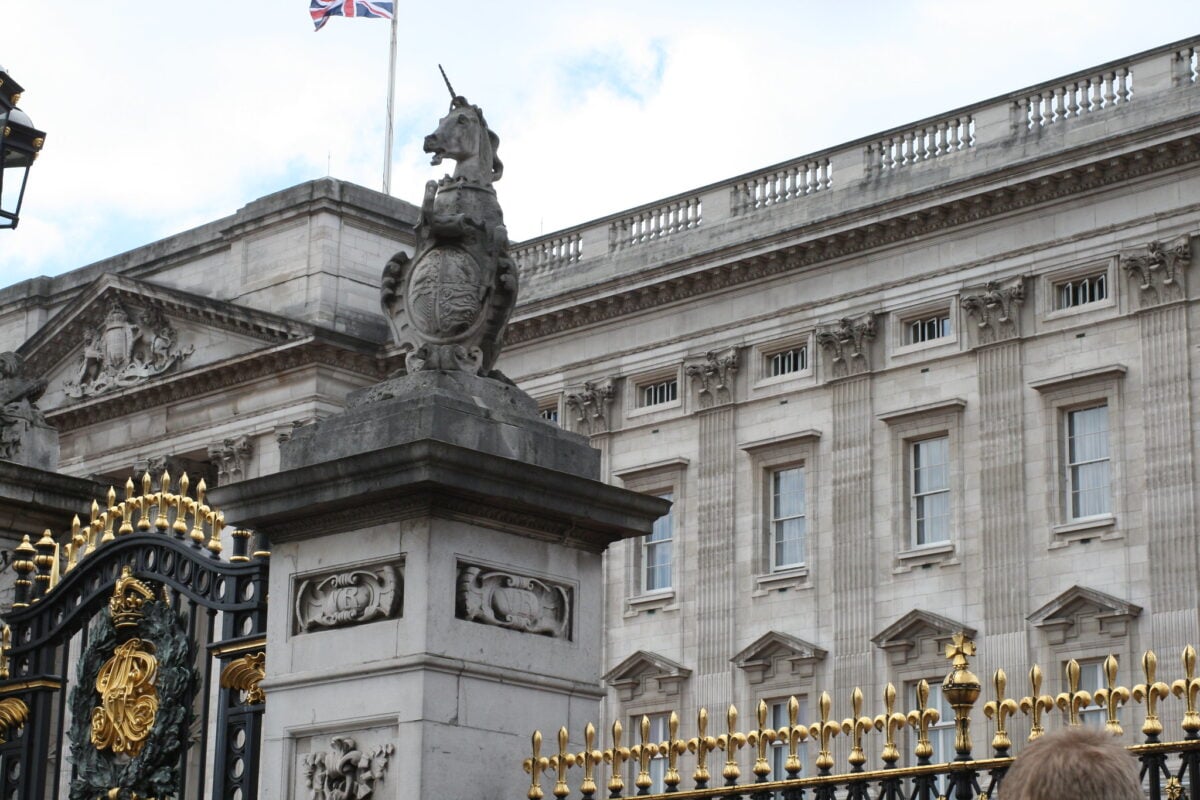
The most expensive residence on Earth isn’t owned by a tech billionaire or an oil tycoon. Buckingham Palace in London holds the title at a staggering $4.9 billion valuation.
The British royal family has called this place home since Queen Victoria moved in back in 1837, making her the first monarch to actually live there. The palace sprawls across 830,000 square feet and houses 775 rooms.
Yes, you read that right. Among those rooms are 19 state rooms where official business happens, 52 bedrooms for royals and guests, 188 staff bedrooms, 78 bathrooms, and 92 offices.
The building also has its own post office, theater, and dispensary. The gardens out back cover 39 acres, making them the largest private garden in London.
Antilia in Mumbai Costs Around $2 Billion
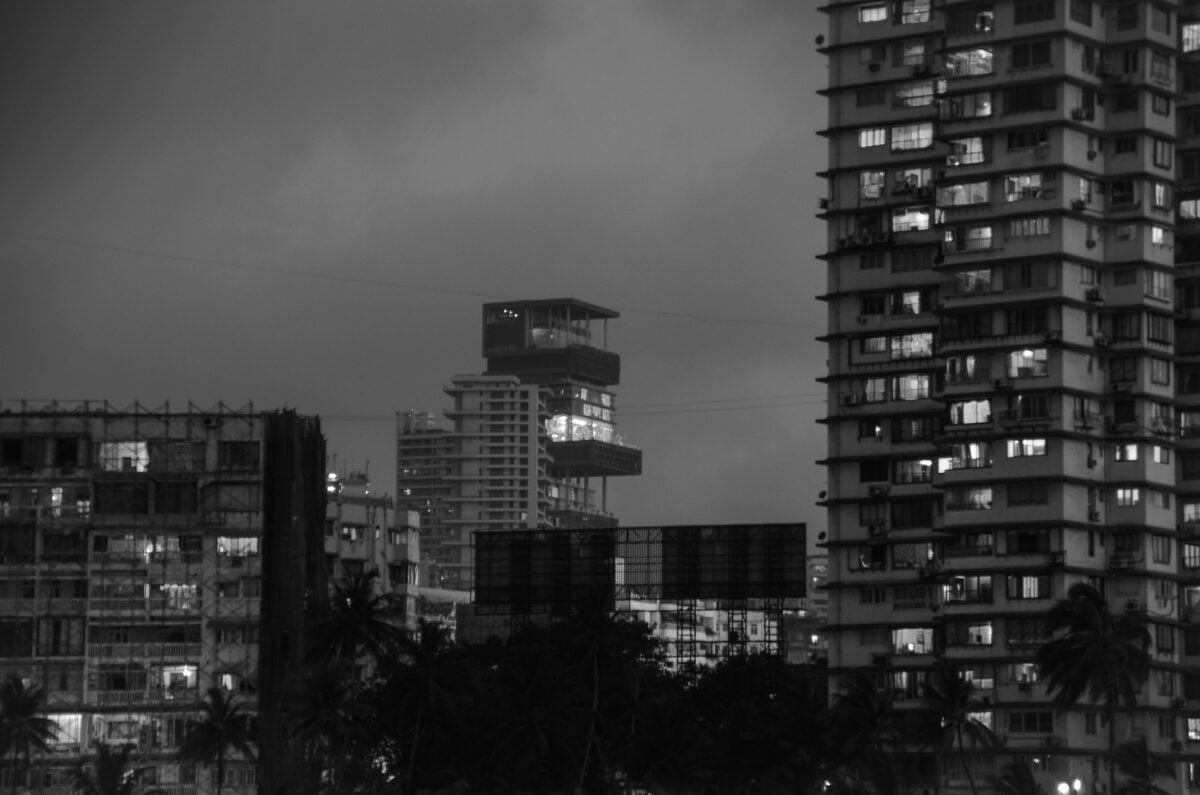
Mukesh Ambani’s residence in Mumbai comes in second globally. Antilia sits on Altamount Road and stands 27 stories tall, though those floors have such high ceilings that the building reaches the height of a typical 60-story tower.
The home covers 400,000 square feet and was built between 2006 and 2010. What makes this place stand out is the sheer variety of amenities packed inside.
There are three helipads on the roof, parking for 168 cars across six floors, a 50-seat private movie theater, a ballroom, spa, health center, ice cream parlor, and even a snow room where walls dispense artificial snowflakes to beat Mumbai’s tropical heat. The structure was designed to withstand an earthquake measuring 8.0 on the Richter scale.
Many Billionaire Homes Have Full-Time Staff Exceeding 600 People
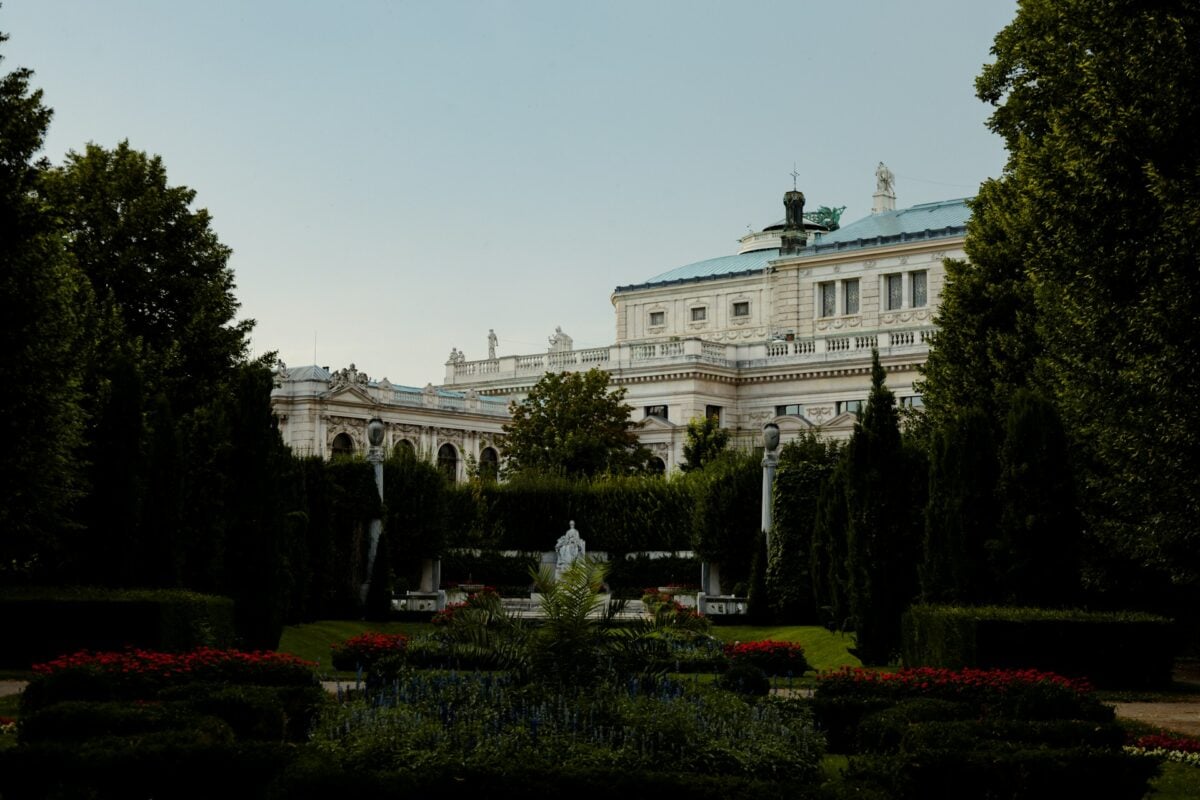
Maintaining these massive properties requires an army of workers. Antilia reportedly employs around 600 staff members who keep the place running smoothly.
These aren’t just housekeepers and gardeners. The teams include security personnel, private chefs, chauffeurs, maintenance technicians, event coordinators, and specialized staff for amenities like movie theaters and spas. Buckingham Palace operates similarly, with hundreds of employees working behind the scenes.
When your home has nearly 800 rooms and hosts state banquets for hundreds of guests, you need that level of support. The operating costs for these properties run into millions annually just for staffing alone.
Think about the logistics of coordinating all those people every single day.
Villa Leopolda Sold for Over $500 Million
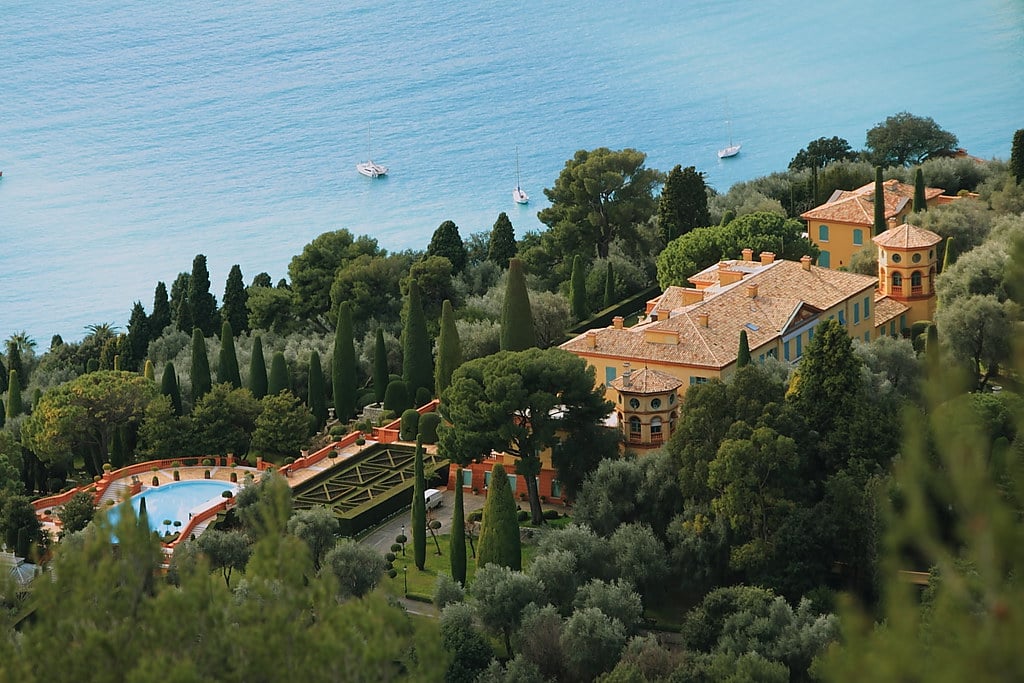
This French Riviera estate originally belonged to King Leopold II of Belgium, who had it built back in 1902. The property sits on 20 acres overlooking the Mediterranean Sea and includes 11 bedrooms, 14 bathrooms, expansive gardens, a commercial greenhouse, and a helipad.
In 2008, a deal nearly went through at $506 million, which would have set a record, but the financial crisis killed the transaction. The villa was eventually sold in 2019 for around $308 million.
The widow of banker Edmond Safra owned the place for years before the sale. What draws buyers to properties like this isn’t just the size or the view – though those help.
The historical significance and the prestige of owning a former royal residence add layers of value that go beyond square footage.
The One in Los Angeles Spans 105,000 Square Feet
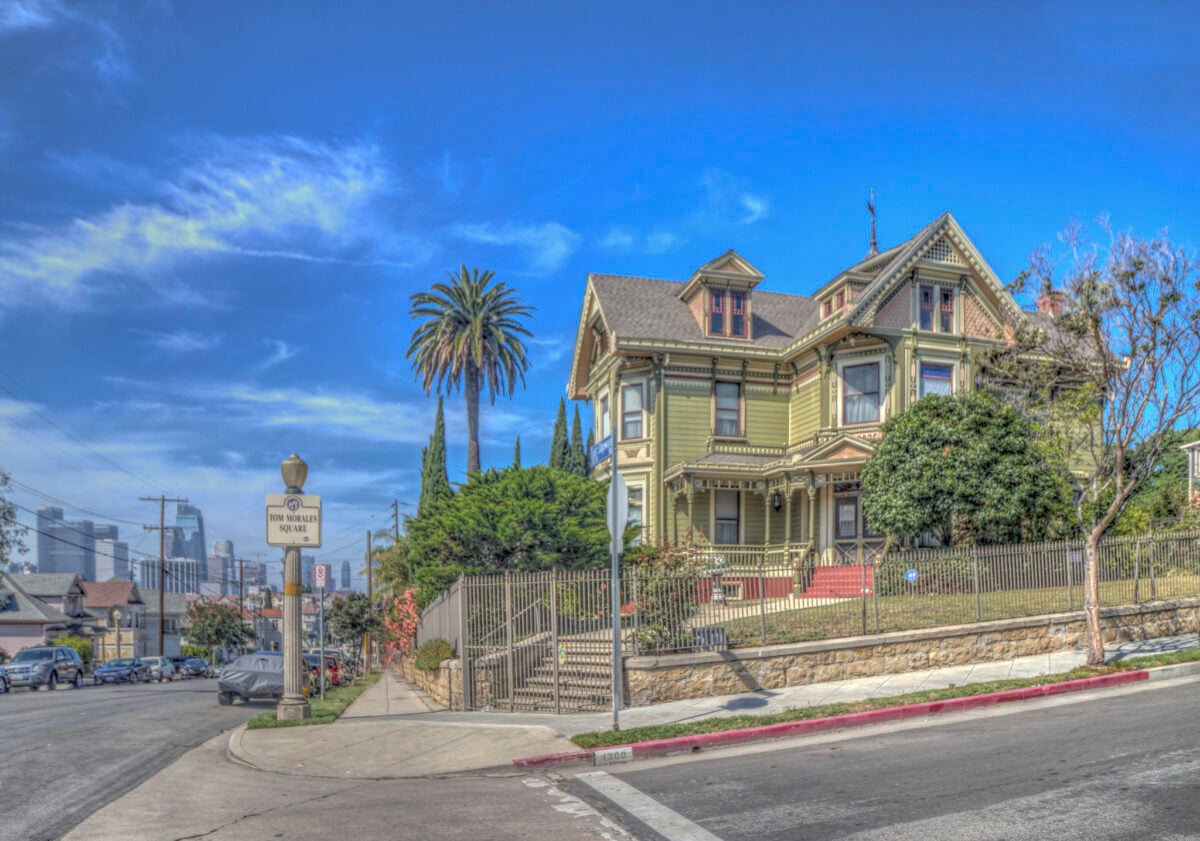
Los Angeles has no shortage of massive homes, but The One takes things to another level. This modern mansion in Bel-Air covers 105,000 square feet and includes 20 bedrooms, a private nightclub, multiple swimming pools, a bowling alley, a cinema, and panoramic views of the LA skyline and Pacific Ocean.
The property was designed as the ultimate entertainment space for hosting elite gatherings. What’s interesting about The One is how it represents a shift in luxury real estate – less about old-world opulence and more about contemporary excess with every possible modern amenity crammed into one property.
The sheer scale makes most luxury hotels look modest by comparison.
Odeon Tower Penthouse in Monaco Sold for $335 Million
Monaco consistently ranks as one of the most expensive real estate markets on the planet. According to recent reports, $1 million in Monaco buys you just 172 square feet of property.
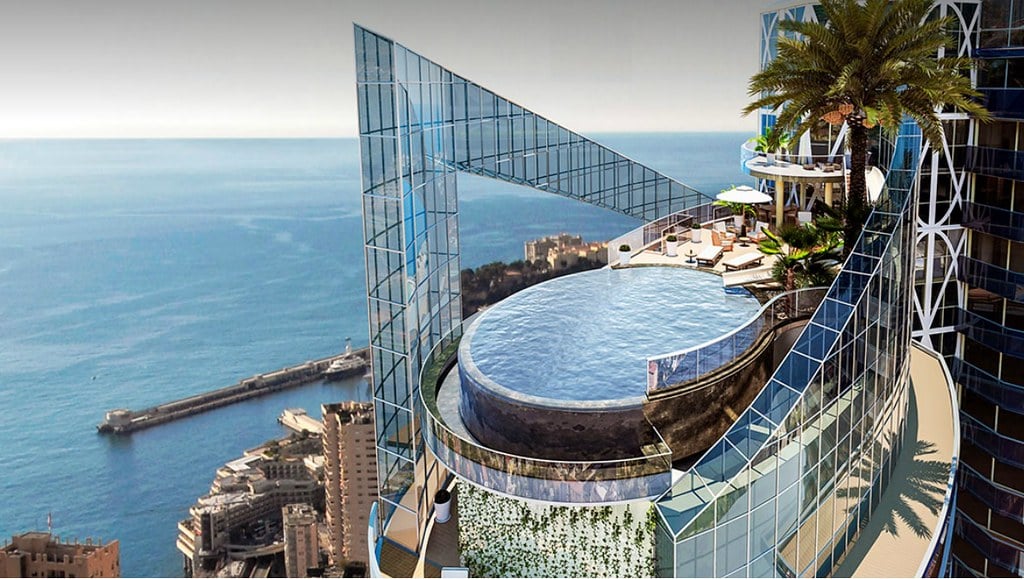
The Odeon Tower Penthouse sits at the top of this exclusive market. Perched atop Monaco’s Odeon Tower, this five-story penthouse covers 35,500 square feet and offers 360-degree views of the Mediterranean and the city below.
The apartment sold in 2018 for $335 million, setting the record for the priciest apartment sale in history. The penthouse includes a private waterslide that drops one story straight into an infinity pool.
For that price tag, you also get a private lift, rooftop deck, and access to Monaco’s tax-friendly environment for the ultra-wealthy.
Some Homes Have Private Museums for Car Collections

When you own 168 cars like the Ambani family, regular garages won’t cut it. Several of the world’s most expensive homes include dedicated spaces that function as private museums for automobile collections.
These aren’t just parking garages with good lighting. They feature turntables for displaying trophy vehicles, climate control to preserve classic cars, and professional-grade maintenance facilities.
Some properties even have car service stations built into the structure. For wealthy collectors, these spaces serve dual purposes – protecting investments worth millions while creating showpiece areas where they can admire their collections.
The garage at Antilia occupies six full floors, while other properties dedicate thousands of square feet specifically to housing and displaying vehicles. A car museum inside your house.
Villa Les Cèdres Went for $413 Million
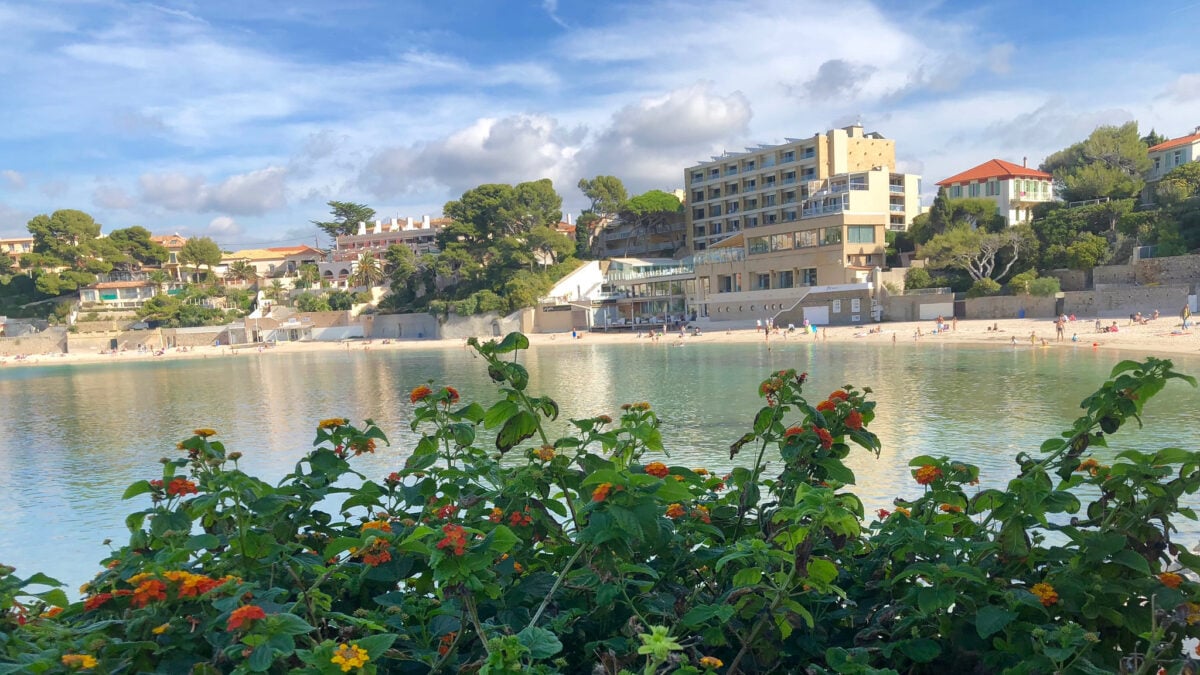
Another French Riviera property, Villa Les Cèdres was acquired in 2019 for $413 million, making it the highest price ever paid for a home in Europe. The estate was once owned by the founder of Grand Marnier liqueur and later by the Marnier-Lapostolle family.
The property includes 14 bedrooms, an Olympic-size swimming pool, tennis courts, stables, and up to 18,000 square feet of living space spread across the grounds. The villa sits atop Saint-Jean-Cap-Ferrat, offering stunning Mediterranean views.
What buyers pay for with properties like this is the combination of location, history, and the kind of privacy that comes with having 20 acres between you and the outside world.
Four Fairfield Pond Covers 63 Acres in the Hamptons

When this Hamptons mega-mansion sold in 2021, it broke American records at $248 million. Owned by billionaire Ira Rennert, the estate sits on 63 acres in Sagaponack.
The main residence alone spans 21,000 square feet, but the property also includes two guest houses, stables, a sunken tennis court, a swimming pool, and a bowling alley. What’s wild about this deal is that developer Michael Davis made an enormous profit after buying the oceanfront land for just $103 million five years earlier.
The Hamptons have long attracted wealthy New Yorkers looking for summer retreats, but properties of this scale represent a different tier entirely. You’re not just buying a beach house – you’re buying a private compound with its own power plant.
Earthquake-Resistant Design Adds Millions to Construction Costs

Building a home that can withstand magnitude 8.0 earthquakes doesn’t come cheap. Antilia’s structural engineering incorporated advanced techniques and materials to create a framework that could survive catastrophic seismic activity.
This involves deeper foundations, reinforced steel frameworks, flexible joints that allow the building to sway without breaking, and specialized materials throughout. Similar considerations went into other ultra-luxury properties in earthquake-prone regions.
The cost of these measures runs into tens of millions of dollars, but for buildings worth billions, protecting the investment makes sense. These aren’t aesthetic choices – they’re engineering necessities that require top-tier expertise and expensive materials.
Helipads Are Standard Features on Modern Megamansions

Multiple helipads have become expected amenities on the world’s most expensive homes. Antilia has three on its roof. Many other properties feature at least one.
For the ultra-wealthy, helicopters provide privacy and convenience that commercial flights or even private jets can’t match. You can skip traffic, avoid airports entirely, and move between properties quickly.
The helipads themselves require significant structural support, clearance zones for safe operation, and often come with their own maintenance facilities. Adding helipads to existing properties involves major construction, still, for new builds designed from scratch, they’re incorporated into the plans from day one.
Three helipads mean you’re really committed to the lifestyle.
Historical Properties Command Premium Prices
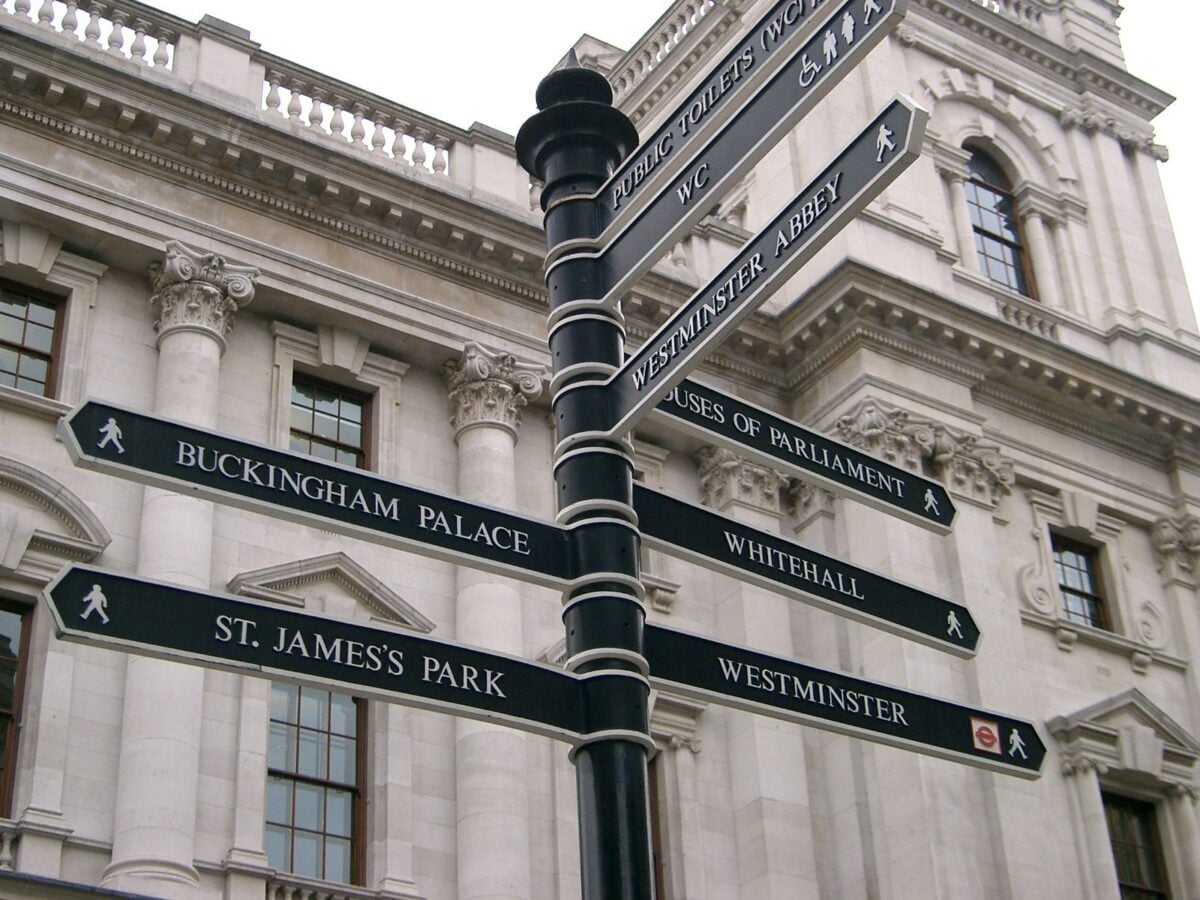
There’s expensive, and then there’s expensive-with-a-story. Buckingham Palace has served as the official London residence of British monarchs since 1837.
Villa Leopolda was built for a Belgian king. These historical connections add value that new construction simply cannot replicate.
Buyers willing to pay record prices often want more than square footage and amenities. They want provenance, a connection to history, and the prestige that comes with owning a property where significant events occurred.
The architecture itself tells stories – Buckingham Palace features neoclassical designs from multiple eras, with rooms created by different architects across centuries. You can’t fake that kind of layered history.
Private Theaters Rival Commercial Cinemas in Quality

The 50-seat theater at Antilia isn’t some small screening room with a big TV. These private cinemas include professional-grade projection systems, acoustic engineering that matches commercial theaters, plush seating with perfect sight lines, and often themed decor that creates an immersive experience.
Some properties include multiple theaters with different styles – one for blockbusters, another for classic films, perhaps a third for video gaming. The sound systems alone cost hundreds of thousands of dollars.
When you’re spending $2 billion on a home, another million on a world-class theater barely registers. These spaces let owners host screenings for friends and family with production quality that rivals what you’d find at a premiere.
Snow Rooms Offer Bizarre Luxury in Tropical Climates
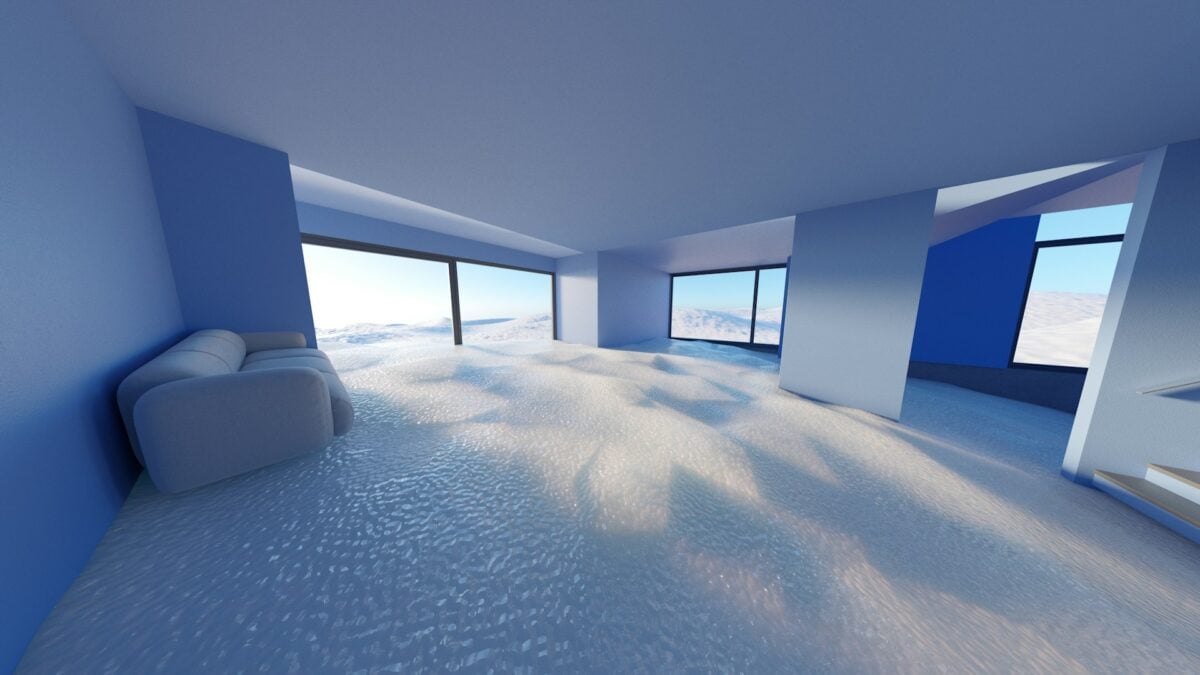
One of Antilia’s most unusual features is a snow room where walls dispense artificial snowflakes. When you live in Mumbai’s heat, this kind of climate-controlled escape offers a surreal break from reality.
The technology required to maintain these environments involves sophisticated HVAC systems, moisture control, and enough power to basically run a small refrigeration plant inside a single room. Other luxury homes in hot climates have installed similar features – ice rooms, cold plunge pools, or climate chambers that simulate different environments.
These amenities serve no practical purpose beyond novelty and comfort. That’s precisely why they exist.
When basic luxury no longer impresses, you need something unexpected. Artificial snow in Mumbai.
The Most Expensive Markets Measure Prices Per Square Foot
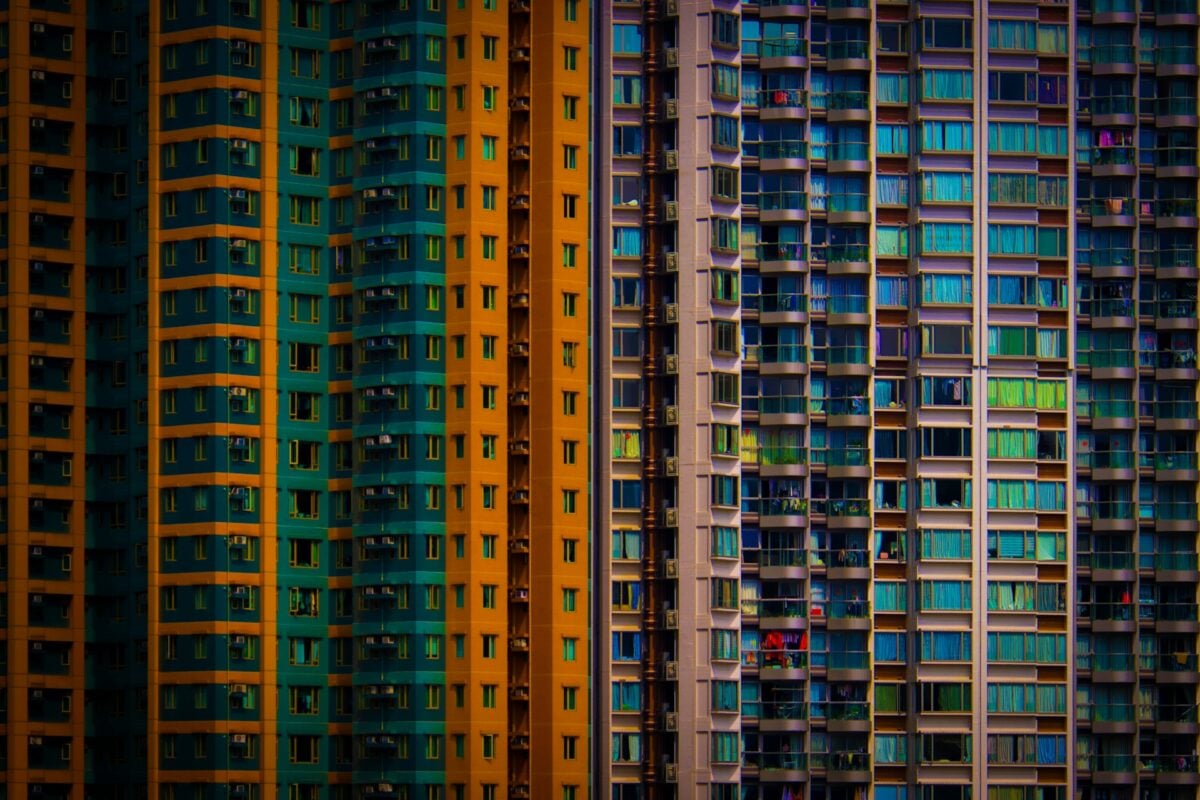
In Monaco, Hong Kong, and similar ultra-premium markets, real estate prices are measured differently than in typical cities. We’re talking about cost per square foot reaching astronomical levels.
Monaco tops this list – recent data shows that $1 million buys you only 172 square feet. Hong Kong follows closely, where $1 million gets you about 22 square meters according to property reports.
In these locations, buying property isn’t about finding a bargain. The wealthy purchase there because of what the location offers – tax benefits, security, proximity to other wealthy individuals, and access to world-class amenities.
The price per square foot becomes almost irrelevant when the real value lies in the address itself.
Where This Leaves the Rest of Us
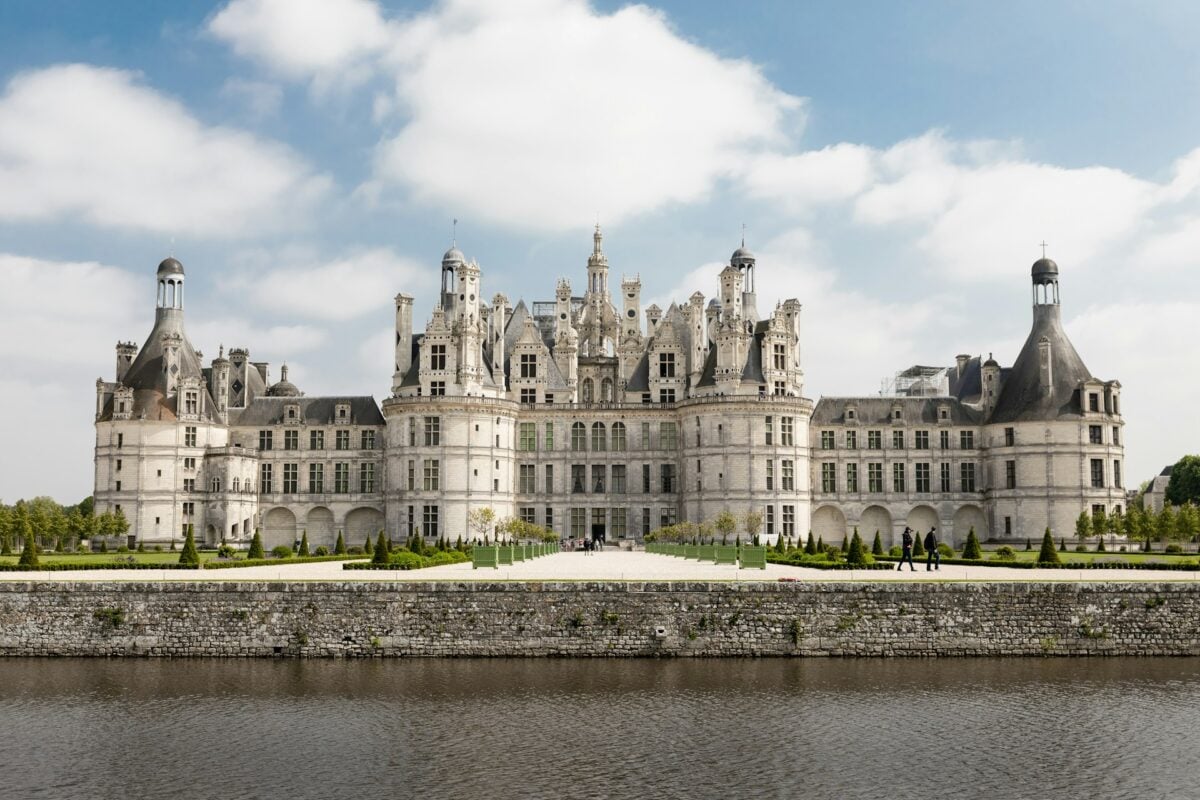
These properties exist in a universe most people will never touch. The gap between a typical home and these billion-dollar estates isn’t just about money – it’s about a completely different conception of what a residence means.
For most of us, a home provides shelter, comfort, and maybe some personal expression through decoration. For the ultra-wealthy, homes become statements, investments, private kingdoms with their own infrastructure and staff populations that rival small hotels.
Walking through Buckingham Palace or Antilia would probably feel less like touring a house and more like exploring a small city. And that’s the point. When you have billions of dollars, your home becomes whatever you want it to be – a museum, entertainment complex, private resort, or all of the above.
The rest of us just get to read about it and wonder what it feels like to have a snow room in Mumbai.
More from Go2Tutors!

- The Romanov Crown Jewels and Their Tragic Fate
- 13 Historical Mysteries That Science Still Can’t Solve
- Famous Hoaxes That Fooled the World for Years
- 15 Child Stars with Tragic Adult Lives
- 16 Famous Jewelry Pieces in History
Like Go2Tutors’s content? Follow us on MSN.