17 Scientific Discoveries Made by Amateurs
Science isn’t just the domain of PhD-wielding researchers in prestigious laboratories. Some of history’s most groundbreaking discoveries came from curious amateurs—people who pursued knowledge as a hobby, a passion project, or simply because they noticed something others missed.
These citizen scientists prove that brilliant insights can emerge from the most unexpected places, whether it’s a weekend fossil hunter stumbling upon a new species or a backyard astronomer spotting a previously unknown celestial object. The beauty of amateur discovery lies in fresh perspectives and unencumbered thinking.
Professional scientists sometimes get trapped in established paradigms, while amateurs approach problems with beginner’s minds and unconventional methods. Here is a list of 17 scientific discoveries that emerged not from academic institutions, but from the curiosity and persistence of everyday people who refused to accept that science was beyond their reach.
Gregor Mendel’s Laws of Inheritance
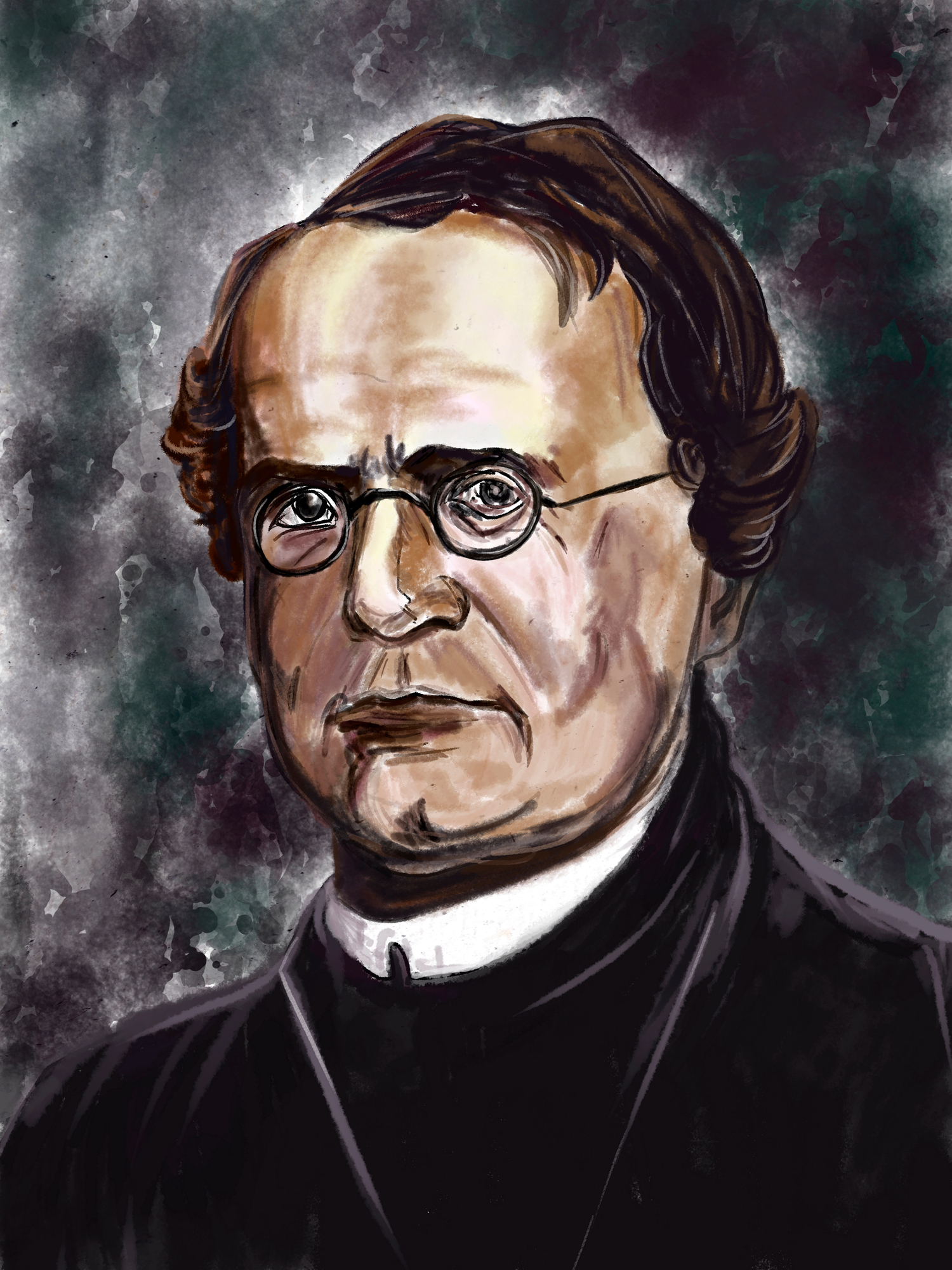
An Augustinian friar with no formal scientific training discovered the fundamental principles of genetics through his pea plant experiments in a monastery garden. Mendel’s mathematical approach to heredity—ignored by contemporary scientists—laid the foundation for modern genetics, though his work wasn’t recognized until decades after his death.
William Herschel’s Discovery of Uranus
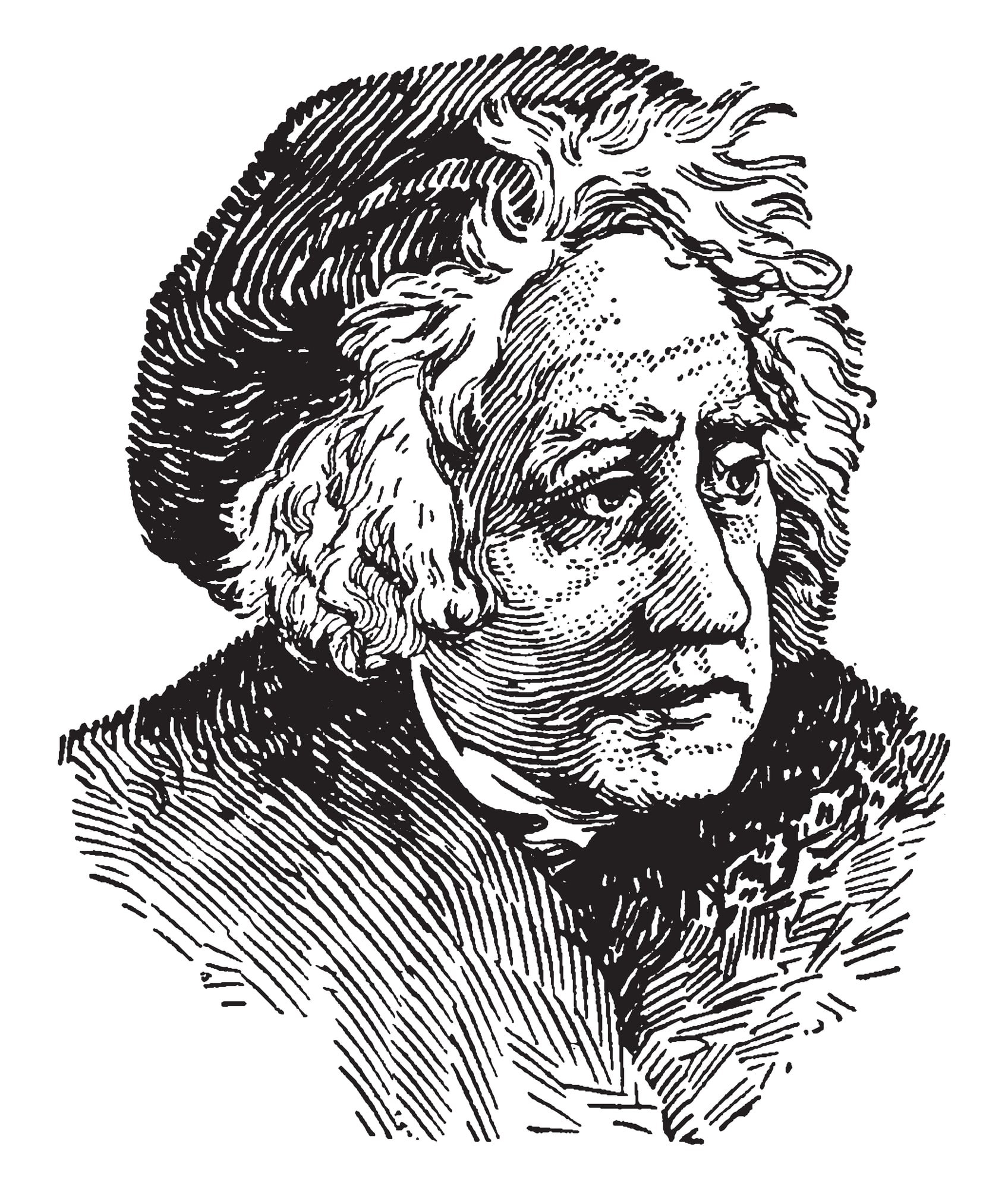
A German-born musician and amateur astronomer spotted what he initially thought was a comet in 1781, which turned out to be the first planet discovered in modern times. Herschel’s homemade telescopes were superior to most professional instruments of the era—his discovery doubled the known size of our solar system overnight.
Like Go2Tutors’s content? Follow us on MSN.
Charles Darwin’s Theory of Evolution
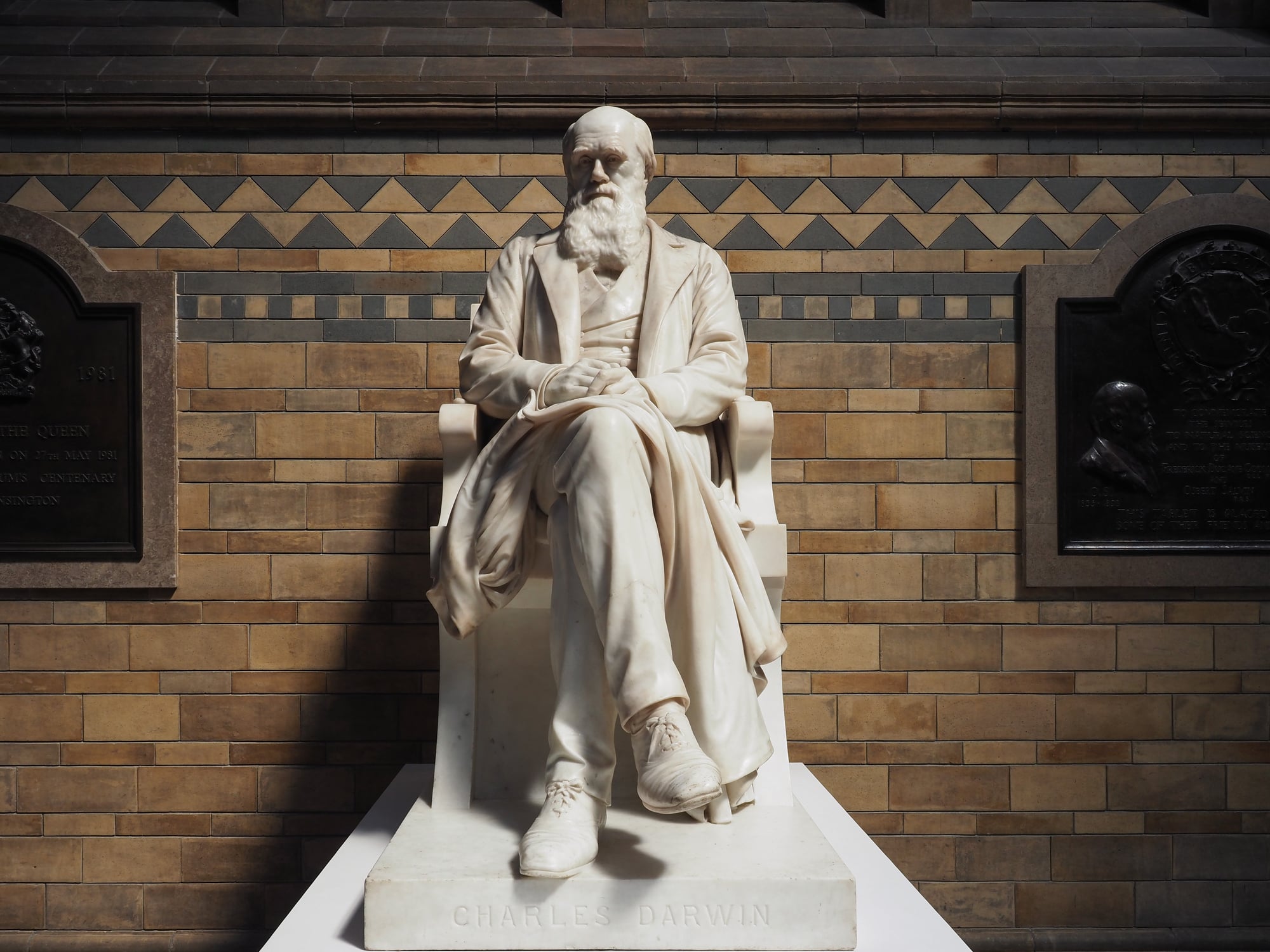
Though Darwin had some formal education, he was essentially a gentleman naturalist without professional scientific credentials when he developed his theory of evolution. His observations during the Beagle voyage and subsequent decades of amateur research revolutionized biology—despite initial resistance from the scientific establishment.
Antonie van Leeuwenhoek’s Microscopic World
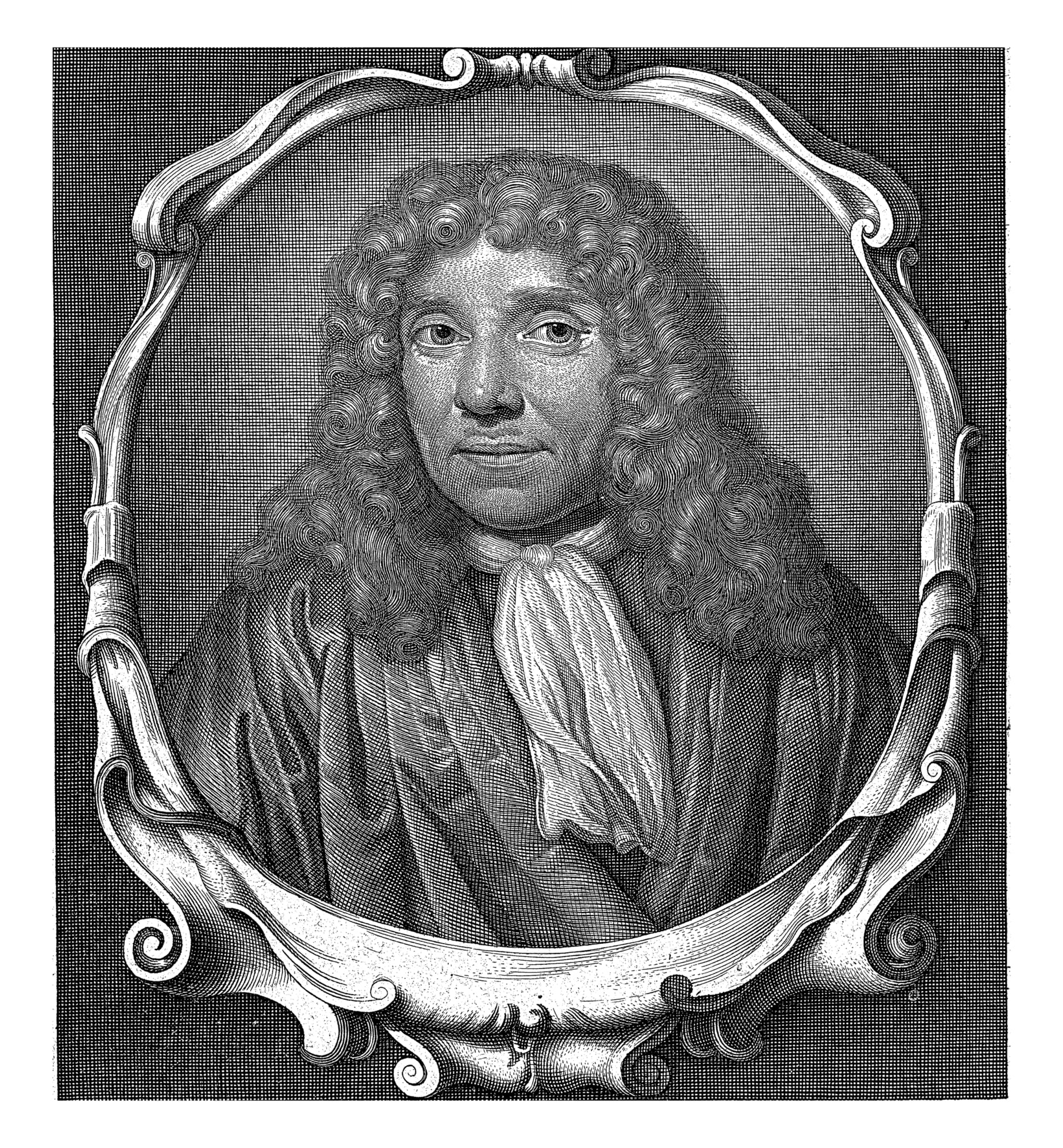
A Dutch cloth merchant with no scientific training became the first person to observe bacteria, protozoa, and other microorganisms using simple microscopes he crafted himself. Van Leeuwenhoek’s detailed observations opened an entirely new realm of biology—proving that life existed far beyond what the naked eye could see.
Mary Anning’s Fossil Discoveries
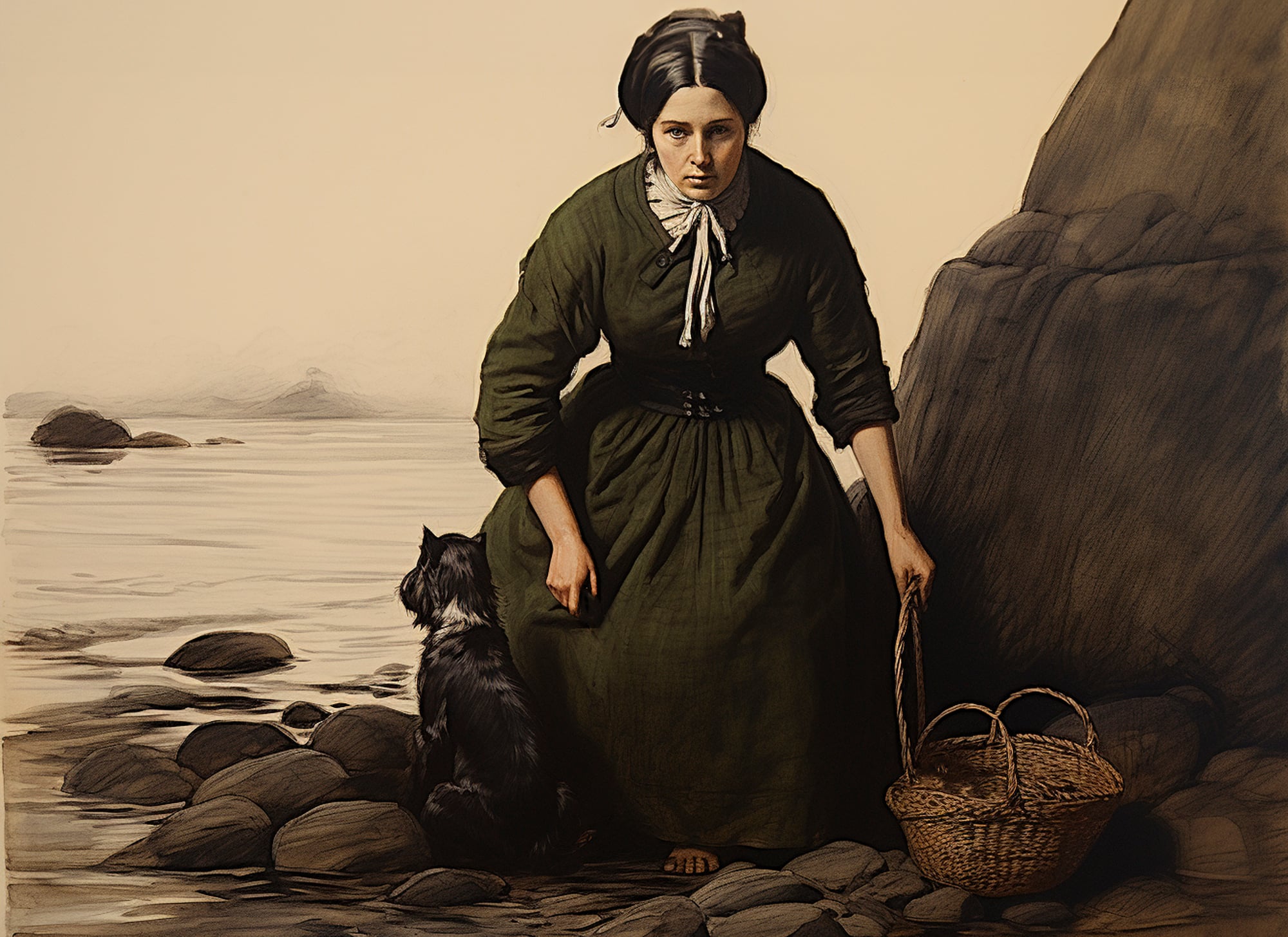
A working-class woman from Lyme Regis became one of palaeontology’s most important figures despite having no formal education or access to scientific institutions. Anning’s fossil discoveries—including the first ichthyosaur and plesiosaur specimens—fundamentally changed understanding of prehistoric life and extinction.
Like Go2Tutors’s content? Follow us on MSN.
Joseph Priestley’s Discovery of Oxygen
A theologian and political theorist discovered oxygen while conducting chemistry experiments as a hobby in his spare time. Priestley’s work with gases laid crucial groundwork for modern chemistry, though he never fully understood the implications of what he’d found.
Benjamin Franklin’s Electrical Experiments
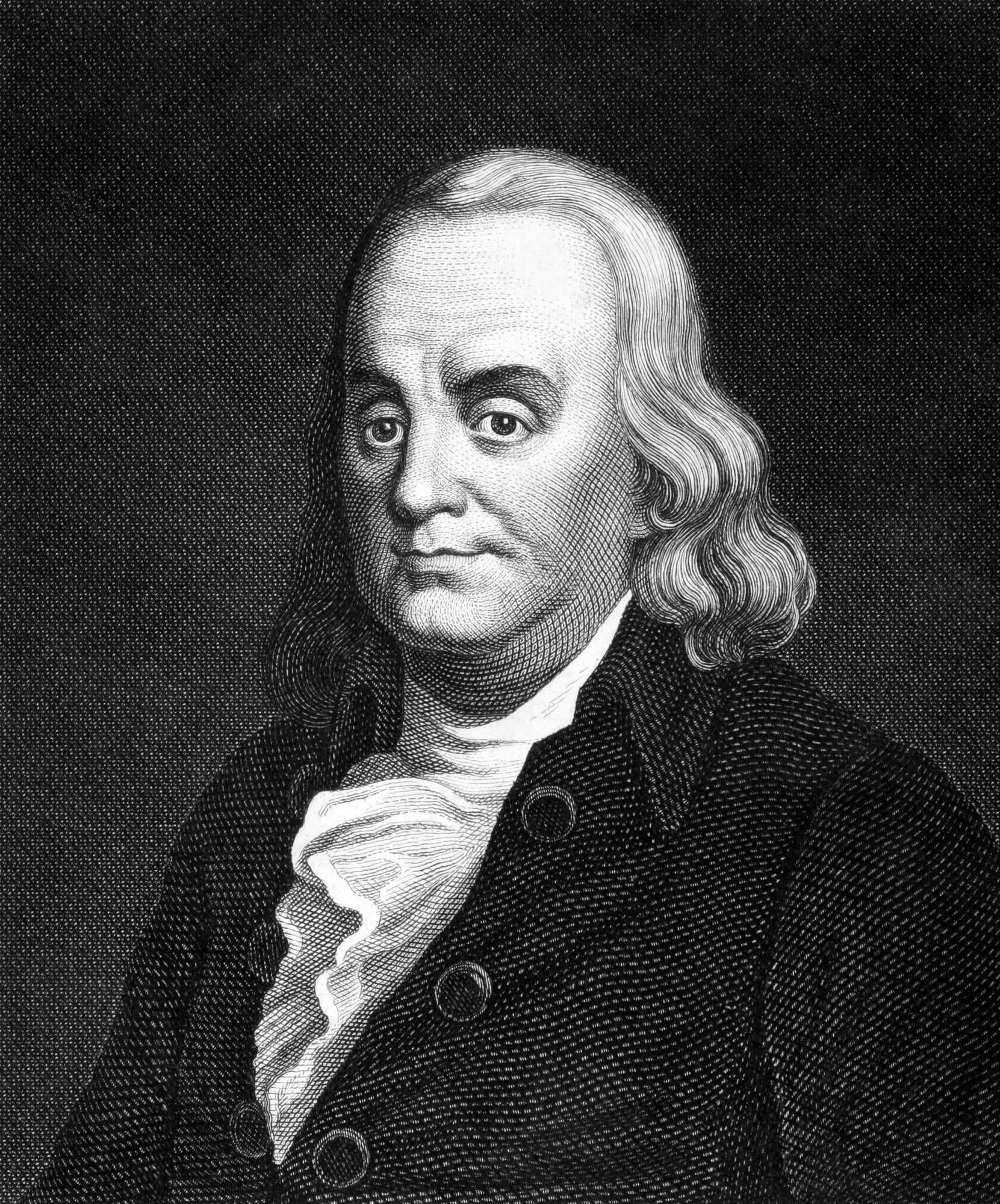
A printer and politician proved that lightning was electrical through his famous kite experiment, along with numerous other electrical discoveries. Franklin’s amateur investigations—conducted alongside his political and business careers—established fundamental principles of electrical science.
Caroline Herschel’s Comet Discoveries
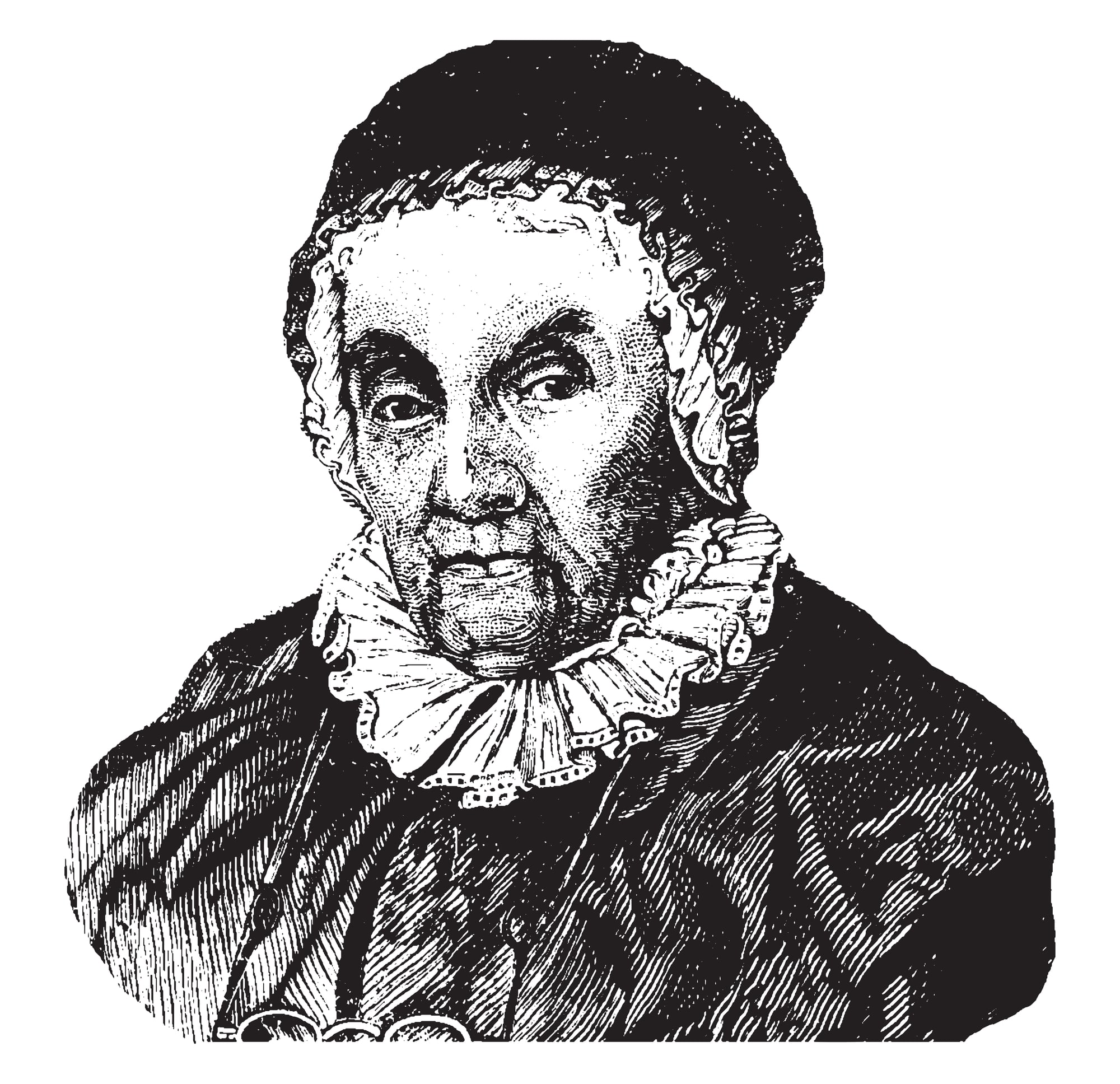
Working as her brother William’s assistant, Caroline Herschel became the first woman to discover a comet and went on to find seven more during her career. Her contributions to astronomy were initially overlooked because of her gender and amateur status—yet she revolutionized comet observation and catalog systems.
Like Go2Tutors’s content? Follow us on MSN.
Dmitri Mendeleev’s Periodic Table
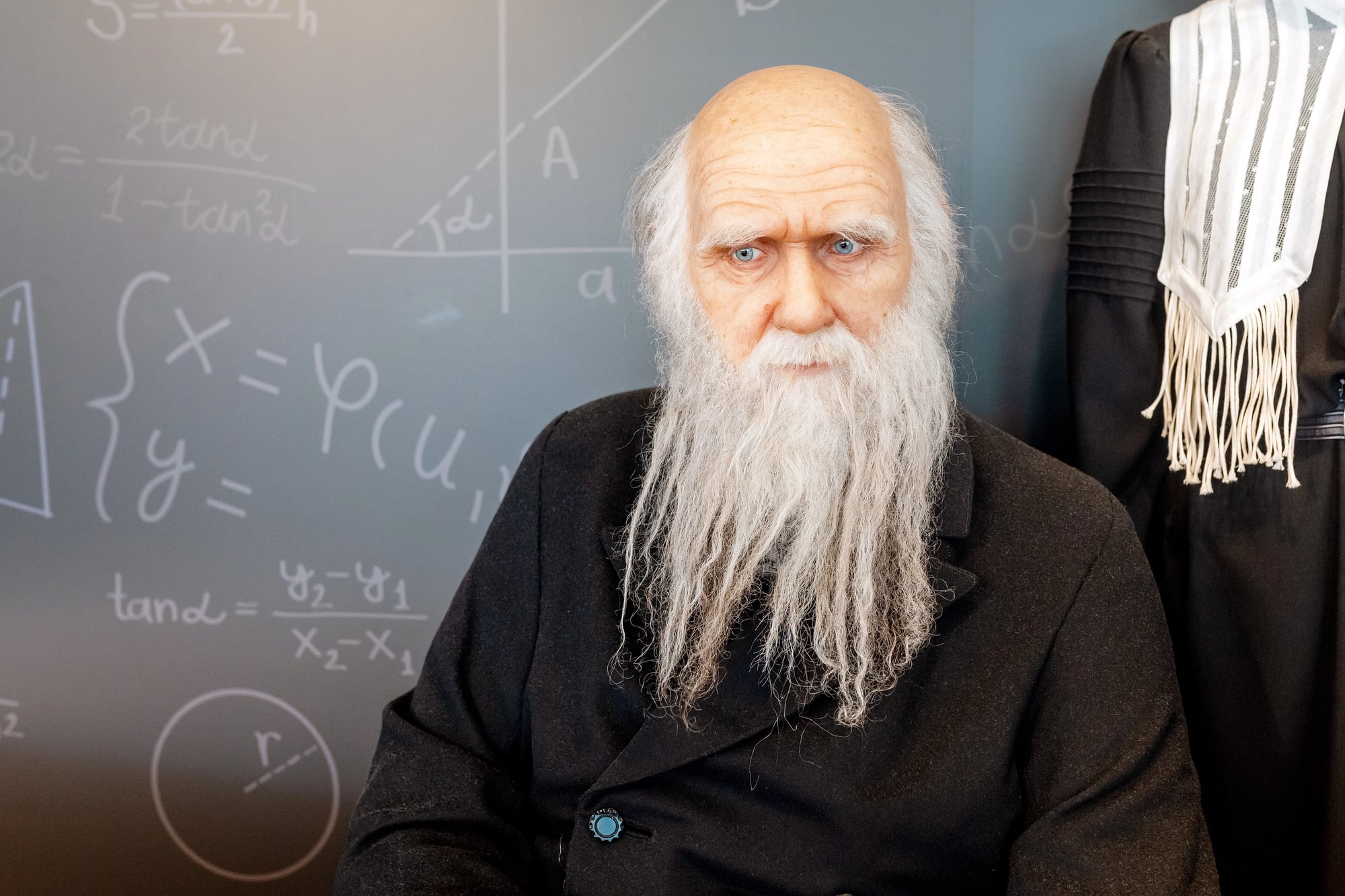
While Mendeleev was a chemistry professor, his famous periodic table emerged from a dream rather than a systematic research methodology. His intuitive arrangement of elements—based on atomic weights and chemical properties—predicted the existence of undiscovered elements that were later found exactly where he predicted.
Louis Pasteur’s Germ Theory
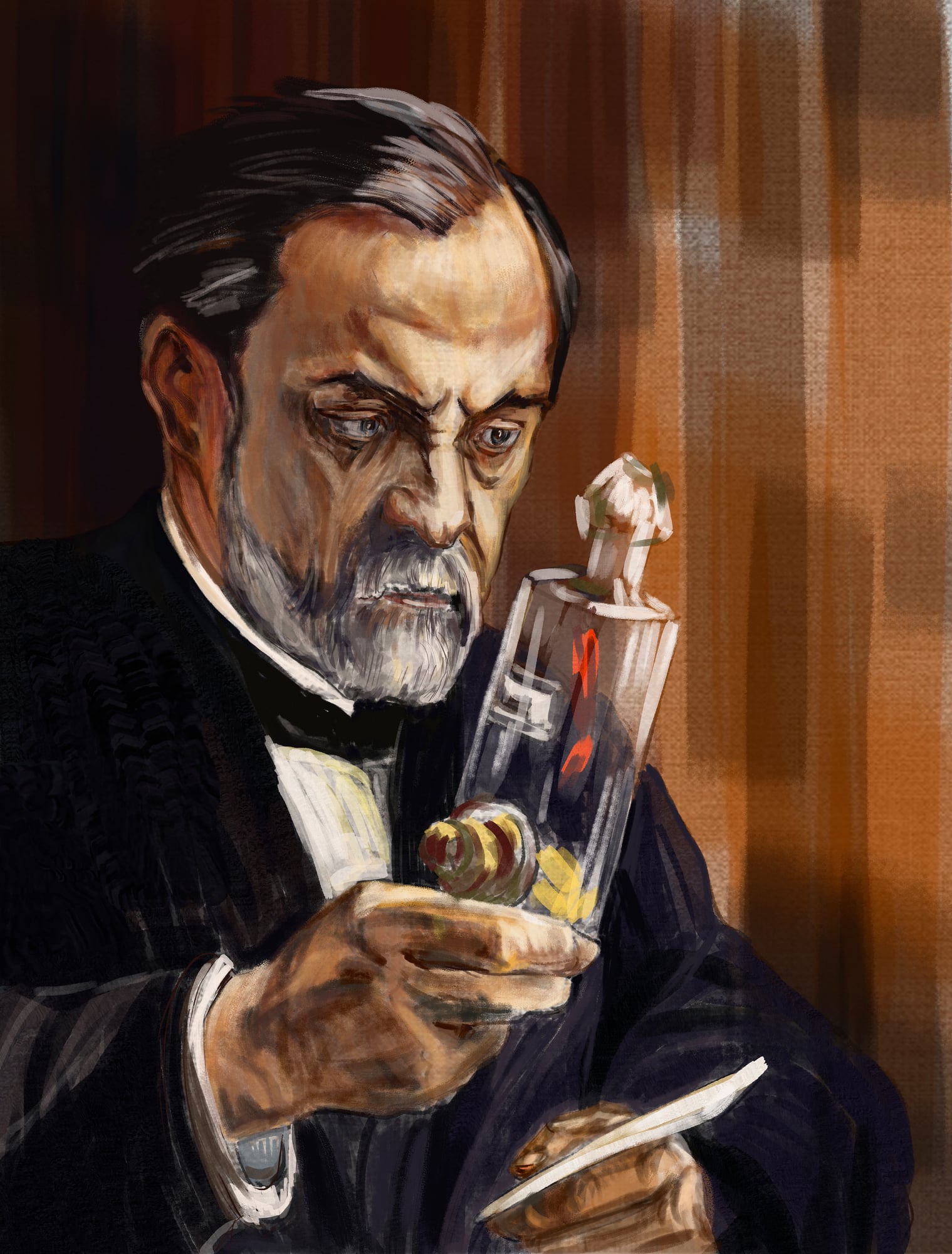
Although Pasteur had scientific training, his groundbreaking work on germ theory began when he was asked to solve practical problems in the wine and silk industries as a consultant. His microbiology discoveries emerged from real-world problem-solving rather than academic research, fundamentally changing medicine and public health.
Michael Faraday’s Electromagnetic Discoveries
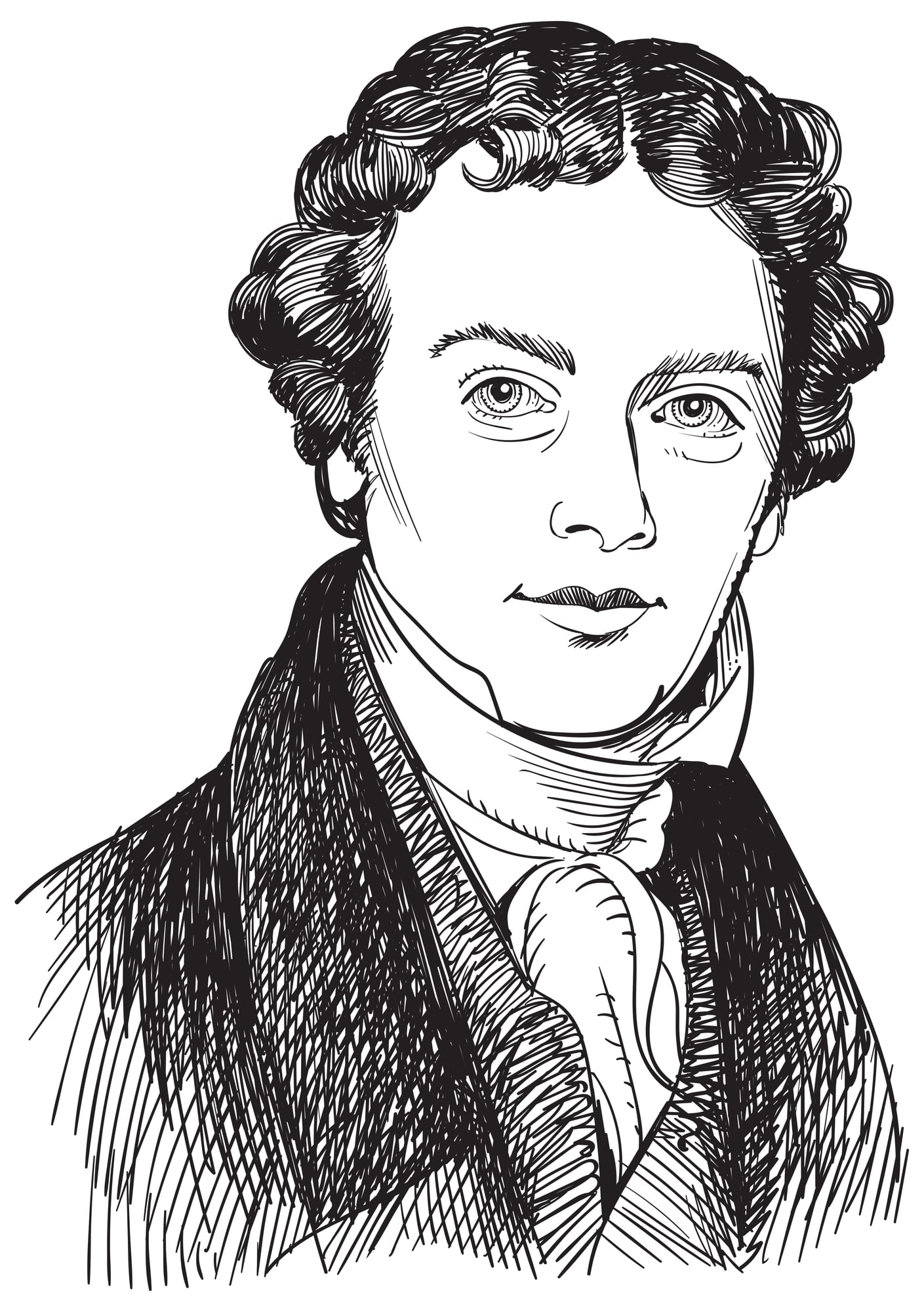
A bookbinder’s apprentice with minimal formal education became one of history’s greatest experimental physicists through self-taught investigation of electricity and magnetism. Faraday’s laws of electromagnetic induction and electrolysis emerged from hands-on experimentation rather than theoretical study.
Like Go2Tutors’s content? Follow us on MSN.
Heinrich Schliemann’s Archaeological Discoveries
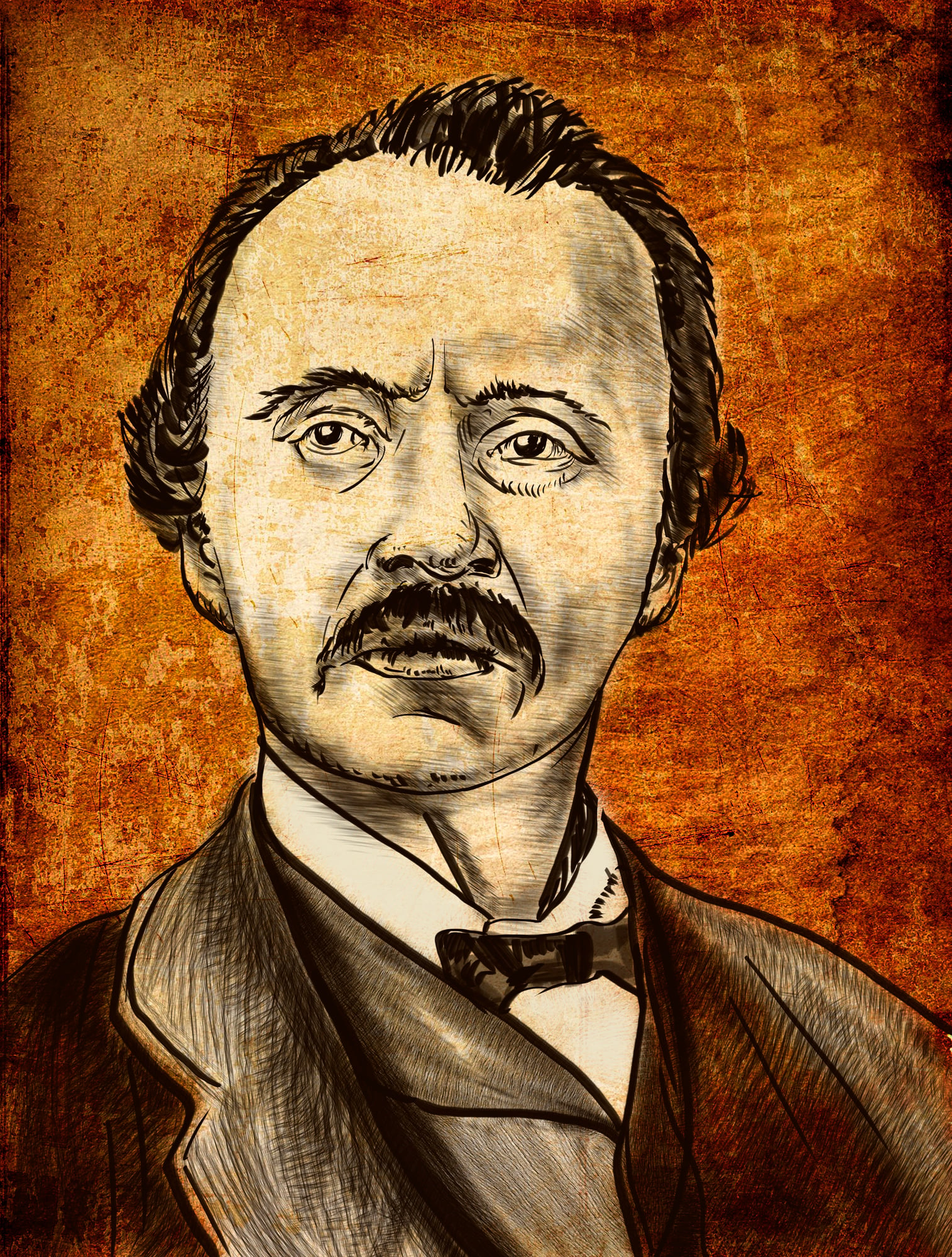
A German businessman used Homer’s Iliad as a guidebook to locate and excavate ancient Troy, despite having no archaeological training. Schliemann’s discoveries at Troy and Mycenae revolutionized understanding of ancient Greek civilization, though his methods were often criticized by professional archaeologists.
Ignaz Semmelweis’s Hand Hygiene Discovery

A Hungarian physician noticed that mortality rates dropped dramatically when doctors washed their hands with chlorinated lime solutions between patients. Semmelweis’s observations about puerperal fever preceded germ theory by decades, yet the medical establishment rejected his findings as absurd.
Alfred Wegener’s Continental Drift Theory
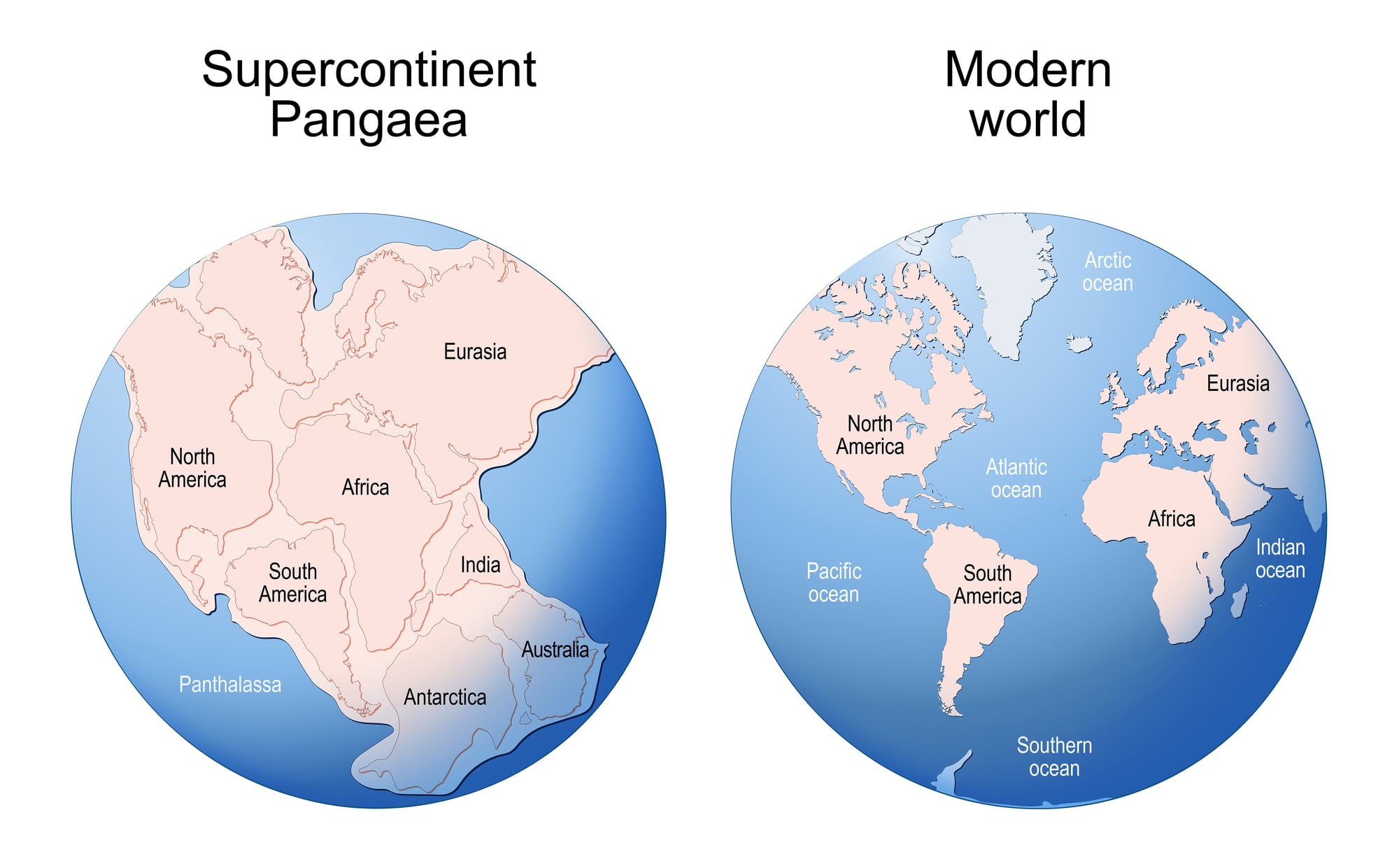
A meteorologist proposed that continents moved across Earth’s surface based on his observations of fossil distributions and geological formations. Wegener’s theory of continental drift was ridiculed by geologists for decades until plate tectonics provided the mechanism he couldn’t explain.
Like Go2Tutors’s content? Follow us on MSN.
Rosalind Franklin’s DNA X-Ray Crystallography
Though Franklin had scientific training, her crucial “Photo 51” X-ray diffraction image of DNA structure came from her work as a relatively junior researcher. Her crystallography expertise provided key evidence for the double helix structure, though she didn’t receive full credit during her lifetime.
Barbara McClintock’s Genetic Transposition
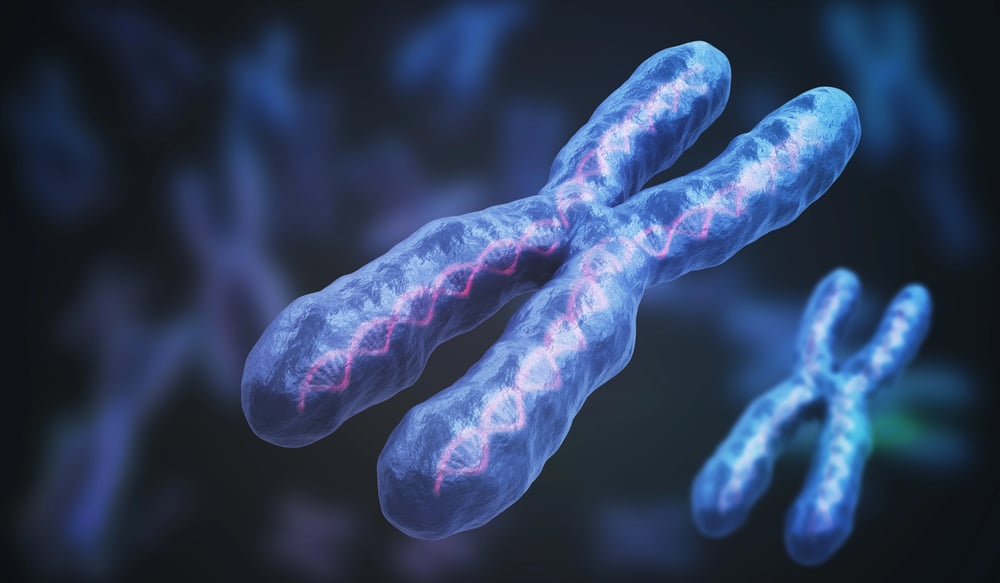
A geneticist working largely in isolation discovered that genes could move within chromosomes, a concept so revolutionary that the scientific community ignored her work for decades. McClintock’s “jumping genes” research eventually revolutionized understanding of genetic regulation and earned her a Nobel Prize in 1983.
Alan Wilson’s Molecular Clock Discovery

An undergraduate student at UC Berkeley proposed that genetic mutations occur at predictable rates, allowing scientists to estimate when species diverged from common ancestors. Wilson’s molecular clock concept—initially met with skepticism—became fundamental to evolutionary biology and anthropology.
Like Go2Tutors’s content? Follow us on MSN.
Beyond the Ivory Tower

These discoveries prove that scientific breakthroughs don’t require institutional credentials or expensive equipment—they require curiosity, persistence, and willingness to question conventional wisdom. Amateur scientists often succeed precisely because they’re not constrained by professional expectations or academic politics.
Their fresh perspectives and unconventional approaches continue to push scientific boundaries, reminding us that the next great discovery might come from someone’s garage, garden, or kitchen table. In our age of citizen science and online collaboration, the tradition of amateur discovery is stronger than ever, proving that science truly belongs to anyone curious enough to pursue it.
More from Go2Tutors!

- 16 Restaurant Chains That Went Too Fast
- 12 Things Sold in the 80s That Are Now Illegal
- 15 Strange Things People Have Tried to Ban (And Failed)
- 16 Collectibles People Tossed Out Too Soon
- 17 Myths from Your Childhood That Were Actually Based on Real Things
Like Go2Tutors’s content? Follow us on MSN.