Tutankhamun Treasures Found in His Tomb
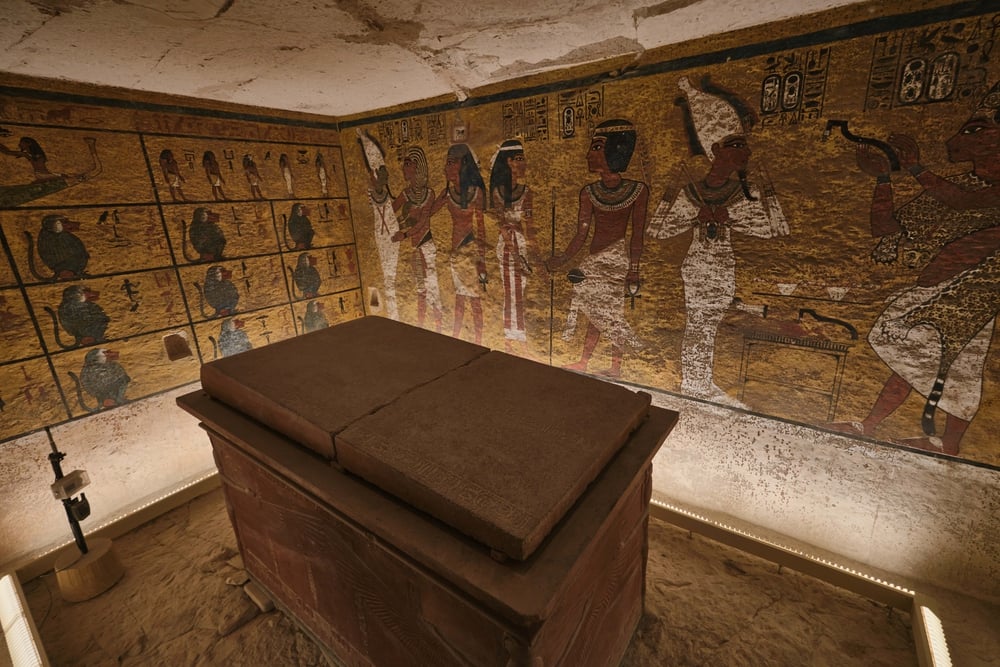
Howard Carter couldn’t believe what he saw when he poked that first candle through the tiny opening in November 1922. Gold gleamed everywhere.
Furniture packed every corner. Strange animal heads stared back at him. After years of digging in Egypt’s Valley of the Kings, he had finally found what every archaeologist dreamed of finding: an untouched pharaoh’s tomb.
Let’s take a look at the incredible treasures that made King Tut the most famous pharaoh of all time.
The golden death mask
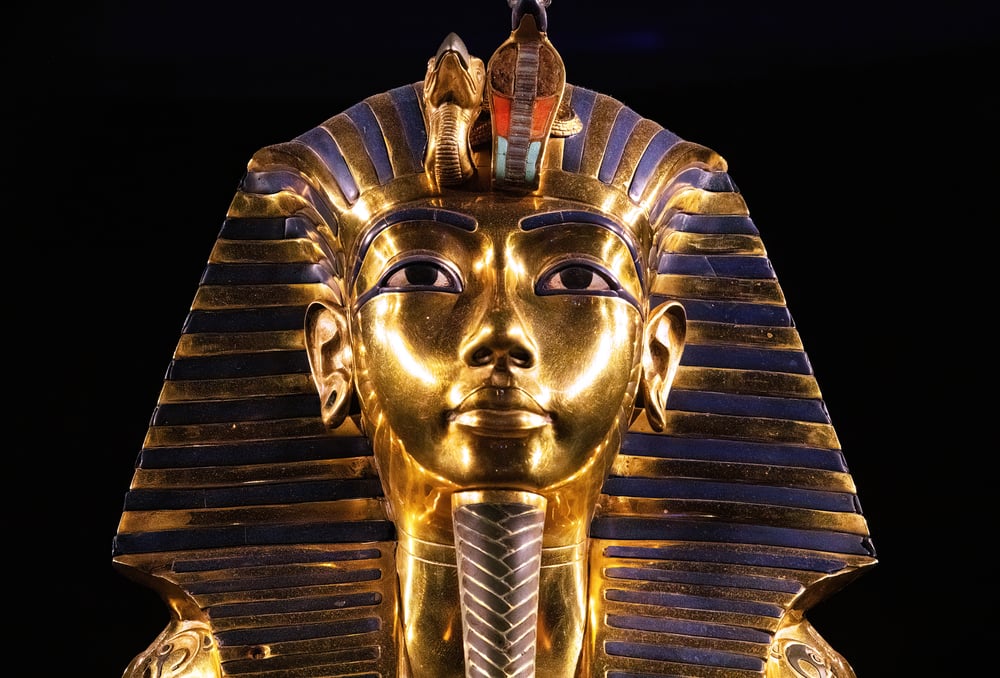
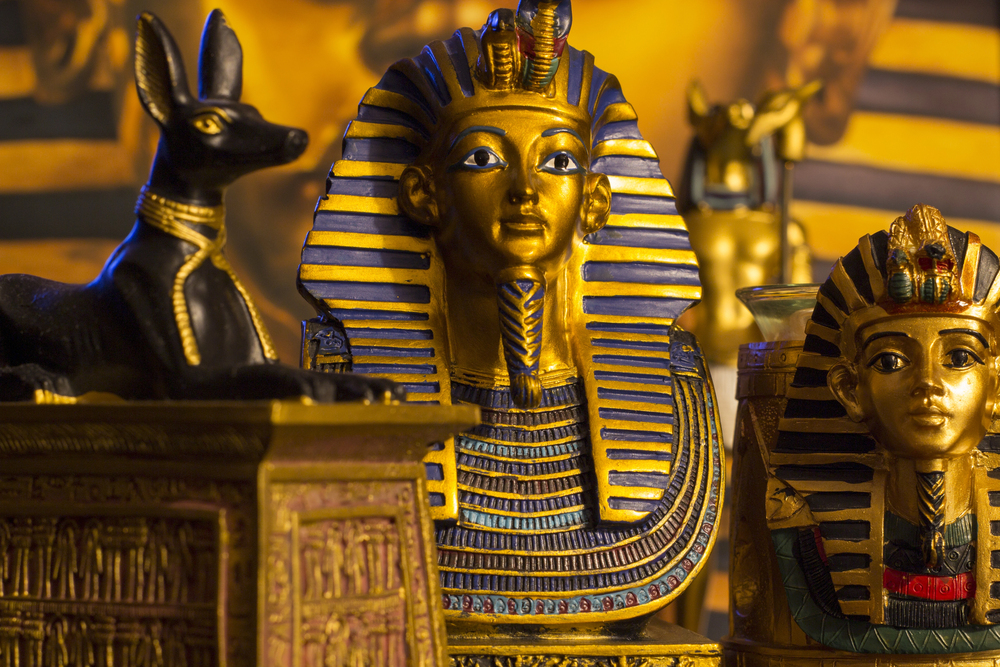
The gold mask of Tutankhamun is an example of the highest artistic and technical achievements of the ancient Egyptians in the New Kingdom. This stunning piece weighs about 22 pounds of solid gold and shows the young king’s face in perfect detail.
The mask covered Tutankhamun’s head and shoulders, protecting his face for eternity. Blue stripes made from lapis lazuli form the traditional pharaoh’s headdress.
The eyes are outlined in black and gold, giving the mask a lifelike appearance that still amazes visitors today.
Three nested golden coffins
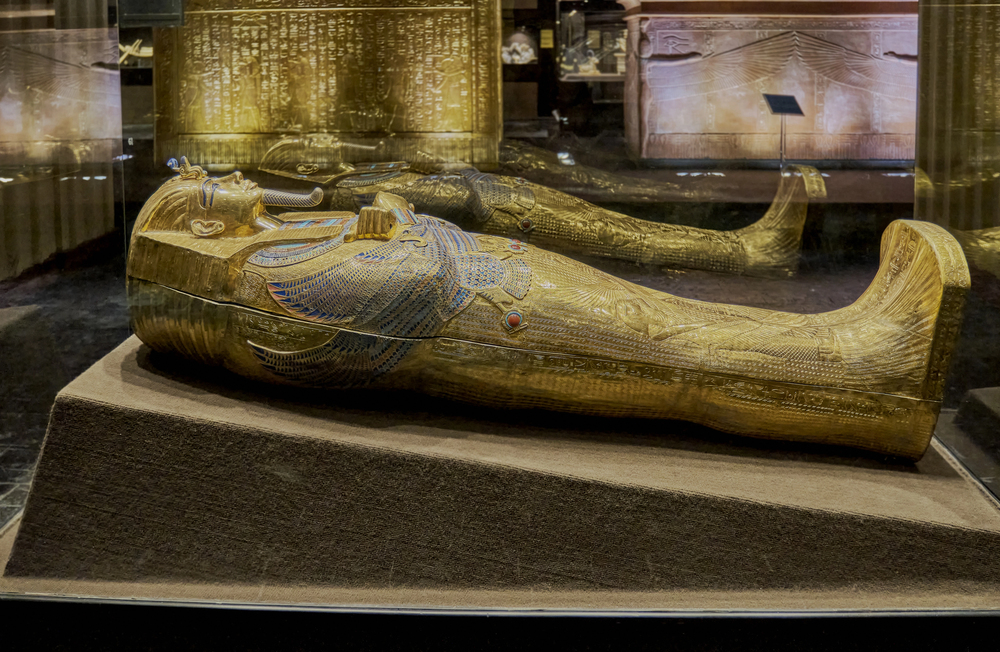
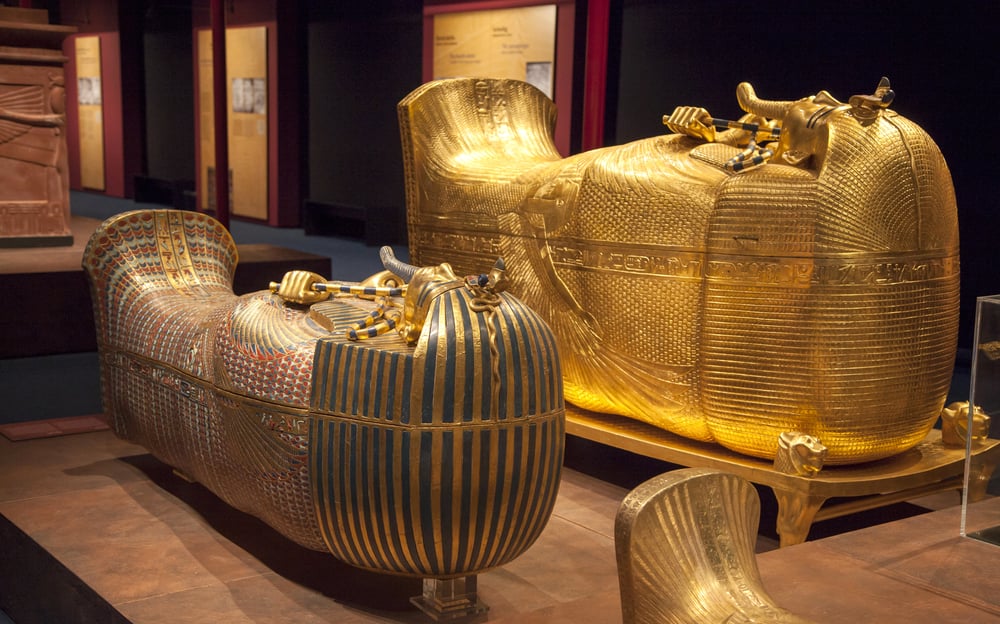
Carter discovered that Tutankhamun rested inside not one, but three coffins that fit inside each other like Russian dolls. The outer two were made of gilded wood covered in gold leaf and precious stones.
The innermost coffin was solid gold and weighed an incredible 243 pounds. Each coffin showed the king in the traditional pharaoh pose with his arms crossed, holding the crook and flail symbols of royal power.
The craftsmanship was so detailed that even the fingernails were perfectly carved and gilded.
Like Go2Tutors’s content? Follow us on MSN.
Six dismantled war chariots
The tomb contained pieces for six complete chariots, all taken apart to fit in the cramped space. There were six chariots and all manner of weapons, shields, and daggers.
These weren’t just ceremonial pieces. Some showed real battle damage, proving that Tutankhamun actually used them for hunting and warfare.
The chariots were decorated with gold, silver, and colorful glass inlays showing scenes of the king defeating his enemies. Each one had different decorations and purposes, from state ceremonies to actual combat.
The golden throne with detailed scenes
One of the most beautiful pieces found was Tutankhamun’s golden throne, covered in silver and gold with intricate inlaid decorations. The back panel shows the king and his wife Ankhesenamun in a tender scene where she rubs perfumed oil on his shoulder.
The sun god’s rays shine down on them, blessing their marriage. The armrests are carved as winged serpents, symbols of protection.
Even the footstool matches the throne’s elaborate decorations, showing bound enemies under the king’s feet.
Hundreds of pieces of jewelry
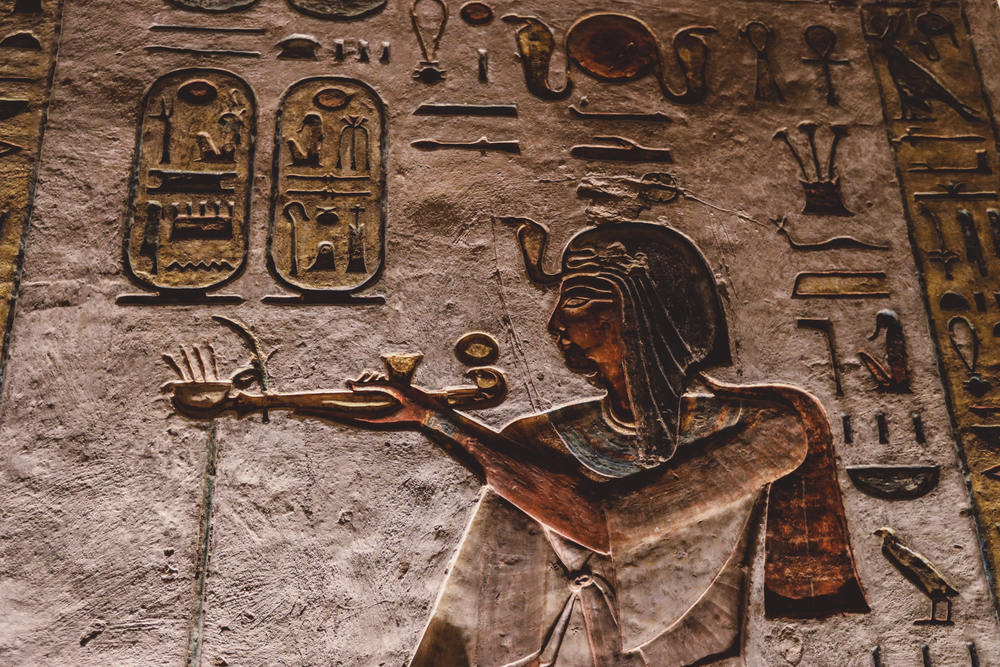
On the body, and contained within the layers of mummy wrappings, were 143 items, including articles of clothing such as sandals, a plethora of amulets and other jewellery and two daggers. The tomb held necklaces, rings, bracelets, and earrings made from gold, silver, and precious stones.
Many pieces featured religious symbols like scarab beetles, ankh signs, and falcon wings. The jewelry wasn’t just decorative.
Each piece had specific meanings and powers to protect the king in the afterlife. Some rings were so tiny they must have been made for Tutankhamun when he was still a child.
Like Go2Tutors’s content? Follow us on MSN.
Two mysterious iron daggers
Among all the gold treasures, two iron daggers stood out as extremely unusual. Iron was incredibly rare in ancient Egypt, more valuable than gold at the time.
Scientists have proven that one dagger was made from meteorite iron that fell from space. The blade still gleams after 3,000 years without any rust.
The other dagger has a crystal handle and a gold sheath decorated with feathers and flowers. These weapons show that Tutankhamun owned some of the rarest materials in the ancient world.
Canopic jars for internal organs
Four beautiful limestone jars held Tutankhamun’s preserved internal organs, each protected by a different god. The stoppers were carved to look like the king’s face, painted in realistic colors with gold details.
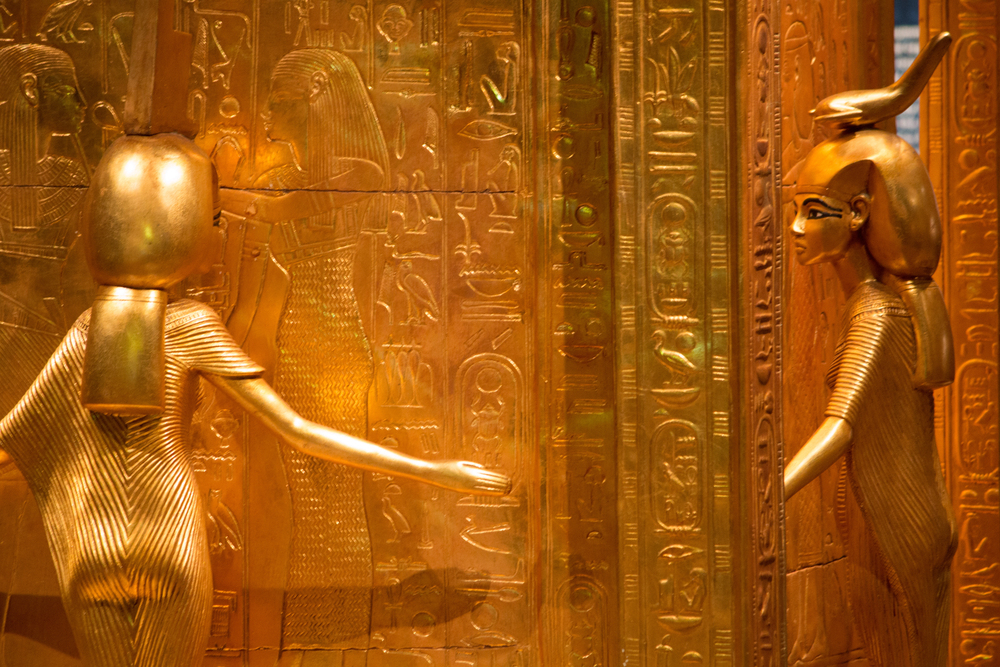
Each jar was further protected by a golden shrine guarded by four goddess statues. The liver, lungs, stomach, and intestines were carefully mummified and placed in these jars so the king would be complete in the afterlife.
The craftsmanship was so detailed that each jar stopper had slightly different facial features.
Golden sandals for the afterlife journey
Carter found dozens of sandals in the tomb, including several pairs made of pure gold. The golden sandals were placed directly on Tutankhamun’s mummified feet to protect them during his journey to the afterlife.
Some sandals were decorated with pictures of Egypt’s enemies, so the king would symbolically step on his foes with every step. Others showed beautiful flower patterns and religious symbols.
The variety shows that even something as simple as footwear held deep religious meaning for ancient Egyptians.
Like Go2Tutors’s content? Follow us on MSN.
When ancient treasures meet modern wonder
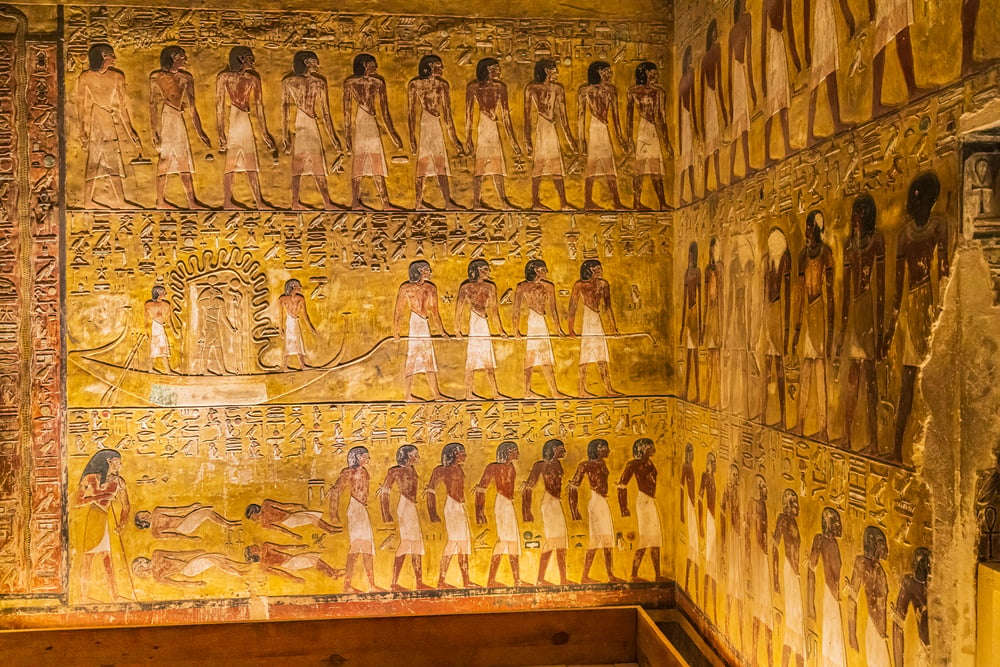
When archaeologist Howard Carter and colleagues discovered King Tut’s tomb 100 years ago, he reported seeing “wonderful things.” Those wonderful things continue to amaze people today, traveling to museums around the world and inspiring millions of visitors.
The treasures show us that ancient Egyptians weren’t so different from us in wanting beautiful things, playing games, and preparing for the future. Tutankhamun’s tomb reminds us that humans have always used art, craftsmanship, and precious objects to express their deepest beliefs about life, death, and what comes after.
The boy king’s treasures bridge the gap between ancient mystery and modern fascination, proving that some human desires for beauty and meaning never change.
More from Go2Tutors!

- 16 Historical Figures Who Were Nothing Like You Think
- 12 Things Sold in the 80s That Are Now Illegal
- 15 VHS Tapes That Could Be Worth Thousands
- 17 Historical “What Ifs” That Would Have Changed Everything
- 18 TV Shows That Vanished Without a Finale
Like Go2Tutors’s content? Follow us on MSN.



