16 Animals That Migrate in Large Groups
When you think about epic journeys, you might picture solo adventurers crossing continents with nothing but their wits and determination. But in the animal kingdom, some of the most incredible trips happen when creatures band together in massive groups. These migrations aren’t just about getting from point A to point B—they’re carefully orchestrated movements that have been fine-tuned over millions of years.
From wildebeest thundering across African plains to monarch butterflies floating on invisible highways in the sky, group migration is nature’s version of a well-planned road trip. Here is a list of 16 animals that migrate in large groups.
Wildebeest
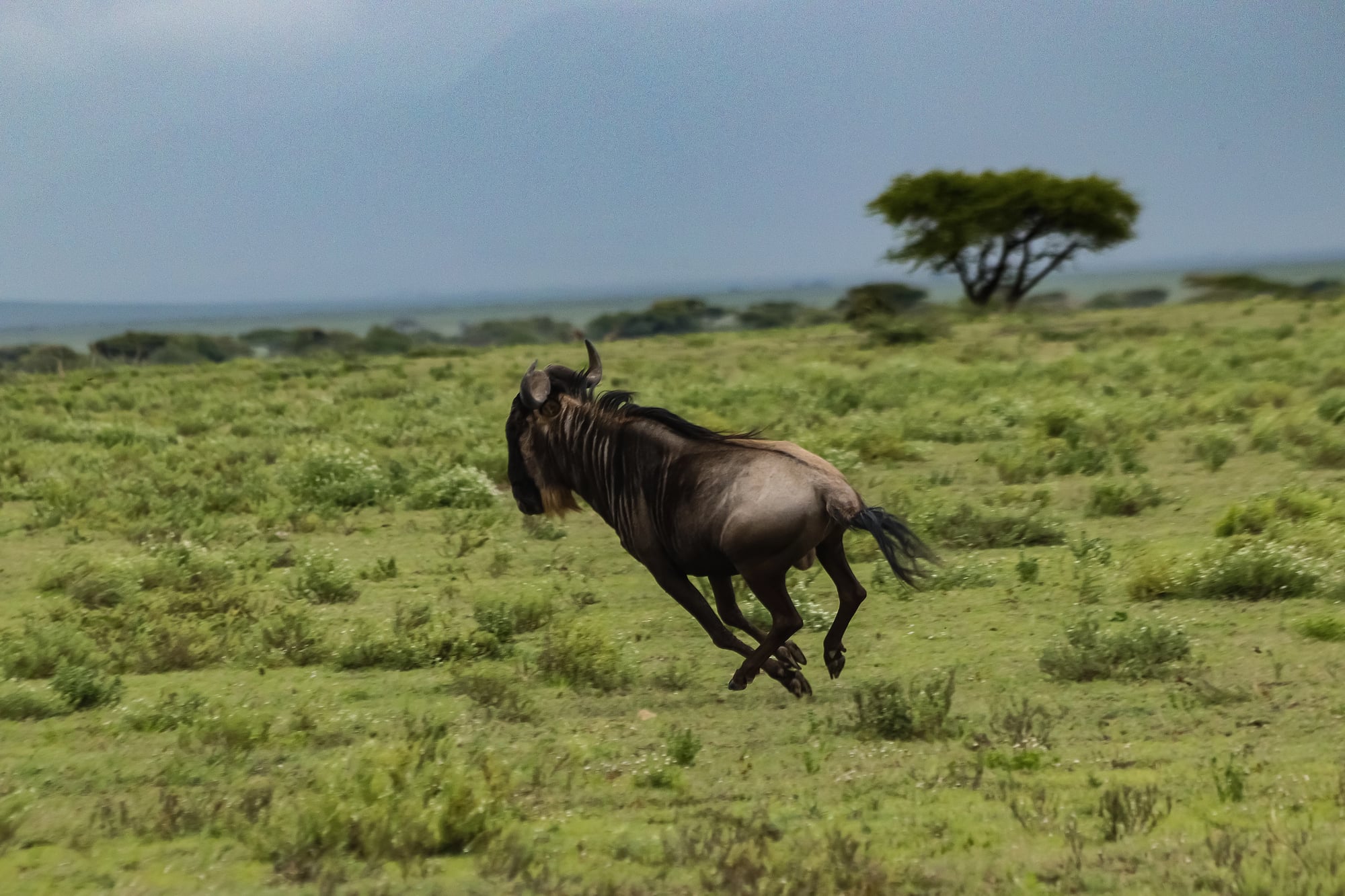
The Great Migration of wildebeest across East Africa is like nature’s version of a massive cross-country move, except it happens every single year. Over 1.5 million wildebeest travel roughly 1,800 miles in a giant loop between Tanzania’s Serengeti and Kenya’s Masai Mara.
They time their journey with the rains, following fresh grass like a traveling buffet that never ends.
Arctic Tern
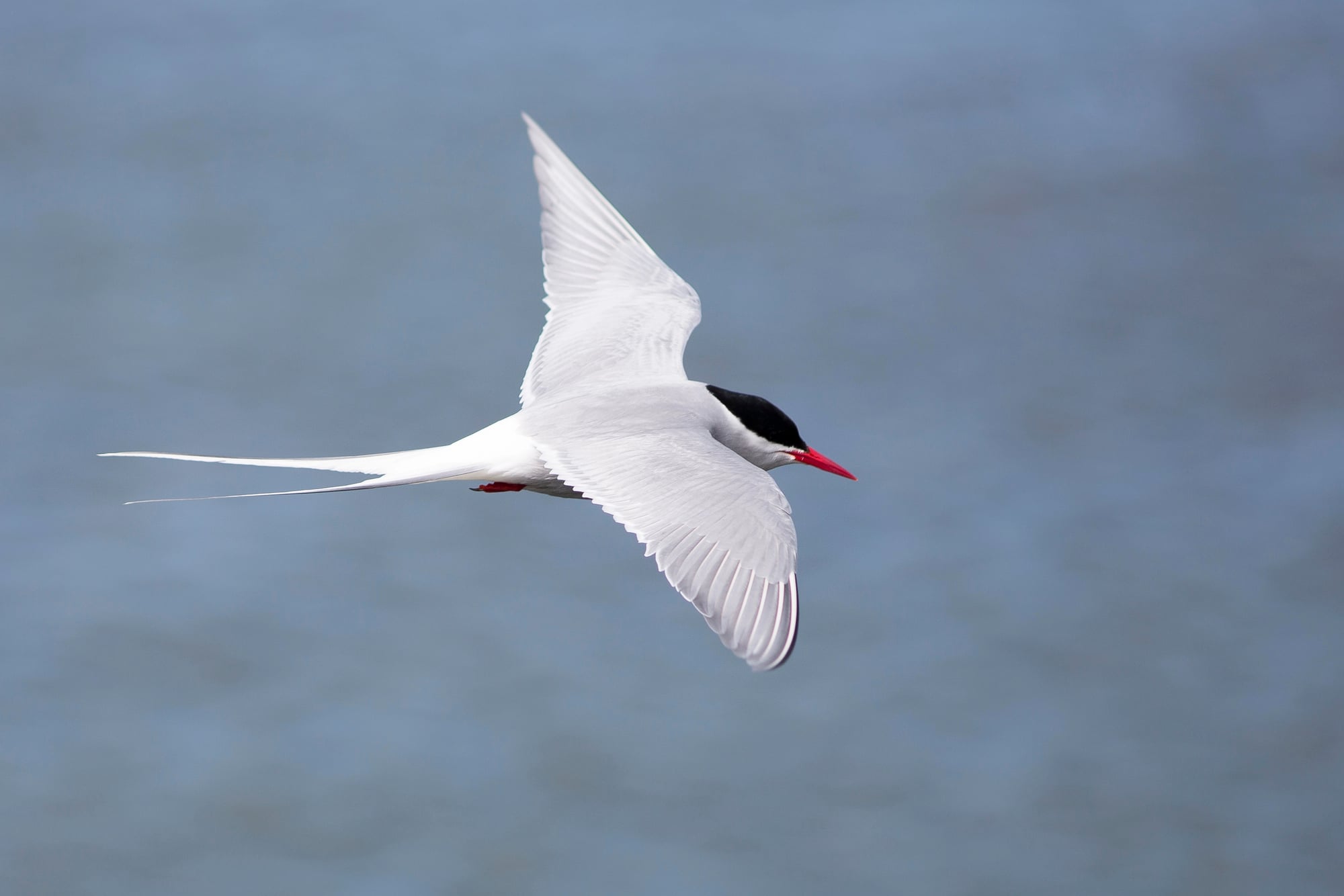
Arctic terns pull off what might be the most impressive commute on the planet, flying from Arctic to Antarctic and back again each year. These birds cover about 44,000 miles annually—that’s nearly twice around the Earth.
They travel in flocks that can number in the thousands, riding air currents like nature’s frequent flyers with the ultimate rewards program.
Monarch Butterfly
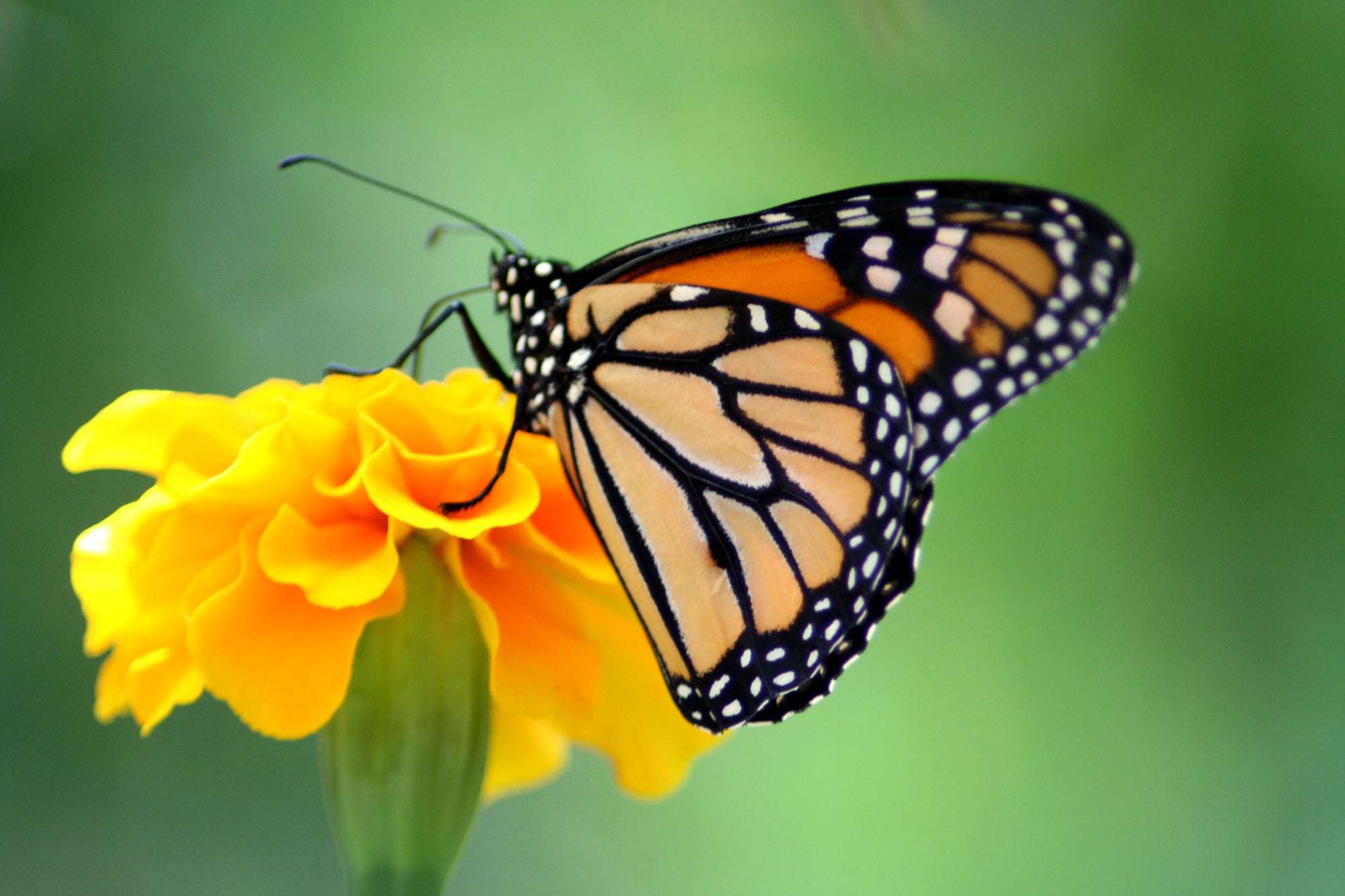
Monarch butterflies create one of nature’s most delicate yet determined migrations, with millions floating south from Canada to Mexico each fall. The really wild part is that it takes four generations to complete the full cycle, but somehow the great-great-grandchildren know exactly where to go.
They cluster together in such massive numbers that entire trees in their wintering grounds turn orange and black.
Caribou
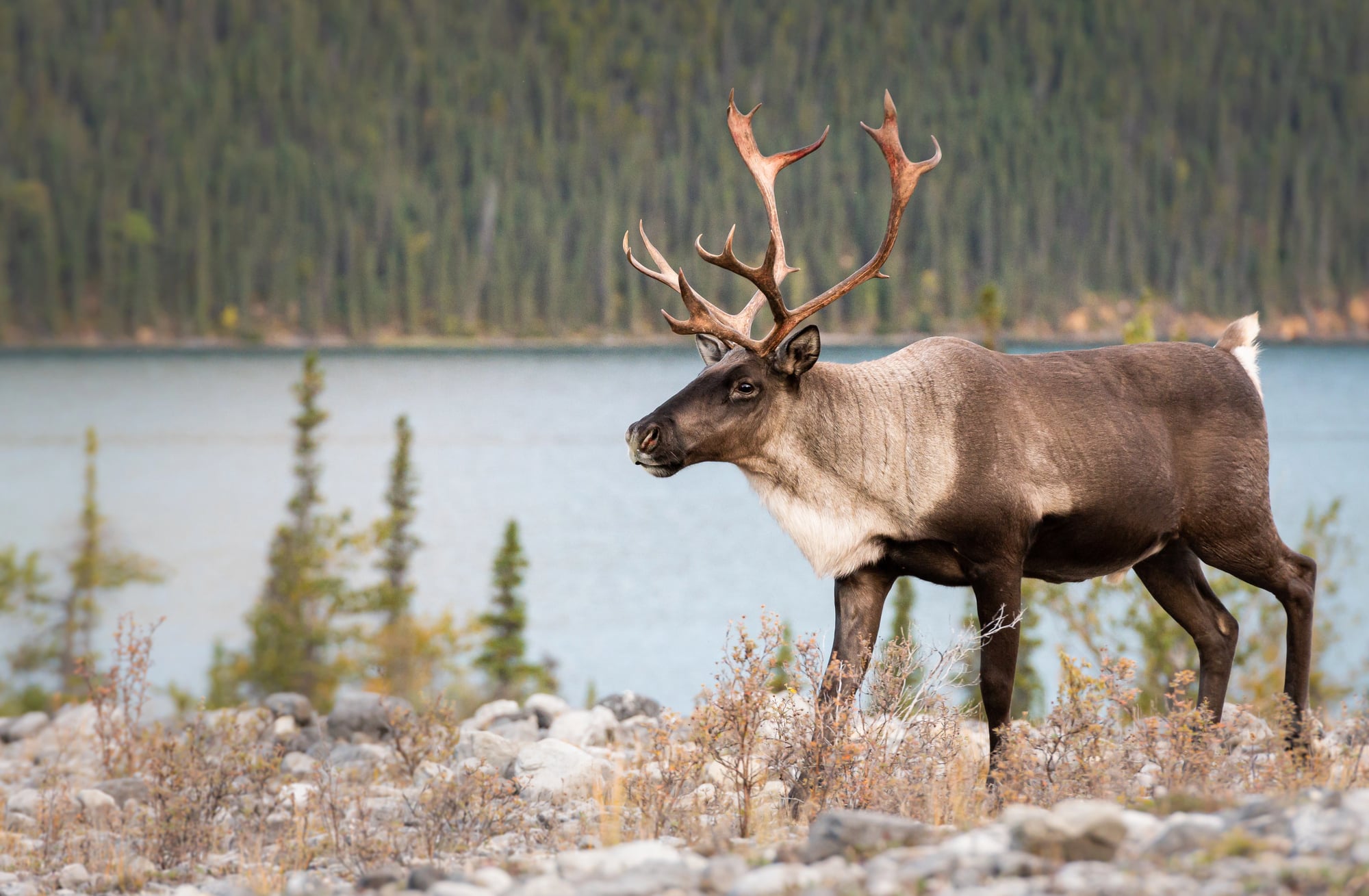
Caribou herds move across the Arctic tundra in numbers that can reach 500,000 animals, creating what looks like a living river flowing across the landscape. They cover up to 3,000 miles each year, following ancient routes that their ancestors have used for thousands of years.
These migrations are so predictable that indigenous peoples have planned their lives around them for generations.
Gray Whale
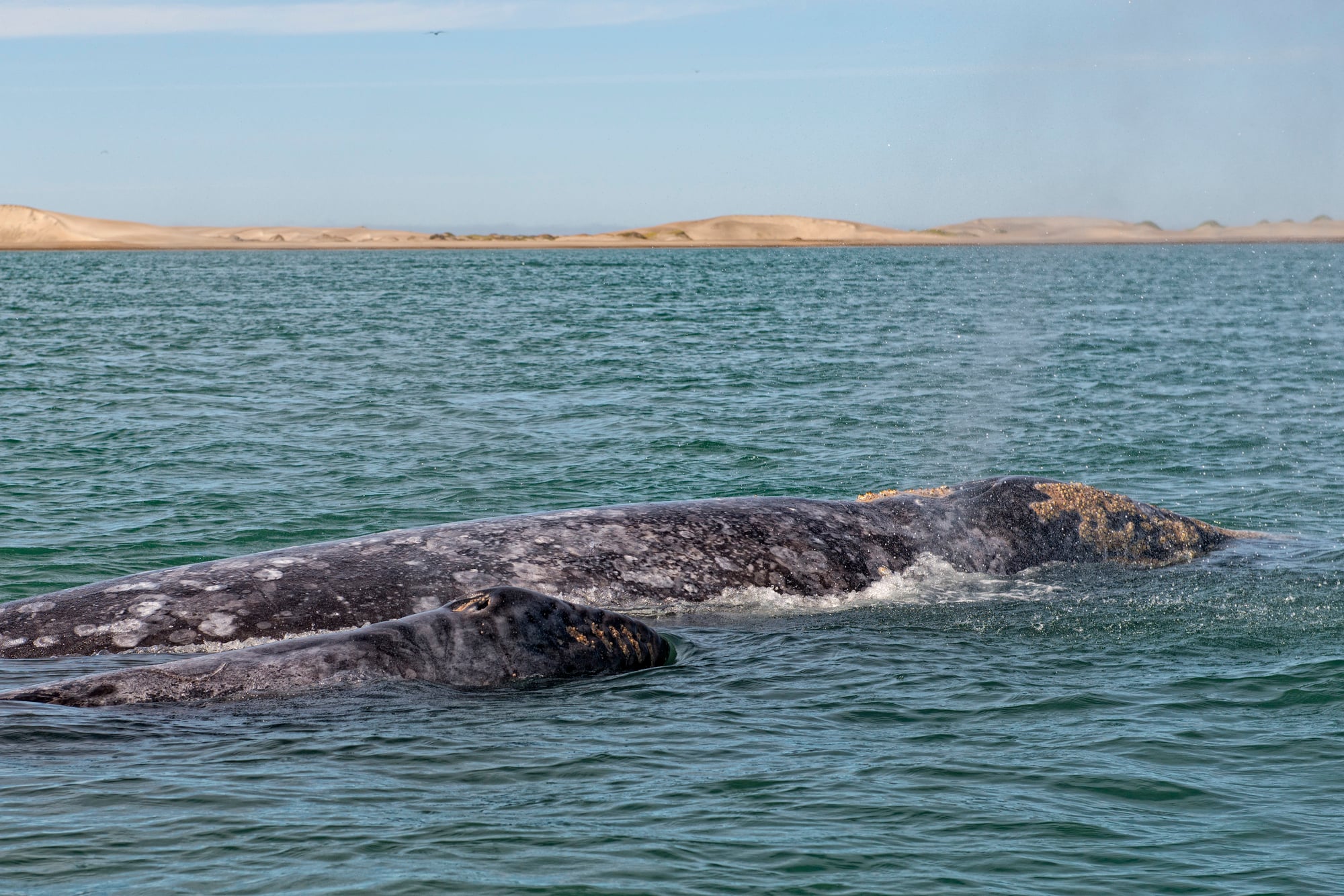
Gray whales make one of the longest migrations of any mammal, traveling about 12,000 miles round trip along the Pacific coast. They move in groups of dozens, hugging the coastline so closely that whale watchers can spot them from shore.
Their journey from Alaska to Mexico and back is like a marine highway that’s been in use for millions of years.
Sandhill Crane

Every spring and fall, hundreds of thousands of sandhill cranes gather along Nebraska’s Platte River, creating one of wildlife’s greatest spectacles. These birds travel in flocks that can contain thousands of individuals, their calls echoing across the prairie like nature’s own symphony.
They use the same stopover sites generation after generation, turning certain stretches of river into temporary crane cities.
Bar-Tailed Godwit
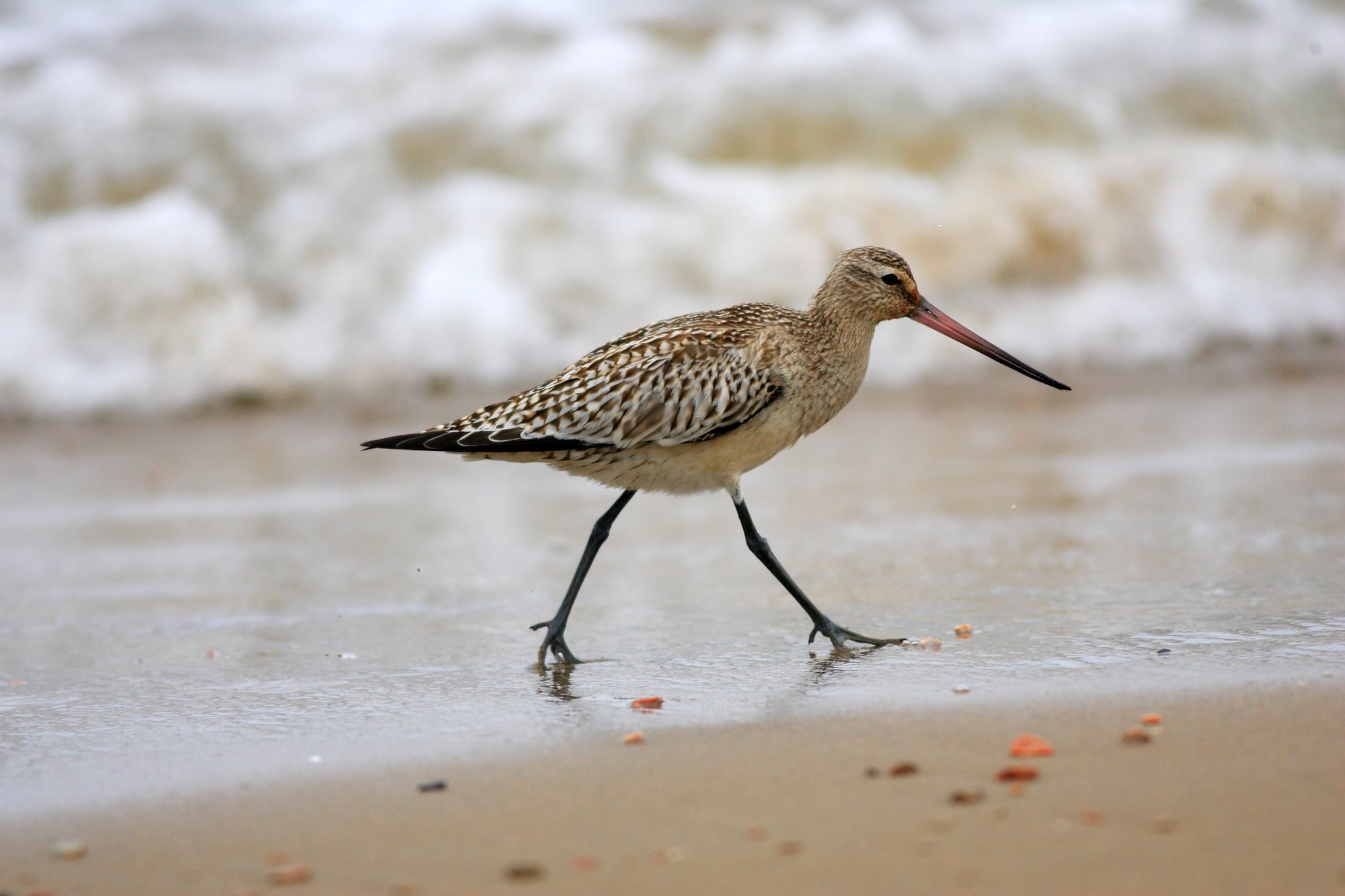
Bar-tailed godwits hold the record for the longest non-stop flight of any bird, traveling over 7,000 miles from Alaska to New Zealand without landing. They travel in flocks that can number in the thousands, riding favorable winds like aerial hitchhikers.
These birds literally shrink their internal organs before the journey to make room for more fat storage—talk about commitment to the trip.
Ruby-Throated Hummingbird
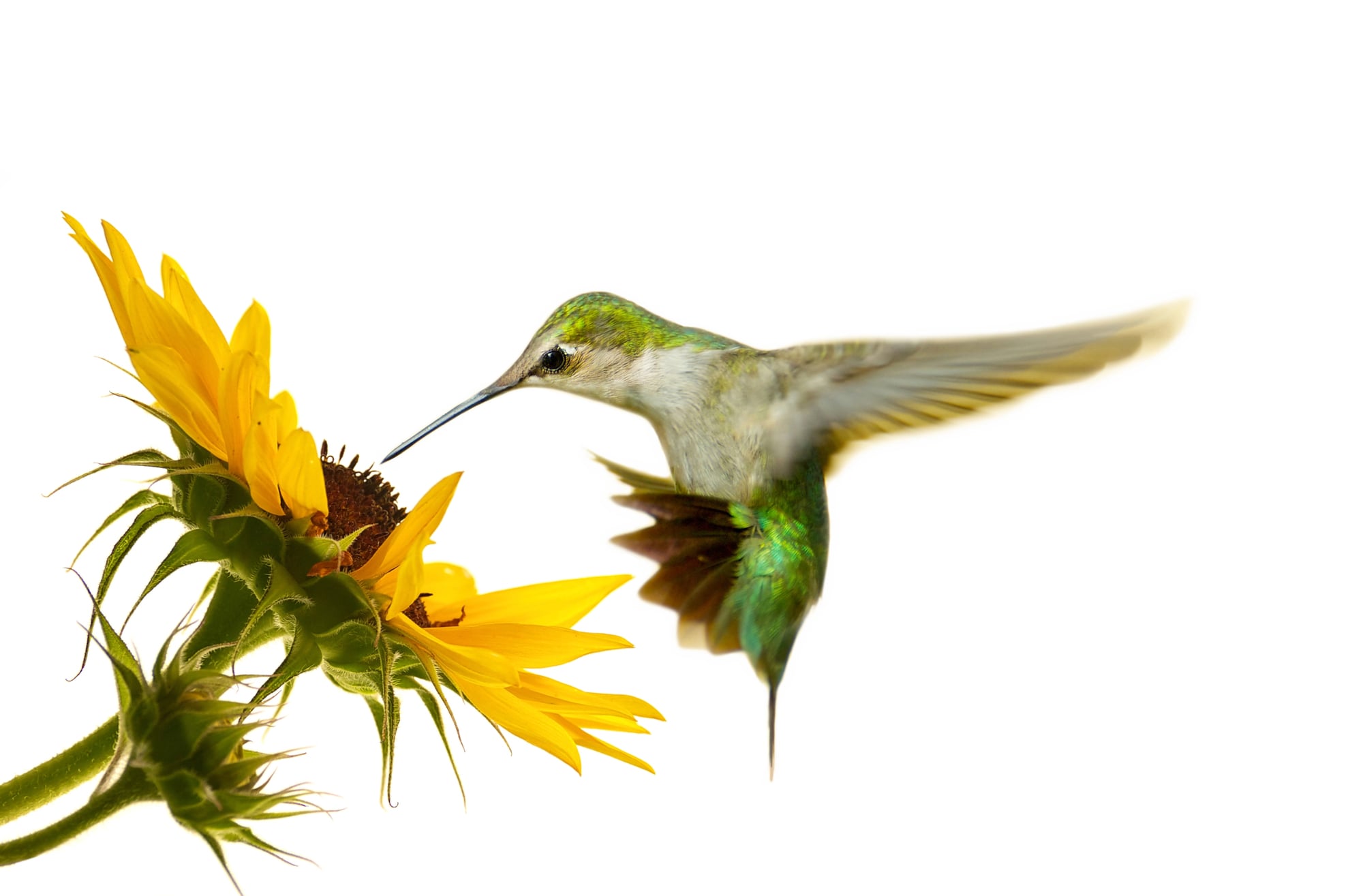
Despite weighing less than a nickel, ruby-throated hummingbirds make an incredible journey across the Gulf of Mexico twice a year. Millions of these tiny birds gather along the coast before making the 500-mile water crossing in a single flight.
They travel in loose groups, with experienced birds often leading the way for first-time migrants.
Christmas Island Red Crab

Christmas Island red crabs create one of the most visually stunning migrations on Earth when over 50 million crabs march from the forest to the sea. The entire island turns red as these crabs move together in a coordinated wave that can stretch for miles.
They’ve been making this journey for so long that the island has built special crab bridges over roads to help them along.
Salmon
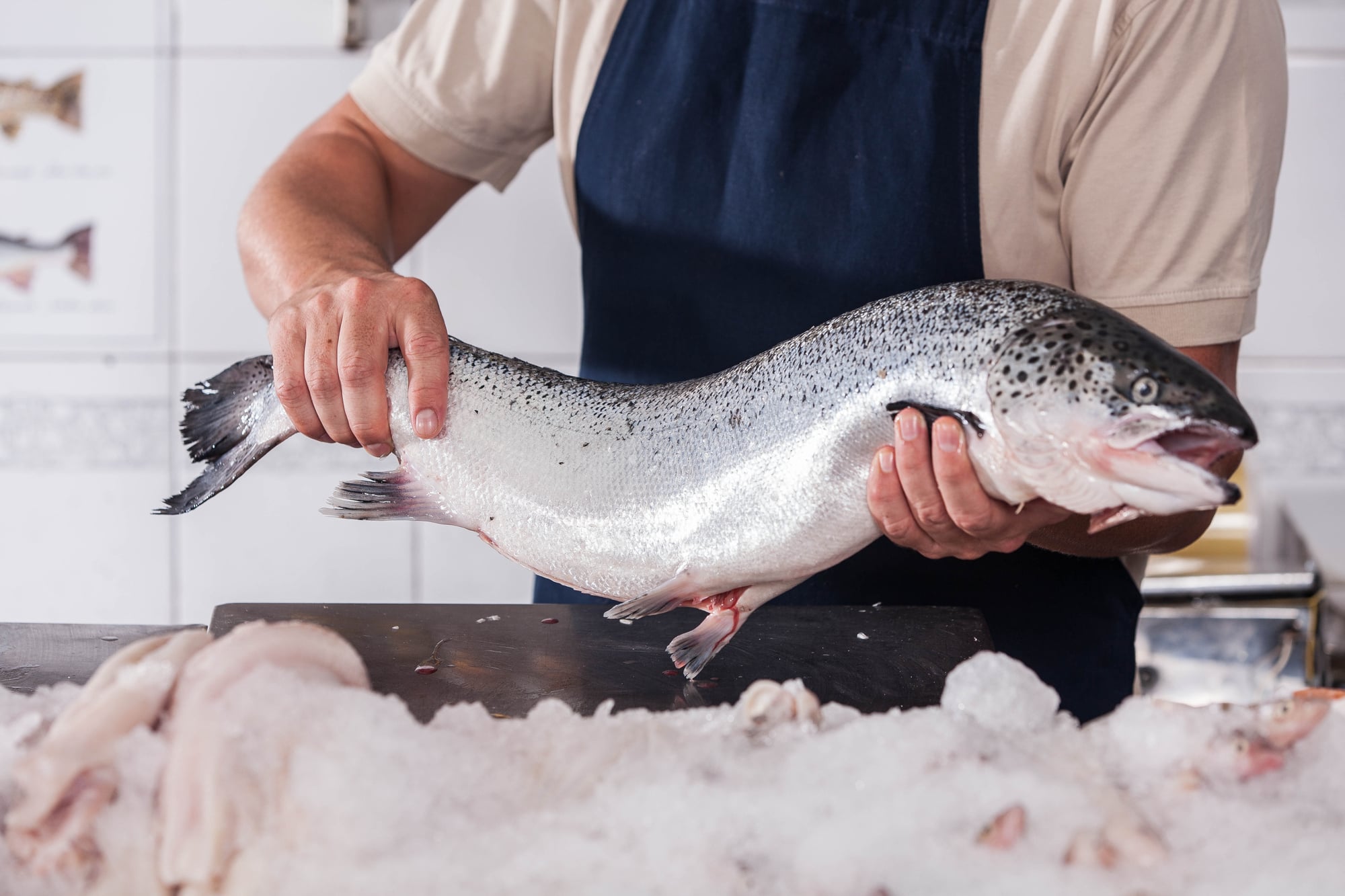
Pacific salmon return to their birthplace in massive runs that can include millions of fish, turning rivers into silver highways. They navigate using their sense of smell, remembering the unique scent of their home stream from years earlier.
These runs are so intense that they’ve shaped entire ecosystems, with bears, eagles, and even trees depending on the nutrients the salmon bring from the ocean.
Locust
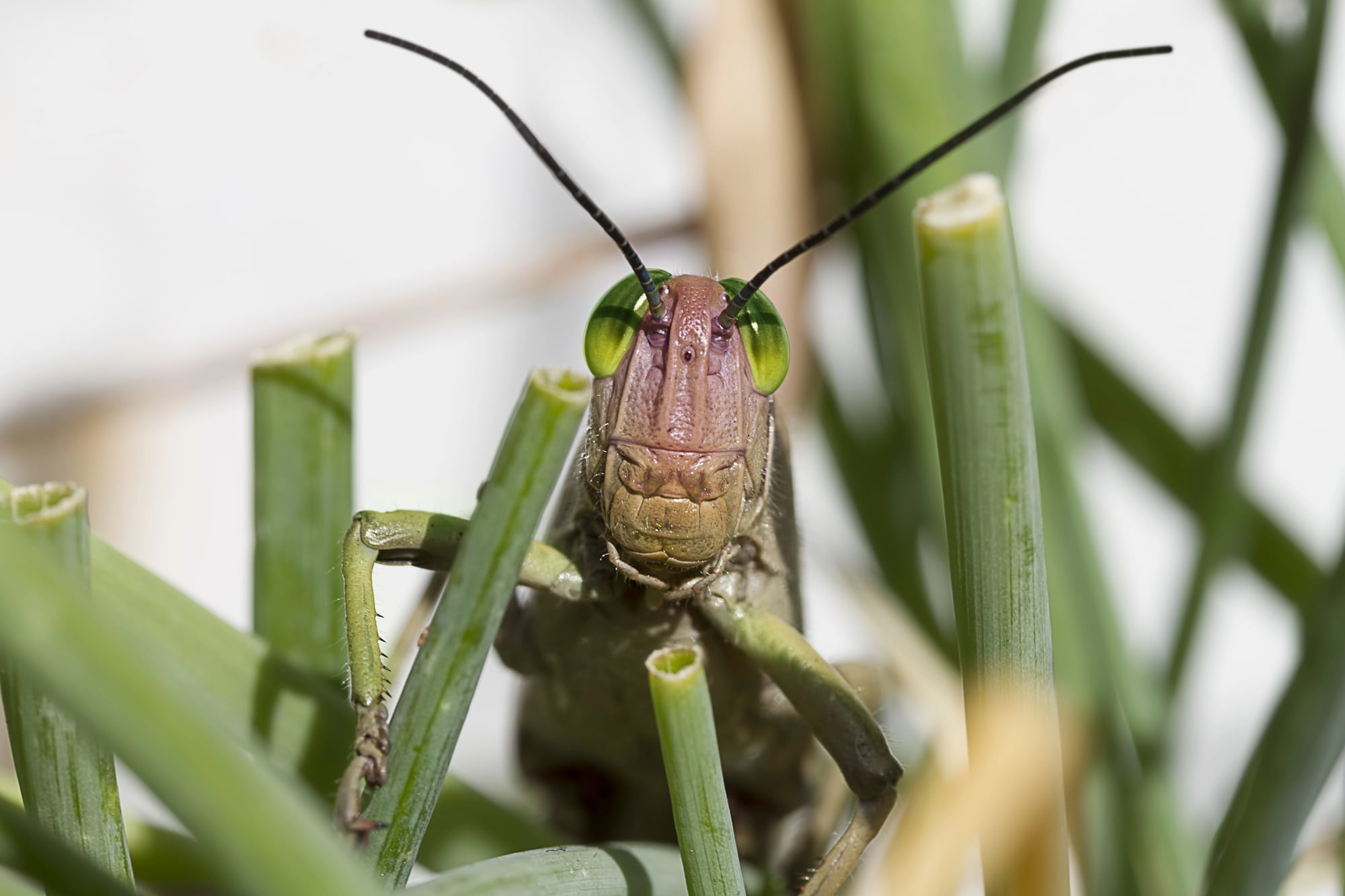
Desert locusts can form swarms containing billions of individuals that cover hundreds of square miles and eat their way across continents. A single swarm can consume the same amount of food in one day as 35,000 people, making them one of nature’s most destructive migrating forces.
These swarms move like living storms, driven by wind patterns and the constant search for fresh vegetation.
African Elephant
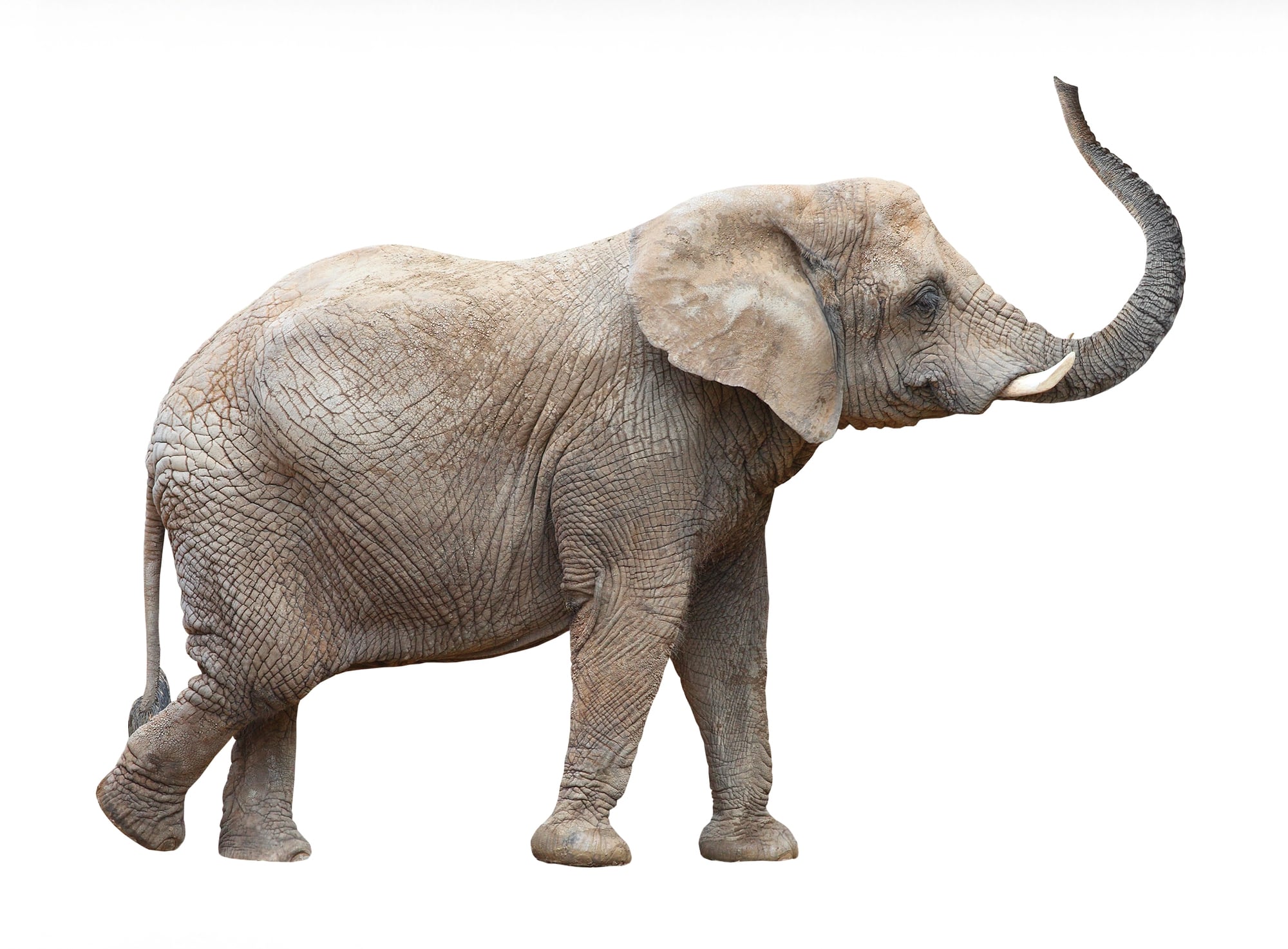
African elephants travel in family groups along ancient migration routes that can span hundreds of miles across the savanna. These matriarchal herds follow the same paths their grandmothers used, passed down through generations like a living GPS system.
During dry seasons, multiple family groups often join together, creating temporary super-herds of several hundred elephants.
Bison
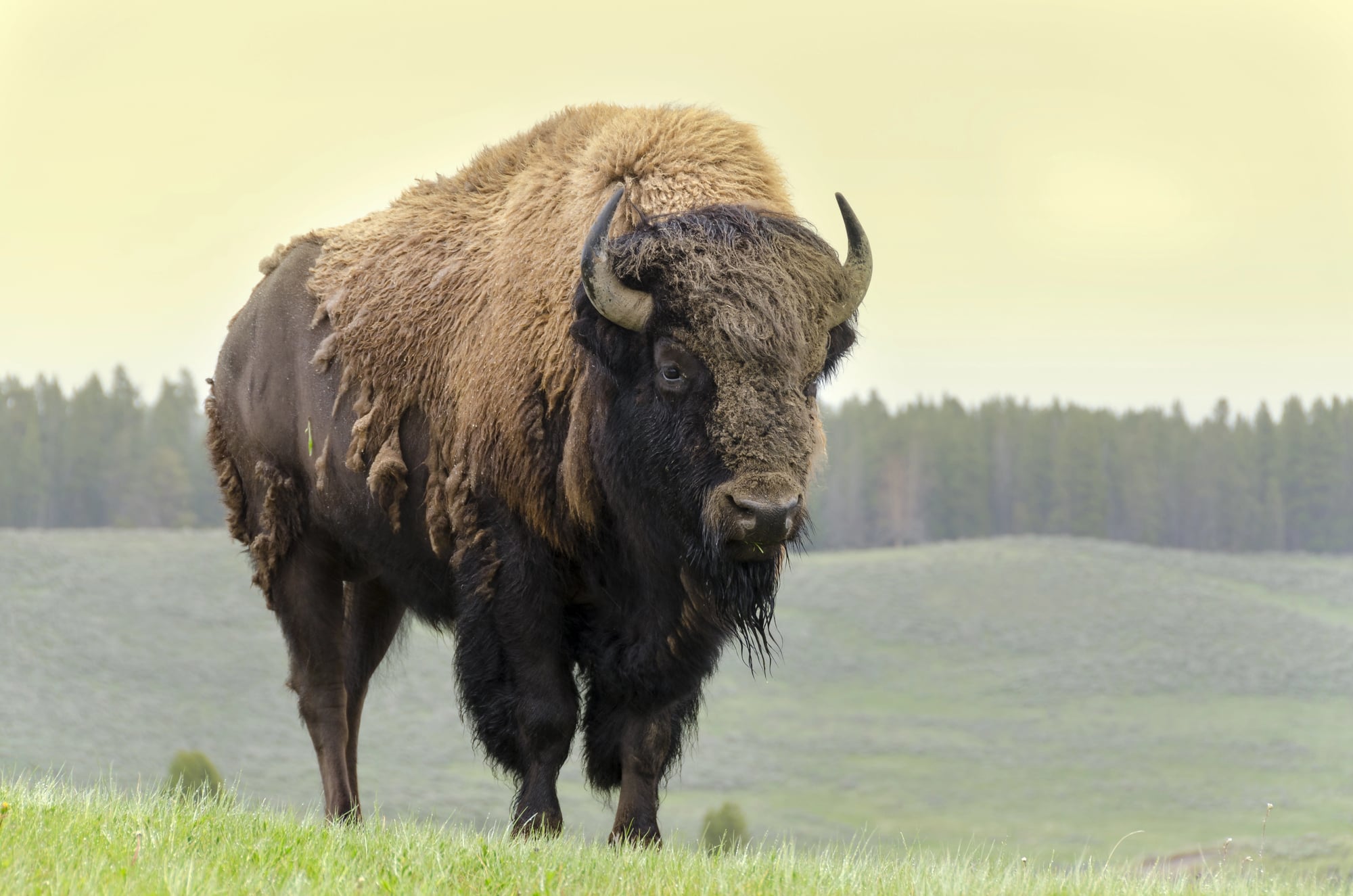
American bison once migrated across the Great Plains in herds that numbered in the millions, creating thundering masses of animals that could be heard from miles away. Though their numbers are much smaller today, they still migrate seasonally between grazing areas in groups of hundreds or thousands.
These movements follow the same patterns their ancestors used for thousands of years.
Zebra
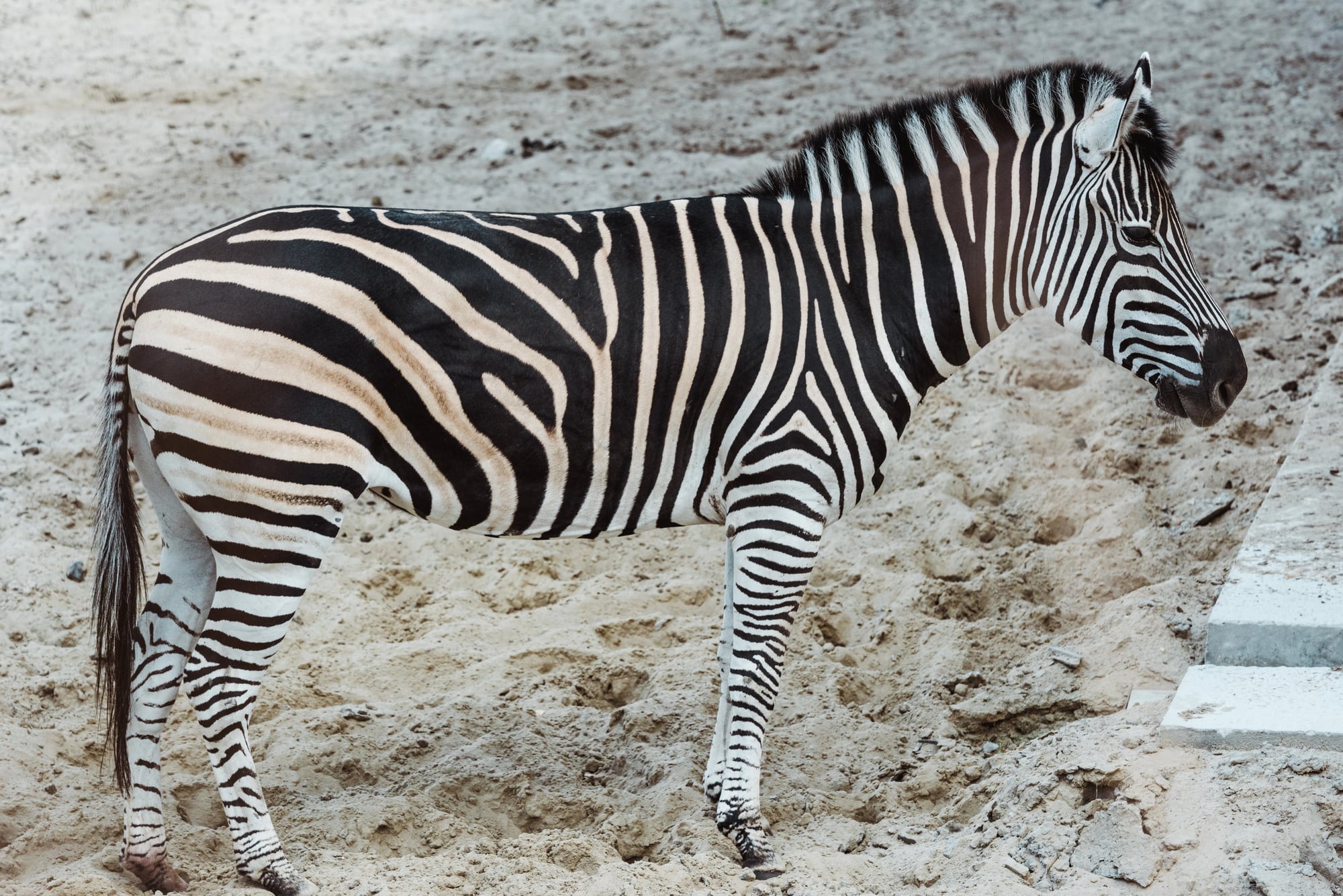
Plains zebras join the Great Migration alongside wildebeest, creating one of Africa’s most iconic wildlife spectacles. They travel in family groups that band together into larger herds, sometimes numbering in the tens of thousands.
Zebras actually serve as living lawn mowers for the wildebeest, eating the tall grass first and making way for their companions to reach the tender shoots underneath.
Lemming
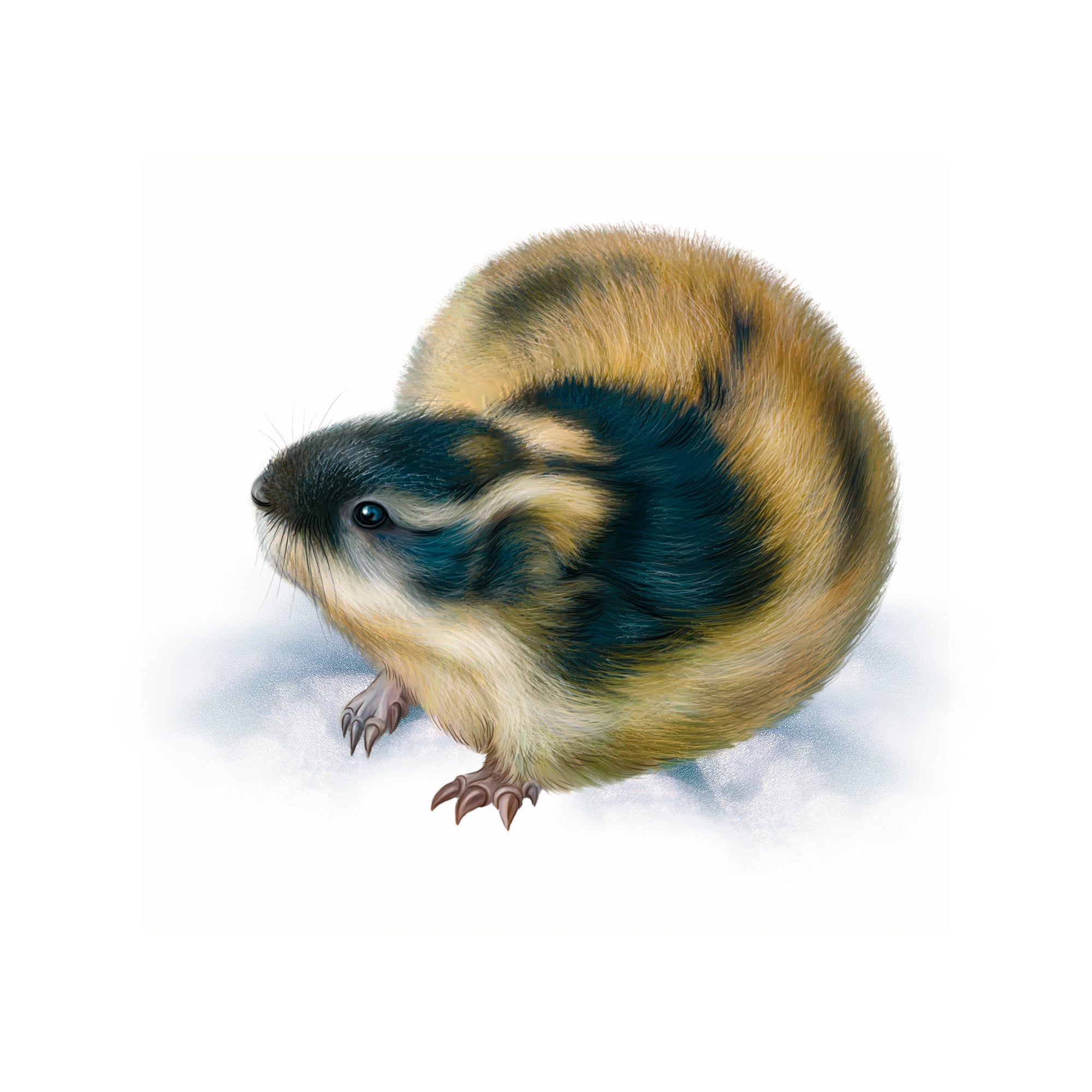
Despite the myth about them jumping off cliffs, lemmings do migrate in massive numbers when their populations peak every few years. These small rodents move together in waves that can include thousands of individuals, spreading out from overcrowded areas to find new territory.
Their migrations are so dramatic that they’ve inspired legends and stories across Arctic cultures.
Penguin
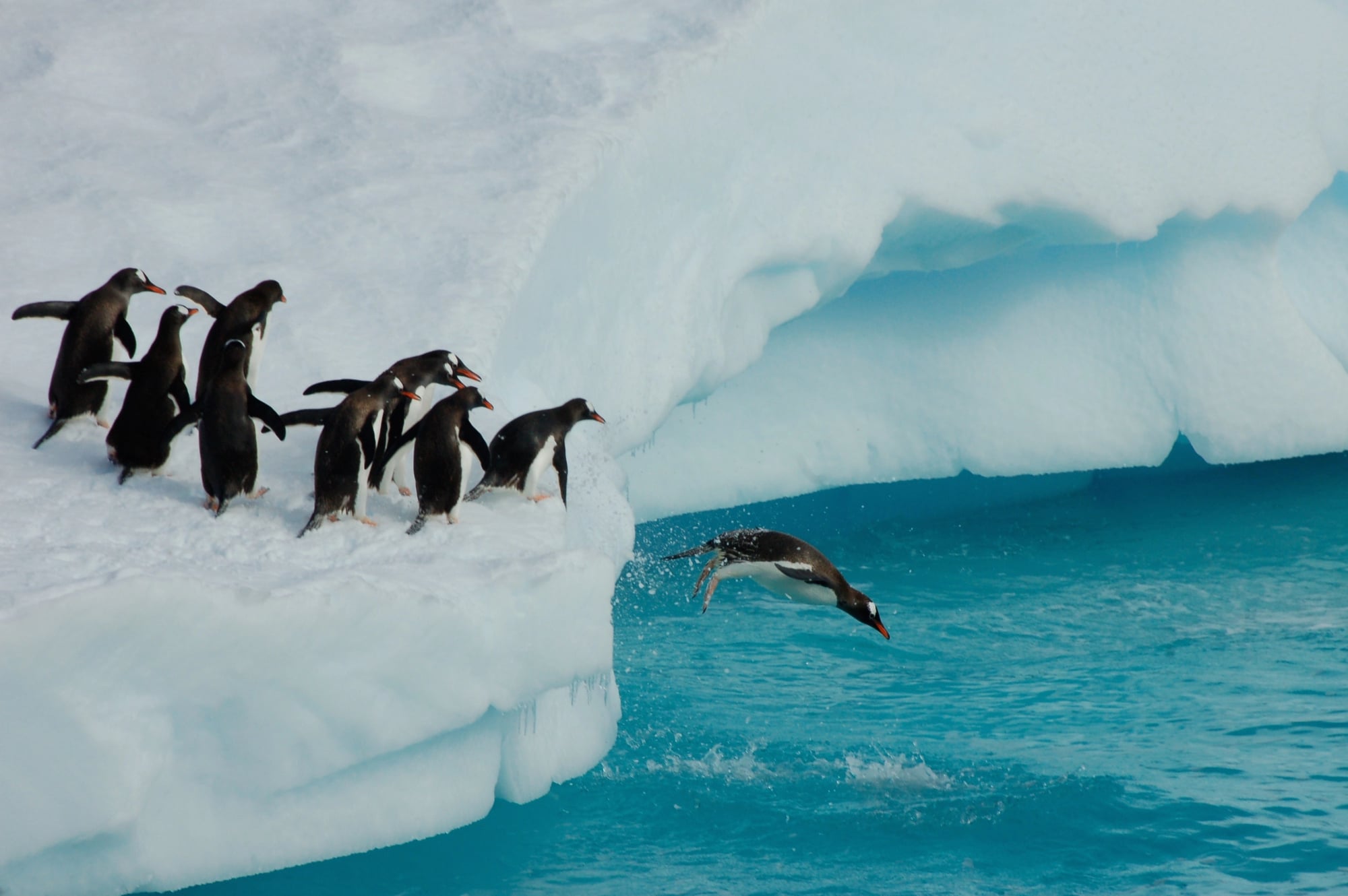
Emperor penguins make one of the most challenging migrations in the animal kingdom, walking up to 75 miles across Antarctic ice to reach their breeding colonies. They huddle together in groups of thousands, taking turns moving from the outside to the warm center of the group.
These penguins time their journey so precisely that they arrive at their breeding grounds just as the Antarctic winter reaches its harshest point.
Nature’s Greatest Road Trips Continue
These mass migrations represent some of the most ancient travel routes on Earth, with many following the same paths for millions of years. While human development has disrupted some of these journeys, conservation efforts are working to protect the corridors these animals need to continue their epic travels.
The next time you’re stuck in traffic, remember that somewhere in the world, millions of animals are making journeys that put our daily commutes to shame—and they’re doing it without GPS, rest stops, or even a single complaint about the weather.
More from Go2Tutors!

- The Romanov Crown Jewels and Their Tragic Fate
- 13 Historical Mysteries That Science Still Can’t Solve
- Famous Hoaxes That Fooled the World for Years
- 15 Child Stars with Tragic Adult Lives
- 16 Famous Jewelry Pieces in History
Like Go2Tutors’s content? Follow us on MSN.



