12 Basement Hideouts Every Kid Built
When basements weren’t only used for washing rooms and storage, do you recall? They were kingdoms that were just begging to be taken. There were countless possibilities in every unfinished basement: shadowy nooks ideal for a covert headquarters, abandoned furniture vying to be turned into fortress walls, and that musty odor that somehow added significance and mystery to everything.
Children have always enjoyed designing their own environments, and basements provided the ideal setting. Almost every child has constructed one of these 12 basement hideouts at some point.
The Classic Blanket Fort
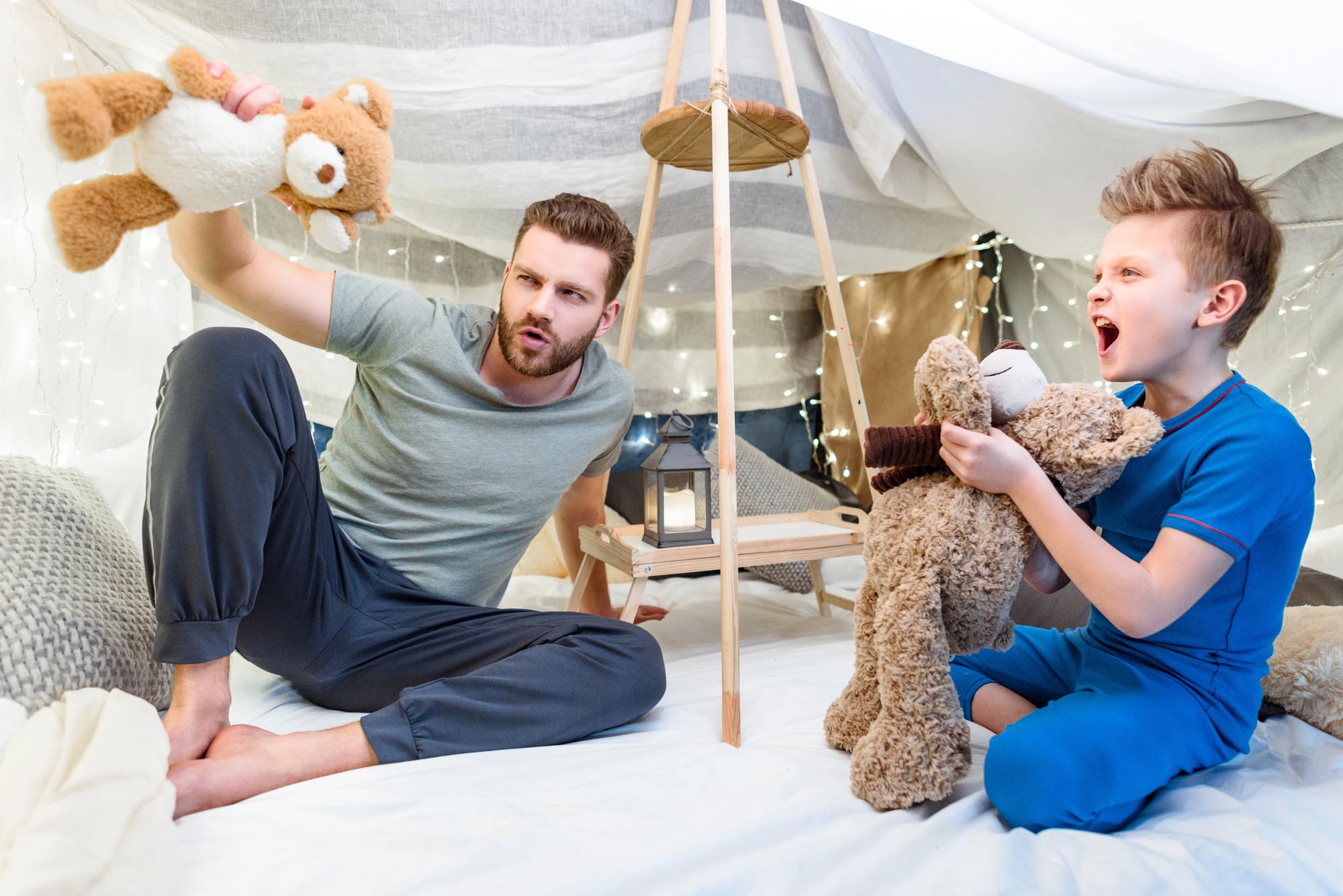
Every basement hideout career started here. Grab the heaviest blankets you could find, drape them over chairs or that old couch nobody uses anymore, and suddenly you have walls.
The trick was finding enough heavy books or random objects to keep the corners weighted down so your roof wouldn’t collapse every five minutes.
The Cardboard Box Castle

For imaginative children, moving day meant treasure. With a little creativity and cutting, large appliance boxes were transformed into immediate fortresses.
Although washing machine boxes stacked rather nicely, refrigerator boxes performed best due to their size. You had a castle until your mother determined it was a fire hazard, so you cut windows and added decorations.
Behind the Water Heater

That narrow space behind the water heater felt dangerous and exciting. It was warm, usually had some pipes to lean against, and adults rarely ventured back there.
Perfect for reading comic books or plotting elaborate schemes with your best friend. The mechanical humming added to the whole secret base atmosphere.
The Laundry Room Command Center

Due to their built-in characteristics, laundry rooms were ideal for headquarters. Important items were kept on shelves, natural barriers were established by the washer and dryer, and there was typically a utility sink for “experiments.”
Parents also only ever showed up there to do laundry, so you had plenty of notice.
Couch Cushion Fortress

Old basement furniture was perfect for construction projects. Pull all the cushions off that ratty sofa, stack them against the walls, and you have an instant fort.
The cushions were soft enough to dive into but sturdy enough to build with. These hideouts rarely survived the night, but building them was half the fun.
The Storage Room Laboratory

Most basements had that one room where families dumped everything they didn’t know what to do with. Christmas decorations, old sports equipment, boxes of who-knows-what—all perfect materials for creating elaborate hideouts.
You could tunnel through the junk and create multiple connected rooms.
The Unfinished Ceiling Cave

Unfinished basements with exposed joists were adventure playgrounds. You could hang blankets from the ceiling beams to create multiple rooms, or use the space between joists as natural dividers.
Just had to watch out for splinters and not hit your head on the low-hanging pipes.
Bookshelf Reading Nook
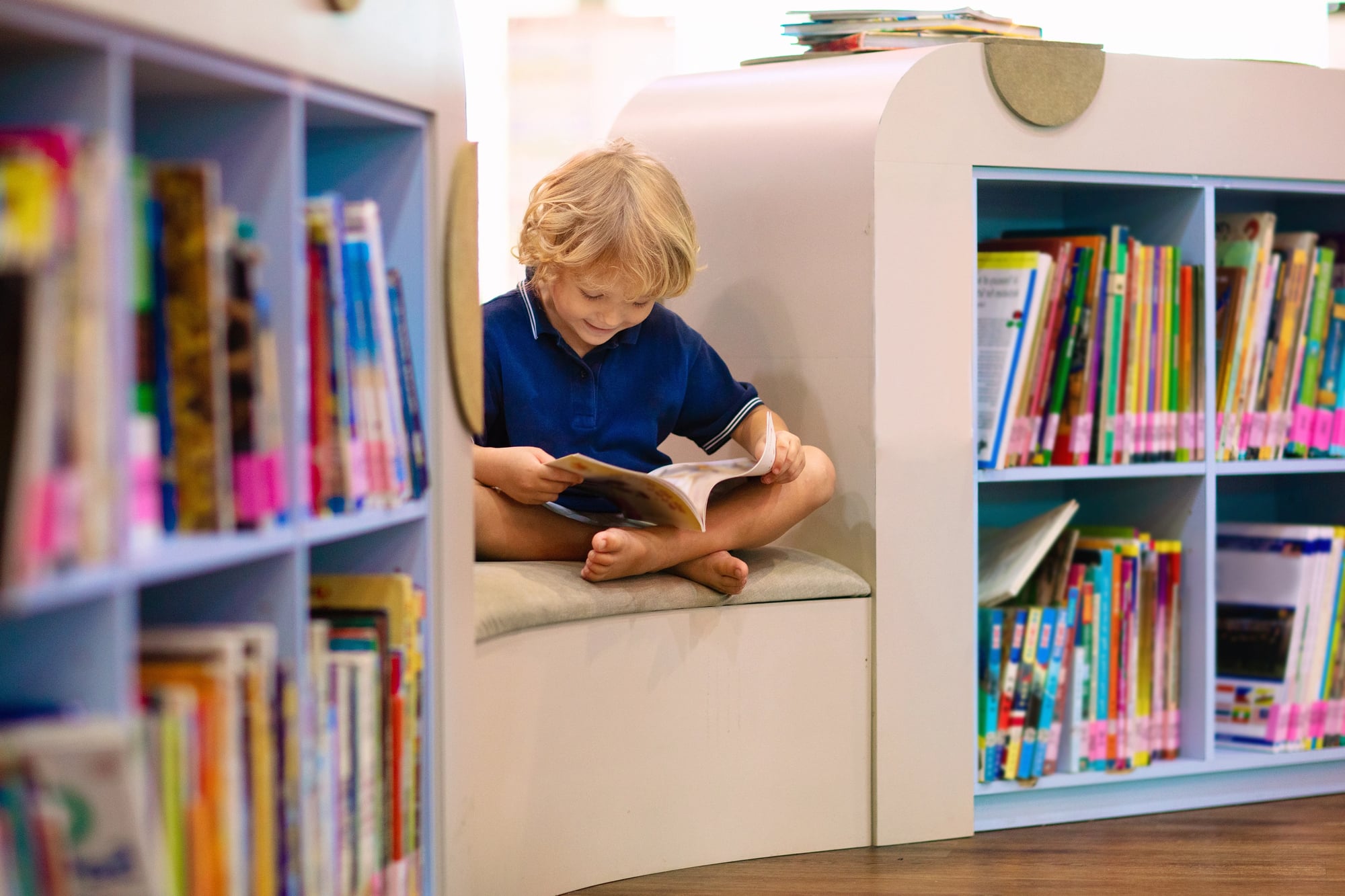
Tall bookshelves created natural alcoves perfect for reading hideouts. Stack some pillows in the corner, maybe add a small lamp if you can reach an outlet, and you have the perfect spot to disappear into books for hours.
Parents appreciated this one since it involved actual reading.
The Tool Bench Workshop

Dad’s old workbench area made an excellent base of operations. All those drawers and pegboards provided storage for important supplies, plus it felt official and grown-up.
You could spread out projects, organize your collections, and pretend you were running some kind of underground operation.
Ping Pong Table Tent

If your family had a ping pong table gathering dust, it made an excellent tent foundation. Throw a sheet or tarp over it, secure the edges with books or weights, and crawl underneath for an instant hideout.
The table provided perfect headroom and a flat ceiling—luxury accommodations by basement standards.
Fancy basements sometimes had built-in wine racks that created interesting nooks and crannies. Even without wine in them, these cubbyholes made perfect storage for secret supplies.
You could organize your treasures in the different compartments and feel very sophisticated about your hiding spot.
Closet Command Post

Basement closets were goldmines for hideout builders. Already enclosed, usually had a light, and parents rarely checked them thoroughly.
Perfect for setting up headquarters complete with supplies, maps, and whatever else your imagination deemed necessary for your current adventure.
The Multi-Room Compound
Advanced hideout builders eventually graduated to connecting multiple spaces into elaborate compounds. String Christmas lights between rooms, create pathways through storage areas, and establish different zones for different activities.
These mega-hideouts represented the pinnacle of basement real estate development.
Growing Up Underground
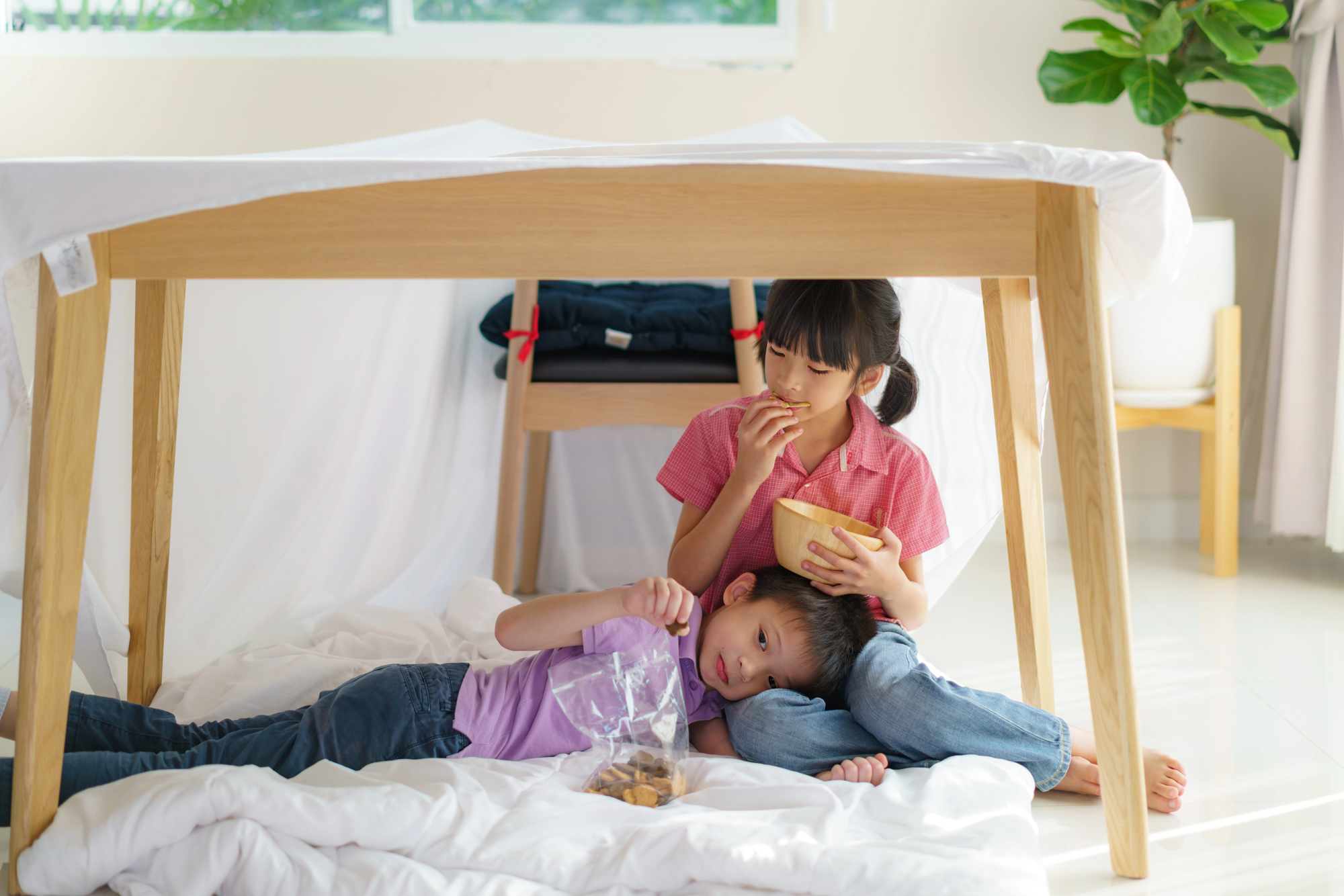
Basement hideouts taught lessons that went way beyond just playing. They showed kids how to see potential in overlooked spaces, how to create something from nothing, and the satisfaction of building your own private world.
Every blanket fort and cardboard castle was practice for independence, creativity, and the understanding that sometimes the best spaces are the ones you make yourself. Those musty basement kingdoms may be long gone, but the skills learned while building them—imagination, resourcefulness, and the courage to claim your own space—stick around for life.
More from Go2Tutors!

- The Romanov Crown Jewels and Their Tragic Fate
- 13 Historical Mysteries That Science Still Can’t Solve
- Famous Hoaxes That Fooled the World for Years
- 15 Child Stars with Tragic Adult Lives
- 16 Famous Jewelry Pieces in History
Like Go2Tutors’s content? Follow us on MSN.



