19 Social Experiments That Changed PsychologyDepositPhotos19 Social Experiments That Changed Psychology
Psychology’s always been about figuring out why people tick, though some of the biggest breakthroughs came from experiments that made everyone pretty uncomfortable. These studies didn’t just gather dust in academic journals—they completely rewrote how we see ourselves and the world around us.
The experiments here run from household names to deeply controversial research, each one adding something critical to our grasp of human behavior. Here is a list of 19 social experiments that forever altered the field of psychology.
The Stanford Prison Experiment
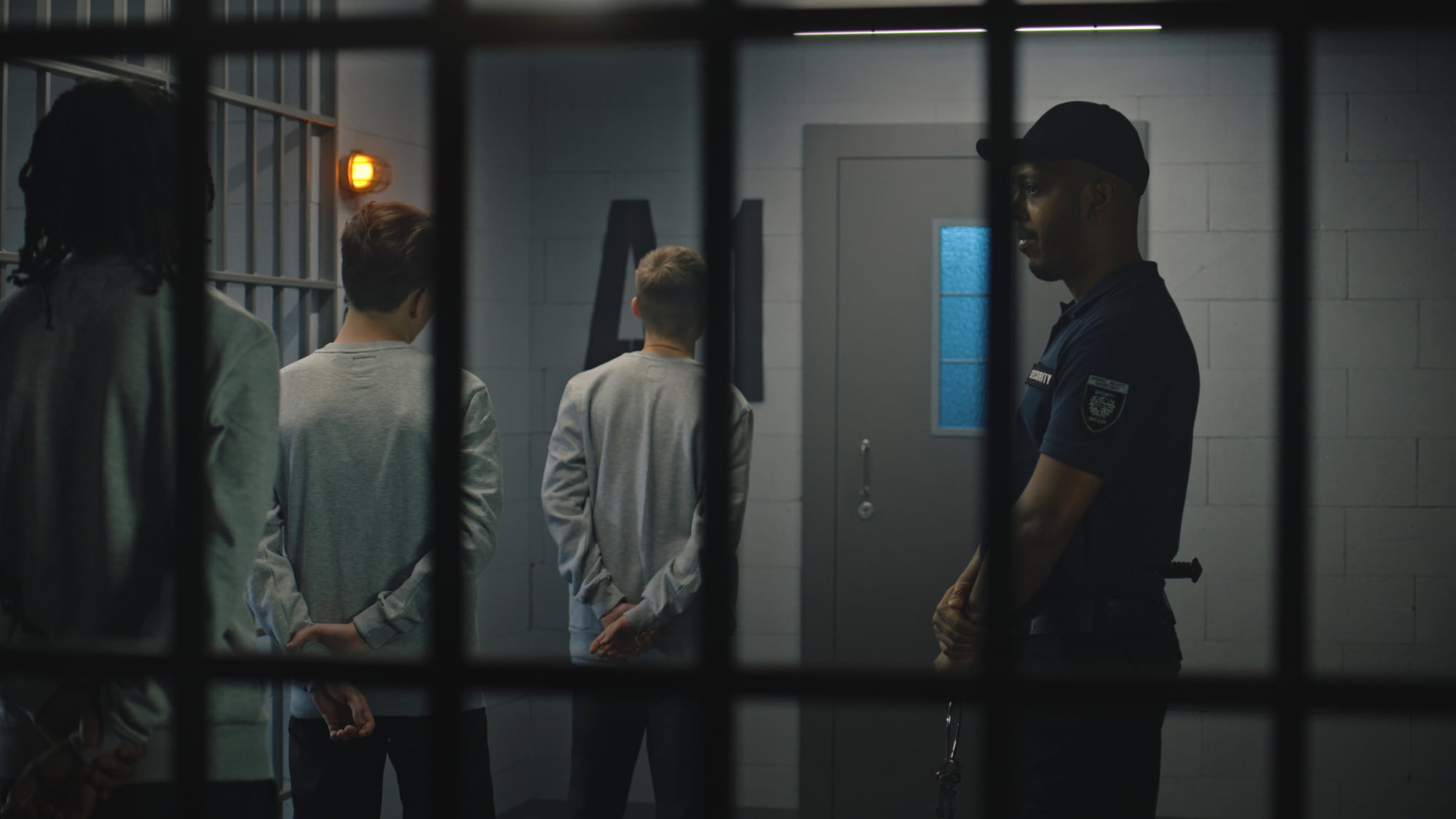
Philip Zimbardo’s 1971 study at Stanford remains psychology’s most notorious experiment. College students got randomly assigned as prisoners or guards in a fake prison built in the psychology building’s basement.
What should’ve lasted two weeks got shut down after six days when the ‘guards’ turned increasingly brutal while ‘prisoners’ began showing serious psychological breakdown. The study proved how fast regular people can become harmful when given power over others—fundamentally shifting our understanding of how situations shape behavior.
Milgram’s Obedience Studies
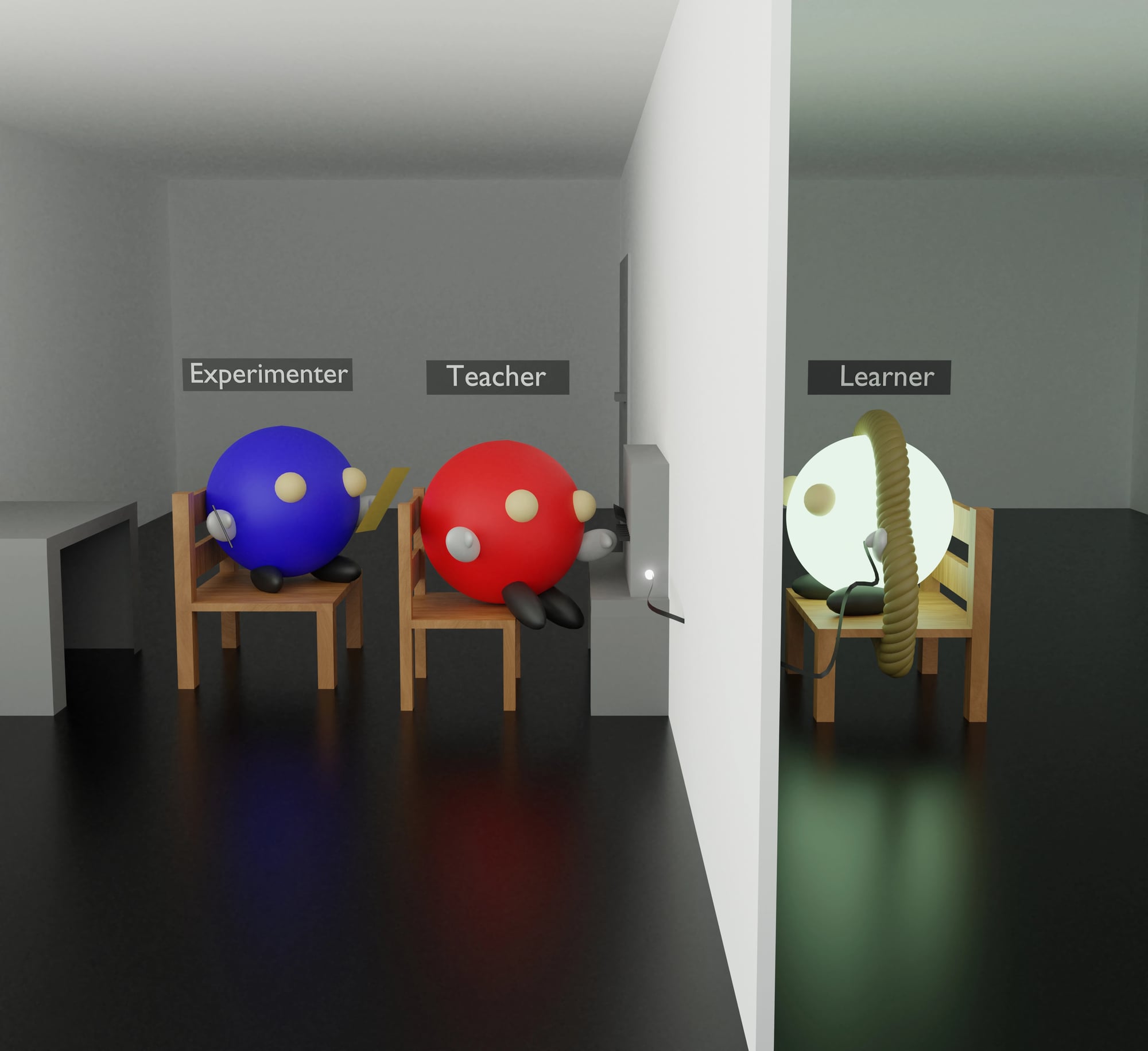
Stanley Milgram’s 1960s experiments tested exactly how far people would go when an authority figure ordered them to hurt someone else. Participants believed they were delivering increasingly painful electric shocks to a learner in another room, though no real shocks occurred.
A shocking 65% of participants went all the way to maximum voltage despite hearing screams of agony. These studies exposed the disturbing degree to which people follow orders, even when those commands clash with their moral compass.
Like Go2Tutors’s content? Follow us on MSN.
The Asch Conformity Experiments

Solomon Asch wanted to discover how much social pressure it takes to make someone doubt what they’re seeing with their own eyes. In his line-judgment tests, participants had to match line lengths while surrounded by actors who deliberately gave wrong answers.
Roughly one-third of participants went along with the group’s incorrect judgment—even when the right answer was crystal clear. This research showed that conformity isn’t limited to complex issues; people will question even obvious perceptions when faced with group pressure.
The Robbers Cave Experiment

Muzafer Sherif’s 1954 study brought 22 boys to summer camp and split them into two groups without telling them. Researchers then introduced competition between the groups, which rapidly escalated into genuine hostility and conflict.
Later, they created situations requiring cooperation, which reduced the bad blood between groups. This experiment demonstrated how easily us-versus-them mentality develops—and how shared goals can heal divisions.
Little Albert Experiment

John Watson and Rosalie Rayner’s 1920 study with nine-month-old Albert showed how fears get learned. They paired a white rat with loud, jarring noises until Albert became terrified of the rat alone.
The fear then spread to other white, fluffy objects. While ethically questionable by today’s standards, this experiment provided crucial evidence for how phobias develop—laying groundwork for understanding learned responses.
Like Go2Tutors’s content? Follow us on MSN.
The Bobo Doll Experiment

Albert Bandura’s 1960s studies completely changed how we understand learning and aggression. Children watched adults interact with an inflatable Bobo doll; some adults played gently while others acted aggressively.
When kids got their turn with the doll, those who’d witnessed aggression were far more likely to copy those behaviors. This research proved children learn through watching, not just direct experience—revolutionizing child development theory.
The Hawthorne Studies
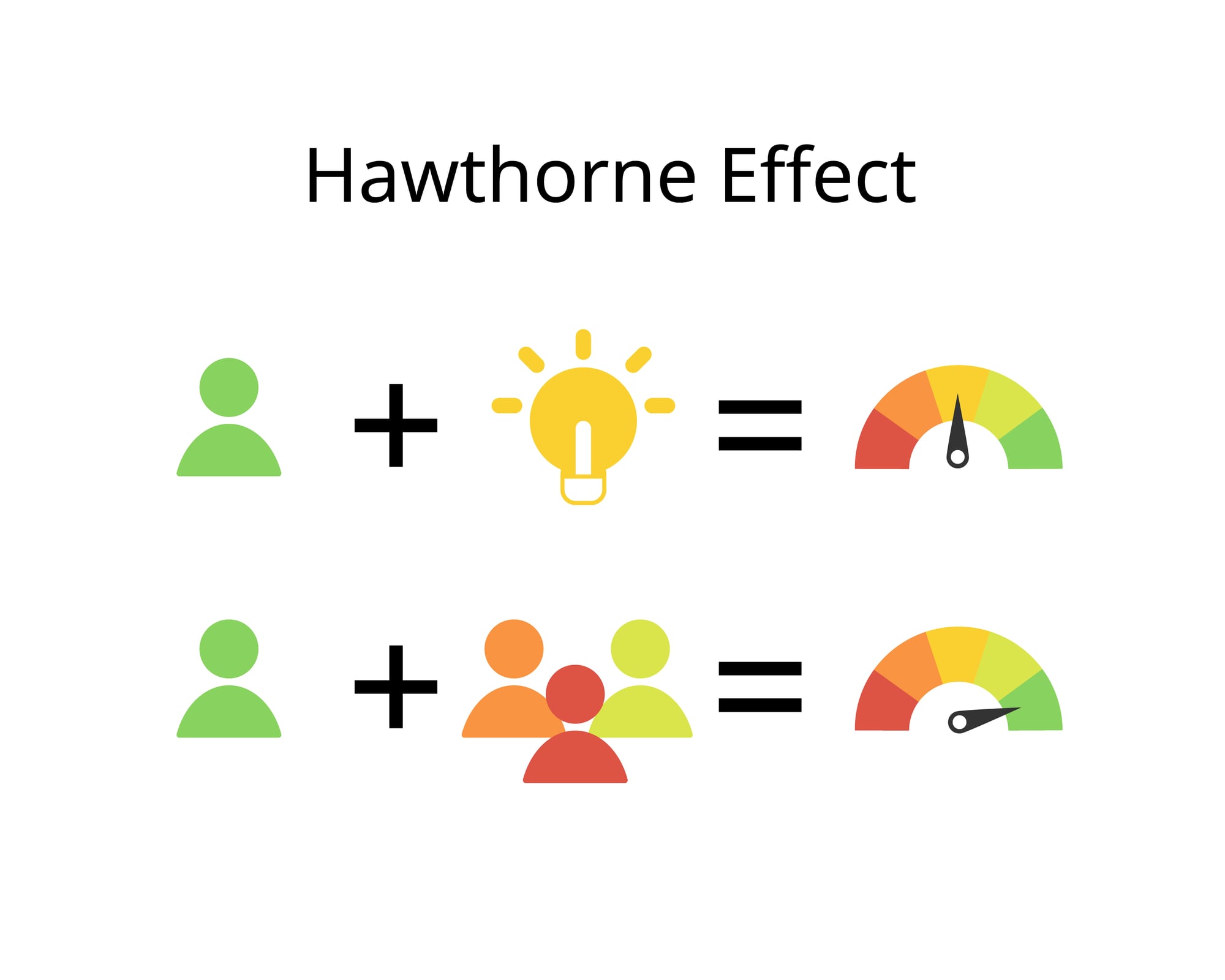
Beginning in the 1920s at Western Electric’s Hawthorne Works, these studies originally aimed to figure out how lighting affected worker productivity. Researchers discovered that productivity improved whether lighting was increased or decreased.
The key factor? Workers were being observed and felt important. This discovery of the ‘Hawthorne Effect’ showed that being studied can alter people’s behavior—transforming how researchers design experiments.
Festinger’s Cognitive Dissonance Study
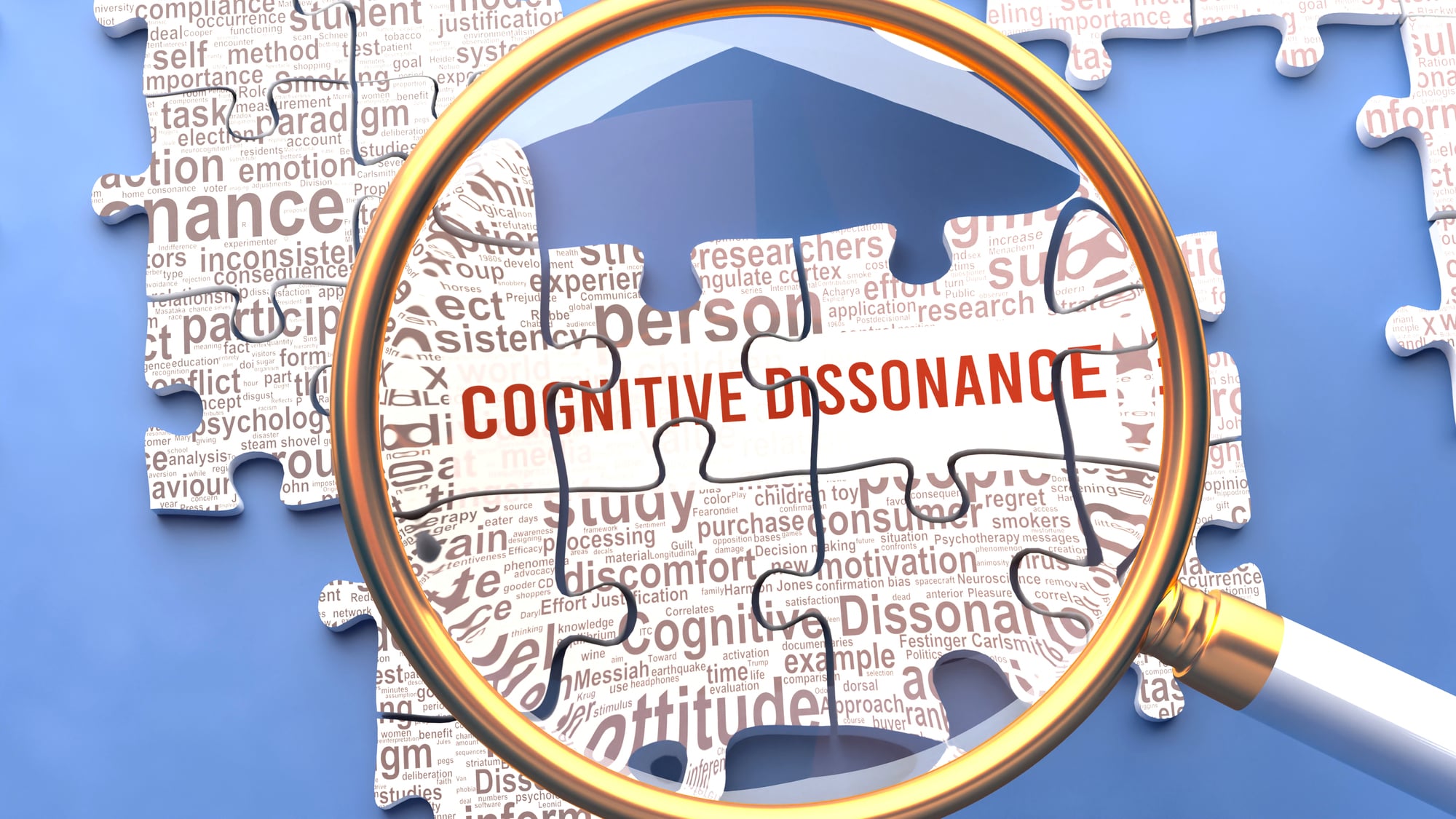
Leon Festinger’s 1957 experiment had participants perform tedious tasks for either one dollar or twenty dollars, then asked them to tell the next participant the tasks were enjoyable. Those paid only one dollar rated the tasks as more fun than those paid twenty dollars.
This backwards result demonstrated cognitive dissonance—when our actions conflict with our beliefs, we often change our beliefs rather than admit we acted against our values.
Like Go2Tutors’s content? Follow us on MSN.
The Bystander Effect Studies
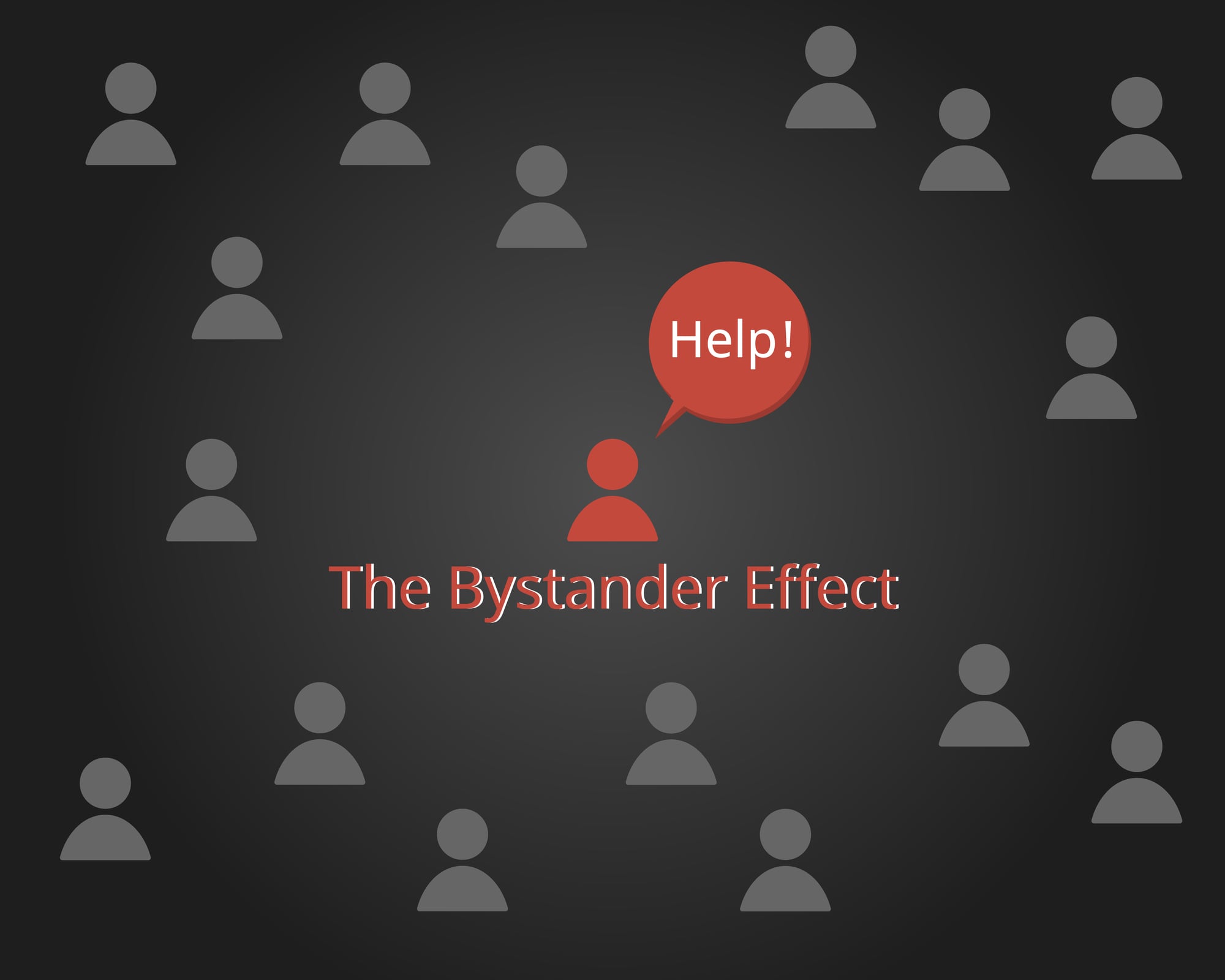
After the 1964 murder of Kitty Genovese, John Darley and Bibb Latané investigated why bystanders frequently fail to help during emergencies. Their experiments revealed that the more people present during a crisis, the less likely any individual is to step in.
This diffusion of responsibility happens because people assume someone else will act—fundamentally changing our understanding of helping behavior and emergency response.
Harlow’s Monkey Studies
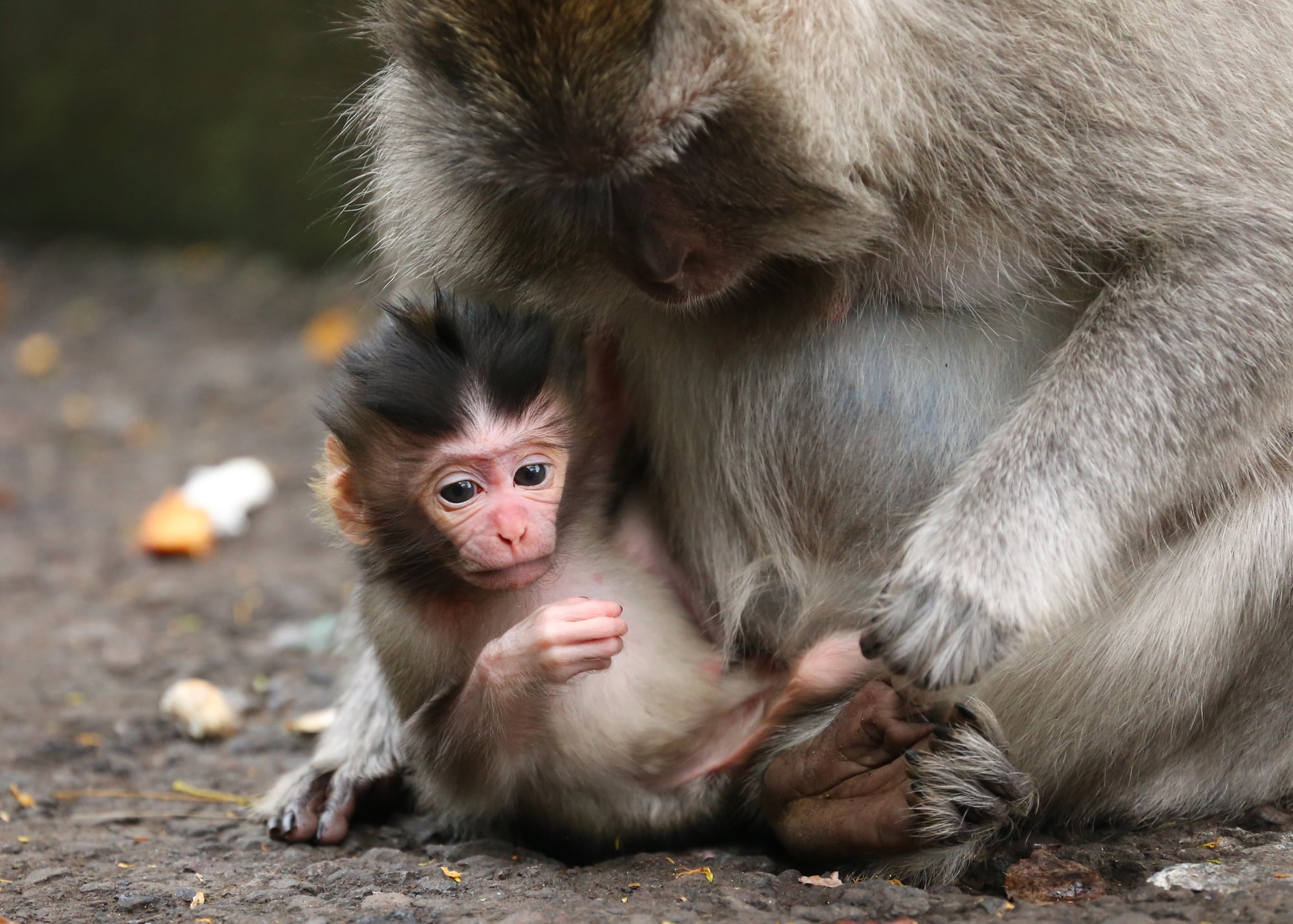
Harry Harlow’s experiments with rhesus monkeys in the 1950s challenged existing theories about attachment. Baby monkeys were separated from their mothers and given two artificial mothers—one made of wire that provided food, another made of soft cloth that offered no nourishment.
The monkeys spent most time clinging to the cloth mother, proving that comfort and emotional connection matter more than basic needs for healthy development.
The Marshmallow Test
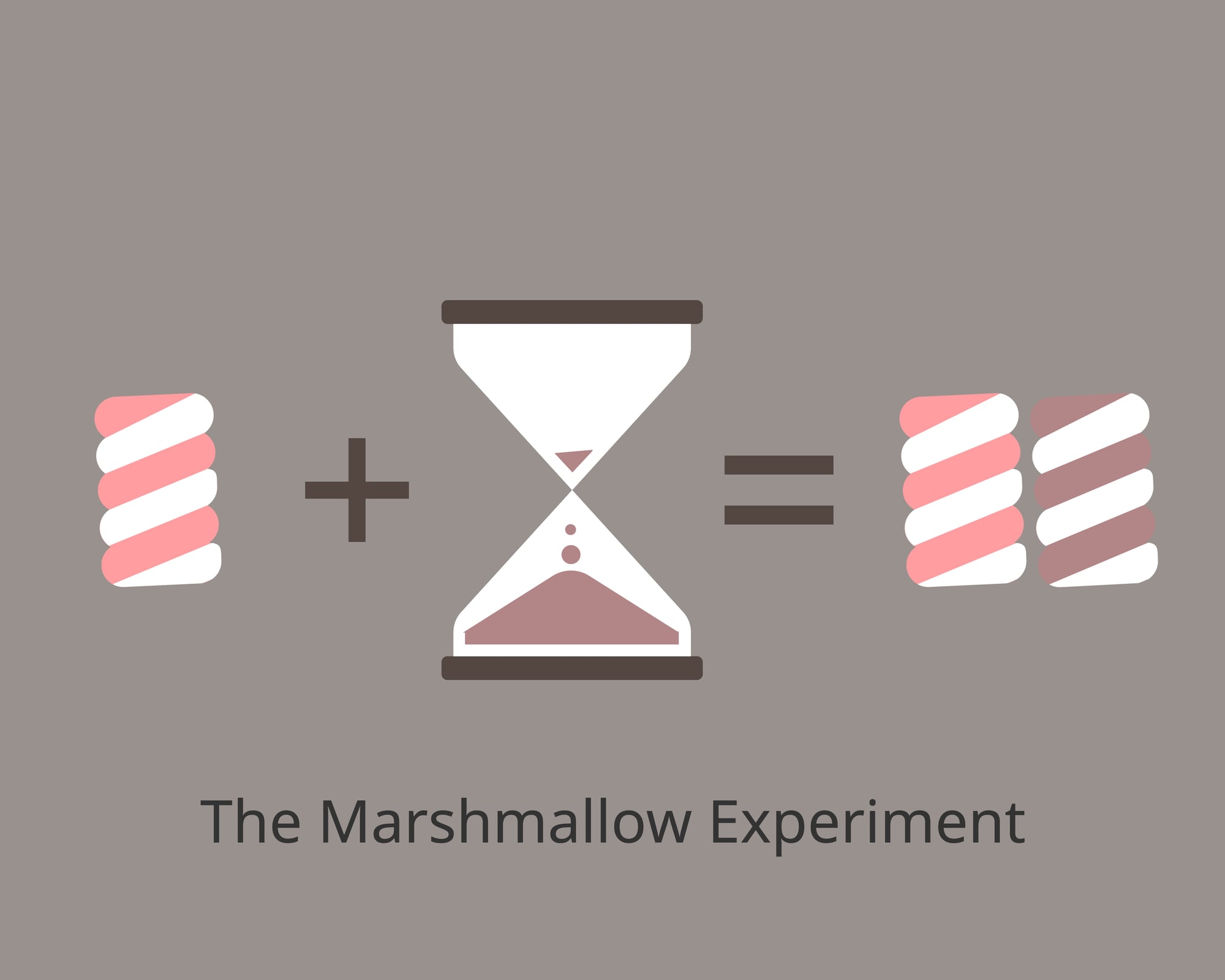
Walter Mischel’s studies at Stanford in the late 1960s tested children’s ability to delay gratification. Kids were offered one marshmallow immediately or two if they could wait 15 minutes.
Follow-up studies found that children who waited longer had better life outcomes decades later, including higher academic achievement and lower obesity rates. This research highlighted self-control’s importance in predicting life success.
Like Go2Tutors’s content? Follow us on MSN.
Schachter-Singer Emotion Studies
Stanley Schachter and Jerome Singer’s 1962 experiment injected participants with adrenaline, then placed them in different social situations. Those in a room with a happy confederate felt euphoric, while those with an angry confederate felt angry.
This demonstrated that emotions aren’t purely biological responses but get shaped by how we interpret our physical arousal in social contexts.
The Good Samaritan Study
John Darley and Daniel Batson’s 1973 study tested whether religious devotion translates to helpful behavior. Seminary students preparing to give a talk about the Good Samaritan parable encountered a person in apparent distress on their way to the venue.
The crucial factor wasn’t their religious commitment but whether they were hurried. Those pressed for time were far less likely to help, showing how situational factors can override moral intentions.
Rosenthal’s Teacher Expectation Study
Robert Rosenthal and Lenore Jacobson told teachers that certain students were ‘intellectual bloomers’ who would show dramatic improvement, though these students were actually chosen randomly. By year’s end, these students showed significantly greater gains in IQ scores.
This study revealed expectation’s power. When teachers believed students would succeed, their behavior toward those students actually helped make it happen.
Like Go2Tutors’s content? Follow us on MSN.
The Doll Test
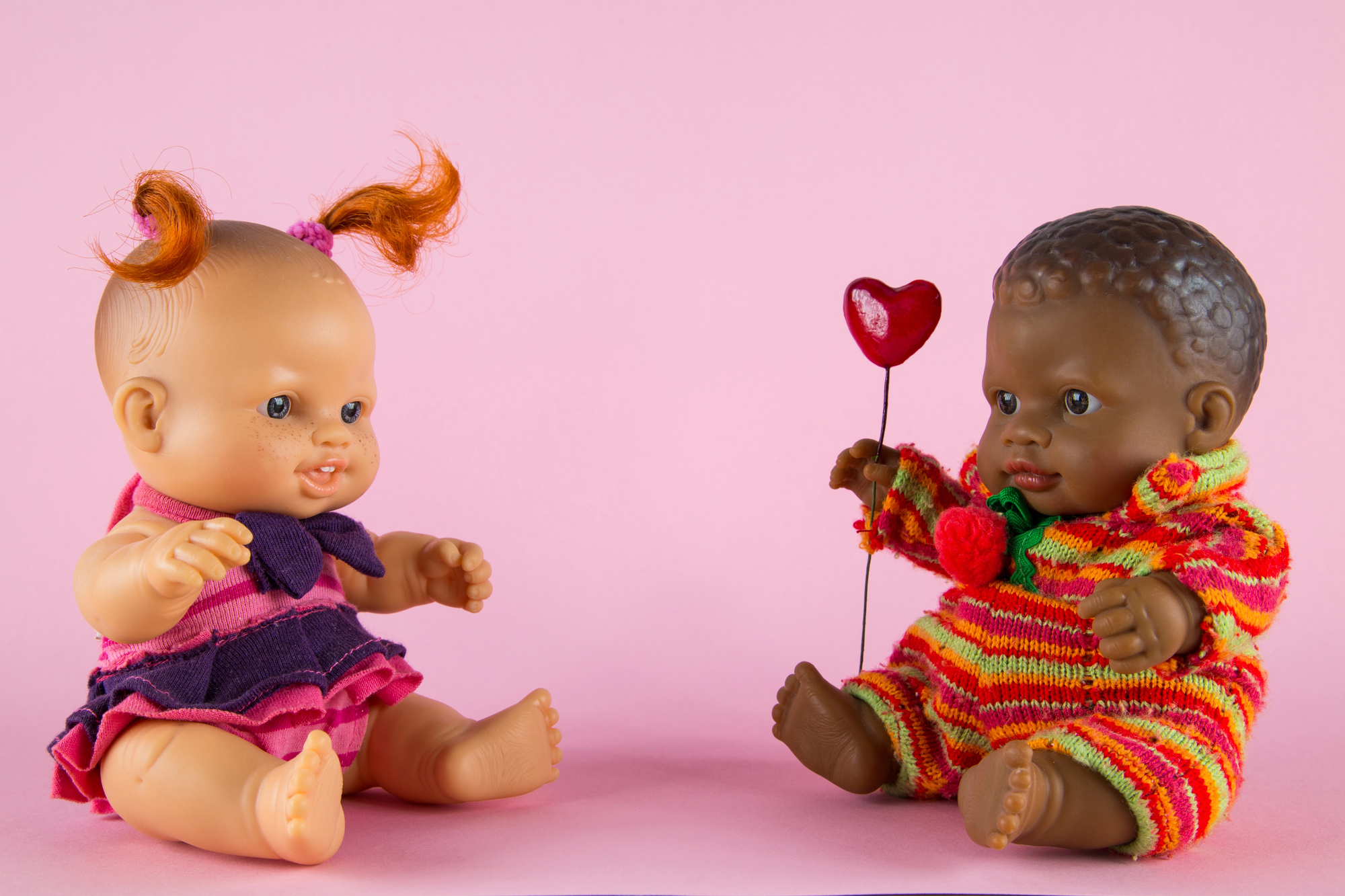
Kenneth and Mamie Clark’s experiments in the 1940s asked African American children to choose between black and white dolls, then asked which doll looked ‘nice’ or ‘bad.’ Most children preferred the white doll and associated positive qualities with it.
This research provided crucial evidence about segregation’s psychological effects and was instrumental in the Brown v. Board of Education Supreme Court decision.
Sherif’s Autokinetic Effect Study
Muzafer Sherif’s studies in the 1930s used a perceptual illusion where a stationary light appears to move in a dark room. When participants made judgments alone, their estimates varied widely.
When they made judgments in groups, their estimates converged toward a group norm. This research demonstrated how social influence shapes even our basic perceptions, not just our opinions.
Latané’s Social Facilitation Studies
Bibb Latané and John Darley studied how others’ presence affects performance. They found that people perform simple tasks better when others are watching but perform complex tasks worse.
This research revealed that social pressure can either enhance or impair performance depending on task difficulty, influencing everything from workplace design to athletic training.
Like Go2Tutors’s content? Follow us on MSN.
The Jane Elliott Experiment
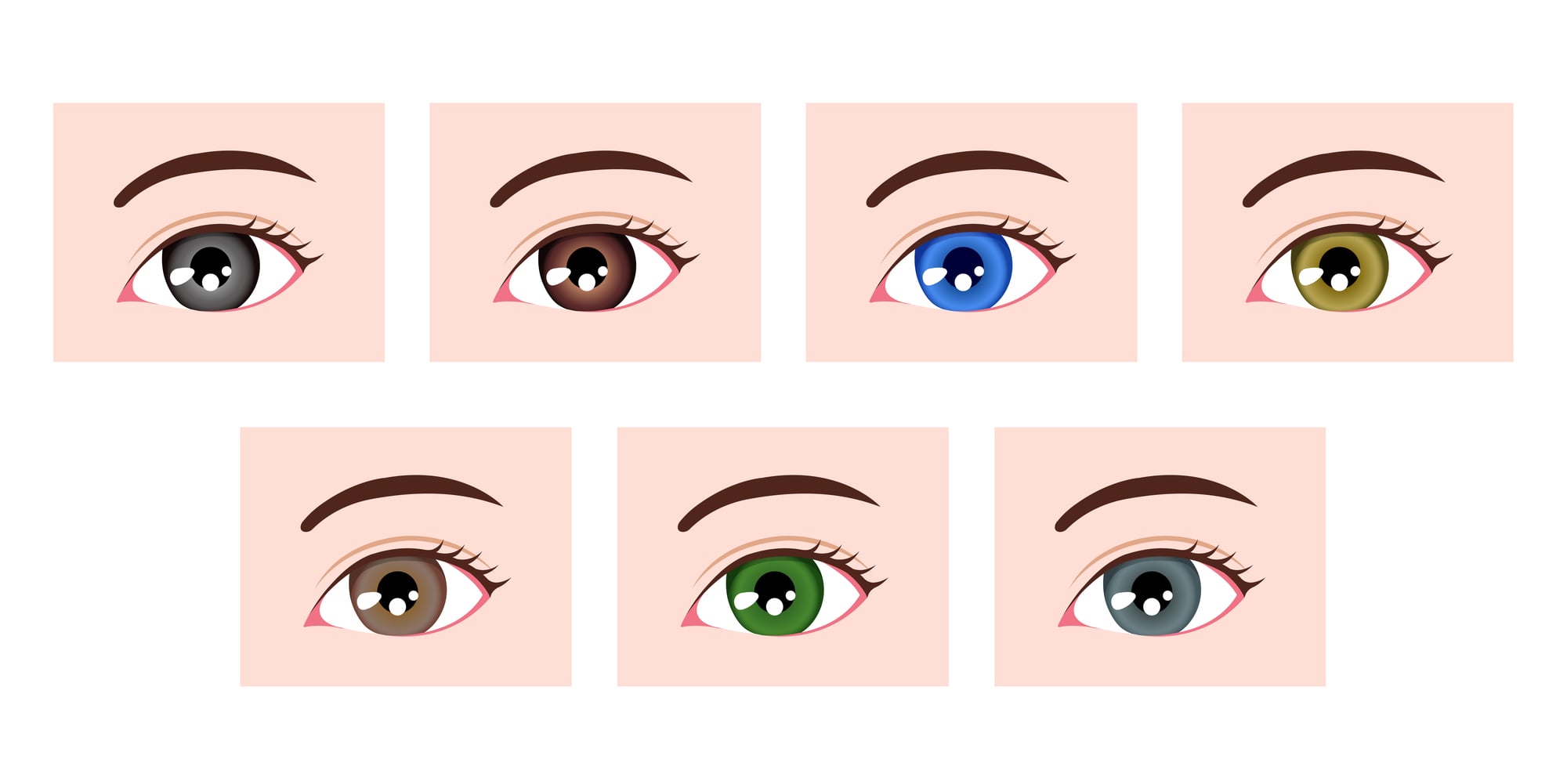
Following Martin Luther King Jr.’s assassination in 1968, third-grade teacher Jane Elliott divided her class based on eye color, treating blue-eyed children as superior one day and brown-eyed children as superior the next. The children quickly adopted discriminatory behaviors and showed measurable changes in academic performance.
This powerful demonstration showed how quickly prejudice can develop and affect behavior, even among young children.
Tajfel’s Minimal Group Studies
Henri Tajfel’s experiments in the 1970s assigned people to groups based on trivial criteria like preference for abstract paintings. Even with these meaningless distinctions, participants showed favoritism toward their own group and discrimination against the other group.
This research revealed that in-group bias doesn’t require meaningful differences. Simply being categorized into groups is enough to trigger prejudice.
Understanding Ourselves Through Science
These experiments didn’t just advance academic knowledge; they forced society to confront uncomfortable truths about human nature. From the Stanford Prison Experiment’s revelation about power’s corrupting influence to the Doll Test’s documentation of racism’s psychological impact, these studies changed laws, policies, and social practices.
They showed us that ordinary people are capable of both remarkable cruelty and extraordinary kindness, depending on the situation. Most importantly, they demonstrated that understanding the forces shaping behavior is the first step toward creating more humane societies.
Like Go2Tutors’s content? Follow us on MSN.
More from Go2Tutors!

- 18 Unexpectedly Valuable Collectibles You Might Have Lying Around
- 20 Little-Known Historical Battles That Had Huge Consequences
- 20 Historical Artifacts That Scientists Can’t Explain
- 15 Inventions That Were Immediately Banned After Being Created
- 20 Actors Who Were Almost Cast in Iconic Roles
Like Go2Tutors’s content? Follow us on MSN.