14 Architectural Styles That Defined a Decade
The 2010s transformed our built landscape in ways few could have predicted. Gone were the days of postmodern excess, replaced by design philosophies that responded to urgent environmental concerns, technological breakthroughs, and shifting social priorities.
Architects worldwide began creating spaces that didn’t just look impressive—they actually worked harder, smarter, and more sustainably. Here is a list of 14 architectural styles that captured the innovative spirit of the 2010s, each reshaping how we think about the spaces we inhabit.
Parametricism
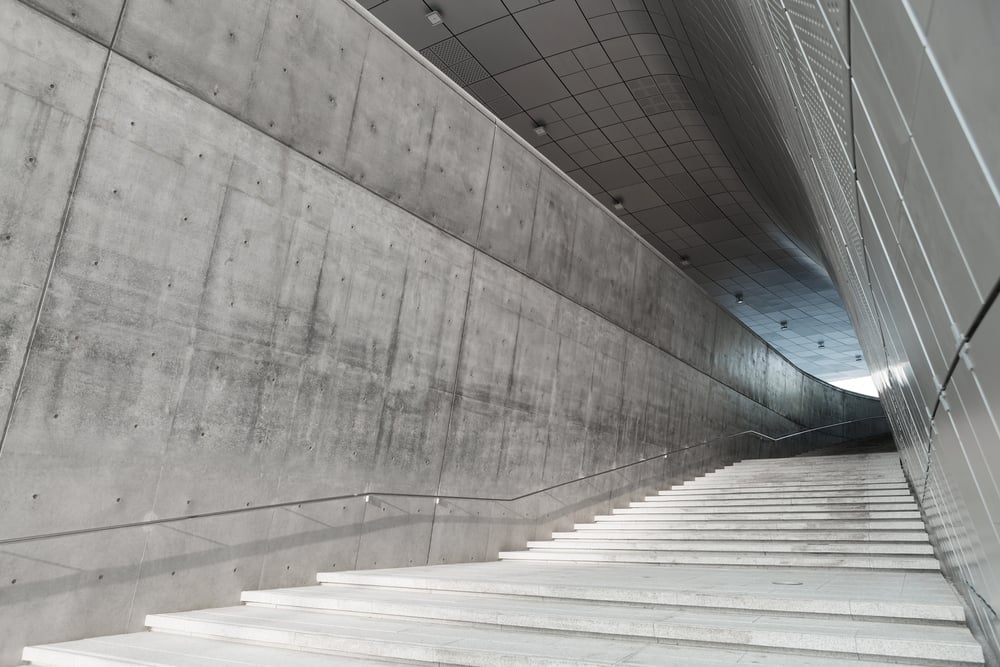
Computation revolutionized design possibilities during this decade, with parametric architecture leading the charge. Though initially developed in the late 1990s, this approach only reached its full potential in the 2010s under visionaries like Zaha Hadid and Patrik Schumacher.
Their buildings—generated through complex algorithms—feature fluid, organic forms with hardly a right angle in sight. The Heydar Aliyev Center stands as parametricism’s crown jewel, its undulating white exterior resembling nothing so much as a massive silk sheet caught mid-billow.
Neo-Brutalism
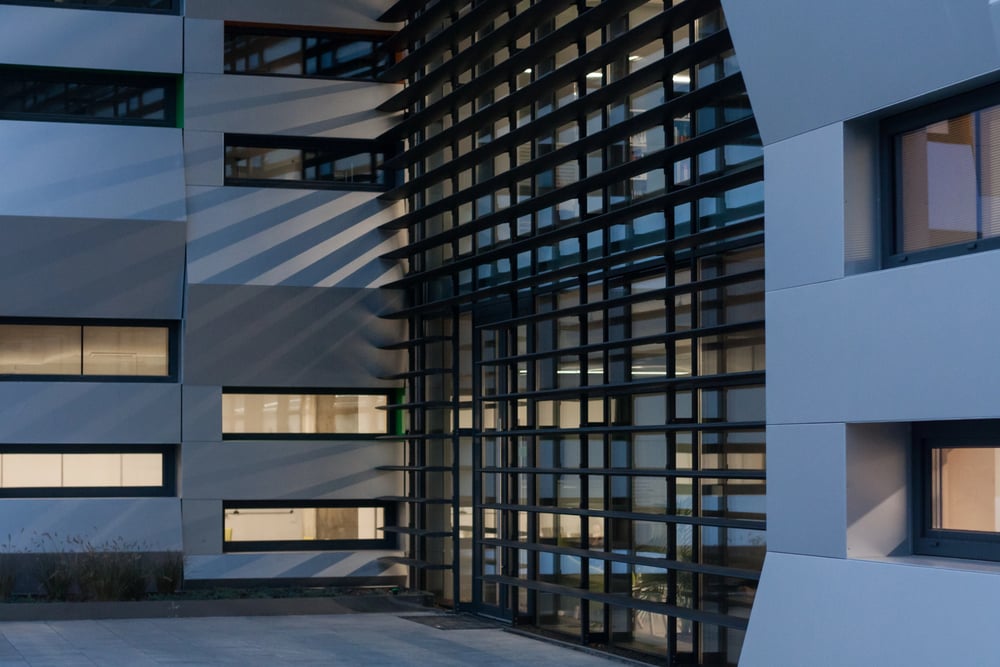
Brutalism’s uncompromising concrete aesthetic didn’t vanish—it evolved. Neo-Brutalist structures maintained their predecessors’ material honesty while softening the overall effect through thoughtful proportions and warmer complementary materials. David Adjaye’s National Museum of African American History and Culture doesn’t shy away from weight and presence, yet its bronze-colored latticed exterior—inspired by Yoruban craftsmanship—transforms what could’ve been intimidating into something invitingly dignified.
Like Go2Tutors’s content? Follow us on MSN.
Biophilic Design
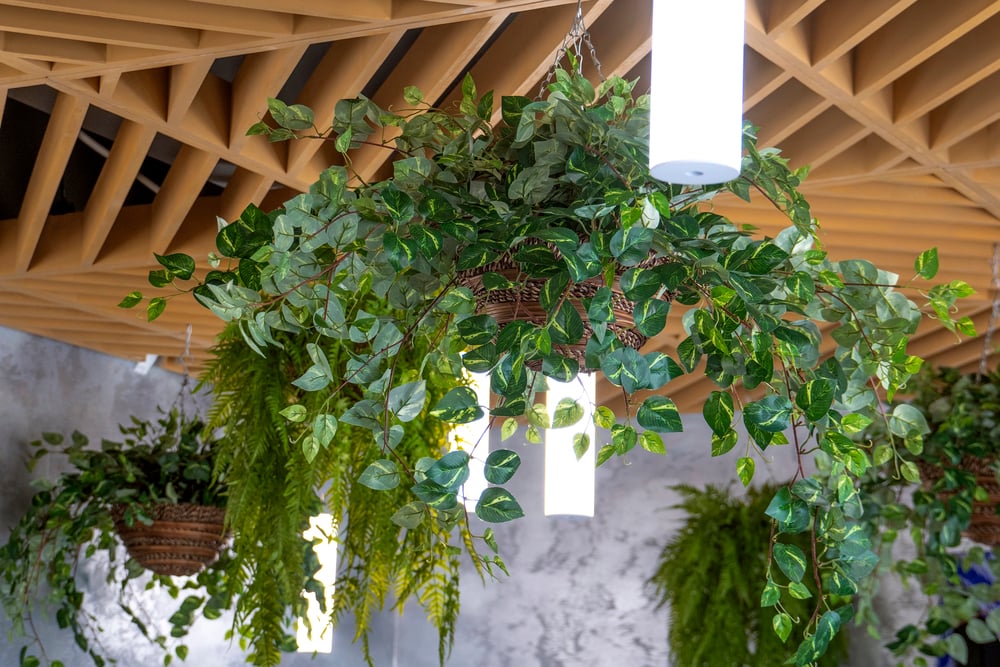
Urban dwellers increasingly craved a connection with nature, and architects responded by bringing the outdoors in. This wasn’t just about adding a few potted plants—biophilic design incorporated living walls, water features, natural materials, and abundant daylight to satisfy our innate need for natural environments.
Amazon’s Spheres in Seattle epitomize this movement, housing over 40,000 plants from 30 countries within three connected glass domes—essentially creating a working rainforest in downtown Seattle.
Mass Timber Construction
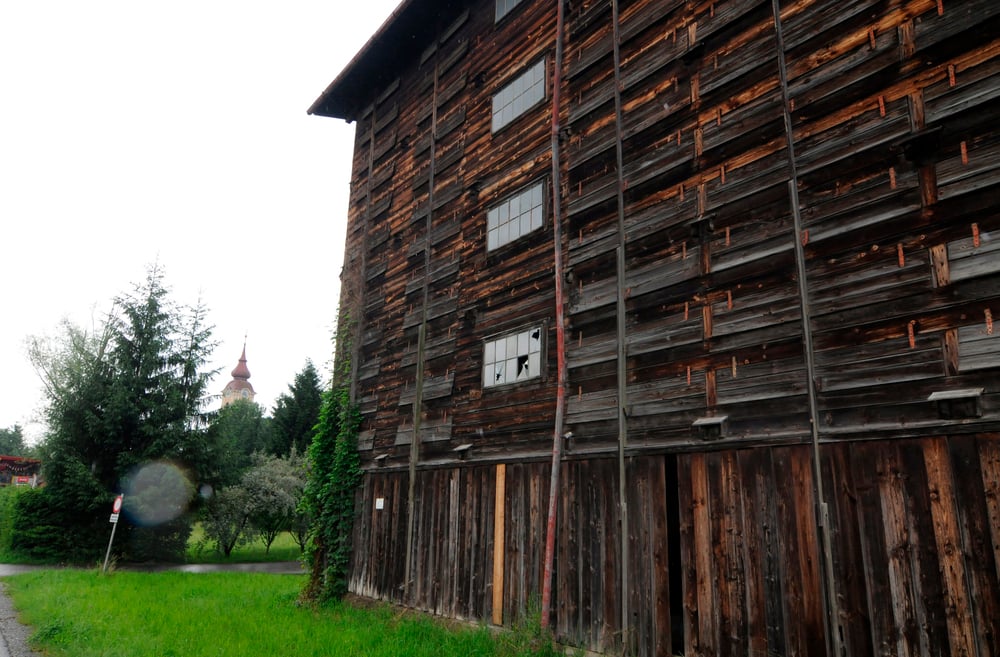
Wood made a surprising comeback as a structural material for tall buildings, thanks to engineered products like cross-laminated timber (CLT). These laminated panels—stronger than conventional lumber and astonishingly fire-resistant—allowed architects to design wooden structures previously considered impossible.
Mjøstårnet in Norway, completed in 2019, soared to 18 stories without a concrete core in sight—while sequestering carbon rather than generating emissions during construction.
Adaptive Reuse
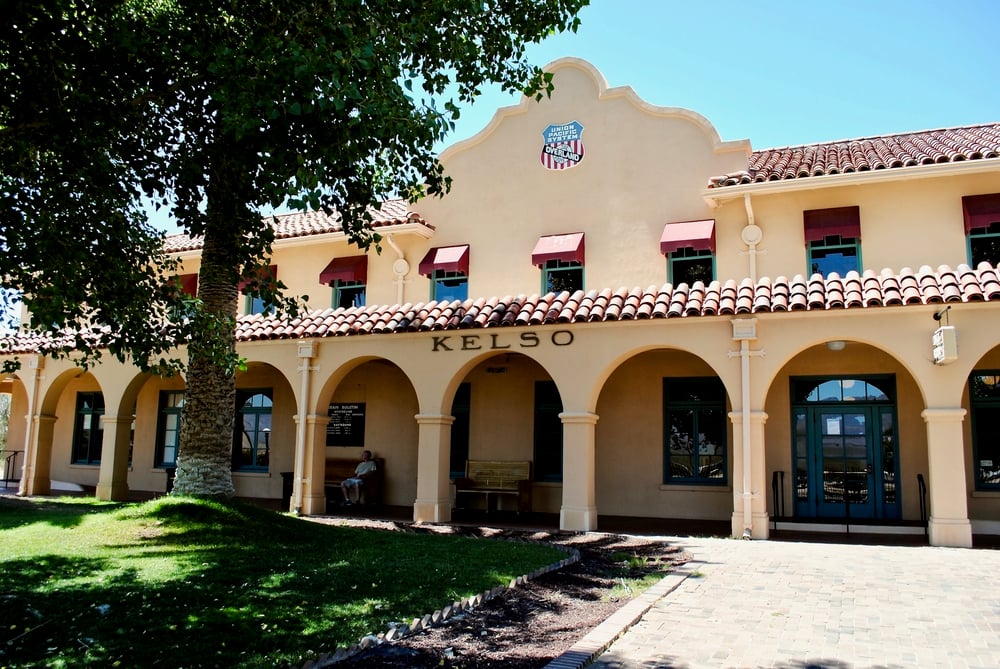
The greenest building? One that already exists.
This realization drove countless projects that transformed abandoned factories, power plants, and infrastructure into vibrant new spaces. Tate Modern’s expansion into the former Bankside Power Station preserved an industrial landmark while creating world-class galleries—its brutalist shell housing thoroughly contemporary interiors.
Coal Drops Yard in London similarly reinvented Victorian coal vaults as a shopping district, proving historic preservation needn’t conflict with commercial viability.
Like Go2Tutors’s content? Follow us on MSN.
Invisible Architecture
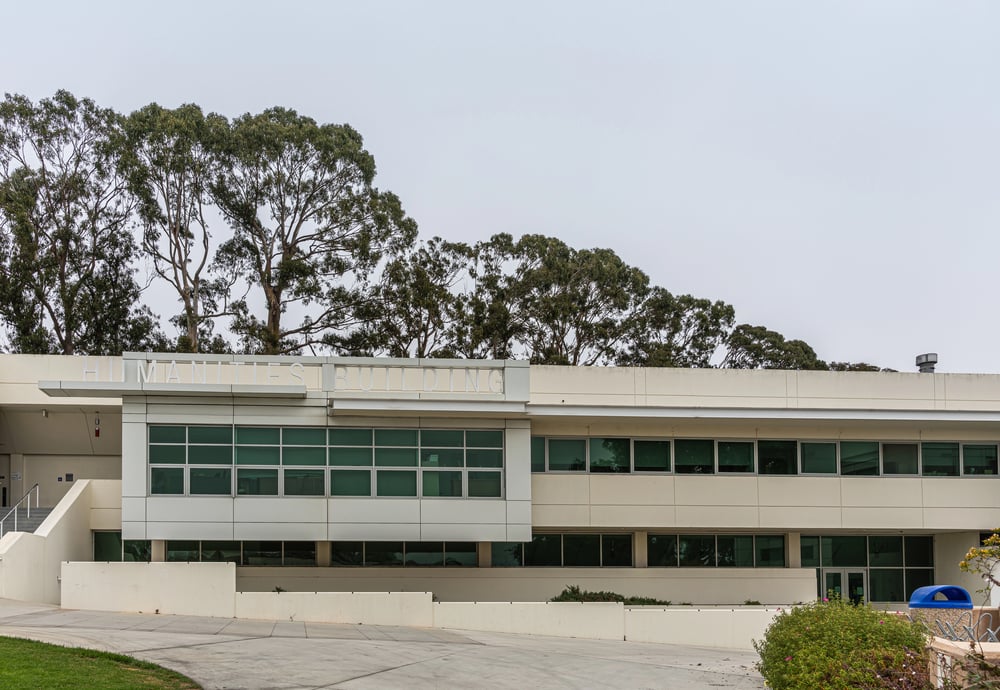
Some of the decade’s most revolutionary buildings barely announced their presence at all. This approach—minimizing visual impact on landscapes or historical settings—produced structures that seemed to disappear into their surroundings.
Casa Invisibile by Delugan Meissl Associated Architects vanishes into Austrian forests thanks to mirrored façades reflecting trees and sky, while Peter Zumthor’s Allmannajuvet museum in Norway nestles so discreetly into abandoned mining facilities that visitors discover each building as a surprise.
Social Housing Reinvention
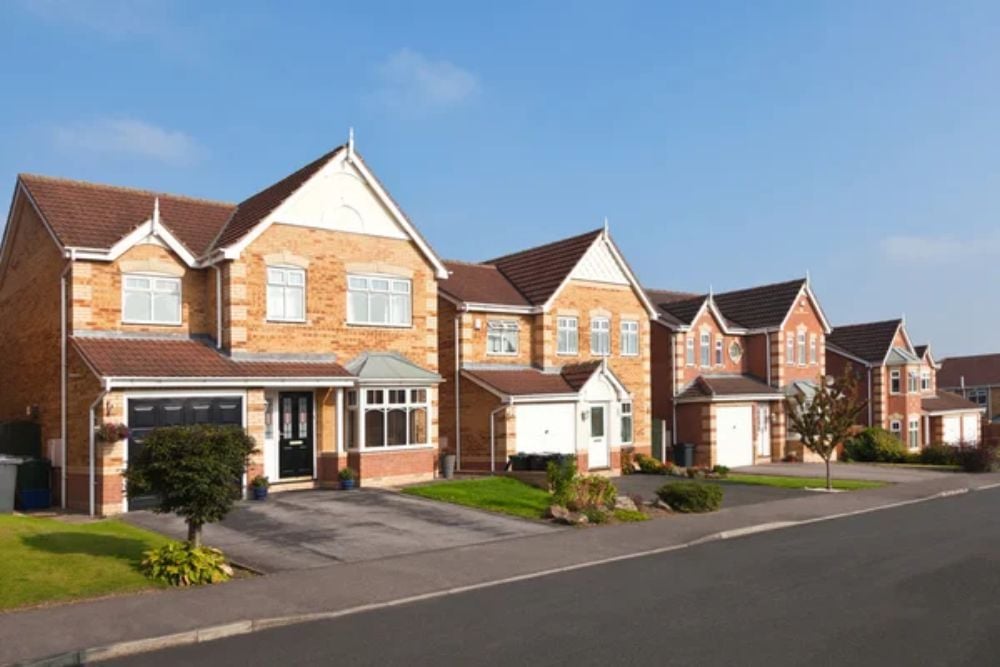
Affordable housing shed its utilitarian reputation as architects demonstrated that budget constraints could spark creativity rather than limit it. Chile’s ELEMENTAL studio, led by Pritzker Prize winner Alejandro Aravena, pioneered “half-finished” homes where government funding built the difficult parts—foundations, utilities, structural elements—while residents completed the rest incrementally as finances allowed.
This approach delivered dignified housing within impossible budgets while giving communities genuine ownership of their neighborhoods.
Digital Fabrication
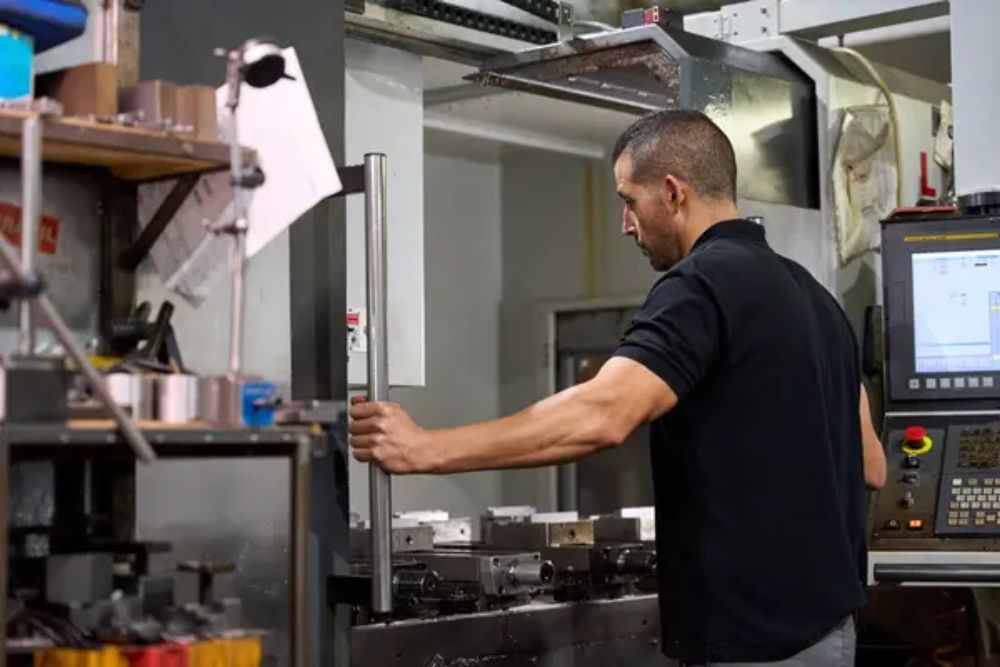
Computer-controlled manufacturing processes unlocked architectural forms previously deemed unbuildable. 3D-printed components, robot-assembled structures, and digitally-cut materials enabled unprecedented precision and complexity.
The ICD/ITKE Research Pavilion series at Stuttgart University showcased biomimetic designs inspired by beetle shells and spider webs—constructed by robotic arms following computational patterns derived from nature’s own engineering solutions.
Like Go2Tutors’s content? Follow us on MSN.
Container Architecture
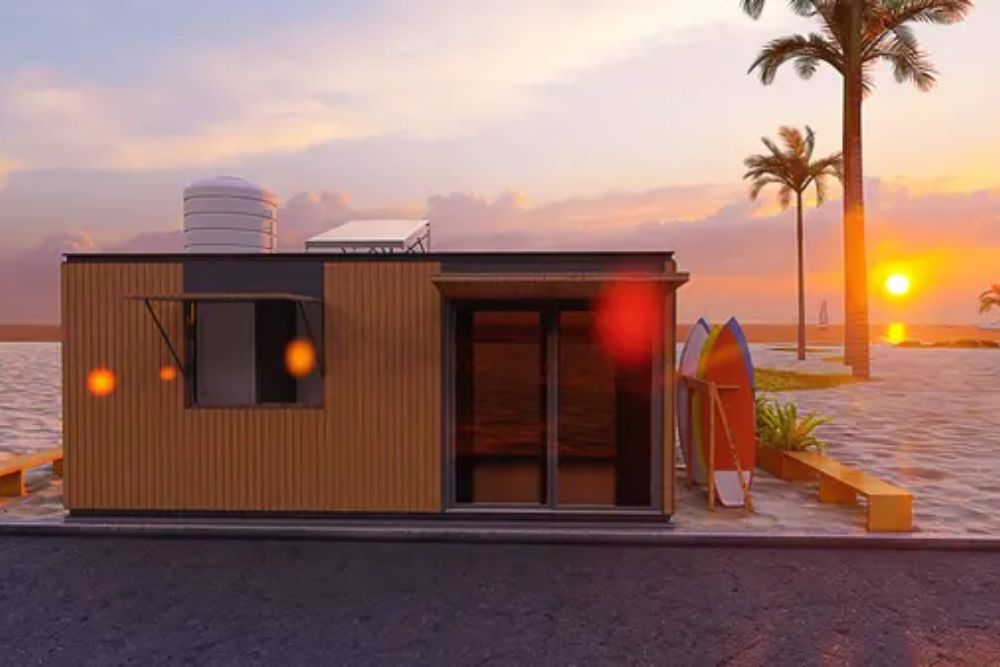
Shipping containers found surprising second lives as architectural building blocks—modular, affordable, and endlessly adaptable. These standardized steel boxes transformed into everything from emergency shelters to luxury homes, often stacked like enormous building blocks to create complex structures.
Architects turned industrial leftovers into design features, either celebrating their utilitarian origins or disguising them completely beneath new skins. The Common Ground project in Seoul created an entire urban district from containers, proving their viability beyond one-off curiosities.
Net-Zero Energy Buildings

As climate urgency intensified, architects designed structures producing as much energy as they consumed. The Edge in Amsterdam achieved an unprecedented 98.4% sustainability score through solar panels, rainwater harvesting, and 28,000 sensors continuously optimizing energy use.
Remarkably, it accomplished this without sacrificing worker comfort—actually enhancing it through personalized environmental controls accessible via smartphone app.
Micro-Architecture
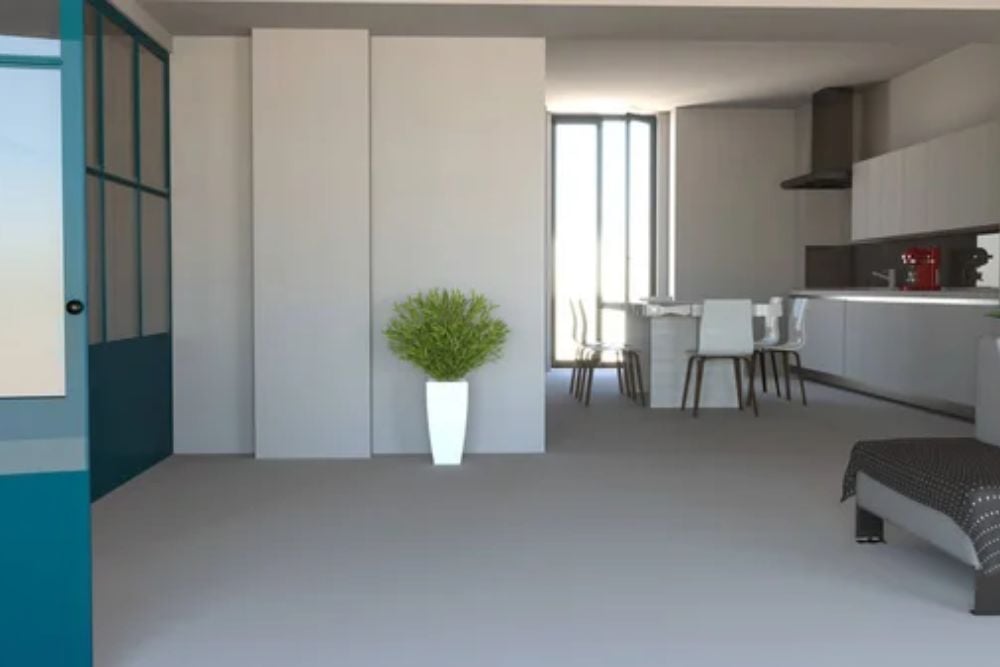
Density demands and affordability challenges pushed designers toward increasingly compact living solutions. Tiny houses, micro-apartments, and transformable interiors maximize livability in minimal square footage.
Gary Chang’s Hong Kong “Domestic Transformer” apartment used sliding walls to create 24 different room configurations within just 344 square feet. These spaces proved that good design could make small spaces feel generous, questioning our assumptions about how much room we actually need.
Like Go2Tutors’s content? Follow us on MSN.
Critical Regionalism
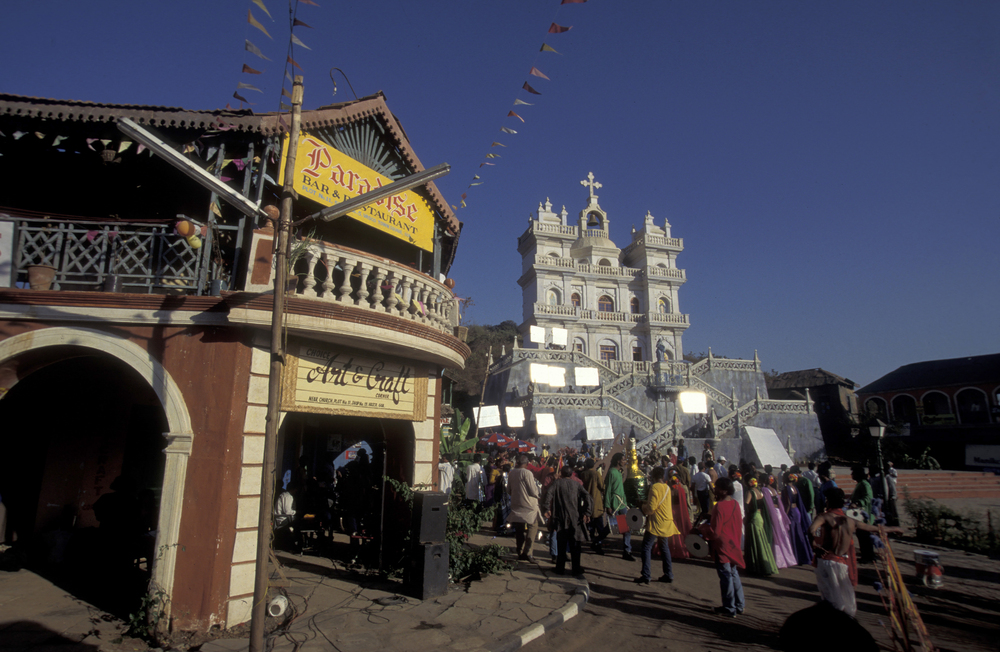
Resisting homogenized global aesthetics, many architects embraced distinctly local materials and traditions while addressing contemporary needs. Studio Mumbai combined ancient Indian construction techniques with modern programs to create buildings uniquely suited to their contexts.
Wang Shu’s Ningbo History Museum incorporated materials salvaged from demolished traditional villages into its walls, creating a physical archive of vernacular building wisdom that might otherwise have been lost forever.
Temporary Architecture
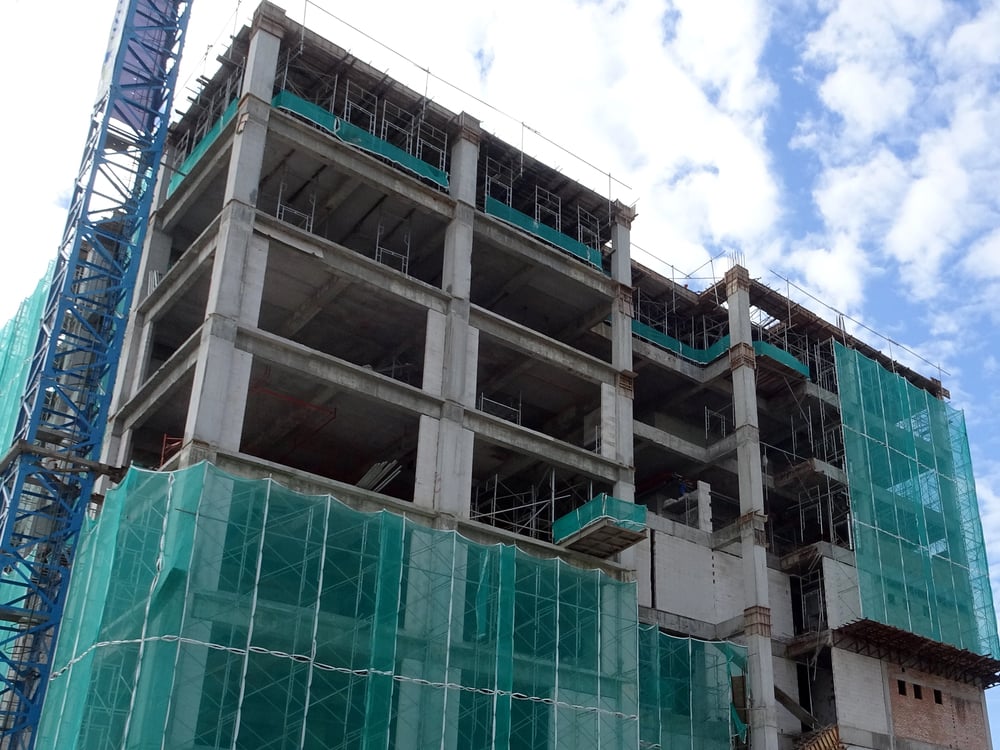
Ephemeral structures gained newfound respect as legitimate architectural expressions rather than mere placeholders. Pop-up pavilions, festival installations, and experimental spaces explored ideas too radical for permanent buildings.
The Serpentine Gallery’s annual summer pavilions established temporary structures as serious architecture, while disaster relief shelters by firms like Shigeru Ban Associates demonstrated how impermanent buildings could provide dignity during humanitarian crises.
Disaster-Resilient Design
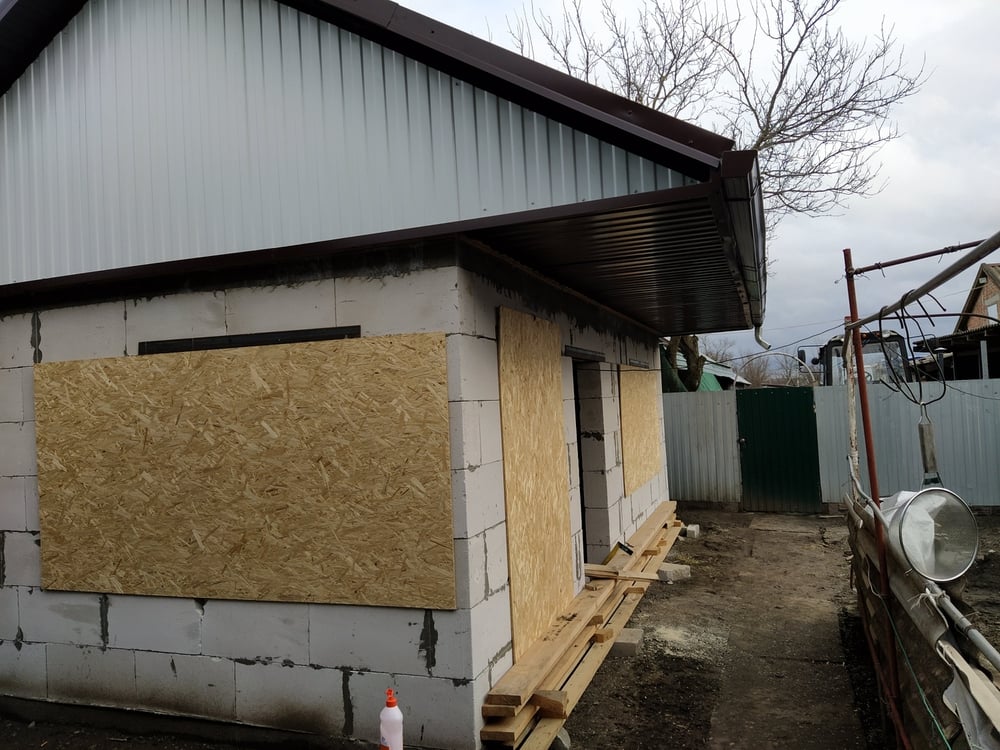
Climate change forced architects to design for increasingly extreme conditions. Flood-resistant homes have elevated critical systems above projected water levels. Fire-resistant materials and defensible spaces protect buildings in wildfire zones.
Earthquake-resistant structures incorporated flexible foundations and strategic crumple zones. These weren’t just technical solutions—they represented a fundamental shift in how architecture responds to environmental threats, accepting adaptation rather than attempting to overcome nature through brute force.
Like Go2Tutors’s content? Follow us on MSN.
Building for Tomorrow

The architectural innovations of the 2010s represented more than stylistic trends—they fundamentally reimagined the relationship between buildings and the people who use them. As we face mounting environmental and social challenges, these approaches offer valuable strategies for creating spaces that work better for both humans and the planet.
The decade’s best architecture showed us that sustainability, resilience, and beauty aren’t competing priorities but complementary aspects of truly thoughtful design.
More from Go2Tutors!

- 16 Restaurant Chains That Went Too Fast
- 12 Things Sold in the 80s That Are Now Illegal
- 15 Strange Things People Have Tried to Ban (And Failed)
- 16 Collectibles People Tossed Out Too Soon
- 17 Myths from Your Childhood That Were Actually Based on Real Things
Like Go2Tutors’s content? Follow us on MSN.