Things Schools Never Taught but Everyone Uses
You studied algebra for ages, yet when it came time to handle taxes – crickets. Historical dates stuck in your head, but not how to talk down a tense moment at work.
Sentence diagrams made sense back then; now, real conversations feel harder to navigate. Graduation hit, suddenly everything shifted.
No one showed you the basics – paying bills, pushing for fair pay. Life moved on its own rhythm, indifferent to report cards.
You figured some things out by messing up more than once. Some things remain unclear.
Yet nearly all come to see – useful insights usually arrived from elsewhere, not school.
How to Do Your Taxes
For decades, schools taught the quadratic formula but not how to fill out a 1040 form. Tax season arrives every year, and millions of people stare at forms wondering what counts as a deduction, whether they need to itemize, or if they’re even filing the right paperwork.
The system assumes you know terms like W-2, 1099, and adjusted gross income without ever explaining them.
This is changing. As of 2024, about half of U.S. states now require personal finance courses that cover topics including taxes.
But for everyone who graduated before these requirements took effect, the knowledge gap remains. Most people either pay someone to do their taxes or use software that walks them through it.
Understanding the basics saves time and money, but many adults had to learn this on their own when the consequences were real.
Managing Your Credit Score
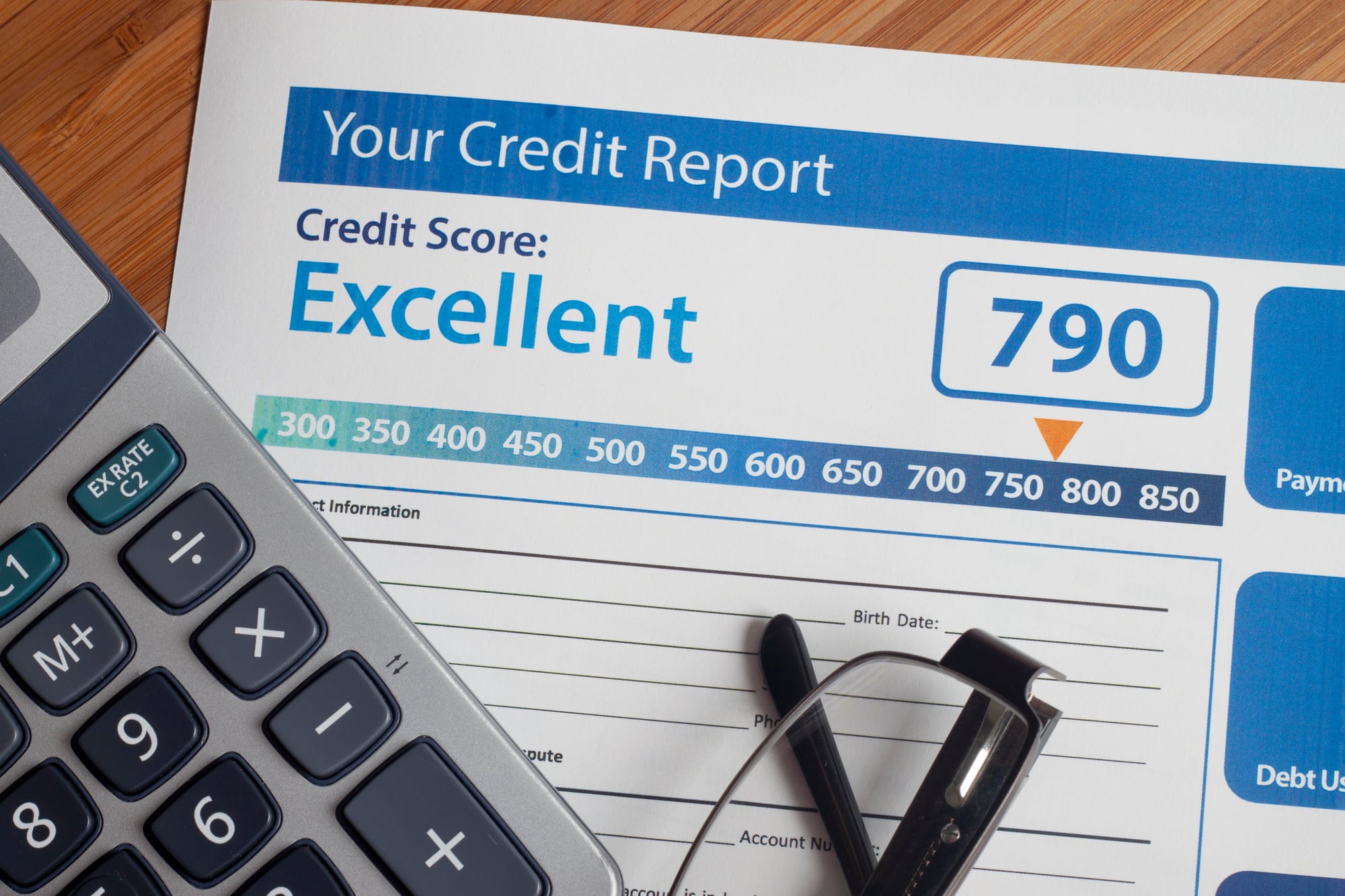
Credit scores control whether you can rent an apartment, buy a car, or get a mortgage. They affect interest rates and insurance premiums.
Yet schools rarely mention them, much less explain how they work. You learn by experience that paying bills late hurts your score, but not necessarily why or how much damage it does.
The difference between a good and bad credit score can cost thousands of dollars over time. Understanding what factors matter most, how to build credit without debt, and when to check your report would help everyone.
Instead, people discover these things when they’re denied a loan or see their interest rate jump. Education comes through expensive mistakes.
Dealing with Difficult People
School taught you to work in groups and be respectful. It didn’t prepare you for coworkers who take credit for your ideas, bosses who micromanage, or clients who make unreasonable demands.
Professional settings require navigating personalities and conflicts without guidance from a teacher or rulebook.
Learning to set boundaries, address problems directly, and recognize when to escalate issues takes practice. So does knowing when to let things go.
These skills matter in every job, but schools treat them as something you’ll just figure out. You won’t.
Most people stumble through awkward situations for years before developing any real competence at handling interpersonal challenges.
Negotiating Salary and Benefits
The first time someone asks about your salary expectations, you realize nobody taught you how to answer. Schools don’t cover negotiation tactics, how to research market rates, or when to ask for more money.
You’re expected to advocate for yourself in situations where thousands of dollars hang in the balance, with no preparation.
Many people accept the first offer they receive because they don’t know negotiation is expected. Others undervalue their work because they have no framework for assessing what they’re worth.
Learning to negotiate isn’t just about money. It’s about understanding your value and communicating it clearly.
That skill applies to raises, promotions, and even personal relationships. Schools never touch it.
Basic Home and Car Repairs

When something breaks, you need to decide whether to fix it yourself or call someone. Schools taught you biology and chemistry but not how to unclog a drain, patch drywall, or jump-start a car battery.
These practical skills save money and time, yet they’re absent from most curricula.
YouTube has filled some of this gap, but knowing which repairs you can handle and which require professionals still takes judgment. Understanding basic maintenance prevents bigger problems.
Recognizing warning signs before things break completely helps too. This knowledge comes through experience or from family members who bother to teach it, not from formal education.
Managing Time and Priorities

Schools gave you deadlines but not strategies for managing competing demands. Adult life involves juggling work deadlines, household tasks, appointments, and personal goals with no teacher telling you what to do when.
You’re supposed to figure out how to prioritize on your own.
Some people develop systems. Others wing it and feel constantly behind.
Learning to estimate how long tasks take, build in buffer time, and say no to things that don’t matter would help everyone. Schools could teach this, but they focus on content over process.
The result is people who know facts but struggle to organize their lives effectively.
Understanding Health Insurance

Your employer hands you insurance options and expects you to choose between plans with deductibles, copays, premiums, and out-of-pocket maximums. Schools taught anatomy but not how to compare health plans or understand what’s actually covered.
Most people pick a plan without really understanding it, then get surprised by medical bills.
Knowing what questions to ask, how to use insurance effectively, and when to appeal denied claims matters for your health and finances. This information exists, but schools don’t teach it.
You learn by making expensive mistakes or spending hours researching on your own.
Reading a Lease or Contract

Signing a lease for your first apartment means agreeing to pages of legal language you probably don’t understand. The same goes for phone contracts, car loans, and employment agreements.
Schools assign you to read novels and essays but not the actual documents that will govern major life decisions.
Understanding what you’re agreeing to matters. Knowing which clauses are standard and which are unusual helps you spot problems.
Recognizing when to ask questions or push back on terms protects you from bad deals. Legal literacy would benefit everyone, but schools treat it as specialized knowledge rather than a basic life skill.
Networking and Building Connections

Getting jobs often depends more on who you know than what you know. Yet schools don’t teach how to network, maintain professional relationships, or ask for help without feeling awkward.
You’re supposed to figure out how to stay in touch with people, make genuine connections, and build a reputation.
This skill feels uncomfortable at first because it involves putting yourself out there. Learning to introduce yourself confidently, follow up with contacts, and offer value to others takes practice.
Some people do it naturally. Most don’t.
Schools could demystify the process but rarely try. The result is that networking remains mysterious and intimidating for many people.
Cooking Basic Meals

Home economics used to cover cooking, but many schools dropped it. Now students graduate without knowing how to prepare simple, affordable meals.
They understand cellular respiration but not how to boil pasta, cook rice, or season vegetables properly.
This gap has real consequences. People who can’t cook spend more money and often eat less healthy food.
Learning basic techniques, understanding how flavors work, and knowing how to shop efficiently matters for health and finances. These are teachable skills that schools used to prioritize but largely abandoned.
Handling Rejection and Failure

Schools measure success through grades and test scores. They don’t prepare you for job rejections, failed projects, or goals that don’t work out.
Everyone faces setbacks, but schools rarely address how to process disappointment and move forward.
Learning to separate your worth from your results takes time. So does understanding that failure often precedes success.
Developing resilience and knowing how to extract lessons from mistakes helps in every area of life. Schools could teach these mental frameworks, but they focus on achievement rather than dealing with setbacks.
Managing Finances and Budgeting

For most of the past century, schools taught about the stock market in economics class but not how to create a budget, track spending, or save for goals. Practical money management skills were absent from most curricula.
Topics like how much to spend on rent, when to use credit cards, or how compound interest really works over time went unaddressed.
This has been changing rapidly. Multiple states now require personal finance courses, and by 2030, over half of American high school students will be guaranteed to take one.
But for the generations who graduated before these changes, the learning came through painful experiences. They overspent, accumulated debt, or failed to save because nobody showed them how to balance income and expenses.
Even as schools begin addressing this gap, millions of adults are still catching up on financial literacy they should have learned years ago.
Public Speaking and Presentations

You gave presentations in school, but they probably didn’t teach you how to actually speak in front of groups effectively. Controlling nervousness, structuring a talk, using visual aids properly, and reading an audience are skills that matter in almost every profession.
Many people fear public speaking more than anything else. With proper training, that fear decreases.
Learning techniques for preparation, delivery, and handling questions would help everyone communicate better. Schools assign presentations but rarely teach presentation skills.
You’re expected to develop them through repetition alone, which works for some people and not others.
Where the Gap Comes From

The disconnect between school curriculum and practical life skills isn’t new. Education systems evolved to teach academic subjects, and they’ve kept that focus even as the world changed.
Some practical knowledge used to come from families, communities, or vocational programs that have since diminished.
The gap also exists because curriculum decisions prioritize measurable outcomes. It’s easier to test whether someone knows the capitals of all fifty states than whether they can handle conflict at work.
Academic achievement gets measured and ranked. Life skills don’t fit neatly into that system.
But the gap has real costs. People struggle with basic adult responsibilities not because they’re incapable but because nobody taught them.
They spend years relearning through expensive mistakes what could have been covered in a few focused lessons. The question isn’t whether academic subjects matter.
It’s whether schools could make room for knowledge that everyone actually uses.
What People Learn Instead

In place of school, knowledge comes from doing or picking it up from those around you. Mistakes lead the way when sorting out tax forms.
A low number on your credit report teaches more than any class could. Someone at work demonstrates how to handle tricky conversations without saying much.
Tips about rent or pay come through chats over coffee, passed along like recipes.
This casual learning gets results, yet stumbles along without rhythm or pattern. Scattered, patchy – some folks land guidance through mentors or kin who step in where systems fail.
Not everybody lands that luck. Information sits out there, available in pieces, though who finds it hinges more on happenstance than any real plan to pass it around fairly.
The web opened access to knowledge for everyone. Search a topic, get tutorials or guides on nearly every hands-on ability out there.
Yet figuring out your blind spots means seeing them before a crisis hits. Education systems might guide learners into these crucial zones prior to leaving school.
Usually though, folks realize their missing skills right when pressure mounts – too late for real learning.
More from Go2Tutors!

- The Romanov Crown Jewels and Their Tragic Fate
- 13 Historical Mysteries That Science Still Can’t Solve
- Famous Hoaxes That Fooled the World for Years
- 15 Child Stars with Tragic Adult Lives
- 16 Famous Jewelry Pieces in History
Like Go2Tutors’s content? Follow us on MSN.



