Old Technologies Thought Futuristic
Remember when people believed we’d all be commuting to work in flying cars by now? The past was filled with big dreams about the future.
Scientists, designers, and everyday dreamers looked ahead and saw a world that seemed almost within reach. They sketched out inventions, built prototypes, and made bold predictions about how life would change.
Some of those visions came true in unexpected ways, while others remain stuck in the imagination. Looking back at these old predictions tells us something interesting about human nature and hope.
Each generation wants to believe the future holds something better, something easier, something more exciting than what they have today.
The Picturephone
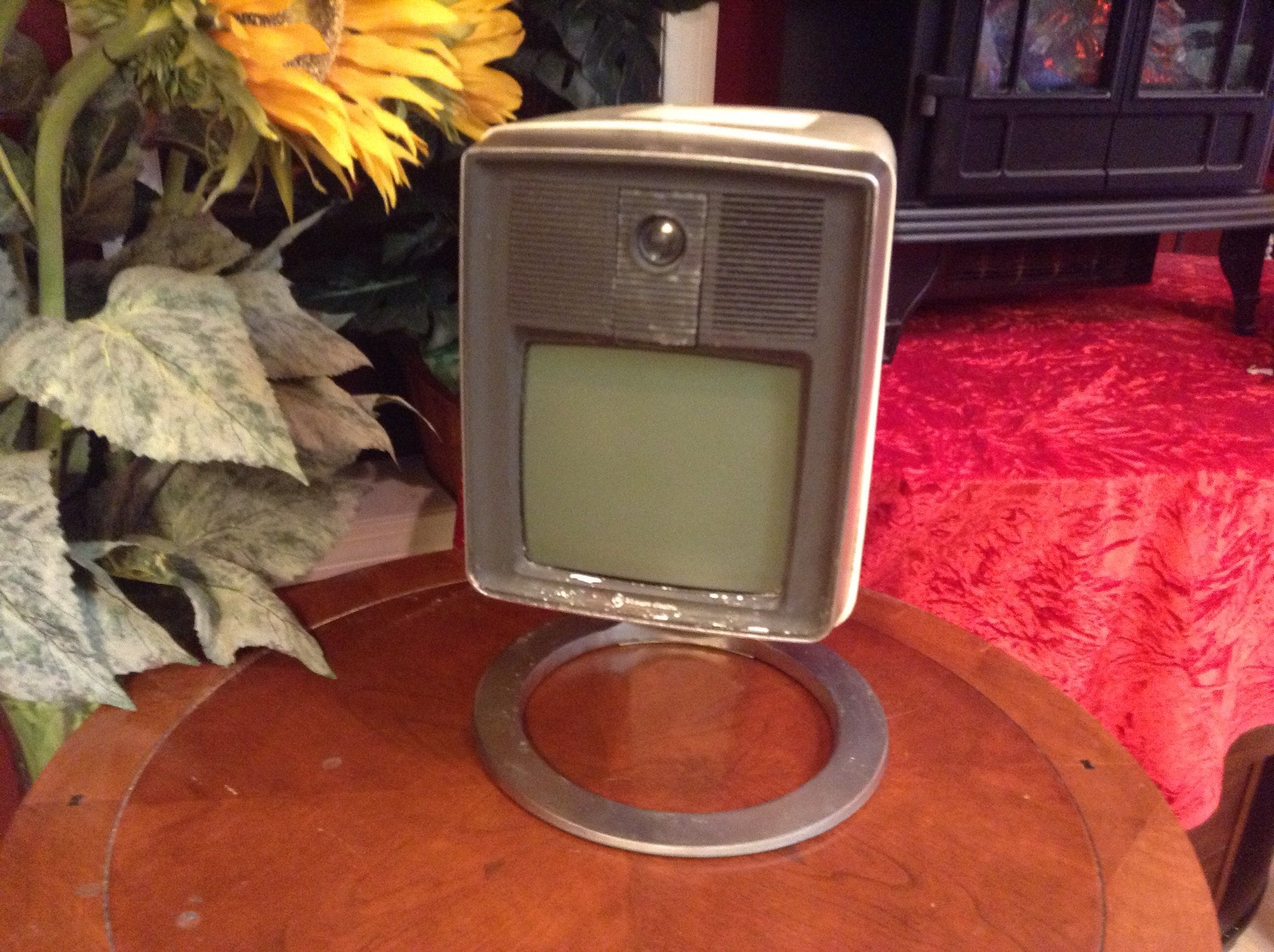
AT&T spent over 500 million dollars developing video calling technology from the 1940s through the 1970s. The Picturephone debuted at the 1964 World’s Fair, allowing visitors to make video calls between booths at the fair and even to Disneyland in California.
When commercial service launched in Pittsburgh in 1970, it cost around 160 dollars per month plus 25 cents per minute for additional calls. The device looked sleek with its small screen and futuristic silver casing.
By 1973, AT&T had fewer than 500 subscribers across the entire United States, and by 1977 only nine people were still using the service. Today we video chat constantly, but it happened through smartphones and computers rather than dedicated video phones.
Flying Cars with Bubble Tops
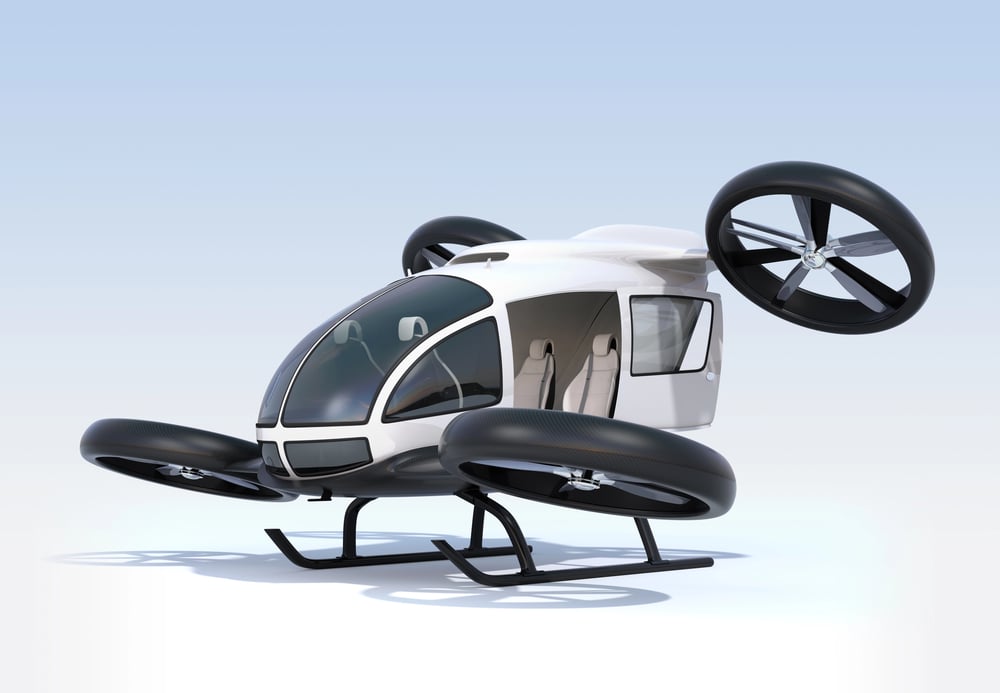
Car designers in the 1950s loved drawing vehicles with clear plastic domes and jet engines. In 1940, Henry Ford predicted that a combination airplane and motorcar was coming, telling people they could smile but it would arrive.
Ford’s FX-Atmos concept car from 1954 featured the classic look with nacelles and fins, though it had no actual powertrain. The designs always included smooth curves, twin engine pods, and that signature bubble canopy that looked like something from a science fiction movie.
Artists and engineers created hundreds of sketches showing these vehicles zipping through the sky between buildings. Glenn Curtiss built the Autoplane in 1917 with a pusher propeller and removable wings, but it could only hop, not actually fly.
The problem wasn’t just technical difficulty or cost. Flying cars would require average drivers to navigate three dimensions instead of two, and most people have enough trouble with regular parking lots.
Room-Sized Computers

The UNIVAC I, America’s first commercial computer available in 1951, measured fourteen feet by seven feet by nine feet and used five thousand vacuum tubes to operate. The UNIVAC filled entire rooms, generated tremendous heat, and required teams of specialists to operate.
Experts predicted that perhaps fifty of these massive machines would be in use by the year 2000, thinking only wealthy nations and major corporations could afford them. People in lab coats would feed in punch cards and wait for results.
The UNIVAC had an internal memory of just one thousand words. Nobody imagined that computers would shrink down to fit in pockets or that nearly everyone would own multiple devices more powerful than those early behemoths.
Push-Button Education

Dr. Simon Ramo from Caltech proposed teaching through sound movies and mechanical tabulating machines where students would record attendance and answer questions by pushing buttons. Educators envisioned automated desks with built-in controls that would keep better tabs on kids.
The concept assumed machines could replace most teachers, with skilled educators only stepping in periodically to review progress records. Students would advance at their own pace, guided by mechanical systems rather than human instructors.
This vision completely missed how much learning depends on human interaction, discussion, and the social aspects of school. We do have online learning now, but it turned out to be a supplement rather than a replacement.
Jetpacks for Everyone

The idea of strapping on a rocket pack and flying to work captured imaginations for decades. Comic strips and illustrations showed postal workers using jetpacks for mail delivery.
The military developed working prototypes that could fly for short periods, and demonstrations at public events made them seem almost ready for everyday use. But jetpacks faced serious limitations.
They consumed fuel incredibly fast, were difficult to control, and posed obvious danger concerns. The dream looked great on paper but made little practical sense for daily commuting.
Moving Sidewalks Everywhere

Cities of the future were predicted to have multi-level streets with elevated sidewalks and aerial bridges connecting skyscrapers. Designers imagined automated conveyor belts carrying pedestrians at various speeds throughout urban areas.
You’d step on a slow-moving walkway, transition to a faster lane, then step off at your destination without walking at all. Airports installed moving walkways that still exist today, but they never expanded to cover entire cities.
The infrastructure costs would be enormous, and people would still need to walk the last block to their actual destination anyway. Mechanical walkways also break down and require constant maintenance.
Underwater Cities
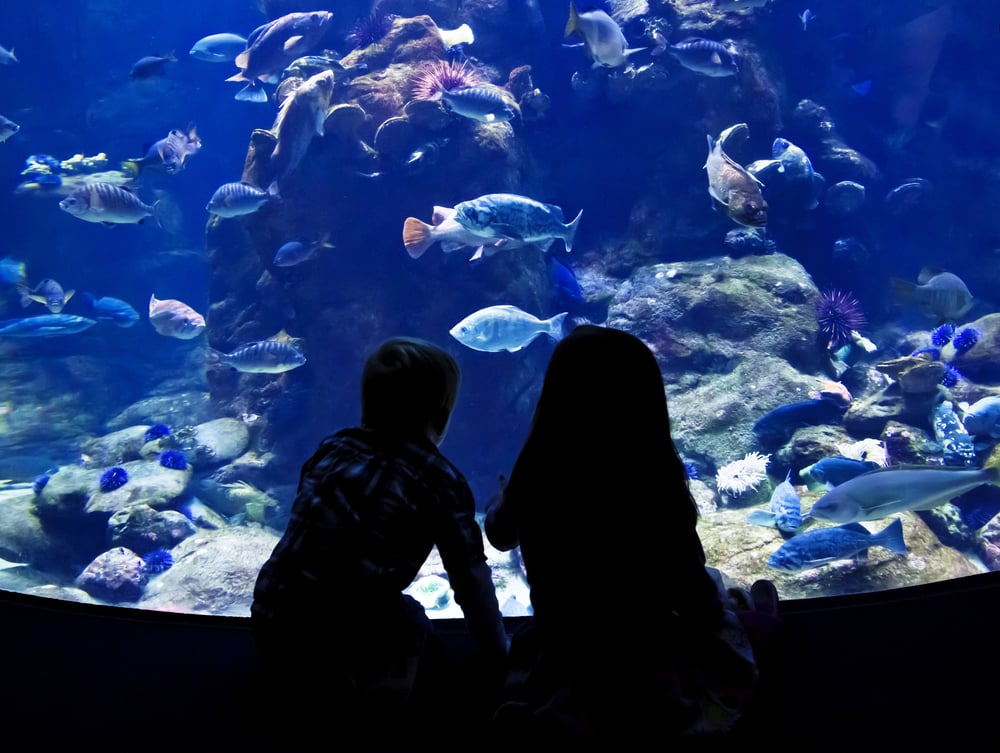
Predictions from the 1960s imagined fabulous domed underwater cities where people would live and work beneath the ocean surface. Artists created detailed drawings showing clear acrylic hemispheres on the seafloor with people going about normal life while fish swam past windows.
Engineers proposed using advances in submarine technology to create livable habitats with air locks, pressure systems, and everything needed for long-term residence. But ocean colonization remained firmly in science fiction.
The engineering challenges proved far more complex than anticipated, maintenance would be incredibly expensive, and most people simply preferred living on dry land with easy access to the surface.
Meal Pills

Roger W. Babson predicted that fifty years into the future most food would be served in concentrated or pill form. Illustrations from the late 1950s and early 1960s regularly featured meal pills as a standard part of daily life.
The concept ignored something important about human nature. People enjoy eating. The taste, texture, and social aspects of sharing meals matter beyond simple nutrition.
We’ve developed protein shakes and vitamin supplements, but they exist as additions to regular food rather than replacements. Even astronauts in space prefer real food over purely functional nutrition delivery systems.
Weather Control

Predictions from the 1950s included using flame-throwers on roads to instantly melt snow and ice. More ambitious proposals suggested humans would soon control rain, redirect storms, and regulate temperatures across entire regions.
Cloud seeding experiments showed some promise for inducing rainfall, which fueled confidence that comprehensive weather control was just around the corner. The reality proved far more complicated.
Weather systems involve countless interacting variables across massive scales. Changing weather in one location creates unpredictable effects elsewhere.
Robot Butlers

Illustrations from the era featured robot servants handling household chores while families relaxed. The Jetsons’ Rosie became the iconic example, a mechanical maid who did everything from vacuuming to serving dinner.
People assumed that automation would naturally extend to domestic labor, freeing humans from tedious chores. We do have robotic vacuum cleaners and programmable appliances now, but they’re specialized tools rather than general-purpose servants.
Building a robot that can handle the variety of tasks a human housekeeper performs remains incredibly difficult. Stairs alone present major challenges for most robots.
Plastic Houses

Monsanto’s House of the Future at Disneyland in the late 1950s displayed an imagined 1980s lifestyle with everything made of synthetic materials. Futurists predicted furniture, rugs, draperies, and floors would all be plastic so housewives could simply turn a hose on everything to clean.
People discovered they preferred natural materials that felt comfortable rather than purely functional plastic environments. Houses made entirely of synthetic materials felt sterile and uncomfortable for long-term living.
We use plastics extensively now, but integrated with wood, fabric, and other materials that create spaces people actually want to inhabit.
Nuclear-Powered Everything

The 1950s and 1960s saw atomic energy as the solution to all power needs. Predictions included nuclear-powered cars, trains, ships, and even individual homes.
Nobody anticipated the complexity of nuclear safety, waste disposal challenges, and public fear following accidents. The technology found applications in submarines, aircraft carriers, and power plants, but never became the universal energy source people imagined.
Cities Floating Above the Ground
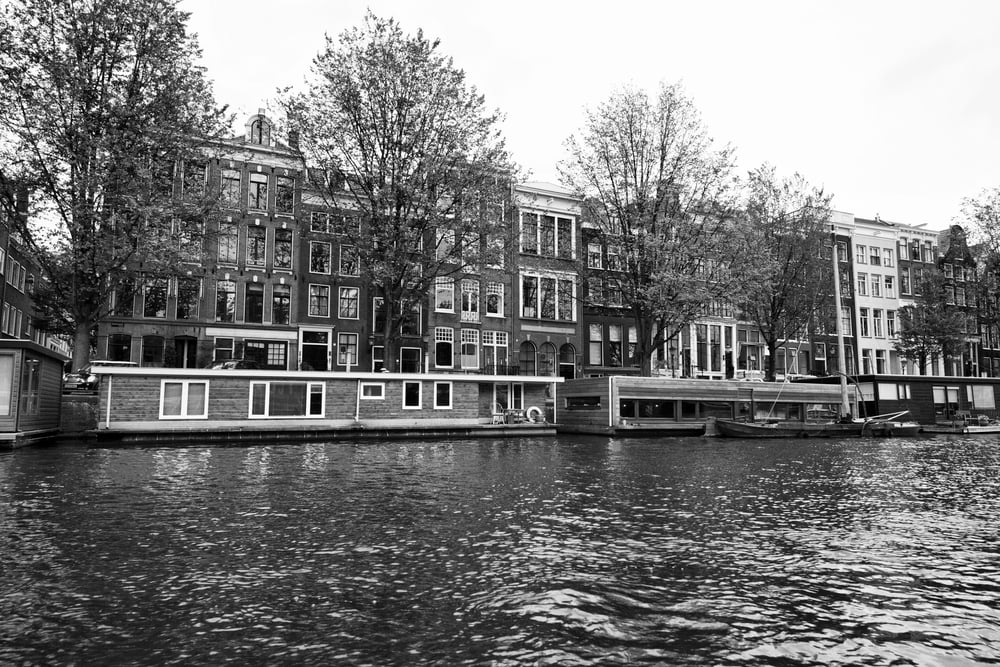
Predictions painted cities stacked in layers, where roads floated at different altitudes – linked by walkways high above the streets. Tall towers reached up into skies packed with planes, airships, maybe even private flyers zipping between rooftops.
Yet going up causes issues when getting out fast in crises, uses more power for lifts plus heating or cooling, also just because folks usually like being close to the ground. Urban areas got higher over time, still stuck most actions down by pavement while structures stretched skyward instead of piling full living zones one over another.
Transatlantic Highways

The late 1950s brought up plans for a road stretching across continents – so you could drive straight from America to Europe or even Asia. People figured: if highways work on land, why not push them through oceans between major landmasses?
Putting huge constructions out in open water means dealing nonstop with salty rust, rough weather, plus shifting ice. The price to build it would be huge, and folks would likely stick with planes for crossing oceans since they’re quicker.
Personal Helicopters

Mini copters for one person popped up everywhere in forecasts, meant to fix jammed streets. Blueprints revealed disc-shaped rigs with fan blades rising vertically, then switching to front propulsion, hitting 165 mph steady pace.
But these ideas skipped over loud noises, difficulty of flying them correctly, chaos if skies filled with thousands, high costs, upkeep, and serious learning time. They ended up being used for rescues or checking road jams, yet didn’t catch on with regular commuters.
Vacations on Mars
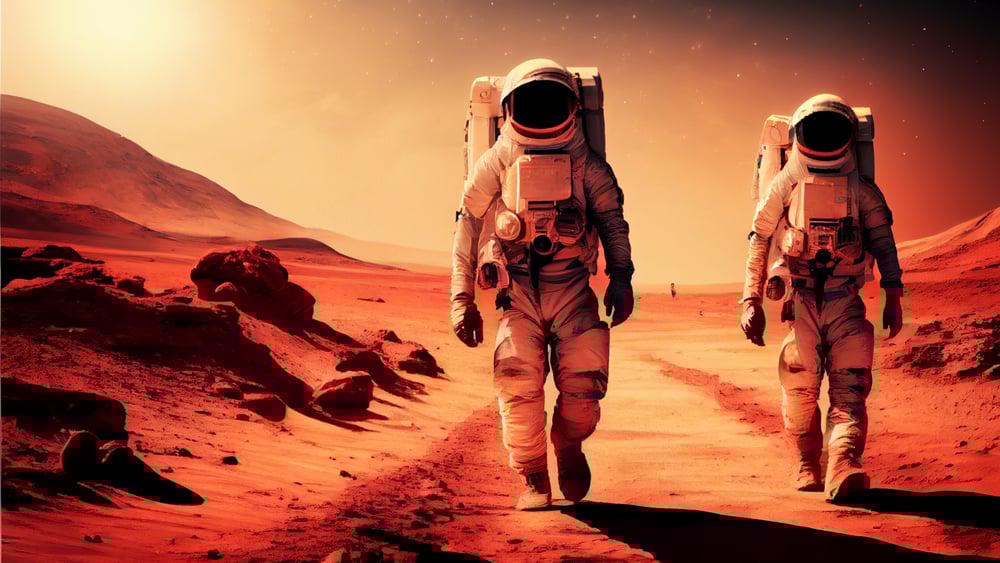
Predictions pictured regular trips to space, with people holidaying on Mars while lunar games hosted by the moon kicked off. Excitement from the Space Age fed strong belief that rockets would evolve fast, letting ordinary people hop between planets.
We made it to the moon, but pulling it off took whole countries’ efforts plus serious danger. Trips to Mars remain sci-fi territory – far, slow, expensive, and inhospitable for humans.
When I Think About the Past, While Also Wondering What’s Next

These guesses show what folks used to believe about moving forward and what felt like getting better. Reality unfolded differently: we got pocket computers rather than video calls, digital maps instead of sky vehicles, online networks over food tablets.
Things changed alright – but not how anyone expected. Today’s world might feel odd or underwhelming to a person from 1960 in certain spots, but totally wild in others. They’d probably ask about their jetpack – till you toss ’em a phone, fire up a video chat with someone halfway across the globe, pull up every fact ever recorded in seconds, then guide them through unknown streets using just something small enough to stash in a jeans pocket.
Sure, the tomorrow we pictured looked flashier; still, what actually shows up often beats dreams, especially once you notice it’s been here all along, disguised as ordinary gadgets.
More from Go2Tutors!

- The Romanov Crown Jewels and Their Tragic Fate
- 13 Historical Mysteries That Science Still Can’t Solve
- Famous Hoaxes That Fooled the World for Years
- 15 Child Stars with Tragic Adult Lives
- 16 Famous Jewelry Pieces in History
Like Go2Tutors’s content? Follow us on MSN.