15 Punishments That Actually Became Rewards
Throughout history, humans have devised countless ways to discipline, shame, and control behavior. Time has this peculiar way of flipping the script on society’s best-laid plans, though.
What once served as public humiliation or severe consequence has often transformed into something people actively seek out, pay for, or even brag about. The irony runs surprisingly deep when considering how many modern pleasures started as medieval torments or legal penalties.
Here is a list of 15 punishments that society eventually embraced as rewards, entertainment, or status symbols.
Exile to Tropical Islands

Ancient civilizations regularly banished criminals and political dissidents to remote islands, expecting them to suffer in isolation. The Greeks sent troublemakers to barren rocks in the Mediterranean, while European powers later used places like Australia and various Caribbean islands as penal colonies.
This punishment aimed to separate the unwanted from civilized society — leaving them to struggle for survival in unfamiliar territories. Those same tropical islands now represent the ultimate vacation destination.
People spend thousands of dollars for the privilege of disconnecting from civilization on pristine beaches that once held prisoners. The isolation meant to break spirits now offers the perfect escape from modern life’s relentless pressures.
Public Flogging and Whipping
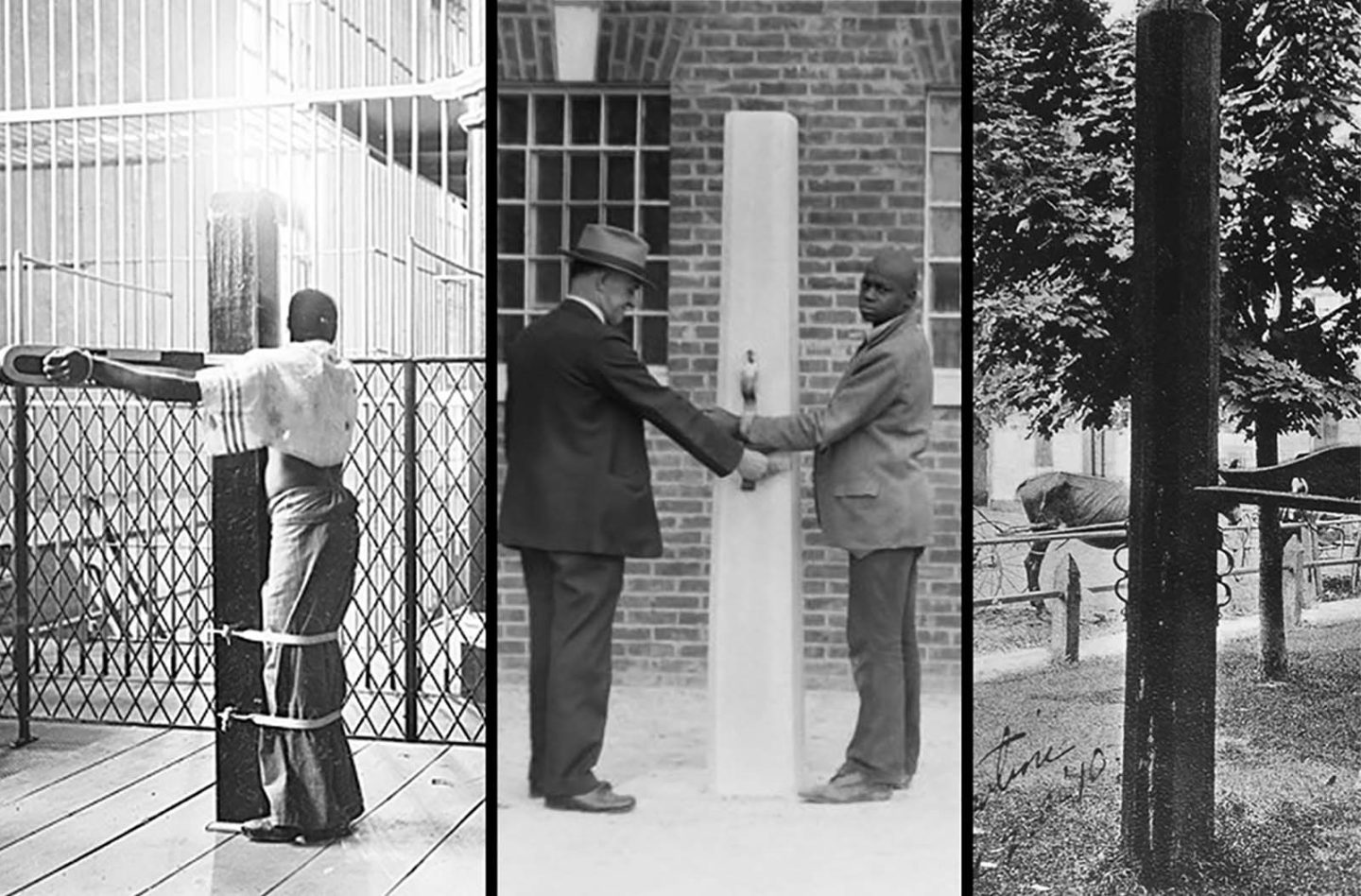
Medieval justice systems relied heavily on public beatings to shame offenders and deter others from similar crimes. Town squares regularly hosted whipping posts where criminals received lashes while crowds gathered to witness their punishment.
The combination of physical pain and public humiliation was designed to create lasting deterrence — yet society’s relationship with controlled pain has changed dramatically. Modern society has transformed this brutal practice into consensual adult entertainment and stress relief.
Professional dominatrixes charge premium rates for controlled whipping sessions, while some people find therapeutic value in the endorphin release that follows controlled pain. What once destroyed reputations now operates as a legitimate business in many places.
Like Go2Tutors’s content? Follow us on MSN.
Bread and Water Diets

Prison systems historically used severely restricted diets as both punishment and cost-saving measure. Inmates who misbehaved found themselves limited to basic bread and water — sometimes for weeks at a time.
The monotonous, minimal nutrition was meant to break their will and encourage compliance with prison rules. Contemporary wellness culture has rebranded this deprivation as intermittent fasting and cleansing diets.
People voluntarily restrict their food intake, often consuming only simple carbohydrates and water for days or weeks. Expensive retreats now offer supervised fasting experiences that promise spiritual and physical benefits from the same dietary restrictions once used to punish criminals.
Solitary Confinement

Isolation punishment emerged as a supposedly humane alternative to physical torture — confining prisoners to small cells without human contact for extended periods. Prison reformers believed solitude would encourage reflection and repentance, though the psychological effects often proved devastating.
Inmates faced complete sensory deprivation and social isolation as punishment for various infractions. The modern meditation and mindfulness movement actively seeks similar isolation experiences.
Silent retreats charge participants substantial fees to spend days or weeks in solitude, often in small rooms with minimal stimulation. Corporate executives and stressed professionals now pay for the same isolation that once drove prisoners to madness — framing it as essential self-care.
Forced Labor in Mines
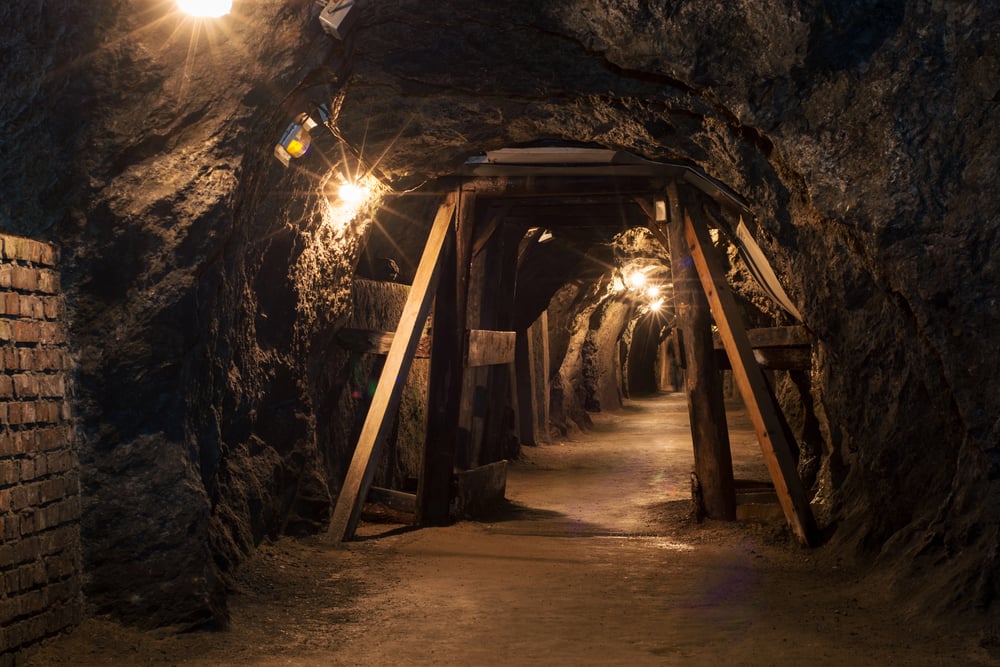
Mining operations throughout history relied on forced prison labor — sending convicts deep underground to extract valuable materials under dangerous conditions. Chain gangs and prison crews worked in coal mines, salt mines, and quarries as part of their punishment.
The work was backbreaking, dangerous, and designed to exhaust both body and spirit. Adventure tourism has transformed underground exploration into a thrilling recreational activity.
Cave diving, spelunking, and mine tours attract millions of visitors annually who pay to experience the same dark, claustrophobic environments that once terrified prisoners. What was once a death sentence has become an adrenaline-pumping weekend activity.
Like Go2Tutors’s content? Follow us on MSN.
Stocks and Pillories
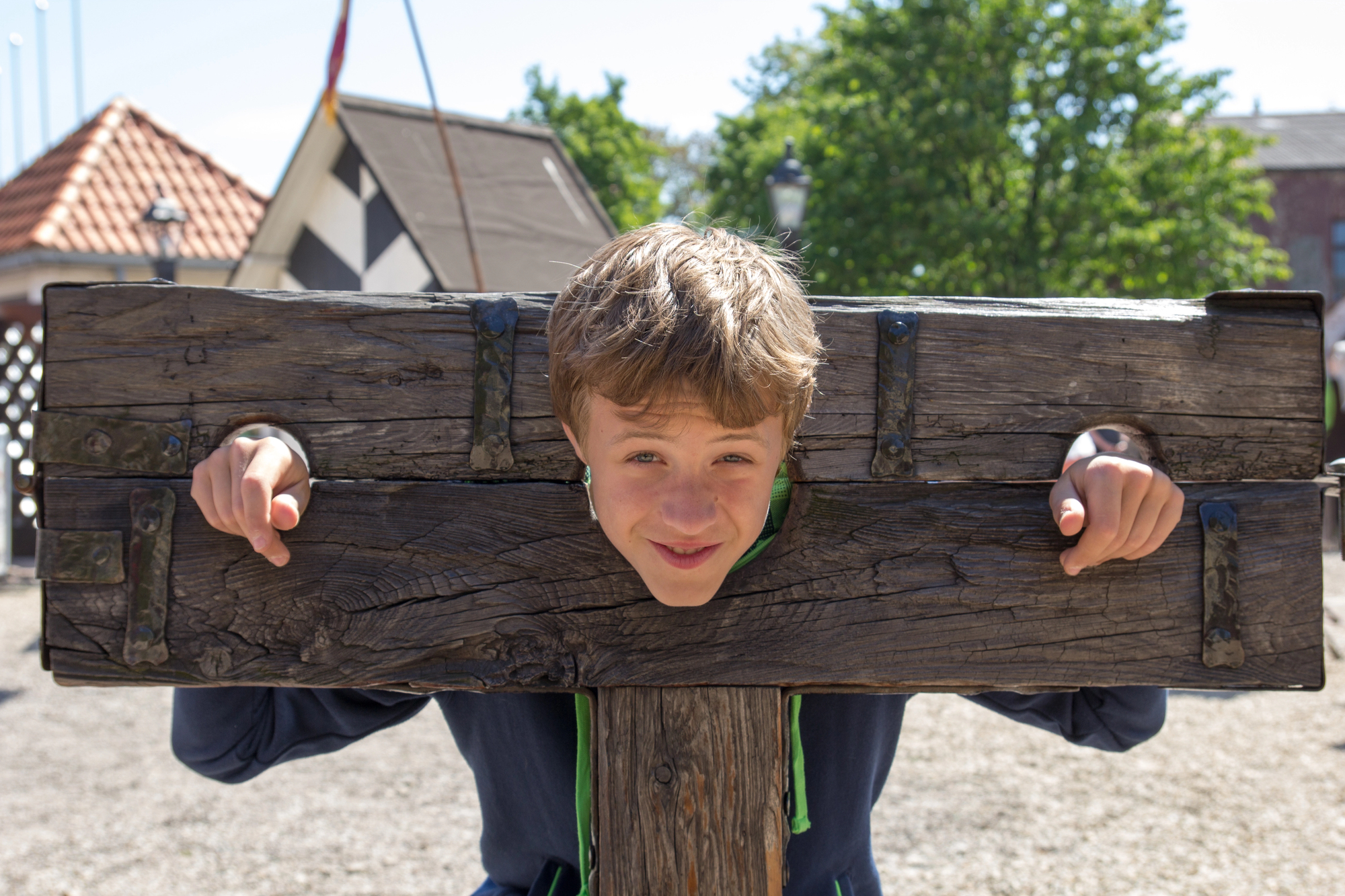
Medieval town squares featured wooden restraining devices that held criminals in uncomfortable positions while exposing them to public ridicule. The stocks locked feet in place while the pillory secured head and hands — forcing offenders to stand for hours while citizens threw rotten food and insults.
These devices combined physical discomfort with social humiliation as the ultimate shame-based punishment. Contemporary adult entertainment venues now feature similar restraining equipment as premium attractions.
Private clubs and specialty businesses cater to people who pay to experience the same physical restraint and power dynamics once reserved for criminals. The public humiliation aspect has evolved into consensual role-playing scenarios that some find liberating rather than shameful.
Wearing Dunce Caps

Educational systems once used pointed caps to mark students who failed to meet academic expectations. Teachers forced struggling learners to sit in corners wearing the distinctive cone-shaped hats — creating visual markers of intellectual inadequacy.
The practice was meant to motivate better performance through shame and peer pressure. Modern party culture has embraced the dunce cap as a celebration accessory.
Birthday parties, graduation ceremonies, and festive gatherings regularly feature colorful cone-shaped hats as symbols of joy and achievement. The same pointed design that once marked failure now represents fun, accomplishment, and special occasions.
Being Tarred and Feathered
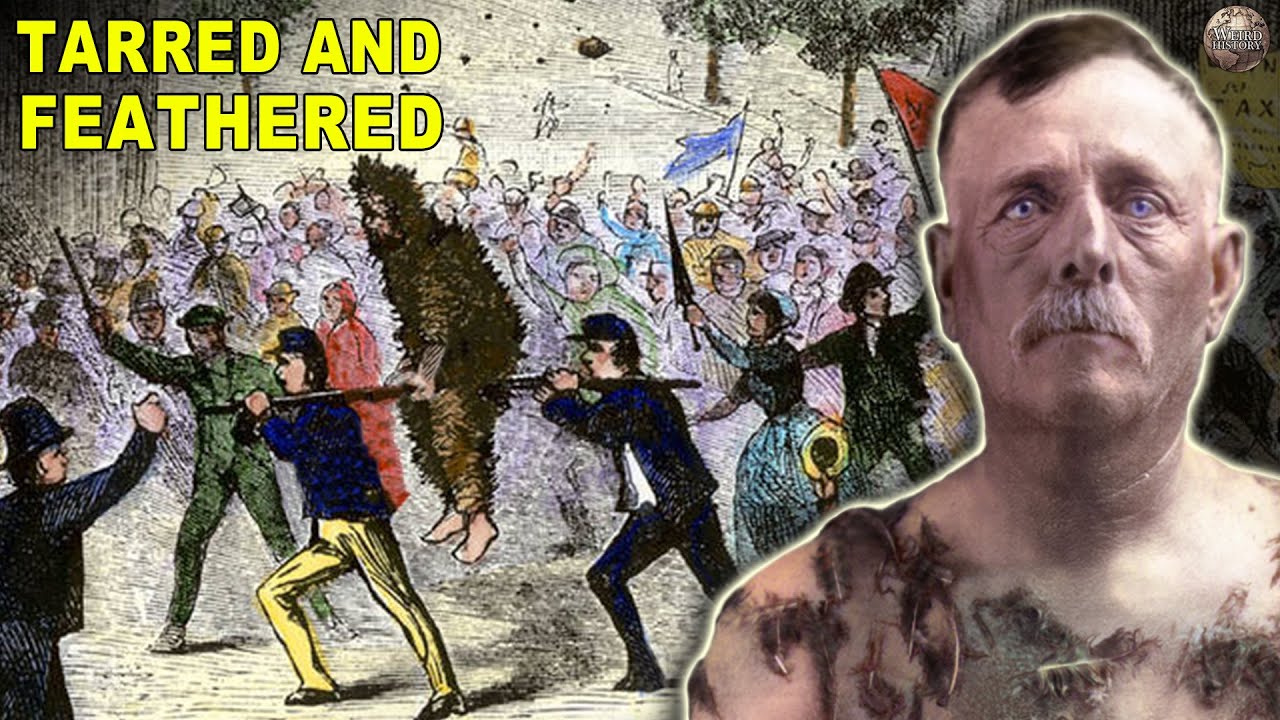
Colonial America developed this particularly humiliating punishment for tax collectors, political opponents, and social outcasts. Victims were stripped, covered in hot tar, and rolled in feathers before being paraded through town as objects of ridicule.
The process was painful, degrading — and left lasting physical and social scars. Contemporary art and performance communities have reclaimed elements of this punishment as powerful artistic expression.
Body painting, costume design, and performance art regularly incorporate similar transformative covering techniques. Artists voluntarily undergo dramatic physical alterations that once served as ultimate humiliation, now viewing them as creative liberation and personal empowerment.
Like Go2Tutors’s content? Follow us on MSN.
Forced Public Speaking

Ancient Greek ostracism required exiled citizens to defend themselves before hostile crowds — often leading to further punishment or permanent banishment. Medieval courts forced accused criminals to speak publicly about their alleged crimes, using their nervousness and poor speaking skills as evidence of guilt.
Public speaking served as both punishment and tool for extracting confessions. The modern professional world has transformed public speaking into a valuable career skill worth substantial investment.
Executive coaching, presentation training, and speaking workshops generate millions in revenue annually. People now pay premium prices to overcome the same fear that once served as effective punishment — viewing confident public speaking as essential for success.
Wearing Scarlet Letters
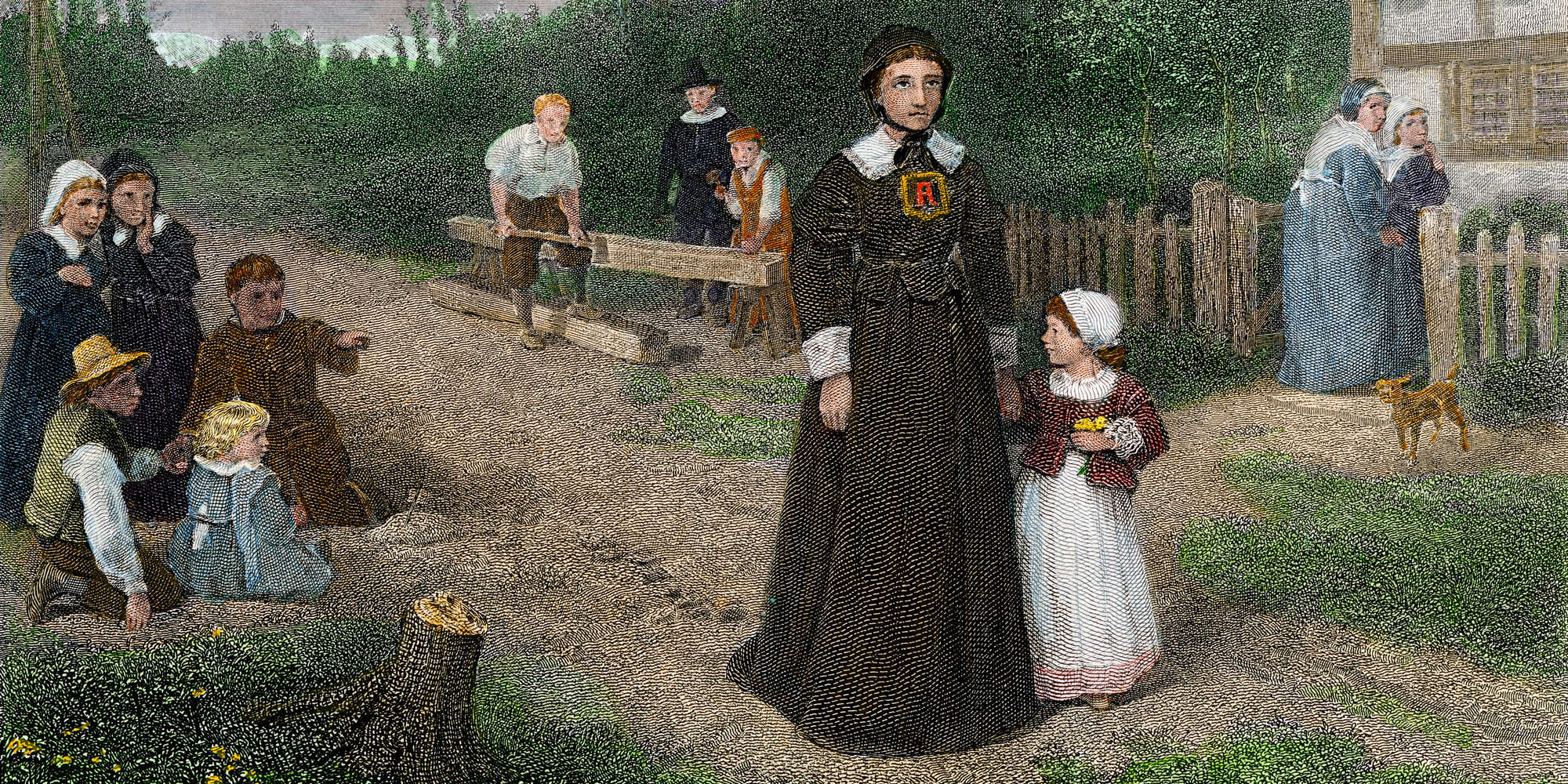
Puritan communities forced adulterers and other moral offenders to wear identifying letters sewn prominently onto their clothing. The scarlet ‘A’ became the most famous example — marking individuals for life-long social ostracism and constant reminder of their transgression.
The visible marking ensured community members could easily identify and shun the offender. Fashion culture has embraced bold lettering and symbolic clothing as premium designer elements.
Luxury brands charge thousands for clothing featuring prominent letters, logos, and symbols that announce the wearer’s status. Monogrammed accessories and branded clothing now serve as expensive status symbols rather than marks of shame.
Cold Water Immersion
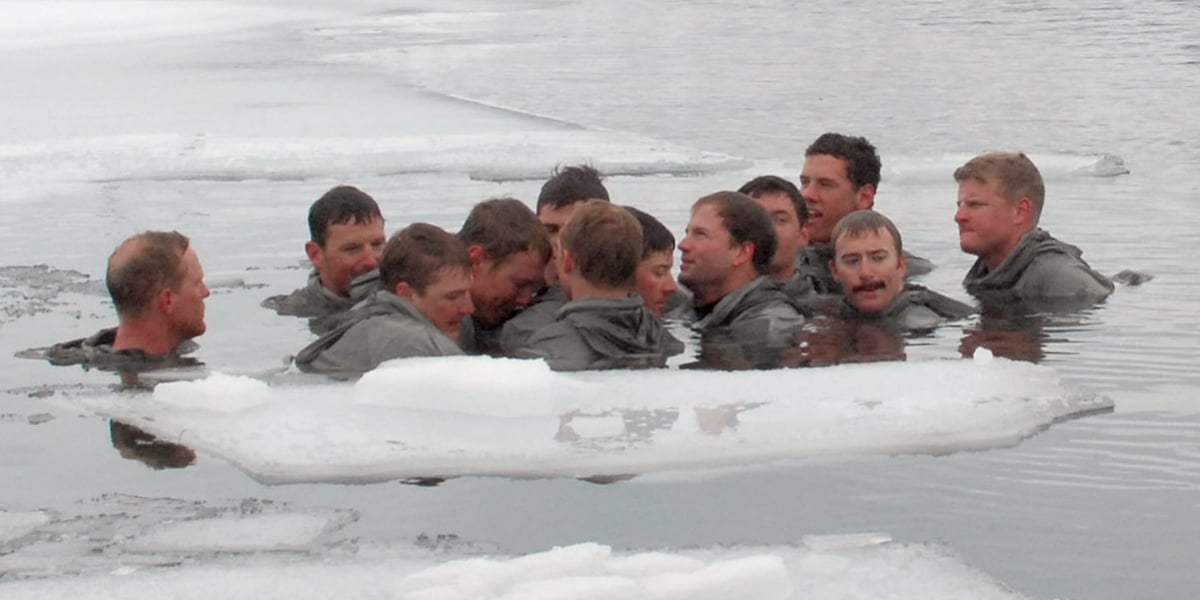
Torture and punishment techniques frequently involved forcing prisoners into frigid water for extended periods. Medieval dungeons often flooded cells with cold water, while military punishments included prolonged exposure to icy streams and lakes.
The practice was designed to break physical resistance and mental resolve through hypothermic stress. Wellness trends have rebranded cold water immersion as premium health therapy.
Ice baths, cryotherapy, and cold plunge pools attract health-conscious consumers willing to pay substantial fees for controlled cold exposure. Athletic recovery centers and spa facilities now offer the same cold water treatments once reserved for breaking prisoners’ spirits.
Like Go2Tutors’s content? Follow us on MSN.
Banishment to Wilderness
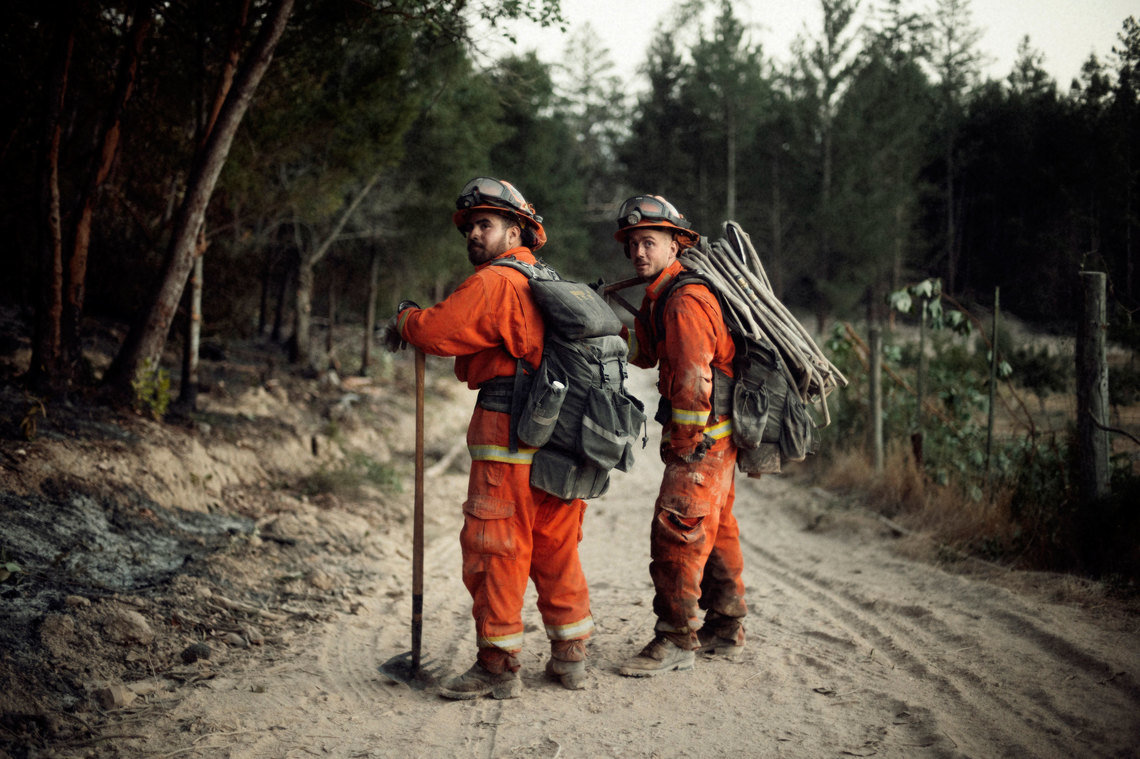
Ancient societies regularly cast out criminals, political dissidents, and social outcasts into untamed wilderness areas with minimal survival supplies. The punishment combined physical hardship with social isolation, expecting most exiles to perish from exposure, starvation, or wild animal attacks.
Survival in hostile natural environments wasn’t intended to be possible. Outdoor adventure industries have transformed wilderness survival into expensive recreational challenges.
Survival courses, wilderness retreats, and adventure tourism generate billions in revenue from people seeking the same harsh natural experiences once used as capital punishment. Modern participants voluntarily face the same life-threatening conditions that once served as certain death sentences.
Public Nudity and Exposure

Historical punishment often involved forced nudity as the ultimate form of humiliation and vulnerability. Criminals were stripped and displayed publicly to maximize shame and social degradation.
The practice was designed to destroy personal dignity and social standing permanently. Contemporary entertainment and artistic expression have reclaimed public nudity as a powerful personal statement and creative medium.
Performance art, protest movements, and alternative lifestyle communities view public nudity as liberation rather than punishment. What once destroyed social standing now represents personal freedom and artistic courage.
Forced Standing and Physical Stress Positions

Military and prison discipline traditionally used stress positions that forced individuals to maintain uncomfortable physical postures for hours or days. Standing at attention, holding heavy objects, and maintaining awkward positions served as both punishment and compliance training.
The physical exhaustion was meant to break mental resistance and enforce obedience. Fitness culture has transformed stress positions into premium workout experiences and spiritual practices.
Yoga studios, military-inspired fitness programs, and endurance training facilities charge substantial fees for similar physical challenges. Planking competitions, wall sits, and static holds now represent personal achievement rather than degrading punishment.
Like Go2Tutors’s content? Follow us on MSN.
Shaving Heads as Shame Markers

Throughout history, forced head shaving marked criminals, prisoners, and social outcasts for easy identification and lasting humiliation. Military punishments, prison intake procedures, and public shaming rituals used hair removal to strip away personal identity and social status.
The visible marking ensured long-term social consequences even after the initial punishment ended. Fashion and personal expression movements have embraced shaved heads as bold style statements and symbols of personal empowerment.
Celebrity culture, military appreciation, and alternative fashion regularly feature shaved heads as desirable aesthetic choices. Professional salons now charge premium prices for the same hair removal once reserved for society’s most despised members.
When Punishment Becomes Privilege

The transformation of punishment into reward reveals something fascinating about human nature and social evolution. What once represented society’s worst consequences has become modern culture’s most sought-after experiences.
The shift suggests that context, choice, and social framing matter more than the actual experience itself when determining whether something feels punitive or pleasurable. These historical ironies remind us that punishment often says more about the punisher than the punished.
Today’s rewards were yesterday’s torments, and tomorrow’s pleasures might emerge from today’s most feared consequences. The cycle continues as society constantly redefines the boundaries between suffering and satisfaction.
More from Go2Tutors!

- 18 Unexpectedly Valuable Collectibles You Might Have Lying Around
- 20 Little-Known Historical Battles That Had Huge Consequences
- 20 Historical Artifacts That Scientists Can’t Explain
- 15 Inventions That Were Immediately Banned After Being Created
- 20 Actors Who Were Almost Cast in Iconic Roles
Like Go2Tutors’s content? Follow us on MSN.



